Dave's Pest Control

Blog

  • Rat: A most prolific reproduction crisis

    Rat: A most prolific reproduction crisis

    Rats, despite their less-than-desirable reputation, play a complex role in the ecosystem. Unfortunately, this complexity often extends to their interaction with human habitats. One prevalent behavior observed during colder seasons is rats seeking refuge in homes to escape cold or harsh temperatures outside.

    Why do rodents nest in homeowner’s attics?

    Survival Instincts:

    Rats, like many creatures, are driven by survival instincts. As temperatures drop, they seek warmer environments to maintain their body heat and survive the cold. Homes, with their controlled climates, become attractive shelters for these rodents.

    Attraction to Attics:

    Attics, often overlooked and less frequented by humans, provide an ideal hideaway for rats. The enclosed space offers protection from predators, and the stored items within attics provide potential nesting materials for these resourceful rodents.

    Insulation’s Appeal:

    Insulation within attics serves as a double-edged sword for homeowners. While insulation is crucial for regulating indoor temperatures, it becomes an unintentional attraction for rats. The soft, fibrous nature of insulation materials offers a cozy and warm nesting environment, making attics particularly appealing.

    Nesting Behavior:

    Rats are prolific breeders, and a warm, secluded attic with insulation becomes an inviting spot for them to create nests and raise their young. The abundance of nesting materials in the form of insulation contributes to the rats’ ability to establish a comfortable living space.

    Adaptability and Opportunism:

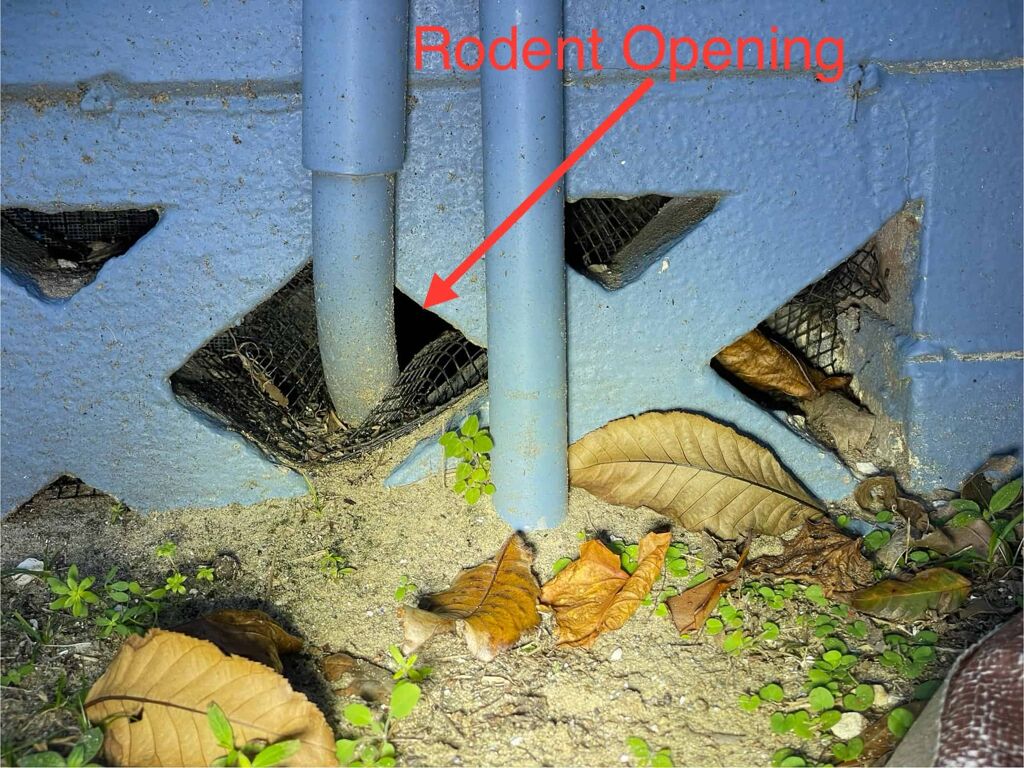
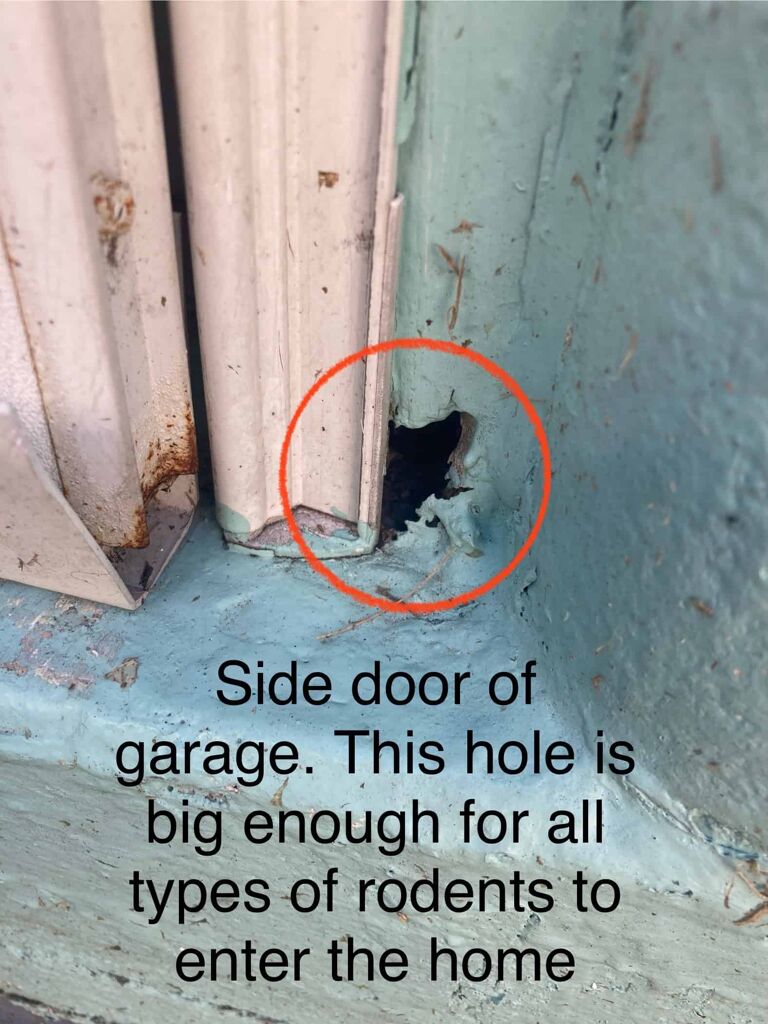
    Rats have proven to be highly adaptable and opportunistic. They capitalize on the convenience offered by human dwellings, taking advantage of any opening or vulnerability to gain access. Attics, often with small entry points, become vulnerable areas for rat infestations.
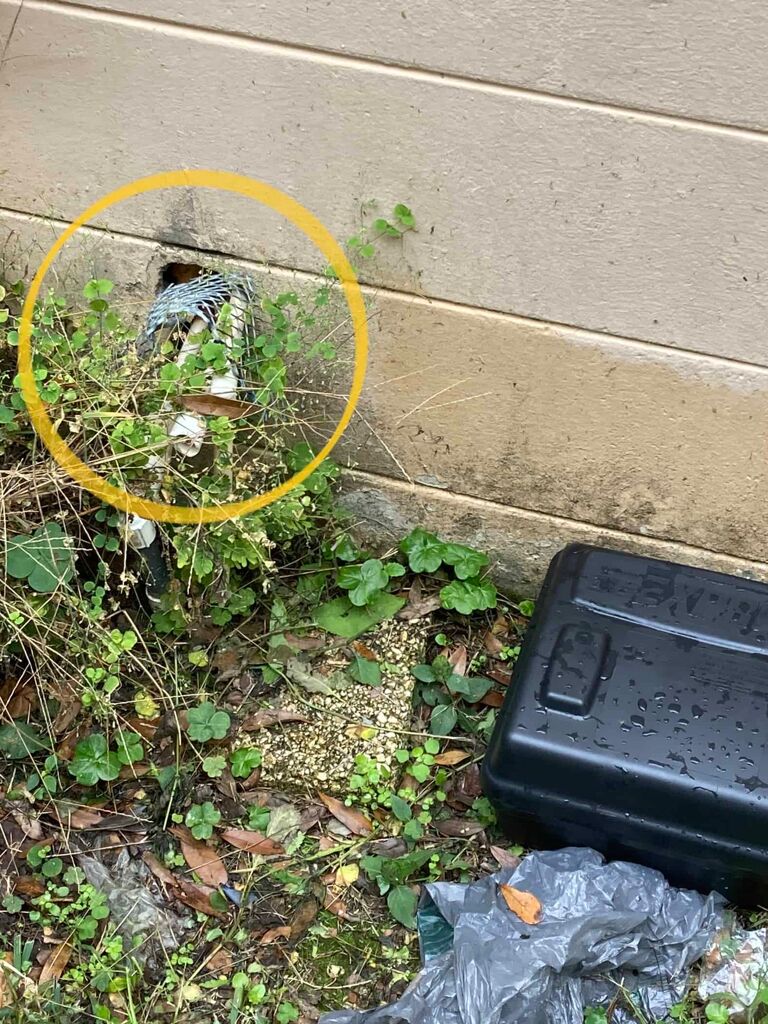
    The relationship between rats and homes seeking warmth during colder seasons is a testament to the adaptability and survival instincts of these creatures. While attics may unintentionally provide an inviting haven for rats, homeowners can take proactive measures to prevent infestations.

    Regular inspections, sealing entry points, and maintaining a well-ventilated and insulated home can help strike a balance between human comfort and minimizing the appeal of our living spaces to these resourceful rodents.

    Understanding the intricacies of this interaction is crucial for effective pest control and fostering a harmonious coexistence between humans and the wildlife that shares our surroundings.

    A Prolific Reproduction Crisis:

    Rats have earned a notorious reputation for their remarkable ability to reproduce at an astonishing rate. Understanding the reproductive characteristics of rats is crucial for implementing effective pest control measures and managing infestations. This blog explores the key aspects of rat reproduction, shedding light on their rapid reproductive cycle and the challenges it poses.

    1. Early Maturity and Rapid Gestation:
    • Rats exhibit early sexual maturity, with females capable of reproducing as early as five weeks of age. This rapid development contributes to their ability to establish and grow populations swiftly.
    • The gestation period for rats is relatively short, lasting around 21 to 23 days. This short gestation period allows females to give birth frequently throughout the year.

    2. Litter Size and Frequency:

    • Rats are known for their large litter sizes, typically ranging from 6 to 12 pups per litter. This prolific breeding contributes significantly to the swift expansion of rat populations.
    • Female rats are capable of having multiple litters in a single year, with some species producing as many as 5 to 10 litters annually. This continuous cycle of reproduction accelerates population growth.

    3. Maternal Care:

    • Despite their reputation as pests, rats exhibit a degree of maternal care. Female rats are attentive mothers, nursing and grooming their pups. This care ensures the survival and development of the offspring.

    4. Postpartum Estrus:

    • A distinctive feature of rat reproduction is postpartum estrus, where a female can become pregnant again shortly after giving birth. This phenomenon allows for a rapid succession of litters, contributing to the exponential growth of rat populations.

    5. Survival Strategies:

    • Rats have evolved reproductive strategies that enhance their chances of survival. The ability to reproduce rapidly and in varied environmental conditions ensures the persistence of rat populations even in challenging circumstances.

    6. Population Dynamics:

    • The combination of early maturity, short gestation periods, large litter sizes, and postpartum estrus creates a favorable environment for rapid population growth. In the absence of effective control measures, rat populations can escalate exponentially.

    Is it a Norway rat or a roof rat? A Comparative Analysis:

    Florida is home to various rodent species, including two of the most common rats – the Norway rat (Rattus norvegicus) and the roof rat (Rattus rattus). Understanding the differences between these two species is crucial for effective pest control and mitigation efforts in the region.
    Physical Characteristics:

    • Norway Rat:

    Norway rats are larger, typically measuring between 7 to 9 inches in length, excluding their tails. They have a robust and stocky build with a blunt nose and a tail shorter than their body.

    • Roof Rat:

    Roof rats are sleeker and smaller, ranging from 6 to 8 inches in length, with a longer and more slender body. Their tail is notably longer than their body, and they have a pointed nose.

    Coloring and Fur:

    • Norway Rat:

    Norway rats usually have brown or gray fur with a lighter-colored underside. Their fur is coarse and shaggy.

    • Roof Rat:

    Roof rats exhibit black or dark brown fur with a lighter gray or white underside. Their fur is smoother and softer compared to Norway rats.

    Habitat Preferences:

    • Norway Rat:

    Norway rats are often associated with ground-level environments. They burrow extensively, creating complex tunnel systems in soil or using existing structures like crawlspaces.

    • Roof Rat:

    Roof rats, true to their name, prefer elevated spaces. They are adept climbers, nesting in trees, attics, and elevated areas of buildings.

    Dietary Habits:

    • Norway Rat:

    Norway rats are omnivores with a preference for grains and meats. They adapt well to various food sources, including garbage and pet food.

    • Roof Rat:

    Roof rats are also omnivorous but display a stronger inclination towards fruits, vegetables, and nuts. They are known to damage crops in addition to seeking out human food sources.

    Behavior and Movement:

    • Norway Rat:

    Norway rats are primarily ground dwellers, displaying limited climbing abilities. They are more likely to travel along established pathways on the ground.

    • Roof Rat:

    Roof rats are excellent climbers and jumpers. Their agility allows them to move easily between trees, power lines, and buildings, often making them challenging to control.

    Reproductive Rats:

    • Norway Rat:

    Norway rats have a rapid reproductive rate, with females capable of producing multiple litters per year, each containing several offspring.

    • Roof Rat:

    Roof rats also reproduce prolifically, with females capable of having multiple litters annually.
    While both Norway rats and roof rats share the characteristics of being prolific breeders and potential vectors for diseases, their distinct physical features, habitat preferences, and dietary habits necessitate tailored pest control approaches. Understanding these differences is essential for homeowners and pest control professionals in Florida to effectively manage and mitigate rat infestations in diverse environments.

    The skilled technicians at Dave’s Pest Control possess a profound understanding of rodent infestation in Florida, and can stand ready to assist you in establishing a residence free from rodent presence.

    What can we do to help homeowners?

    Dave’s Pest Control can offer comprehensive solutions to assist homeowners battling rats. Here are key actions Dave’s Pest Control can take:

    Inspection and Assessment:

    Conduct a thorough inspection of the property to identify entry points, nesting sites, and potential attractants. Understanding the extent of the rat infestation is crucial for developing an effective control strategy.

    Sealing Entry Points:

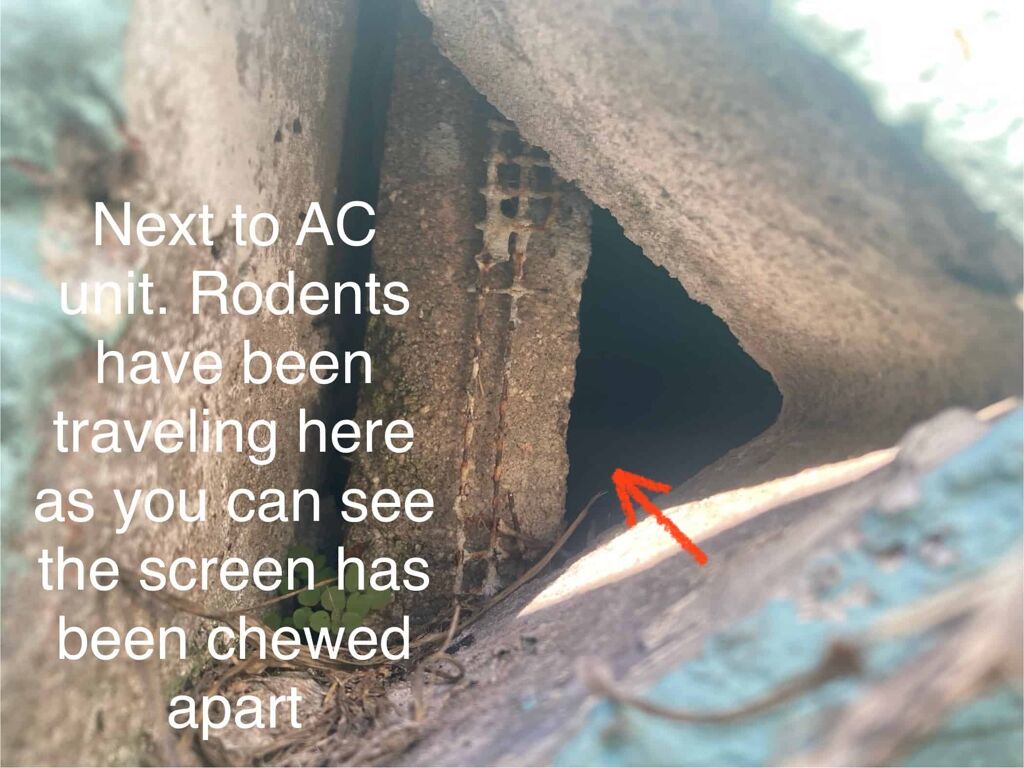
    Identify and make recommendations to seal all possible entry points that rats may use to access the home. This includes gaps in walls, roofs, vents, and openings around utility lines. Closing off these entryways prevents new rats from entering and helps contain the existing population.

    Trapping and Removal:

    Implement trapping methods to capture and remove rats from the property. Traps should be strategically placed based on the observed rat activity. Professional pest control companies have the expertise to choose the most effective and humane trapping methods.

    Baiting and Exclusion:

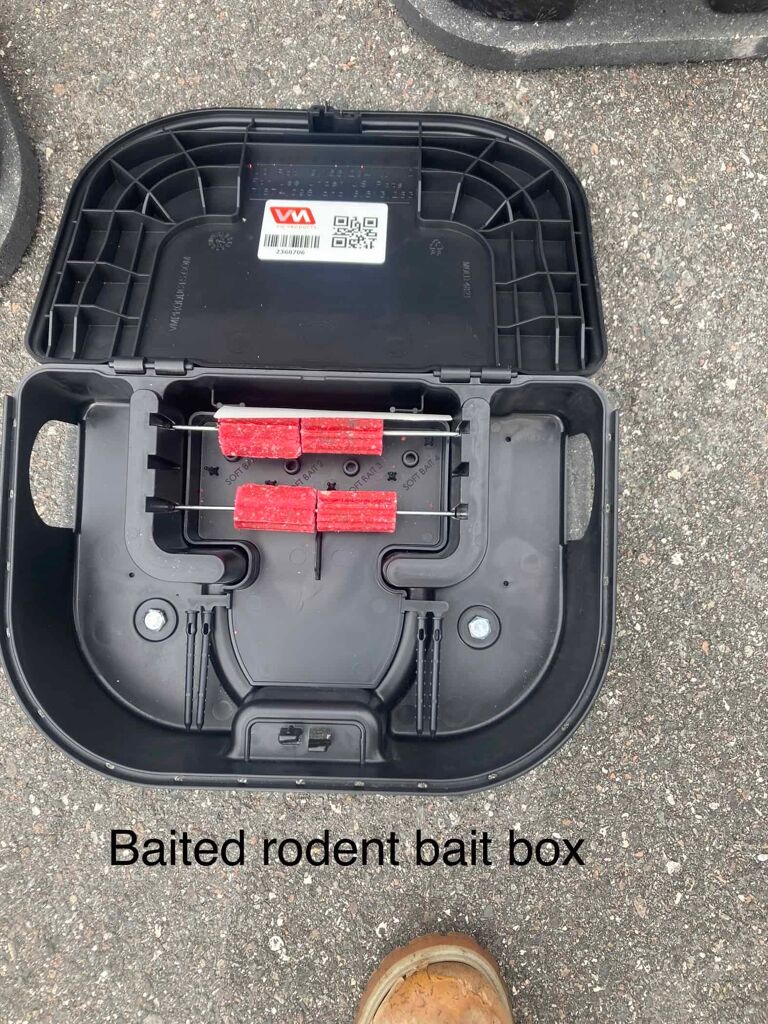
    Use of bait stations that are strategically placed to attract and eliminate rats. Additionally, exclusion methods may involve creating barriers or modifying the environment to make it less appealing to rats. Our pest control experts can employ these techniques safely and effectively.

    Sanitation Recommendations:

    We can provide recommendations for improving sanitation practices around the property. Proper waste management, eliminating food sources, and maintaining a clean environment are essential in discouraging rat activity.

    Monitoring and Follow-Up:

    Implement monitoring techniques to track the success of the pest control measures. Regular follow-up inspections ensure that the rat population is effectively controlled and that any new issues are addressed promptly.

    Education and Prevention:

    Educate homeowners about rat behavior, signs of infestation, and preventive measures. Offering guidance on maintaining a rat-resistant environment helps homeowners reduce the risk of future infestations.

    Environmental Modifications:

    Suggest modifications to the landscaping or structure of the property that may discourage rats. This could include trimming overhanging branches, removing clutter, and securing outdoor storage areas.

    Safe and Effective Treatments:

    Use approved and safe rodenticides or repellents when necessary. Pest control companies are equipped to handle such substances safely and responsibly, minimizing risks to residents, pets, and the environment.

    By combining these approaches, we at Dave’s Pest Control can tailor a comprehensive rat control strategy to meet the specific needs of homeowners, effectively addressing the infestation and minimizing the risk of future occurrences.

    Call us today for a free estimate for your home, business, or condominium.

  • The Origins of Christmas

    The Origins of Christmas

    Christmas, as celebrated today, has deep historical roots that intertwine religious, cultural, and pagan traditions. The earliest celebrations of what we now recognize as Christmas are believed to have originated in the Roman Empire.

    The Roman festival of Saturnalia, held in mid-December, was a significant precursor to Christmas. Saturnalia was a time of feasting, gift-giving, and revelry in honor of Saturn, the god of agriculture. This festival, marked by a temporary reversal of social roles and the suspension of usual norms, influenced the festive and generous spirit associated with Christmas.

    The Roman Empire’s adoption of Christianity played a pivotal role in the transformation of Christmas. Christianity emerged as a significant religious movement in the Roman world, gaining followers amidst diverse beliefs. As the Christian faith gained prominence, early Christian leaders strategically aligned Christmas with the existing Saturnalia festivities. This helped in the gradual assimilation of pagan practices into Christian celebrations.

    The exact date of Jesus Christ’s birth is not specified in the Bible, and early Christians did not initially commemorate it. However, around the 4th century AD, Pope Julius I declared December 25th as the official date of Christ’s birth. This choice strategically coincided with Saturnalia, likely as a means to ease the transition from pagan festivities to Christian celebrations.

    The connection between Christmas and paganism extended beyond Saturnalia to include various other elements. For instance, the use of evergreen trees, holly, and mistletoe can be traced back to pre-Christian winter celebrations. These symbols, associated with life and fertility, were incorporated into Christmas traditions as Christianity adapted to local customs.

    The shift of Christianity from a persecuted minority to the official religion of the Roman Empire under Emperor Constantine in the early 4th century also influenced the recognition and acceptance of Christmas. As Christianity became the dominant faith, the celebration of Christmas gained widespread acceptance and evolved to incorporate both Christian and pagan elements.

    The Season for Giving

    In a world often marked by hustle and bustle, the season for giving stands as a poignant reminder of the profound impact that generosity can have on individuals and communities. This season, often associated with winter holidays like Christmas, Hanukkah, and others, transcends religious and cultural boundaries, embodying a universal spirit of compassion and selflessness.

    One of the key aspects of the season for giving is the act of sharing, whether it be material gifts, time, or emotional support. Gift-giving, in particular, becomes a symbolic expression of care and affection. The carefully chosen presents exchanged during this time symbolize not just material value but also the thought and consideration invested in understanding the needs and desires of others.

    Beyond the tangible gifts, the season for giving emphasizes the importance of kindness and empathy. It encourages individuals to reflect on the well-being of those around them, fostering a sense of community and interconnectedness. Acts of kindness, whether big or small, contribute to creating a more compassionate and harmonious society.

    This season also serves as a catalyst for charitable endeavors. Many people find inspiration in the spirit of giving to support various causes and organizations. Whether it’s donating to food drives, volunteering at local charities, or participating in community initiatives, individuals come together to address the needs of the less fortunate, spreading hope and goodwill.

    The season for giving extends beyond the material realm to include the gift of time and attention. In a world dominated by busy schedules and digital distractions, taking the time to connect with loved ones, friends, and neighbors becomes a precious gift. Shared moments and experiences often hold more significance than any wrapped present, creating lasting memories and reinforcing the bonds that enrich our lives.

    Moreover, the season for giving underscores the idea that generosity is not confined to a specific time frame. While the holidays may serve as a focal point, the spirit of giving can and should be embraced throughout the year. Acts of kindness, philanthropy, and compassion are not limited to a calendar; they are values that can be cultivated and practiced consistently, enhancing the well-being of both the giver and the recipient.

    The Liberating Power of Forgiveness

    In the intricate tapestry of human relationships, moments of hurt and betrayal are inevitable. The scars left by these experiences can linger, casting shadows on our thoughts and emotions. However, within the realm of human emotions, the act of forgiveness emerges as a powerful catalyst for liberation, capable of untethering the mind from the shackles of hurtful thoughts.

    Forgiveness is a transformative process that involves letting go of resentment, anger, and the desire for retribution. It is not an act condoning wrongdoing but a conscious decision to release the emotional burden carried from past wounds. As one extends the olive branch of forgiveness, a profound shift occurs within the psyche, offering a pathway to emotional healing and freedom.

    The burden of harboring resentment is often compared to carrying a heavy load, a weight that hinders the free movement of the mind. When we hold onto grudges, our thoughts become entangled in a web of negativity, replaying past grievances like a broken record. The continuous loop of hurtful thoughts can lead to stress, anxiety, and a diminished sense of well-being. Forgiveness, however, acts as a liberating force, breaking the chains that bind the mind to the pain of the past.

    Forgiveness is not just a gift to the one forgiven but, perhaps more profoundly, a gift to oneself. When we choose to forgive, we reclaim control over our emotional landscape. The act of letting go allows the mind to breathe, creating space for positive thoughts, empathy, and understanding. It is a conscious decision to prioritize inner peace over festering resentment, offering a chance to redirect mental energy towards growth and self-discovery.

    Moreover, forgiveness serves as a powerful tool for breaking cycles of negativity. By interrupting the perpetuation of hurtful thoughts and actions, individuals pave the way for the cultivation of healthier relationships. This ripple effect extends beyond personal liberation, contributing to the creation of a more compassionate and understanding community.

    The journey towards forgiveness is not always easy. It requires introspection, empathy, and a willingness to embrace vulnerability. However, the rewards are immeasurable. As the mind frees itself from the clutches of hurtful thoughts, a newfound sense of lightness and resilience emerges. It becomes a testament to the strength of the human spirit, demonstrating that true liberation often begins within, with the transformative power of forgiveness. In releasing the grip of past grievances, we open ourselves to a brighter future, unburdened by the weight of resentment, and free to embrace the possibilities of healing and renewal.

    Jolly ole Saint Nick – aka: Santa Claus

    The modern-day figure of Santa Claus has evolved from various sources, blending historical, religious, and mythical elements. The most prominent origin story is associated with the legendary figure of Saint Nicholas.

    Saint Nicholas, a Christian bishop, lived in the 4th century in the area that is now Turkey. He was known for his acts of generosity, particularly helping those in need. One famous tale recounts his secret gift-giving, where he threw bags of gold through the window of a poor man’s house to provide dowries for his three daughters, saving them from a life of destitution.

    The veneration of Saint Nicholas spread across Europe, and different cultures developed their own variations of the character. In the Netherlands, for example, he became known as “Sinterklaas,” and Dutch settlers brought this tradition to America.

    In the 19th century, the image of Santa Claus became more popularized in the United States, thanks in part to the influence of Clement Clarke Moore’s 1823 poem, “A Visit from St. Nicholas,” commonly known as “The Night Before Christmas.” This poem portrayed Santa Claus as a jolly, rotund figure with reindeer and a sleigh, delivering presents on Christmas Eve.

    The iconic red suit associated with Santa Claus is often attributed to Coca-Cola’s advertising in the 1930s, which featured a plump, cheerful Santa Claus in a red-and-white outfit. This image became widely accepted and further solidified the modern portrayal of Santa.

    While Santa Claus has his roots in Christian traditions, the character has evolved into a secular and global symbol of holiday cheer, gift-giving, and joy, transcending its religious origins. The modern depiction of Santa Claus is a culmination of centuries of cultural influences, making him a beloved and enduring figure in the celebration of Christmas worldwide.

    The Holiday Season

    Wishing you all a season filled with warmth, joy, and cherished moments. May the holidays bring you closer to loved ones and wrap you in the spirit of love and generosity. As we bid farewell to this year, may the dawn of the upcoming one bring you an abundance of happiness, good health, and prosperity. Here’s to new beginnings, shared laughter, and a year ahead filled with dreams realized. Happy holidays and a spectacular New Year to you and your loved ones. 🌟

    To our cherished past, present, and future customers,

    As the holiday season unfolds, we want to express our deepest gratitude for being a part of our journey. Your support and trust have been the foundation of our success, and we are truly thankful.

    May this festive season fill your hearts with warmth, your homes with laughter, and your lives with countless joyful moments. As we reflect on the past and celebrate the present, we look forward to the future with excitement and anticipation.

    Wishing you and your loved ones a holiday season brimming with happiness, good health, and prosperity. May the upcoming year be filled with new opportunities, success, and moments that make lasting memories.

    Thank you for being a valued part of our story. Happy holidays and a wonderful New Year to you all!

    Warm regards,

    Dave’s Pest Control

  • Rats

    Rats

    A Complicated Companionship

    Rats have woven a tail of coexistence with humanity that spans millennia. Originating in Asia, the small, yet resilient rodents afford to complex history, sharyn bought the shadows and limelight of human civilization. Examining the origins, and the historical narrative of rats unveils a fascinating story of adaptation, survival, and the intricate relationship between humans and these highly adaptable creatures.

    Origins

    The origins of rats can be traced back to Asia, with the brown rat believed to have originated in China and the black rat having its roots in southeast Asia. Overtime, these species migrated across continents, facilitated by human activities, such as trade and exploration. The ability of rats to adapt to diverse environments played a pivotal role in their global dispersion.

    Living alongside mankind

    Rats have walked alongside humans throughout history, sometimes as silent companions, and at other times, as formidable adversaries. As human settlements flourished, providing abundant food sources, rats found an ideal environment to thrive. They became stowaways on trade ships, ventured into new territories, and established themselves, and both urban and rural Landscapes.

    One of the earliest recorded instances of rats intertwining with human history, occurred during the Black Death in Europe in the 14th century. Rats, specifically the black rat, were implicated in the transmission of fleas carrying the bubonic plague, contributing to one of the most devastating pandemics in human history. This dark episode marked a point in which rats review with fear and hostility.

    However, not all encounters with rats have been marred by catastrophe. Rats have been companions to humans in various ways. The domestication of rats has given rise to their role as pets, providing companionship, and even serving as subjects for scientific research.

    The adaptability and resourcefulness of rats have made them adept survivors in urban

    The adaptability and resourcefulness of rats have made them adept survivors in urban environments. From the alleys of ancient cities to the bustling metropolises of today, rats have navigated the concrete jungles with ease, exploiting human waste and infrastructure for sustenance and shelter.

    In literature and folklore, rats have often been portrayed symbolically, representing both pestilence and resourcefulness. Their resilience in the face of changing landscapes and their ability to exploit human environments make them intriguing subjects for study.

    The Vital Role of Laboratory Rats in Scientific Inquiry

    Within the hallowed halls of scientific laboratories, a species of rodent has taken center stage — the laboratory rat. These unassuming creatures, domesticated descendants of their wild counterparts, play a pivotal role in advancing scientific knowledge across various disciplines. In this blog, we explore the characteristics and significance of the rats used in scientific study, shedding light on why they are chosen as invaluable subjects for experimentation.

    Characteristics of Laboratory Rats:

    Laboratory rats are typically strains of the Norway rat (Rattus norvegicus), bred specifically for scientific research. These rats possess distinctive qualities that make them ideal subjects for a wide range of experiments.

    1. Size and Reproduction: Laboratory rats are of moderate size, making them convenient for handling and housing in laboratory settings. Their rapid reproductive cycle allows for the generation of large cohorts of experimental subjects.
    2. Adaptability: These rats are highly adaptable to controlled environments, enabling researchers to manipulate various factors such as diet, lighting, and temperature to study specific phenomena.
    3. Genetic Similarity: Rats share a significant genetic similarity with humans, particularly in terms of organ structure and function. This similarity facilitates the extrapolation of experimental findings to human physiology and pathology.
    4. Behavioral Traits: The behavioral characteristics of laboratory rats, including social structures and patterns, are well-studied and understood. This knowledge aids researchers in designing experiments that consider the behavioral aspects of the subjects.

    Significance of Laboratory Rats in Scientific Research:

    The utilization of laboratory rats spans a myriad of scientific disciplines, each benefiting from their unique characteristics.

    1. Biomedical Research: Laboratory rats have been instrumental in biomedical research, serving as models for studying diseases, drug responses, and therapeutic interventions. Their genetic proximity to humans allows researchers to simulate and analyze human conditions, leading to crucial advancements in medicine.
    2. Psychology and Behavior Studies: Rats are frequently employed in psychology and behavior studies due to their well-documented social behaviors and cognitive capacities. These studies provide insights into learning, memory, and behavioral responses, contributing to our understanding of both human and animal behavior.
    3. Toxicology and Pharmacology: The use of laboratory rats in toxicology and pharmacology allows researchers to assess the safety and efficacy of pharmaceuticals and chemicals. Rats provide a controlled environment for studying the impact of substances on organ systems and overall health.
    4. Genetics and Disease Modeling: Researchers employ genetically modified rats to investigate the role of specific genes in health and disease. These models contribute significantly to our understanding of genetic disorders and potential therapeutic interventions.

    Keeping rats out of your home:

    Homeowners who have invested significant effort in maintaining a clean and organized living space, would be understandably distressed if rats were to infiltrate their home. Let’s explore effective measures that homeowners can implement to prevent pests, such as rats from gaining access to their residences, including the Attic or crawl spaces.

    1. Identify Rat Activity:

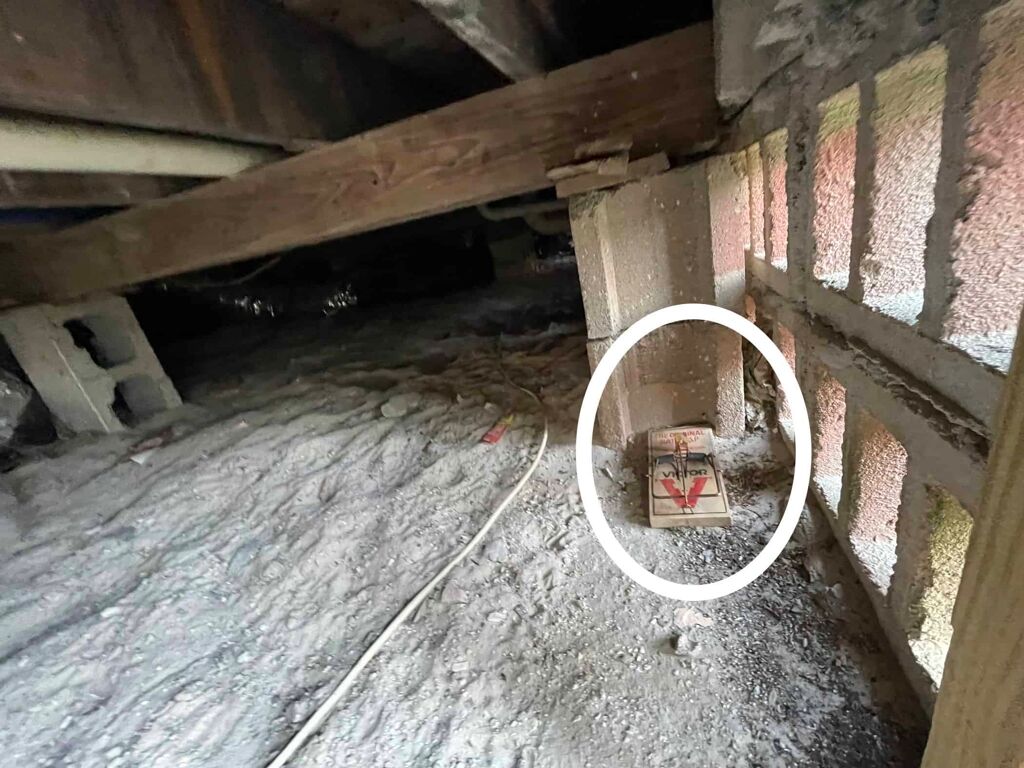
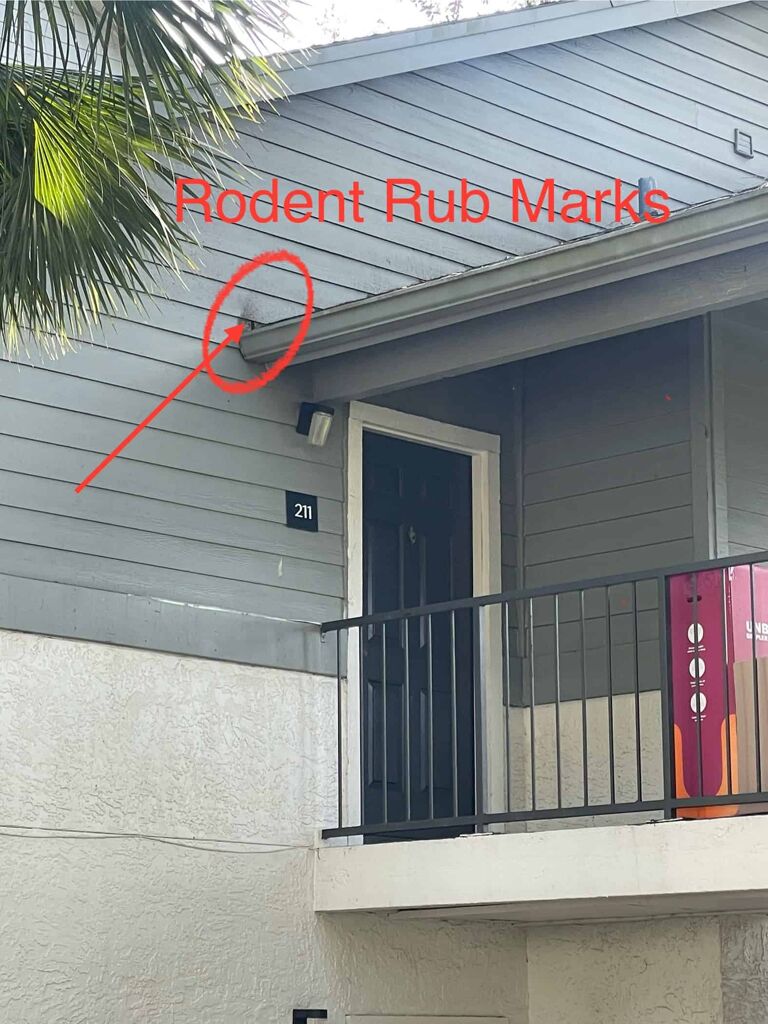
    • Look for signs of rat activity such as droppings, gnaw marks, and grease smudges along walls. Rats tend to follow established paths, so placing traps along these routes increases the likelihood of success.

    2. Choose the Right Location:

    • Place traps where rats are likely to travel, such as along walls, near entry points, or in areas where you’ve observed activity. Rats are often cautious and prefer to stick close to walls.

    3. Use Multiple Traps:

    • Rats are suspicious creatures, and using multiple traps increases your chances of catching them. Place traps about 8 to 12 feet apart to cover a larger area.

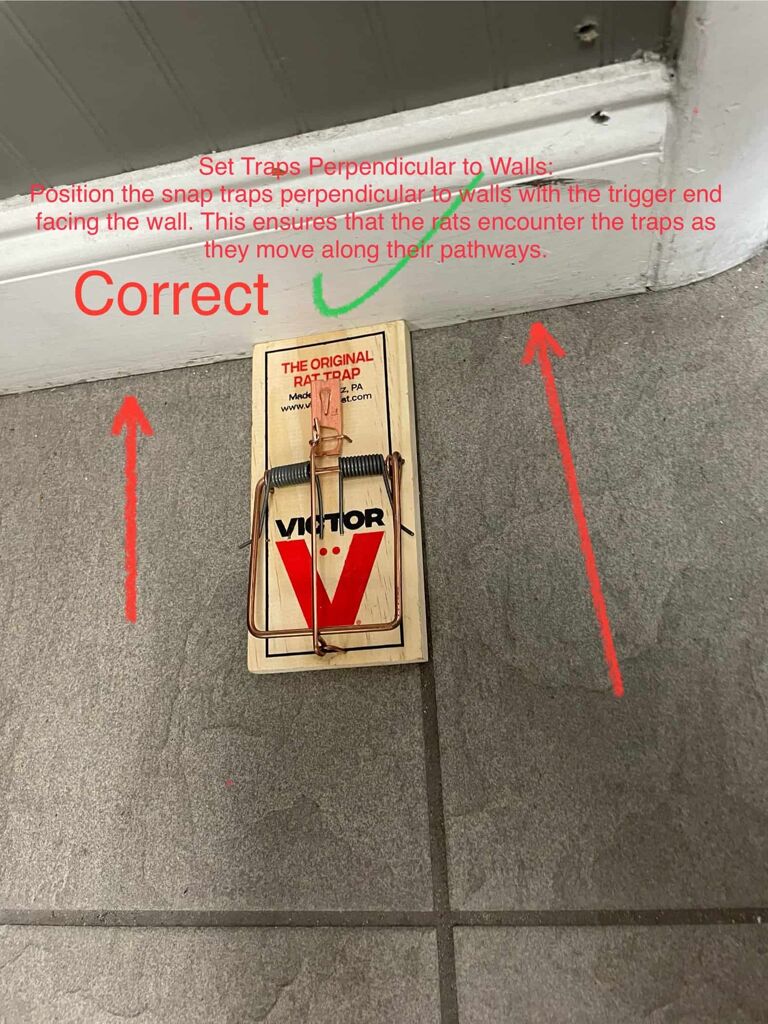
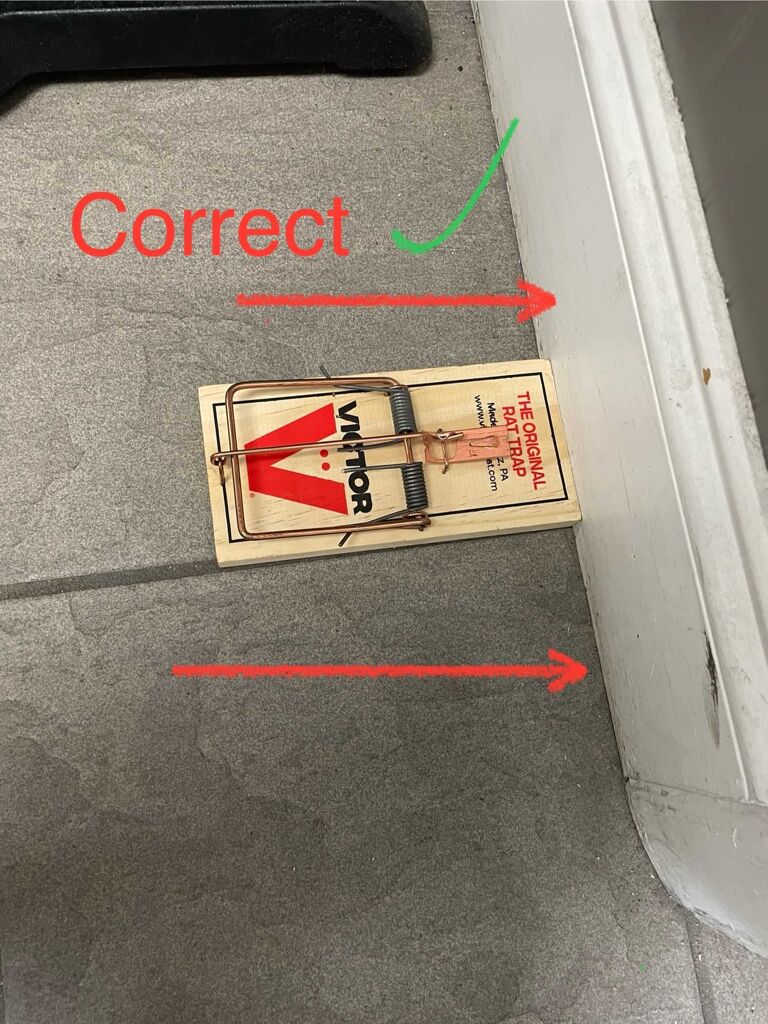
    4. Set Traps Perpendicular to Walls:

    • Position the snap traps perpendicular to walls with the trigger end facing the wall. This ensures that the rats encounter the traps as they move along their pathways.

    5. Bait Placement:

    • Apply a small amount of bait on the trigger of the trap. Peanut butter, chocolate, or dried fruit are effective bait options. Secure the bait with a small amount of dental floss or fishing line to prevent the rat from easily grabbing it without triggering the trap.

    6. Secure Traps in Place:

    • To prevent the rat from moving the trap, use a bit of double-sided tape or secure the trap to a board. This ensures that the rat gets caught when it triggers the trap.

    7. Protect Non-Target Animals:

    • Place traps in areas where non-target animals, including pets and wildlife, cannot reach them. Consider using covered snap traps or placing them inside a secured bait station.

    8. Check and Reset Regularly:

    • Check the traps frequently, ideally daily, to ensure they remain effective. If a trap has been triggered, dispose of the rat following proper hygiene and safety measures, then reset the trap.

    9. Consider Nighttime Activity:

    • Rats are nocturnal, so setting traps in the evening may be more effective. Ensure that the traps are in place and ready before nightfall.

    10. Maintain a Clean Environment:

    • Eliminate potential food sources and seal off entry points to discourage rat activity. A clean environment reduces the attraction for rats and makes the traps more enticing.

    The lifecycle of Rats

    The lifecycle of rats typically includes birth, infancy, adolescence, and adulthood. Rats reach sexual maturity around 6 to 8 weeks and have a gestation period of about 21 and 23 days. On average, they live one to three years in the wild, but may live longer in captivity.

    Rats are known for their rapid reproduction. A female rat can have a litter of 6 to 12 pups every 21 to 23 days. With such a short gestation period and the ability to breed year-round, rats can quickly establish large populations if conditions are favorable.

    Rats are known for their strong teeth and gnawing abilities. They can chew through various materials, including wood, plastic, soft metals, and even some types of concrete. Additionally, Rats can cause damage to electrical wiring, insulation, and stored items. Is important to address any rat infestation promptly to prevent potential structural and safety issues.

    Rats have a behavior called “marking,” where they leave droppings to establish their territory and communicate with other rats. They have a keen sense of smell and use feces to navigate and identify safe routes. Additionally, rats may defecate frequently, due to their rapid digestion, helping them maintain a clean living area. Proper pest control measures can help manage rat populations and minimize the impact on hygiene.

    Rats have been portrayed in popular TV shows, and cartoons, such as “Ratatouille,” “Charlotte‘s Web,” and Robert C O’Brien’s novel, “Miss Frisby, and the Rats of NIMH.” In this narrative, highly intelligent rats undergo experiments at the National Institute of Mental Health, (NIMH), gaining advanced abilities. They embark on a journey that includes helping a field mouse named Mrs. Frisbee. The story has been adapted into an animated film called “The Secrets of NIMH.

    What can we do?

    At Dave’s Pest Control, we excel in effectively eliminating rodents from your attic, crawlspace, offering valuable suggestions to prevent the return, and providing practical solutions to ensure they stay away from your home.

    Call us today for a free estimate for your home, business or condominium.

  • The Tenacious Roach: From Cohabitation to Pest Control Evolution

    The Tenacious Roach: From Cohabitation to Pest Control Evolution

    Cockroaches, often regarded as unwelcome tenants, have long coexisted with humans, with a history intertwined in the annals of civilization. This essay explores the dynamics of this peculiar relationship, the repulsion roaches evoke, their affinity for water, and how their presence catalyzed the rise of the pest control industry leading to new innovations.

    Cohabitation with Humans:

    Cockroaches have proven to be remarkably adaptable, making themselves at home in the nooks and crannies of human dwellings. Their ability to thrive in diverse environments, coupled with their nocturnal habits, has established them as persistent inhabitants of households, restaurants, and urban spaces worldwide. From ancient civilizations to modern metropolises, roaches have been silent witnesses to the evolution of human habitats.

    The Disgust Factor:

    The mere mention of cockroaches often invokes a visceral reaction, a deep-seated disgust ingrained in the human psyche. Their rapid, skittering movements, nocturnal ventures, and unsavory associations with filth and decay contribute to the universal repulsion felt by people. This innate aversion has fueled the determination to eliminate these resilient pests from our living spaces.

    Attraction to Water:

    Cockroaches, notorious survivors, exhibit a strong attraction to water. They are often found in areas with high humidity and readily accessible water sources. Kitchens, bathrooms, and basements become prime habitats due to the moisture-rich environments they offer. The combination of water, warmth, and food remnants creates ideal conditions for roach infestations.

    Pest Control Industry Evolution:

    The prevalence of cockroach infestations played a pivotal role in the emergence and evolution of the pest control industry. As populations grew, urbanization intensified, and globalization expanded, the need to control roaches became more urgent. Early methods involved basic hygiene practices, but as infestations persisted, chemical solutions became a focal point. The introduction of insecticides, such as DDT in the mid-20th century, marked a significant milestone in roach control.

    The pest control industry continued to evolve, adapting to the challenges posed by roaches’ growing resistance to chemicals and the need for more sustainable, environmentally friendly solutions. Integrated Pest Management (IPM) strategies, combining chemical and non-chemical methods, emerged as a comprehensive approach to address roach infestations while minimizing environmental impact.

    Cockroaches, with their uncanny ability to cohabit with humans and evoke universal disgust, have played a defining role in the development of the pest control industry. As society continues to grapple with these resilient pests, the ongoing quest for effective, sustainable methods reflects the dynamic nature of the human-roach relationship. From ancient civilizations to the present day, the battle against roaches remains a testament to human ingenuity in the face of persistent challenges posed by these tenacious insects.

    The life cycle of a cockroach consists of three main stages: egg, nymph, and adult. This metamorphic process is known as incomplete metamorphosis.

    1. Egg Stage:

    • The life cycle begins with the female cockroach laying egg cases, called ootheca.
    • The ootheca is a protective capsule containing multiple eggs.
    • The female deposits the ootheca in a sheltered location, often in cracks or crevices.

    2. Nymph Stage:

    • Once the eggs hatch, immature cockroaches known as nymphs emerge.
    • Nymphs look like miniature versions of adult cockroaches but lack wings and are not sexually mature.
    • Nymphs go through several molting stages, shedding their exoskeletons as they grow. Molting is essential for their development.

    3. Adult Stage:

    • After undergoing several molts, the nymph reaches adulthood.
    • Adult cockroaches have fully developed wings and reproductive organs.
    • They are capable of reproducing, continuing the life cycle by laying ootheca, and starting the process anew.

    The duration of the life cycle varies among cockroach species and is influenced by factors such as temperature, humidity, and the availability of food. In favorable conditions, the life cycle from egg to adult can take a few months. Cockroaches are known for their resilience and adaptability, which contribute to their successful reproduction and survival in various environments.

    The German Cockroach

    The Unyielding Resilience of German Cockroaches is a Persistent Challenge faced by everyone at some point in their life. Either directly or indirectly, German roaches have disrupted many households throughout the world.

    In the realm of household pests, the German cockroach (Blattella germanica) stands out as a stubborn pest. Distinguished by its small size and distinctive appearance, this species of cockroach has earned a reputation for being particularly challenging to control.

    These bugs have unique characteristics that set German cockroaches apart from their counterparts, as well as their unparalleled persistence in surviving despite human efforts to eradicate them.

    Distinctive Characteristics:

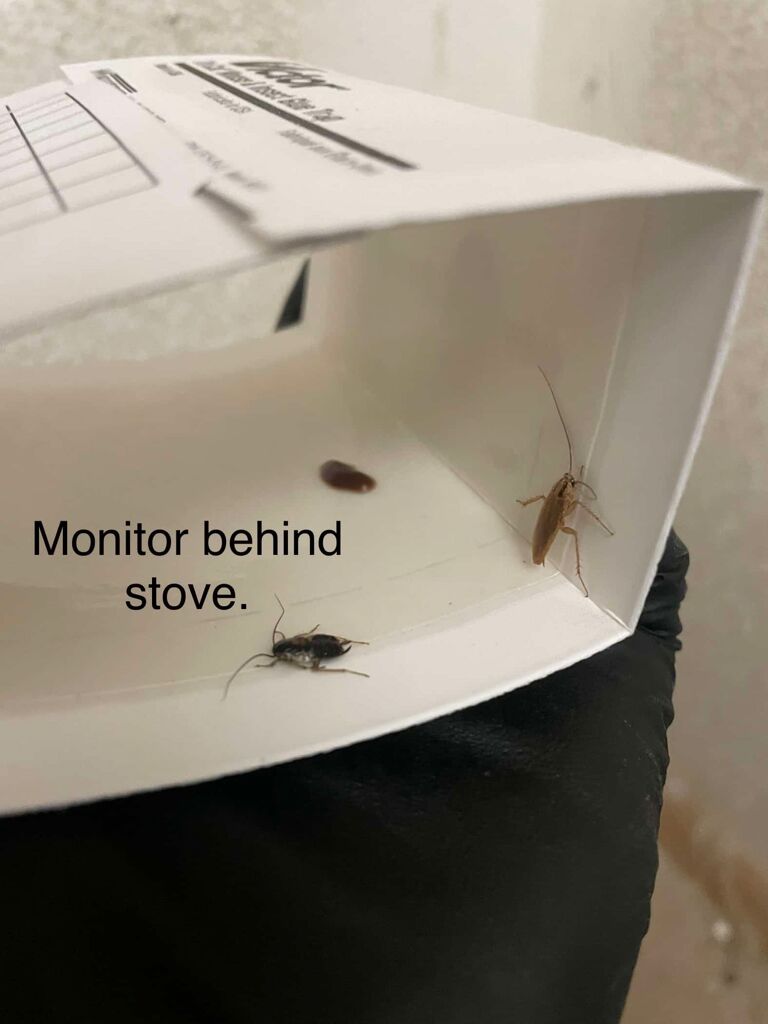
    German cockroaches are smaller in size compared to many other cockroach species, typically ranging from half an inch to five-eighths of an inch in length. They possess a light brown or tan color with two dark parallel stripes running down their backs, making them easily distinguishable. Their relatively compact size and agile nature allow them to navigate tight spaces with remarkable ease.

    Adaptability and Rapid Reproduction:

    One key factor contributing to the resilience of German cockroaches is their adaptability. They thrive in indoor environments, particularly in areas with warmth, humidity, and access to food. Their rapid reproductive capabilities are a cause for concern, with females capable of producing multiple egg cases throughout their lifespan. Each egg case, or ootheca, can contain up to 40 eggs, contributing to explosive population growth in a short period.

    Resistance to Pesticides:

    German cockroaches have developed resistance to many common insecticides, presenting a significant challenge for pest control efforts. The repeated use of certain chemicals has led to the evolution of resistance in these pests. This resistance, coupled with their ability to hide in inaccessible spaces, makes eradication a complex task.

    Nocturnal Habits and Elusive Behavior:

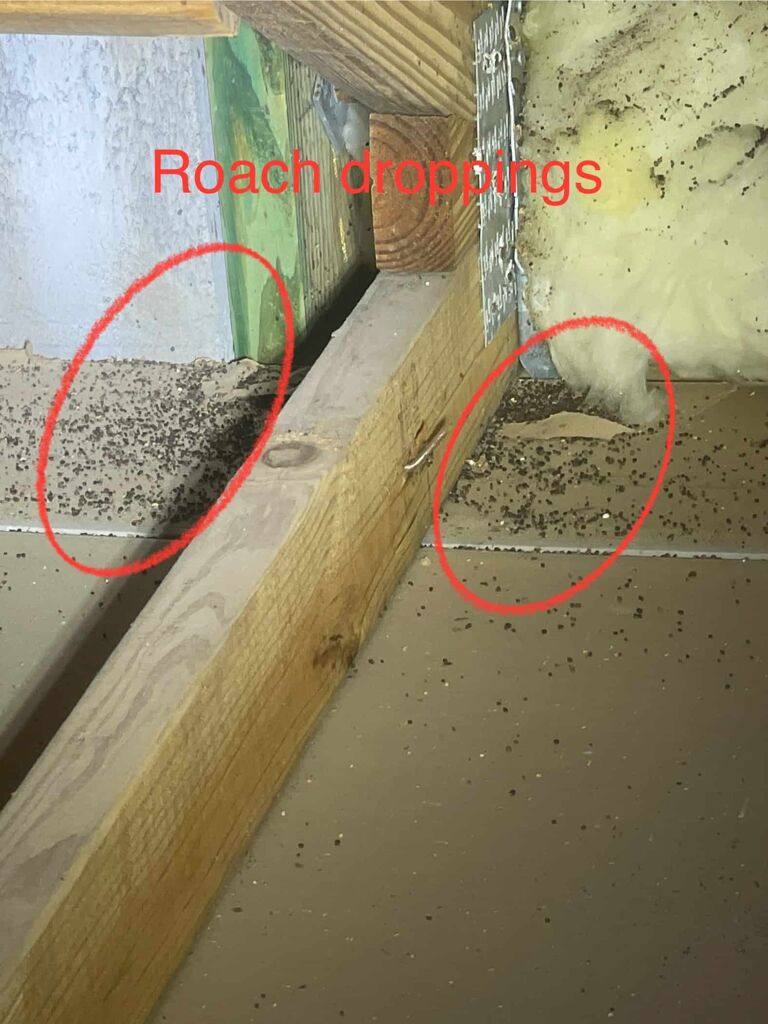
    German cockroaches are primarily nocturnal, which means they are most active during the night. This behavior, combined with their elusive nature, makes it challenging for homeowners and pest control professionals to detect and eliminate them effectively. They often inhabit areas near food sources and moisture, such as kitchens and bathrooms, remaining hidden during daylight hours.

    Surviving Despite Human Intervention:

    Human efforts to eradicate German cockroaches have ranged from traditional insecticides to more advanced integrated pest management strategies. However, these resilient insects continue to adapt and persist. The use of insecticides must be strategic, considering their resistance, and holistic approaches that address sanitation, harborage reduction, and monitoring are essential for effective control.

    The German cockroach, with its distinctive characteristics and unwavering resilience, poses a significant challenge for homeowners and pest control professionals alike. Its adaptability, rapid reproduction, resistance to pesticides, and elusive behavior make eradicating these pests a persistent endeavor. As society continues to grapple with the tenacity of German cockroaches, the evolution of effective and sustainable pest control strategies becomes paramount in the ongoing battle against these relentless invaders.

    New Technologies

    There have been several innovative trends and technologies emerging in the pest control industry. We at Dave’s Pest Control embrace new technologies to help us stay ahead of the game. We are looking forward to implementing some of the following strategies :

    1. Digital Pest Management:

    • Smart Traps and Sensors: Digital traps equipped with sensors and cameras allow for real-time monitoring. Pest control professionals can receive alerts and data remotely, enabling quicker response times.

    2. Biological Pest Control:

    • Beneficial Microorganisms: The use of beneficial bacteria, viruses, and fungi to control pests is gaining traction. These microorganisms target specific pests while minimizing environmental impact.

    3. Genetic Pest Control:

    • Gene Editing Techniques: Advancements in genetic technologies, like CRISPR, are being explored to create genetically modified insects. These modified insects can potentially reduce pest populations or make them more susceptible to biological controls.

    4. Drones and Robotics:

    • Automated Spraying Systems: Drones equipped with precision spraying systems can cover large areas efficiently, reducing the need for manual intervention.
    • Robotics in Monitoring: Robotic devices are being developed for continuous monitoring, data collection, and targeted pest control in agricultural settings.

    5. Artificial Intelligence (AI) and Data Analytics:

    • Predictive Analytics: AI algorithms analyze data related to weather, environmental conditions, and pest behavior to predict and prevent infestations proactively.
    • Automated Decision-Making: AI is used to interpret data from various sensors, cameras, and traps, helping in making quicker and more informed decisions in pest management.

    6. Heat Treatment Technology:

    • Precision Heat Treatments: Targeted application of heat is becoming more precise, eliminating pests in specific areas without affecting the entire space. This is particularly useful in urban environments.

    7. Essential Oils and Botanicals:

    • Natural Repellents: Essential oils and botanical extracts are being utilized as alternatives to chemical pesticides. These natural repellents can be effective against certain pests and are often considered more environmentally friendly.

    8. Remote Monitoring Apps:

    • Customer-Centric Apps: Pest control companies are developing apps that allow customers to monitor pest activity in real-time, schedule services, and receive recommendations for preventive measures.

    9. Sustainable Pest Control Practices:

    • Integrated Pest Management (IPM): A holistic approach that combines various pest control methods, reducing the reliance on chemical treatments and promoting long-term pest prevention.

    10. Blockchain for Pest Control Records:

    • Secure Data Management: Blockchain technology is being explored to ensure the integrity and security of pest control records, providing transparency in compliance and treatment history.

    The pest control industry continues to evolve, driven by advancements in technology, a focus on sustainability, and a commitment to more effective and eco-friendly solutions. Dave’s Pest Control stays connected to the latest developments and innovations so we may stay current with the rapidly changing landscape of pest control.

    Call us today for a free estimate for your home, business or condominium.

  • Ancient Invaders: The Bedbug

    Ancient Invaders: The Bedbug

    Bedbugs, scientifically known as Cimex lectularius, are notorious nocturnal pests that have adapted with remarkable efficiency to cohabitate with humans.

    Most information from ancient writings suggests that humans have been dealing with bedbugs for centuries, emphasizing the enduring nature of this human-bedbug interaction throughout our past.

    While the common perception is that these unwelcome guests confine themselves to beds, the reality is far more unsettling. This essay delves into the intriguing world of bedbugs and explores how they can infest a seemingly secure sanctuary—the living room couch.

    The Bedbug Life Cycle:

    Understanding the life cycle of bedbugs is crucial to comprehend their potential infestation in various household spaces. Bedbugs undergo a gradual metamorphosis, consisting of egg, nymph, and adult stages. The life cycle begins when a fertilized female bedbug lays eggs in discreet harborages, such as seams, folds, or cracks in furniture.

    Nymph Stage:

    Upon hatching, bedbug larvae emerge as nymphs, resembling smaller versions of the adult bedbug. Nymphs undergo several molting stages, shedding their exoskeletons to accommodate their growing bodies. This process, known as ecdysis, requires regular blood meals for successful molting. The living room couch, with its fabric folds and concealed spaces, provides an ideal hiding place for bedbug nymphs during this vulnerable stage.

    Blood Meals and Molting:

    Blood is the bedbug’s primary source of sustenance, and they require it to molt successfully. Molting is a critical aspect of their growth, enabling them to transition from one nymphal stage to the next until reaching adulthood. The living room couch becomes a target for infestation due to its frequent human occupancy, providing easy access to blood meals while remaining inconspicuous.

    Infestation of the Living Room Couch:

    Bedbugs are skilled hitchhikers, often transported unknowingly by humans through luggage, clothing, or second-hand furniture. Once introduced into a living space, they seek refuge in areas close to their host’s resting places, making the living room couch an attractive target. The folds, seams, and cushions of a couch offer ample hiding spots for bedbugs during the day, allowing them to emerge under the cover of darkness for their blood meals.

    Bedbugs are not just in the bed!

    Bedbugs are versatile pests that can infest various household items beyond the bed. Here’s a list of potential hiding spots:

    1. Couches and Upholstered Furniture: Bedbugs often find refuge in the seams, folds, and crevices of couches and other upholstered furniture.
    2. Mattresses and Box Springs: While commonly associated with beds, bedbugs can infest the seams, tufts, and folds of mattresses and box springs.
    3. Bed Frames and Headboards: The joints, cracks, and crevices of bed frames and headboards are attractive hiding spots for bedbugs.
    4. Nightstands and Dressers: Drawers and the joints of wooden furniture can provide hiding places for bedbugs.
    5. Clothing: Bedbugs may hide in the seams and folds of clothing, especially those stored in closets or drawers near the bed.
    6. Curtains and Drapes: Bedbugs can hide in the folds and pleats of curtains, particularly those near sleeping areas.
    7. Electrical Outlets and Wall Switches: In some cases, bedbugs may find shelter in wall outlets and switches.
    8. Carpeting and Rugs: The edges and seams of carpets and rugs, particularly those close to the bed, can harbor bedbugs.
    9. Luggage and Bags: Bedbugs are known to hitchhike on luggage and bags, making them potential carriers to new locations.
    10. Picture Frames and Wall Decor: Bedbugs may hide behind or within picture frames and other wall decorations near the bed.
    11. Baseboards and Molding: Gaps and cracks in baseboards and molding can serve as hiding spots for bedbugs.
    12. Books and Magazines: Bedbugs can hide in the bindings and seams of books and magazines, especially those stored near the bed.
    13. Electronic Devices: Small electronic devices with seams and openings may offer hiding places for bedbugs.
    14. Plush Toys: Stuffed animals and plush toys in bedrooms, particularly those on or near the bed, can be infested by bedbugs.
    15. Ceiling Corners and Light Fixtures: In severe infestations, bedbugs may move to higher areas, including ceiling corners and light fixtures.

    It’s crucial to conduct thorough inspections in and around sleeping areas to detect and address potential bedbug infestations promptly. Professional pest control assistance may be necessary for severe or persistent infestations.

    Prevention and Mitigation:

    Preventing bedbug infestations requires vigilance and proactive measures. Regularly inspecting and cleaning furniture, including the living room couch, can help identify early signs of infestation. Using bedbug-proof covers and practicing good hygiene are additional preventative measures. In the unfortunate event of an infestation, professional pest control services may be necessary to effectively eliminate the resilient pests.

    Bedbugs, with their elusive nature and reliance on blood meals for molting, pose a unique threat to various household spaces, including the living room couch. Understanding their life cycle and the factors contributing to infestation empowers individuals to take proactive measures in safeguarding their homes. Vigilance, cleanliness, and timely intervention are key components in the ongoing battle against these stealthy invaders.

    The Perils of DIY Bed Bug Eradication: A Call for Professional Intervention

    The presence of bed bugs in a home is a distressing situation that prompts homeowners to seek immediate solutions. In an attempt to regain control, some individuals may opt for do-it-yourself (DIY) methods to eliminate these elusive pests. However, this essay explores how a homeowner’s earnest efforts to eradicate bed bugs independently can inadvertently exacerbate the problem, ultimately leading to the necessity of professional intervention.

    Inadequate Knowledge:

    1. One of the primary pitfalls of DIY bed bug eradication is the homeowner’s often limited understanding of these resilient pests. Bed bugs possess a remarkable ability to hide in the smallest crevices, making it challenging for inexperienced individuals to locate and eliminate all infestation points. The lack of comprehensive knowledge about bed bug habits and biology can result in incomplete treatment, leaving behind hidden reservoirs of these pests.

    Ineffective Treatment Methods:

    2. DIY bed bug treatments, often inspired by online advice or over-the-counter solutions, may prove insufficient in addressing the scale of the infestation. Bed bugs have developed resistance to certain pesticides, and their adaptability requires a multifaceted approach to ensure comprehensive extermination. Homeowners, without access to professional-grade products and techniques, may inadvertently contribute to the survival and proliferation of bed bugs.

    Unintentional Spread of Infestation:

    3. In the earnest pursuit of eradicating bed bugs, homeowners might unknowingly facilitate their spread to other areas of the home. DIY methods, such as the improper use of insecticides or the relocation of infested belongings, can lead to the dispersal of bed bugs, creating new infestation sites. This unintentional spread further complicates the eradication process and increases the scope of the problem.

    Delay in Professional Intervention:

    4. Persistent DIY attempts can result in valuable time lost, allowing bed bugs to reproduce and establish more entrenched infestations. As the infestation grows, the challenge of eliminating bed bugs intensifies. Ultimately, frustrated homeowners may find themselves reluctantly acknowledging the need for professional expertise after exhausting time and resources on ineffective DIY measures.

    While the desire to resolve a bed bug infestation independently is understandable, homeowners must recognize the potential pitfalls of DIY methods. Inadequate knowledge, ineffective treatments, unintentional spread, and delayed professional intervention can collectively worsen the problem. The complex nature of bed bug infestations necessitates the involvement of experienced pest control professionals equipped with the knowledge, tools, and techniques required for thorough eradication. By seeking timely professional assistance, homeowners can navigate the challenges posed by bed bugs with greater efficacy and minimize the risk of exacerbating the issue through DIY efforts.

    The Bedbug Resistance

    Bedbugs, like many other pests, can develop resistance to pesticides through a process known as selective pressure. Here’s how it typically happens:

    1. Natural Variation: Within any population of bedbugs, there is a natural genetic variation. Some bedbugs may have genetic traits that make them more resistant to certain pesticides.
    2. Pesticide Exposure: When a pesticide is applied, it kills susceptible bedbugs but might not be as effective against those with natural resistance. The resistant bedbugs survive the pesticide exposure.
    3. Reproduction: The surviving bedbugs with resistance traits pass these traits on to their offspring through genetic inheritance.
    4. Repeat Exposure: If the same pesticide or a similar one is repeatedly used, the population of bedbugs becomes dominated by those with resistance traits. This is because non-resistant bedbugs are eliminated, leaving the resistant ones to reproduce.
    5. Evolution of Resistance: Over time, the bedbug population evolves, with a higher proportion of individuals possessing resistance to the specific pesticides that have been used.

    This process of natural selection and evolution is accelerated when pesticides are overused, misused, or when the same type of pesticide is consistently applied. It highlights the importance of using integrated pest management strategies, which involve a combination of methods, including non-chemical approaches, rotating different classes of pesticides, and regularly reassessing and adjusting control methods to avoid the development of resistance.

    How do our professional technicians combat bedbug resistance?

    Our professional pest control operators employ several strategies to combat pesticide resistance in bedbugs:

    1. Integrated Pest Management (IPM): We utilize IPM, a holistic approach that combines various methods for pest control. This may include non-chemical methods like steam treatments, vacuuming, and sealing cracks, in addition to judicious pesticide use. The goal is to minimize reliance on pesticides alone.
    2. Rotation of Pesticides: To prevent bedbugs from developing resistance to a specific pesticide, our professionals often rotate the use of different classes of insecticides. This reduces the selective pressure on a particular group of bedbugs with resistance to a specific chemical.
    3. Use of Insecticide Mixtures: Pest control operators may use insecticide mixtures with different modes of action. This makes it more challenging for bedbugs to develop resistance since they would need to simultaneously evolve resistance to multiple chemicals.
    4. Regular Monitoring and Assessment: Our professionals regularly assess the effectiveness of pest control measures. If resistance is detected, the strategy can be adjusted promptly. Monitoring involves inspecting treated areas, assessing the level of infestation, and considering the genetic diversity of the bedbug population.
    5. Educating Clients: We educate clients on the importance of following recommended procedures, such as proper preparation before treatment and post-treatment guidelines. Ensuring that clients understand and adhere to these practices enhances the effectiveness of pest control efforts.
    6. Research and Development: At Dave’s Pest Control, we stay abreast of the latest research and developments in bedbug control. This includes keeping an eye on emerging technologies, alternative treatments, and new formulations that may be effective against resistant bedbug populations.
    7. Collaboration with Entomologists: Dave’s Pest Control will collaborate with entomologists and researchers who specialize in insect behavior and resistance. This collaboration helps in developing strategies based on scientific insights and up-to-date knowledge.

    By implementing these comprehensive approaches, the professionals at Dave’s Pest Control aim to minimize the risk of pesticide resistance and maintain effective control over bedbug infestations. Regular assessment, adaptability, and a multifaceted approach are key components of successful bedbug management.

    Call us for a free estimate for your home, business, or condominium.


  • Thanksgiving

    Thanksgiving

    Thanksgiving, a cherished American holiday, traces its origins to the autumn of 1621 when Pilgrims and Wampanoag Native Americans came together for a harvest feast, marking a moment of unity and gratitude. This event is considered the first Thanksgiving, a symbol of cooperation and shared abundance in the face of adversity.

    The first Thanksgiving took place in Plymouth, Massachusetts, after the Pilgrims survived a harsh winter with the help of the Native Americans who taught them essential agricultural techniques. Grateful for the successful harvest, the Pilgrims and Wampanoag celebrated their newfound friendship and the bountiful yield with a three-day feast.

    Today, Thanksgiving endures as a time for families and friends to gather, express gratitude, and indulge in a feast of traditional foods. Roast turkey, stuffing, mashed potatoes, cranberry sauce, and pumpkin pie are staples on the Thanksgiving table, each dish symbolizing a blend of cultural influences and seasonal harvests.

    Beyond the culinary delights, Thanksgiving has become synonymous with the tradition of watching football. The National Football League (NFL) hosts games on Thanksgiving Day, providing a shared activity for families and friends. This tradition, dating back to the 19th century, adds a lively and competitive element to the holiday, contributing to the festive atmosphere.

    Autumn Bugs

    During the fall months in Florida, a diverse array of bugs emerges, drawn by the subtropical climate and changing environmental conditions. One of the most prevalent insects is the lovebug (Plecia nearctica), known for its distinctive black body and red thorax. These mating insects can be found in swarms during the fall, creating a temporary but notable presence.

    Another common sight is the Eastern Lubber Grasshopper (Romalea microptera), characterized by its large size and vibrant coloration. These grasshoppers are often seen in grassy areas and can be both fascinating and slightly menacing due to their size.

    Mosquitoes persist throughout the fall, though their activity tends to decrease as temperatures cool. Despite this decline, their presence is still notable, making insect repellent a valuable companion during outdoor activities.

    In addition to these, various species of ants, such as the invasive red imported fire ant (Solenopsis invicta), remain active during the fall. These aggressive ants are known for their painful stings and can create sizable colonies, often disrupting local ecosystems.

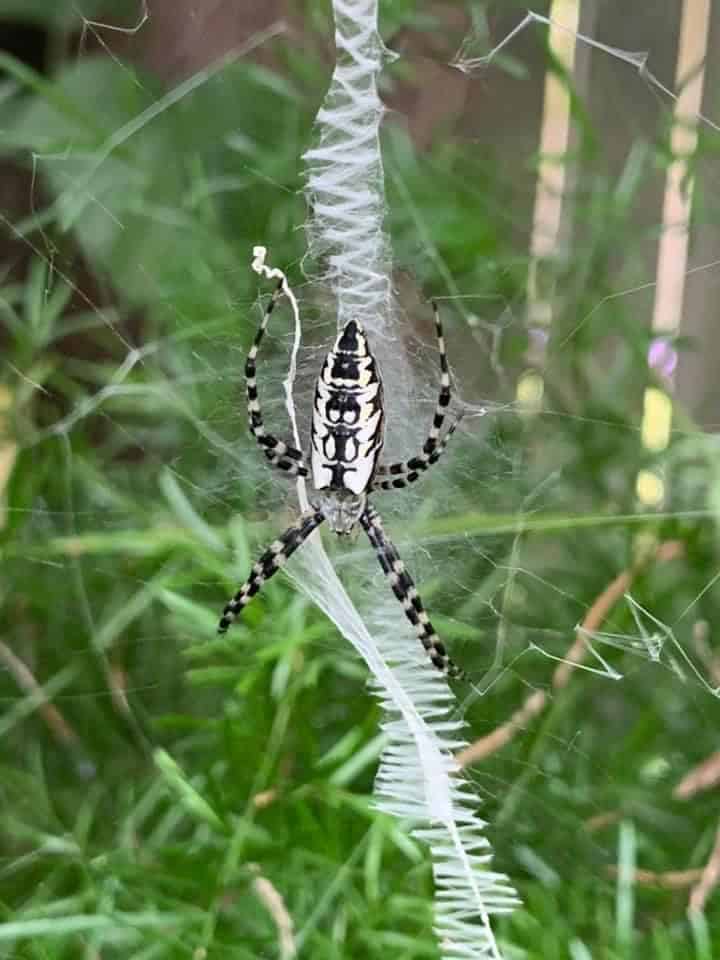
    Florida’s fall months also see an increase in orb-weaving spiders, including the large and conspicuous golden silk orb-weaver (Nephila clavipes). These arachnids contribute to the region’s intricate web of biodiversity.

    It’s essential to mention the seasonal influx of stink bugs, like the brown marmorated stink bug (Halyomorpha halys). These insects seek shelter as temperate

    Termite Swarmers

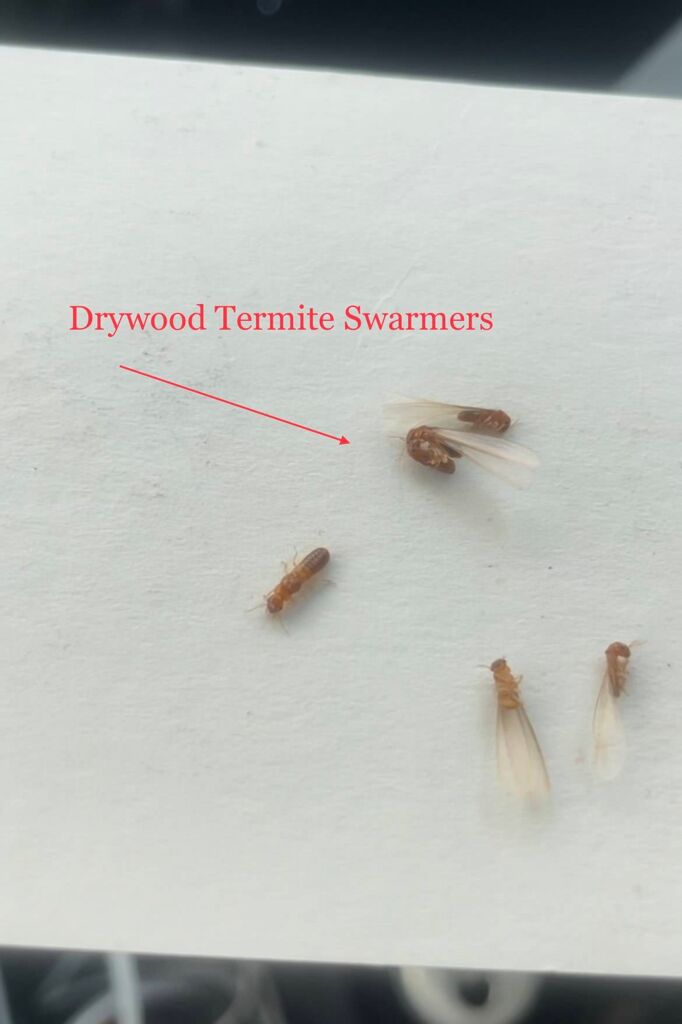
    In the fall months in Florida, the emergence of swarming termites becomes a notable natural phenomenon, drawing attention due to both its visual impact and potential implications for homeowners. Termites are social insects that play a crucial role in breaking down cellulose, but when they swarm, it often signals the presence of a mature colony and the potential for structural damage.

    One of the primary species involved in swarming events is the Eastern Subterranean Termite (Reticulitermes flavipes), commonly found throughout Florida including Volusia, Seminole, Lake, Orange, Flagler and Brevard counties. These termites typically swarm during the warmer months, often in the fall, as they are triggered by environmental cues like temperature and humidity. The swarming phase is when winged reproductive termites, known as alates, leave the nest in search of a mate to establish a new colony.

    The sight of swarming termites can be unsettling for homeowners, as it raises concerns about potential structural damage to homes and other wooden structures. These insects are particularly destructive as they feed on cellulose-containing materials, such as wood, paper, and plant fibers. Their presence highlights the importance of proactive termite prevention and management measures.

    Homeowners in Florida are advised to be vigilant during the fall months, especially if they observe swarming termites around their property. This may indicate an existing termite colony nearby, and professional inspection becomes crucial to assess the extent of the infestation and implement effective control measures.

    To mitigate the risk of termite infestations, homeowners can take preventive actions such as maintaining proper drainage around the home, promptly repairing leaks, and ensuring adequate ventilation in crawl spaces. Regular inspections of wooden structures and early detection of termite activity are essential in preventing significant damage.

    While the sight of swarming termites may instill concern, it’s essential to recognize that termites play a role in the ecosystem by aiding in the decomposition of dead and decaying wood. However, when their activities pose a threat to human structures, it becomes imperative to manage and control their populations effectively.

    Swarming Ants

    While termites take the spotlight in discussions about swarming insects, swarming ants also make a notable appearance in Florida during the fall months, adding a distinctive element to the state’s ecological tapestry. The phenomenon of swarming ants is a fascinating display of nature’s intricate processes, but it can also pose challenges for residents as certain ant species engage in this behavior, leading to the formation of new colonies.

    One of the prominent ant species that partakes in swarming events in Florida is the Florida Carpenter Ant (Camponotus floridanus). Recognized by their large size and dark coloration, these ants are known for establishing nests in decaying wood. During the fall, reproductive individuals, including winged males and females, embark on swarming flights, marking the beginning of the colony’s reproductive phase.

    Swarming is a crucial component of the ant life cycle, serving as a means for the colony to expand and ensure genetic diversity. The synchronized release of winged ants from multiple colonies enhances the likelihood of successful mating and the establishment of new colonies.

    The sight of swarming ants can be captivating, as large numbers of winged individuals fill the air in search of mates and suitable nesting sites. However, for homeowners, this spectacle may raise concerns about potential infestations and the impact on their properties.

    Unlike termites, whose primary diet includes cellulose-rich materials like wood, ants are more diverse in their feeding habits. Florida Carpenter Ants, for instance, feed on a variety of sources, including insects, honeydew produced by aphids, and occasionally household food. While they don’t pose the same structural threat as termites, their presence in and around homes can be disruptive.

    To address the challenges associated with swarming ants in Florida, homeowners can implement various preventive measures. These may include sealing entry points, maintaining cleanliness to reduce food attractants, and addressing moisture issues that may attract ants seeking water sources.

    Professional pest control services can assist in managing ant infestations, providing tailored solutions based on the specific ant species and the extent of the issue. Understanding the biology and behavior of swarming ants empowers homeowners to take proactive steps in protecting their homes while appreciating the natural phenomenon that is an integral part of Florida’s fall ecology.

    Spiders

    Spiders, with their intricate webs and eight-legged grace, are a diverse and fascinating group of arachnids that play a crucial role in ecosystems around the world. As the colder months descend, it’s not uncommon to find spiders making their way indoors, seeking shelter from the chill. Understanding the reasons behind this behavior involves delving into the biology and instincts of these arachnids.

    One of the primary drivers for spiders seeking refuge indoors during colder months is the quest for warmth. As temperatures drop outside, spiders, like many cold-blooded creatures, become sluggish and less active. Seeking shelter indoors allows them to maintain a more favorable temperature and continue their essential bodily functions, albeit at a slower pace. Additionally, many common house spiders have adapted to live in human environments, where temperatures are more stable than the fluctuating conditions outdoors.

    The notion of spiders being more prevalent indoors during colder months is not universal; it varies by species. Some spiders are more adapted to indoor environments and may be active year-round, while others are more influenced by seasonal changes. The presence of spiders indoors can also be influenced by factors such as food availability and mating opportunities, which might be more abundant in the sheltered environment of a home.

    Spiders are opportunistic predators, and the presence of other indoor insects, attracted by the warmth of heated homes during the colder months, provides a ready source of food. This creates a favorable environment for spiders, as they can find sustenance without expending excess energy hunting for prey in the less hospitable outdoors.

    The architecture of buildings, with its numerous cracks, gaps, and entry points, provides ample opportunities for spiders to enter homes. Common house spiders, like the cellar spider (Pholcidae) and cobweb spiders (Theridiidae), are particularly adept at finding their way indoors and creating webs in corners, attics, or basements.

    For those who find the presence of spiders indoors disconcerting, it’s essential to recognize the benefits they offer. Spiders are natural pest controllers, preying on a variety of insects that may otherwise become household nuisances. Embracing a coexistence with spiders involves simple preventive measures like sealing cracks, reducing clutter, and practicing good sanitation to minimize other insect attractants.

    Call us today for a free consultation.


  • Fall Lawn Care and Disease Management


    As we welcome the autumn season, it brings forth unique challenges, both environmental and biological, that demand our attention. At Dave’s Pest Control, we are committed to sharing our expertise on maintaining the health and vitality of your lawn, even as the fall season unfolds.

    Types of Grass we find in Florida

    In Florida, several grass types thrive due to the state’s warm and humid climate. The most common grass types include:

    1. St. Augustinegrass (Stenotaphrum secundatum): Widely used in Florida, St. Augustinegrass is known for its tolerance to heat and shade. It has broad, coarse blades and establishes a dense turf.
    2. Bahiagrass (Paspalum notatum): Bahiagrass is known for its adaptability to various soil types and its resistance to pests and diseases. It’s often used in lawns, pastures, and roadside plantings.
    3. Centipedegrass (Eremochloa ophiuroides): Preferred for its low maintenance requirements, centipedegrass has a fine to medium texture and a light green color. It is suitable for lawns with low to moderate foot traffic.
    4. Bermudagrass (Cynodon dactylon): Commonly used in athletic fields and golf courses, Bermudagrass is known for its durability and ability to withstand heavy traffic. It thrives in full sunlight.
    5. Zoysiagrass (Zoysia spp.): Zoysiagrass is appreciated for its dense, lush growth and tolerance to both heat and cold. It forms a thick carpet-like turf and is often chosen for lawns and golf courses.
    6. Seashore Paspalum (Paspalum vaginatum): As the name suggests, seashore paspalum is well-suited for coastal areas due to its salt tolerance. It is often used in golf courses near the coast.

    Transition to Fall:

    With the advent of fall, there is a gradual transformation in our surroundings. The days are becoming shorter, and a noticeable drop in temperature is underway. These seasonal shifts exert a significant influence on the circadian rhythms of numerous organisms, including us, resulting in the emergence of new behavioral patterns.

    Seasonal Insects:

    As nature transitions from summer to fall, various insect species, such as ants and termites, embark on their annual flights in response to these climatic changes. Following heavy rains and shifting weather patterns, many insects take to the skies, forming new colonies.

    Insect Reproduction:

    Each passing season witnesses the reproduction of numerous insect species, replacing aging generations. The cycle of life continues, adapting to the evolving conditions.

    Daylight Saving Time:

    The cooling of weather and shorter days signify the need for resetting our clocks, an act commonly known as Daylight Saving Time. While we adjust the hands of our clocks backward by an hour, our internal circadian rhythms face a more challenging realignment. It can take up to a week to adapt to this one-hour difference, reminiscent of jet lag when crossing time zones.

    Biological Clocks:

    Insects, like humans, are influenced by circadian rhythms, although not to the same extent. Biological clocks are pivotal in enabling organisms to adapt to the cyclic changes in their environment. This intrinsic timekeeping system is a fundamental component of survival for all living creatures, playing multifaceted roles.

    Navigation and Biological Clocks:

    Studies reveal that insects rely on their internal clocks, closely tied to light and temperature, for various behaviors. Some insects, like European honey bee workers, employ specialized dances, known as “waggle dances,” to communicate information about food sources. This navigational trait, akin to a “solar compass,” guides them accurately. Monarch butterflies and other creatures utilize celestial navigation techniques, relying on the earth’s magnetic field, moon, and stars, thanks to their biological clocks.

    Origins of Circadian Clocks:

    Circadian clocks are believed to originate from an organism’s central nervous system, specifically in the optic lobes of the brain. Removal of parts of this brain tissue in invertebrates like crickets results in severe disruptions to their behavior and survival. This mechanism for measuring daylight likely evolved early in the history of life on Earth.

    Bed Bugs and Circadian Rhythms:

    Even bed bugs adhere to an internal biological clock, determining when they feed. While they can detect carbon dioxide from our breath, they prefer to feed between 2 am and 5 am, a behavior adapted to target humans during their deepest sleep. This strategy minimizes their chances of detection and immediate eradication.

    Diapause and Dormancy:

    Certain insects enter diapause, a period of suspended development triggered by changes in daylight, temperature, and environmental conditions. Comparable to hibernation, diapause is characterized by metabolic changes in insects. In cold temperatures, dormant states, similar to hibernation, are entered by insects like paper wasps, yellow jackets, and mosquitoes, waiting for warmer conditions.

    Lawn Dormancy and Rejuvenation:

    In northern states, grass types such as Kentucky bluegrass, ryegrass, and fescue undergo dormancy during winter. Lawns take on a frozen, pale brown hue, marked by the scattering of red, orange, and yellow leaves, followed by the cover of snow and ice. Biological processes pause, and no external nutrients are required as grass lies in a suspended state.

    With the return of warmth and sunlight after months of dormancy under snow and ice, lawns reawaken, transforming brown, lifeless grass into vibrant green growth.

    Dormant Bugs:

    Similar to dormant lawns, fleas and bedbugs can remain inactive until conditions become favorable for feeding. Adult bed bugs can survive for up to a year without a blood meal, while bed bug nymphs can endure for three months without feeding.

    Implications for Space Travel:

    The ability of certain organisms to suspend their metabolic activity for extended periods may hold implications for human survival during prolonged space travel beyond our galaxy.

    Disease Management in Lawn Care:

    At Dave’s Pest Control, our proficient lawn technicians possess substantial expertise in managing lawn diseases. In the fall weather of Volusia and Flagler Counties, characterized by cool nights and daytime humidity, turf diseases can become a concern. Fungicides are essential tools for disease control, although their effectiveness may vary based on the specific disease affecting your lawn.

    Common Lawn Diseases:

    • Large Patch Disease: Primarily affecting warm-season grasses like St. Augustine, centipedegrass, seashore paspalum, and zoysiagrass, this fungus causes dark brown patches at the grass’s base, which can be easily detached.
    • Take all Root Rot: An underground disease that affects root health, resulting in darkened roots. Grass leaves turn yellow and die off irregularly.
    • Dollar Spot: This disease, caused by soil-dwelling fungi, forms small circular patches and leads to visible yellowing on grass leaves.
    • Fairy Ring Disease: This condition presents varied symptoms, including dead ring-shaped spots and circular patches of stimulated growth.

    Understanding Fungus Spread:

    Fungi require three essential ingredients for growth: food, water, and oxygen. Removing one of these elements can disrupt spore reproduction, forming the basis of disease management.

    Fungicides and Their Mode of Action:

    Fungicides target specific areas within fungal genomes, disrupting cell membranes of spores. Controlling fungi damaging turf grasses requires an understanding of grass type, local weather conditions, the presence of surrounding trees, and lawn care practices.

    Disease Spore Prevention:

    Disease spores can inadvertently spread from one lawn to another through mowing services. Cleanliness and maintenance of lawn mowers and tools are crucial in mitigating this risk.

    Identifying Lawn Diseases:

    Recognizing the signs of different turf diseases is pivotal, as each may require specific treatment approaches.

    Benefits of Fungicides:

    In the agricultural context, more than 85% of American crops receive fungicide treatment each growing season. The benefits outweigh the risks, safeguarding billions of dollars in crop production.

    Thatch Layer and Disease:

    Fungi often target the thatch layer of turf grass, composed of decaying organic matter. Management includes soil aeration to facilitate organic matter breakdown. Specialized dethatching rakes are also available but are labor-intensive.

    Lawn Care Tips:

    To minimize the risk of lawn diseases, it is advisable to water lawns in the morning, allowing time for grass to dry before evening. Frequent fertilization encourages healthy turf growth, making it more resilient against fungi.

    If you suspect any issues with your lawn this fall, please do not hesitate to contact us at Dave’s Pest Control. We are here to offer expert guidance and support for your lawn care needs.

  • Halloween: A Celebration of Tradition and Imagination

    Halloween, celebrated on the night of October 31st, is a beloved holiday that blends centuries-old traditions with the vibrant imagination of modern society. It is a time when the boundaries between reality and fantasy blur, as people of all ages immerse themselves in the thrilling, the spooky, and the enchanting. In this essay, we will explore the origins, customs, and cultural significance of Halloween.

    Historical Roots

    Halloween’s origins can be traced back over 2,000 years to the ancient Celtic festival of Samhain. Samhain marked the end of the harvest season and the beginning of winter, a period associated with death and decay. It was believed that during Samhain, the veil between the living and the dead grew thin, allowing spirits to return to the earthly realm. To ward off malevolent entities, the Celts would light bonfires and wear costumes, primarily made from animal heads and skins.

    The Influence of Christianity

    With the spread of Christianity, the Church sought to Christianize pagan festivals. All Saints’ Day, also known as All Hallows’ Day, was established on November 1st to honor saints and martyrs. The night before became All Hallows’ Eve, later known as Halloween. This Christian influence gave rise to the practice of “souling,” where people went door to door, praying for the dead in exchange for food.

    American Evolution

    Halloween, as we know it today, is a product of the cultural blend between Irish and Scottish immigrants who brought their Halloween customs to North America and the Native American and European traditions present in the United States. Over time, these traditions merged into the festive celebration we now recognize. The Irish introduced the tradition of carving pumpkins into Jack-o’-lanterns, while the notion of dressing in costumes became widespread.

    Modern Customs

    Halloween is now marked by a series of enchanting customs. One of the most iconic is trick-or-treating, where children and adults alike dress in costumes and go from house to house, collecting candy. Haunted houses and spooky decorations add an eerie ambiance to neighborhoods. Parties, costume contests, and horror movie marathons are common ways to celebrate.

    Cultural Significance

    Halloween has become more than just a fun, spooky celebration; it holds a significant place in our culture. It offers a unique opportunity for self-expression and creativity, as people of all ages transform into their favorite characters, mythical beings, or frightening monsters. It encourages social interaction as communities come together to share in the revelry. The holiday also stimulates the economy through the sale of costumes, decorations, and treats.

    Moreover, Halloween provides an outlet for the exploration of our fears and fascination with the supernatural. It allows us to confront our anxieties in a controlled, safe environment, where we can experience a rush of adrenaline without real danger. The popularity of horror movies and haunted attractions during this time is a testament to our enduring fascination with the eerie and the macabre.

    The Haunting Allure of Halloween Home Decorations

    The tradition of decorating one’s home for Halloween has evolved from its modest origins into a full-fledged cultural phenomenon. Every year, as the autumn leaves turn fiery hues, homeowners across the United States and around the world begin to transform their residences into haunted abodes. This practice has become more than just a festive display of creative prowess; it serves as a reflection of the profound cultural and psychological reasons that drive people to invest their time and resources into elaborate Halloween home decorations.

    1. Expressing Creativity

    One of the most obvious reasons homeowners decorate their homes for Halloween is the opportunity to unleash their creativity. Halloween offers a unique canvas for self-expression, allowing individuals to design and craft their own spooky, imaginative worlds. From crafting eerie landscapes to designing intricate costumes, homeowners revel in the creative freedom this holiday provides. Each decoration, from elaborate yard displays to intricately carved pumpkins, is an artistic expression of the homeowner’s unique vision.

    2. Celebrating Tradition

    Halloween has deep-rooted cultural and historical significance. It originated from the ancient Celtic festival of Samhain, which marked the end of the harvest season and the beginning of the darker, colder half of the year. Over time, it evolved into a day for commemorating the dead and warding off evil spirits. Decorating for Halloween can be seen as a way of paying homage to these traditions, connecting with the past, and participating in a shared cultural experience.

    3. Fostering a Sense of Community

    Homeowners who go all out with Halloween decorations often find themselves fostering a sense of community. Trick-or-treaters and passersby are drawn to the houses that are the most elaborately decorated. This sense of attraction brings neighbors and even strangers together, as they share in the joy of viewing these eerie and enchanting displays. In this way, Halloween home decorations have the power to strengthen the bonds of a neighborhood.

    4. Escaping Everyday Life

    Decorating for Halloween provides an escape from the mundane routines of daily life. It offers a temporary break from the ordinary and transports homeowners and visitors into a world of enchantment, mystery, and fantasy. This escapism can be therapeutic, allowing people to momentarily detach from their worries and immerse themselves in a world where the boundaries of reality are blurred.

    5. Fostering a Sense of Belonging

    Halloween decorations can also foster a sense of belonging within a family or community. The act of decorating a home together becomes a shared project, strengthening familial bonds. Children eagerly participate in creating decorations, while adults engage in the planning and execution of elaborate displays. The shared effort can create cherished memories and traditions that connect generations.

    6. Thrill and Excitement

    Many homeowners find excitement in the thrill of Halloween decorations. Transforming one’s home into a haunted mansion or eerie graveyard can be a source of adrenaline and anticipation. The fear factor, albeit in a playful context, adds an element of excitement to the holiday. Creating a sense of adventure and suspense through decor is one way to experience Halloween in a truly immersive manner.

    Halloween in Florida: A poet’s rhyme

    In the land of eternal summer’s blaze,

    Where sun-kissed shores meet eerie swamps’ embrace,

    In Florida’s realm, where gators roam,

    Lies a tale of pests that haunt each home.

    Beneath the moon’s ethereal glow,

    In the dead of night, these creatures grow.

    They scuttle and crawl, with menacing grace,

    Invading your space, an unholy race.

    First, the palmetto bugs emerge from the gloom,

    In shadows they dance, their doom’s forebode,

    With wings that whisper a dreaded tune,

    They haunt your kitchen, on the hunt they prowl.

    Then come the ants, an army in stride,

    In endless columns, they can’t be denied,

    They seek out your crumbs, your sweets, your spice,

    Invisible phalanx, a relentless vice.

    Mosquitoes, the vampires of humid nights,

    With silent wings, they take their flights,

    Their bites, a torment, an itch that burns,

    In stagnant waters, their larvae churns.

    The Florida spider, with venomous fangs,

    In corners they lurk, where darkness hangs,

    Their webs are spun with sinister art,

    They ensnare the unwary, tear them apart.

    And let us not forget the dreaded roach,

    A resilient pest, they approach and encroach,

    In cupboards and crevices, they make their lair,

    A nocturnal terror, an unwelcome pair.

    With swamps and marshes, and heat that clings,

    Florida’s pests, with wicked stings,

    They haunt your dreams, your restless nights,

    A Halloween tale, a homeowner’s fright.

    So when you hear the eerie wind’s refrain,

    Remember these pests, the bane of the plain,

    In Florida’s land, where the ghouls convene,

    These household haunts, a frightening scene

    Autumn Bugs In Florida

    In Florida, during the fall months, homeowners commonly encounter a variety of bugs and insects. While the exact species and prevalence can vary depending on the region within Florida, some of the most common bugs during this season include:

    1. Mosquitoes: Mosquitoes can remain active in Florida well into the fall months due to the state’s warmer climate, particularly in the southern regions. These pesky insects can be a nuisance and are known for transmitting diseases.
    2. Palmetto Bugs: Palmetto bugs, a type of large cockroach, are frequently seen in Florida, including during the fall. They tend to seek shelter as the weather cools, which can lead them indoors.
    3. Ants: Ants, such as the invasive Argentine ant, remain active throughout the fall in Florida. They may venture indoors in search of food and water.
    4. Lovebugs: Lovebugs are small black insects with red thoraxes and are known for swarming in pairs. They are most active during the fall months, and their presence can be particularly noticeable.
    5. Stink Bugs: Brown marmorated stink bugs may be found in Florida during the fall. While they don’t pose a significant threat, they can be a nuisance if they find their way into homes.
    6. Spiders: Various spider species, including the orb-weaver spider, may be more prevalent in the fall as they spin webs to capture insects for food.
    7. Termites: Termites, including subterranean and drywood termites, can remain active year-round in Florida, making fall a crucial time for homeowners to monitor for signs of infestations.
    8. Fire Ants: Fire ants are a common problem in Florida, and their mounds and stinging bites can be more noticeable in the fall.

    Call us today for a free estimate for your home, business, or condominium.


  • Preventing Home Damage: Keeping Water at Bay

    Preventing Home Damage: Keeping Water at Bay

    Water is both a life-giver and a formidable adversary, especially when it comes to our homes. Water damage, in the form of wood decay, fungi, and insect infestations, can wreak havoc on a home’s structural integrity and aesthetic appeal. However, with the right strategies, homeowners can safeguard their abodes from these threats. This essay delves into the importance of keeping water away from your home to prevent such damage and explores effective prevention methods.

    I. Wood Decay

    Wood decay, often caused by prolonged exposure to moisture, is one of the most significant threats to a home’s structural integrity. Over time, wood absorbs moisture, leading to rot, which weakens beams, frames, and other wooden components of a house. To prevent wood decay, homeowners should consider the following measures:

    1. Proper drainage systems: Well-maintained gutters and downspouts can direct rainwater away from the house, reducing the risk of wood exposure to excess moisture.
    2. Routine inspections: Regularly inspect wooden components for signs of decay or damage. Promptly replace or repair any affected areas.
    3. Sealants and paint: Applying sealants and paint to wooden surfaces creates a protective barrier against moisture, prolonging their lifespan.

    II. Fungi Growth
    Fungi, such as mold and mildew, thrive in damp conditions and are known to cause health problems in addition to damaging a home’s aesthetics. Preventing fungi growth is crucial for maintaining a healthy and attractive living space. Here are some strategies to consider:

    1. Proper ventilation: Ensure good airflow in damp areas like bathrooms and basements to reduce moisture levels, discouraging fungi growth.
    2. Humidity control: Use dehumidifiers and air conditioners to maintain indoor humidity at appropriate levels, generally between 30-50%.
    3. Regular cleaning: Keep surfaces dry and clean, especially in moisture-prone areas, to prevent fungi from taking hold.

    III. Insect Infestations
    Insects, particularly termites and carpenter ants, are drawn to damp, decaying wood, which serves as a fertile breeding ground for infestations. These pests can cause extensive damage, leading to costly repairs. Preventing insect infestations can be achieved through the following steps:

    1. Moisture control: Eliminate moisture sources and fix leaks promptly to make the environment less inviting for insects.
    2. Regular inspections: Regularly inspect your home for signs of insect activity and address any infestations promptly.
    3. Protective barriers: Consider the installation of physical barriers, like termite shields and treated wood, to deter insects from entering your home.

    Termites

    Termites are attracted to water-damaged wood or leaking spigots near a home’s foundation due to their preference for moist environments and the cellulose content of wood. Here’s how it works:

    1. Moisture: Termites require a source of moisture to survive and thrive. Water-damaged wood or leaking spigots create a damp environment that termites find ideal for their colonies.
    2. Cellulose in Wood: Termites primarily feed on cellulose, a structural component in wood and plant material. Water-damaged wood tends to be softer and easier for termites to consume, making it an attractive food source.
    3. Chemical Attraction: Termites release chemical signals, known as pheromones, to communicate with each other and locate food sources. Moist, decaying wood emits these chemical signals more strongly, drawing termites to the area.
    4. Access Points: Leaking spigots along a home’s foundation can provide a water source that keeps the surrounding soil moist. Termites may tunnel into the moist soil and gain easy access to the house, where they can find the water-damaged wood.

    To prevent termite infestations, it’s essential to address moisture issues promptly, repair water damage, and fix any leaks near your home’s foundation. Regular inspections and maintenance can help minimize the risk of attracting termites to your property.

    Ants

    Ants, while not the same as termites, can also be attracted to homes with water-damaged wood, leaking water sources, or pooled water near the foundation. Here’s how these factors can attract ants:

    1. Water Source: Ants, like all living creatures, need water to survive. Leaking spigots and pooled water from air conditioning runoff can provide a consistent water source for ants.
    2. Moist Environment: Just as with termites, ants are attracted to moisture. Water-damaged wood and pooled water create a damp environment that can be appealing to various ant species.
    3. Food Source: Ants are omnivorous, and some species are attracted to decaying or water-damaged wood, as they can find other insects, fungi, or microorganisms in such environments. The wood itself may not be their primary food source, but the presence of other insects can attract them.
    4. Easy Access: If the water-damaged wood is structurally compromised, it can create entry points for ants to infiltrate your home. They may exploit these weaknesses to gain access to the interior.

    To prevent ant infestations, it’s crucial to address these issues:

    • Fix Leaks: Repair any leaking spigots or air conditioning runoff to eliminate standing water around your home.
    • Repair Wood Damage: Fix or replace water-damaged wood promptly, as this removes both the moisture source and potential shelter for ants.
    • Seal Entry Points: Seal cracks, gaps, and entry points that ants could use to access your home.
    • Keep the Area Clean: Regularly clean and maintain the areas around your home’s foundation to remove debris and potential ant food sources.

    While ants and termites have distinct dietary preferences and behaviors, both can be attracted to water and moisture, making it essential to manage these factors to reduce the risk of infestations.

    Roaches


    Roaches can enter a home due to plumbing leaks or excessive water near the home through the following mechanisms:

    1. Entry Through Cracks and Gaps: Roaches are known for their ability to squeeze through tiny openings. Excessive water near the home can soften the soil and the structure’s foundation, which may lead to cracks or gaps forming. Roaches can exploit these openings to gain access to the interior.
    2. Drain and Sewer Lines: Roaches can enter a home through sewer and drain lines connected to plumbing systems. These insects are attracted to the damp and dark environments of these pipes, and they may follow the plumbing lines into your home if there are leaks or open access points.
    3. Seeking Moisture: Roaches are attracted to moisture and water sources. Plumbing leaks, whether in pipes or fixtures, create areas of dampness that can attract roaches in search of water. They can follow the moisture to its source, which may lead them indoors.
    4. Pooled Water Near the Home: Excessive water pooling near the home’s foundation can soften the soil and create pathways for roaches to navigate. They might use these softened areas to infiltrate the house.

    To prevent roaches from entering your home due to plumbing leaks or water-related issues:

    1. Fix Leaks: Promptly repair any plumbing leaks or issues in your home to eliminate moisture that attracts roaches.
    2. Seal Entry Points: Seal cracks, gaps, and openings around your home’s foundation to prevent roach entry.
    3. Maintain Drainage: Ensure proper drainage around your home to prevent water from pooling near the foundation.
    4. Regular Cleaning: Keep your home clean, especially in areas with plumbing access points, to eliminate food sources and make the environment less appealing to roaches.

    Taking these preventive measures can significantly reduce the risk of roach infestations associated with plumbing leaks or excessive water near your home.

    To ensure that water doesn’t accumulate along the foundation of your home and potentially cause damage or attract pests, consider the following steps:

    1. Proper Grading: Ensure that the ground around your home slopes away from the foundation. This encourages water to flow away from the house rather than pooling next to it. Regrading may be necessary to achieve the proper slope.
    2. Gutters and Downspouts: Install or maintain gutters and downspouts to direct rainwater away from the foundation. Ensure they are clean and free of debris to allow for proper water flow.
    3. Extensions for Downspouts: Use downspout extensions to carry water even further away from the house. These can discharge rainwater into drainage systems or areas where it won’t affect the foundation.
    4. French Drains: Consider installing French drains or other drainage systems to redirect water away from your home’s foundation. These can be especially useful in areas with poor natural drainage.
    5. Seal Foundation Cracks: Regularly inspect your foundation for cracks and seal them with appropriate materials to prevent water infiltration.
    6. Sump Pump: Install a sump pump in the basement or crawl space if your home is prone to flooding or water accumulation. This can help manage excess water and prevent it from reaching the foundation.
    7. Landscaping: Use landscaping elements like gravel beds or swales to divert water away from the foundation. Properly designed landscaping can enhance drainage.
    8. Routine Maintenance: Regularly inspect your home for leaks or water damage and address any issues promptly. This includes checking for plumbing leaks, roof leaks, or any other potential sources of water accumulation.
    9. Waterproofing: In areas with a high water table or frequent flooding, consider professional waterproofing measures for your basement or foundation.
    10. Drainage Solutions: Consult with a professional to assess your specific situation and determine if more advanced drainage solutions, such as a French drain system or dry well, are necessary.

    By implementing these steps, you can significantly reduce the risk of water accumulating along the foundation of your home, which can help protect your property from potential damage and pest infestations.

    Call us today for a free estimate for your home, business, or condominium.


  • Ants in Florida: A Diverse and Persistent Presence

    Ants in Florida: A Diverse and Persistent Presence

    Florida, known for its tropical climate and diverse ecosystems, is also home to a remarkable diversity of ant species. These industrious insects are found in various habitats throughout the state and play significant roles in both the natural environment and, at times, in the lives of Floridians. This essay explores the world of ants in Florida, highlighting their ecological importance and some common species residents might encounter.

    Ecological Significance

    Ants are integral components of Florida’s ecosystems, contributing to soil health, seed dispersal, and pest control. These tiny insects aerate the soil as they build their intricate underground tunnels, enhancing water absorption and nutrient cycling. They also serve as important seed dispersers, helping to regenerate native plants. Furthermore, some ant species are natural predators of pests, assisting in the control of agricultural and garden insect populations.


    Odorous House Ants

    Odorous house ants (Tapinoma sessile), often referred to as “sugar ants,” are a common household pest in many parts of the United States, including Florida. Despite their diminutive size, these ants can become a persistent annoyance for homeowners. This essay explores the characteristics, behavior, ecological significance, and management of odorous house ants to shed light on their role in our lives and environments.

    Characteristics of Odorous House Ants

    Odorous house ants are small ants, typically measuring between 1/16 to 1/8 inch (2 to 3.25 mm) in length. They have a shiny black to dark brown coloration. One distinctive feature that sets them apart from other ant species is the pungent, unpleasant odor they emit when crushed or threatened, often described as resembling the scent of rotten coconuts. This odor, which is the source of their name, serves as a key identification factor.

    Behavior and Habits

    1. Foraging: Odorous house ants are primarily scavengers and are often attracted to sugary foods, but they are known to consume a wide range of items, including proteins and fats. They leave behind visible trails as they forage for food, enabling other colony members to follow their path.
    2. Colonies: These ants establish colonies both indoors and outdoors, with colony sizes ranging from a few hundred to several thousand individuals. Their nests are typically found in soil, wall voids, and beneath stones or other debris.
    3. Reproduction: Colonies can have multiple queens, which can produce hundreds of eggs daily. This prolific reproduction allows them to quickly establish and expand their colonies.

    Odorous house ants play a role in nutrient cycling by breaking down organic matter. Their scavenging behavior helps to decompose dead insects and other organic materials, contributing to the overall health of ecosystems. While they can be pests in homes, they serve as prey for many other organisms, from spiders to birds.

    Challenges and Management

    For homeowners, odorous house ants can be a persistent nuisance. They often enter homes in search of food and shelter, creating trails along kitchen counters and other surfaces. Effective management strategies include:

    1. Sanitation: Keep food stored in airtight containers, clean up spills promptly, and maintain a clean living environment to reduce attractants.
    2. Sealing Entry Points: Seal cracks, crevices, and entry points that ants use to access your home.
    3. Ant Baits: Baits containing insecticides can be used to target the ant colonies. Workers carry the bait back to the nest, which can lead to colony elimination.
    4. Professional Pest Control: In cases of severe infestations or recurring problems, it may be necessary to seek the assistance of a pest control professional.

    Odorous house ants are a common problem found throughout Florida. They can be found in Flagler, Seminole, Orange, Lake and Volusia counties.

    While they can be a source of frustration for homeowners, they serve a valuable role in the ecosystem by aiding in the decomposition of organic matter. Understanding their behavior, ecology, and effective management strategies can help homeowners coexist with these odorous intruders while minimizing their presence in our living spaces.

    Other Common Ant Species in Florida

    1. Red Imported Fire Ants: Perhaps the most infamous ant species in Florida, the red imported fire ant is known for its painful stings and aggressive behavior. It has become an invasive species and a significant pest in urban and agricultural areas.
    2. Carpenter Ants: Florida is home to several species of carpenter ants. While they don’t sting like fire ants, they can be a nuisance when they establish nests in wooden structures.
    3. Pharaoh Ants: These small, light-yellow ants are common household pests in Florida. They are known for their ability to establish colonies inside buildings.
    4. White-footed Ants: These tiny ants have light-colored legs and are often found invading homes. They are recognized as one of the most troublesome ant species in Florida.

    Big Headed Ants

    Bigheaded ants are a group of ants that are distinctive for the disproportionately large size of the heads of some worker ants in the colony. These ants are known for their polymorphic nature, meaning that a single colony can have different types of workers with varying head sizes, ranging from small to significantly larger.

    Characteristics of Big Headed Ants:

    Head Size: The major workers in a big headed ant colony have heads that are noticeably larger than their bodies. In contrast, the minor workers have more proportionate head-to-body ratios.
    Color: Bigheaded ants are typically light to dark brown in color.
    Size: The size of big headed ants varies depending on their role within the colony, with the major workers being significantly larger than the minor workers.
    Habitat: These ants nest in a variety of environments, including soil, wood, or leaf litter, and they can be found in both natural and urban settings.

    Why They Are Called Bigheaded Ants:

    Bigheaded ants are named for the striking size difference between the major and minor workers within their colonies. This unique characteristic makes them easily recognizable, as the majors have conspicuously large heads compared to their body size.

    Nuisance for Homeowners in Florida:

    Bigheaded ants can be a nuisance for homeowners in Florida for several reasons:

    1. Invasion of Indoor Spaces: These ants are opportunistic foragers, and when they enter homes in search of food, they can quickly become a household nuisance. They are known to infest kitchens and pantries, attracted by sugary or protein-rich foods.
    2. Difficult to Control: Big-headed ants can be challenging to manage because they establish multiple nesting sites, making it difficult to locate and eliminate the entire colony. Colonies can be extensive, and simply treating the visible ants may not be effective.
    3. Contamination of Food: When big-headed ants invade kitchens and food storage areas, they can contaminate food products. This can lead to food waste and potential health concerns.
    4. Disruption of Garden Spaces: In outdoor environments, big-headed ants can disrupt garden spaces and affect the growth of plants by tending to honeydew-producing insects like aphids and mealybugs. Their presence can also deter beneficial insects that help control garden pests.

    Challenges Posed by Ants

    Despite their ecological importance, ants can also pose challenges to Florida residents. Invasive species like the red imported fire ant can cause property damage and pose health risks due to their painful stings. Some species, like pharaoh ants, become household pests, requiring pest control measures.

    Control and Management

    For residents dealing with ant infestations, integrated pest management practices are often recommended. These methods prioritize environmentally friendly approaches, such as sanitation and the use of baits, over chemical pesticides. Additionally, for invasive species like the red imported fire ant, ongoing efforts are made by government agencies and researchers to develop control strategies and limit their spread.

    Life Cycle of Ants

    The life cycle of ants consists of several distinct stages, from the egg to adulthood. The development process of ants is known as metamorphosis and can be divided into four main stages:

    1. Egg Stage:
    ○ The ant life cycle begins when the queen ant lays eggs.
    ○ These eggs are tiny, oval-shaped, and typically white.
    ○ The number of eggs laid can vary depending on the ant species and the colony’s needs.

    2. Larva Stage:
    ○ After a period of incubation, the eggs hatch into larvae.
    ○ Ant larvae are worm-like and legless, resembling small grubs.
    ○ During this stage, the larvae are entirely dependent on the adult worker ants for feeding and care.

    3. Pupa Stage:
    ○ The larvae then undergo metamorphosis, transforming into pupae.
    ○ Pupae are immobile and enclosed in a protective cocoon-like structure.
    ○ Inside the pupal casing, the transformation from a larva into an adult ant occurs. This stage is similar to the chrysalis stage in butterflies.

    4. Adult Stage:
    ○ Once the transformation is complete, the pupa emerges as an adult ant.
    ○ Adult ants have well-defined body segments, including a head, thorax, and abdomen, along with six legs and, in many species, a pair of wings.
    ○ The ant becomes fully functional, taking on various roles within the colony, such as workers, soldiers, or reproductive ants.

    It’s important to note that the length of time each stage takes can vary greatly among ant species and is influenced by factors like temperature, humidity, and food availability. For instance, in some species, the entire life cycle from egg to adult can be completed in just a few weeks, while in others, it may take several months. In the colony, the queen ant is responsible for laying eggs, while worker ants, which are females, take care of the young, forage for food, and perform various tasks to support the colony. Male ants, known as drones, are produced for the purpose of mating with queens, after which they die. The cycle of life continues as new ants are born and the colony grows and thrives.

    Ants in Florida are a diverse and ecologically significant group of insects. While some species contribute positively to ecosystems, others can be a nuisance or even a threat to residents. Understanding the various ant species and their behaviors is key to both appreciating their ecological roles and effectively managing any potential challenges they may pose in Florida’s unique environment. Ultimately, harmonious coexistence with ants in the Sunshine State depends on knowledge, respect, and careful management.

    Call us today for a free estimate for your home, business, and condominium.