Dave's Pest Control

Category: Termites

  • The Association Between Water Leaks and Subterranean Termites

    The Association Between Water Leaks and Subterranean Termites

    Subterranean termites are among the most destructive pests that can infest a home, causing significant structural damage and financial loss. Water leaks in homes create the ideal environment for these termites, enabling them to thrive and invade wooden structures. This blog explores the association between water leaks and subterranean termites, their life cycle, the damage they cause, and the measures homeowners and professional termite control companies can take to protect homes from these pests. 

    Damage Caused by Subterranean Termites

    The damage caused by subterranean termites can be extensive and costly. These termites feed on the cellulose found in wood, paper, and other plant-based materials. Over time, they can weaken the structural integrity of a home by hollowing out wooden beams, floors, and walls. The damage is often not immediately visible because termites consume wood from the inside out, leaving a thin veneer of timber or paint that conceals the extent of the destruction.

    Homeowners may notice a few key signs of termite damage:

    • Mud Tubes: These are found on exterior walls, foundations, or in crawl spaces.

    • Damaged Wood: Wood that sounds hollow when tapped or shows signs of tunneling.

    • Swarmers: Winged termites (alates) that emerge in spring or summer to mate and start new colonies.

    • Discarded Wings: Left behind by swarmers near windowsills or light sources.

    • Frass: Termite droppings that resemble sawdust.

    The Science Behind Water Leaks and Termite Attraction

    Water leaks, whether from plumbing, roofs, or poor drainage, create the ideal conditions for subterranean termites to thrive. Here’s a detailed look at how this happens:

    1. Moisture is Essential for Termite Survival
      Subterranean termites require a constant source of moisture to survive. Without it, they dehydrate and die. Water leaks saturate the soil around your home’s foundation, creating a moist environment that termites find irresistible. Even small, persistent leaks can significantly increase the moisture levels in your home’s crawl spaces, basements, or walls, making these areas prime targets for termites.

    2. Decaying Wood is Easier to Infest
      When wood is exposed to water for extended periods, it begins to decay. Decaying wood becomes soft and easier for termites to chew through. Water-damaged wood is essentially a buffet for subterranean termites, as it provides both food and moisture. Leaks that go unnoticed or unaddressed can lead to wood rot, which termites will quickly infest and destroy.

    3. Mud Tubes Thrive in Damp Conditions
      Subterranean termites build mud tubes to protect themselves from predators and maintain a humid environment as they travel. These tubes require damp soil and moisture to construct. Water leaks provide the perfect conditions for termites to build these tubes, allowing them to move undetected from their colony to your home.

    4. Hidden Leaks Are a Silent Threat
      Not all water leaks are obvious. Leaks hidden behind walls, under floors, or in crawl spaces can go unnoticed for months or even years. During this time, they create a consistently moist environment that subterranean termites find ideal. By the time you notice the signs of termites, the infestation may already be extensive, and the damage could be severe.

    Signs of a Water Leak and Termite Infestation

    To protect your home, it’s important to recognize the signs of both water leaks and termite activity:

    • Signs of Water Leaks:

      • Damp or discolored walls and ceilings

      • Musty odors

      • Peeling paint or wallpaper

      • Warped or buckling floors

      • Unexplained increases in water bills

    • Signs of Termite Infestation:

      • Mud tubes on walls, foundations, or crawl spaces

      • Hollow-sounding wood

      • Discarded termite wings near windows or doors

      • Small holes in drywall or wood

      • Visible damage to wooden structures

    Addressing water leaks and termite infestations early can save you from costly repairs down the line so when you notice any of these signs, you should take an immediate action. If you are based in central or south Florida, you can call us. We provide pest control service in Orlando, Port Orange, Lakeland, Longwood, Sunrise and other areas of Florida. 

    How to Prevent Water Leaks and Termite Infestations

    Prevention is key when it comes to protecting your home from subterranean termites. Here are some practical steps you can take:

    1. Fix Leaks Immediately
      Regularly inspect your home for signs of water leaks and address them as soon as possible. Pay special attention to areas prone to moisture, such as bathrooms, kitchens, and basements.

    2. Improve Drainage Around Your Home
      Ensure that water flows away from your home’s foundation by maintaining gutters, downspouts, and grading. Poor drainage can lead to water pooling around your home, creating a termite-friendly environment.

    3. Reduce Wood-to-Soil Contact
      Subterranean termites use soil as a bridge to access wooden structures. Keep firewood, mulch, and wooden debris away from your home’s foundation.

    4. Schedule Regular Termite Inspections
      Even if you don’t see signs of termites, regular inspections by a pest control professional can help detect early infestations and prevent extensive damage.

    Conclusion

    Water leaks and subterranean termites may seem like unrelated issues, but they are closely connected. Moisture from leaks creates the perfect conditions for termites to thrive, putting your home at risk of costly damage. By addressing water leaks promptly and taking preventive measures, you can protect your home from these destructive pests.

    Remember, early detection and action are your best defenses against subterranean termites. Don’t let a small leak turn into a big problem. Stay vigilant and keep your home dry and protected from termite!

  • The Silent Threat: Subterranean Termites and Their Destructive Impact on Florida Homes

    The Silent Threat: Subterranean Termites and Their Destructive Impact on Florida Homes

    Subterranean termites pose a significant threat to homes in Florida, where the warm and humid climate creates ideal conditions for their activity. These silent invaders can cause extensive damage to wooden structures, compromising the integrity and value of homes. In this blog, we explore the destructive power of subterranean termites, focusing on the different areas of a home susceptible to termite damage and the role of moisture in attracting these destructive pests.

    Areas of a Home Vulnerable to Subterranean Termite Damage

    Subterranean termites target wood and cellulose-based materials, making any area of a home containing wood susceptible to termite infestation and damage. Common areas that may be affected by subterranean termites include:

    • Foundation and Structural Wood: Subterranean termites often enter homes through the foundation, accessing structural wood components such as support beams, floor joists, and wooden posts. They can tunnel through soil and construct mud tubes to reach above-ground wood.
    • Crawl Spaces and Subfloors: Homes with crawl spaces provide ideal environments for subterranean termites, as these spaces often have moisture and accessible wooden supports. Termites can infest subflooring, wooden framing, and other structural components in crawl spaces.
    • Attics and Roof Structures: Although less common, subterranean termites can access attics and roof structures through roof leaks or damaged wood. Roof rafters, trusses, and eaves can be vulnerable to termite infestation if conditions are favorable.
    • Wooden Siding and Trim: Exterior wooden siding, trim, and fascia boards are exposed to the elements and may become damp or water-damaged, attracting termites. Termites can tunnel behind siding or through cracks to access interior wood.
    • Window and Door Frames: Wooden window and door frames provide potential entry points for termites, especially if there are gaps or cracks that allow access. Once inside, termites can damage these structural elements.

    Impact of Small Water Leaks on Termite Infestation

    Small water leaks in homes can create conditions that attract subterranean termites and other wood-destroying insects. Moisture sources such as plumbing leaks, roof leaks, or condensation promote fungal growth, which softens and weakens wood, making it more susceptible to termite infestation. Additionally, damp areas provide termites with the moisture they need for survival, reducing their dependence on soil moisture and enabling them to thrive in the home environment.

    Water-damaged wood not only becomes more appealing to termites but also accelerates the deterioration process, making it easier for termites to chew through and consume the wood. As termites feed on moisture-damaged wood, they can cause extensive structural damage, compromising the stability and safety of the home.

    If a homeowner suspects they may have subterranean termites, there are several signs and indicators they can look for to confirm the presence of these destructive pests. Here are key things to watch out for:

    • Mud Tubes: Subterranean termites build mud tubes, also known as shelter tubes, to protect themselves while traveling between their underground colonies and food sources (wood). These tubes appear as small, narrow tubes of mud running along walls, foundations, or other surfaces. Finding mud tubes is a strong indication of subterranean termite activity.
    • Wood Damage: Look for signs of wood damage, especially in areas where wood contacts soil or where moisture is present. Subterranean termites typically feed on softwood and may leave behind hollowed-out or damaged wood. Tap or probe wooden surfaces with a screwdriver to check for hollow or damaged areas.
    • Swarmers (Alates): During certain times of the year, subterranean termites produce winged reproductive individuals called swarmers or alates. These flying termites may emerge indoors or around windows and doors. Finding discarded termite wings or dead swarmers indoors is a sign of an active termite infestation.
    • Termite Frass: Termite feces, known as frass, may accumulate near termite galleries or feeding sites. Subterranean termites push out frass from their tunnels, and it may resemble sawdust or fine powdery material.
    • Papery or Blistered Wood: Subterranean termites sometimes consume wood from the inside out, leaving a thin veneer of wood or paint-like covering on the surface. This can cause wood to appear papery, blistered, or distorted.
    • Sagging Floors or Doors: Damage to structural wood components by subterranean termites can lead to sagging floors, ceilings, or doors. This is especially evident if termites have compromised load-bearing beams or supports.
    • Moisture Issues: Subterranean termites are attracted to moisture. Check for signs of water damage, leaks, or excessive moisture around foundations, basements, crawl spaces, or attics, as these conditions can facilitate termite infestations.
    • Clicking Sounds: In some cases, homeowners may hear clicking or rustling sounds coming from walls or wooden structures. These sounds can be caused by soldier termites banging their heads against wood to signal danger to the colony.

    If a homeowner notices any of these signs or suspects they have a subterranean termite infestation, it’s crucial to contact a licensed termite protection service, Like Dave’s Pest Control, immediately for a thorough inspection and proper treatment. Early detection and intervention are key to minimizing termite damage and protecting the structural integrity of the home. Professional termite inspections and treatments can effectively eradicate termites and prevent future infestations.

    Our technicians at Dave’s Pest Control are experienced experts when it comes to dealing with subterranean termites. Our termite protection service provides once a year inspections to ensure your home remains protected from termites. We offer termite services in Orlando, Port Orange, Lakeland, Davie and other areas of Florida. 

    What is the life cycle of subterranean termites?

    The life cycle of subterranean termites consists of several stages, including egg, nymph, worker, soldier, and reproductive (alate) stages. Here’s an overview of the life cycle of subterranean termites, along with their nesting behavior and scouting for new food sources:

    • Egg Stage: The termite life cycle begins with eggs laid by the queen. Termite eggs are small, translucent, and hatch into nymphs after a few weeks, depending on environmental conditions such as temperature and humidity.
    • Nymph Stage: After hatching from eggs, termite nymphs undergo several molts as they grow and develop into different castes within the colony. Nymphs are responsible for tasks such as colony maintenance, foraging, and caring for the queen and other members of the colony.
    • Worker and Soldier Castes: Nymphs that develop into workers and soldiers are responsible for different tasks within the colony. Workers are the most numerous caste and are responsible for foraging for food (wood and cellulose), constructing tunnels and shelter tubes, and caring for the colony. Soldiers have enlarged mandibles (jaws) and are tasked with defending the colony from predators, primarily ants.
    • Reproductive (Alate) Stage: When conditions are favorable, mature colonies produce winged reproductive termites known as alates or swarmers. Alates emerge from the colony in swarms during specific times of the year, often after rainfall. Their primary purpose is to mate and establish new colonies.

    Nesting Behavior:

    Subterranean termites nest underground in soil, creating elaborate tunnel systems that radiate outwards to foraging areas. The nest serves as the central hub of termite activity and provides protection and optimal conditions for termite development. Termite nests are characterized by:

    • Main Chamber: The main chamber of the termite nest houses the queen, king, and primary reproductive termites. It is typically located deep underground and is well-protected from predators and environmental fluctuations.
    • Satellite Nests: In addition to the main nest, subterranean termites may establish satellite nests in nearby locations. Satellite nests help expand the foraging range of the colony and serve as backup colonies if the main nest is disturbed.

    Scouting for New Food Sources:

    Subterranean termites are constantly scouting for new food sources, primarily cellulose-rich materials such as wood and plant debris. Workers travel through underground tunnels and shelter tubes in search of food, following pheromone trails left by other workers. When a worker discovers a new food source, it communicates this information to other colony members by laying down pheromone trails that lead back to the food source.

    Termite workers are highly efficient at exploiting food resources and can rapidly consume wood and other cellulose materials. The constant scouting and foraging behavior of subterranean termites make them persistent and challenging pests to control, especially if conditions are favorable for their survival and reproduction.

    Understanding the life cycle, nesting behavior, and foraging habits of subterranean termites is essential for effective termite management and control strategies, which often involve targeted treatments, monitoring, and preventive measures to protect homes and structures from termite damage. Regular inspections by pest control professionals are recommended to detect and address termite infestations before they cause extensive damage.

    Termites and Home Insurance

    Having a termite bond on your home can potentially help with insurance rates in Florida, although the extent of the impact may vary depending on the insurance provider and specific policy terms. Here are some considerations regarding termite bonds and insurance rates in Florida:

    • Termite Inspections and Prevention: Insurance companies may view homes with termite bonds more favorably because these bonds typically include regular termite inspections and preventive treatments. By demonstrating proactive measures to protect the home from termite damage, homeowners with termite bonds may be perceived as lower risk by insurance providers.
    • Risk Reduction: Termite bonds can help reduce the risk of extensive termite damage by facilitating early detection and treatment of termite infestations. Insurance companies may take into account the reduced likelihood of costly termite-related claims when assessing insurance rates for homes with termite bonds.
    • Policy Terms and Requirements: Some insurance policies in Florida may include specific requirements or incentives related to termite control and prevention. Homeowners with termite bonds that meet certain standards or criteria outlined by insurers may qualify for discounts or favorable terms on their insurance policies.
    • Consultation with Insurance Provider: To determine the potential impact of a termite bond on insurance rates, homeowners should consult directly with their insurance provider. Insurance companies may have varying policies and guidelines regarding termite bonds and their influence on insurance premiums.

    It’s important for homeowners to keep in mind that insurance rates are influenced by multiple factors, including the location and condition of the property, construction materials, risk assessment, and individual insurance company policies. While having a termite bond can demonstrate responsible property maintenance and risk management, homeowners should discuss specific insurance considerations with their insurance provider to understand how termite bonds may affect their insurance rates in Florida.

  • Maintaining Your Florida Home: A Guide to a Healthy and Happy Home

    Maintaining Your Florida Home: A Guide to a Healthy and Happy Home

    Owning a home in Florida comes with its own set of unique challenges and considerations, from the tropical climate to the risk of hurricanes and termite infestations. To ensure the longevity, safety, and comfort of your Florida home, it’s essential to establish a comprehensive maintenance routine that addresses both seasonal and day-to-day needs. In this blog, we’ll explore the key tasks for yearly, monthly, and daily home maintenance in Florida, empowering homeowners to protect their investment and enjoy their piece of paradise to the fullest.

    Yearly Maintenance

    1. Roof Inspection: Conduct a thorough inspection of your roof annually, checking for damaged or missing shingles, signs of leaks, and debris buildup. Address any issues promptly to prevent water damage and mold growth.
    2. HVAC Maintenance: Schedule professional maintenance for your heating, ventilation, and air conditioning (HVAC) system once a year to ensure optimal performance and energy efficiency. Clean or replace air filters regularly to improve indoor air quality and prevent system breakdowns.
    3. Termite Inspection: Arrange for a termite inspection by a licensed pest control professional annually to detect and prevent termite infestations. Termites are a common problem in Florida, and early detection is key to minimizing damage to your home’s structure.
    4. Exterior Painting: Inspect the exterior of your home for peeling or chipped paint and schedule repainting as needed to protect against moisture damage and wood rot, especially in coastal areas prone to saltwater corrosion.

    Monthly Maintenance

    1. Gutter Cleaning: Clean debris, leaves, and other debris from gutters and downspouts monthly to prevent water backup and potential damage to your roof, siding, and foundation. Ensure that gutters are securely attached and free from leaks.
    2. Pest Control: Implement a proactive pest control plan to deter common Florida pests such as ants, mosquitoes, and rodents. Regularly inspect and seal entry points around windows, doors, and utility penetrations to prevent pest ingress.
    3. Lawn Care: Maintain your lawn by mowing, watering, and fertilizing as needed to promote healthy growth and prevent weed infestations. Trim trees and shrubs away from your home to prevent overhanging branches and debris buildup on the roof.
    4. Hurricane Preparedness: Review and update your hurricane preparedness plan monthly, ensuring that emergency supplies, including food, water, batteries, and first aid supplies, are stocked and accessible. Secure outdoor furniture and trim trees to minimize potential storm damage.

    Daily Maintenance

    1. Moisture Management: Monitor indoor humidity levels and address any signs of excess moisture, such as condensation on windows or musty odors, to prevent mold growth and indoor air quality issues. Use exhaust fans in bathrooms and kitchens to vent moisture outdoors.
    2. Appliance Care: Clean and maintain household appliances regularly, including refrigerators, dishwashers, washing machines, and dryers, to ensure efficient operation and prevent breakdowns. Check for leaks or signs of wear and tear that may indicate the need for repairs.
    3. Safety Checks: Perform daily safety checks, including testing smoke detectors, carbon monoxide detectors, and fire extinguishers, to ensure that they are in working order and ready for use in case of an emergency. Inspect electrical outlets and cords for signs of damage or overheating.

    By incorporating these essential maintenance tasks into your routine, you can effectively protect your Florida home from the challenges of the local climate, pests, and wear and tear. Whether you’re tackling yearly roof inspections, monthly gutter cleaning, or daily safety checks, proactive maintenance is the key to preserving your home’s value, comfort, and longevity in the Sunshine State.

    Why is pest control important for your home in Florida?

    Having pest control services for your home in Florida is essential for several reasons:

    1. Prevention of Infestations: Florida’s warm and humid climate creates ideal conditions for various pests, including insects like ants, cockroaches, termites, and mosquitoes, as well as rodents like rats and mice. Regular pest control treatments help prevent infestations by targeting pests at their source and eliminating them before they become a significant problem.
    2. Protection of Property: Pests can cause significant damage to your home’s structure, furniture, and belongings. Termites, for example, can chew through wood and weaken the integrity of your home’s foundation, while rodents may gnaw on electrical wiring and insulation. Pest control services help safeguard your property against costly damage, saving you money on repairs in the long run.
    3. Health and Safety: Many pests carry harmful pathogens and allergens that can pose health risks to you and your family. Cockroaches, for instance, can spread bacteria and trigger asthma attacks, while mosquitoes can transmit diseases like West Nile virus and Zika virus. Pest control treatments target these pests, reducing the risk of illness and promoting a healthier living environment.
    4. Peace of Mind: Dealing with pests can be stressful and time-consuming. By enlisting the help of professional pest control services, you can have peace of mind knowing that trained technicians are taking care of the problem for you. Regular treatments also provide ongoing protection, allowing you to enjoy your home without worrying about pest-related issues.
    5. Compliance with Regulations: In some cases, homeowners may be required to have pest control services as part of their homeowners’ association (HOA) regulations or local ordinances. Ensuring compliance with these regulations helps maintain the value and appearance of your property and avoids potential fines or penalties.

    Overall, investing in pest control services for your home in Florida is a proactive and practical decision that helps protect your property, health, and peace of mind. Whether you’re preventing infestations, safeguarding against property damage, or promoting a healthier living environment, pest control plays a vital role in maintaining the safety and comfort of your home in the Sunshine State.

    Services Offered by Dave’s Pest Control to Floridians

    Dave’s Pest Control offers a wide range of services tailored to meet the specific needs of homeowners in Florida. Some of our common services include:

    1. Termite Control: Termite inspections, treatments, and prevention services to protect homes from costly termite damage. This may include the installation and monitoring of termite bait stations, liquid termiticide treatments, and structural repairs.
    2. General Pest Control: Comprehensive pest control services targeting common household pests such as ants, cockroaches, spiders, silverfish, earwigs, and beetles. This may involve interior and exterior treatments, crack and crevice treatments, and ongoing pest monitoring.
    3. Rodent Control: Identification, exclusion, and elimination of rodents such as rats and mice using bait stations, traps, and exclusion techniques to prevent reinfestation.
    4. Mosquito Control: Mosquito management programs designed to reduce mosquito populations around homes and yards, including larvicide treatments, adulticide treatments, and source reduction strategies.
    5. Bed Bug Treatment: Identification and treatment of bed bug infestations using a combination of chemical treatments, heat treatments, and mattress encasements to eradicate bed bugs and prevent their spread.
    6. Wildlife Management: Humane removal and exclusion of nuisance wildlife species such as raccoons, squirrels, opossums, and bats from homes and properties. This may involve trapping, relocation, and structural repairs to prevent reentry.
    7. Annual Pest Prevention Plans: Customized pest prevention plans tailored to the specific needs of homeowners, including scheduled inspections, treatments, and ongoing monitoring to keep pests at bay year-round.
    8. Green Pest Control: Environmentally friendly pest control options using low-impact methods and products to minimize environmental impact while effectively managing pest populations.
    9. Emergency Pest Services: 24/7 emergency pest control services to address urgent pest problems such as stinging insects, venomous spiders, or severe infestations requiring immediate attention.
    10. Consultation and Education: Expert advice, consultation, and education on pest prevention, identification, and management strategies to empower homeowners to maintain a pest-free environment.

    We offer licensed and trained technicians who adhere to industry best practices and safety standards to ensure effective and responsible pest management for homeowners here in Florida.

    Overall, the combination of Florida’s climate, abundant water sources, urbanization, invasive species, tourism, wet season, ecosystem diversity, and globalization contribute to the state’s significant challenges with mosquitos. Effective management control efforts require a multifaceted approach that addresses breeding habitats, surveillance, public education and disease prevention strategies. 

  • Understanding Drywood Termites: Threats and Signs in Florida Homes

    Understanding Drywood Termites: Threats and Signs in Florida Homes

    Drywood termites are a significant pest in Florida, posing a threat to the structural integrity of homes and buildings across the state. Unlike subterranean termites, which require moist environments to thrive, dry wood termites can infest drywood structures, making them particularly challenging to detect and control. This blog explores the behavior, signs of infestation, and swarming behavior of dry wood termites in Florida homes.

    Drywood Termite Behavior

    Drywood termites are social insects that live in colonies within the wood they infest. Unlike subterranean termites, drywood termites do not require contact with soil or moisture sources to survive. Instead, they obtain moisture from the wood they consume and are capable of surviving in dry conditions. Drywood termite colonies consist of various castes, including workers, soldiers, and reproductives (alates).

    Infestation Areas in Homes

    Drywood termites typically infest exposed wood elements of homes, including structural timbers, framing, trim, fascia boards, window frames, and door frames. They can also infest wooden furniture, cabinets, and flooring. Common entry points for dry wood termites include cracks, gaps, and joints in wood structures, as well as through infested furniture or wooden items brought into the home.

    Signs of Drywood Termite Infestation

    Detecting dry wood termite infestations can be challenging, as these pests often remain hidden within the wood they infest. However, there are several signs homeowners can look out for:

    1. Termite Droppings (Frass): Drywood termites produce small, pellet-like droppings known as frass, which they push out of exit holes in the wood. Accumulations of frass near infested areas indicate termite activity.
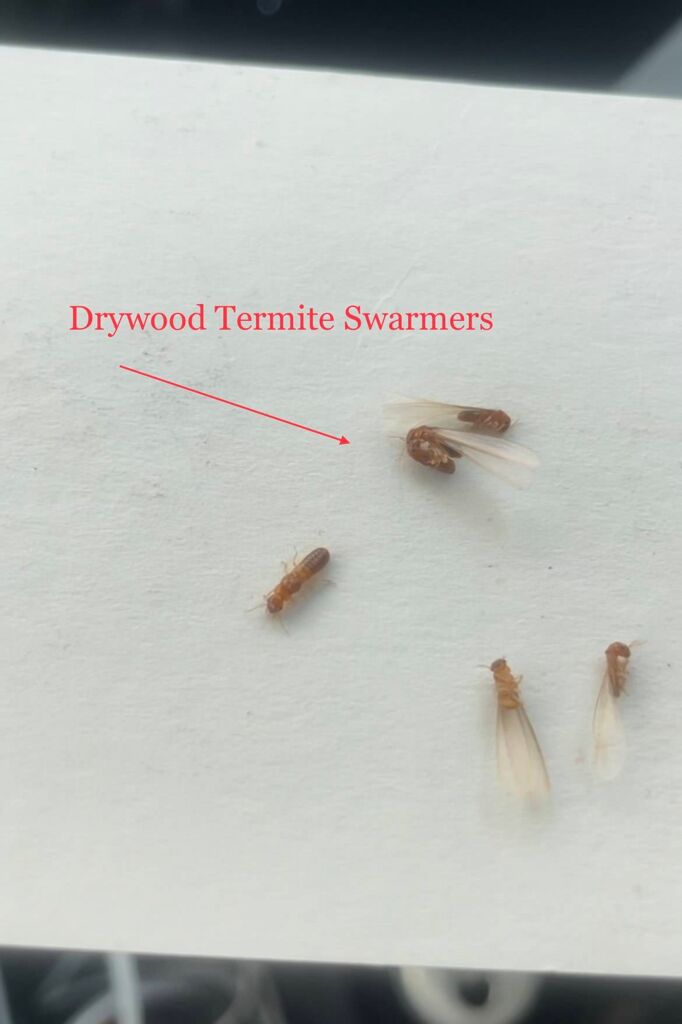
    2. Piles of Wings: During swarming season, dry wood termites release winged alates (reproductives) that leave the colony to establish new ones. After swarming, discarded wings can accumulate near window sills, doorways, or light sources.
    3. Hollow or Damaged Wood: Infested wood may sound hollow when tapped, indicating internal damage caused by termite feeding. Severe infestations can result in weakened or compromised structural elements.
    4. Small Holes or Galleries: Drywood termites create small holes or galleries in the wood as they tunnel through it. These holes may be visible on the surface of infested wood and can vary in size depending on the termite caste.

    Swarming Behavior of Drywood Termites

    Drywood termites swarm to initiate new colonies and expand their populations. Swarming typically occurs during warm, humid weather, often in the spring or early summer months. Swarmers (alates) emerge from mature colonies and fly in search of mates and suitable locations to establish new colonies. Swarming behavior is triggered by environmental cues such as temperature, humidity, and light levels.

    Why Drywood Termites Swarm:

    Swarming is a natural part of the reproductive cycle of dry wood termites and serves several purposes. Firstly, swarming allows for the dispersal of reproductive alates to new locations, reducing competition within the parent colony and increasing the likelihood of successful colony establishment. Secondly, swarming facilitates genetic diversity by promoting mating between individuals from different colonies, enhancing the resilience and adaptability of the species.

    Similarities with Swarming Ants:

    One of the most striking similarities between termites and swarming ants is their reproductive behavior. Both termites and ants produce winged alates, which emerge from mature colonies during specific times of the year to mate and establish new colonies. Swarming typically occurs during warm, humid weather, often triggered by environmental cues such as temperature, humidity, and light levels.

    During swarming, alates leave the nest in large numbers and take flight to seek mates and suitable locations for colony establishment. The swarming behavior of termites and ants serves to disperse reproductive individuals, reduce competition within the parent colony, and promote genetic diversity through mating with individuals from other colonies.

    Differences in Body Characterizations:

    While termites and ants share some similarities in their life cycles and reproductive behavior, they exhibit distinct differences in body characterizations. These differences reflect their evolutionary adaptations and ecological roles within their respective ecosystems.

    1. Body Shape: Termites have a relatively uniform body shape, with a broad, oval-shaped abdomen and straight antennae. In contrast, ants have a more diverse range of body shapes, including slender waists (where the thorax meets the abdomen) and elbowed antennae.
    2. Wing Structure: In both termites and ants, the reproductive alates have wings. However, the wings of termites are of equal size and shape, while ants have forewings (larger, membranous wings) and hindwings (smaller, sclerotized wings) of different sizes.
    3. Waist Segmentation: Ants have a distinct waist, or petiole, that separates the thorax and abdomen, giving them a narrow, constricted appearance. Termites lack this waist segmentation, with a more cylindrical body shape.

    Treatment for Drywood Termite Infestations in Florida Homes

    Drywood termites pose a significant threat to the structural integrity of homes in Florida, infesting drywood elements and causing damage that can be costly to repair. Fortunately, homeowners have several treatment options available to effectively eliminate dry wood termite infestations and protect their homes from further damage.

    Fumigation:

    Fumigation is a highly effective treatment option for widespread or severe dry wood termite infestations. It involves enclosing the entire structure in a tent and introducing a fumigant gas, such as sulfuryl fluoride (commonly known as Vikane), to penetrate and eliminate termites throughout the building. Fumigation is a comprehensive treatment that targets all areas of infestation, including inaccessible spaces within walls and ceilings. However, fumigation requires evacuation of the premises during treatment and careful coordination with licensed professionals to ensure safety and efficacy.

    Heat Treatment:

    Heat treatment, also known as thermal remediation, is another effective method for eliminating dry wood termites. It involves raising the temperature of the infested structure to levels lethal to termites, typically between 120°F and 140°F, for several hours. Heat treatment effectively kills termites and their eggs throughout the treated area, including within walls, ceilings, and furniture. Heat treatment is a non-chemical option that does not leave behind residues and is generally considered safe for occupants and the environment.

    Localized Chemical Treatments:

    Localized chemical treatments involve applying liquid or foam termiticides directly to areas of termite infestation. This method is suitable for treating isolated or accessible infestations, such as localized termite galleries or exit holes. Liquid termiticides can be injected into termite galleries or applied as a perimeter treatment around the structure to create a barrier against termites. Foam termiticides can be injected into voids and cavities within walls or infested wood members, expanding to fill the space and contact termites directly. Localized chemical treatments are often combined with monitoring and follow-up inspections to ensure the complete eradication of termites.

    Borate Treatments:

    Borate treatments involve applying borate-based products, such as borax or disodium octaborate tetrahydrate (DOT), to wood surfaces to deter termites and prevent future infestations. Borate treatments are typically applied as a liquid or foam solution to exposed wood surfaces, where they penetrate and form a protective barrier against termites. Borate-treated wood becomes toxic to termites upon ingestion, disrupting their digestive processes and ultimately leading to mortality. Borate treatments are considered a low-toxicity option and are suitable for long-term termite prevention in areas prone to infestation.

    Wood Replacement and Repair:

    In cases of localized termite damage, wood replacement and repair may be necessary to remove infested wood and restore the structural integrity of the home. This option involves removing and replacing damaged wood members, such as framing, trim, or flooring, with new, termite-resistant materials. Wood replacement and repair are often combined with chemical treatments or preventive measures to address underlying termite infestations and minimize the risk of future damage.

    Conclusion

    The presence of dry wood termites in Florida homes underscores the importance of proactive pest management strategies. By remaining vigilant for signs of infestation and promptly, addressing any issues, homeowners can mitigate the risk of extensive damage and costly repairs. Whether opting for professional treatments like fumigation or heat treatment or implementing preventative measures such as boring treatments and regular inspections, homeowners have a range of options available to combat dry termites effectively. With diligence and the assistance of licensed pest control professionals, homeowners can protect their homes from the devastating effects of these damaging insects, ensuring peace of mind and preserving the integrity of their cherished properties for generations to come.

    Drywood termites pose a significant threat to homes and structures in Florida, infesting drywood elements and causing structural damage over time. Recognizing the signs of dry wood termite infestation, such as frass, discarded wings, and hollow wood, is essential for early detection and effective pest management. By understanding the behavior and swarming patterns of dry wood termites, homeowners can take proactive measures to protect their homes and prevent costly damage. Regular inspections by pest control professionals and implementing preventive measures such as sealing cracks and crevices can help mitigate the risk of dry wood termite infestations and preserve the integrity of Florida homes.

    Call us today for a free estimate for your home, business, or condominium.

  • The Intersection of Daylight Saving Time and Termite Swarming: Implications for Homeowners

    The Intersection of Daylight Saving Time and Termite Swarming: Implications for Homeowners

    Daylight Saving Time (DST) and termite swarming share a common occurrence in the spring season, presenting unique challenges for homeowners. While DST brings longer daylight hours and signals the arrival of spring, it also coincides with the emergence of swarming termites. This essay explores the relationship between DST and termite swarming, delving into why termites swarm and the rapid damage they can cause to homeowners.

    Why Termites Swarm?

    Termite swarming, also known as termite mating flights, typically occurs in the spring when temperatures rise and humidity levels increase. Swarmers, which are reproductive termites with wings, emerge from established colonies in search of mates and new locations to establish colonies. Swarmers are attracted to sources of light, warmth, and moisture, making spring evenings, especially during DST, ideal conditions for their emergence.

    Additionally, termite swarming is triggered by environmental cues, such as rainfall or changes in temperature, signaling the optimal time for reproduction and expansion of termite colonies.

    The Role of Daylight Saving Time

    Daylight Saving Time, which begins in March in many regions, marks the transition to longer daylight hours and warmer weather. This shift in environmental conditions aligns almost perfectly with the onset of termite swarming season. Here’s how DST and termite swarming are connected:

    1. Warmer Temperatures: DST coincides with the arrival of spring, when temperatures begin to rise. Termites are highly sensitive to temperature changes, and warmer weather triggers swarming behavior.

    2. Increased Daylight: The extended daylight hours during DST provide more opportunities for termites to swarm, as they are attracted to light sources. Homeowners may notice swarms near windows or outdoor lights during the evening.

    3. Homeowner Awareness: The time change serves as a natural reminder for homeowners to perform seasonal maintenance, including pest inspections. This makes DST an ideal time to check for signs of termite activity.

    Intersection with Daylight Saving Time:

    The coincidence of termite swarming with DST presents additional challenges for homeowners. Longer daylight hours during DST provide more opportunities for homeowners to discover termite swarms around their property, particularly in the evenings when swarmers are most active. However, the extended daylight can also lead to a false sense of security, as homeowners may overlook the signs of termite infestation or mistake them for other flying insects attracted to light. Moreover, the disruption of sleep patterns and daily routines associated with the transition to DST can distract homeowners from addressing termite-related issues promptly, allowing for further damage to occur unnoticed.

    If a homeowner discovers a termite swarm in their home, it’s crucial to take immediate action to address the situation and minimize potential damage. Here’s what they can do:

    • Avoid Disturbing the Swarm: While it may be tempting to try and eliminate the swarm independently, disturbing the swarm can cause the termites to scatter and potentially establish multiple colonies within the home. Instead, maintain a safe distance from the swarm and wait for the pest control professional to arrive.
    • Assess the Extent of Infestation: The pest control professional will conduct a thorough inspection of the property to determine the extent of the termite infestation. They will identify areas of damage and potential entry points for the termites, such as cracks in the foundation, gaps in walls, or moisture-prone areas.
    • Implement Treatment Plan: Based on their assessment, the pest control professional will recommend an appropriate treatment plan tailored to the specific type of termites and severity of infestation. Treatment options may include liquid termiticides, bait systems, or fumigation, depending on the circumstances.
    • Address Moisture Issues: Termites are attracted to moisture, so it’s essential to address any moisture problems in the home, such as leaking pipes, clogged gutters, or inadequate ventilation. By eliminating sources of moisture, homeowners can help prevent future termite infestations.
    • Monitor for Signs of Reinfestation: Even after treatment, it’s important to monitor the property regularly for signs of termite activity, such as mud tubes, damaged wood, or discarded wings. Routine inspections by a pest control professional can help detect early signs of reinfestation and prevent further damage.
    • Consider Preventative Measures: To minimize the risk of future termite infestations, homeowners can implement preventative measures such as installing termite barriers, using treated wood for construction, and maintaining a dry and well-ventilated environment.

    Damage to Homeowners

    The emergence of swarming termites poses significant threats to homeowners due to the rapid and extensive damage they can inflict on structures. Upon finding a suitable mate, termite swarmers shed their wings and begin the process of establishing a new colony. They can enter homes through small cracks, crevices, or openings in foundations, walls, or roofs, often going unnoticed until significant damage has occurred. Once inside, termites feed on cellulose-based materials such as wood, paper, and fabric, causing structural weakening and compromising the integrity of the building. The damage caused by termites can be extensive and costly to repair, posing a threat to the safety and value of the property.

    By taking prompt action and enlisting the help of a qualified termite exterminator, homeowners can effectively address termite swarms and protect their homes from further damage.

  • Understanding Subterranean Termites in Florida: Risks, Prevention, and Management

    Understanding Subterranean Termites in Florida: Risks, Prevention, and Management

    Subterranean termites pose a significant threat to homeowners in Florida, where the warm and humid climate provides ideal conditions for their proliferation. Understanding the behavior, risks, prevention, and management strategies associated with subterranean termites is crucial for protecting homes and structures from costly damage.

    Behavior and Habitat:

    Subterranean termites, particularly the invasive species known as the Formosan subterranean termite (Coptotermes formosanus), are prevalent in Florida. These termites live in underground colonies that can contain millions of individuals. They construct mud tubes to travel between their underground nests and food sources, which often include wood and cellulose-based materials found in residential structures.

    The life cycle of subterranean termites in Florida, as with other regions, typically consists of several stages:

    • Egg Stage: The life cycle begins when the queen termite lays eggs within the colony. Fertilized eggs develop into nymphs, which are the early stage of termites.
    • Nymph Stage: Nymphs hatch from the eggs and undergo several molts as they grow and develop. During this stage, nymphs are responsible for caring for the queen, tending to the eggs, and maintaining the colony.
    • Worker Stage: As nymphs mature, they molt into worker termites. Worker termites are responsible for foraging for food, constructing and repairing the nest and tunnels, and caring for the queen and young termites. They are typically blind and sterile.
    • Soldier Stage: Some nymphs develop into soldiers, which have enlarged mandibles or other specialized structures for defense against predators, such as ants. Soldiers protect the colony from threats and may also assist with foraging and nest maintenance.
    • Reproductive Stage: Under certain conditions, usually in response to environmental cues such as temperature and humidity changes, some termites develop into alates, or winged reproductive termites. Alates leave the colony in swarms to mate and establish new colonies. After mating, the alates shed their wings and become the king and queen of a new colony.

    • Establishment of New Colony: Once the queen termite has mated and found a suitable location, she begins laying eggs to establish a new colony. The cycle then repeats as the new colony grows and matures.

    The life cycle of subterranean termites in Florida can vary depending on environmental factors, such as temperature, humidity, and food availability. Colonies can persist for many years and continue to grow in size and complexity as new individuals are born and new colonies are established. Understanding the life cycle of subterranean termites is essential for effective pest control and management strategies

    Risks to Homeowners:

    Subterranean termites are notorious for their ability to cause extensive damage to wooden structures, including homes, decks, fences, and furniture. They feed on cellulose materials found in wood, causing structural weakening and potentially compromising the integrity of the building. Infestations often go unnoticed until significant damage has already occurred, leading to costly repairs and structural issues.

    What does subterranean termite damage look like?

    Understanding Subterranean Termite Damage: Signs and Characteristics

    Subterranean termites are notorious for their ability to cause extensive damage to wooden structures, posing a significant threat to homeowners in regions like Florida where they are prevalent. Recognizing the signs and characteristics of subterranean termite damage is crucial for early detection and effective mitigation of infestations.

    Signs of Subterranean Termite Damage:

    • Wood Damage: Subterranean termites primarily feed on cellulose materials found in wood, causing structural weakening and damage over time. Common signs of termite-infested wood include hollowed-out or damaged areas, blistering or darkening of the surface, and the presence of mud tubes on the exterior.

    • Mud Tubes: Subterranean termites construct mud tubes to travel between their underground nests and food sources. These tubes, which are typically made of soil, wood particles, and termite saliva, are often found along the exterior foundation of the home, in crawl spaces, or on wooden structures. Mud tubes serve as protective pathways for termites and are a clear indicator of termite activity.
    • Discarded Wings: After swarming, reproductive alates (winged termites) shed their wings and mate to establish new colonies. Discarded termite wings near windowsills, doorways, or light fixtures are a sign of a termite swarm and may indicate the presence of an active colony nearby.
    • Bubbling or Peeling Paint: Subterranean termites may tunnel beneath the surface of painted wood, causing the paint to bubble, blister, or peel. This damage is often a result of moisture buildup within the wood caused by termite activity.
    • Sagging Floors or Ceilings: In severe cases of termite infestation, structural wood components, such as floor joists or ceiling beams, may become weakened and begin to sag or bow under the weight of the structure. Sagging floors or ceilings can indicate extensive termite damage and may require immediate attention from a professional.

    Characteristics of Subterranean Termite Damage:

    • Subtle and Hidden: Subterranean termite damage is often subtle and hidden from view, making it difficult to detect until significant damage has already occurred. Termites typically feed within the interior of wood, leaving the outer surface intact, which can mask the extent of the damage.
    • Moisture-Related: Subterranean termites require moisture to survive, so termite damage often occurs in areas with high humidity or moisture levels, such as basements, crawl spaces, and areas with water leaks or drainage issues.
    • Systematic and Progressive: Termite damage tends to be systematic and progressive, with termites feeding continuously on wood until it becomes structurally unsound. If left unchecked, termite infestations can lead to extensive damage and compromise the integrity of the building.

    Recognizing the signs and characteristics of subterranean termite damage is essential for homeowners in regions like Florida, where these destructive pests are prevalent. By understanding the subtle indicators of termite activity and conducting regular inspections of the home, homeowners can detect infestations early and take proactive measures to mitigate damage and protect their investment. Prompt intervention by a professional pest control provider is crucial for effectively treating termite infestations and preserving the structural integrity of the home.

    Prevention Strategies:

    Preventing subterranean termite infestations requires a proactive approach that includes both physical barriers and chemical treatments. Some key prevention strategies for homeowners in Florida include:

    • Soil Treatment: Applying liquid termiticides to the soil around the perimeter of the home can create a barrier that repels or kills termites before they can infest the structure.
    • Termite Baits: Installing termite bait stations around the property can attract and eliminate termites before they reach the home. Baits are an effective long-term solution for controlling termite populations.
    • Moisture Control: Since subterranean termites thrive in moist environments, reducing moisture around the home by fixing leaks, improving drainage, and ensuring proper ventilation can help deter termite activity.
    • Regular Inspections: Conducting regular inspections of the home for signs of termite activity, such as mud tubes, damaged wood, or discarded termite wings, can help detect infestations early and prevent extensive damage.

    Management and Treatment:

    If a subterranean termite infestation is detected, prompt action is essential to minimize damage and protect the structure. Professional termite control companies in Florida offer a range of treatment options, including:

    • Soil Treatment: Liquid termiticides can be injected into the soil around the perimeter of the home to create a protective barrier that prevents termites from entering.
    • Baiting Systems: Termite bait stations can be strategically placed around the property to attract and eliminate termite colonies.
    • Fumigation: In severe infestations, fumigation may be necessary to eradicate termites from the structure. This involves tenting the home and using fumigants to penetrate deep into the wood and soil to kill termites. This is most often utilized when a home has drywood termites.

    If you need termite treatment in central or south Florida, feel free to contact us. We provide termite extermination in Winter Haven, Port Orange, Orlando, Davie, Plantation and other areas of Florida

    What are Sentricon Termite Bait Stations?

    Sentricon® is a widely used termite baiting system designed to protect homes and structures from subterranean termites. It consists of bait stations strategically placed around the perimeter of the property, forming a protective barrier against termite infestations. Here’s how Sentricon termite bait stations work and how they protect a home from subterranean termites:

    • Bait Station Placement: Certified pest control professionals strategically place Sentricon bait stations around the exterior of the home, typically spaced at regular intervals along the foundation or around known termite entry points. The stations are inserted into the soil, flush with the ground surface, making them inconspicuous to homeowners and pets.
    • Monitoring Phase: During the initial installation, the bait stations are equipped with monitoring devices that contain untreated wood or cellulose material. These monitoring devices are checked periodically by the pest control technician to detect termite activity. If termites are found feeding on the monitoring device, it indicates the presence of an active termite colony in the vicinity.
    • Baiting Phase: Once termite activity is detected, the monitoring devices are replaced with bait cartridges containing a highly palatable cellulose material laced with a slow-acting insect growth regulator (IGR) called noviflumuron. Termites feed on the bait and carry it back to the colony, where it is shared with other termites, including the queen.
    • Colony Elimination: The active ingredient in the Sentricon bait, noviflumuron, disrupts the molting process of termites, preventing them from maturing and ultimately leading to the collapse of the colony. As termites continue to feed on the bait, the population declines until the colony is eliminated entirely.
    • Continuous Protection: After the colony is eliminated, Sentricon bait stations remain in place around the property to provide ongoing protection against future termite infestations. The stations are routinely monitored and maintained by the pest control provider to ensure their effectiveness over time.

    Sentricon termite bait stations offer several advantages over traditional liquid soil treatments, including reduced environmental impact, targeted termite control, and minimal disruption to the homeowner. By using a proactive approach to termite management, Sentricon helps homeowners safeguard their properties against the destructive effects of subterranean termites while providing long-lasting protection and peace of mind.

    Subterranean termites pose a significant threat to homeowners in Florida, where the warm and humid climate creates favorable conditions for their proliferation. Understanding the behavior, risks, prevention, and management strategies associated with subterranean termites is essential for protecting homes and structures from costly damage. By implementing proactive prevention measures and seeking professional assistance when needed, homeowners can effectively mitigate the risk of termite infestations and preserve the integrity of their properties.

  • Beneath the Surface : Unveiling the Hidden Menace of Termites in Florida

    Beneath the Surface : Unveiling the Hidden Menace of Termites in Florida

    Nestled within the lush landscapes of Florida, beneath the vibrant foliage and hidden within the structural confines of homes and buildings, resides a silent yet formidable threat: termites. As citizens of the Sunshine State, Floridians are no strangers to the insidious nature of these tiny but tenacious insects. With their voracious appetite for wood and insatiable drive to colonize, termites have carved a niche as one of the most pervasive and destructive pests in Florida.

    Subterranean Termites

    Subterranean termites are a significant pest in Florida, posing a constant threat to homes, structures, and the environment. With their destructive feeding habits and vast underground colonies, subterranean termites have earned a notorious reputation as one of the most challenging pests to control in the Sunshine State. Let’s explore the characteristics, behavior, impact, and management of subterranean termites in Florida.

    Characteristics and Behavior

    Subterranean termites, primarily belonging to the species Reticulitermes flavipes, Reticulitermes virginicus, and Coptotermes formosanus, are the most common termite species found in Florida. These termites live underground in expansive colonies that can number in the millions. They feed on cellulose-rich materials such as wood, paper, and plant debris, making them a significant threat to wooden structures.

    Subterranean termites build intricate tunnel systems to forage for food and maintain moisture levels. They construct shelter tubes, or mud tubes, along surfaces such as foundation walls, utility pipes, and wooden structures to protect themselves from desiccation and predators while traveling between their nest and food sources.

    The life cycle of subterranean termites consists of three primary stages: the egg stage, the nymph stage, and the adult stage. Here’s a brief overview of each stage:

    Egg Stage:

    • The life cycle begins when the queen termite lays eggs. These eggs are usually laid in clusters within the colony’s underground nest. The eggs are small, white, and translucent, and they typically hatch within a few weeks.

    Nymph Stage:

    • Once the eggs hatch, the newly emerged termites are called nymphs. Nymphs are immature termites that resemble adults but are smaller and lighter in color. During this stage, the nymphs undergo a series of molts, shedding their exoskeletons as they grow. Nymphs are responsible for performing various tasks within the colony, such as caring for the queen, tending to the eggs and larvae, and foraging for food.

    Adult Stage:

    • After several molts, the nymphs eventually develop into adult termites. Adult subterranean termites are the reproductive members of the colony, consisting of primary reproductive (alates or swarmer) and secondary reproductive. Primary reproductive are winged individuals that emerge from the colony during swarming season to mate and establish new colonies. Secondary reproductives, also known as supplementary or replacement reproductives, develop from nymphs and serve as backups to the primary reproductives within the colony. Adult termites continue the cycle by mating and producing eggs, thus perpetuating the colony’s existence.

    The life cycle of subterranean termites is highly organized and structured, with each caste performing specific roles essential for the colony’s survival and growth. Understanding the life cycle of subterranean termites is crucial for effective pest control and management strategies.

    Management and Control:

    Effective management and control of subterranean termites in Florida require a comprehensive approach that combines preventive measures, monitoring, and targeted treatment strategies. Key components of termite management include:

    Preventive Measures:

    • Implementing preventive measures such as using termite-resistant building materials, maintaining proper ventilation and drainage around structures, and reducing wood-to-soil contact can help minimize the risk of termite infestation.

    Monitoring:

    • Regular termite inspections by trained professionals are essential for early detection of termite activity. Monitoring devices such as bait stations and termite shields can also aid in detecting termites before they cause significant damage.

    Chemical Treatments:

    • Chemical treatments, including liquid termiticides and baits, are commonly used to control subterranean termites. These treatments are applied to soil, structural voids, or directly to termite activity areas to eliminate colonies and prevent future infestations.

    Physical Barriers:

    • Physical barriers such as termite shields, metal mesh, and concrete slabs can be installed during construction to prevent termite access to structures.

    Integrated Pest Management (IPM):

    • Integrated pest management approaches combine multiple control methods to achieve long-term termite management goals while minimizing environmental impact and human health risks.

    Formosan Termites

    Formosan termites, scientifically known as Coptotermes formosanus, are a highly destructive species of subterranean termite native to East Asia. Despite their origin, Formosan termites have spread to other parts of the world, including the southern United States, where they are considered invasive pests. These termites are particularly notorious for their aggressive feeding habits, large colony sizes, and rapid reproduction rates, making them a significant threat to structures and vegetation.

    Key characteristics of Formosan termites include:

    • Large Colonies: Formosan termite colonies can contain millions of individuals, far exceeding the size of native termite colonies. These large colonies contribute to their destructive potential, as they can quickly consume wooden structures and cause extensive damage.
    • Aggressive Feeding Behavior: Formosan termites are voracious feeders and can consume wood at a rapid rate. They are known to attack a wide range of wooden structures, including homes, buildings, utility poles, and trees. Their feeding activity can compromise the structural integrity of infested structures, leading to costly damage.
    • Ability to Establish Satellite Colonies: Formosan termites have the unique ability to establish satellite colonies, which are interconnected to the main colony by underground tunnels. This decentralized network allows them to forage over larger areas and makes eradication efforts more challenging.
    • High Moisture Requirements: Like other subterranean termites, Formosan termites require moisture to survive. They are often found in damp or water-damaged areas, such as basements, crawl spaces, and around leaking pipes. Moisture-rich environments provide ideal conditions for colony establishment and expansion.
    • Swarming Behavior: Formosan termites reproduce by swarming, typically during warm, humid evenings in the spring and summer months. Swarms consist of winged reproductive individuals (alates) that emerge from mature colonies to mate and establish new colonies. These swarms can be a visible sign of a nearby infestation.

    Controlling Formosan termite infestations requires a multifaceted approach, including preventive measures, regular inspections, and targeted treatments. Due to their destructive nature and rapid spread, early detection and intervention are crucial for minimizing damage and protecting properties from these invasive pests.

    Subterranean termites pose a persistent threat to Florida’s homes, structures, and environment. Their destructive behavior and vast underground colonies necessitate proactive management and control measures to mitigate the risk of infestation and damage. By implementing preventive strategies, conducting regular inspections, and utilizing targeted treatment options, homeowners and businesses can effectively manage subterranean termite populations and protect their properties from costly damage.

    What are Sentricon Termite Bait Stations?

    Sentricon Termite Bait Stations are a highly effective and environmentally friendly termite control system designed to eliminate subterranean termites from structures and properties. These bait stations consist of durable plastic cylinders installed in the soil around the perimeter of a building or in areas where termite activity is suspected.

    Key features of Sentricon Termite Bait Stations include:

    • Termite Monitoring: Sentricon bait stations serve as monitoring devices to detect termite activity in the surrounding soil. Each station contains a monitoring device, typically a wood or cellulose matrix, that is appetizing to termites. When termites are present in the area, they are attracted to the bait and begin feeding on it.
    • Bait Delivery System: Once termite activity is detected, the monitoring device is replaced with a bait cartridge containing a potent termite bait known as noviflumuron. This bait is highly attractive to termites and is ingested by foraging workers.
    • Colony Elimination: As termites feed on the bait, they carry it back to the colony and share it with other members, including the queen. Over time, the noviflumuron disrupts the termite’s ability to molt and grow, ultimately leading to the collapse of the colony. Sentricon effectively eliminates termite colonies while minimizing the need for traditional liquid chemical treatments.
    • Non-Invasive Installation: Sentricon Termite Bait Stations are installed underground, making them discreet and minimally invasive. They are placed strategically around the perimeter of a structure or in areas of known termite activity, providing continuous protection against termite infestations.
    • Environmentally Friendly: The active ingredient in Sentricon bait, noviflumuron, has been shown to have low toxicity to non-target organisms and minimal impact on the environment. This makes Sentricon an eco-friendly alternative to traditional chemical treatments.

    Overall, Sentricon Termite Bait Stations offer a proactive and sustainable approach to termite control, providing long-term protection against subterranean termites while minimizing environmental impact and disruption to the property. They are an ideal choice for homeowners and businesses looking for effective, low-risk termite management solutions.


  • Thanksgiving

    Thanksgiving

    Thanksgiving, a cherished American holiday, traces its origins to the autumn of 1621 when Pilgrims and Wampanoag Native Americans came together for a harvest feast, marking a moment of unity and gratitude. This event is considered the first Thanksgiving, a symbol of cooperation and shared abundance in the face of adversity.

    The first Thanksgiving took place in Plymouth, Massachusetts, after the Pilgrims survived a harsh winter with the help of the Native Americans who taught them essential agricultural techniques. Grateful for the successful harvest, the Pilgrims and Wampanoag celebrated their newfound friendship and the bountiful yield with a three-day feast.

    Today, Thanksgiving endures as a time for families and friends to gather, express gratitude, and indulge in a feast of traditional foods. Roast turkey, stuffing, mashed potatoes, cranberry sauce, and pumpkin pie are staples on the Thanksgiving table, each dish symbolizing a blend of cultural influences and seasonal harvests.

    Beyond the culinary delights, Thanksgiving has become synonymous with the tradition of watching football. The National Football League (NFL) hosts games on Thanksgiving Day, providing a shared activity for families and friends. This tradition, dating back to the 19th century, adds a lively and competitive element to the holiday, contributing to the festive atmosphere.

    Autumn Bugs

    During the fall months in Florida, a diverse array of bugs emerges, drawn by the subtropical climate and changing environmental conditions. One of the most prevalent insects is the lovebug (Plecia nearctica), known for its distinctive black body and red thorax. These mating insects can be found in swarms during the fall, creating a temporary but notable presence.

    Another common sight is the Eastern Lubber Grasshopper (Romalea microptera), characterized by its large size and vibrant coloration. These grasshoppers are often seen in grassy areas and can be both fascinating and slightly menacing due to their size.

    Mosquitoes persist throughout the fall, though their activity tends to decrease as temperatures cool. Despite this decline, their presence is still notable, making insect repellent a valuable companion during outdoor activities.

    In addition to these, various species of ants, such as the invasive red imported fire ant (Solenopsis invicta), remain active during the fall. These aggressive ants are known for their painful stings and can create sizable colonies, often disrupting local ecosystems.

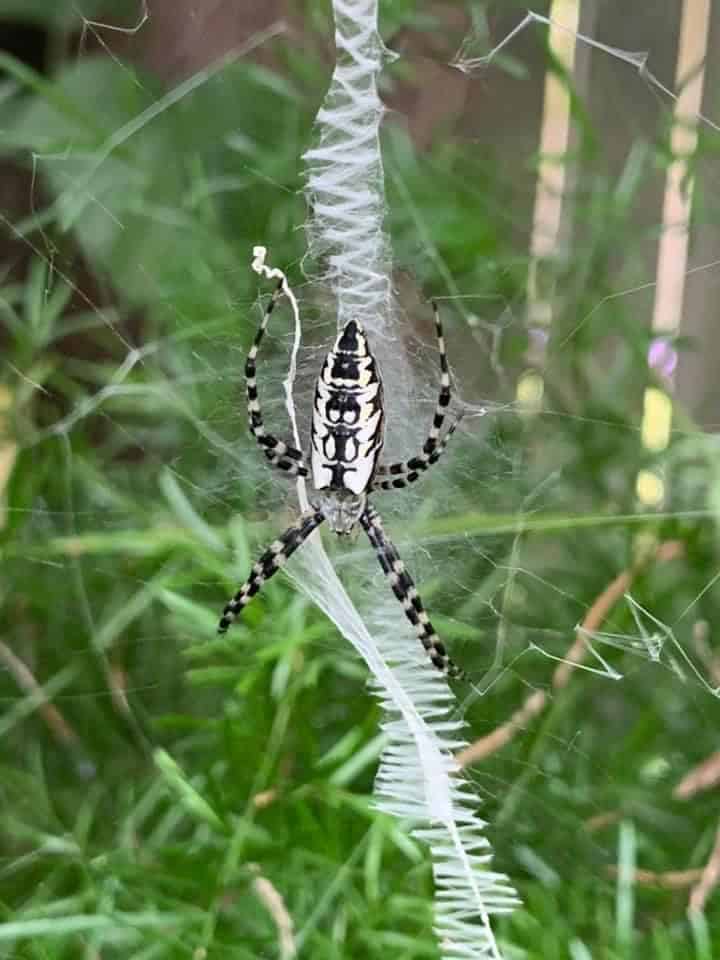
    Florida’s fall months also see an increase in orb-weaving spiders, including the large and conspicuous golden silk orb-weaver (Nephila clavipes). These arachnids contribute to the region’s intricate web of biodiversity.

    It’s essential to mention the seasonal influx of stink bugs, like the brown marmorated stink bug (Halyomorpha halys). These insects seek shelter as temperate

    Termite Swarmers

    In the fall months in Florida, the emergence of swarming termites becomes a notable natural phenomenon, drawing attention due to both its visual impact and potential implications for homeowners. Termites are social insects that play a crucial role in breaking down cellulose, but when they swarm, it often signals the presence of a mature colony and the potential for structural damage.

    One of the primary species involved in swarming events is the Eastern Subterranean Termite (Reticulitermes flavipes), commonly found throughout Florida including Volusia, Seminole, Lake, Orange, Flagler and Brevard counties. These termites typically swarm during the warmer months, often in the fall, as they are triggered by environmental cues like temperature and humidity. The swarming phase is when winged reproductive termites, known as alates, leave the nest in search of a mate to establish a new colony.

    The sight of swarming termites can be unsettling for homeowners, as it raises concerns about potential structural damage to homes and other wooden structures. These insects are particularly destructive as they feed on cellulose-containing materials, such as wood, paper, and plant fibers. Their presence highlights the importance of proactive termite prevention and management measures.

    Homeowners in Florida are advised to be vigilant during the fall months, especially if they observe swarming termites around their property. This may indicate an existing termite colony nearby, and professional inspection becomes crucial to assess the extent of the infestation and implement effective control measures.

    To mitigate the risk of termite infestations, homeowners can take preventive actions such as maintaining proper drainage around the home, promptly repairing leaks, and ensuring adequate ventilation in crawl spaces. Regular inspections of wooden structures and early detection of termite activity are essential in preventing significant damage.

    While the sight of swarming termites may instill concern, it’s essential to recognize that termites play a role in the ecosystem by aiding in the decomposition of dead and decaying wood. However, when their activities pose a threat to human structures, it becomes imperative to manage and control their populations effectively.

    Swarming Ants

    While termites take the spotlight in discussions about swarming insects, swarming ants also make a notable appearance in Florida during the fall months, adding a distinctive element to the state’s ecological tapestry. The phenomenon of swarming ants is a fascinating display of nature’s intricate processes, but it can also pose challenges for residents as certain ant species engage in this behavior, leading to the formation of new colonies.

    One of the prominent ant species that partakes in swarming events in Florida is the Florida Carpenter Ant (Camponotus floridanus). Recognized by their large size and dark coloration, these ants are known for establishing nests in decaying wood. During the fall, reproductive individuals, including winged males and females, embark on swarming flights, marking the beginning of the colony’s reproductive phase.

    Swarming is a crucial component of the ant life cycle, serving as a means for the colony to expand and ensure genetic diversity. The synchronized release of winged ants from multiple colonies enhances the likelihood of successful mating and the establishment of new colonies.

    The sight of swarming ants can be captivating, as large numbers of winged individuals fill the air in search of mates and suitable nesting sites. However, for homeowners, this spectacle may raise concerns about potential infestations and the impact on their properties.

    Unlike termites, whose primary diet includes cellulose-rich materials like wood, ants are more diverse in their feeding habits. Florida Carpenter Ants, for instance, feed on a variety of sources, including insects, honeydew produced by aphids, and occasionally household food. While they don’t pose the same structural threat as termites, their presence in and around homes can be disruptive.

    To address the challenges associated with swarming ants in Florida, homeowners can implement various preventive measures. These may include sealing entry points, maintaining cleanliness to reduce food attractants, and addressing moisture issues that may attract ants seeking water sources.

    Professional pest control services can assist in managing ant infestations, providing tailored solutions based on the specific ant species and the extent of the issue. Understanding the biology and behavior of swarming ants empowers homeowners to take proactive steps in protecting their homes while appreciating the natural phenomenon that is an integral part of Florida’s fall ecology.

    Spiders

    Spiders, with their intricate webs and eight-legged grace, are a diverse and fascinating group of arachnids that play a crucial role in ecosystems around the world. As the colder months descend, it’s not uncommon to find spiders making their way indoors, seeking shelter from the chill. Understanding the reasons behind this behavior involves delving into the biology and instincts of these arachnids.

    One of the primary drivers for spiders seeking refuge indoors during colder months is the quest for warmth. As temperatures drop outside, spiders, like many cold-blooded creatures, become sluggish and less active. Seeking shelter indoors allows them to maintain a more favorable temperature and continue their essential bodily functions, albeit at a slower pace. Additionally, many common house spiders have adapted to live in human environments, where temperatures are more stable than the fluctuating conditions outdoors.

    The notion of spiders being more prevalent indoors during colder months is not universal; it varies by species. Some spiders are more adapted to indoor environments and may be active year-round, while others are more influenced by seasonal changes. The presence of spiders indoors can also be influenced by factors such as food availability and mating opportunities, which might be more abundant in the sheltered environment of a home.

    Spiders are opportunistic predators, and the presence of other indoor insects, attracted by the warmth of heated homes during the colder months, provides a ready source of food. This creates a favorable environment for spiders, as they can find sustenance without expending excess energy hunting for prey in the less hospitable outdoors.

    The architecture of buildings, with its numerous cracks, gaps, and entry points, provides ample opportunities for spiders to enter homes. Common house spiders, like the cellar spider (Pholcidae) and cobweb spiders (Theridiidae), are particularly adept at finding their way indoors and creating webs in corners, attics, or basements.

    For those who find the presence of spiders indoors disconcerting, it’s essential to recognize the benefits they offer. Spiders are natural pest controllers, preying on a variety of insects that may otherwise become household nuisances. Embracing a coexistence with spiders involves simple preventive measures like sealing cracks, reducing clutter, and practicing good sanitation to minimize other insect attractants.

    Call us today for a free consultation.


  • Florida’s Hidden Invaders: Unearthing the Secret World of Subterranean Termites.

    Florida’s Hidden Invaders: Unearthing the Secret World of Subterranean Termites.

    Picture this: a Florida paradise, with a slush, palm trees, and the sunshine and serene beaches, offering homeowners a dreamy haven. But amidst this breathtaking beauty lies a hidden menace that can quietly wreak havoc on your most significant investment.- your home. Enter the world of subterranean termites, the stealthy destroyers lurking beneath the surface. In this tropical haven, these tiny terrors thrive, posing a silent threat to your properties structural integrity. Join us as we delve into the enchanting allure of Florida and the imperative need to protect your slice of paradise from the unseen perils of termites.

    What attracts termites to homes?

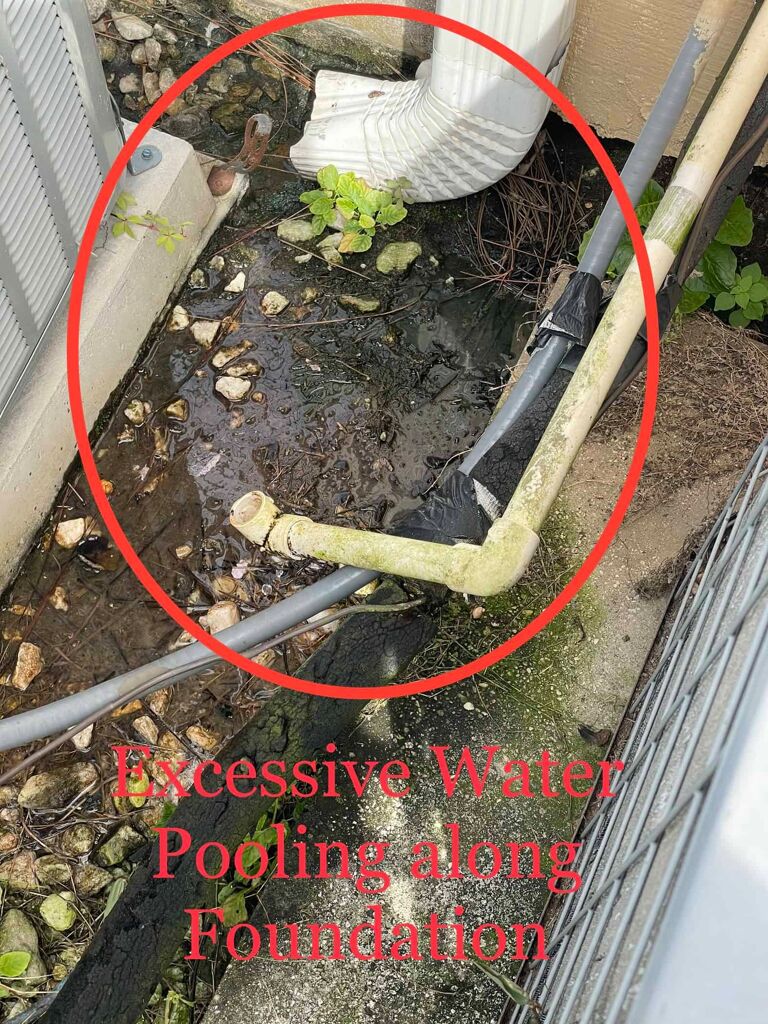
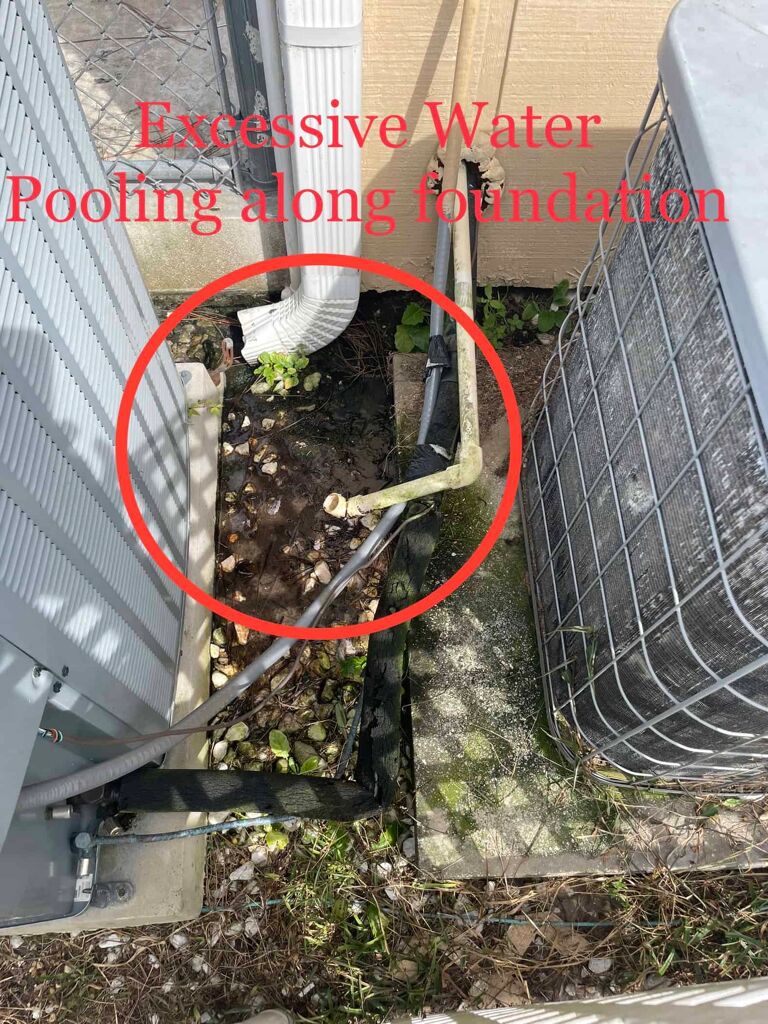
    Excessive rainwater runoff, leaky spigots, and air conditioning water runoff can create conducive conditions for subterranean termites in Florida due to the following factors:

    1. Moisture Accumulation: Subterranean termites in Florida are highly dependent on moisture for their survival. Excessive rainwater runoff, leaky spigots, and air conditioning runoff can lead to the accumulation of moisture in and around a property. This provides termites with the necessary conditions for foraging, nesting, and thriving.
    2. Soil Accessibility: Subterranean termites live in the soil and build mud tunnels or galleries to access their food sources and nesting sites. Excess moisture in the soil near a structure makes it easier for termites to create and maintain these tunnels. When water runoff saturates the soil, termites can more readily establish pathways into buildings.
    3. Weakened Wood: Moisture can cause wood to soften and weaken. When excessive water runoff or leaks occur, it can lead to the deterioration of wooden structural elements in and around homes. Weakened wood is more attractive to termites as a food source, making infestations more likely.
    4. Concealment: Moisture often leads to the formation of mud tubes or shelter tubes, which subterranean termites use for protection and to maintain their preferred humid environment. These tubes can conceal termite activity, making it challenging to detect an infestation until it has become significant.
    5. Availability of Water Sources: Termites not only require moisture for their survival but also seek out water sources. Leaky spigots and air conditioning runoff provide readily available water for termites, reducing their need to forage long distances to find water.
    6. Year-Round Activity: In Florida’s warm and humid climate, subterranean termites remain active year-round. The combination of abundant moisture and a conducive climate creates ideal conditions for termites to thrive and reproduce.

    To prevent subterranean termite infestations in Florida, it is crucial to manage moisture issues around your property. This includes addressing water runoff problems, repairing leaks, ensuring proper drainage, and keeping wood and soil dry. Regular termite inspections by professionals can also help detect infestations in their early stages when they are easier to manage.

    Sentricon Subterranean Termite Bait Stations

    Termite bait stations are a key tool in subterranean termite control, especially in places like Florida where these pests are common. Here’s how they work:

    1. Installation: Termite bait stations are placed strategically around the perimeter of a home, typically spaced about 10 to 20 feet apart. They are buried in the ground so that termites can access them easily.
    2. Bait: Inside each station, there is a cellulose-based bait that termites find attractive. This bait is usually made from wood or paper and serves as a food source for the termites.
    3. Monitoring: The termite bait stations are monitored yearly by one of our licensed pest control professionals. During these inspections, the technician checks for signs of termite activity as well as conducive conditions that can bring about a termite colony.
    4. Baiting: When termite activity is detected in one or more bait stations, the technician will replace the bait if it has been eaten. The specialized bait contains a slow-acting growth regulator that stops termites from molting. Molting is a vital process, and without it, the termite colony cannot survive. Termites feed on this bait and carry it back to the colony.
    5. Colony Elimination: As the termites consume the bait and share it with other members of the colony, it begins to affect the termite population. Over time, the colony is weakened, and ultimately, it can be eliminated.
    6. Regular Maintenance: Even after the colony is eliminated, the bait stations are monitored  yearly to ensure there are no signs of new termite activity. Regular maintenance helps prevent future infestations.
    7. Environmental Considerations: Termite bait stations are considered more environmentally friendly than traditional liquid termiticides because they use less pesticide and specifically target termites.

    It’s important to note that the effectiveness of termite bait stations can vary depending on factors like the type of termites, the specific bait used, and the skill of the pest control professional. Regular inspections and maintenance are crucial to ensure long-term protection against subterranean termites in Florida or any other region prone to termite infestations.

    Why my house?

    Subterranean termites in Florida and elsewhere typically find wood in homes through a combination of foraging behavior and moisture detection. Here’s how they do it:

    1. Foraging: Subterranean termites have worker termites that constantly search for new sources of wood. They create mud tunnels or tubes on the ground or along walls, which they use to navigate to potential food sources, including the wood in homes.
    2. Moisture Detection: Termites are highly attracted to moisture. They can sense moisture levels in soil and wood. In Florida, where humidity is often high, these pests are particularly drawn to areas where there’s excess moisture, such as leaky pipes, clogged gutters, or areas with poor drainage. They may enter homes through these points.
    3. Cracks and Crevices: Termites can squeeze through tiny cracks and crevices in the foundation or walls of a home. They may find entry points near areas with moisture issues or where wood is in contact with soil.
    4. Wood-to-Soil Contact: Termites thrive in soil, so if there is direct contact between wood and soil around the foundation of a home, they can easily access the structural wood.

    Once termites find a suitable entry point and a source of wood, they establish colonies within the wood, feeding on it and potentially causing significant damage over time. Regular inspections and preventive measures are crucial in Florida and other termite-prone areas to detect and deter these destructive pests.

    Eastern Subterranean Termite Life Cycle

    The life cycle of Eastern subterranean termites, like most termite species, consists of several distinct stages:

    1. Egg Stage: It begins when the queen termite lays eggs. Termite eggs are tiny and typically white. The eggs are cared for by worker termites and kept in specially constructed chambers within the colony.
    2. Nymph Stage: Once the eggs hatch, they develop into nymphs. Nymphs are young termites that resemble smaller versions of adult termites. They go through several molts as they grow.
    3. Worker Stage: Nymphs eventually mature into worker termites. Worker termites are responsible for tasks such as foraging for food, caring for the eggs and nymphs, and building and maintaining tunnels and galleries within the colony.
    4. Soldier Stage: Some nymphs develop into soldier termites. These termites have larger heads and powerful jaws, which they use to defend the colony against predators like ants.
    5. Reproductive Stage: Some mature nymphs and workers develop into alates, also known as swarmers or reproductives. These are the termites responsible for starting new colonies. They have wings and are equipped for flight.
    6. Swarming: When conditions are right, typically during the spring, alates leave the colony in a swarm. They fly, mate, and eventually shed their wings. The mated pairs then find a suitable location to start a new colony.
    7. King and Queen: After shedding their wings, the mated pair becomes the king and queen of a new termite colony. They dig a chamber and produce the first batch of eggs, starting the cycle anew.

    The Eastern subterranean termite colony consists of the king, queen, workers, soldiers, and nymphs. The workers and soldiers are responsible for maintaining and protecting the colony, while the king and queen are the primary reproducers.

    It’s important to note that termite colonies can be long-lived, with queens capable of laying thousands of eggs per day, allowing the colony to grow and persist for many years if not treated or controlled.

    How can you identify Eastern Subterranean termites?

    Identifying subterranean termites in a Florida home requires careful observation of specific signs. Here are some telltale signs to look for:

    1. Mud Tubes: Subterranean termites build mud tubes to travel between their underground nests and food sources. These tubes, typically about the width of a pencil, can be found along foundation walls, wooden structures, or in crawl spaces.
    2. Damaged Wood: Subterranean termites feed on cellulose, which is found in wood. Look for wood that appears hollowed out or has a honeycomb-like texture. Tap the wood to see if it sounds hollow.
    3. Swarmers: During the spring, subterranean termites may release swarms of winged reproductive individuals. These winged termites are often mistaken for flying ants. Termites have straight antennae, a thick waist, and wings of equal length, while ants have bent antennae, a narrow waist, and wings of different lengths.
    4. Discarded Wings: After a termite swarm, you may find discarded wings near window sills, doors, or other light sources. These wings are often a sign of an active infestation.
    5. Sagging or Buckling Floors: Subterranean termites can weaken wooden flooring, causing it to sag or buckle.
    6. Hollow-Sounding Walls: Gently tap walls, window frames, and other wooden structures. If they sound hollow, it could indicate termite damage.
    7. Cracked or Bubbling Paint: Termites can cause paint to bubble or crack as they tunnel underneath the surface.
    8. Visible Termite Workers: While less common, you may occasionally spot worker termites foraging for food. They are pale, soft-bodied, and about 1/8 inch long.
    9. Fecal Pellets: Drywood Termites often push fecal pellets out of small exit holes near their nests. These pellets resemble tiny, elongated grains of rice and can accumulate in piles.

    If you suspect a termite infestation in your home, it’s crucial to contact a licensed pest control professional, like Dave’s Pest Control for a thorough inspection and appropriate treatment. Termite damage can be extensive and costly, so early detection is key to minimizing potential structural damage.

    Call us today for a free estimate for your home, business or condominium.


  • Drywood Termite Frass: Signs of Drywood Termite Infestations

    Drywood Termite Frass: Signs of Drywood Termite Infestations

    In the sunny and subtropical state of Florida, where warmth and humidity create an ideal environment for a variety of pests, one of the most notorious and damaging invaders is the drywood termite (Cryptotermes spp.). These silent destroyers are a common cause of concern for homeowners, as they thrive within the very structures we call home. In this essay, we will delve into the intricacies of drywood termites in Florida, focusing on their distinctive frass, its composition, and its significance when found around windows and doors.

    The Intricacies of Drywood Termites:

    Drywood termites are a unique species of termites that differ from their subterranean counterparts in terms of habitat and behavior. Unlike subterranean termites, which nest underground and require moist environments, drywood termites establish their colonies within the wood they consume, thriving in the relatively drier conditions of Florida’s homes and structures. These insects are often referred to as “silent destroyers” due to their secretive nature and the gradual, unnoticed damage they inflict on wooden structures over time.

    Drywood Termites Frass: Sign of Infestation

    Frass is a key indicator of drywood termite activity. Frass refers to the debris or excrement left behind by termites as they feed on wood. Unlike subterranean termites, which create mud tubes and tunnels, drywood termites do not construct such elaborate structures. Instead, they expel their fecal matter through small kick-out holes in the wood they infest. This expelled frass accumulates below these holes, often indicating the presence of an infestation.

    Composition of Drywood Termite Droppings

    The frass produced by drywood termites is comprised of partially digested wood fibers, termite excrement, and other waste materials. The appearance of frass can vary depending on factors such as the type of wood being consumed and the specific termite species. It is often described as granular, pellet-like, or sand-like in texture. The color of frass can range from light to dark, depending on the color of the ingested wood. The accumulation of frass around infested areas is a clear sign that termites are actively feeding and nesting within the wood.

    Termite Dropping around Windows and Doors

    Discovering frass around windows and doors can be particularly concerning for homeowners. These areas are common entry points for drywood termites, as they are attracted to sources of light and the warmth that seeps through these openings. If frass is found near windows and doors, it suggests that termites are likely infesting the surrounding wood, potentially compromising the structural integrity of the home. Furthermore, frass accumulation around these entry points indicates that the infestation is mature and has been ongoing for a significant period.

    Color of Termite Frass

    Drywood termite frass, the pellet-like debris left behind by these insects, can vary in color due to several factors, including the type of wood they are consuming, the age of the colony, and the diet of the termites. Here’s why drywood termite frass can exhibit different colors:

    Wood Source:

    Drywood termites feed on the wood they infest, and the color of the frass can be influenced by the type of wood they are consuming. Different types of wood have distinct colors and grain patterns, which can impact the appearance of the frass. For example, frass from termites feeding on lighter-colored wood might be paler in color, while frass from darker wood could have a darker hue.

    Age of the Colony:

    As a termite colony ages and matures, the color of the frass it produces can change. Young colonies might produce frass that is lighter in color, while older colonies might generate frass that is darker due to the accumulation of waste materials over time.

    Diet and Nutrients:

    The termites’ diet can also influence the color of their frass. Termites require certain nutrients to digest cellulose in wood, and variations in their diet can impact the composition and color of their waste. For instance, termites that have been feeding on wood treated with chemicals might produce frass with a different color.

    Moisture Content:

    The moisture content of the wood being consumed can affect the color of the frass. Drywood termites prefer relatively dry wood, but if the wood they are infesting has varying levels of moisture, it can influence the appearance of the frass.

    Fecal Pellet Formation:

    Drywood termites form frass into small pellets before expelling them from their galleries. The formation process can compact the frass, affecting its color. The composition of the pellets and the manner in which they are formed can contribute to color variations.

    As we can see, drywood termites pose a significant threat to homeowners in Florida, where their presence can lead to hidden destruction within the very structures we rely on for shelter. The frass they leave behind, a distinctive mixture of digested wood and waste materials, serves as an unmistakable sign of their presence.

    Finding frass around windows and doors is particularly alarming, as it implies that termites are actively infesting and damaging these vulnerable entry points. To mitigate the risks associated with drywood termite infestations, homeowners should remain vigilant, seek professional inspection and treatment, and take preventive measures to safeguard their homes against these silent destroyers.


    Drywood Swarming Termites

    Homeowners in Florida are most likely to witness drywood termite swarming during warm and humid months, typically in the spring or summer. Swarming is a critical phase in the reproductive cycle of termites, during which winged reproductive individuals, known as “alates” or “swarmers,” emerge from established colonies in search of new nesting sites to establish new colonies.

    What is Swarming?

    Swarming is a phenomenon where a large number of winged termites, the alates, leave their existing colony in a synchronized effort to find mates and establish new colonies. This event usually takes place during daylight hours, often in the morning or late afternoon, and is triggered by specific environmental conditions such as temperature, humidity, and light.

    Why Do Drywood Termites Swarm?

    Swarming serves several important purposes for the drywood termite population. It allows for genetic diversity among colonies, which can improve the overall fitness and resilience of the termite population. Swarming also ensures the spread of the species to new areas, as the alates are carried by wind currents to different locations where they can establish colonies and continue the termite life cycle.

    Alates: What are they?

    Drywood termites that participate in swarming are called “swarmers” or “alates.” These individuals are reproductive forms, distinct from the worker and soldier termites responsible for feeding and defending the colony. Swarmers have wings and are equipped to fly short distances to find suitable sites for establishing new colonies.

    Number of Swarmers:

    The number of drywood termite swarmers that emerge at once can vary widely based on the size and health of the existing colony, as well as environmental factors. In some cases, a colony may produce only a few dozen swarmers, while larger and more established colonies can release hundreds or even thousands of swarmers during a single swarming event.

    During swarming, the air can become filled with flying termites, creating an unsettling sight for homeowners. After a brief period of flight, the swarmers will shed their wings and seek out crevices, cracks, or other openings to establish new colonies within wooden structures.

    If a homeowner in Florida sees drywood termite frass or a drywood termite swarm, it’s important to take prompt and appropriate action to address the potential termite infestation. Here’s what they should do:

    Drywood Termite Droppings

    If you notice frass, which is the distinctive pellet-like debris left behind by drywood termites, it could be an indication of termite activity. Here’s what to do:

    Do Not Disturb:

    Avoid disturbing or cleaning up the frass, as it can provide important clues for pest professionals during inspections.

    Inspect Further:

    Carefully inspect the area around the frass for other signs of termite activity, such as tiny holes in wood surfaces or hollow-sounding wood.

    Consult a Professional:

    Contact a reputable pest control company or termite inspector near you to assess the situation. They can determine the extent of the infestation and recommend appropriate treatment options.

    Avoid DIY Solutions:

    Attempting to address a termite infestation on your own may not effectively eliminate the problem. Professional expertise is crucial for proper identification and treatment.

    Drywood Termite Swarm

    If you observe a swarm of winged termites, it’s a clear sign of a reproductive event. Here’s what you should do:

    Identify the Source:

    Try to locate the source of the swarm, which could be a nearby structure or a tree. Pay attention to where the swarmers are emerging from.

    Avoid Disturbance:

    Do not disturb the swarmers or try to eliminate them yourself. This can make it harder for pest professionals to assess the situation later.

    Seek Professional Help:

    Contact a qualified pest control company in your area that specializes in termite control. They do complete inspection, identify the extent of the infestation, and recommend appropriate treatment. If you are based in central or south Florida, you are lucky! we offer reliable pest control in Lakeland, Port Orange, Orlando, Pembroke Pines, Sunrise and other areas of Florida. Call us and get a free quote today!

    Collect Sample if Possible:

    If you can safely do so, collect a few swarmers in a container for identification by the pest control professional. This can help confirm the termite species and guide treatment decisions.

    Remember:

    In both cases, it’s essential to avoid panicking and to rely on professional expertise. Drywood termites can cause significant damage to structures if left unchecked. Professional termite inspectors and pest control experts have the knowledge, tools, and treatments needed to effectively address termite infestations and prevent further damage.

    Regular termite inspections and preventive measures can also help reduce the risk of infestations. Working with a reputable pest control company is a crucial step in ensuring your home’s protection against the threat of drywood termites.