Dave's Pest Control

Category: Termites

  • Signs of Termites

    Signs of Termites

    As a homeowner in Florida, spotting the early signs of termites has been a big headache. Seeing one termite isn’t a problem, but that one termite often means thousands more are hidden out of sight. The tricky part is that they’re sneaky and tiny. Most of the time, we don’t even know they’re there until the colony is fully matured. That’s when the real and costly damage begins.

    This goes for both subterranean and drywood termites. They’re so small that catching them early is nearly impossible. It’s the damage that gives them away, and by the time we notice it, it’s already bad. 

    What is Termite Infestation?

    Termite infestation refers to the point when termites enter a structure and begin living and multiplying inside it. They bring along swarmers (young termites) that, over time, grow and spread into a larger, more mature colony. For homes with wooden structures, a termite infestation can be a nightmare. Termites feed on cellulose, which they get from materials like wood, paper, and cardboard. Once they settle in, they start pulling cellulose from the very structure of your home flooring, walls, beams, and anything made of wood.

    A termite infestation doesn’t happen overnight. It’s a slow, hidden process that takes its time. It can take years for a colony to mature and become visible. So, if you’ve spotted clear signs of termites, it usually means there’s already significant damage, likely in the lower parts of your home, behind walls, or around windows.

    Clear Signs of Termites in a Home

    When we talk about signs of termites, we’re referring to early damage that’s visible on the surface. This could include structural issues or the presence of swarmers. Even spotting just one swarmer should be taken as a serious warning; it likely means there’s an active colony not far away.

    Termites start from the ground up. They begin by eating through lower structures, and in more severe infestations, you might notice them higher up, crawling around door frames or clinging to wooden trim.

    Termites presence on wood

    What was even more stressful for me was figuring out how to spot their signs, especially the subtle ones that aren’t always obvious. After a long trail of research, i’ve listed some of the most common (and overlooked) signs of termites below that can help you catch an infestation early.

    Hollow-sounding wood

    If your wood looks peeled off or hollow from inside or corners, this might not indicate a high infestation, but it sure does indicate the presence of termites. Wood includes cellulose, and it’s the favorite living spot of termites. The hollow-sounding wood can be an early clue before the damage becomes obvious.

    Flying swarmers

    Swarmers are flying reproductive termites that leave their colony to start a new one. They fly from one place to another in search of the right mate. This swarming usually happens during specific times of the year. If you see them flying indoors, it’s a strong sign that a mature colony might already be hiding or just starting to build inside or close to your home.

    Piles of wings

    After swarmers find a spot to settle, they shed their wings. If you see small, clear wings near windows or doors, it means winged termites have already moved in or they are just around the corner.

    Peeling paint

    Termites bring moisture into the wood when they start settling in. They feed on the cellulose in wood, and as a result, the surface begins to break down. This moisture buildup can cause paint to bubble, peel, or warp. The damage looks just like water damage.

    Weird smell

    Termites live in moist environments, and their colonies bring that moisture with them. When an infestation is active, you’ll notice a faint, musty odor similar to mildew.

    Blistering or dark spots on wood surfaces

    When the wood surfaces suddenly have dark spots or blisters, this surely means an activity is happening underneath. Termites settle inside the wood surfaces and start eating the foundation. As a result, the wood structure appears to have spots and blisters over it.

    Damaged walls

    As termites eat through walls, the surface starts to look uneven and dented. If you tap on the wall, you’ll notice how fragile it feels.

    Hardened door & windows

    Another sign of termite presence in your wood structures is hardened or stuck doors and windows. When termites take out the cellulose, the surface weakens and becomes soft or “fluffy” inside. As a result, the wood shifts, and the frame tightens, making it harder to open or close smoothly. Termite damage can warp the structure over time, even if it looks fine from the outside.

    Mud tubes  

    Subterranean termites build mud tubes as they have to travel between their colony and food source. These pencil-sized tubes are found on walls, foundations, or wooden beams.

    Pattern in wood structures

    If your wood has been eaten up by termites, there’s definitely some kind of pattern left behind. It could be irregular lines, grooves, or maze-like tunnels. These markings are a sign of long-term termite activity.

    Lose tiles

    If tiles suddenly become loose, it could mean the moisture underneath is being disrupted. Termites might be damaging the wooden subfloor below. This can happen without any visible surface signs. When you tap on the tiles, you might notice a hollow sound underneath.

    Small piles of frass  

    Drywood termites love living inside wood and destroy every crack.  They push their droppings out of tiny holes near their nests. These droppings, or frass, look like small piles of sawdust and usually collect near baseboards or windowsills.

    Water leaks

    Not every time, but most of the time, water leaks can be caused by subterranean termite activity. These termites build mud tubes that trap moisture against the home’s foundation or walls. Over time, this moisture can lead to leaks or water damage.

    Signs of Subterranean Termites vs. Drywood Termites

    Subterranean termites and drywood termites are completely separate types. They live in different environments, spread differently, and have different infestation patterns.

    Let’s take a look at the signs that set their infestations apart:

    [table id=10 /]

    Conclusion

    Signs of termites are often overlooked because they develop slowly, not overnight. By the time we notice them, the damage is severe. Homeowners need to stay vigilant and pay attention to even the smallest suspicious signs. We’ve listed many termite indicators that might be easy to miss but can definitely help you catch an infestation early.

    You’ve built your home after years of hard work, it shouldn’t be silently eaten away. Keep these signs in mind and act early. Your home deserves better.

    If the signs go beyond those mentioned, it’s best to get help from local pest exterminators. At Dave’s Pest Control, we offer fast and effective services to tackle termite and other pest infestations. Call us now and get rid of those nasty pests!


  • Carpenter Ants vs Termites

    Carpenter Ants vs Termites

    You step down and feel it.

    A crunch. But not like stepping on a dried leaf. This is softer. More… bug-like. You’re looking at the floor. There’s something under your shoe. Dark. A little shiny. It could be black, maybe with a hint of brown. It’s so little that you can’t look closer. But wait… It’s got legs. The body is split into sections. Ant? Termite? Hard to say. One builds tunnels. The other quietly eats wood from the inside out. But which one did you just squish?

    Carpenter Ants vs Termites.  Both are small. Both are sneaky. And both can do serious damage if left alone. But if you know how to spot the difference, you can stop the incoming damage.

    Let’s break down the difference in the simplest way possible.

    Carpenter Ants vs Termites – Are they the same thing?

    No! they’re not the same at all. Carpenter ants and termites might look a little alike at first glance, but they come from completely different insect families. Totally different background, signs, and damage style.

    Termites are all about eating wood. That’s their food. They live in it, chew through it, and never stop. Carpenter ants don’t eat wood; they just use it to build their nests. Think of it like termites eating the house, the carpenter ants just moving in. Also, ants are usually a little less destructive. They take their time. Termites bring chaos. Fast, hidden, and nonstop.

    So, these two pests, they’re really not the same. Not even close.

    Major Differences Between Carpenter Ants and Termites

    Carpenter ants and termites might look alike, but there are some major differences that draw the line between these two pests. It’s all about the signs they leave behind during an infestation and the kind of damage they cause after. Let’s get into details:

    Signs of Carpenter Ants and Termites

    If we consider their biological bodies, they are both segmented, but termites only have two segments: a head and a long body. Carpenter ants have three segments, with a pinched waist. They look like big black ants, whereas termites vary in color on a spectrum from light or creamy white to dark brown or black.
    Here is a table for you to understand the difference more clearly:
    [table id=7 /]

    Carpenter ants and termites both mess with wood. They live in it. They can cause serious damage. But here’s the thing, they don’t leave the same signs. If you’ve got termites, look for mud tubes. They build these little tunnels near walls or around your foundation. They’re made of mud, wood bits, and even their own spit. It helps them stay hidden and keeps things moist. They need that moisture to survive.

    Now, coming to carpenter ants, they don’t do mud. They carve out tunnels inside the wood. But they don’t eat it, they just make room to live. And when they do, they push out the scraps. That scrap is called frass. It looks like tiny piles of sawdust. You might see it near windows, doors, or along baseboards. So, remember:

    Mud Tubes = Termites

    Sawdust Piles = Carpenter Ants

    Carpenter Ants vs Termites: Damage Explained

    Both carpenter ants and termites can mess up wood. They damage walls and even floors. But if we compare the damage between the two, termites are on a whole other level. Termites work fast. Really fast. They eat the wood from the inside out and even chew water pipes near the structure.  Once they hollow out one area, they move to the next. Serious damage can start in just a few days. It’s quick and hard to notice until it’s too late. It can feel like everything’s fine, then suddenly, parts of your home look weak. Termites are steady and silent. That’s what makes them dangerous.

    Carpenter ants are different. They don’t eat the wood; they chew through it to build their nests. That still causes damage, but it happens slower. You’ll often spot sawdust or hear light rustling sounds before anything breaks down. You usually get a bit more warning with carpenter ants.

    So, if your home feels like it’s falling apart all of a sudden, there’s a good chance termites are to blame. Carpenter ants take their time. Termites don’t.

    Conclusion

    Carpenter ants and termites look similar, and both are after your wood. But when it comes to damage, termites win the ‘vs’ battle in the worst way. They’re the real culprits behind serious, fast-moving destruction. Carpenter ants don’t eat the wood, but they tunnel into it to build their nests. It’s a different kind of damage, but still damage!

    Carpenter ants are usually easier to spot. They leave behind frass (wood shavings), which is a clear sign they’re around. Termites are sneakier. They stay hidden, work fast, and can be far more dangerous before you even realize they’re there.

    If you’ve already noticed signs of structural damage or if you’re spotting sawdust, mud tubes, or mystery bugs, it’s time to call our professionals. At Dave’s Pest Control, we handle both carpenter ants and termites using safe, proven methods that protect your home and your peace of mind. Give us a call, we’re happy to help!

  • Do Termites Bite?

    Do Termites Bite?

    Do termites bite? Honestly, that thought gives us a bit of a chill! While these pesky wood eating insects can technically bite humans, it’s a pretty rare occurrence. Folks living in the countryside fear them, but the truth is, termites usually fear people and are more interested in munching on wood and cellulose materials.

    The real danger from termites isn’t their bite; it’s the serious structural damage they can inflict on homes and buildings (your skin is safe, but your furniture? Not so much!)

    By understanding the facts about termite bites and learning how to spot them, you can better protect yourself and your property from these destructive little invaders. (Just a fun fact: Termites have never once Googled “how to bite humans.”)

    Be with us, we will take you to the examination of termite bites, their characteristics, and what you should do if you suspect you’ve been bitten. Let’s delve into it!

    What do the termites look like?

    When it comes to identifying termites, there are some features that really set them apart from the usual biting insects. Firstly, termites have straight antennae and wider waists, while ants sport bent antennae and narrow, pinched waists. Typically, you’ll find termites in a cream or light brown color, which is quite different from the darker shades of many ants. The worker termites, common ones, are about ¼ inch long and have soft bodies.

    On the other hand, soldier termites are a bit faster, sporting larger heads and stronger mandibles, but they still share that light coloration. Now, if you happen to spot flying termites, also known as alates, you might mistake them for flying ants. However, termites can be distinguished by their straight antennae and wings that are all the same length, whereas ants have bent antennae and wings of varying lengths. It’s worth noting that termites shy away from light and will quickly scurry away when exposed, which can make it tricky to identify them visually. So, if you notice an insect hanging around on your skin or buzzing around, it’s likely you are dealing with a different type of pest entirely.

    Which termites can bite?

    In a termite colony, it’s the soldier termites that have the unique ability to bite humans. These specialized soldiers boast more mandibles, perfectly crafted for defending their colony from threats like ants and rival termites. With their larger heads and stronger jaws, soldier termites stand out from the worker termites, who are primarily focused on wood consumption rather than protection. On the other hand, flying termites, also known as alates or reproductive termites, are harmless. They lack both stingers and biting jaws, so there’s no need to worry about them causing any harm to people.

    The Formosan subterranean termite, which the Centers for Disease Control and Prevention highlights as aggressive and eager to munch on wood, has soldier termites that are more prone to biting if they’re handled directly, unlike the typical subterranean termite species.

    Why are termite bites rare?

    The chances of getting bitten by a termite are incredibly slim, and there are a few good reasons for that. First of all, termites mainly munch on cellulose materials like wood and plant matter, not on human flesh (so we’re in the clear!) Unlike pesky mosquitoes or bed bugs, termites have zero interest in us as a food source (see, we’re safe!).

    Secondly, termites tend to steer clear of humans altogether. Even if they’re spotted during home repairs or inspections, they usually scurry away instead of attacking. Their instinct is all about escaping danger, not facing it head-on. Plus, most termites just don’t have the physical ability to break through human skin. Their mandibles are built for munching on wood, not for defending themselves against larger beings.

    What does a termite bite look like?

    When a termite bites a human, the signs are often subtle compared to other insect bites. Knowing what to look for can really help you tell these rare bites apart from those of more common household pests.

    Common Symptoms of A Termite Bite

    If you ever find yourself dealing with one of these unusual situations, you might spot a tiny red bump on your skin that could bring a bit of discomfort. Because of the small jaws of termites, their bites usually don’t penetrate deeply, and sometimes you won’t even see a mark left behind. Below are some of the visible symptoms:

    • A small, slightly raised red bump
    • Mild itching or irritation
    • Minor redness around the bite area
    • A bit of tenderness when touched

    For most people, the symptoms from termite bites are usually mild and tend to clear up on their own within just a day or three, without the need for a doctor’s visit. This speedy recovery happens because termites don’t inject venom or any irritating saliva that would make the symptoms last longer. It’s worth mentioning that while some individuals might have an allergic reaction to termite bites, this is extremely uncommon.

    Basic first aid steps if you are bitten by a termite

    If you think you’ve been bitten by a termite, here’s what you should do:

    1. Give the area a good clean
    2. Put a cold compress on it
    3. Try some over-the-counter treatments (like antihistamines to help with itching and swelling, hydrocortisone cream directly on the bite, or acetaminophen if you need something for the pain).
    4. Keep an eye on the bite for the next 24 hours

    These easy steps usually take care of most termite bites since they generally just cause a bit of irritation.

    Signs of Termite Infestation

    Here are some signs of a termite infestation:

    • Mud tubes creeping along your foundation walls or hiding in crawl spaces
    • Discarded wings near windows and doors that look a bit like fish scales
    • Wood that sounds hollow when you give it a tap
    • Floors and ceilings that seem to sag
    • Wood damage that looks unusually dark or crumbles at the slightest touch
    • Noticeable changes in the wood, like holes or indentations
    • Frass, which are termite droppings that resemble fine sawdust

    And just to clear up a common misconception: termites don’t just go after old wooden structures—they can also invade new buildings right after they’re built.

    The Real Danger: Termites and Your Home

    While a lot of homeowners worry over the idea of termite bites, the truth is that the real danger these little pests bring is to your home itself. These sneaky invaders can lead to serious financial headaches that far surpass any worries about getting bitten by a termite.

    Why termites are more harmful to structures?

    Termites are responsible for a staggering $1-2 billion in property damage every year in the United States. Unfortunately, most homeowners’ insurance policies don’t cover the damage caused by these pests, which leaves property owners in a tough spot financially. Termites target essential structural elements like floors, support beams, wall studs, floor joists, ceiling joists, roof supports, and even foundations.

    The real trouble is that termite infestations often go unnoticed until the damage becomes glaringly obvious, leading to complicated and expensive repairs.

    How to prevent termite damage

    Taking preventive measures is way more cost-effective than dealing with a full-blown infestation. Primarily, make it a point to schedule regular professional inspections, ideally once a year. On top of that, here are some smart protective steps you can take:

    1. Get rid of any wood that’s touching the ground around your
    2. Seal up any cracks and gaps in your
    3. Keep moisture levels down by fixing any leaky plumbing and ensuring proper
    4. Store firewood at least 20 feet away from your
    5. Maintain an 18-inch gap between the soil and any wooden parts of your

    Dave’s Pest Control – Get Rid of Termites in Your Area

    Welcome to Dave Pest Control, your trusted partner – dedicated to protecting homes and businesses from pest invasion. We have 45 years of experience and a team of certified professionals, who make sure your place is clean from termites, ants or any other nuisance. At Dave Pest Control, we specialize in showing pests the door—and making sure they don’t come back!

    If you are facing any trouble regarding to termites or pests, just schedule your inspection with us and we will take care of it all!

  • What Do Termites Look Like

    What Do Termites Look Like

    If you live in Florida, you’ve probably heard stories about termites chewing through furniture, walls and even support beams. They’re some of the worst pests around here. People often call them “silent destroyers” because they quietly eat away at homes and buildings. Most people don’t notice the damage until it becomes a big problem.

    Termites aren’t just annoying; they can cost you a lot of money. Minor damage to furniture can cost you $200 to $500. Wall or floor repairs? That’s $1,000 to $3,000. And   if these pests get deep into your home’s structure, you could be looking at a $10,000+ repair bill.  Termites love Florida’s warm humid weather, and they’re great at staying hidden, that’s why spotting them early is key. But the problem is that it is hard to identify termites as they somehow look like all other pests.

    If you are not sure what termites look like or wonder how you know if what you are seeing is really a termite? No need to worry anymore. This blog guide will explain how to identify them fast before they turn your home into their next snack.

    What Types of Body Parts Do Termites Have?

    Termites have three body parts:

    1. Head: Straight antennae.
    2. Thorax: Six legs, some have wings.
    3. Abdomen: Soft, pale, or dark depending on type.

    They are mostly confused with ants, but termites have:

    • No “Pinched” waist.
    • Straight antenna (ants have bent once).
    • Equal length wings (ants have uneven wings).

    What Does a Termite Look Like to The Human Eye?

    Termites are small bugs, often no bigger than a grain of rice. To the human eye:

    • They look soft and smooth.
    • Their color ranges from white to light brown.
    • Their bodies are straight, without pinched waists
    • Their antennae are straight, not bent
    • Some termites have wings, and all four wings are the same size.

    What Do Flying Termites Look Like?

    When it’s time to start new colonies, certain termites grow wings. These flying termites are called swarmers.

    • Swarmers have two pairs of wings
    • All four wings are the same length
    • Wings are longer than their body
    • Their bodies are dark brown or black
    • After flying, they shed their wings

    In Florida, you’ll likely see swarmers in spring or early summer, especially after rain.

    What Do Baby Termites Look Like?

    Baby Termites are called nymphs. They are:

    • Tiny and white
    • Soft Bodied
    • Wingless
    • Look like small rice grains

    You might not see them unless you break open wood or a wall. Baby termites grow up to become workers, soldiers, or swarmers.

    What Do Termites Look Like on Wood?

    On wood, Termites might look like white or light brown ants crawling over the surface. You may notice:

    • Small holes or cuts
    • Chewed or crumbling wood
    • Tunnels just below the surface

    If you peel back wood and see lines going across the grain, termites may be feeding there.

    termites on wood

    What Do Termites Look Like inside Home?

    You can find termites in or around:

    • Door Frames
    • Window
    • Attics
    • Wooden decks or porches
    • Baseboards

    Look for mud tubes going up walls, flying termites near lights, and damage to wood parts of the house.

    termites on wall

    Difference Between Termites And Other Bugs

    Bug Name

    How is it different from termites?

    Carpenter Ant

    Has pinched waist and bent antennae

    Flying Ant

    Has wings of different lengths

    Boolice

    Much smaller and softer

    How To Identify Termites to Save Your Florida Home?

    If you are a resident of Florida, then you must know how to identify termites before they have a chance to do a lot of damage. Sometimes these termites are not always seen due to their smaller size, but they show some telltale signs that you can observe.

    • Mud Tubes: Subterranean termites build mud tubes in walls, ceilings, or the foundation of your home.
    • Swarming termites: If you notice large colonies of flying insects with transparent wings, they are swarming termites.
    • Infested Wood: Termites will infest wood from the inside. Hence if you tap on wood that feels hollow or if you have crumbling wood, it may show signs of an infestation.
    • Frass (Termite Droppings): Drywood termites produce small pellets of waste called frass that look like wood grains. 

    If you notice any of these signs, then you should act instantly. Termite damage can be expensive and difficult to repair if not controlled properly.

    Let’s Keep Your Florida Home Safe from Termite Trouble!

    Now you are aware of how termites look, you’re that much closer to keeping your Florida home secure. When you notice signs of termites, such as swarmers, shed wings, mud tubes, or sounding wood, don’t delay! Call a professional termite control company to visit and examine. They can identify the correct type of termite and advice on the proper course of treatment to handle the situation. Also, remember that regular inspections of your home are necessary to catch termite infestation in its earlier stages and protect your home from damage. 

  • Termites With Wings

    Termites With Wings

    Have you ever spotted tiny flying insects in your home and wondered if they were termites? Termites with wings, also known as swarmers, are a sign that a termite colony is looking to expand. In this detailed guide, we’ll cover everything you need to know about flying termites, how to identify them, and how to protect yourself from infestation.

    What Are Termites with Wings?

    Termites with wings are reproductive termites, also known as alates or swarmers. Their primary job is to leave the existing colony, find a mate, and establish a new colony. These flying termites do not eat wood themselves but are responsible for creating future colonies, which will include destructive worker termites.

    Why Do Termites Have Wings?

    Termites develop wings as part of their reproductive cycle. The wings allow them to travel away from their original colony to search for a suitable nesting location. Once they find a mate and a new home, they shed their wings and start building a new colony. The presence of discarded wings near windows, doors, or other entry points in a home is often an early sign of an infestation.

    What Happens After They Shed Their Wings?

    Once winged termites land in a suitable location, they shed their wings and begin to reproduce. The king and queen termites will start laying eggs, which hatch into worker termites. These termites are responsible for feeding the colony and will begin eating wood, leading to structural damage over time. Seeing piles of discarded wings in your home is a clear indication that termites are settling in.

    What Do Flying Termites Look Like?

    Winged termites are typically 1/4 to 3/8 inches long and can appear pale or dark brown. Their wings are translucent with a slight vein pattern and are easily detached. You might find discarded wings near windows, doors, or light sources, which is a sign that termites are attempting to establish a new colony inside or near your home.

    Where Do Flying Termites Come From?

    Termites with wings emerge from mature termite colonies that have reached a sufficient size. They are usually seen after heavy rainfall or during warm, humid seasons when conditions are ideal for colony expansion. The presence of winged termites indicates that there is already an established colony nearby.

    Flying Termites vs. Flying Ants

    Many people mistake flying termites for flying ants, but there are distinct differences between them:


    Trait

    Flying Termites

    Flying Ants

    Antennae

    Straight, Bead-like antennae

    Bent or elbowed antennae

    Wings

    Front and back wings are equal in size

    Larger front wings and smaller back wings

    Body Shape

    Thick and uniform waist

    Narrow and pinched waist

    Color

    Light brown or black

    Reddish or dark brown


    Are Flying Termites Dangerous?

    While winged termites themselves don’t cause direct damage, their presence is a major warning sign of an active termite infestation. If left untreated, termites can cause severe structural damage to homes and buildings, potentially leading to costly repairs.

    Signs of a Termite Infestation

    If you notice any of the following warning signs, you may have a termite infestation:

    • Piles of discarded wings near windows and doors
    • Hollow-sounding or visibly damaged wood
    • Mud tubes along walls or foundations
    • Small holes in drywall with termite droppings
    • Warping or buckling wood flooring
    • Termite swarms around your home

    Early detection is key to preventing extensive damage.

    How Long Do Flying Termites Live?

    Flying termites have a short lifespan if they do not find a suitable place to start a colony—typically only a few hours to a few days. However, if they successfully establish a colony, they can live for years. The queen termite can live for decades, continuously producing eggs and expanding the colony.

    What to Do If You See Flying Termites?

    If you spot flying termites in or around your home, follow these steps:

    • Capture a few specimens for proper identification.
    • Inspect your home for additional signs of termite activity.
    • Contact a pest control professional immediately for an inspection and treatment plan.

    Best Treatment Options for Termites

    If you have termites, here are some of the most effective treatments:

    • Bait Stations: Slow-acting poisons that eliminate entire colonies over time.
    • Liquid Termiticides: Applied around your home to create a protective barrier.
    • Fumigation: Used for severe infestations to kill termites in an entire structure.
    • Boric Acid: A natural termite deterrent that can be used in DIY treatments.

    When to Call a Professional Exterminator

    If you notice winged termites or signs of an infestation, call a pest control professional immediately. We offer pest control in Port Orange, Lakeland, Longwood, Orlando, Davie and other areas of Florida. 

    Conclusion

    Seeing termites with wings is a serious warning sign that shouldn’t be ignored. Whether they are inside your home or around your property, they indicate a potential infestation. Early detection and prompt action are key to preventing costly damage. If you suspect termites, contact a professional termite control service immediately.

    Related Articles

    1. Fire Ants in Florida
    2. Types of Ants Which Kill Grass
    3. How to Get Rid of Sugar Ants
    4. Tiny Black Ants in House 
  • Understanding Subterranean Termites and Their Impact

    Understanding Subterranean Termites and Their Impact

    Subterranean termites are a significant pest problem in Central and Eastern Florida, causing extensive damage to homes and businesses. Each year, termites are responsible for more than $500 million in damage in Florida alone. These pests feed on the cellulose found in wood and other organic materials, making them a constant threat to any structure with wood framing or support.

    Unfortunately, their presence often goes unnoticed for years, allowing the damage to accumulate without any visible signs. Homeowners may not realize the extent of the destruction until it becomes serious, such as when walls buckle, doors stick, or wooden floors sag.

    How Subterranean Termites Go Unnoticed

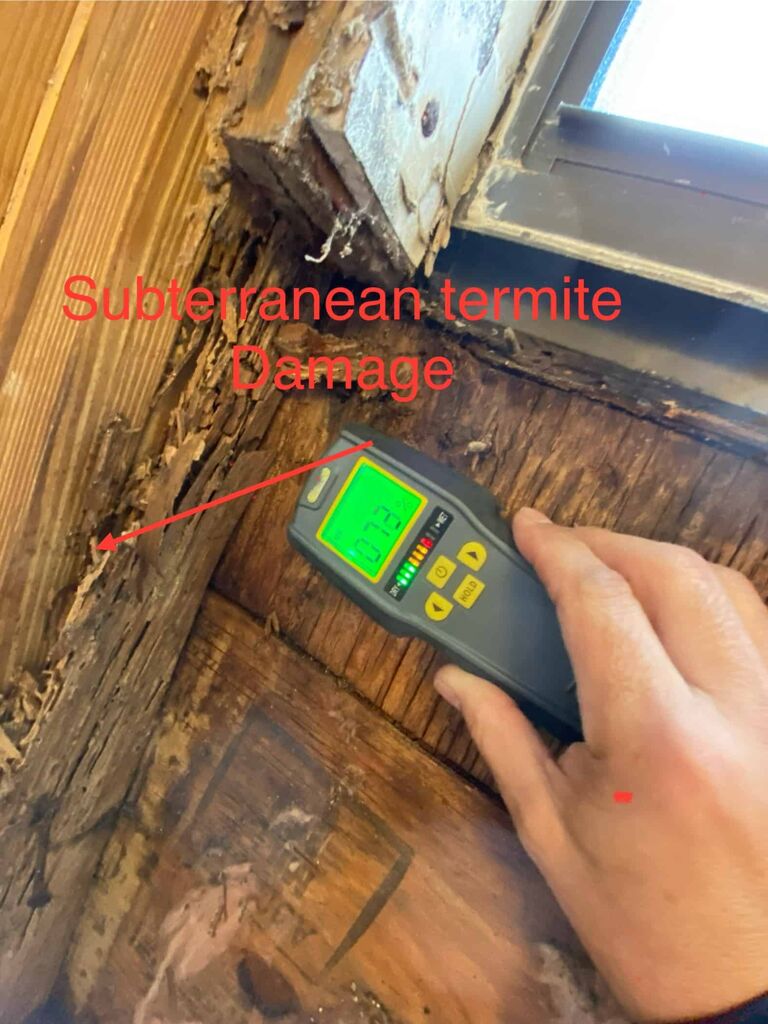
    Subterranean termites live underground, making it easy for them to infiltrate homes through cracks in foundations, gaps in utility conduits, or other small openings. They build extensive tunnel systems to travel from their nests to food sources. These tunnels, known as mud tubes, allow termites to move between the soil and the structure without being exposed to light or predators. Because they live and operate out of sight, the damage they cause can go unnoticed for years. By the time termites are spotted or signs of their activity become visible, such as blistered wood or hollowed-out beams, significant damage may already have occurred.

    Damage caused by subterranean termites

    Subterranean termites play a crucial role in nature, acting as one of the primary decomposers of dead and decaying wood. While these insects are notorious for causing significant damage to homes and buildings, their ecological role in forests and other natural habitats is essential.

    Termites contribute to the breakdown of cellulose, the main component of wood, returning nutrients to the soil and aiding in the recycling of organic matter. In this way, subterranean termites help maintain the balance of ecosystems by facilitating the decomposition process and contributing to the nutrient cycle.

    Subterranean Termites as Nature’s Decomposers

    In their natural environments, subterranean termites primarily feed on dead or dying trees, logs, and other plant material that contains cellulose. Without termites and other decomposers, forests and ecosystems would become overwhelmed with dead plant material, inhibiting new growth. Termites break down this plant matter into smaller particles, which are then consumed by other microorganisms, further contributing to the nutrient cycle. This process enriches the soil, promoting healthier vegetation and supporting plant life.

    Termites are particularly efficient at breaking down tough cellulose, which many other organisms cannot digest. Their ability to digest wood is due to a symbiotic relationship with microorganisms in their gut. These bacteria and protozoa produce enzymes that break down cellulose into simpler compounds, which the termites can then absorb as nutrients. By decomposing dead trees and other plant material, termites help prevent the accumulation of detritus, making room for new growth and maintaining the health of ecosystems.

    Historical Evidence

    Termites have been around for millions of years, with evidence of their existence dating back to the Cretaceous period, more than 100 million years ago. Fossilized termite nests and wood with termite damage have been found, showing that termites have long played their role as decomposers in ancient ecosystems. In ancient cultures, termites were often observed but not well understood. Some early texts from Egypt and Mesopotamia reference termites, noting their destructive potential when they infested stored wood or building materials.

    The damage caused by termites also influenced the design of ancient buildings. In some regions, architects would raise structures on stone foundations to deter termites, as the insects typically avoid stone or other non-cellulose materials. Even the Greeks and Romans took note of termite infestations, and some ancient writings warned against storing wood near the ground, where termites might find it.

    Consumption of Wood in Natural Habitats

    While termites can cause extensive damage to man-made structures, the amount of wood they consume in nature is impressive. Estimates suggest that a single subterranean termite colony can consume about one pound of wood per day. Over the course of a year, this can total hundreds of pounds, depending on the size of the colony. Given that subterranean termite colonies can contain hundreds of thousands, or even millions, of termites, the collective amount of wood consumed by termites in forests each year is substantial. This consumption, while harmful in urban settings, is vital for the decomposition and renewal of forests.

    The Life Cycle of Subterranean Termites

    A subterranean termite colony consists of a caste system with distinct roles: workers, soldiers, and reproductives.

    • Workers are responsible for feeding the colony, tending to the eggs, and building and maintaining tunnels.
    • Soldiers protect the colony from threats, particularly ants.
    • Reproductives include the king, queen, and alates (winged termites). The queen’s primary role is to lay eggs, ensuring the colony’s growth and survival.

    A termite queen is created during the swarming process, when alates leave the colony to establish new ones. Once a male and female alate find each other, they shed their wings and burrow into the ground to start a new colony. The female becomes the queen and begins laying eggs, initially in small numbers, but as the colony matures, her egg production increases dramatically. The queen can live for several decades, producing millions of eggs over her lifetime.

    If the queen dies, the colony may begin to collapse. However, some colonies are capable of producing secondary reproductives to continue reproduction and sustain the colony. Without a queen, the colony’s growth and stability are threatened, making it easier to control or eradicate.

    Sentricon Termite Bait Stations: An Effective Solution

    One of the most effective treatments against subterranean termites is the Sentricon Termite Bait Station, which uses an innovative approach to termite control. Sentricon relies on an insect growth regulator (IGR) called Recruit HD, which interferes with the termites’ molting process—a critical stage in their development. Molting is necessary for termites to grow and continue their life cycle, but when they consume the bait from a Sentricon station, the IGR stops them from molting, causing them to die. Without molting, the entire colony, including the queen, will eventually perish.

    After termites consume the bait, it typically takes a few weeks for the effects to spread throughout the colony. Since termites share food through a process called trophallaxis, the bait is passed to other members of the colony, ensuring that the insect growth regulator affects the majority of the population.

    How Sentricon Is Installed and Maintained

    Sentricon is installed by placing bait stations in the soil around the perimeter of a home or building. These stations are placed strategically to intercept termites as they forage for food. Once installed, the stations are monitored regularly by pest control professionals, who check for termite activity and replenish the bait as needed. The process is non-invasive, and there is no need for drilling or trenching, unlike traditional liquid treatments.

    Environmentally Friendly Approach

    Sentricon is considered environmentally friendly compared to liquid insecticides, which can leach into the soil and potentially affect non-target organisms. The Sentricon system is designed to target only termites, and because it uses a growth regulator rather than a broad-spectrum insecticide, it minimizes the environmental impact. The bait stations are contained and monitored, reducing the risk of harmful chemicals spreading into the surrounding ecosystem.

    The Process for Using Liquid Termiticide

    A liquid termiticide treatment is a common method for protecting homes from subterranean termites. This process involves creating a chemical barrier around the foundation of the home to prevent termites from entering. Here’s how it works:

    Inspection

    The pest control technician begins with a thorough inspection to identify termite activity and determine the best treatment areas. This includes locating points of entry, such as cracks in the foundation or around plumbing lines.

    Trenching and Drilling

    • Trenching

    The technician digs a shallow trench around the perimeter of the home, typically about 6 inches deep. The trench allows the liquid termiticide to reach the soil where termites travel.

    • Drilling

    In areas where there are concrete slabs, driveways, or patios adjacent to the house, the technician must drill small holes (about 1/2 inch in diameter) through the concrete to apply the liquid termiticide beneath the surface. These holes are typically spaced about 12-18 inches apart.

    Application of the Termiticide

    Once the trench is dug and the necessary holes are drilled, the liquid termiticide is applied. The technician injects the chemical deep into the soil to create a continuous barrier. In the drilled areas, the termiticide is pumped into the ground beneath the concrete.

    Filling Trenches and Sealing Holes

    After the application, the trenches are filled back in with soil, and the drilled holes in the concrete are sealed. This restores the landscape or flooring to its original condition.

    Monitoring

    Liquid treatments often come with a warranty, so technicians may periodically inspect the property to ensure termites are not breaching the barrier.

    Sentricon Bait Stations vs. Liquid Termiticide
    Sentricon Bait Stations

    Sentricon Bait Stations

    • Environmentally Friendly: Sentricon uses targeted termite bait rather than spreading chemicals in the soil. The bait system only affects termites, reducing the risk of harming other wildlife or plants.
    • Non-invasive: There is no need to drill through concrete or dig trenches around the home, which means less disruption to the property.
    • Long-lasting Protection: Sentricon bait stations are regularly monitored and can continue to protect the home for years without degrading.
    • Kills the Entire Colony: Sentricon targets the entire termite colony, including the queen, by disrupting the molting process, which eventually leads to the colony’s collapse.

    Liquid Termiticide

    • Invasive Installation: Drilling through concrete and trenching around the home can be disruptive to landscaping and patios.
    • Degrades Over Time: Liquid termiticides can break down in the soil due to moisture, heat, and microbial activity, meaning the protection may degrade over time and require reapplication.
    • Environmental Concerns: Chemicals may leach into the soil and potentially affect non-target organisms, including beneficial insects and plants.

    Both Sentricon bait stations and liquid termiticide treatments have their advantages and disadvantages. Sentricon offers a long-term, eco-friendly solution with less disruption, but it works more slowly and requires monitoring. Liquid treatments, while fast-acting and highly effective, can degrade over time and involve more invasive installation procedures. The best choice often depends on the homeowner’s specific needs, the severity of the termite problem, and environmental considerations.

    Sentricon Bait Station

    Subterranean termites are a major threat to homes in Central and Eastern Florida, causing hundreds of millions of dollars in damage each year. Due to their ability to remain hidden, they can cause severe damage long before homeowners notice their presence. However, with professional pest control methods such as the Sentricon Termite Bait Station, it is possible to protect homes and businesses from these destructive pests.

    Sentricon offers an environmentally friendly, long-term solution that targets the entire termite colony, ensuring the safety of both the structure and the environment. By investing in proactive termite protection, homeowners can avoid the costly repairs associated with termite damage and preserve the integrity of their property.

    Call us today for a free estimate for your home, business or condominium.

  • Protecting Homes from Subterranean Termites

    Protecting Homes from Subterranean Termites

    Subterranean termites are one of the most destructive pests in Florida, capable of causing significant damage to homes over time. Often called “silent destroyers,” they can go unnoticed for years while they eat away at the structural integrity of a property.

    At Dave’s Pest Control, we understand the severity of this threat, and our team is dedicated to protecting your home from these hidden invaders. Through our professional services, including the use of Sentricon termite bait stations and annual inspections, we help ensure that your home stays termite-free and secure.

    The Threat of Subterranean Termites in Florida

    Florida’s warm, humid climate provides ideal conditions for subterranean termites to thrive. These termites are a major threat to homes throughout the state, and because they live underground, their presence is often hard to detect until significant damage has occurred. Each year, homeowners in Florida discover termite damage totaling millions of dollars—estimates place the figure at over $500 million annually. The damage caused by subterranean termites can affect the foundation, walls, and wooden structures in a home, compromising its stability and safety.

    Subterranean termites feed on cellulose, a primary component of wood, which is why homes built with any wood framing, beams, or flooring are especially vulnerable. Unfortunately, the damage they cause may not be visible for years. Homeowners might first notice signs of termite damage when floors start sagging, walls buckle, or doors become difficult to open. The wood they infest is often hollowed out, with a honeycomb-like structure inside, and you may find mud tubes—thin, dirt-filled tunnels that termites build to move from the soil to your home.

    The Different Types of Termites in Florida and Their Destructive Impact

    Florida’s warm, humid climate makes it the perfect environment for termites to thrive, making the Sunshine State one of the most termite-prone areas in the United States.

    These silent invaders are responsible for causing significant structural damage to homes and buildings, with an estimated $500 million in damages each year across the state. Florida is home to several types of termites, each with unique behaviors and nesting habits.

    In this blog, we will explore the main types of termites found in Florida—subterranean, drywood, and dampwood termites—and the threat they pose to properties.


    1. Subterranean Termites: The Most Destructive

    Of all the termite species in Florida, subterranean termites are the most common and the most destructive. These termites live underground in large colonies that can number in the hundreds of thousands. Subterranean termites build intricate tunnels, called mud tubes, to travel between their underground nests and food sources, which are often wooden structures in homes. Their preference for moist environments makes them particularly dangerous to homes in Florida, where humidity is high year-round.

    There are two major types of subterranean termites in Florida:

    • Eastern subterranean termites are found throughout the state and are responsible for the majority of termite damage. These termites are known for their ability to rapidly consume large amounts of wood, hollowing out support beams and flooring, which can lead to structural collapse if left unchecked.
    • Formosan subterranean termites are considered even more aggressive and destructive than their eastern counterparts. Originally from Asia, Formosan termites have established themselves in Florida and can cause extensive damage in a shorter period due to the sheer size of their colonies, which can reach over a million members. These termites are known to eat not only wood but also other materials like insulation and plastic.

    Subterranean termites account for the majority of the $500 million in annual termite damage in Florida, often going undetected for years as they tunnel beneath homes and slowly consume wood from the inside out.

    1. Drywood Termites: Small, Silent Destroyers

    Drywood termites are another major threat to Florida homes. Unlike subterranean termites, drywood termites do not need contact with soil to survive. Instead, they live directly inside the wood they are feeding on, making them especially difficult to detect. Drywood termites can infest a wide variety of wooden structures, including furniture, walls, and even attic beams.

    Drywood termites typically enter homes through small cracks and crevices, swarming during the warmer months to establish new colonies. They leave behind tiny pellets, known as frass, which is one of the telltale signs of their presence. These termites cause significant damage over time as they burrow into wooden structures, weakening them from the inside. The most common drywood termite species in Florida are the West Indian drywood termite and the Southeastern drywood termite.

    Although drywood termites cause less damage than subterranean termites, they still represent a serious risk to homes, especially in coastal areas where they are more prevalent.

    1. Dampwood Termites: Preferring Moisture

    Dampwood termites, as their name suggests, prefer wood with a high moisture content. These termites are less common in residential settings than subterranean and drywood termites but are often found in decaying wood near water sources, such as tree stumps, rotting logs, and even in homes with persistent moisture issues.

    Dampwood termites are larger than other termite species and are less likely to cause widespread structural damage because they require high humidity levels. However, if they infest homes with plumbing leaks or water damage, they can still cause significant destruction. The Florida dampwood termite is the primary species found in the state, usually confined to areas with heavy rainfall or near bodies of water.

    The Financial Toll of Termite Damage in Florida

    Termites are responsible for immense financial losses in Florida, with homeowners and businesses spending hundreds of millions of dollars each year on termite control and repairs. The estimated $500 million in annual damage is a staggering figure that underscores the importance of preventative measures and timely intervention. Termite damage often goes unnoticed until it has progressed to an advanced stage, leading to costly repairs that could have been avoided with early detection.

    Subterranean termites are by far the most destructive, responsible for the majority of this financial burden. Their ability to tunnel underground and reach wood hidden within the structure of homes makes them particularly dangerous. Drywood termites, though less aggressive, also contribute significantly to the total damage, especially in older homes with untreated or exposed wood. Dampwood termites cause localized damage, particularly in areas with moisture problems.

    Preventing and Managing Termite Infestations

    Due to the widespread threat posed by termites, especially in Florida, it is crucial for homeowners to take preventative measures to protect their properties. Professional pest control services, like those offered by Dave’s Pest Control, provide effective termite management through annual inspections and termite baiting systems such as Sentricon. These systems are designed to eliminate termite colonies by using bait that workers carry back to the colony, eventually killing off the queen and preventing future infestations.

    In addition to professional treatments, homeowners can reduce the risk of termites by addressing moisture problems, sealing cracks and openings in their homes, and avoiding storing wood near the foundation.

    Termites are a persistent and costly problem for Florida homeowners, with subterranean, dampwood, and drywood termites posing different levels of risk. Subterranean termites, especially the Formosan species, are the most destructive, causing the bulk of the estimated $500 million in damage each year. Drywood and dampwood termites, while less aggressive, still present a significant threat to homes, particularly those in humid or coastal areas.

    Through professional pest control services, regular inspections, and preventative measures, homeowners can safeguard their properties from the devastating effects of termites. In a state like Florida, where termites thrive, staying proactive is the key to preventing costly damage and ensuring the long-term protection of your home.

    The Termite Life Cycle: A Hidden Menace

    Subterranean termites live in large colonies that can contain hundreds of thousands of individuals, all working together in a caste system. The termite life cycle consists of three main stages: egg, nymph, and adult. After mating, termite queens lay eggs that hatch into nymphs. These nymphs can grow into one of three different castes—workers, soldiers, or reproductives—each with a specific role in the colony.

    • Workers are responsible for foraging for food, feeding the colony, and maintaining the nest.
    • Soldiers defend the colony from threats such as ants.
    • Reproductives, including the queen and king, ensure the colony’s growth and survival. Once a year, winged termites called alates leave the colony to establish new nests, a process known as swarming.

    These swarms are a common sign that termites are present nearby, but they often go unnoticed because they are brief and sometimes occur during the night.

    Dave’s Pest Control and Sentricon: Defending Your Home

    At Dave’s Pest Control, we take termite protection seriously. One of our most effective methods for defending homes against subterranean termites is the use of Sentricon termite bait stations.

    Sentricon is a scientifically advanced system that targets the entire termite colony. The bait stations are strategically placed around your home, where worker termites discover the bait and bring it back to the colony. The active ingredient in the bait disrupts the termites’ ability to grow and reproduce, eventually leading to the death of the entire colony, including the queen.

    Unlike traditional liquid barrier treatments, Sentricon offers a long-term solution that doesn’t require drilling or trenching around your home. The system is safe for families and pets while being highly effective at eliminating termites. Dave’s Pest Control professionals monitor these bait stations regularly to ensure they remain effective in protecting your home from new termite infestations.

    Annual Inspections: Proactive Protection

    As part of our comprehensive termite control services, we also conduct annual inspections of your property to check for any signs of subterranean termites. Our trained technicians look for telltale signs such as mud tubes, damaged wood, and evidence of swarming. Early detection is key to preventing extensive damage, and our inspections give homeowners peace of mind that their home is being thoroughly checked for potential termite activity.

    What Termite Damage Looks Like

    Termite damage can be subtle in the beginning, but over time, it becomes more pronounced. Inside the wood, termites leave behind hollow tunnels that can weaken support beams, floors, and walls. Externally, you might see blistering in wood, small holes, or buckling paint. In advanced cases, structures can start to sag or lean, which is a sign of severe infestation. If you notice these symptoms, it’s important to act quickly and have a professional assessment to prevent further deterioration.

    The Financial Impact of Termite Damage

    Subterranean termite damage is not just a nuisance—it can be a financial disaster for homeowners. In Florida alone, the cost of repairing termite damage and controlling infestations exceeds $500 million annually. Because homeowners’ insurance policies often don’t cover termite damage, it’s essential to invest in termite prevention and protection services.

    At Dave’s Pest Control, we understand the importance of safeguarding your home from termites, which is why we offer a range of services tailored to meet your needs.

    Our termite protection plans, combined with our lawn and shrub services, ensure that your entire property is well-maintained and free of damaging pests.

    Convenient Access with Our Online Portal

    To make your experience with us even more convenient, we offer an online customer portal. Through this portal, you can easily manage your account, view your service history, access payment options, and schedule appointments—all from the comfort of your home.

    Why wait?

    Subterranean termites are a serious threat to homes in Florida, but with the help of Dave’s Pest Control and the Sentricon termite bait system, you can protect your home from costly damage. Our annual inspections, professional services, and customer portal make it easier than ever to keep your home safe. Thank you for trusting us with your pest control needs—we’re committed to providing you with the best exterminator service in Port Orange, Lakeland, Orlando, Winter Park, Pembroke Pines, Weston and other areas of central and south Florida.

  • Baby Termites: All You Need to Know

    Baby Termites: All You Need to Know

    Termites are the pests that causes billion dollars of damage to the properties of homeowners in Florida. Baby termites, also known as larvae or “nymphs” are the backbone of a healthy colony. Learning about how they develop and what they do in a termite colony can help you understand how infestations begin and spread. 

    In this article, we’ll explore the lifecycle, behavior, and signs of baby termites to have you a better idea about how termites grow and infest.

    Understanding the Lifecycle of Termites

    Lifecycle of termites begin with the eggs through which baby termites are born. They have a highly organized social order like that of ants.

    The termite lifecycle includes three stages:

    1. Egg: The queen termite lays thousands of eggs, which then hatch into larvae.
    2. Nymph: After hatching, baby termites undergo several molts before maturing into various roles.
    3. Workers, Soldiers, or Reproductive: As termites mature, they are assigned different roles in the colony based on the needs of the colony.

    Baby termites are vital to this process because they eventually grow into one of these three distinct castes; workers, soldiers, or reproductive termites, each with its own function.

    What Do Baby Termites Look Like?

    The most common question asked about these termites is, “What do baby termites look like?” They are small, and pale in color, often translucent white or creamy and have a soft-bodied shape.

    Characteristics of baby termites:

    • Size: Very small, about 1–2 mm in length.
    • Color: White to pale cream, with a translucent body.
    • Shape: Soft-bodied with a somewhat segmented appearance.

    The appearance of baby termites can easily be confused with other larvae, like those of ants or other wood-destroying insects, so proper identification is necessary when diagnosing a potential termite infestation.


    The Role of Larvae in a Colony

    Larvae play an important role as they classified into three main groups when they grow. Each group has their own responsibilities:

    1. Workers:
      Most baby termites grow into worker termites and are responsible for food, feeding of other termites and building the complex tunnel systems termites are known for. They also care for the queen, soldiers, and other baby termites, making sure the colony stays well-fed and healthy.
    2. Soldiers:
      A smaller number of baby termites become soldiers. As the name predicts, their job is to defend the colony, especially from predators like ants. With their large, strong jaws, soldiers are equipped to protect the colony from threats.
    3. Reproductive:
      Some baby termites develop into reproductive termites. They are responsible for the growth of termites and their life cycle. These termites leave the colony during a “swarming” event to pair up and start new colonies as future kings and queens.

    How to Identify Baby Termites

    Baby termites can be difficult to identify due to their small size and similarity to other insects like ants. But, lets figure out how can we try to identify them:

    • Size: Baby termites are incredibly small, often less than 1/8 inch in length.
    • Color: They are pale, often translucent white or creamy-colored, making them blend into their environment, especially in wood or soil.
    • Shape: Baby termites have a soft, segmented body with six legs and straight antennae. They lack the pigmentation and hardened exoskeleton that is present in adults.
    • Habitat: You are most likely to spot baby termites near moist wood or soil, as these areas provide them with both food and shelter.

    If you see tiny white insects crawling near wood or in dark, humid areas of your home, you may be dealing with larvae or nymph, and you need to call a professional termite inspection team to get rid of these termites before they damage.

    What Do Baby Termites Eat?

    Baby termites have a diet consisting of cellulose, an organic compound found in wood, paper, and other plant-based materials. However, they are not capable of digesting cellulose on their own. Instead, they rely on older termites, usually workers, to feed them. Workers pass partially digested cellulose to baby termites through a process called trophallaxis.

    This mutual feeding system ensures that even the youngest members of the termite colony receive the nutrients they need to grow and eventually contribute to the colony.

    Common Foods Larvae Feed On:

    • Wood from structures, trees, or fallen logs
    • Paper products like books, cardboard, and wallpaper
    • Cotton and other plant fibers
    • Dead plant materials in the soil

    Signs of Baby Termites in Your Home

    Termite infestations are often hard to detect, especially when it comes to larvae or nymph. However, there are several signs to look out for that could indicate the presence of an active termite colony:

    1. Mud Tubes: Termites build mud tubes as a means of travel and protection from predators. These can often be found along walls, floors, or foundation areas.
    2. Damaged Wood: If you notice hollow-sounding wood, it could be a sign of termites feeding from the inside out.
    3. Droppings: Termite droppings, also known as frass, are small, pellet-shaped excrement that termites leave behind after eating wood.
    4. Swarming Termites: If you see winged termites, it’s a sign that a mature colony is present. These termites often swarm in spring or early summer, after heavy rainfall.

    Preventing a Termite Infestation

    How can we prevent termite infestation in our home? It is the common question, that residents of Florida search for. Let’s look into some of the steps we can take to prevent these infestations.

    • Remove Wood Debris: Ensure that there is no decaying wood, fallen trees, or excess firewood near your home.
    • Seal Cracks in Foundation: Termites can enter through even the smallest cracks in your home’s foundation, so seal any gaps or openings.
    • Maintain Proper Drainage: Keep your gutters clean and direct water away from the foundation of your home to avoid moisture buildup.
    • Keep Wood Away from Soil: Try to keep any wooden structures, like fences or decks, elevated from the soil to prevent termites from accessing them.

    Pest Control for Baby Termites

    If you suspect you have larvae or a termite infestation, it’s recommended to contact a professional termite control service immediately. Dave’s pest control has been offering pest control service in Lakeland, Orlando, Daytona, Davenport, KissimmeeDelray Beach and other areas of Florida so if you are based in central or south Florida, get a free estimate from us today.

  • Drywood Termites: Destroyers of Wooden Structures

    Drywood Termites: Destroyers of Wooden Structures

    Drywood termites are a formidable pest that can cause extensive damage to wooden structures, furniture, and other cellulose-based materials. Unlike their subterranean counterparts, drywood termites do not require contact with soil and can thrive in dry, sound wood.

    Let’s take a deep dive into the biology, behavior, and lifecycle of drywood termites, their swarming characteristics, the damage they inflict, and strategies for prevention and control.

    Swarming Characteristics and Timing

    Drywood termites exhibit swarming behavior, which is a key part of their reproductive cycle. Swarming typically occurs during warm months, often in late spring through early fall, with peak activity in late summer. Swarmer, also known as alates, are winged reproductive termites that leave their colony to mate and establish new colonies. This dispersal flight usually happens during the day, particularly after a rainstorm when the air is humid and temperatures are favorable.

    Appearance

    Drywood termite alates are distinguishable by their appearance:

    • Color: They range from light brown to dark brown.
    • Size: Alates are about 1/2 inch long, including their wings.
    • Wings: They have two pairs of long, equal-length wings with a distinctive vein pattern, which they shed shortly after swarming.

    Workers and soldiers, which remain within the colony, are smaller and less conspicuous:

    • Workers: Creamy white to light brown and wingless, about 1/4 inch long.
    • Soldiers: Similar in size to workers but have large, dark mandibles and elongated, darker heads.

    Lifecycle and Metamorphosis of Drywood Termites

    Drywood termites undergo incomplete metamorphosis, consisting of three stages: egg, nymph, and adult.

    1. Egg: Laid by the queen within the wood, these hatch into nymphs.
    2. Nymph: These immature termites molt multiple times, gradually increasing in size. Nymphs can develop into workers, soldiers, or reproductives (alates) depending on the colony’s needs.
    3. Adult: Mature nymphs transform into either winged alates or specialized soldiers and workers. Alates eventually leave the colony to swarm, mate, and establish new colonies.

    Habitat and Distribution in Florida

    Drywood termites are prevalent in warm, coastal regions where the climate is conducive to their survival. In Florida, they are most commonly found in:

    • Coastal Areas: Particularly in South Florida, where the warm, humid climate provides ideal conditions.
    • Urban Areas: Infestations are frequently reported in older, wooden buildings that offer ample food sources and shelter.

    Damage Characteristics

    Damage caused by drywood termites can be severe, often going unnoticed until it becomes extensive. Signs of damage include:

    • Hollowed Wood: Termites consume wood from the inside out, leaving a thin veneer on the surface. Affected wood sounds hollow when tapped.
    • Frass: This is the term for termite droppings, which resemble small, hard pellets and are often found in piles beneath infested wood. Frass can vary in color, ranging from light beige to dark brown, depending on the type of wood consumed.
    • Galleries: Internal tunnels within the wood, which are smooth and clean, indicating termite activity.

    Preventing and Controlling Drywood Termites

    Preventing drywood termite infestations involves several proactive measures:

    • Regular Inspections: Conduct routine inspections of wooden structures, particularly in attics, eaves, and other vulnerable areas.
    • Sealing Cracks: Seal cracks and crevices in wooden structures to prevent termites from gaining entry.
    • Reducing Wood Contact: Ensure that wood is not in direct contact with soil or exposed to moisture.

    If an infestation is suspected or confirmed, professional pest control is essential. Treatment options include:

    • Fumigation: This involves enclosing the structure and releasing a gas that penetrates wood to kill termites.
    • Localized Treatments: Spot treatments with insecticides can target specific infested areas.
    • Wood Treatments: Applying borate-based products to wood can help prevent termite infestations.

    As you can see, Drywood termites are a significant pest that poses a serious threat to wooden structures in Florida. Their ability to live within and consume dry wood, coupled with their elusive nature, makes them a challenging adversary. Understanding their biology, behavior, and signs of infestation is crucial for effective prevention and control. Regular inspections, proactive measures, and professional pest control services are essential to protect homes and properties from the destructive impact of drywood termites.

    Spot Treatments: A Targeted Approach

    Spot treatments are a localized method of termite control that targets specific areas of infestation. Professional pest control companies use a variety of techniques to effectively treat drywood termite infestations:

    Identification and Inspection:

      • Visual Inspection: Trained professionals conduct thorough visual inspections to identify signs of termite activity, such as frass, kick-out holes, and damaged wood.
      • Detection Tools: Advanced tools like moisture meters, infrared cameras, and acoustic devices help locate termite colonies within the wood.

    Treatment Methods:

      • Localized Injections: This involves injecting liquid termiticides directly into the infested wood. The pesticide permeates the wood, killing termites on contact. Professionals drill small holes into the wood to inject the termiticide, ensuring it reaches the colony.
      • Foam Treatments: Foam termiticides expand within the wood, providing thorough coverage and penetration into hard-to-reach areas. This method is effective for treating large infestations within walls and voids.
      • Dust Applications: Insecticidal dusts are applied into the termite galleries. As termites move through the dust, they carry it back to the colony, leading to widespread eradication.
      • Wood Treatments: Borate-based treatments can be applied to wood surfaces. Borates penetrate the wood and act as a long-term deterrent against termites, preventing future infestations.

    Benefits of Professional Spot Treatments

    Engaging professional pest control services for spot treatments offers several advantages:

    Expertise and Experience:

      • Accurate Identification: Professionals have the expertise to accurately identify the extent and severity of termite infestations.
      • Targeted Application: Skilled technicians can effectively target specific infested areas, ensuring thorough treatment without unnecessary damage to the structure.

    Safety and Efficacy:

      • Proper Handling of Chemicals: Professionals are trained in the safe handling and application of termiticides, minimizing risks to occupants and pets.
      • Effective Results: Professional treatments are more likely to achieve complete eradication, preventing reinfestation and further damage.

    Preventive Measures:

      • Comprehensive Solutions: In addition to spot treatments, professionals can offer preventive measures such as wood treatments, moisture control, and regular inspections to protect against future infestations.

    How are drywood termites different from subterranean termites?

    Subterranean termites and drywood termites vary in several key aspects:

    Color and Appearance:

      • Subterranean Termites: Typically, subterranean termites are creamy white to dark brown or black, depending on their caste (worker, soldier, or reproductive). The workers are lighter in color, while the alates (swarmer) are darker with wings.
      • Drywood Termites: Drywood termites are generally light brown to dark brown. The soldiers have a distinctive large, dark head with strong mandibles, and the alates are dark brown with wings.

    Nesting Behavior:

      • Subterranean Termites: These termites build their nests underground, requiring contact with soil for moisture. They construct intricate tunnel systems to reach wood sources above ground. Mud tubes, which provide protection and moisture as they travel, are a hallmark of subterranean termite activity.
      • Drywood Termites: In contrast, drywood termites do not need soil contact and can live directly in the wood they consume. They create colonies inside the wood and expel their frass (droppings) through small holes, leaving behind piles of pellets.

    Metamorphosis and Lifecycle: Both subterranean and drywood termites undergo incomplete metamorphosis, consisting of three stages: egg, nymph, and adult. However, their lifecycles exhibit unique characteristics:

      • Subterranean Termites:
        • Egg: The queen lays eggs in the nest, which hatch into nymphs.
        • Nymph: These immature termites molt several times, developing into workers, soldiers, or reproductive.
        • Adult: Reproductives (alates) leave the colony to swarm, mate, and establish new colonies. Workers and soldiers remain to maintain and defend the nest.

      • Drywood Termites:
        • Egg: Laid within the wood, these hatch into nymphs.
        • Nymph: Nymphs molt multiple times, eventually becoming workers, soldiers, or alates.
        • Adult: Alates swarm to establish new colonies, while soldiers and workers sustain the existing colony.
        • Swarming: Swarming is a critical reproductive event for both types of termites. During swarming, winged alates leave their colonies to mate and form new colonies. This usually occurs during warm months, often after rain. Subterranean termites typically swarm in the spring, while drywood termites can swarm throughout the year, depending on environmental conditions.

    Professional Pest Control Solutions

    Dealing with termite infestations requires professional expertise and intervention. Pest control companies offer comprehensive services to protect homes from termite damage:

    • Inspection and Identification: Expert termite exterminators conduct thorough inspections to identify the type of termite and the extent of the infestation. They look for signs such as mud tubes, frass, damaged wood, and swarmer.
    • Treatment Options:
      • Chemical Treatments: Liquid termiticides can be applied to the soil around a structure, creating a barrier that kills termites upon contact. Non-repellent termiticides allow termites to transfer the poison to the colony, ensuring more effective elimination.
      • Bait Systems: Bait stations are strategically placed around the property. Termites consume the bait and share it with the colony, eventually leading to its collapse.
      • Fumigation: For severe drywood termite infestations, whole-structure fumigation may be necessary. This involves sealing the building and introducing a gas that penetrates wood to eliminate termites.
    • Preventive Measures: Professionals provide recommendations to prevent future infestations, such as:
      • Moisture Control: Fixing leaks, ensuring proper drainage, and reducing humidity levels to make the environment less conducive to termites.
      • Wood Treatments: Applying borate solutions to wood to deter termites.
      • Regular Inspections: Scheduling periodic inspections to catch infestations early and address them promptly.

    Subterranean termites are a formidable threat to homeowners, distinguished from drywood termites by their nesting behavior, physical characteristics, and reliance on soil contact. Understanding their lifecycle and swarming habits is essential for effective control and prevention.

    We here at Dave’s Pest Control offer termite inspections, treatments, and preventive measures, to protect your home from these destructive pests. So, if you are based in central or south Florida, feel free to call us. We offer pest control in Winter Haven, Winter Park, Pembroke Pines, Boynton Beach, Weston and other areas of Florida.

  • Eastern Subterranean Termites in Florida: Biology, Lifecycle, Impact, and Control

    Eastern Subterranean Termites in Florida: Biology, Lifecycle, Impact, and Control

    Jack Carter was in for a whirlwind Saturday adventure. Determined to tackle his long-neglected garage, he embarked on a mission to conquer the towering stacks of boxes that had become permanent residents. As he waded through a sea of dusty old photo albums, forgotten sports gear, and relics of outdated gadgets, a wave of nostalgia washed over him. It was a trip down memory lane, but the task was daunting—one he had masterfully avoided for years.

    Midway through relocating a particularly heavy box marked “Winter Clothes,” something caught Jack’s eye. The wooden shelf beneath had an odd, sandy texture. Intrigued, he leaned in for a closer inspection. The wood disintegrated at his touch, revealing a labyrinth of tunnels. His heart plummeted.

    “Termites,” he whispered, a chill running down his spine. He had heard the horror stories of the destruction these minuscule monsters could wreak, but he had always hoped his home would be spared.

    What Are Subterranean Termites?

    Subterranean termites are a type of termite that lives and builds colonies in the soil. They are among the most destructive termite species, causing significant damage to wooden structures and other cellulose-based materials. These termites are known for their ability to construct extensive underground tunnels, which they use to forage for food and establish their colonies.

    What Do Subterranean Termites Eat?

    Subterranean termites primarily feed on cellulose, a complex carbohydrate found in wood and other plant materials. Their preferred food sources include:

    • Wooden structures such as beams, flooring, and framing in homes and buildings.
    • Fallen trees, stumps, and decaying wood.
    • Paper products, cardboard, and plant debris.
    • Roots and other plant matter.

    Their ability to digest cellulose enables them to break down wood, which can lead to severe structural damage if an infestation goes unchecked.

    What Do Subterranean Termites Look Like?

    Subterranean termites vary in appearance depending on their caste:

    • Workers: Creamy white to grayish in color, wingless, and about 1/8 to 3/8 inch long. They are responsible for foraging, feeding, and maintaining the colony.
    • Soldiers: Similar in size to workers but have larger, darker heads with powerful mandibles. They defend the colony from predators.
    • Reproductives (Alates): Winged termites that are dark brown to black and about 1/4 to 1/2 inch long. They have two pairs of wings of equal length and are responsible for starting new colonies.

    How Can Homeowners Tell If They Have Subterranean Termites?

    Homeowners can look for several signs indicating a possible subterranean termite infestation:

    1. Mud Tubes: Subterranean termites build mud tubes (also known as shelter tubes) to travel between their colony and food sources. These tubes protect them from predators and maintain a moist environment. Look for mud tubes on exterior walls, foundation slabs, and other surfaces.
    2. Wood Damage: Termites eat wood from the inside out, often leaving a thin veneer of wood or paint on the surface. Tap on wood structures and listen for hollow sounds, which can indicate internal damage.
    3. Swarmers: Winged reproductives (alates) swarm during certain times of the year, typically in the spring. Seeing a swarm of flying termites or finding discarded wings near windows, doors, or light sources can be a sign of an infestation.
    4. Frass: Although less common with subterranean termites, sometimes you may find small piles of termite droppings (frass) near infested wood. Subterranean termites typically use their droppings to build their tunnels, so finding frass is more common with drywood termites.
    5. Damaged Wood or Paint: Bubbling or uneven paint, blistered wood, or visible tunnels in wood can be signs of termite damage. Termites often leave a honeycomb pattern inside the wood.
    6. Structural Issues: Doors and windows that are hard to open, floors that feel spongy or weak, and sagging ceilings or walls can all be signs of severe termite damage.

    Subterranean termites are a significant threat to wooden structures due to their diet of cellulose and their ability to go undetected for long periods. Homeowners should be vigilant and regularly inspect their property for signs of termites. If an infestation is suspected, it is important to contact a professional pest control company to confirm the presence of termites and implement appropriate treatment measures. If you live in central or south Florida, you can contact us. We offer exterminator services in Port Orange, New Smyrna, Daytona, Deltona, Sanford, Lakeland, Lake Wales, Davenport and other areas of Florida.

    Eastern subterranean termites (Reticulitermes flavipes) are among the most destructive termite species in the United States, particularly in Florida, where the warm and humid climate provides an ideal environment for their proliferation. Understanding their biology, life cycle, preferred food sources, and the extent of their impact is crucial for effective management and prevention of termite infestations.

    Preferred Food Sources

    Eastern subterranean termites primarily feed on cellulose, a complex carbohydrate found in wood, paper, and other plant-based materials. They prefer wood that is in contact with soil, as it provides them with the moisture necessary for survival. Common food sources include:

    • Wooden structures of homes, including framing, flooring, and support beams.
    • Fallen trees, stumps, and decaying wood.
    • Paper products and cardboard.
    • Plant debris and mulch.

    These termites are known for their ability to forage over large areas and find even the smallest wood-to-soil contacts, making nearly any wooden structure susceptible to infestation.

    Biology

    Eastern subterranean termites are social insects living in colonies that can number in the hundreds of thousands. The colony is divided into distinct castes, each with specific roles:

    • Workers: Sterile, wingless, and blind, workers are the most numerous caste. They forage for food, maintain the nest, and care for the young.
    • Soldiers: Sterile and wingless with large mandibles, soldiers defend the colony against predators, primarily ants.
    • Reproductive: This caste includes the king and queen, who are responsible for reproduction. There are also secondary reproductive that can take over if the primary pair dies.

    Life Cycle of Eastern Subterranean Termites

    The life cycle of eastern subterranean termites begins with a nuptial flight, typically occurring in spring when winged reproductives, or alates, swarm to mate and start new colonies. After mating, the male and female pair shed their wings and become the king and queen of the new colony. The queen lays eggs, which hatch into larvae. These larvae undergo several molts, developing into workers, soldiers, or secondary reproductives based on the colony’s needs.

    A termite colony matures over several years. The queen’s egg-laying capacity increases with age, potentially reaching thousands of eggs per year, allowing the colony to grow exponentially. Mature colonies can produce alates, which leave to form new colonies, perpetuating the cycle.

    Impact on Homes in Florida

    Florida’s conducive climate for termites results in significant property damage each year. Eastern subterranean termites are responsible for the majority of termite-related damage in the state. According to industry estimates, termites affect thousands of homes annually in Florida, causing property owners to spend millions of dollars on repairs and pest control.

    Management and Prevention

    Effective management of eastern subterranean termites involves a combination of prevention and treatment strategies:

    1. Inspection: Regular professional inspections are crucial for early detection. Signs of infestation include mud tubes along foundations, hollow-sounding wood, and swarming alates indoors.
    2. Soil Treatment: Termiticide treatments create a chemical barrier in the soil around the foundation, preventing termites from entering the structure. These treatments can be either liquid or bait systems.
    3. Wood Treatment: Wood treatments with termiticides can protect wooden structures from termite damage.
    4. Moisture Control: Reducing moisture around the home by fixing leaks, ensuring proper drainage, and maintaining gutters can make the environment less attractive to termites.
    5. Physical Barriers: Installing physical barriers, such as stainless steel mesh or sand barriers, can prevent termites from accessing wood structures.

    The Role of Water and Moisture in Termite Infestations

    Water and Moisture: Subterranean termites require moisture to survive, and they are attracted to environments where water is readily available. Excessive moisture around a home can create ideal conditions for termites to thrive and establish colonies. Here are some common ways moisture can contribute to termite infestations:

    1. Leaky Pipes and Faucets: Water from leaky pipes and faucets can seep into the soil, creating a moist environment that attracts termites.
    2. Poor Drainage: Inadequate drainage around a home’s foundation can lead to water accumulation, which provides the moisture termites need.
    3. Clogged Gutters: Gutters clogged with leaves and debris can cause water to overflow and pool around the foundation, increasing the risk of termite infestation.
    4. Humid Crawl Spaces and Basements: High humidity levels in crawl spaces and basements can create conditions conducive to termite activity.

    Preventing Moisture-Related Infestations:

    • Fix Leaks: Repair any leaky pipes, faucets, or fixtures promptly to prevent water accumulation.
    • Improve Drainage: Ensure proper grading and drainage around the foundation to divert water away from the home.
    • Clean Gutters: Regularly clean gutters and downspouts to prevent water buildup.
    • Ventilate Crawl Spaces: Use ventilation and dehumidifiers to reduce humidity levels in crawl spaces and basements.

    Dave’s Pest Control and Sentricon Termite Stations

    Eastern subterranean termites pose a significant threat to homes in Florida, driven by their biology, lifecycle, and preferred food sources. Understanding these factors is essential for effective management and prevention. Homeowners must remain vigilant and proactive, employing a combination of regular inspections, soil treatments, and moisture control to protect their properties from these destructive pests. With proper management, the impact of eastern subterranean termites can be mitigated, safeguarding homes and reducing the financial burden of termite damage.

    What is Sentricon?

    Sentricon is a termite baiting system designed to eliminate subterranean termite colonies and protect homes from infestations. Developed by Dow AgroSciences, Sentricon uses a scientifically proven method to target and destroy termite colonies at their source. The system is widely regarded for its effectiveness, environmental safety, and non-intrusive installation process.

    How Sentricon Works

    1. Installation: Sentricon stations are installed around the perimeter of a home. These stations contain cellulose-based bait that termites find highly attractive.
    2. Baiting Process: The active ingredient in the bait is an insect growth regulator (IGR) called noviflumuron. When termites consume the bait and share it with their colony, it disrupts their molting process, leading to the gradual elimination of the entire colony.
    3. Continuous Monitoring: Pest control professionals regularly monitor the Sentricon stations to ensure termites are feeding on the bait. If termites are detected, the bait is replenished to maintain effective colony control.
    4. Colony Elimination: Over time, as termites continue to consume the bait, the IGR spreads throughout the colony, eventually leading to its collapse. The Sentricon system remains in place to provide ongoing protection against future termite infestations.

    The Sentricon bait system is a highly effective and environmentally friendly solution for controlling subterranean termites and protecting homes from infestations. By understanding the swarming behavior and mating process of termites, homeowners can better recognize the signs of an infestation and take proactive measures to prevent it. Addressing moisture issues around the home is also critical, as termites thrive in damp environments. By combining the use of a professional termite control service like Dave’s Pest Control using Sentricon, and with proper moisture management, homeowners can significantly reduce the risk of termite damage and maintain a healthy home protected from termites.