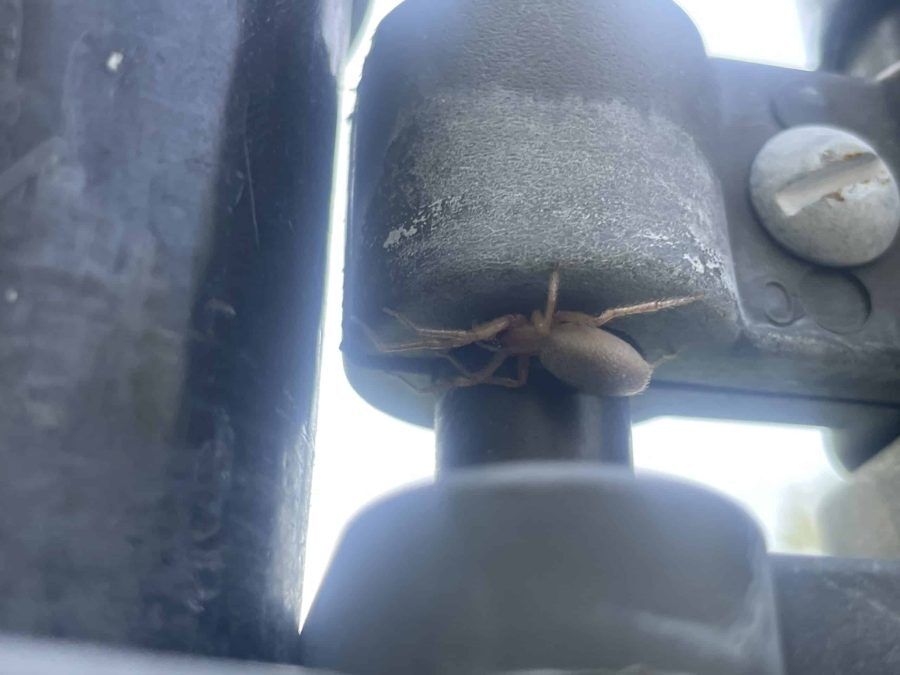
Dave's Pest Control

Category: Spiders

  • Thanksgiving

    Thanksgiving

    Thanksgiving, a cherished American holiday, traces its origins to the autumn of 1621 when Pilgrims and Wampanoag Native Americans came together for a harvest feast, marking a moment of unity and gratitude. This event is considered the first Thanksgiving, a symbol of cooperation and shared abundance in the face of adversity.

    The first Thanksgiving took place in Plymouth, Massachusetts, after the Pilgrims survived a harsh winter with the help of the Native Americans who taught them essential agricultural techniques. Grateful for the successful harvest, the Pilgrims and Wampanoag celebrated their newfound friendship and the bountiful yield with a three-day feast.

    Today, Thanksgiving endures as a time for families and friends to gather, express gratitude, and indulge in a feast of traditional foods. Roast turkey, stuffing, mashed potatoes, cranberry sauce, and pumpkin pie are staples on the Thanksgiving table, each dish symbolizing a blend of cultural influences and seasonal harvests.

    Beyond the culinary delights, Thanksgiving has become synonymous with the tradition of watching football. The National Football League (NFL) hosts games on Thanksgiving Day, providing a shared activity for families and friends. This tradition, dating back to the 19th century, adds a lively and competitive element to the holiday, contributing to the festive atmosphere.

    Autumn Bugs

    During the fall months in Florida, a diverse array of bugs emerges, drawn by the subtropical climate and changing environmental conditions. One of the most prevalent insects is the lovebug (Plecia nearctica), known for its distinctive black body and red thorax. These mating insects can be found in swarms during the fall, creating a temporary but notable presence.

    Another common sight is the Eastern Lubber Grasshopper (Romalea microptera), characterized by its large size and vibrant coloration. These grasshoppers are often seen in grassy areas and can be both fascinating and slightly menacing due to their size.

    Mosquitoes persist throughout the fall, though their activity tends to decrease as temperatures cool. Despite this decline, their presence is still notable, making insect repellent a valuable companion during outdoor activities.

    In addition to these, various species of ants, such as the invasive red imported fire ant (Solenopsis invicta), remain active during the fall. These aggressive ants are known for their painful stings and can create sizable colonies, often disrupting local ecosystems.

    Florida’s fall months also see an increase in orb-weaving spiders, including the large and conspicuous golden silk orb-weaver (Nephila clavipes). These arachnids contribute to the region’s intricate web of biodiversity.

    It’s essential to mention the seasonal influx of stink bugs, like the brown marmorated stink bug (Halyomorpha halys). These insects seek shelter as temperate
    Termite Swarmers

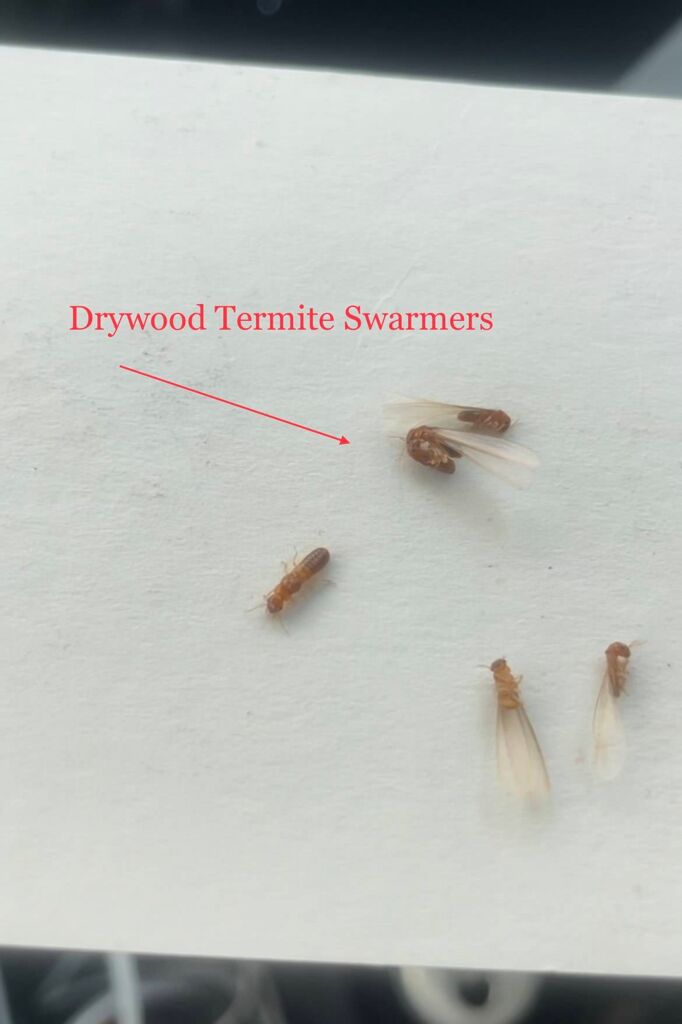
    In the fall months in Florida, the emergence of swarming termites becomes a notable natural phenomenon, drawing attention due to both its visual impact and potential implications for homeowners. Termites are social insects that play a crucial role in breaking down cellulose, but when they swarm, it often signals the presence of a mature colony and the potential for structural damage.

    One of the primary species involved in swarming events is the Eastern Subterranean Termite (Reticulitermes flavipes), commonly found throughout Florida including Volusia, Seminole, Lake, Orange, Flagler and Brevard counties. These termites typically swarm during the warmer months, often in the fall, as they are triggered by environmental cues like temperature and humidity. The swarming phase is when winged reproductive termites, known as alates, leave the nest in search of a mate to establish a new colony.

    The sight of swarming termites can be unsettling for homeowners, as it raises concerns about potential structural damage to homes and other wooden structures. These insects are particularly destructive as they feed on cellulose-containing materials, such as wood, paper, and plant fibers. Their presence highlights the importance of proactive termite prevention and management measures.

    Homeowners in Florida are advised to be vigilant during the fall months, especially if they observe swarming termites around their property. This may indicate an existing termite colony nearby, and professional inspection becomes crucial to assess the extent of the infestation and implement effective control measures.

    To mitigate the risk of termite infestations, homeowners can take preventive actions such as maintaining proper drainage around the home, promptly repairing leaks, and ensuring adequate ventilation in crawl spaces. Regular inspections of wooden structures and early detection of termite activity are essential in preventing significant damage.

    While the sight of swarming termites may instill concern, it’s essential to recognize that termites play a role in the ecosystem by aiding in the decomposition of dead and decaying wood. However, when their activities pose a threat to human structures, it becomes imperative to manage and control their populations effectively.

    Swarming Ants

    While termites take the spotlight in discussions about swarming insects, swarming ants also make a notable appearance in Florida during the fall months, adding a distinctive element to the state’s ecological tapestry. The phenomenon of swarming ants is a fascinating display of nature’s intricate processes, but it can also pose challenges for residents as certain ant species engage in this behavior, leading to the formation of new colonies.

    One of the prominent ant species that partakes in swarming events in Florida is the Florida Carpenter Ant (Camponotus floridanus). Recognized by their large size and dark coloration, these ants are known for establishing nests in decaying wood. During the fall, reproductive individuals, including winged males and females, embark on swarming flights, marking the beginning of the colony’s reproductive phase.

    Swarming is a crucial component of the ant life cycle, serving as a means for the colony to expand and ensure genetic diversity. The synchronized release of winged ants from multiple colonies enhances the likelihood of successful mating and the establishment of new colonies.

    The sight of swarming ants can be captivating, as large numbers of winged individuals fill the air in search of mates and suitable nesting sites. However, for homeowners, this spectacle may raise concerns about potential infestations and the impact on their properties.

    Unlike termites, whose primary diet includes cellulose-rich materials like wood, ants are more diverse in their feeding habits. Florida Carpenter Ants, for instance, feed on a variety of sources, including insects, honeydew produced by aphids, and occasionally household food. While they don’t pose the same structural threat as termites, their presence in and around homes can be disruptive.

    To address the challenges associated with swarming ants in Florida, homeowners can implement various preventive measures. These may include sealing entry points, maintaining cleanliness to reduce food attractants, and addressing moisture issues that may attract ants seeking water sources.

    Professional pest control services can assist in managing ant infestations, providing tailored solutions based on the specific ant species and the extent of the issue. Understanding the biology and behavior of swarming ants empowers homeowners to take proactive steps in protecting their homes while appreciating the natural phenomenon that is an integral part of Florida’s fall ecology.
    Spiders

    Spiders, with their intricate webs and eight-legged grace, are a diverse and fascinating group of arachnids that play a crucial role in ecosystems around the world. As the colder months descend, it’s not uncommon to find spiders making their way indoors, seeking shelter from the chill. Understanding the reasons behind this behavior involves delving into the biology and instincts of these arachnids.

    One of the primary drivers for spiders seeking refuge indoors during colder months is the quest for warmth. As temperatures drop outside, spiders, like many cold-blooded creatures, become sluggish and less active. Seeking shelter indoors allows them to maintain a more favorable temperature and continue their essential bodily functions, albeit at a slower pace. Additionally, many common house spiders have adapted to live in human environments, where temperatures are more stable than the fluctuating conditions outdoors.

    The notion of spiders being more prevalent indoors during colder months is not universal; it varies by species. Some spiders are more adapted to indoor environments and may be active year-round, while others are more influenced by seasonal changes. The presence of spiders indoors can also be influenced by factors such as food availability and mating opportunities, which might be more abundant in the sheltered environment of a home.

    Spiders are opportunistic predators, and the presence of other indoor insects, attracted by the warmth of heated homes during the colder months, provides a ready source of food. This creates a favorable environment for spiders, as they can find sustenance without expending excess energy hunting for prey in the less hospitable outdoors.

    The architecture of buildings, with its numerous cracks, gaps, and entry points, provides ample opportunities for spiders to enter homes. Common house spiders, like the cellar spider (Pholcidae) and cobweb spiders (Theridiidae), are particularly adept at finding their way indoors and creating webs in corners, attics, or basements.

    For those who find the presence of spiders indoors disconcerting, it’s essential to recognize the benefits they offer. Spiders are natural pest controllers, preying on a variety of insects that may otherwise become household nuisances. Embracing a coexistence with spiders involves simple preventive measures like sealing cracks, reducing clutter, and practicing good sanitation to minimize other insect attractants.

    Call us today for a free consultation.


  • Bugs in Florida: A Comprehensive Overview

    Bugs in Florida: A Comprehensive Overview

    Florida, known for our beautiful beaches and warm climate, is also home to a variety of wildlife, including several species of spiders. In this essay, we will explore the presence of different spiders in Florida, the distinctions between poisonous and venomous, the differences between black widow and brown widow spiders, the notorious brown recluse spider, common locations for homeowners to encounter venomous spiders, and the intriguing reproductive characteristics and life cycles of these arachnids.

    1. Venomous vs. Poisonous:

    Before delving into the world of venomous spiders, it is essential to differentiate between “venomous” and “poisonous.” While these terms are often used interchangeably, they carry distinct meanings. Venomous organisms, such as spiders, deliver toxic substances actively, usually through a bite or sting. In contrast, poisonous organisms are harmful when consumed, touched, or ingested. For example, some plants are poisonous, and ingesting them can cause harm.

    2. Black Widow vs. Brown Widow Spiders:

    Florida is home to two notable widow spiders: the black widow (Latrodectus mactans) and the brown widow (Latrodectus geometricus). Both belong to the Latrodectus genus and are venomous, but they exhibit some key differences.

    The Black Widow Spider:

    • The female black widow is known for its shiny black coloration and a distinctive red hourglass-shaped mark on its abdomen.
    • Their venom contains potent neurotoxins that can cause severe symptoms in humans, although fatalities are rare.
    • Black widows often construct messy, irregular webs in undisturbed areas like woodpiles and outdoor structures.

    The Brown Widow Spider:

    • Brown widows, on the other hand, are light to medium brown with orange or yellowish markings on their abdomens.
    • While their venom is also potent, brown widow bites are typically less severe than black widow bites.
    • Brown widows tend to build more organized, tangle-type webs in both outdoor and indoor locations.

    3. The Brown Recluse Spider:

    Although the brown recluse spider (Loxosceles reclusa) is not as common in Florida as in some other regions of the United States, it is still worth noting. These spiders are identified by their distinctive violin-shaped mark on their cephalothorax. Brown recluse bites can lead to necrotic skin lesions and may require medical attention.

    Spider Reproduction, Offspring, and Life Cycle:

    Spiders reproduce through a process known as sexual reproduction, involving the transfer of sperm from male to female. Female spiders typically lay eggs in silk sacs. The number of offspring varies by species, but it can range from a few dozen to several hundred. Spider life cycles consist of several stages:

    • Egg Stage: The eggs are contained within silk sacs, which the female spider guards or attaches to a secure location.
    • Spiderling Stage: After hatching, spiderlings emerge from the sac and undergo a series of molts to grow and develop.
    • Juvenile Stage: As spiderlings grow, they molt several times, transitioning from small, translucent individuals to larger, fully colored spiders.
    • Adult Stage: Once spiders reach maturity, they engage in mating, and the cycle begins again

    Common Locations for Venomous Spiders

    Homeowners in Florida are most likely to encounter venomous spiders in various locations, including:

    • Outdoor spaces: Woodpiles, garden sheds, and debris-filled corners are prime spots for black widows and brown widows.
    • Indoor spaces: Venomous spiders can also find their way inside homes, especially in cluttered and undisturbed areas like basements, garages, and attics.
    • Garden areas: Spiders may hide in plants, bushes, or within outdoor furniture cushions.

    Why Are Wolf Spiders So Common in Florida?

    Meet the Wolf Spider

    When it comes to spiders in Florida, one species stands out as both a common and fascinating arachnid: the wolf spider (Family: Lycosidae). While the Sunshine State boasts a diverse array of spider species, wolf spiders hold a special place as one of the most frequently encountered.

    Wolf spiders are a diverse group of arachnids, and they are often recognized by their robust, hairy bodies and distinctive eye arrangement. These spiders have eight eyes arranged in three rows, with two large, forward-facing eyes in the center row, giving them excellent vision, particularly during hunting.

    1. Appearance: Wolf spiders come in various shapes and sizes, but most are brown or gray, which helps them blend into their natural surroundings. Their furry appearance sets them apart from many other spider species.
    2. Behavior: Unlike some spiders that construct intricate webs to capture prey, wolf spiders are active hunters. They rely on their speed and agility to stalk, chase, and pounce on their prey, which typically includes insects and small arthropods.
    3. Habitat: Wolf spiders are highly adaptable and can be found in a wide range of habitats, from gardens and forests to urban areas. They are often spotted in leaf litter, under rocks, or burrowed into the ground.

    Several factors contribute to the prevalence of wolf spiders in Florida:

    1. Climate: Florida’s warm and humid climate provides an ideal environment for wolf spiders. They thrive in these conditions and are active year-round.
    2. Diverse Ecosystems: Florida’s diverse ecosystems, including wetlands, forests, and urban areas, offer a variety of habitats that suit wolf spiders’ preferences.
    3. Hunting Strategy: Wolf spiders’ hunting strategy, which involves actively chasing down prey, makes them well-suited to Florida’s rich insect population.
    4. Abundance of Prey: The state’s lush vegetation and abundant insect life provide a consistent food source for wolf spiders.
    5. Residential Areas: Wolf spiders are often found in and around homes, where they help control pest populations. Homeowners frequently encounter them indoors and in gardens.

    Despite their frequent presence, wolf spiders are generally harmless to humans. While they might appear intimidating due to their size and speed, their venom is not dangerous to people, and they rarely bite unless provoked.

    As you can see, Florida’s rich biodiversity includes a wide array of fascinating creatures, and the wolf spider is undoubtedly one of them. As the most common spider species in the state, they play an essential role in maintaining the balance of local ecosystems by controlling insect populations. So, the next time you come across a wolf spider scurrying across your path, remember that it’s just another part of the intricate web of life in the Sunshine State.

    The Enigmatic Cellar Spiders of Florida

    Cellar spiders, also known as daddy-long-legs spiders, are a fascinating group of arachnids commonly found in Florida. Renowned for their distinctive long, delicate legs, they have earned their nickname due to this characteristic resemblance to the legs of the daddy-long-legs, or crane fly.

    Nicknames and Appearance:

    Cellar spiders belong to the family Pholcidae and are colloquially referred to as “daddy-long-legs” due to their leggy appearance. This nickname stems from the striking resemblance between their slender legs and those of the true daddy-long-legs, which are actually insects known as crane flies. The elongated legs of cellar spiders serve several purposes, including sensing vibrations, capturing prey, and even aiding in their distinctive web-building.

    Habitats:

    Cellar spiders are commonly found indoors, particularly in homes and buildings throughout Florida. They are well adapted to human-made structures and are often encountered in basements, crawl spaces, attics, and dark corners of rooms. Their preference for these environments is due to the abundance of insects, which provide a readily available source of food.

    Life Cycle:

    The life cycle of cellar spiders, like many other spiders, consists of several stages: egg, spiderling, juvenile, and adult. Female cellar spiders typically lay their eggs in silk sacs, which they guard diligently. After hatching, the spiderlings go through multiple molts to reach maturity. The process of maturation can take several months, depending on factors such as temperature and food availability. Once they reach adulthood, cellar spiders are capable of reproducing, and the cycle continues.

    Feeding Habits:

    Cellar spiders are renowned for their remarkable feeding habits. They are skilled hunters that employ a unique method to capture prey. Unlike some spiders that build intricate webs, cellar spiders construct irregular, messy-looking webs that are often mistaken for abandoned cobwebs. These webs are used as a type of sensory trap. When an unsuspecting insect or spider comes into contact with the web, the cellar spider quickly detects the vibrations and rushes to immobilize its prey with silk threads. Once secured, the spider injects venom to immobilize and digest the prey, eventually feeding on the liquefied tissues.

    Cellar spiders are opportunistic feeders, consuming a variety of insects and other arachnids. Their diet may include flies, mosquitoes, ants, and other small pests commonly found in and around homes.

    Cellar spiders, or daddy-long-legs spiders, are intriguing arachnids that thrive in the indoor environments of Florida’s homes and buildings. Their long legs, distinctive web-building techniques, and beneficial role in pest control make them a unique and valuable addition to the state’s ecosystem. As we coexist with these spiders, it’s essential to appreciate their role in maintaining a balance in our indoor environments while dispelling any unwarranted fears of their harmless presence.

    The presence of these spiders is prevalent within our designated region in Florida, which encompasses, Volusia, Seminole, Flagler, Orange, Lake, North, Brevard, and North Osceola counties. Our services are geared towards safeguarding your living space from a wide array of pests, including spiders, effectively preventing their intrusion.

    Call us today for a free estimate for your home business or condominium.

  • Eight-Legged Floridians: “Unveiling the Secretive Marvels of Arachnids in the Sunshine State”

    Eight-Legged Floridians: “Unveiling the Secretive Marvels of Arachnids in the Sunshine State”

    Florida is renowned for its diverse wildlife, and among its inhabitants are numerous spider species. These eight-legged creatures play an important ecological role and contribute to the intricate web of life in the state. This blog will delve into the fascinating world of spiders in Florida, focusing on four notable species: Wolf Spiders, Garden Spiders, Orb Weavers, and Black Widows.

    Wolf Spiders: Masters of Hunting and Adaptation

    Florida’s diverse ecosystem is home to a remarkable array of creatures, and among them are the formidable wolf spiders. These arachnids, belonging to the family Lycosidae, are known for their impressive hunting skills, unique behaviors, and adaptability to various habitats. Let us delve into the fascinating world of wolf spiders in the Sunshine State.

    Wolf spiders are robust and agile hunters, earning their name from their characteristic wolf-like habit of actively pursuing their prey rather than relying on webs. In Florida, they can be found in a range of habitats, including forests, grasslands, marshes, and even urban areas. With a body length ranging from 0.4 to 1.2 inches (1 to 3 centimeters) and a stout build, these spiders have excellent vision, thanks to their large, prominent eyes.

    One of the distinctive features of wolf spiders is their exceptional hunting strategy. Instead of building webs to trap their prey, they rely on stealth and speed. They patiently stalk their victims, using their keen eyesight and vibratory sensors on their legs to detect movement. Once they spot their target, they pounce upon it, immobilizing it with their venomous bite. This hunting method allows them to capture a wide range of prey, including insects, small spiders, and even small vertebrates like lizards.

    Wolf spiders exhibit remarkable maternal instincts. The female spider carries her eggs in a silken sac attached to her abdomen. When the eggs are about to hatch, she attaches the sac to her spinnerets, allowing the spiderlings to emerge and ride on her back. This behavior is unique among spiders and ensures the young spiders’ protection and easy transportation. The spiderlings remain with their mother until they are ready to venture out on their own.

    In Florida, several species of wolf spiders can be encountered, including Hogna carolinensis and Rabidosa rabida. These spiders have adapted to various habitats and are found in a wide range of colors and patterns. Some species even possess special adaptations to thrive in aquatic environments, enabling them to hunt underwater and live near bodies of water such as swamps and ponds.

    While wolf spiders are generally harmless to humans, their presence can be a source of fear or unease for some individuals. It is essential to remember that they play a crucial role in controlling insect populations, helping maintain the delicate balance of Florida’s ecosystems. Their presence should be appreciated as a testament to the remarkable diversity and adaptability of nature.

    Wolf spiders are prevalent throughout Florida and are known for their hunting prowess. They are large, robust spiders with excellent eyesight and agility. These solitary hunters do not spin webs to catch their prey but instead rely on their speed and camouflage to capture insects and other small creatures. Wolf spiders are generally non-aggressive toward humans and can be found in diverse habitats, including forests, grasslands, and even residential areas.

    Huntsman Spiders – A Predator in Hunting

    Huntsman spiders hold a notable place in Florida. With their intimidating size and unique characteristics, these arachnids capture the attention of both arachnophiles and the curious alike.

    Physical Attributes:

    Huntsman spiders are renowned for their impressive size and distinct appearance. In Florida, the most commonly encountered huntsman species is the giant crab spider (Heteropoda venatoria). Adults of this species can reach a leg span of up to 5 inches, making them one of the largest spider species in the region. Their bodies are flattened, allowing them to navigate through narrow spaces, and their legs are elongated, aiding in their swift movements.

    Habitat and Distribution:

    Huntsman spiders are predominantly found in tropical and subtropical regions around the world, including Florida. They thrive in a variety of habitats, including forests, gardens, homes, and even inside cars. These adaptable arachnids can tolerate diverse environmental conditions, making them a common sight in the Sunshine State. Huntsman spiders are usually nocturnal hunters, seeking shelter during the day and emerging at night to search for prey.

    Behavior and Diet:

    Despite their fearsome appearance, huntsman spiders are generally harmless to humans. They do not build webs to catch prey, relying instead on their excellent vision and agility to chase and capture insects and other small creatures. With lightning-fast reflexes, they pounce on their prey, inject venom to immobilize it, and then consume their meal. Common prey items include cockroaches, crickets, moths, and other arthropods found in their vicinity.

    Huntsman spiders are skilled climbers, utilizing their long legs and specialized foot pads to move easily on various surfaces, including walls and ceilings. Their ability to navigate vertically contributes to their presence in residential areas, where they may seek refuge in corners and crevices.

    Ecosystem Significance:

    Huntsman spiders play a crucial role in maintaining the balance of Florida’s ecosystems. By preying on numerous insects, they help control populations of potential pests, reducing the need for chemical pesticides. Their presence can be particularly beneficial in agricultural areas, where they help manage pest populations that may damage crops.

    Conservation and Coexistence:

    Despite their importance in maintaining ecological balance, huntsman spiders often face irrational fear and unnecessary persecution from humans. It is crucial to promote coexistence with these creatures, as they pose minimal threat to people and provide valuable pest control services. Educating the public about the benefits of huntsman spiders and dispelling common misconceptions can foster a more harmonious relationship with these remarkable arachnids.

    Huntsman spiders in Florida are remarkable arachnids that contribute to the biodiversity and ecological equilibrium of the region. Their imposing size, unique characteristics, and beneficial predatory behavior make them both captivating and valuable. By understanding and appreciating the role they play in the ecosystem, we can foster a greater respect for these creatures and promote their conservation. Embracing coexistence with huntsman spiders will enable us to fully appreciate the wonders of Florida’s diverse wildlife.

    Garden Spiders – Nature’s Intricate Weavers

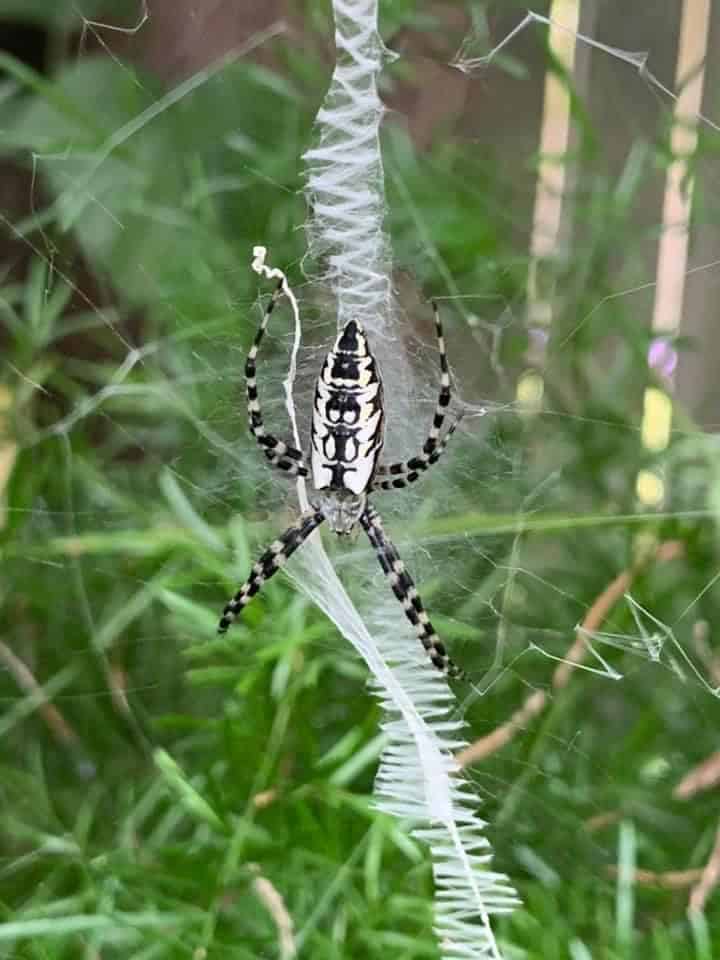
    Garden spiders, also known as “writing spiders” or “orb weavers,” are commonly found in Florida gardens, meadows, and fields. These spiders create intricate, circular orb-shaped webs, which they use to catch flying insects. Garden spiders are characterized by their vibrant colors, including yellow, black, and silver. They play an essential role in controlling insect populations and are generally harmless to humans. Their beautiful and symmetrical webs make them a remarkable sight in Florida’s natural landscapes.

    Florida’s diverse ecosystem is home to a remarkable array of flora and fauna, including numerous fascinating spider species. Among them, the garden spider (Argiope aurantia) stands out for its striking appearance and intricate web designs. Let us explore the characteristics, behaviors, and ecological significance of garden spiders in Florida, shedding light on the marvels of these arachnids.

    Species Description:

    Garden spiders, also known as black and yellow garden spiders, are members of the orb-weaver family (Araneidae) and are prevalent throughout Florida. They are medium-sized spiders with females measuring about 1-1.5 inches in body length, while males are significantly smaller. These spiders exhibit distinct coloration, featuring a black body with vibrant yellow markings that vary in pattern and intensity.

    Web Construction:

    One of the most remarkable aspects of garden spiders is their ability to construct intricate, circular orb webs. These webs are typically positioned in open spaces, such as gardens, meadows, and forest edges. The silk threads that make up the web are incredibly strong and sticky, designed to capture flying insects, which serve as the spider’s primary food source.

    Feeding Behavior:

    Garden spiders are opportunistic predators, capturing a wide range of insects that become ensnared in their webs. When an insect becomes trapped, the garden spider quickly immobilizes it by biting it and injecting venom. The venom breaks down the prey’s internal tissues, allowing the spider to consume its liquefied remains. Notably, garden spiders tend to rebuild their webs each day, usually during the late afternoon or early evening.

    Life Cycle:

    Garden spiders follow a typical spider life cycle. After mating, the female garden spider produces an egg sac, which can contain hundreds of eggs. She diligently protects this sac, attaching it to a secure location within her web. The eggs hatch into spiderlings, and the young spiders disperse, either by ballooning (using silk threads to be carried by the wind) or crawling away. The spiderlings undergo several molts as they grow into adulthood, with females eventually reaching sexual maturity.

    Ecological Importance:

    Garden spiders play a crucial role in maintaining ecological balance in Florida’s ecosystems. By preying on a variety of insects, they help control populations of potential pests. Their webs also serve as an ecological trap, capturing mosquitoes, flies, and other bothersome insects. Furthermore, garden spiders contribute to the overall biodiversity of Florida and are an integral part of the food web.

    Human Interactions:

    While garden spiders are not aggressive and generally avoid human contact, they may bite if mishandled or threatened. It’s important to note that their venom is not considered dangerous to humans, causing only mild local reactions similar to a bee sting in most cases. Therefore, it is advisable to observe and appreciate garden spiders from a safe distance, respecting their role in the environment.

    Garden spiders in Florida are fascinating creatures that blend artistry and biology in their web-building abilities. Their vibrant appearance and intricate webs make them a captivating sight in gardens and natural spaces. By preying on insects and contributing to the balance of ecosystems, garden spiders play a valuable role in Florida’s biodiversity. Understanding and appreciating these remarkable arachnids can enhance our appreciation for the intricate web of life in which we are all interconnected.

    More Orb Weaver Spiders

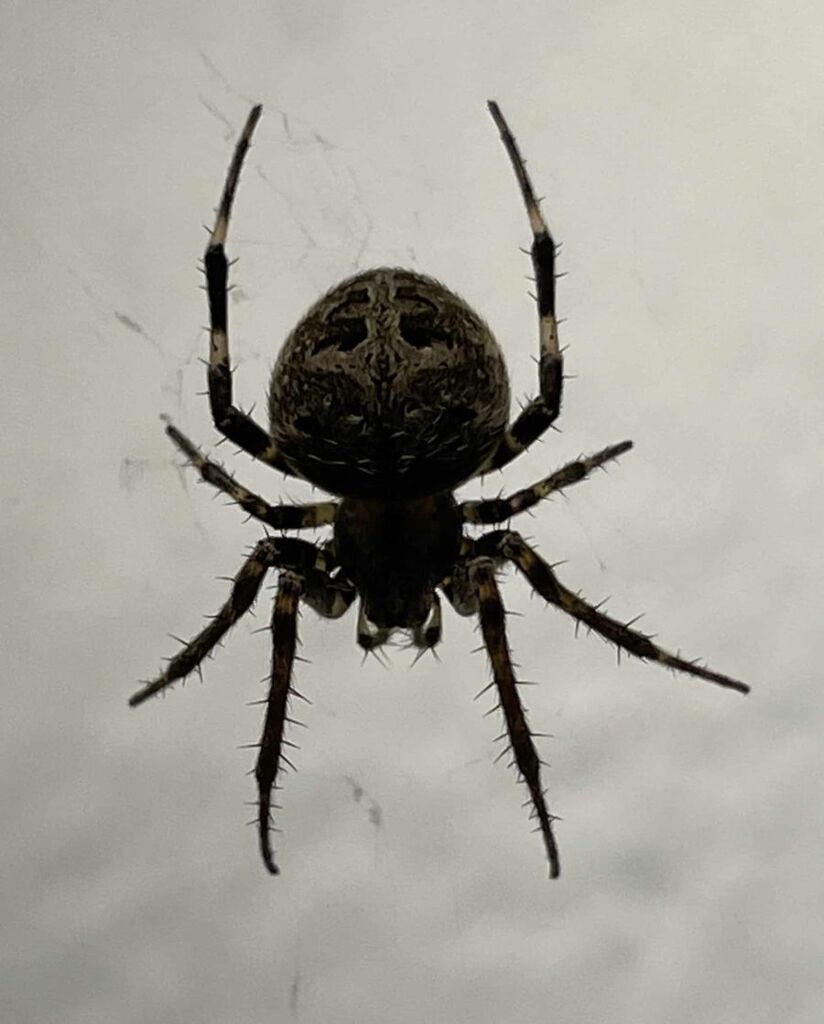
    Florida is home to a large variety of orb weaver species, each with its unique characteristics and web-building techniques. These spiders construct large, symmetrical webs with sticky silk threads that ensnare unsuspecting prey. Orb weavers are typically nocturnal, repairing or rebuilding their webs daily. Their venom is generally harmless to humans, but caution should be exercised when encountering them to avoid accidental bites. The golden silk orb weaver (Nephila clavipes) is one of the most remarkable and easily recognizable species found in Florida.

    The Black Widow Spider: Fear and Loathing

    Black widows are notorious spiders with a reputation for their venomous bite. In Florida, the most commonly encountered species is the Southern black widow (Latrodectus mactans). Female black widows are characterized by their shiny black bodies with distinctive red hourglass-shaped markings on their abdomens. They typically prefer dark and sheltered locations such as woodpiles, garages, and outbuildings. While black widows are venomous, their bites are rarely fatal if promptly treated. However, caution should be exercised to avoid potential encounters.

    As you can see, spiders in Florida represent a diverse and fascinating array of arachnids. From the agile hunters like wolf spiders to the web-weaving artisans such as garden spiders and orb weavers, these creatures contribute to the delicate balance of ecosystems in the state. While some species, like the black widows, demand caution, most spiders in Florida are harmless and play a crucial role in controlling insect populations. Understanding and appreciating the importance of spiders in the natural world enhances our appreciation for the rich biodiversity found in Florida.

    Call us for a free estimate for your home, business, or condominium.

  • Roaches, Silverfish, and Spiders—Oh, my!

    Roaches, Silverfish, and Spiders—Oh, my!

    No other bug prompts more calls to pest control technicians than cockroaches. The very sight of them sends chills down your spine. We are repulsed by them and abhor their presence.

    Can they fly? That is a good question, answered by some interesting facts.

    While the American roach cannot fly in the true sense of the word, it can  glide from a high spot like a tree limb down to the ground. Sometimes you can be just minding your own business and accidentally step into the flight path of one of these gliding repugnant roaches which then lands on your head and gets tangled up in your hair—a nightmare scenario!

    No matter what part of the country you live in, your home is not safe from cockroaches. They can effortlessly crawl through small openings or cracks and enter your home.  They often find their way into your cupboard with other well known pantry pests.

    These little bugs have been pestering humans from time immemorial. Archeologists recently found an ancient cockroach preserved in amber. Initially, studies suggested the roach was over 200 million years old, but new evidence suggests roaches as a species are far older than previously thought. New theories state that cockroaches are over 350 million years old, dating back to when all the land masses on earth were joined together in what is called a supercontinent.

    Roaches are survivors. They’ve survived the last five extinctions and will no doubt survive the next one.

    There are over 4,500 different types of roaches in the world, but the good news is that only about 70 species live in the United States. Among these roaches are two groups: domestic roaches and non-domestic roaches.

    American roaches, aka palmetto bugs, are large roaches that live outdoors. They thrive in warm, dark, and damp environments. Seeking moisture, they are often found in and around plumbing lines in bathrooms and kitchens. Refrigerators and dishwashers are common areas frequented by roaches.

    German Roaches

    These roaches live and breed sharing living space with humans. German roaches do not live outdoors; they wouldn’t survive the colder winters found in the northern parts of our state. The fact that these roaches have been become domestic—living with humans—is a testament to their survival. No sane person would live with these most unwelcome guests. They are foul, sickening bugs, daily multiplying. Surely, we intelligent humans should be able to stop and kill such a small bug. Although they do not fly, they move quickly; but not so fast we can’t smash them with a shoe or our hand.

    German roaches existed and have survived for thousands upon thousands of years living with humans because of their sheer numbers. They can multiply extremely fast. While human females give birth in about 9 months, a German roach gestation period is about 28 days. One egg can contain 35 or more nymphs.

    Remarkably, these tiny roaches look nothing like they will after molting a few times. They are so miniscule, they can easily crawl into things we carry around like shoes, purses, bags, clothing, electronics, and many other things.

    Finding just one German roach in your home is cause for alarm. Never think you just have one roach. While roaches will probably outlast humans for dominance on our planet, you don’t have to let them dominate your home. Call Dave’s Pest Control at first sight of a roach.

    Silverfish

    First, silverfish are not fish at all; they are bugs found throughout Volusia and Flagler Counties. They get their name from their silver color and because they move like a fish. They are closely related to another similar bug called a fire brat. Fire brats seek out warmth and often are found near a home’s furnace or stove.

    Customers often see silverfish scurrying across the floor and wonder, “What is that? Where did it come from?”

    These small bugs do not eat other bugs; instead, they feed on paper, hair, clothes, books, magazines, and many other household items. Many people have found old pictures of deceased loved ones with holes chewed in them by silverfish.

    They are frequently found in attics feeding on the paper backing of the home’s attic insulation. With a seemingly endless supply of food and a stable environment, attics are the perfect home for silverfish.

    Silverfish can also be found in bathrooms and kitchens. They are attracted to moisture and will feed on mold created in high humidity environments. Sometimes they can get stuck in your bathtub or sink; silverfish cannot climb out of a tub or sink because the porcelain is too smooth for them to gain traction.

    Silverfish are millions of years old. Their reproduction systems differ from most other insects. Instead of being born as one organism and metamorphosing into another, silverfish are born identical to the adult silverfish. Molting as they grow, they will get larger with each stage in their development. Silverfish can molt 30 or more times in one year and have scales which are different from most other insects.

    Most true insects, through evolution, develop wings for flight, but not silverfish. They are still the same bug that they were millions of years ago. Insects that developed wings have a great advantage over other insects that cannot fly.

    Bugs that fly can reach various kinds of food and keep clear of potential predators or danger. It is not known why some bugs evolved, gaining  wings, while others did not. It is theorized that some insects had to adapt to extreme climate changes while others were able to survive hiding under rocks, as silverfish did.

    Many bugs have exoskeletons that are comparable to other mammals such as humans that have endoskeletons—internal skeletons. A bug’s exoskeleton is made of chitin. Chitin gives the exoskeleton strength and stability.

    Exoskeletons protect a bug’s soft insides. It’s akin to having a suit of metal armor like the knights wore in medieval Europe. This hard protective shell is found on hundreds of organisms like ants, bees, roaches, and beetles, to name a few. Marine life such as lobsters, crabs, clams, and oysters also have exoskeletons.

    Exoskeletons not only prevent damage and injuries to organisms, but also inhibits water loss. An insect’s muscles will also attach to their exoskeleton for locomotion. The exoskeletons of silverfish are covered in small hairs that can pick up insecticide dust easily.

    Another remarkable trait is silverfish can live up to 300 days without feeding. They shirk from light and prefer to live under rocks or any other object that hides them from the light.

    Silverfish have three long “antennas” on their rear end. Two of them are called cerci that are not antennas at all. Cerci are modified legs that have developed over millions of years of evolution. Many bugs have cerci like the cockroach which have two. They are used for discerning the world around them.

    The third long antenna-like extension is used for balance, movement. and reproduction. It contains ovarioles which are part of their reproductive system. Many insects and bugs have this ancient type of ovaries used for reproduction.

    Silverfish live in warm, humid environments. Finding a lot of silverfish could be an indication you have a moisture problem, perhaps a leaky pipe or condensation from cool air conditioning lines housed in a super-hot attic.

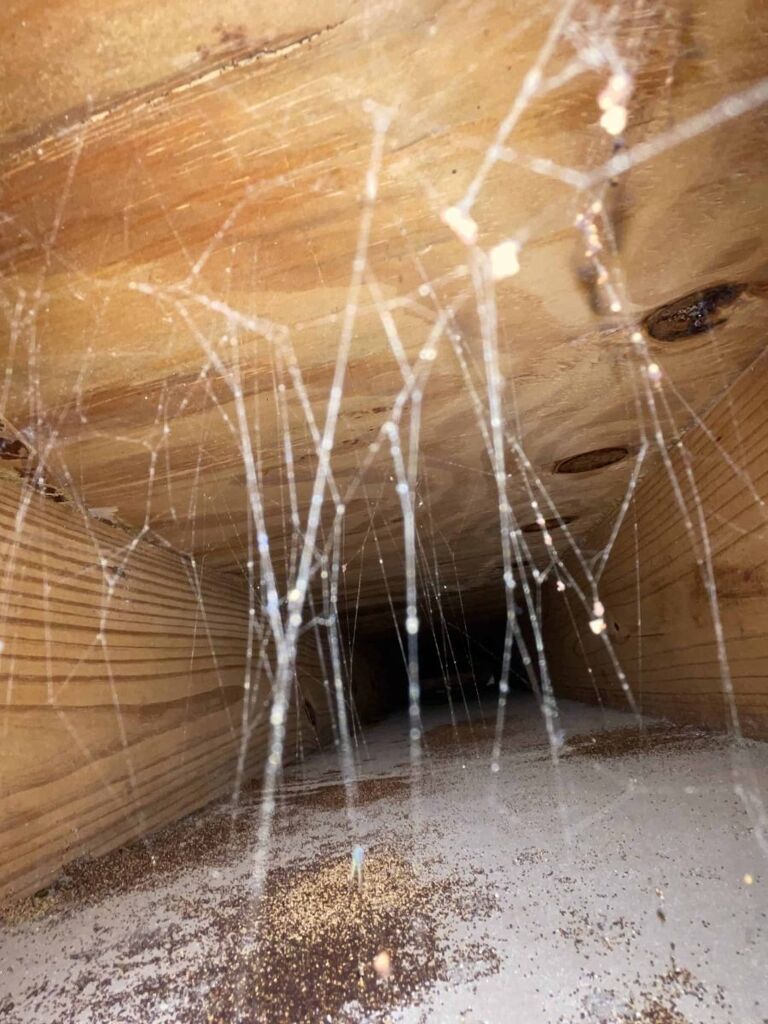
    In New Smyrna Beach, we found a large subterranean termite colony in an attic. While treating for the termites, many silverfish were discovered living in the attic, practically side by side with the termites. We also found hundreds of spiders and other bugs taking advantage of the moisture in the attic. It was determined that the air conditioning was being vented into the attic. The mix of super-hot attic air and the cool air from the air conditioner created an ideal place for bugs to live, feed, and reproduce.

    Spiders

    There are many kinds of spiders in Volusia and Flagler Counties. We often see those like the garden spider or the golden orb weaver. Then there are some spiders that are hard to find, and we hope never to see!

    In our part of the world, venomous spiders are not as commonly found as non-venomous spiders. The common household spider only exists to catch bugs like mosquitos and do not pose a threat to the safety of humans. If one were to bite you, you would only suffer some mild irritation and swelling at the bite area.  Learn more in this blog about common spiders in Florida.


    False Widow Spiders

    We also have what are called false widow spiders. Hiding in darkness, they are often mistaken for real black widows. The bad news is false widows also have an extremely painful bite. The good news is they are not as harmful to humans as black widow spiders are.

    False widow spiders are similar in shape to other widow spiders. They are brown in color with lighter markings on their large abdomens. The females are larger than the males and are found in dark places like under rocks or fallen trees.

    Although they have a venomous bite, it is not a potent one. Usually, a bite from a false widow spider is like a sting from a wasp or bee.

    Black Widow and Brown Widow Spiders

    The black widow spider and the brown widow spider are commonly found in our part of Florida. They are usually found in corners of homes and shy away from people. They only will bite if they feel threatened. This usually happens by accidentally pressing on the spider’s body. People have been bitten by a black widow spider that was hiding inside a shoe or in bed sheets.

    Black widows are easily identified by their black bodies and distinctive red hourglass shape on their abdomen. They are small but can deliver a lot of venom.

    Brown widows are also common in Volusia and Flagler Counties. Brown widows are larger than black widows and look very similar. Since they are larger, they can deliver a more potent bite with more venom than a black widow.

    Regular pest control treatment to the outside of your home will greatly help reduce the presence of spiders and roaches. Additionally, interior treatments also work well at stopping roaches and spiders from getting very far. An attic dusting can last for years and is a great way to stop pesky silverfish from eating paper goods and cardboard boxes that you might store up there.

    Call us today for a free estimate for your home or business.

  • Wolf Spider at my house

    Wolf Spider at my house

    When spiders are often seen , they induce sudden panic and fear. This picture is the common “wolf” spider. (Often incorrectly called huntsman or jumping spiders.) Considered high risk with a painful bite, these spiders however do not inject enough venom to kill a human.

    These spiders do not spin webs and wait for prey to get stuck. They go out and hunt for food. They primarily consume cockroaches, small lizards , crickets , grasshoppers and other small invertebrate. 
    The wolf spider and other “hunting” spiders have excellent sight, speed and agility. They hide behind bark, cracks and crevices in and around homes and landscapes. Waiting for prey, they pounce injecting venom, liquefying it into a meal. 

    Although these spiders are not poisonous, they can bite if cornered or feel threatened. The bite can cause mild to moderate pain with localized swelling. This is similar to a wasp or bee sting and can be painful.  

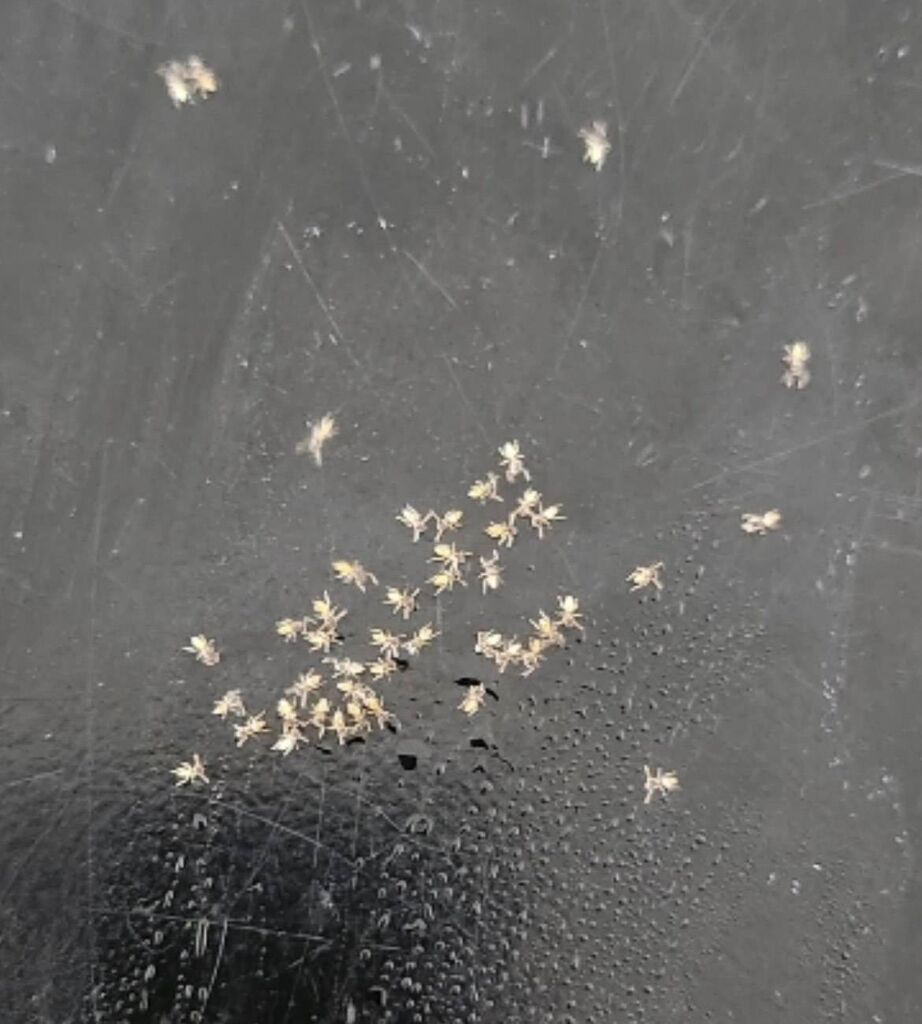
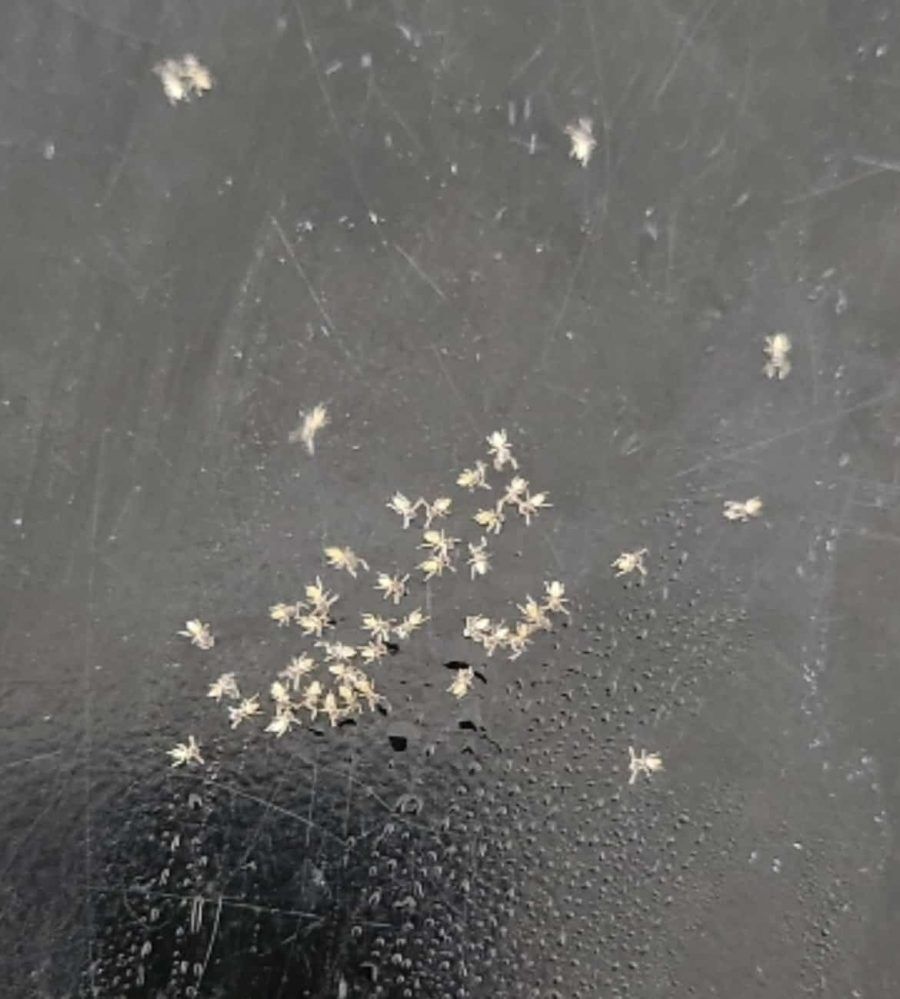
    Wolf spiders carry their eggs in a silk sac on their backs. If disturbed, the sac can rupture, and hundreds of babies will scatter everywhere. Therefore, it is not recommended to “hit” or “smash” a wolf spider. 

    Prevention is the best offense to reduce the chances of seeing one of these eight-eyed, giant monster arachnids. Seal windows and doors well. Regular pest control treatments will help reduce the insects they feed on. Products like *Bifen , when applied to soffits, may also help prevent these spiders from crawling upward into attics and keep them away from homes. Attic dusting is another option if these spiders are suspect to inhabit an attic or crawl space. 

    The wolf spider is most often confused with the brown recluse, however, the brown recluse has six eyes, and the wolf spider has eight. Additionally, the brown recluse has a violin shape pattern on its back. 
    Poisonous spiders such as the brown recluse are hardly ever seen. (Thus the name recluse). They hide in dark, small areas which humans seldom go. 

  • Exterminator Advice: Spraying For Spiders

    Exterminator Advice: Spraying For Spiders

    We spray. That’s what exterminators do. We spray all the time to exterminate all sorts of pests–ranging from spiders to bed bugs to termites, roaches and other unwelcome pests.

    Watch Mike, one of our certified pest control experts, explain how to most effectively spraying to exterminate pests–in this case spiders in Ormond Beach, Florida. While he’s spraying for spiders, he also explains how to treat for other pests, like roaches.