Dave's Pest Control

Category: Rodents

  • How to Remove Wasps from My Car?

    How to Remove Wasps from My Car?

    Car is one of those assets we all care deeply about. No matter its make, model, or condition, nobody wants their vehicle to get dirty- let alone seeing wasps inside it. It’s not only stressful to spot pests in your car, but it can also hit your wallet when it comes time to remove them.

    On warm summer days, wasps are everywhere, flying around and finding their way into cars. Those tiny reddish yellow swarms might look harmless almost like just another bug flying around but- they’re far from friendly. Wasps can damage your car’s interior and exterior and worse, their sting can cause painful or even allergic reactions. Their one look can signhandedly ruin your day and send your mood into panic mode! We can already guess what you’re thinking: “How do I get rid of wasps in my car?” Fair question. While it can be a little tricky, all it really takes is some knowhow, a bit of courage and a few smart moves down the road. Let’s talk about it!

    Why are Wasps in My Car?

    Naturally, seeing wasps in your car would make you think what’s going on, why they came into your car and where they came from? Just like any other insect wasps look for warm places with easy access to food. Read below to find why and how all of a sudden wasps find their way to your car:

    The first reason they’re in your car is simply because of the comfort it provides. They might have built a small nest somewhere inside and are enjoying the warmth your car unintentionally offers. 

    Wasp in a car

    Another reason is food. Most of us eat in our cars. Snacks, coffee runs, meals. Those tiny crumbs and drink spills can easily attract wasps. And even if there’s no actual food left behind, the smell alone can pull them in.

    Wasps scattered around leftover food.

    Lastly, wasps are drawn to bright, shiny areas (ever noticed them flying around streetlights or lamps?) Your car’s glossy exterior can have the same effect.

    Wasp sitting on a bright brown area

    How to Remove Wasps from Your Car?

    Removing wasps from your car can take little time as you are dealing with pests. But you can definitely get the job done and put an end to their entry in your car. Here is what you should do to remove wasps:

    Locate the Nest

    Look for the nest. If there are lots of wasps flying in & around your car, this indicates they have made a nest somewhere in. Look for the nest and clean it thoroughly. 

    Get Insecticide Spray

    You can easily get insecticide spray; look for a wasp spray. It should have a long nozzle so you can apply from a distance. 

    Be at a Safe Distance

    It is very important to be at a safe distance when applying wasp spray, as wasps will scatter and they hit you (not necessarily, but potentially), so it’s better to be at a distance of 10-15 feet. (Pro Trick: Stand with the wind blowing behind you. This keeps the spray moving toward the wasps, not back in your face and if they happen to come in contact with you, you can run the opposite direction) 

    Wait Time

    Now, let the area be sprayed for the next 24 hours. Do not open the car door as the product will be there. Let it do the job.

    Remove the Nest

    Upon 24 hours, open the car doors and look for the nest. Next, remove it and clean all the dead wasps carefully. Make sure you wipe the area with sanitizer to avoid potential harm.

    Close the Entry Points

    Lastly, seal the entry points where you think the wasps are coming in. Carefully look at the door panel as they are definitely coming from there. The point in your favor is, there are not many entry points for wasps to come in, so don’t ignore the potential ones. (Pro Trick: Use silicone sealant for small gaps and double-check rubber linings around doors and windows.) 

    Some Additional Factors

    It’s always better to find a remedy before it becomes a need. Apart from the ways mentioned above to get rid of wasps in your car, here are two additional factors you should keep in mind for early prevention:

    • Car Parking

    I once made the mistake of parking my car under a big shady tree. It was summer and the spot looked perfect. A week later, I opened my car door and heard that unsettling buzz. Turns out, there are countless wasps in my car. Lesson learned, the hard way!

    Where you park your car really matters. Avoid parking under trees or in overly warm areas. Go for cooler, shaded spots instead. Wasps love warmth, so keeping things cool will make your car way less inviting.

    • Winter/ Summers Timing

    Timing is everything when it comes to cleaning out wasps. If you try to do it in the middle of a hot summer day, they’ll be active and flying everywhere. It’s way easier to handle the cleanup at night or early in the morning when it’s cooler outside. During those cooler hours, wasps slow down a lot. That gives you the perfect chance to safely clear the nest and clean your car without dealing with them scattered and flying around.

    Preventive Measures to Take If There Are Wasps in Your Car

    They say prevention is better than the cure and we truly second that! If you have already followed preventive measures, the chances of finding wasps in your car would be quite low. 

    Here is what you can do:

    • Maintain Cleanliness inside Car

    The one thing all exterminators, pest control companies or even rabbit hole search will tell you is to clean your space & that will drastically decrease the presence of wasps in your car. Make a habit of thoroughly cleaning the interior of the car every once in a while. This will not only remove any potential wasps but would also increase the efficiency of your car.

    • Seal the Potential Entry Points

    You will get to see the potential or existing sealing points during car interior cleaning. Remove them then & there and clean the spot afterwards with sanitizer. If you see any potential entry points, seal them by tape; the goal should be to close the point.

    • Put Natural Repellents in the Car

    There are plenty of natural repellents that can help you remove wasps from your car. You can use essential oils like peppermint, clove or lemongrass in any form. Sprinkle them on cotton balls or place them around different spots in your car. These oils have a strong fragrance and wasps absolutely hate strong smells. You can also try orange or lemon peels. You can also go with dish soap water. Try it; it works wonders against wasps.

    • Park Your Car in a Cool Place

    As mentioned above, wasps love warm places, so the key to keeping them away is cutting down that comfort. Park your car in a cool spot – somewhere like a basement or shaded garage. This will reduce the chances of wasps settling in and if there are any already inside they might leave on their own once the environment becomes less favorable. Don’t forget to change your parking spot every once in a while just to keep things in check.

    Some Fun Facts About Wasps

    We’d love to share a few fun (and slightly shocking) wasp facts with you! Did you know the term “paper wasp” actually comes from the way they build their nests, it looks just like handmade paper? Or that when the weather gets cold all the worker wasps die off, leaving only the queen alive to start fresh in spring. Wasps have a very short life span except for the queen! 

    Dave’s Pest Control – We Are Here For You!

    Dave’s Pest Control is a proud veteran & family-owned business that has been serving Floridians for over 45 years. With decades of experience and local expertise, we understand the pest challenges you face; that’s why we guarantee pest control for your complete satisfaction!

    Our wasp control service is quick, effective and just around the corner! 

    Conclusion

    Summer and humid weather can attract wasps to your car, but no need to panic. You can get rid of them by using smart strategies. Start by carefully checking for any nests and cleaning them out completely. You can use any insecticide spray (preferably one made specifically for wasps) and make sure to seal all possible entry points afterward. Wasps might find their way into your car but as the saying goes, “prevention is better than cure.” It’s not inevitable; you can absolutely avoid it with a few simple precautions. Try parking your car in cooler areas since wasps are drawn to warmth and switch up your parking spot often, so they don’t get too familiar with your vehicle. If you need to clean or spray your car, do it at night or during cooler hours. Wasps stay still in lower temperatures and this will give you a much better chance to remove them completely & safely.

  • How To Keep Rodents Out of Your Attic?

    How To Keep Rodents Out of Your Attic?

    “Man, I am tired of this- rodents in the attic. They’ve been coming and settling in, and all our wires are chewed.” We’ve heard this complaint so many times, it’s starting to sound like a broken record.

    As a pest control company, we have dealt with almost all kinds of rodent infestations – short, long, minor and severe. The worst are the cases when rodents start settling down in attics. They give birth to new ones and soon a whole family is living there. They start with making holes, scratching walls, looking for food and end with insulation-tearing activities that would make any homeowner lose sleep.

    Mouse crawling on a wooden attic floor looking for shelter and food.

    So, when people come to us complaining about the chaos rodents have caused in their attic, we get it. We’ve seen it and yes, it’s every bit as bad as it sounds. Having said that, we know there’s no quick fix. What truly works is a complete approach that starts with a thorough inspection. Seal every entry point larger than a quarter inch (mice can squeeze through dime-sized holes), remove those convenient “rodent highways” like overhanging tree branches and eliminate food sources by using metal containers for storage. Then make your attic inhospitable with repellers and natural deterrents like peppermint oil, which rodents avoid because their sense of smell about 1,000 times more sensitive than ours makes strong scents unbearable. For persistent cases, consider one-way exclusion doors that let them out but not back in.

    If you’re still reading, it means you’re serious about keeping rodents out of the attic and that’s exactly what this guide is here for. Let’s get into it:

    Signs of Rodents in Your Attic

    First, we will take you to the signs rodents unintentionally give when they start settling in a home. These signs if not ignored and taken carefully, can save you timely from big and unignorable pest trouble.

    Noise 

    Noise, yes! It will tell you itself about the presence of rodents in the attic. Rodents, just like any other pest in the home move around in search of a warm place and food and in doing so, they make walking sounds. That sound is not something you can just ignore, it’s audible and you can’t sleep past it. Don’t overlook the weird sound of tiny feet. You’ll hear them clearly at night as they look for food. So next time you hear those small feet tapping on wood, it’s surely pest activity in the attic (most likely rodents).

    A black mouse on glass floor, looking for food

    Rodent Feces

    When rodents are living, eating and breeding in your attic, you’ll definitely spot their feces around. These look like small, irregular black or dark-colored droppings scattered in deep corners like under furniture, behind boxes or near holes where rodents might be coming in. It’s one of the clearest signs of activity and a sign you should never ever ignore. Fresh droppings mean the rodents are active right now, not just visitors from weeks ago. And the more rodent droppings you see, the bigger the problem usually is.

    Rodent Feces scattered on the floor

    Insulation and Electrical Damage

    If you notice any kind of insulation damage, along with weird noises at night and those blackish-reddish droppings scattered around your home, there’s a high chance a rodent has made its way in. When rodents start settling in, they make a home for themselves and in doing so, they can damage insulated wires, pipes and sometimes even more. Rodents don’t just stop at insulation. They often chew on electrical wires too, which can cause power outages or even fire hazards. So don’t overlook such damages, take them as an early warning sign. 

    Electrical damage on the wall  

    How To Keep Rodents Out of Your Attic?

    The most effective solution is to pest proof your attic. Doing so will not only reduce the risk of rodent infestations but also prevent other pests from gaining access to your home. Here’s how you can achieve this:

    Seal All Entry Points

    Put an end to where they are coming from. Seal entry points, remove food sources and use repellents to prevent rodent infestations. Inspect your home for holes and gaps, particularly around the roof, vents and attic access points. (Remember that mice can squeeze through holes as small as 1/4 inch (the width of a pencil). Fill small holes with steel wool to keep it in place. Use metal flashing, hardware cloth, or cement to seal larger openings. Check around pipes, electrical wires, cables, chimneys, and other potential entry points.

    Proper Food Storage and Waste Management

    If you want to stop seeing rodents around, put an end to their resource supply. This means proper food storage and waste management and regular cleaning of the kitchen. Here is what you can do: 

    • Store all food in thick plastic, metal, or glass containers with tight lids.
    • Clean up spills immediately and wash dishes after use. Don’t let them wait in the sink, the smell could be a signal for rodents. 
    • Don’t leave pet food out overnight.
    • Use rodent-proof garbage containers and dispose of trash regularly.

    Outdoor Prevention Measures

    Just like indoors, outdoors also plays a role in either attracting or keeping pests away from your home. Here’s what you can do:

    • Trim trees and shrubs that overhang or touch your house (rodents are excellent climbers).
    • Keep woodpiles at least 100 feet from your house and elevated off the ground.
    • Move bird feeders away from the house and use squirrel guards.
    • Maintain a clean yard without brush piles or tall grass near your home.
    • Keep compost bins at least 100 feet from your house.

    Regular Home Maintenance

    A little maintenance goes a long way. Here is what we mean by home maintenance: 

    • Inspect & replace damaged weather stripping around doors and windows.
    • Install metal kick plates on the bottom of doors (that’s THE most helpful way). 
    • Check vertical pipes that rodents might climb and consider installing metal guards or painting with high-gloss paint bands.
    • Use rodent-proof storage containers in your attic instead of cardboard boxes.

    When Rodents Have Been There a While

    If the rodent infestation in your attic seems long term & you have already applied all the methods we have mentioned above and still no help, try these: 

    • Set traps along walls and in corners where droppings are visible. 
    • Remove contaminated insulation to uncover hidden entry points.
    • Thoroughly clean and disinfect areas with rodent waste, as rodents are territorial and mark their territory with urine and feces.
    • Consider installing new insulation after removing rodents and sealing entry points.  

    Professional Rodent Removal Services for Your Attic

    If DIY methods aren’t working, consider hiring professional rodent-proofing services that can:

    • Identify all hidden entry points
    • Implement proper exclusion methods
    • Perform thorough cleaning and disinfection
    • Address any damage caused by rodents.

    Fun Fact About Rodents

    Did you know a single female mouse can produce up to 60 offspring in a year? Or that rats have teeth stronger than copper, aluminum, lead and iron, strong enough to eat through concrete?

    A closeup image of mouse

    Dave’s Pest Control – We Are Here For You!

    Dave’s Pest Control is a proud veteran & family-owned business that has been serving Floridians for over 45 years. With decades of experience and local expertise, we understand the pest challenges you face; that’s why we guarantee pest control for your complete satisfaction!

    Our rodent control service is quick, effective and just around the corner! 

    Conclusion

    You can definitely keep rodents out of your attic if you follow smart pest control strategies that work and are proven. This includes sealing up any potential entry points, cleaning your home and attic regularly and leaving no corner untouched (especially those dark, hidden spots). Keep up with home maintenance, repair any damaged areas and if rodents still manage to settle in, get professional pest control help from an exterminator.

    Rodents in the attic are something you should never ignore, let alone try to live with. They don’t just bring health risks; they can also cause serious damage to your home’s structure inside and out. Taking action early saves you stress, money and a whole lot of sleepless nights.

    You should be tired of living in peace, not from a rodent’s nuisance!  

  • Rodent Droppings

    Rodent Droppings

    You turn on the kitchen light at midnight…

    You’re just after a snack, maybe some leftover pizza or a spoonful of peanut butter. But then, you freeze…zoned out, staring past the food in your hand. There’s something on the floor. A few on the counter, too. And probably more inside the cabinets. Tiny. Dark. Some oval, some round. And now you’re in denial, not again. Another pest has moved in! Yes, your home has been invaded. These droppings are proof of their presence and their way of saying that we are here.

    Let’s decode what these feces are, how they got here, and most importantly, how to clean them.

    What are Rodent Droppings

    Droppings are just the mess that rodents leave behind. These black, brownish, oval-shaped droppings are a sign of rodents in your home. Some studies even say that rodent feces can act as a signal through which other rodents can join them. You might spot them near walls or close to your food storage areas. The spread and number of droppings can also indicate the level of infestation in your place.

    How to Identify Rodent Droppings?

    You might wonder: what’s the need to identify droppings? Wasn’t that not on our to-do learning chart? Well, neither were those droppings on your floor, and yet, here we are. (sigh!)

    Identifying different types of rodent feces can actually help you come up with better pest protection and, hence, the right solution. So yeah, Rodent Dropping Difference might sound like a weird skill to learn, but it comes with better outcomes and understanding of what you’re dealing with. Let’s break it down:


    Rat

    Mouse

    Squirrel 

    Larger, 3/4 inch long

    Relatively smaller, ⅛ to ¼ of an inch.

    about 3/8 inches

    Fresh droppings are black, and older droppings are gray

    Mostly black or dark brown, old droppings are light brown  

    Fresh dropping brown and old dropping in lighter brown tone

    Spindle-like shape with pointed or rounded ends.

    Cylindrical shape and pointed ends

    Long with a twist at the midpoint.

    20-50 droppings per day

    up to 80 droppings per day

    20-30 droppings per day


    Are Rodent Droppings Dangerous?

    Rodent feces aren’t just gross, they’re dangerous. They spread bacteria, attract fleas and bugs, and can carry serious health risks. Since rats and mice are known to cause major health threats. In fact, Rats are among the most dangerous pests when it comes to disease transmission. They’ve been linked to more human diseases than almost any other pest, second only to mosquitoes.

    So, rodent droppings aren’t something to take lightly. If a rat bite can be life-threatening, their droppings are definitely nothing to mess with, let alone ignore. Makes sense, right?

    Diseases That Can Be Caused by Rodent Feces

    As mentioned above, rodents are among the most dangerous pests, and their feces are no less risky. Some of the diseases that can be caused by these droppings are given below:

    1. Hantavirus is a specific virus spread through contact with infected rodent feces, urine, or saliva, especially when particles become airborne. It’s not just a minor health concern: Hantavirus has a fatality rate of around 40%.


    1. Leptospirosis is a disease you can get from touching water or surfaces with rodent urine on them. It can sneak in through cuts on your skin, or even your eyes or mouth. It’s more common in wet areas and can make you really sick if you’re not careful.


    1. Lymphocytic Choriomeningitis (LCM) spreads through rodent pee, poop, or spit, mostly from house mice. It starts off like the flu, but can lead to severe complications, especially during pregnancy. It’s not usually deadly, but it can seriously harm an unborn baby.


    1. Rat-Bite Fever (RBF) can happen just by touching rodent droppings or anything contaminated. It usually starts with fever and chills, but if you don’t treat it, it can get serious fast, even life-threatening. It’s fatal in about 10% of cases.

    Cleaning Tips for Rodent Feces

    We are here with some useful tips for you (because this isn’t some average mess):

    • Always wear gloves before handling or cleaning any infestation.
    • Use a mixture of water and diluted bleach (typically 1 part bleach to 10 parts water).
    • Let the droppings soak in the solution for at least 5 minutes; this helps in sanitization.
    • Wipe the area with paper towels or disposable rags after soaking.
    • Do NOT use a vacuum cleaner or broom; these can stir up particles and spread harmful bacteria into the air. It can also turn droppings into fine dust, leading to breathing problems.
    • Keep kids and pets away from the area until it’s completely cleaned and dried.
    • Call a pest control company if the infestation is large or you’re unsure how to handle it safely.

    At Dave’s Pest Control, our professionals use the latest technology and safe, effective methods to handle dropping infestations. We have a dedicated team for rodent control. Contact us here, we’d be happy to help!

    1. Wash your clothes, luggage, sheets, and pillowcases in hot water, and soak them for at least 30 minutes.
    2. Declutter and vacuum your mattress edges, baseboards, and around windows.
    3. Be extra cautious when buying secondhand furniture. Check crevices, under cushions, and behind seams.
    4. Seal any pipe or wire openings, too; they can be the entry points for bed bugs.

    If these steps don’t solve the problem, go for a professional pest control service. When an infestation gets out of hand, expert treatment is the safest and most effective way to handle it.

    Conclusion

    So next time you turn on the kitchen light for a midnight snack and spot those tiny droppings, don’t ignore them. Rodent droppings aren’t just gross; they can be dangerous and even spread life-threatening diseases. Sometimes, these little messes are signals to other rodents, like creepy invitations to move in. That’s why it’s super important to clean up the infested area asap. Handle those feces with care and follow safety steps.

    And if DIY cleaning doesn’t do the trick, don’t hesitate to call a nearby pest control company for help. Stay safe, stay clean, and happy reading, buds!


  • Rats in Attic

    Rats in Attic

    Having rats in the attic is one of the worst experiences one can face. They are destructive, posing serious risks to both property and health. Therefore, it’s essential to understand why they get into the attic and how we can get rid of them.

    Why Do Rats Enter Attics?

    Attics offer everything a rat ideally needs to thrive, be it shelter, food, or warmth. Rats also consider attics as a safe place to protect themselves from predators.

    Warmth

    Attics provide insulation and warmth, especially in colder months.

    Food Sources

    If you have bird feeders, pet food, or garbage bins close to your home, rats have easy access to food.

    Safety from Predators

    Attics are typically free from predators like cats or larger animals, making them a safe nesting place.

    Once rats find a suitable nesting location, they breed quickly, leading to large infestations. Understanding what attracts them to your attic can help you take preventative measures.

    How Do Rats Get Inside the Attic

    Rats are extremely flexible and can squeeze themselves to enter the tiniest gaps. Let’s look at some common entry points through which they get inside the attic.

    Roof Vents

    Roof vents are the most common entry points for rats to enter the attic if they are not protected with proper covers. They provide direct access to your attic.

    Gaps in Roof Edges

    Rats are proficient in finding out the gaps in your roof edges to enter the attic. These gaps can be considered one of the most common entry points and should be sealed to avoid rats.

    Chimney

    Chimneys are another entry point for the rats to enter the attic, specifically when the chimney cap is broken or missing. Rats use trees, gutters, or walls to reach the top of the chimney and enter the attic.

    Holes in Exterior Walls

    It doesn’t matter how small a hole is; rats can enter even the tiniest holes or gaps. All holes, including pipes and cables, should be covered properly to avoid rats in the attic.

    Signs of a Rat Infestation in the Attic

    There are a few common signs that you should know to identify and avoid rat infestations in the attic.

    • Noises at Night
    • Droppings
    • Nests
    • Gnaw Marks
    • Odor

    The Risks of Having Rats in the Attic

    Rats carry different diseases, such as hantavirus and salmonella, that can be transmitted to humans through their droppings or bites. If you have rats in your attic, it is advised to reach out to professional rodent exterminators and get them removed. Let’s look into other risks associated with rat infestations in attics.

    • Rats chew on electrical wires, which can cause short circuits and may lead to fires.
    • Rats gnaw on wooden beams, insulation, and other materials, compromising the structural integrity of your attic over time.
    • The presence of rats can attract other pests like fleas, ticks, and mites, compounding the infestation issue.

    Preventing Rats from Entering the Attic

    Rats are mostly attracted to attics, and almost everyone is concerned about how to prevent it. Here are some tips to keep your attics protected from rats.

    Seal Entry Points

    Inspect all the entry points, such as holes, gaps, or cracks, that may provide rats with access to the attic. Use hardware cloth or steel wool-type material to seal those entry points, as it is not easy for rats to chew these materials.

    Trim Trees and Shrubs

    Trim the trees to avoid rats reaching the potential entry points as rats climb the trees to reach the attic.

    Maintain Cleanliness

    Keeping the surroundings of your home clean can prevent rats. Secure trash cans with tight lids, remove pet food after feeding, and avoid food waste outside.

    Use Rat Repellents

    Rat repellents such as peppermint oil can be used to get rid of them. You can place it in the attic if you suspect any rat activity.

    Set Traps in the Attic

    Traps are the most effective option when it comes to controlling rat infestations. Use these traps in your attic, but make sure they are inaccessible to children and pets.

    Contact a Local Pest Control Service

    Applying all these tips, if you still find rats or rodents in your home, you might have to call a trusted rodent control service to get them out. Call Dave’s pest control if you are based in central or south Florida. We provide pest control services in Port Orange, Lakeland, Orlando, Windermere, Coral Springs and other neighboring areas in Florida. 

    What to Do If You Already Have Rats in the Attic

    If you are sure of having rats in your attic, take immediate actions to prevent further damage. Let’s see what you can do:

    Identify and Seal Entry Points

    To avoid further infestation, identify and seal all entry points from where the rats are probably getting into the attic.

    Call a Pest Control Professional

    If you have rats in your attic, calling professional mice pest control is the best option, as they have the expertise and tools to eliminate rats and prevent them from coming back.

    Clean the Attic

    Once the rats have been eliminated, clean and disinfect the attic to remove the remaining droppings, urine, and nests to avoid possible health risks.

    Conclusion

    We now know how rats get inside the attics and how we can protect our homes. By keeping an eye on early signs of infestation, identifying common entry points, and taking preventive measures, you can significantly reduce the risk of getting rats into your attic.

    In case of an existing infestation, consider contacting a professional rodent control service to eliminate the rats, as they have the expertise and tools to get them removed efficiently. Keeping your attic protected from rats ensures both the safety and health of your household.

  • Rat: A most prolific reproduction crisis

    Rat: A most prolific reproduction crisis

    Rats, despite their less-than-desirable reputation, play a complex role in the ecosystem. Unfortunately, this complexity often extends to their interaction with human habitats. One prevalent behavior observed during colder seasons is rats seeking refuge in homes to escape cold or harsh temperatures outside.

    Why do rodents nest in homeowner’s attics?

    Survival Instincts:

    Rats, like many creatures, are driven by survival instincts. As temperatures drop, they seek warmer environments to maintain their body heat and survive the cold. Homes, with their controlled climates, become attractive shelters for these rodents.

    Attraction to Attics:

    Attics, often overlooked and less frequented by humans, provide an ideal hideaway for rats. The enclosed space offers protection from predators, and the stored items within attics provide potential nesting materials for these resourceful rodents.

    Insulation’s Appeal:

    Insulation within attics serves as a double-edged sword for homeowners. While insulation is crucial for regulating indoor temperatures, it becomes an unintentional attraction for rats. The soft, fibrous nature of insulation materials offers a cozy and warm nesting environment, making attics particularly appealing.

    Nesting Behavior:

    Rats are prolific breeders, and a warm, secluded attic with insulation becomes an inviting spot for them to create nests and raise their young. The abundance of nesting materials in the form of insulation contributes to the rats’ ability to establish a comfortable living space.

    Adaptability and Opportunism:

    Rats have proven to be highly adaptable and opportunistic. They capitalize on the convenience offered by human dwellings, taking advantage of any opening or vulnerability to gain access. Attics, often with small entry points, become vulnerable areas for rat infestations.

    The relationship between rats and homes seeking warmth during colder seasons is a testament to the adaptability and survival instincts of these creatures. While attics may unintentionally provide an inviting haven for rats, homeowners can take proactive measures to prevent infestations.

    Regular inspections, sealing entry points, and maintaining a well-ventilated and insulated home can help strike a balance between human comfort and minimizing the appeal of our living spaces to these resourceful rodents.

    Understanding the intricacies of this interaction is crucial for effective pest control and fostering a harmonious coexistence between humans and the wildlife that shares our surroundings.

    A Prolific Reproduction Crisis:

    Rats have earned a notorious reputation for their remarkable ability to reproduce at an astonishing rate. Understanding the reproductive characteristics of rats is crucial for implementing effective pest control measures and managing infestations. This blog explores the key aspects of rat reproduction, shedding light on their rapid reproductive cycle and the challenges it poses.

    1. Early Maturity and Rapid Gestation:
    • Rats exhibit early sexual maturity, with females capable of reproducing as early as five weeks of age. This rapid development contributes to their ability to establish and grow populations swiftly.
    • The gestation period for rats is relatively short, lasting around 21 to 23 days. This short gestation period allows females to give birth frequently throughout the year.

    2. Litter Size and Frequency:

    • Rats are known for their large litter sizes, typically ranging from 6 to 12 pups per litter. This prolific breeding contributes significantly to the swift expansion of rat populations.
    • Female rats are capable of having multiple litters in a single year, with some species producing as many as 5 to 10 litters annually. This continuous cycle of reproduction accelerates population growth.

    3. Maternal Care:

    • Despite their reputation as pests, rats exhibit a degree of maternal care. Female rats are attentive mothers, nursing and grooming their pups. This care ensures the survival and development of the offspring.

    4. Postpartum Estrus:

    • A distinctive feature of rat reproduction is postpartum estrus, where a female can become pregnant again shortly after giving birth. This phenomenon allows for a rapid succession of litters, contributing to the exponential growth of rat populations.

    5. Survival Strategies:

    • Rats have evolved reproductive strategies that enhance their chances of survival. The ability to reproduce rapidly and in varied environmental conditions ensures the persistence of rat populations even in challenging circumstances.

    6. Population Dynamics:

    • The combination of early maturity, short gestation periods, large litter sizes, and postpartum estrus creates a favorable environment for rapid population growth. In the absence of effective control measures, rat populations can escalate exponentially.

    Is it a Norway rat or a roof rat? A Comparative Analysis:

    Florida is home to various rodent species, including two of the most common rats – the Norway rat (Rattus norvegicus) and the roof rat (Rattus rattus). Understanding the differences between these two species is crucial for effective pest control and mitigation efforts in the region.

    Physical Characteristics:

    • Norway Rat:

    Norway rats are larger, typically measuring between 7 to 9 inches in length, excluding their tails. They have a robust and stocky build with a blunt nose and a tail shorter than their body.

    • Roof Rat:

    Roof rats are sleeker and smaller, ranging from 6 to 8 inches in length, with a longer and more slender body. Their tail is notably longer than their body, and they have a pointed nose.

    Coloring and Fur:

    • Norway Rat:

    Norway rats usually have brown or gray fur with a lighter-colored underside. Their fur is coarse and shaggy.

    • Roof Rat:

    Roof rats exhibit black or dark brown fur with a lighter gray or white underside. Their fur is smoother and softer compared to Norway rats.

    Habitat Preferences:

    • Norway Rat:

    Norway rats are often associated with ground-level environments. They burrow extensively, creating complex tunnel systems in soil or using existing structures like crawlspaces.

    • Roof Rat:

    Roof rats, true to their name, prefer elevated spaces. They are adept climbers, nesting in trees, attics, and elevated areas of buildings.

    Dietary Habits:

    • Norway Rat:

    Norway rats are omnivores with a preference for grains and meats. They adapt well to various food sources, including garbage and pet food.

    • Roof Rat:

    Roof rats are also omnivorous but display a stronger inclination towards fruits, vegetables, and nuts. They are known to damage crops in addition to seeking out human food sources.

    Behavior and Movement:

    • Norway Rat:

    Norway rats are primarily ground dwellers, displaying limited climbing abilities. They are more likely to travel along established pathways on the ground.

    • Roof Rat:

    Roof rats are excellent climbers and jumpers. Their agility allows them to move easily between trees, power lines, and buildings, often making them challenging to control.

    Reproductive Rats:

    • Norway Rat:

    Norway rats have a rapid reproductive rate, with females capable of producing multiple litters per year, each containing several offspring.

    • Roof Rat:

    Roof rats also reproduce prolifically, with females capable of having multiple litters annually.

    While both Norway rats and roof rats share the characteristics of being prolific breeders and potential vectors for diseases, their distinct physical features, habitat preferences, and dietary habits necessitate tailored pest control approaches. Understanding these differences is essential for homeowners and pest control professionals in Florida to effectively manage and mitigate rat infestations in diverse environments.

    The skilled technicians at Dave’s Pest Control possess a profound understanding of rodent infestation in Florida, and can stand ready to assist you in establishing a residence free from rodent presence.

    What can we do to help homeowners?

    Dave’s Pest Control can offer comprehensive solutions to assist homeowners battling rats. Here are key actions Dave’s Pest Control can take:

    Inspection and Assessment:

    Conduct a thorough inspection of the property to identify entry points, nesting sites, and potential attractants. Understanding the extent of the rat infestation is crucial for developing an effective control strategy.

    Sealing Entry Points:

    Identify and make recommendations to seal all possible entry points that rats may use to access the home. This includes gaps in walls, roofs, vents, and openings around utility lines. Closing off these entryways prevents new rats from entering and helps contain the existing population.

    Trapping and Removal:

    Implement trapping methods to capture and remove rats from the property. Traps should be strategically placed based on the observed rat activity. Professional pest control companies have the expertise to choose the most effective and humane trapping methods.

    Baiting and Exclusion:

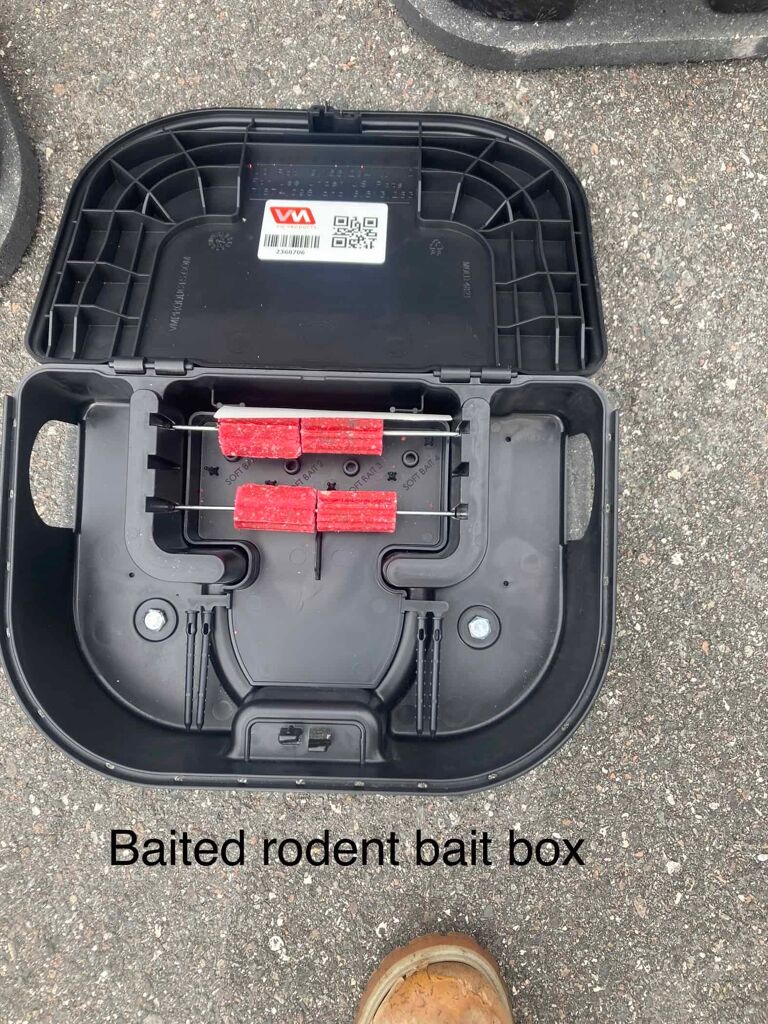
    Use of bait stations that are strategically placed to attract and eliminate rats. Additionally, exclusion methods may involve creating barriers or modifying the environment to make it less appealing to rats. Our pest control experts can employ these techniques safely and effectively.

    Sanitation Recommendations:

    We can provide recommendations for improving sanitation practices around the property. Proper waste management, eliminating food sources, and maintaining a clean environment are essential in discouraging rat activity.

    Monitoring and Follow-Up:

    Implement monitoring techniques to track the success of the pest control measures. Regular follow-up inspections ensure that the rat population is effectively controlled and that any new issues are addressed promptly.

    Education and Prevention:

    Educate homeowners about rat behavior, signs of infestation, and preventive measures. Offering guidance on maintaining a rat-resistant environment helps homeowners reduce the risk of future infestations.

    Environmental Modifications:

    Suggest modifications to the landscaping or structure of the property that may discourage rats. This could include trimming overhanging branches, removing clutter, and securing outdoor storage areas.

    Safe and Effective Treatments:

    Use approved and safe rodenticides or repellents when necessary. Pest control companies are equipped to handle such substances safely and responsibly, minimizing risks to residents, pets, and the environment.

    By combining these approaches, we at Dave’s Pest Control can tailor a comprehensive rat control strategy to meet the specific needs of homeowners, effectively addressing the infestation and minimizing the risk of future occurrences.

    Call us today for a free estimate for your home, business, or condominium.

  • Rats

    Rats

    A Complicated Companionship

    Rats have woven a tail of coexistence with humanity that spans millennia. Originating in Asia, the small, yet resilient rodents afford to complex history, sharyn bought the shadows and limelight of human civilization. Examining the origins, and the historical narrative of rats unveils a fascinating story of adaptation, survival, and the intricate relationship between humans and these highly adaptable creatures.

    Origins

    The origins of rats can be traced back to Asia, with the brown rat believed to have originated in China and the black rat having its roots in southeast Asia. Overtime, these species migrated across continents, facilitated by human activities, such as trade and exploration. The ability of rats to adapt to diverse environments played a pivotal role in their global dispersion.

    Living alongside mankind

    Rats have walked alongside humans throughout history, sometimes as silent companions, and at other times, as formidable adversaries. As human settlements flourished, providing abundant food sources, rats found an ideal environment to thrive. They became stowaways on trade ships, ventured into new territories, and established themselves, and both urban and rural Landscapes.

    One of the earliest recorded instances of rats intertwining with human history, occurred during the Black Death in Europe in the 14th century. Rats, specifically the black rat, were implicated in the transmission of fleas carrying the bubonic plague, contributing to one of the most devastating pandemics in human history. This dark episode marked a point in which rats review with fear and hostility.

    However, not all encounters with rats have been marred by catastrophe. Rats have been companions to humans in various ways. The domestication of rats has given rise to their role as pets, providing companionship, and even serving as subjects for scientific research.

    The adaptability and resourcefulness of rats have made them adept survivors in urban

    The adaptability and resourcefulness of rats have made them adept survivors in urban environments. From the alleys of ancient cities to the bustling metropolises of today, rats have navigated the concrete jungles with ease, exploiting human waste and infrastructure for sustenance and shelter.

    In literature and folklore, rats have often been portrayed symbolically, representing both pestilence and resourcefulness. Their resilience in the face of changing landscapes and their ability to exploit human environments make them intriguing subjects for study.

    The Vital Role of Laboratory Rats in Scientific Inquiry

    Within the hallowed halls of scientific laboratories, a species of rodent has taken center stage — the laboratory rat. These unassuming creatures, domesticated descendants of their wild counterparts, play a pivotal role in advancing scientific knowledge across various disciplines. In this blog, we explore the characteristics and significance of the rats used in scientific study, shedding light on why they are chosen as invaluable subjects for experimentation.

    Characteristics of Laboratory Rats:

    Laboratory rats are typically strains of the Norway rat (Rattus norvegicus), bred specifically for scientific research. These rats possess distinctive qualities that make them ideal subjects for a wide range of experiments.

    1. Size and Reproduction: Laboratory rats are of moderate size, making them convenient for handling and housing in laboratory settings. Their rapid reproductive cycle allows for the generation of large cohorts of experimental subjects.
    2. Adaptability: These rats are highly adaptable to controlled environments, enabling researchers to manipulate various factors such as diet, lighting, and temperature to study specific phenomena.
    3. Genetic Similarity: Rats share a significant genetic similarity with humans, particularly in terms of organ structure and function. This similarity facilitates the extrapolation of experimental findings to human physiology and pathology.
    4. Behavioral Traits: The behavioral characteristics of laboratory rats, including social structures and patterns, are well-studied and understood. This knowledge aids researchers in designing experiments that consider the behavioral aspects of the subjects.

    Significance of Laboratory Rats in Scientific Research:

    The utilization of laboratory rats spans a myriad of scientific disciplines, each benefiting from their unique characteristics.

    1. Biomedical Research: Laboratory rats have been instrumental in biomedical research, serving as models for studying diseases, drug responses, and therapeutic interventions. Their genetic proximity to humans allows researchers to simulate and analyze human conditions, leading to crucial advancements in medicine.
    2. Psychology and Behavior Studies: Rats are frequently employed in psychology and behavior studies due to their well-documented social behaviors and cognitive capacities. These studies provide insights into learning, memory, and behavioral responses, contributing to our understanding of both human and animal behavior.
    3. Toxicology and Pharmacology: The use of laboratory rats in toxicology and pharmacology allows researchers to assess the safety and efficacy of pharmaceuticals and chemicals. Rats provide a controlled environment for studying the impact of substances on organ systems and overall health.
    4. Genetics and Disease Modeling: Researchers employ genetically modified rats to investigate the role of specific genes in health and disease. These models contribute significantly to our understanding of genetic disorders and potential therapeutic interventions.

    Keeping rats out of your home:

    Homeowners who have invested significant effort in maintaining a clean and organized living space, would be understandably distressed if rats were to infiltrate their home. Let’s explore effective measures that homeowners can implement to prevent pests, such as rats from gaining access to their residences, including the Attic or crawl spaces.

    1. Identify Rat Activity:

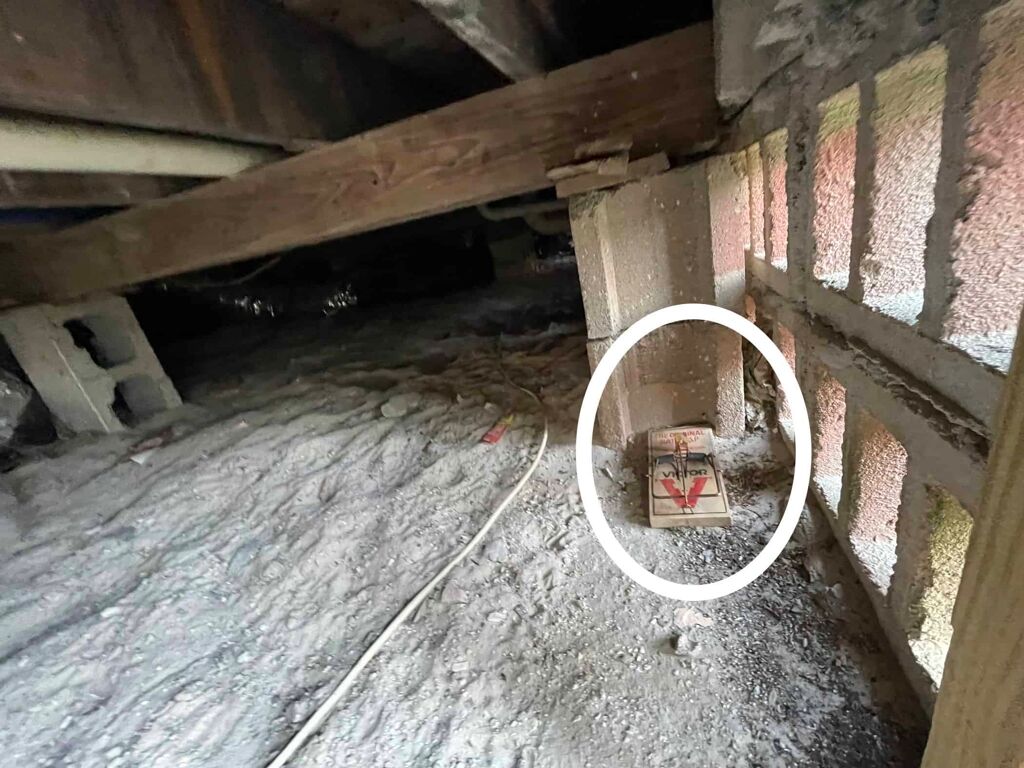
    • Look for signs of rat activity such as droppings, gnaw marks, and grease smudges along walls. Rats tend to follow established paths, so placing traps along these routes increases the likelihood of success.

    2. Choose the Right Location:

    • Place traps where rats are likely to travel, such as along walls, near entry points, or in areas where you’ve observed activity. Rats are often cautious and prefer to stick close to walls.

    3. Use Multiple Traps:

    • Rats are suspicious creatures, and using multiple traps increases your chances of catching them. Place traps about 8 to 12 feet apart to cover a larger area.

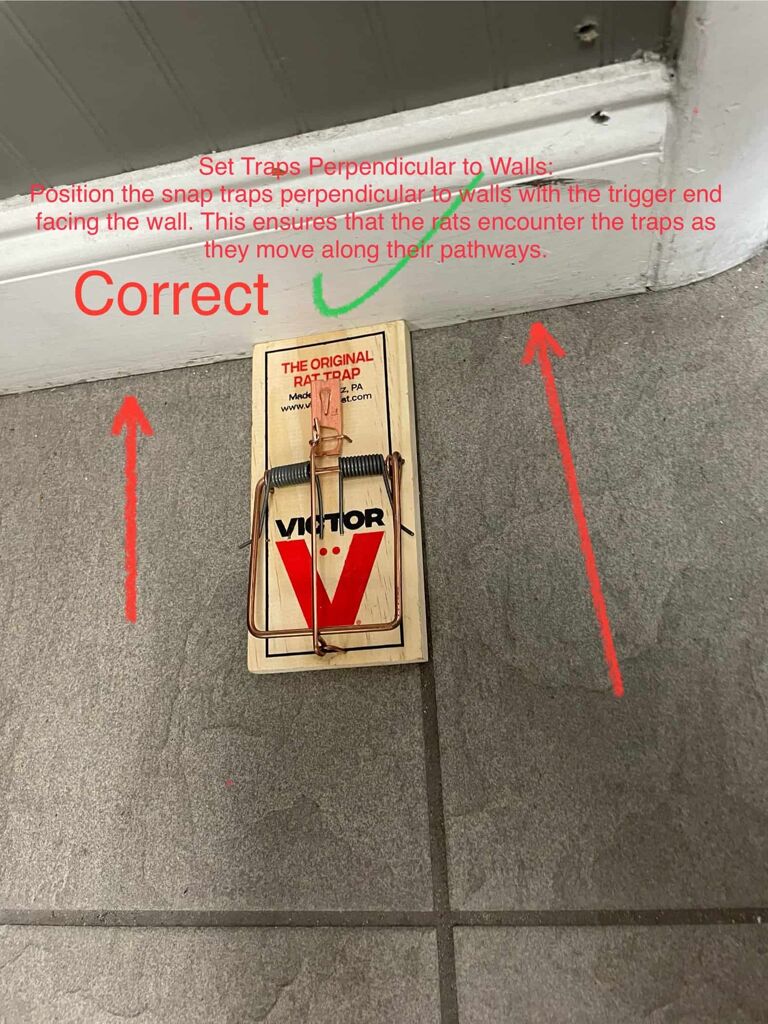
    4. Set Traps Perpendicular to Walls:

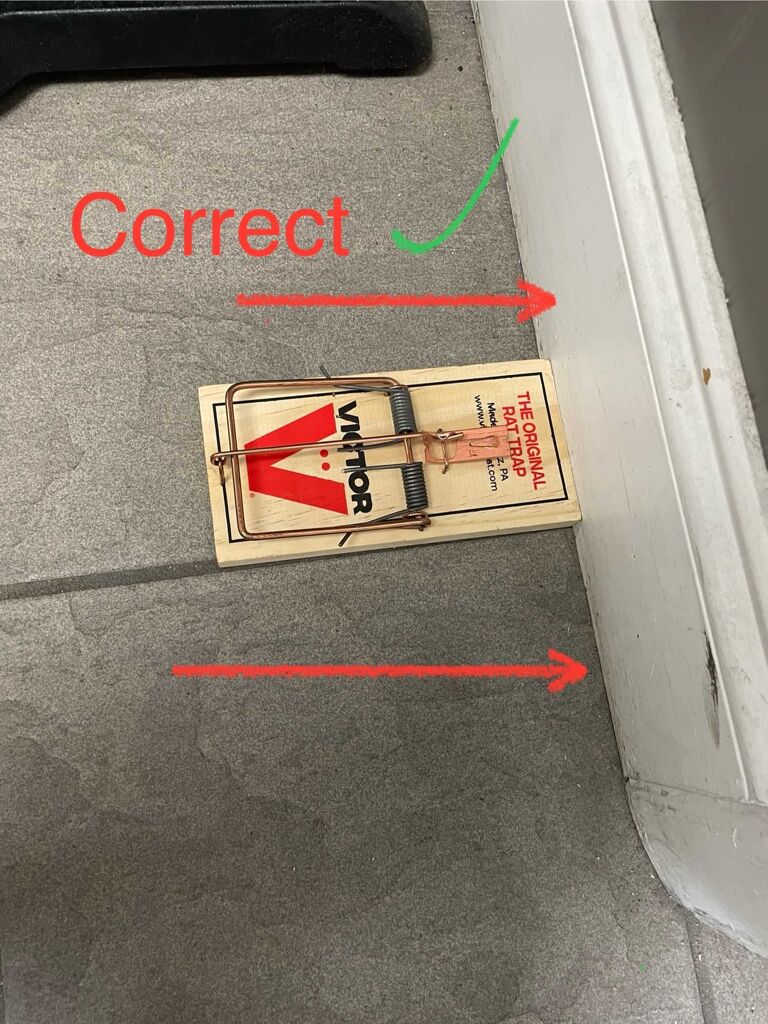
    • Position the snap traps perpendicular to walls with the trigger end facing the wall. This ensures that the rats encounter the traps as they move along their pathways.

    5. Bait Placement:

    • Apply a small amount of bait on the trigger of the trap. Peanut butter, chocolate, or dried fruit are effective bait options. Secure the bait with a small amount of dental floss or fishing line to prevent the rat from easily grabbing it without triggering the trap.

    6. Secure Traps in Place:

    • To prevent the rat from moving the trap, use a bit of double-sided tape or secure the trap to a board. This ensures that the rat gets caught when it triggers the trap.

    7. Protect Non-Target Animals:

    • Place traps in areas where non-target animals, including pets and wildlife, cannot reach them. Consider using covered snap traps or placing them inside a secured bait station.

    8. Check and Reset Regularly:

    • Check the traps frequently, ideally daily, to ensure they remain effective. If a trap has been triggered, dispose of the rat following proper hygiene and safety measures, then reset the trap.

    9. Consider Nighttime Activity:

    • Rats are nocturnal, so setting traps in the evening may be more effective. Ensure that the traps are in place and ready before nightfall.

    10. Maintain a Clean Environment:

    • Eliminate potential food sources and seal off entry points to discourage rat activity. A clean environment reduces the attraction for rats and makes the traps more enticing.

    The lifecycle of Rats

    The lifecycle of rats typically includes birth, infancy, adolescence, and adulthood. Rats reach sexual maturity around 6 to 8 weeks and have a gestation period of about 21 and 23 days. On average, they live one to three years in the wild, but may live longer in captivity.

    Rats are known for their rapid reproduction. A female rat can have a litter of 6 to 12 pups every 21 to 23 days. With such a short gestation period and the ability to breed year-round, rats can quickly establish large populations if conditions are favorable.

    Rats are known for their strong teeth and gnawing abilities. They can chew through various materials, including wood, plastic, soft metals, and even some types of concrete. Additionally, Rats can cause damage to electrical wiring, insulation, and stored items. Is important to address any rat infestation promptly to prevent potential structural and safety issues.

    Rats have a behavior called “marking,” where they leave droppings to establish their territory and communicate with other rats. They have a keen sense of smell and use feces to navigate and identify safe routes. Additionally, rats may defecate frequently, due to their rapid digestion, helping them maintain a clean living area. Proper pest control measures can help manage rat populations and minimize the impact on hygiene.

    Rats have been portrayed in popular TV shows, and cartoons, such as “Ratatouille,” “Charlotte‘s Web,” and Robert C O’Brien’s novel, “Miss Frisby, and the Rats of NIMH.” In this narrative, highly intelligent rats undergo experiments at the National Institute of Mental Health, (NIMH), gaining advanced abilities. They embark on a journey that includes helping a field mouse named Mrs. Frisbee. The story has been adapted into an animated film called “The Secrets of NIMH.

    What can we do?

    At Dave’s Pest Control, we excel in effectively eliminating rodents from your attic, crawlspace, offering valuable suggestions to prevent the return, and providing practical solutions to ensure they stay away from your home.

    Call us today for a free estimate for your home, business or condominium.

  • Clean and Sanitary Living: Protect Your Home from Pantry Pests

    Clean and Sanitary Living: Protect Your Home from Pantry Pests

    Imagine going about your day-to-day activities, unaware that tiny creatures are lurking around, spreading germs and diseases that can harm you and your loved ones. From food contamination to airborne illnesses, these creepy crawlies can create a breeding ground for microorganisms that put your family at risk. Bugs are a common problem in many homes, but did you know that they can also make your home unsanitary? That’s right, pests such as cockroaches, ants, and even rodents can carry diseases and bacteria.

    Think about it: These pests are crawling around in your kitchen, in your pantry, and even in your bedrooms. It’s easy to underestimate the impact of bugs on your home’s overall cleanliness. These tiny creatures may seem insignificant, but their presence can lead to a host of unsanitary conditions. From tiny droplets of saliva and excrement to disease-ridden body parts, pests can contaminate every corner of your living space. And with the ability to reproduce quickly, a few pests can quickly turn into a full-blown infestation, making your home an even more unsanitary environment.

    Some of the bigger problems are created by Pantry Bugs. Pantry bugs, also known as stored product pests or pantry pests, are insects that infest and feed on stored food items such as grains, flour, cereal, spices, and dried fruits. Some common types of pantry bugs include:

    Types of Pantry Bugs

    • Indian meal moths: These moths lay eggs in food products, and their larvae can cause damage to stored grains, nuts, and dried fruits.
    • Flour beetles: Flour beetles feed on flour, cereal, and other grain products.
    • Weevils: Weevils are small beetles that infest grains, beans, and nuts.
    • Drugstore beetles: Drugstore beetles feed on a wide range of stored foods, including spices, grains, and dried fruits.

    These pests can be a nuisance in households, grocery stores, and food processing facilities. They can contaminate your food, spread germs, and cause allergic reactions. And once they’ve infested your home, it can be difficult to get rid of them. Bugs can make your home unsanitary in several ways:

    Why Should Pantry Bugs be Eliminated

    • Contamination of food: The thought of bugs infiltrating your pantry is enough to make anyone shudder. However, this is not just an unpleasant thought but a real risk. Pests such as cockroaches, ants, and rodents can easily access your food storage areas, leaving behind a trail of droppings, saliva, and even dead bodies. This can cause food poisoning and other health issues.
    • Spread of germs: With their six spiny legs and sticky pads, bugs like cockroaches can scuttle across contaminated surfaces and then deposit germs onto other objects and surfaces that they come in contact with. Similarly, house flies carry bacteria and pathogens on their hairy bodies and legs and transfer them to food and other surfaces as they land on them.
    • Allergic reactions: The microscopic particles and proteins that bugs leave behind as they move through your living space can trigger a range of unpleasant reactions, from sneezing and coughing to itchy eyes and runny noses. This is particularly true when it comes to dust mites, which are commonly found in bedding, carpeting, and other soft surfaces. These tiny creatures feed on dead skin cells shed by humans and pets, and their waste can contain potent allergens that can cause significant discomfort.
    • Unpleasant odors: Bugs like cockroaches and some beetles can produce unpleasant odors that can affect the air quality in your home.

    Fortunately, there are many ways to combat the unsanitary conditions that pests can bring into your home. And with our professional pest control services, we can help you take action to protect your living space and your health. Alongside our expert assistance, there are also several simple steps that homeowners can take to rid their homes of bugs.

    Steps to Get Rid of Bugs

    • Keep a clean home: Regularly cleaning and vacuuming can help reduce the number of bugs in your home. Be sure to focus on areas where bugs are commonly found, such as the kitchen and bathrooms.
    • Seal entry points: Bugs can enter your home through small cracks and crevices. Seal any gaps or holes around windows, doors, and pipes to prevent bugs from entering.
    • Eliminate food sources: Bugs are attracted to food, so be sure to keep your kitchen clean and store food in sealed containers. Also, take out the trash regularly and keep the garbage area clean.
    • Maintain your garden: Keep your garden and lawn clean, trim the bushes, and remove any standing water. This will help to reduce the number of bugs in your yard.
    • Use natural remedies: There are a variety of natural remedies that can help repel or kill bugs, such as essential oils, diatomaceous earth, and boric acid.
    • Professional pest control: If you have a significant bug infestation, it may be best to call Dave’s Pest Control. We can identify the specific type of bugs and develop a treatment plan to eliminate them.
    • Regular Inspection: Get your house regularly inspected, and if you find any signs of bugs, don’t wait, act promptly.

    Here at Dave’s Pest Control, our treatments are safe for your family and pets, and are effective in eliminating pests. We use the latest technology and products to ensure that your home is safe from pests. But our service doesn’t stop there. We also provide ongoing prevention and maintenance to keep pests away for good. Our team will work with you to implement measures such as sealing entry points, removing food sources, and providing regular inspections to ensure that your home remains pest-free.

    Call Dave’s Pest Control today to schedule an inspection and learn more about our pest solutions. Our trained professionals will help you identify entry points, remove existing infestations, and implement preventative measures to protect your home and your family. Protect your home and your health by taking action today.

  • 10 Ways Rodents Can Damage Your Home

    10 Ways Rodents Can Damage Your Home

    Rodents are a common sight in many homes, but few homeowners are aware of the extensive damage they can cause. These furry creatures may look cute and harmless, but make no mistake – they are skilled home wreckers that can wreak havoc on your property. From chewing through electrical wires to carrying deadly diseases, rodents can cause serious problems for homeowners. In this blog, we’ll explore 10 ways rodents can destroy your home and offer some tips on how to prevent them from doing so.

    Rodents can be some of the most destructive pests to invade your home, and the damage they can cause can be costly and time-consuming to repair. Their small size and agility make them difficult to catch, and they can multiply rapidly, making it even more challenging to get rid of them once they’ve taken up residence in your home. Whether you’re a homeowner, a renter, or a landlord, it’s important to be aware of the various ways that rodents can damage your property so that you can take action to prevent and address any potential infestations.

    How Rodents Can Damage Your Home

    Let’s dive in and explore how these pesky rodents can destroy your home

    Chewing on Wires

    Inspect your home for any potential entry points and seal them off. This can include gaps around pipes, vents, and utility lines, as well as cracks in walls andfoundations. Rodents have a natural urge to gnaw on things, and they often target electrical wires. One of the most obvious ways that rodents can destroy your home is through their incessant chewing. Their front teeth never stop growing, which means they have a constant need to gnaw on something to keep them in check. Unfortunately, this means that anything made of wood, plastic, or even metal is fair game for them. From furniture to electrical wires, rodents will chew through just about anything in their quest to keep their teeth trimmed. This can lead to costly damage, electrical malfunctions, and even house fires. In fact, electrical wiring is one of the most common things rodents chew on, and this can be incredibly dangerous if left unchecked.

    Damaging Insulation

    Check your insulation regularly for signs of damage or nesting activity, and replace any damaged insulation promptly. Rodents can tear through insulation in walls and attics, leaving your home poorly insulated and increasing your energy bills. Insulation is designed to help regulate the temperature inside your home and keep you comfortable. However, rodents will often use it for nesting material, which can quickly lead to significant damage. As they burrow and nest in the insulation, they can compress it, making it less effective at keeping your home warm in the winter and cool in the summer. Additionally, their urine and feces can accumulate in the insulation, leading to foul odors and potential health hazards for you and your family. If left unaddressed, this damage can lead to higher energy bills and even the need to replace your insulation altogether.

    Contaminating Food

    Store your food in sealed, airtight containers, such as plastic or glass containers, to prevent rodents from accessing it. Rodents are notorious for their love of food, and unfortunately, your kitchen can provide them with a veritable smorgasbord. They will eat just about anything, from pantry staples like cereal and pasta to fresh fruits and vegetables. However, their love of food can quickly turn into a nightmare for homeowners. Rodents can easily contaminate food by leaving behind droppings, urine, and hair. This can not only ruin your food but can also lead to serious health risks for you and your family. Rodents are known carriers of numerous diseases, including salmonella, hantavirus, and leptospirosis, which can be transmitted through contact with contaminated food or surfaces.

    Damaging Structural Integrity

    Rodents can also cause significant damage to the structural integrity of your home. As they burrow through walls, ceilings, and floors, they can weaken the structure, making it less stable and potentially dangerous. This can be especially problematic in older homes with wooden frames, where even a small amount of damage can lead to costly repairs. In addition to burrowing, rodents can also cause damage by gnawing on support beams and load-bearing walls, which can compromise the safety of your home.

    Spreading Diseases

    Keep your kitchen and food storage areas clean and free of clutter. This can help to eliminate hiding places and reduce the likelihood of a rodent infestation. Rodents can carry and spread diseases such as Hantavirus, Salmonella, and Leptospirosis. These diseases can be transmitted to humans in a number of ways, including through direct contact with rodents, their droppings, urine, or saliva, or through contact with contaminated surfaces or food. Some of the diseases associated with rodents include hantavirus, leptospirosis, rat-bite fever, and salmonella. These diseases can cause a range of symptoms, from mild to severe, and in some cases, can even be fatal.

    Damaging Personal Property

    Store personal belongings, such as clothing and paper products, in plastic containers with lids, to prevent rodents from accessing them. Rodents also cause damage to personal property, including clothing, furniture, and other household items. As rodents move through your home, they can leave behind droppings, urine, and hair on your belongings, which can not only be unsanitary but can also cause stains and odors that are difficult to remove. In addition to soiling personal property, rodents may also chew on and shred items, such as clothing or furniture, to use as nesting material. This can result in costly replacements or repairs and can be especially frustrating for homeowners who may have sentimental attachments to their belongings.

    Attracting Other Pests

    When rodents take up residence in your home, they can attract other pests, creating an even bigger problem for homeowners. This is because rodents are a primary food source for many other pests, including insects and larger predators, such as snakes and birds of prey. As a result, if you have rodents in your home, you may also start to see an increase in other pests. For example, cockroaches and flies are often found in areas where rodents are present, as they are attracted to the same types of food and waste. In addition to insects, rodents can also attract larger predators, such as snakes, which may be drawn to your property in search of a meal.

    Causing Allergies

    Regularly vacuum and dust, as well as seal any potential entry points to your home to prevent rodents from entering in the first place. Rodents can be a common cause of allergies for some individuals. Rodents can carry allergens in their urine, saliva, and dander, which can become airborne and trigger allergy symptoms such as sneezing, coughing, and itchy eyes. In addition, the feces of rodents can contain bacteria and viruses that may exacerbate existing allergies or cause new ones.

    Causing Unpleasant Odors

    Thoroughly clean and sanitize any areas that may have been contaminated. Rodents can leave behind a strong, unpleasant odor in your home. These odors can be particularly strong and difficult to eliminate, even after the rodents have been removed. In addition to being unpleasant, these odors can also be a sign of potential health hazards, as the buildup of urine and feces can create an environment that is conducive to the growth of bacteria and mold. It’s also a good idea to use air fresheners or other odor-neutralizing products to help eliminate any lingering odors.

    Lowering Property Value

    Routinely inspect your property for signs of rodent activity and address any potential entry points to prevent rodents from entering in the first place by contacting a pest control professional. A rodent infestation can be a major turnoff to potential buyers, who may view the property as unsanitary and unsafe. In addition to the damage that rodents can cause to a home’s structure and personal property, the presence of rodents can also be an indicator of other issues, such as poor maintenance or neglect. As a result, a property that has experienced a rodent infestation may be more difficult to sell and may ultimately sell for less than a similar property that has not experienced a rodent problem.

    Conclusion

    Rodent infestations can cause significant damage to your property and personal belongings, in addition to spreading disease and triggering allergies. Keeping your home clean and free from potential sources of rodent infestations is key to preventing these issues. Regularly inspecting your property for signs of rodent activity and addressing potential entry points can help keep your home rodent-free. If you do identify a rodent infestation, take action as soon as possible to prevent the problem from getting worse. Thoroughly cleaning and sanitizing contaminated areas and trapping and removing rodents can help protect your home and family from the negative effects of rodent infestations.

    To prevent rodents from destroying your home and compromising your health, call Dave’s today to schedule a rodent inspection and learn about effective rodent control solutions. Our trained professionals can help identify entry points, remove existing infestations, and implement preventative measures. Don’t wait to take action, protect your home and health today.

  • Keep Wildlife Out of Your Home through Wildlife Exclusion

    In this post, Dan Coffey, our Wildlife Lead Technician, shares a how-to-guide for wildlife exclusion.

    For starters, wildlife exclusion is the act of preventing something—typically pests, like raccoons, squirrels, rodents, and other critters–from enter into a place.

    Wildlife exclusion is a cornerstone of wildlife control and is the most cost effective way to keep wildlife out of our homes. It’s more cost effective to keep critters out than have to exterminate them after damage is done. Every home can benefit from wildlife exclusion. Small openings in our living spaces often go unnoticed until wildlife enters and make themselves at home—in your home. This can’t be reiterated enough. Wildlife can cause significant damage in a small amount of time. With a small amount of tools and materials, you can keep damaging and potentially harmful wildlife out of your home for good. Even better, hire the exterminators at Dave’s Pest Control, who are experts at trapping and removing wildlife and performing exclusion work.

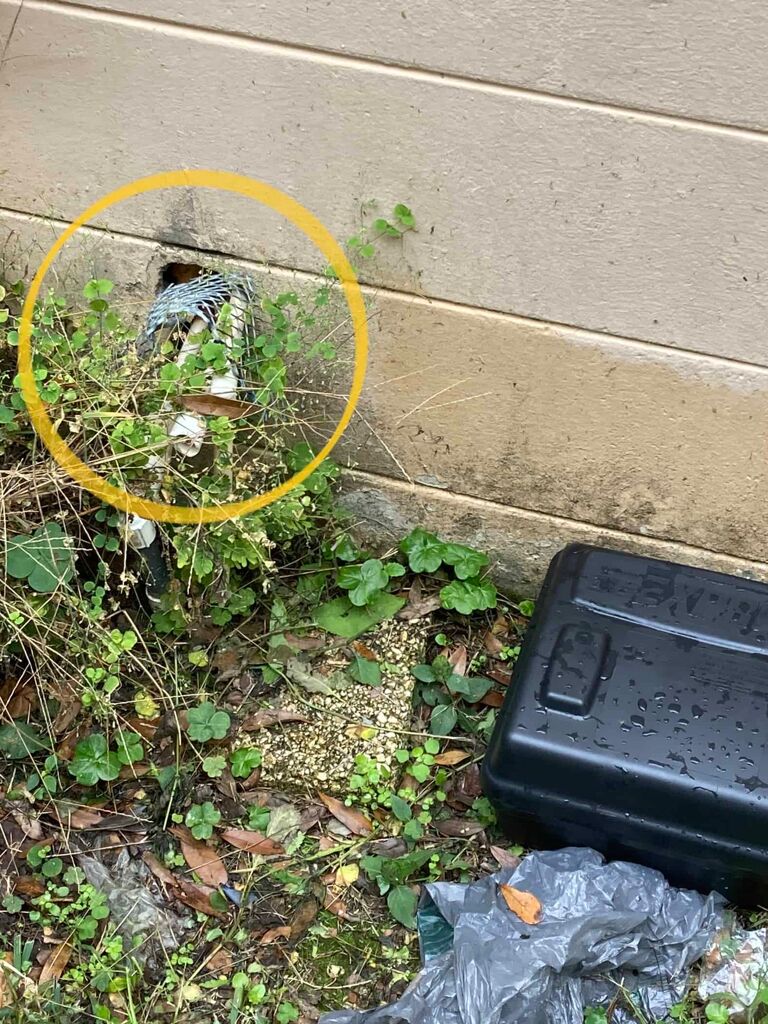
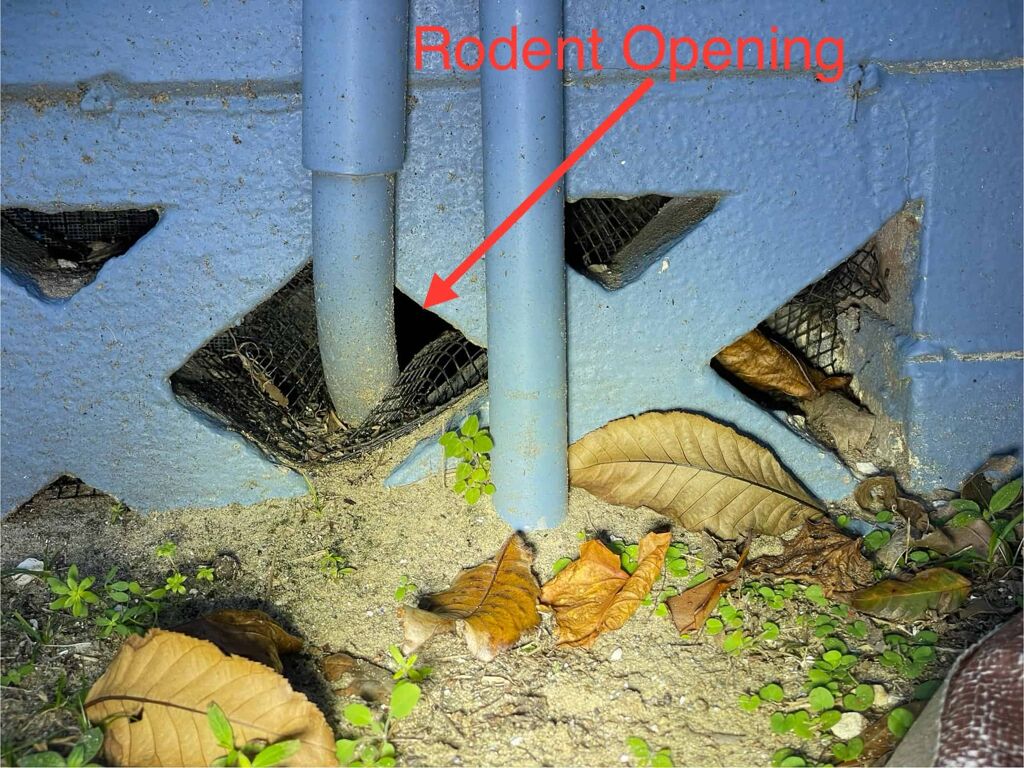
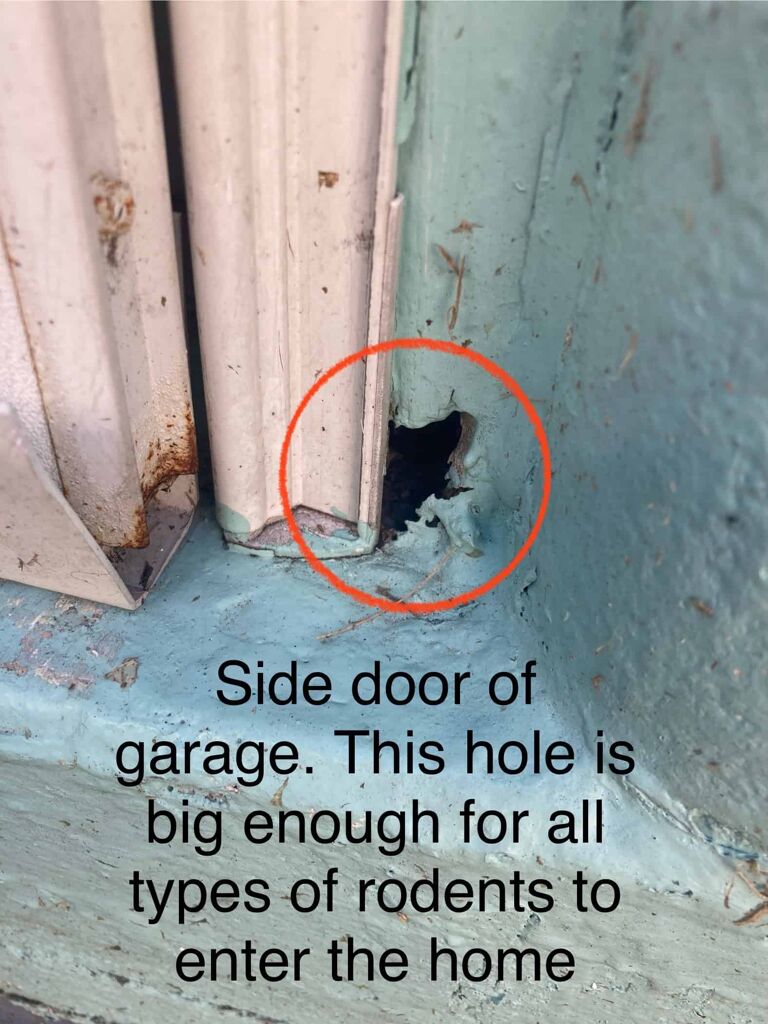
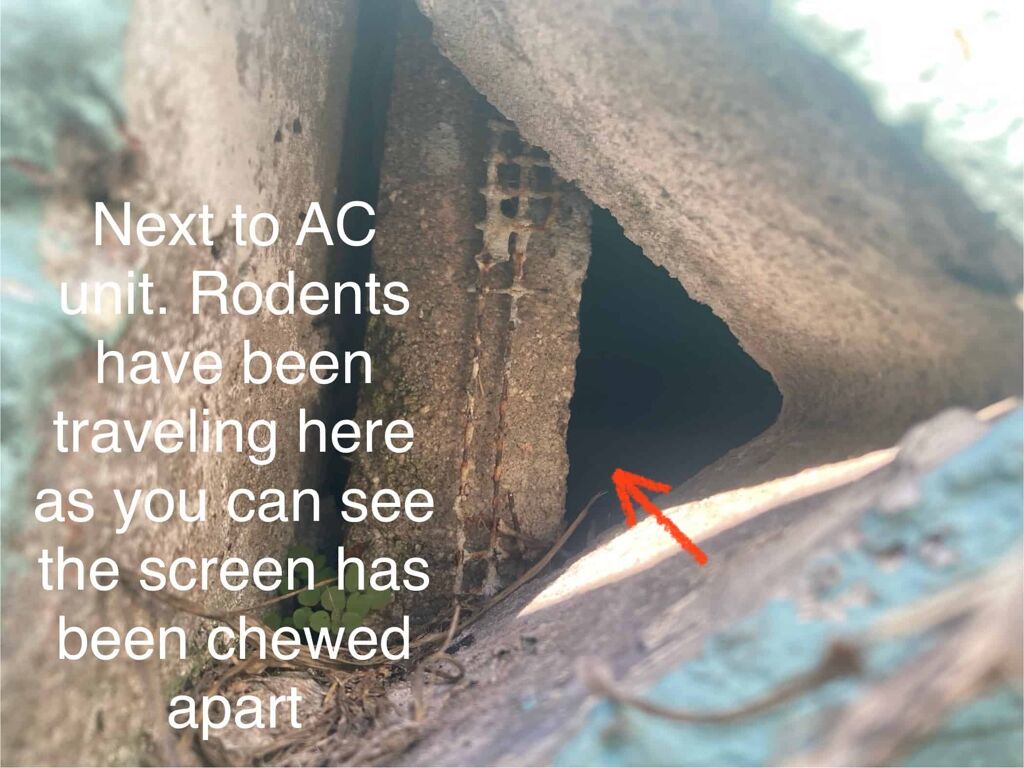
    Wildlife exclusion starts with a thorough inspection of the home to identify areas that need exclusion work. Most wildlife and other pests enter our homes looking for harborage (pest control technician lingo for “shelter”) or to give birth. Some of the most common entry points are chimneys, chimney flashing, roof vents, fascia, damaged roof shingles, construction gaps, roof valleys and gutters. Remember, it only takes an opening the size of your thumb for rats to get inside your home, so a good inspection is a thorough one. A good pest control expert will take his time and leave no place unexamined.

    Chimney openings are a frequent point of entry for wildlife. Tools do vary by job—since each job will be different—but often these openings can be fixed with a standard cap (exposed or single flue) nut driver, crown coat, wire brush, disposable paint brush and duct tape. A good pest control technician will note what needs to adjusted or repaired as well as what needs to be left alone.

    Gable vents, frequently slatted vents for attics and crawl spaces, are another likely wildlife entry point. They should always be custom screened from the outside. It is possible to have exterior screening that is aesthetically pleasing while providing excellent exclusion. We use 1/4 inch hardware cloth cut to fit over the inner lip of the gable vent. Self-tapping screws can be drilled into the wood to hold the hardware cloth in place. Make sure there are no gaps. Another expert trick to make our repairs more visually appealing is to paint the screws before installation to help blend finished repair. Roofing suppliers have touch-up metal paint to match most trim colors.

    Not all vents are created equal though. For example, dryer vents should never be screened/covered because of potential fire hazard while exhaust vents for bathrooms can be screened. In addition to fire risk, covered dryer vents often collect lint that shorten the life of appliances. That said, metal dryer vents can also be used, and they are insect, rodent and reptile resistant. There are some specialty guards out there. For example, HY/C Roof Vent Guards stop large wildlife entry and nesting, and Xclusion Pro roof vent guards will stop wildlife.

    When it comes to sealing gaps, take care. Do not use canned gap and crack filler to seal openings. Commercial foam and sealant products made for wildlife exclusion would be better suited since wildlife, including squirrels and rodents, will easily chew thru this material in minutes. You can also use a product like Pest-Blok or Xcluder instead. Pest Blok can be custom ordered to address long soffit runs. The entire ridge vent can be protected from entry/damage using Rat Guard. Our pest control experts have found that commercial foam and sealant products made for wildlife exclusion tend to be more effective than most readily available residential products.

    Another area to examine is weep holes, the intentional holes in the exteriors of buildings to ventilate and drain the cavity between internal and external walls. Weep holes are commonly entered by mice and reptiles. Part of the problem is that weep hole covers are often poorly installed by the builders. We’ve found better covers make a difference. For example, we think Xcluder is the best choice for weep holes due to the flexibility of the material. Note: you should always use heavy duty gloves when handling Xcluder and a face shield or eye protection if working overhead due to the small stainless steel fibers that can fall into your eyes or mouth.

    As stated earlier, exclusion is the most cost effective way to keep wildlife out of our homes. It’s also less expensive than having to find, catch, and remove pests from insects to mice to squirrels or raccoons after they’re already inside. As seen above, some wildlife exclusion can be done any diligent homeowner. That said, there’s a strong case for hiring pest control experts that are trained in trapping and removing wildlife and performing exclusion work. 

  • Anticoagulant Rodenticides – Limiting Accidental Exposure

    Rats are a common problem in the pest control business. As exterminators, we implicitly know a lot about rodenticides, often known publicly to consumers as “rat poison.”

    Limiting accidental exposure

    The use of anticoagulant rodenticides is a widespread practice in the United States. These pesticides are highly lethal, causing internal bleeding that leads to certain death. Unfortunately, sometimes non target species are being exposed. even when primary and secondary exposure is unlikely.

    More research needs to be done in order to figure out how these unintended exposures are occurring. In the mean time it is imperative that not only the general population but licensed professionals ensure that while these pesticides are still in use they are being administered in the utmost responsible way possible. All factors need to be considered. It is our duty as an industry to keep our customers safe from pests while keeping our environment safe from our products.

    Second generation anticoagulant rodenticide explained

    Rodenticides are often introduced to a pest in the form of a feed block. First generation anticoagulant rodenticides require several feedings to kill the target. Second generation anticoagulant rodenticides such as difethialone, difenacoum, and brodifacoum are lethal poisons that require just one feeding to kill. Anticoagulants stop the liver from producing a special enzyme that allows vitamin K to be recycled. Vitamin K is used to make blood clotting agents that keep the body from bleeding too much. Once an anticoagulant enters the body, blood loses its ability to clot, causing internal bleeding and ultimately death.

    The use of second generation anticoagulant rodenticides is widespread in the United States and has had some unfortunate and unintended consequences on wildlife. The target species for anticoagulant rodenticides are generally rats and mice. However, several non target species are being exposed to these rodenticides, such as domesticated and feral cats, birds, squirrels, coyotes, and mountain lions.

    Some of the accidental exposures in predatory animals can be explained. For example the coyote eats a rat that has been exposed to a toxin and gets secondary exposure. Even though bait boxes are designed to allow only target pests such as rats and mice to enter, there is video evidence of squirrels fitting through the openings. Rats have also been observed dragging loose bait out of boxes. Both of these occurrences can explain exposure to squirrels and birds. The focus is on the mountain lion because it is strictly carnivorous and is unlikely to eat loose bait.

    There are a few different things that we can do to stop unintended primary and secondary exposures. The first is to ensure that the pesticides are being administered responsibly. Some of these rodenticides are available for purchase on the internet both legally and illegally to unlicensed persons. Some of this accidental exposure can be chalked up to human error—usually from consumers than by licensed rodent exterminators.

    There is evidence that humans are the cause of at least some of the exposures to not target species by simply spreading the laced feed blocks out in the open without the use of a bait box or similar contraption.

    At Dave’s Pest Control, we train all our rodent exterminators how to follow intended guidelines for rodenticide. However, not all exterminators are high quality. It is unknown if every pest control technician is following proper guidelines when applying rodenticides. Are the boxes being used and properly secured with the lid fastened and the box anchored? The boxes themselves have been seen to not only allow non target pests to enter but to be chewed through by them as well. Perhaps the material used to make the boxes needs to be stronger. There are current studies being conducted to see if raising the boxes off the ground by pole or tree could reduce the number of unintended exposures. Finally perhaps there are alternative methods of controlling target pests in urban areas. All options should be explored.

    Even though we’re based in the Port Orange/Daytona Beach area of Florida’s Atlantic Coast, most of the data available is from studies done in the State of California. Other states have taken notice and are beginning to conduct studies of their own. However, until these studies are complete we’re stuck having to interpret Florida’s situation through the lense of California’s data. The problem is that many Florida species are not included in the study, since it mostly focuses on species found mostly in California and the Western United States. For example, non target species, such as the mountain lion in California, are somehow being exposed to these highly lethal pesticides.