Dave's Pest Control

Category: Roaches

  • Unwanted Guests: The German Cockroach

    The German cockroach (Blattella germanica) is a resilient and unwelcome guest in many homes and businesses worldwide. Known for its rapid reproduction and tenacity, this cockroach species has a long history of invading human habitats.

    This blog delves into the history, nomenclature, life cycle, common infestation locations, and the peculiar attraction of German cockroaches to electrical appliances.

    Common Myths about German Cockroach

    There are several common myths surrounding cockroaches. Here are a few:

    Myth: Cockroaches can survive a nuclear explosion.

    1. Fact: While cockroaches are hardy insects, they cannot survive extreme radiation levels from a nuclear explosion. This myth likely stems from their resilience in other conditions.

    Myth: Cockroaches are indestructible.

    2. Fact: Cockroaches are adaptable, but they are not invincible. They can be killed with pesticides and proper pest control measures.

    Myth: Cockroaches only infest dirty environments.

    3. Fact: Cockroaches can be found in clean environments too. They are attracted to food, water, and shelter, so even well-maintained spaces can be infested.

    Myth: Cockroaches can live without their heads.

    4. Fact: Cockroaches can survive for a short time without their heads, but they eventually die due to a lack of mouthparts to eat and drink.

    Myth: All cockroaches can fly.

    5. Fact: Not all cockroach species can fly. Some have wings but are not proficient fliers, while others are wingless.

    It’s important to separate fact from fiction when it comes to cockroaches to effectively manage and prevent infestations.

    A Historical Intrusion

    The German cockroach, despite its name, likely originated in Southeast Asia. It hitched a ride with early European explorers and settlers to reach other parts of the world, establishing itself as a global pest over centuries. The name “German cockroach” is believed to have been coined by English speakers in the 19th century, possibly because of the preponderance of European scientific work on cockroaches at the time.

    Cockroaches have intrigued and repelled humans for centuries. While they are often associated with filth and pestilence, they also hold a unique place in the realm of entomology due to their remarkable diversity. There are thousands of species of cockroaches distributed across the world.

    The history of Florida, as a part of the United States, is a tale of exploration, conflict, and cultural exchange. This southeastern peninsula was initially explored and reported upon by European adventurers in the early 16th century, with their accounts shedding light on the importance of this landmass to the emerging American nation. In this essay, we will delve into the first written reports about Florida, the Native American peoples who inhabited the region, and why it became a coveted possession for the United States.

    Exploration of Florida

    Florida’s recorded history begins with the arrival of Spanish explorer Juan Ponce de León in 1513. Ponce de León, in his quest for the legendary Fountain of Youth, became the first European to set foot on Florida’s soil. His arrival marked the beginning of European exploration and settlement in the region.

    The First Written Reports

    One of the earliest written reports about Florida came from Juan Ponce de León himself, who documented his explorations in a letter to King Ferdinand of Spain. His descriptions of Florida’s lush landscapes and abundant wildlife, along with its potential for colonization, piqued European interest in the area.

    Another significant account was written by Álvar Núñez Cabeza de Vaca, who was part of the ill-fated Narváez expedition in 1528. Cabeza de Vaca’s account, “Naufragios,” chronicled his harrowing journey across Florida and the southeastern United States. His observations of the Native American peoples he encountered added to the growing body of knowledge about the region.

    Native American Peoples of Florida

    Florida was home to several Native American tribes, each with its unique culture and history. The most prominent groups included the Timucua in the north and the Calusa in the southwest. The Timucua were skilled agriculturalists, cultivating maize, beans, and squash, while the Calusa were known for their maritime culture, relying heavily on fishing and trading.

    Florida’s strategic value became evident during the early 19th century when it was still under Spanish control. The United States viewed it as a potential threat due to the Seminole Wars, a series of conflicts with Seminole Native Americans who sought refuge in Florida. These wars highlighted the need to acquire Florida for national security.
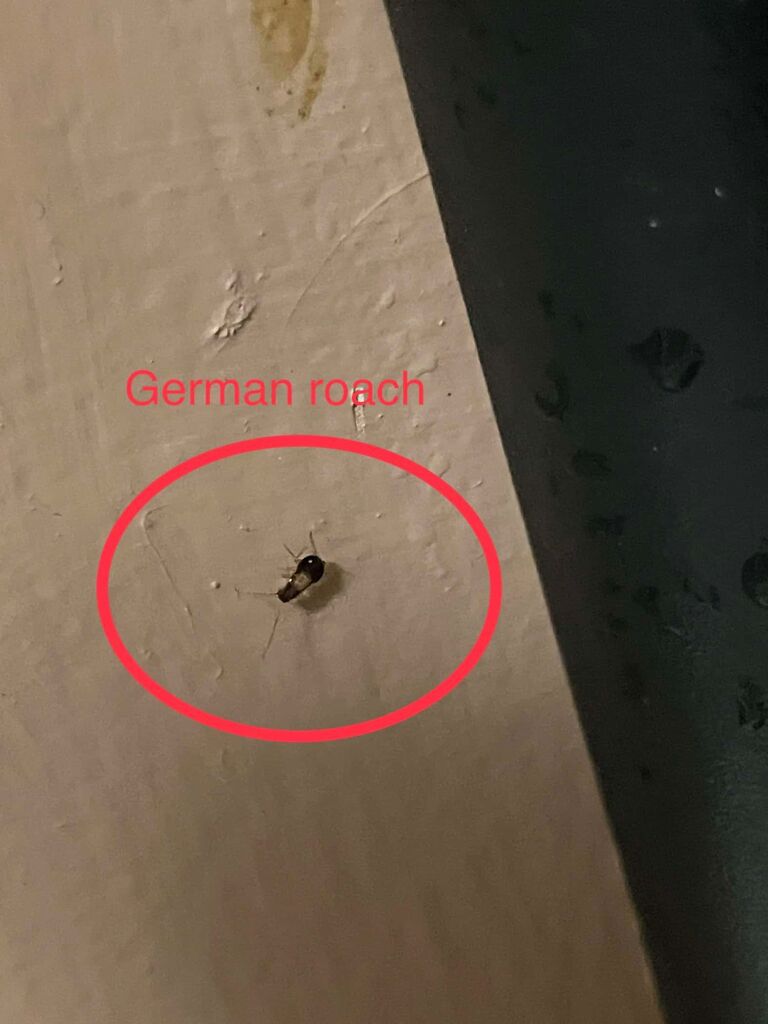
    Diversity of Cockroach Species

    Cockroaches belong to the order Blattodea, and within this order, there are several families and numerous species. Currently, over 4,600 species of cockroaches have been identified and documented by scientists. However, it is estimated that there may be many more undiscovered species, particularly in remote and unexplored regions.

    The most well-known family of cockroaches is the Blattidae family, which includes the infamous German cockroach (Blattella germanica) and American cockroach (Periplaneta americana). These species are commonly found in urban environments and are often associated with human dwellings. However, they represent just a fraction of the diverse cockroach family tree.

    Cockroaches can be found on every continent, except Antarctica, showcasing their adaptability to various environments. They thrive in tropical rainforests, arid deserts, and even high mountain ranges. Each species has evolved unique characteristics to survive in their specific habitats.

    Adaptations and Ecological Roles

    Cockroaches are renowned for their adaptability and resilience. They are among the oldest insects on Earth, with fossil evidence dating back over 300 million years. This remarkable longevity is a testament to their ability to adapt to changing environments. These insects play vital ecological roles in their ecosystems. They are decomposers, feeding on decaying organic matter, and help recycle nutrients. Some species are important prey items for birds, amphibians, and reptiles, contributing to the food web.

    Notable Species

    While it is impossible to cover all 4,600+ cockroach species in this essay, a few noteworthy examples illustrate the diversity within this insect order:

    1. Madagascar Hissing Cockroach (Gromphadorhina portentosa): Native to Madagascar, these large cockroaches are known for their distinctive hissing sound, produced by expelling air through openings in their abdomen.
    2. Giant Burrowing Cockroach (Macropanesthia rhinoceros): Found in Australia, these massive cockroaches are among the heaviest insects in the world and live underground in burrows.
    3. Death’s Head Cockroach (Blaberus craniifer): Named for the skull-like pattern on its thorax, this striking cockroach species inhabits Central and South America.

    Cockroaches are much more than the pests that occasionally invade our homes. They are a diverse and ancient group of insects that have adapted to a wide range of environments. Their ability to thrive in diverse ecosystems, from the rainforests of Madagascar to the deserts of Australia, showcases their resilience and evolutionary success. Understanding and appreciating the incredible diversity of cockroach species can provide valuable insights into the natural world and the importance of these insects in ecological systems.

    Apart from Termites, Roaches are the number one cause for homeowners to call a professional pest control company for help.

    Life Cycle of German Cockroaches

    Understanding the life cycle of German cockroaches is crucial for effective control:

    1. Egg Stage: The life cycle begins with the egg, which is encased in a protective casing called an ootheca. Each ootheca contains around 30 to 40 eggs.
    2. Nymph Stage: After about a month, the nymphs emerge from the ootheca. Nymphs are smaller versions of adult cockroaches, lacking wings.
    3. Molt and Growth: Nymphs undergo multiple molts, shedding their exoskeletons as they grow. The number of molts varies, but it’s typically 5 to 7 before they reach adulthood.
    4. Adult Stage: Once they’ve molted enough times, the nymphs become adults. Adult German cockroaches have wings and are capable of reproducing.
    5. Reproduction: Adult females can produce several oothecae throughout their lifetime, each containing dozens of eggs. This rapid reproduction is one reason why German cockroach infestations can quickly escalate.

    Common Infestation Locations

    German cockroaches are highly adaptable and can thrive in various environments. They are commonly found in:

    Kitchens and Bathrooms: These areas provide ample food sources and moisture.
    Electrical Appliances: German cockroaches often infest electrical appliances like microwaves, toasters, and refrigerators. They are attracted to the warmth and electrical currents produced by these devices.
    Cracks and Crevices: They prefer hiding in small, dark, and secluded spaces, making them difficult to detect.

    Attraction to Electrical Appliances

    The specific attraction of German cockroaches to electrical appliances can be attributed to two main factors:

    1. Warmth: Cockroaches are ectothermic, meaning they rely on external sources for warmth. Electrical appliances emit heat, making them an enticing hiding place, especially in cooler environments.
    2. Electrical Currents: German cockroaches are known to be attracted to electrical fields. This behavior, called electroreception, is not fully understood but is believed to be related to their search for mates or shelter.

    German cockroaches, despite their name, have infiltrated homes and businesses across the world. Understanding their life cycle, preferred habitats, and the peculiar attraction to electrical appliances is crucial for effective control and prevention. For homeowners and business owners, regular cleaning, sealing entry points, and having a professional pest control company, like Dave’s Pest Control, are key to keeping these unwelcome guests at bay.

    Call us today for a free estimate for your home, business or condominium.

  • Clean and Sanitary Living: Protect Your Home from Pantry Pests

    Clean and Sanitary Living: Protect Your Home from Pantry Pests

    Imagine going about your day-to-day activities, unaware that tiny creatures are lurking around, spreading germs and diseases that can harm you and your loved ones. From food contamination to airborne illnesses, these creepy crawlies can create a breeding ground for microorganisms that put your family at risk. Bugs are a common problem in many homes, but did you know that they can also make your home unsanitary? That’s right, pests such as cockroaches, ants, and even rodents can carry diseases and bacteria.

    Think about it: These pests are crawling around in your kitchen, in your pantry, and even in your bedrooms. It’s easy to underestimate the impact of bugs on your home’s overall cleanliness. These tiny creatures may seem insignificant, but their presence can lead to a host of unsanitary conditions. From tiny droplets of saliva and excrement to disease-ridden body parts, pests can contaminate every corner of your living space. And with the ability to reproduce quickly, a few pests can quickly turn into a full-blown infestation, making your home an even more unsanitary environment.

    Some of the bigger problems are created by Pantry Bugs. Pantry bugs, also known as stored product pests or pantry pests, are insects that infest and feed on stored food items such as grains, flour, cereal, spices, and dried fruits. Some common types of pantry bugs include:

    Types of Pantry Bugs

    • Indian meal moths: These moths lay eggs in food products, and their larvae can cause damage to stored grains, nuts, and dried fruits.
    • Flour beetles: Flour beetles feed on flour, cereal, and other grain products.
    • Weevils: Weevils are small beetles that infest grains, beans, and nuts.
    • Drugstore beetles: Drugstore beetles feed on a wide range of stored foods, including spices, grains, and dried fruits.

    These pests can be a nuisance in households, grocery stores, and food processing facilities. They can contaminate your food, spread germs, and cause allergic reactions. And once they’ve infested your home, it can be difficult to get rid of them. Bugs can make your home unsanitary in several ways:

    Why Should Pantry Bugs be Eliminated

    • Contamination of food: The thought of bugs infiltrating your pantry is enough to make anyone shudder. However, this is not just an unpleasant thought but a real risk. Pests such as cockroaches, ants, and rodents can easily access your food storage areas, leaving behind a trail of droppings, saliva, and even dead bodies. This can cause food poisoning and other health issues.
    • Spread of germs: With their six spiny legs and sticky pads, bugs like cockroaches can scuttle across contaminated surfaces and then deposit germs onto other objects and surfaces that they come in contact with. Similarly, house flies carry bacteria and pathogens on their hairy bodies and legs and transfer them to food and other surfaces as they land on them.
    • Allergic reactions: The microscopic particles and proteins that bugs leave behind as they move through your living space can trigger a range of unpleasant reactions, from sneezing and coughing to itchy eyes and runny noses. This is particularly true when it comes to dust mites, which are commonly found in bedding, carpeting, and other soft surfaces. These tiny creatures feed on dead skin cells shed by humans and pets, and their waste can contain potent allergens that can cause significant discomfort.
    • Unpleasant odors: Bugs like cockroaches and some beetles can produce unpleasant odors that can affect the air quality in your home.

    Fortunately, there are many ways to combat the unsanitary conditions that pests can bring into your home. And with our professional pest control services, we can help you take action to protect your living space and your health. Alongside our expert assistance, there are also several simple steps that homeowners can take to rid their homes of bugs.

    Steps to Get Rid of Bugs

    • Keep a clean home: Regularly cleaning and vacuuming can help reduce the number of bugs in your home. Be sure to focus on areas where bugs are commonly found, such as the kitchen and bathrooms.
    • Seal entry points: Bugs can enter your home through small cracks and crevices. Seal any gaps or holes around windows, doors, and pipes to prevent bugs from entering.
    • Eliminate food sources: Bugs are attracted to food, so be sure to keep your kitchen clean and store food in sealed containers. Also, take out the trash regularly and keep the garbage area clean.
    • Maintain your garden: Keep your garden and lawn clean, trim the bushes, and remove any standing water. This will help to reduce the number of bugs in your yard.
    • Use natural remedies: There are a variety of natural remedies that can help repel or kill bugs, such as essential oils, diatomaceous earth, and boric acid.
    • Professional pest control: If you have a significant bug infestation, it may be best to call Dave’s Pest Control. We can identify the specific type of bugs and develop a treatment plan to eliminate them.
    • Regular Inspection: Get your house regularly inspected, and if you find any signs of bugs, don’t wait, act promptly.

    Here at Dave’s Pest Control, our treatments are safe for your family and pets, and are effective in eliminating pests. We use the latest technology and products to ensure that your home is safe from pests. But our service doesn’t stop there. We also provide ongoing prevention and maintenance to keep pests away for good. Our team will work with you to implement measures such as sealing entry points, removing food sources, and providing regular inspections to ensure that your home remains pest-free.

    Call Dave’s Pest Control today to schedule an inspection and learn more about our pest solutions. Our trained professionals will help you identify entry points, remove existing infestations, and implement preventative measures to protect your home and your family. Protect your home and your health by taking action today.

  • Roaches, Silverfish, and Spiders—Oh, my!

    Roaches, Silverfish, and Spiders—Oh, my!

    No other bug prompts more calls to pest control technicians than cockroaches. The very sight of them sends chills down your spine. We are repulsed by them and abhor their presence.

    Can they fly? That is a good question, answered by some interesting facts.

    While the American roach cannot fly in the true sense of the word, it can  glide from a high spot like a tree limb down to the ground. Sometimes you can be just minding your own business and accidentally step into the flight path of one of these gliding repugnant roaches which then lands on your head and gets tangled up in your hair—a nightmare scenario!

    No matter what part of the country you live in, your home is not safe from cockroaches. They can effortlessly crawl through small openings or cracks and enter your home.  They often find their way into your cupboard with other well known pantry pests.

    These little bugs have been pestering humans from time immemorial. Archeologists recently found an ancient cockroach preserved in amber. Initially, studies suggested the roach was over 200 million years old, but new evidence suggests roaches as a species are far older than previously thought. New theories state that cockroaches are over 350 million years old, dating back to when all the land masses on earth were joined together in what is called a supercontinent.

    Roaches are survivors. They’ve survived the last five extinctions and will no doubt survive the next one.

    There are over 4,500 different types of roaches in the world, but the good news is that only about 70 species live in the United States. Among these roaches are two groups: domestic roaches and non-domestic roaches.

    American roaches, aka palmetto bugs, are large roaches that live outdoors. They thrive in warm, dark, and damp environments. Seeking moisture, they are often found in and around plumbing lines in bathrooms and kitchens. Refrigerators and dishwashers are common areas frequented by roaches.

    German Roaches

    These roaches live and breed sharing living space with humans. German roaches do not live outdoors; they wouldn’t survive the colder winters found in the northern parts of our state. The fact that these roaches have been become domestic—living with humans—is a testament to their survival. No sane person would live with these most unwelcome guests. They are foul, sickening bugs, daily multiplying. Surely, we intelligent humans should be able to stop and kill such a small bug. Although they do not fly, they move quickly; but not so fast we can’t smash them with a shoe or our hand.

    German roaches existed and have survived for thousands upon thousands of years living with humans because of their sheer numbers. They can multiply extremely fast. While human females give birth in about 9 months, a German roach gestation period is about 28 days. One egg can contain 35 or more nymphs.

    Remarkably, these tiny roaches look nothing like they will after molting a few times. They are so miniscule, they can easily crawl into things we carry around like shoes, purses, bags, clothing, electronics, and many other things.

    Finding just one German roach in your home is cause for alarm. Never think you just have one roach. While roaches will probably outlast humans for dominance on our planet, you don’t have to let them dominate your home. Call Dave’s Pest Control at first sight of a roach.

    Silverfish

    First, silverfish are not fish at all; they are bugs found throughout Volusia and Flagler Counties. They get their name from their silver color and because they move like a fish. They are closely related to another similar bug called a fire brat. Fire brats seek out warmth and often are found near a home’s furnace or stove.

    Customers often see silverfish scurrying across the floor and wonder, “What is that? Where did it come from?”

    These small bugs do not eat other bugs; instead, they feed on paper, hair, clothes, books, magazines, and many other household items. Many people have found old pictures of deceased loved ones with holes chewed in them by silverfish.

    They are frequently found in attics feeding on the paper backing of the home’s attic insulation. With a seemingly endless supply of food and a stable environment, attics are the perfect home for silverfish.

    Silverfish can also be found in bathrooms and kitchens. They are attracted to moisture and will feed on mold created in high humidity environments. Sometimes they can get stuck in your bathtub or sink; silverfish cannot climb out of a tub or sink because the porcelain is too smooth for them to gain traction.

    Silverfish are millions of years old. Their reproduction systems differ from most other insects. Instead of being born as one organism and metamorphosing into another, silverfish are born identical to the adult silverfish. Molting as they grow, they will get larger with each stage in their development. Silverfish can molt 30 or more times in one year and have scales which are different from most other insects.

    Most true insects, through evolution, develop wings for flight, but not silverfish. They are still the same bug that they were millions of years ago. Insects that developed wings have a great advantage over other insects that cannot fly.

    Bugs that fly can reach various kinds of food and keep clear of potential predators or danger. It is not known why some bugs evolved, gaining  wings, while others did not. It is theorized that some insects had to adapt to extreme climate changes while others were able to survive hiding under rocks, as silverfish did.

    Many bugs have exoskeletons that are comparable to other mammals such as humans that have endoskeletons—internal skeletons. A bug’s exoskeleton is made of chitin. Chitin gives the exoskeleton strength and stability.

    Exoskeletons protect a bug’s soft insides. It’s akin to having a suit of metal armor like the knights wore in medieval Europe. This hard protective shell is found on hundreds of organisms like ants, bees, roaches, and beetles, to name a few. Marine life such as lobsters, crabs, clams, and oysters also have exoskeletons.

    Exoskeletons not only prevent damage and injuries to organisms, but also inhibits water loss. An insect’s muscles will also attach to their exoskeleton for locomotion. The exoskeletons of silverfish are covered in small hairs that can pick up insecticide dust easily.

    Another remarkable trait is silverfish can live up to 300 days without feeding. They shirk from light and prefer to live under rocks or any other object that hides them from the light.

    Silverfish have three long “antennas” on their rear end. Two of them are called cerci that are not antennas at all. Cerci are modified legs that have developed over millions of years of evolution. Many bugs have cerci like the cockroach which have two. They are used for discerning the world around them.

    The third long antenna-like extension is used for balance, movement. and reproduction. It contains ovarioles which are part of their reproductive system. Many insects and bugs have this ancient type of ovaries used for reproduction.

    Silverfish live in warm, humid environments. Finding a lot of silverfish could be an indication you have a moisture problem, perhaps a leaky pipe or condensation from cool air conditioning lines housed in a super-hot attic.

    In New Smyrna Beach, we found a large subterranean termite colony in an attic. While treating for the termites, many silverfish were discovered living in the attic, practically side by side with the termites. We also found hundreds of spiders and other bugs taking advantage of the moisture in the attic. It was determined that the air conditioning was being vented into the attic. The mix of super-hot attic air and the cool air from the air conditioner created an ideal place for bugs to live, feed, and reproduce.

    Spiders

    There are many kinds of spiders in Volusia and Flagler Counties. We often see those like the garden spider or the golden orb weaver. Then there are some spiders that are hard to find, and we hope never to see!

    In our part of the world, venomous spiders are not as commonly found as non-venomous spiders. The common household spider only exists to catch bugs like mosquitos and do not pose a threat to the safety of humans. If one were to bite you, you would only suffer some mild irritation and swelling at the bite area.  Learn more in this blog about common spiders in Florida.


    False Widow Spiders

    We also have what are called false widow spiders. Hiding in darkness, they are often mistaken for real black widows. The bad news is false widows also have an extremely painful bite. The good news is they are not as harmful to humans as black widow spiders are.

    False widow spiders are similar in shape to other widow spiders. They are brown in color with lighter markings on their large abdomens. The females are larger than the males and are found in dark places like under rocks or fallen trees.

    Although they have a venomous bite, it is not a potent one. Usually, a bite from a false widow spider is like a sting from a wasp or bee.

    Black Widow and Brown Widow Spiders

    The black widow spider and the brown widow spider are commonly found in our part of Florida. They are usually found in corners of homes and shy away from people. They only will bite if they feel threatened. This usually happens by accidentally pressing on the spider’s body. People have been bitten by a black widow spider that was hiding inside a shoe or in bed sheets.

    Black widows are easily identified by their black bodies and distinctive red hourglass shape on their abdomen. They are small but can deliver a lot of venom.

    Brown widows are also common in Volusia and Flagler Counties. Brown widows are larger than black widows and look very similar. Since they are larger, they can deliver a more potent bite with more venom than a black widow.

    Regular pest control treatment to the outside of your home will greatly help reduce the presence of spiders and roaches. Additionally, interior treatments also work well at stopping roaches and spiders from getting very far. An attic dusting can last for years and is a great way to stop pesky silverfish from eating paper goods and cardboard boxes that you might store up there.

    Call us today for a free estimate for your home or business.

  • The Alien Invasion – Roaches

    The Alien Invasion – Roaches

    There is an alien invader living amongst us. It is a creature of nightmares. It can take over our homes. It feeds on everything humans have ever created. It thrives on human settlements and human waste.  It will cannibalize, eating their own to survive. It can even live for up to two weeks – without its head! They give off a repugnant, unmistakable odor. You know them and you fear them. What is this alien creature that threatens and plagues the human race?

    Blattella germanica: The German Roach

    As if they were from another planet, roaches have plagued us from the beginning of time. Seeing just one scurry and dash across the floor can send a chill up your spine. They disgust us. They repulse us. Abhorrent creatures from which nightmares are born. Why my home? Why me? Why do they exist you may also wonder. What process would create such a vile and loathsome bug? What part do roaches play in nature? When they breach our threshold of conscious perception, our fright or flight response forces us to take action.

    Earth

    The earliest known roach fossil dates back to the Carboniferous period. Earth had a higher oxygen content than it does today and invertebrates like cockroaches were humongous. Fossil evidence show roaches and many other insects dated to this period were monstrous in size. Originating from warm, tropical regions, roaches have had 300 million years to expand and adapt to new environments all over the world. Luckily for us, giant roaches are now extinct. It would be shocking and horrifying to see a 60 pound roach, the size of small child, crawling across your kitchen floor!

    The German Cockroach did not originate from Germany at all. Entomologists agree they most likely originated in southeast Asia millions of years ago. As Europeans traveled to South Asia for trade, it is entirely possible that roaches went along for the ride. Establishing themselves in new environments, these insects were a favorite diet for leopard gekos, lizzards and frogs. However they reproduced very quickly and flourished, dispite being swallowed whole by cold blooded lizzards, frogs and other amphibians.

    So what is so German about these roaches? Truth is, they have absolutely nothing to due with the Germans. In the early 18th century, scientists used Latin names for identifying insects. Blattella is Latin for, “an insect that shuns the light”. So they were named Blattella Germanica as they were thought to originate in Germany. They were found all over European homes and the name stuck. Entschuldigung Leute aus Deutschland.

    Coming to America

    As Europeans traveled and settled in the New World, so did these roaches. Hidden among ships and the cargo they held, roaches easily adapted to new environments. Without natural predators, these roaches spread quickly. Rapid infestations were common. There were no chemical control measures and people had to smash them when they inevitably crawled out from the bacteria infested refuge from which they hide. Omnivorous scavengers seeking out sugars, starches and decaying organic matter. Even known to consume hair, grease, glue and finger nail clippings. When populations of roaches become extreme, they will cannibalize their own for food. This cannibalistic behavior is actually common among many insects. There is over 1500 insects that are recorded to consume their own species for food. Yummy.

    Today, there is roughly 7 billion humans on Earth. Compared to insects, which are estimated to be 10 quintillion. Thats 10,000,000,000,000,000,000! Thats alot of bugs. German roaches are one of many social insects that produce huge populations. They can adapt to almost any environment but prefer damp, humid conditions. They also favor electrical outlets and appliances. Mainly nocturnal, they will run when exposed to light. However, some roaches like the Asian cockroach are attracted to light surfaces. All roaches are believed to use pheromones to communicate and distinguish between different populations of cockroach by odor. German roaches give off a pungent, awful smell. This is exacerbated when populations become large. One German roach can have up to 50 nymphs. They carry an egg sac called an ootheca on their back. It is composed of a hard material that protects it from predators and insecticides. Once the nymphs are born, it takes on average 100 days to grow into an adult. If this was not bad enough, german roaches can spread bacterial diseases that cause food poisoning like Salmonella. You can get stomach pain, dysentery and diarrhea from infected food. They can also spread bacteria such as Streptococcus and Staphylococcus.

    Get Rid of them

    All people really want to know is how to get rid of them. That is ware facts and fiction begin to blur. There are hundreds of videos and opinions on how to get rid of german roaches. Many people try to do it themselves in two ways, The organic and “natural” home remedy way, or the spray can way from the local store. An example of a more natural way would be to use diatomaceous earth.

    Diatomaceous earth which is made from the fossilized remains of tiny, aquatic organisms called diatoms. When insects like roaches crawl thru diatomaceous earth, their internal moisture is absorbed thru its exoskeleton and the roach will dry out and die. Additionally, diatomaceous earth is sharp and will cut into the roach, expediting the process.

    Unfortunately this method does not work well when dealing with german roaches. They reproduce much quicker than diatoms can kill them. Furthermore, you cannot put diatomaceous earth in certain areas. As an example, you would be ill advised to put diatomaceous earth in your toaster or microwave.

    Doing it yourself with store bought pesticides is the most common way people deal with German roaches when they see them for the first time. Spraying a few roaches may temporarily seem to fix the problem, but many people soon recognize they have a considerable larger problem. Tiny German roach nymphs begin to appear weeks after your initial sighting. What may look like different roaches altogether, are in fact german roaches. They’re just at different stages in their life cycle. German roaches have an incomplete metamorphosis: the egg, nymph, and adult. It takes about 100 days to complete their life cycle.

    So the question still remains: How do I get rid of german roaches?


    Call a professional and reputable pest control company like Dave’s Pest Control. Do not be ashamed you have roaches. There is a stigma attached that your home must be dirty if you have roaches. This is not true. Many people have accidently brought German roaches into their home just by purchasing a kitchen appliance. What is true is that roaches will feed on anything. A dirty home will intensify a roach colony more rapidly than a clean home.

    German roaches are much more resilient to chemical methods. Recent studies have found german roaches are rapidly developing resistance to many of the common insecticides being used today. Since they typically live about 100 days, they are able to quickly pass their genes to the next generation. German roaches cannot live without water. They can live up to 6 weeks without eating, but without water, they will die much quicker. Since roaches cannot live without water, they are often found near sources of water. Kitchen and bathrooms are the most common. Damp basements and other areas of homes with high humidity can also harbor roaches. The electrical current that powers our homes attract german roaches. They seek out the warmth created from the flow of electrons in our appliances wiring. Refrigerators, toasters, microwaves, crock pots and dishwashers are all common items that German roaches will infest.

    Calling a professional pest control company like Dave’s Pest Control is the best advice. Having a professional means your getting decades of combined experience in combating these repulsive insects. Our pest control technicians are experts in identifying german roaches. They will find their hiding spots, and eliminate them. Most people who have tried to do it themselves, inadvertently made the problem much worse by driving them deeper into the walls and cabinets of their homes. This can give the impression that they are unable to be wiped out completely. This is false. If identified quickly, and treated correctly, they can be eradicated. No matter how bad the problem is, Dave’s Pest Control can rid your home of all pests.