Dave's Pest Control

Category: Roaches

  • How To Get Rid of Roaches in Your House Without Killing Them?

    How To Get Rid of Roaches in Your House Without Killing Them?

    Living in this world means dealing with all kinds of pests. Some we get used to, some we don’t. Few are easy to manage while others test our nerves. Many people reach for the spray or the trap but what about those who just can’t bring themselves to kill them? Especially when it comes to roaches – finding how to get rid of roaches in your house without killing them can feel tricky.

    In this blog, we’ve shared plenty of ways to remove roaches using humane methods & natural pest control. Roaches might be unwanted guests but there are thoughtful, kind ways to keep them outside where they belong! Let’s keep reading. 

    a man seeing lots of roaches under a couch

    How To Get Rid of Roaches in Your House Without Killing Them?

    Roaches can be a little hard to get rid of, if killing them is not on your list.

    There are plenty of ways to get rid of roaches. Some work fast, some take time, but the best long-term strategy is simple: deny them what they want. Stop providing them ‘food’. Roaches aren’t picky. The eat skin flakes, hair, breadcrumbs, feces, mucus, even paper, and paint. Cut off their access. Close all cabinets tightly, clean under the sink as well and never leave food particles scattered around your home as baby cockroaches feed on them & grow fast. Repeating again- clean your home thoroughly. Vacuum every part including inside cabinets and drawers because even if the roaches are gone their droppings might still be there.

    Along with cleaning, here are a few extra tips to help keep roaches away without killing them:

    • Do the dishes before bed every night.
    • Don’t leave doors open at night.
    • Take the trash out daily, especially at night.
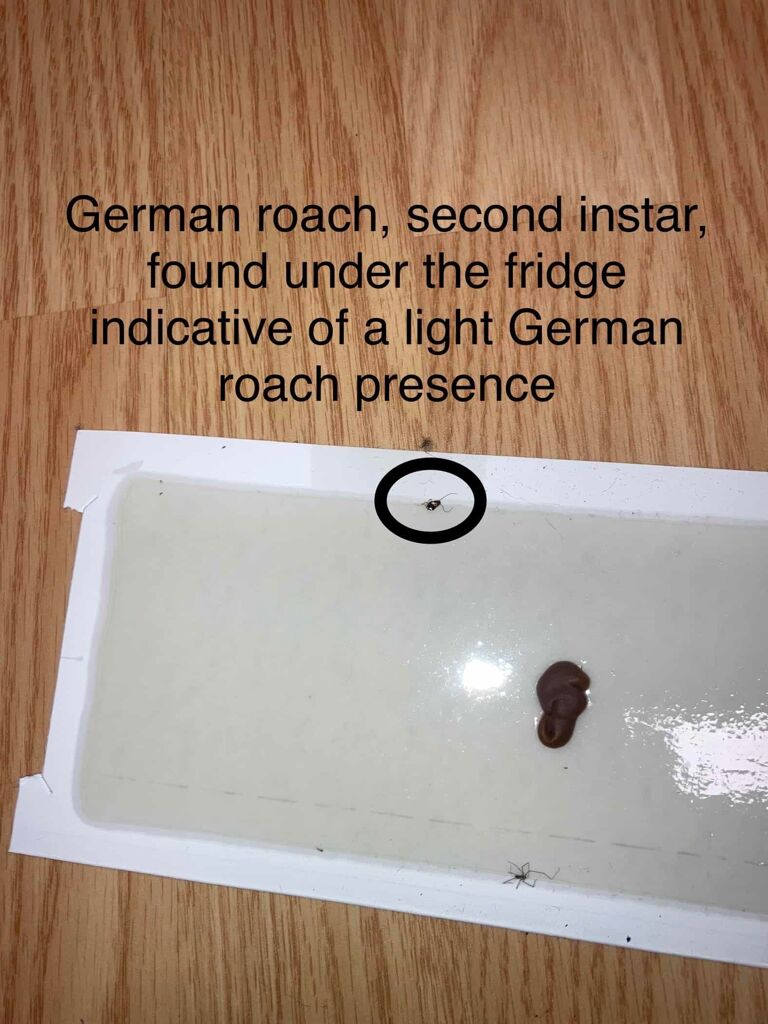
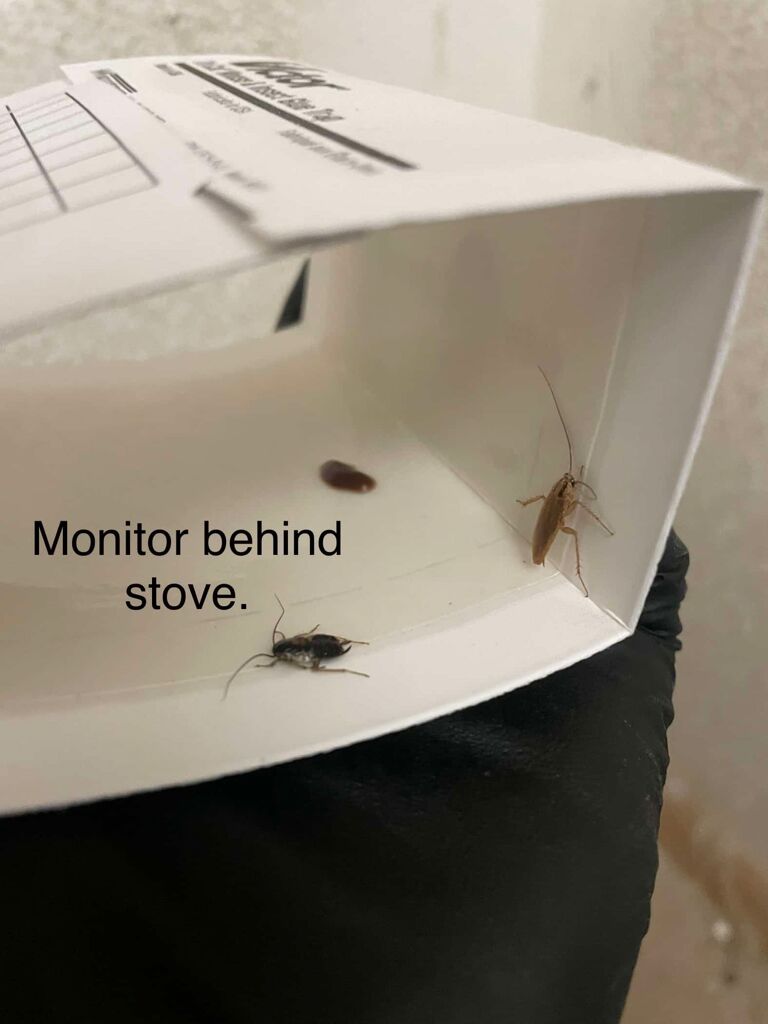
    • Place glue traps near potential spots where roaches might sneak in.
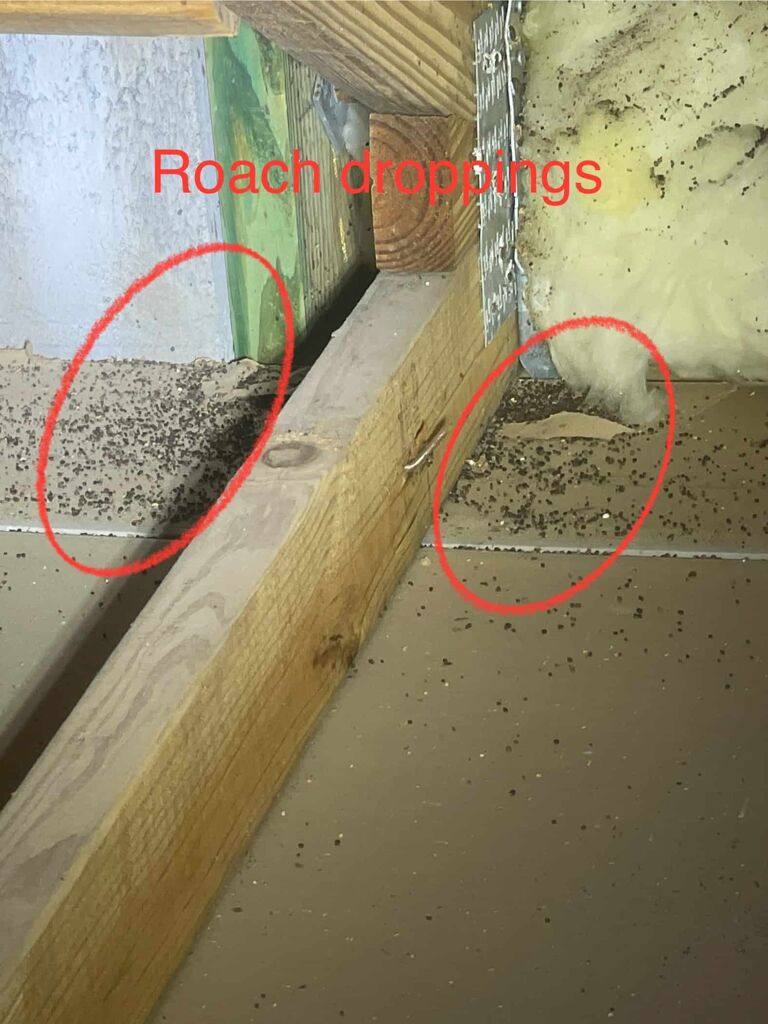
    • Look for the droppings in dark spaces. 
    • Clean the infested area first & dont forget to sanitize it afterwards. 

    Best Home Remedies to Repel Cockroaches

    Now here are some DIY ways that can help you clean your place from roaches without considering the need of killing them:

    Moisture Control for Roach Prevention

    Just like we talked about above, if you want to stop seeing pests around, put an end to their resource supply. Roaches tend to live in places that are hard to recognize (dark corners, cracks, and crevices) where they can stay cozy and well-fed. And nothing draws them in like moisture. Control the moisture in these places. Patch up leaks, dry out damp areas and make sure water isn’t pooling where it shouldn’t. Once you clean your home and there are no leaks and no food resources left outside (not even on counters, shelves or any other hidden place), you’ve minimized the chances of roaches showing up without even killing them. 

    Bay Leaves to Repel Roaches Naturally

    Bay leaves are one of those natural tricks that work against roaches. They act as a repellent and keep roaches and other pests away without harming them. Just place a few leaves in the darker corners of your home, under the sink, behind the fridge or near entry points. For quick effect, sprinkle a bit of olive oil or lemon oil on them. The strong aroma makes the scent even harder for roaches to ignore and hence makes way for their departure.

    Neem Leaves for Humane Roach Control

    Neem leaves can be used as a substitute if bay leaves are not available. Neem leaves have a strong odor that helps in keeping the place clean from any kind of pests. If you put them at different corners of your home where roaches seem to look for, that can be proved as one fine way of getting rid of cockroaches without killing them.

    Boric Acid for Safe Roach Removal

    Get boric acid; you can easily find it on the Amazon store. Once you have it, head to any hardware store and buy a puffer. Fill it with boric acid. Spray the acid at every place which is infested or could be infested in the near future. Leave the area for a while and the next morning, clean it thoroughly. Make sure to remove both the dead roaches and the residue.

    (During my research, I came across a case study about a man living in a building that was heavily infested with roaches. Without hiring any pest control services, he managed to eliminate the infestation on his own by using this boric acid method. He applied the powder throughout his apartment and by the next morning, he cleaned up the dead roaches. For the next five years, he didn’t see a single roach return. Again he was very careful with the mess; he cleared up everything, including the food particles and all that can invite roaches into a home.) 

    Advion Gel Alternative for Roach Control

    Diatomaceous earth is another natural solution that can help control roaches without the use of harmful chemicals. It can be sprinkled in areas where roaches frequently visit. While it can harm them, it works by dehydrating them rather than being a poison. It is non-toxic to humans and pets, only remains hard against pests. 

    Diatomaceous earth powder in a red spoon used for natural roach control in homes.

    Advion Gel.

    Advion gel works much like a glue trap. You can place it around cabinets and corners and for better results, sprinkle a bit of boric acid over it. Start by cleaning the cabinets thoroughly, it’s even better if you wipe the floor with a disinfectant. Then, apply Advion gel around all cabinets and corners, especially where food particles might be left behind. The gel will trap roaches before they cross the barrier. Remember to repeat the process every 3–4 days for the best results.

    Get Rid of Roaches Without Killing Them: Pest Control Help

    If all these DIY strategies don’t work out for you, it’s best to get help from a pest control company. They’ll not only help you get rid of roaches but you also won’t have to get your hands dirty in the process or deal with all those tricky techniques yourself. Go for the pros and watch the roaches go!

    Eco-Friendly Pest Control Services Near You

    Dave’s Pest Control is a proud family-owned business that has been serving Floridians for over 45 years. We’ve helped hundreds of families tackle their pest problems, and many of them continue to trust us for regular service.

    Our roach removal team responds quickly, targets infestations efficiently and uses methods that are friendly to both your family & pets.

    Why Remove Roaches Without Killing Them?

    We are sentimentalists. We don’t find peace in killing pests despite the mess they’ve caused us. But that still doesn’t deny the fact that roaches are actually very harmful. They not only bring a lot of mess into your home but can also spread diseases, some of which can be fatal. So, if you’re seeing roaches and thinking they’re just a “mess,” know that they’re much more than that. The live, crawling roaches are a concern but that’s not the only problem. Their droppings can be just as dangerous. Even if you’ve managed to kick them out and seal every entry point, their droppings might still be there and those alone can cause illness. So, remember, droppings are a red flag too and shouldn’t be ignored just because the roaches are gone.

    Fun Facts About Roaches You Won’t Believe

    Did you know roaches are actually older than dinosaurs? They’ve been around for over 300 million years! So, if you ever look at one and wonder how long it can live, just know it might outlast more than you’d expect!

    Conclusion

    If you are a person who wants to get rid of roaches without killing them, there are plenty of ways. The process might be slow and effort-taking (compared to the fast, typical killing methods) but you will surely reclaim your place without harming these creatures. The methods include thorough cleaning of your home, the use of boric acid, strategic placement of bay or neem leaves, use of Diatomaceous Earth powder and making traps around corners with the help of Advion gel. You will see results- a roach free space in a while, but definitely worth the patience. 

    After all, not all battles need to be fought with sprays and traps, some can be won with patience and care! 

  • How Long Do Cockroaches Live

    How Long Do Cockroaches Live

    Cockroaches have superhuman survival abilities. They can spend weeks without food, function without heads, withstand crushing pressure and detect the slightest movements around them. They have seen the world evolving, shaping into an altogether different universe, and are going to stay till the very end.

    We see their life cycle and wonder, How long do cockroaches live? Are they going to surpass us? Will we, the humans, be friends with roaches since they seem like the only mates we’ll have at the end?   

    Cockroaches are so resilient, I can see us sharing a shoulder with them.

    How Long Do Cockroaches Live

    This depends on factors like temperature, humidity, and food availability. If the conditions are just right, most common household cockroaches can live anywhere between 6 to 15 months. Nevertheless, certain species can live significantly longer when provided with ideal conditions.

    Life Cycle of Cockroach

    Cockroaches have lived on Earth for more than 200 million years. This makes them one of the oldest surviving insect species. Their remarkable ability to survive and reproduce has allowed them to persist through environmental changes that wiped out countless other species. We’ve seen dinosaurs go extinct, but roaches? I’m sure they’ll be around to see whatever comes next.

    The life cycle of a cockroach includes Egg, nymph, and adult stages.

    Cockroach life cycle diagram showing egg, nymph, and adult stages in a circular flow.

    The Egg Stage

    Female cockroaches produce protective egg cases called ootheca. These cases have small leather capsules that include 10–55 eggs; the number varies from species to species. The German cockroach produces the highest number 30 to 40 eggs per case. Most cockroaches are oviparous, meaning their eggs develop outside the mother’s body. The incubation period lasts one to two months, but this also depends on environmental factors that can accelerate or slow this process. If the factors are all favorable eggs can hatch in as little as 24 days, and if not, the process can extend to over 100 days.

    The Nymph Stage

    After hatching cockroaches enter the nymph phase. These immature cockroaches physically resemble adults but are smaller, wingless, and lighter in color. Think of them as human babies, smaller in size and still developing their features. During this stage, nymphs undergo multiple molts (also called instars), shedding their exoskeletons to grow larger. The number of molts varies by species. American cockroaches experience 10 to 13 molts before reaching maturity. The nymph stage can last anywhere from a few months to nearly a year, again depending on species and environmental conditions.

    The Adult Stage

    After their final molt, we see a grown-up cockroach, fully functional and all sexually mature. Adult cockroaches measure 1.5 to 3 inches long with three pairs of legs, two pairs of wings, and long antennae. Most species have wings, but many rarely fly. They prefer to crawl rapidly at speeds up to 2 to 3 miles per hour. In this stage, the mature roaches go for reproduction. The average cockroach lifespan ranges from one to two years; again, some species can live up to a decade under favorable conditions.

    What do Cockroaches Eat?

    Cockroaches are omnivores which is why you’ll see them eating almost anything. It can be leftover food, dirty dishes, human shredded skin, corners of books, and when desperate, they’ll even make a meal out of hair, skin flakes, fingernail clippings, soap, toothpaste, and even wallpaper paste.

    How Long Can Cockroaches Survive Without Water & Food?

    A month without food and a week without water, generally! But it also depends on the species of cockroach we’re talking about. It’s impossible to starve them since they can find food even in the tiniest corners of your home. This quality has made them incredibly resilient & quick.

    Citing the facts, cockroaches have an alien-like ability when food sources disappear. The larger American cockroaches can survive an astonishing two to three months without any food or water. German cockroaches, which we generally see around, can endure up to 42 days without food.

    Starving is never a big deal for them because their metabolism is very cooperative. They can slow it down according to need. They can take their meal from minimal sources like postage stamp glue or book bindings.

    How Many Eggs Do Cockroaches Lay?

    The egg-producing capacity of cockroaches is amazing. It’s fast & a lot. A single female can generate multiple oothecae throughout her lifetime. She needs to mate just once in her life, and after that, she continues to reproduce until the very end. The roach tribe is so big that we’d even lose track of their numbers. This explosive reproductive potential explains why infestations can grow in the blink of an eye. Here’s a quick overview:

    • German cockroaches produce 4-6 oothecae in their lifetime, each containing approximately 30-40 eggs. Under optimal conditions, a single German cockroach and her offspring could theoretically produce an astonishing 300,000 roaches in just one year.
    • American cockroaches create 6-14 oothecae, with each holding about 14-16 eggs.
    • Oriental cockroaches generate around 8 oothecae (about 1 per week), each containing approximately 16 eggs.
    • Brown-banded cockroaches produce 10-20 oothecae, each carrying 10-18 eggs.

    How Long Do American, German, Oriental & Brown-banded Cockroaches Live

    Talking in terms of the best favorable conditions:

    1. American cockroaches survive for approximately one year (365-400 days). However, the gender difference is substantial; males live up to 362 days, whereas females can survive an astonishing 700+ days.
    2. German cockroaches have shorter lifespans, averaging 100-200 days. Yet their rapid reproductive rate compensates for this shorter existence.
    3. Oriental cockroaches generally live 6 months to 1 year. More precisely, females survive around 180 days, whereas males live about 160 days.
    4. Brown-banded cockroaches live for approximately 6-8 months (about 80 days in warm temperatures).

    Can Cockroaches Live Without Their Heads?

    This question might not relate directly to our study, but I just had to include it.

    Yes! And that’s definitely the most shocking survival fact. Cockroaches can live for up to a week without their head. Roaming around headless is no big deal for them. Cockroaches breathe through tiny openings called spiracles that are located all over their bodies. When decapitated, their open circulatory system actually forms a natural seal at the neck. In the end, headless roaches don’t die from injury… they die from dehydration, since they can’t drink water without a mouth.

    Stop the Cockroach Infestation Before It Gets to the Head

    The smart move is prevention; don’t wait for the problem to escalate. Act early, before things get out of control. If you see cockroach droppings or any signs of infestation, call your local pest control service as soon as possible. Cockroach infestations not only make your home look dirty but also pose serious health risks. Cockroaches can even bite residents in high level infestation.

    Dave’s Pest Control has a dedicated team of professionals who specialize in cockroach infestations. We arrive sharp, inspect your place thoroughly, and leave it better than ever!

    Conclusion

    Cockroaches live long because of their resilient and ever-evolving nature. They have lived on Earth for over 300 million years, outlasting dinosaurs and adapting to countless environmental changes. Their life cycle has three stages egg, nymph and adult. Common household cockroaches can live anywhere between 6 to 15 months. Nevertheless, certain species can live significantly longer when provided with ideal conditions.


  • What Do Cockroaches Look Like?

    What Do Cockroaches Look Like?

    If you’ve ever Googled the term ‘What Do Cockroaches Look Like?’ you’ve probably come across some creepy insect and weren’t quite sure if it was a cockroach.

    Well, we’ve got you! Cockroaches can be red, black, reddish black, or even have a hint of yellow as they age. These colors blend and give them a brownish hue. These tiny insects have slender, narrow legs, usually six, depending on the species and a very flat, oval-shaped body. So, if you’re wondering how they manage to get into your pantry, or cupboard, it’s a piece of cake for them. That’s all made possible by their flattened, flexible shape.

    We’ve got a lot to talk about when it comes to the look and appearance of roaches. There’s so much information on the table. Stick around, and let’s dive right in! (Just a fun fact: cockroaches have never googled what humans look like!)

    Bugs That Look Like Roaches

    There are plenty of bugs that look a lot like cockroaches (don’t worry, we won’t judge you if you’ve mixed them up). These look-alikes are often mistaken for water bugs, crickets, or ground beetles. But it’s important to tell the difference, especially if you get bitten, so you can identify the real culprit and not confuse it with something else.

    Here’s a quick table to help you understand their differences more clearly:

    [table id=3/]


    What Do Roaches Look Like?

    As per the World Health Organization, cockroaches are one of the resilient insects on the planet. They have been around for a long time, and some studies even say they might outlast humans (talk about tough competition!)  

    Cockroaches have oily bodies that help them adapt to room temperature, making them feel right at home, no matter whose home it is (now we know why they act like everyone’s place is theirs). They’re mostly reddish-brown, but their color changes over time, from dark to lighter shades. Depending on the species, some roaches can be as dark as charcoal. Their heads are small and fragile, tucked under a shield-like pronotum. This shield acts like armor, protecting them from sudden attacks and other dangers.

    As for their legs, most—if not all—species have six thin, antenna-like legs. These spiny legs help them run incredibly fast. So even if you try to step on one, it’ll likely get away. (Honestly, we might lose a race!)

    Types of Cockroaches  

    Cockroaches have an extended family tree. They have lots of types, approximately 4,600 known species worldwide. The most common of them are the American and German cockroach, followed by the Oriental cockroach, and the Brown banded cockroach. Let’s see the difference between them:

    [table id=4/]

    What Do Cockroach Bites Look Like?

    Cockroaches can bite on rare occasions, usually only when they’re in survival mode. They have mouthparts designed for tearing, chewing, and swallowing food. They typically don’t bite, but if they do, they tend to go after eyelashes, hair, and even fingernails. Here’s a fun bit of history: there’s an old folktale about ancient ships so overrun with roaches in their confined quarters that sailors ended up with their eyelashes eaten away by these pesky insects.

    If a cockroach bites you, you might notice a red bump, similar to other insect bites. The area could itch and swell, much like a mosquito bite. Just keep it safe and dry, and hopefully you won’t get any severe infection. However, if you’re facing a serious cockroach infestation and getting bitten frequently, the risk of infection could become a concern and you should definitely visit the doctor for treatment.

    Male vs Female Cockroaches – What’s the difference?

    Male cockroaches are typically smaller than females, but this can vary depending on the types; some types have males and females that are about the same size. For example, in Oriental Cockroaches, females don’t have wings while males do and can easily fly from one corner of the room to another. (So, when it comes to the battle of the sexes, some roaches definitely have the upper hand!)

    For better understanding and emphasis, let’s have a look at this table:

    [table id=5 /]

    What Do Cockroach Eggs Look Like?

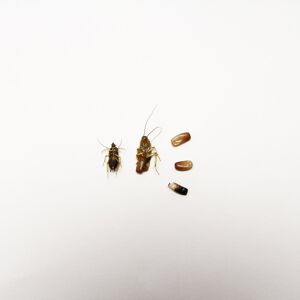
    Cockroach eggs are called Oothecae (yes, we even have a name for that, too). They come in oval shape and a dark brown, nearly reddish tone, and about 5/16 of an inch long. The cockroaches we usually see around are American cockroaches, and they lay 14 to 16 eggs inside each protective case.

    cockroach eggs

    Female cockroaches create egg capsules within their bodies and then lay them from the tips of their abdomens. So, how do they keep these cases safe and stuck to their bodies? They use secretions from their mouths like glue. If you spot dark brown capsules stuck to walls or the undersides of objects in out-of-the-way places, those are probably American cockroach eggs, and they’re likely filled with Baby Cockroaches ready to hatch.

    How to Get Rid of Cockroaches

    There’s just one clear answer to that: hygiene! Clean your home or space thoroughly. Get into every crack and corner. Scrub every inch, seal every tunnel they could sneak through. Don’t forget dark spots, they love places where sunlight doesn’t reach. Check the pantry and cabinets, wipe away the cockroach droppings, dry up those ever-so-wet pipelines, empty and spray the garbage can. And yes, they even make homes in wall cracks—so seal those up, too. (Cockroaches are uninvited guests, but even they don’t stick around where they’re not welcome!)

    If deep cleaning and other methods fail, we’re here to help. At Dave’s Pest Control, our team uses safe and effective methods to get rid of cockroaches quickly. Call us now and let us take care of the rest!

    Conclusion

    Cockroaches are insects we see often. People mix them with water bugs, crickets, or ground beetles, but cockroaches have a distinct identity all their own. They come in shades, mostly red, black, reddish-black, and even a touch of yellow as they age. But no matter their color or shape, one thing’s for sure: cockroaches can bite, especially when they’re in survival mode. So, stay alert and stay safe.

  • Baby Cockroaches: All You Need to Know

    Baby Cockroaches: All You Need to Know

    Cockroaches are very common pests usually found in every second home in Florida, but what happens when you spot a baby cockroach? These small insects are a sign that a larger infestation could be lurking in your home or has already taken place.

    Let’s get deeper into this article and see what actually a baby cockroach is, how to identify them, their behavior and habits, and tips to get rid of them before they infest in homes.

    What Is a Baby Cockroach?

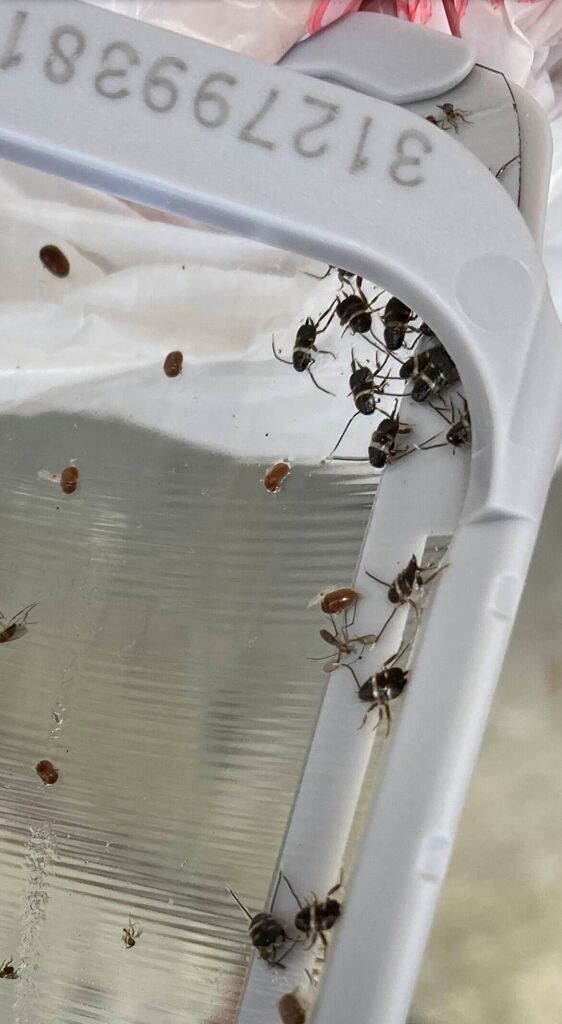
    A baby roach is also known as a nymph and it is a first stage of cockroach life cycle after being hatched. Baby cockroaches look like smaller versions of adult cockroaches but without wings.

    What Do Baby Cockroaches Look Like?

    Baby cockroaches can be considered as smaller versions of adult cockroaches but without wings and often have a lighter color.

    • Size: They are between 1/16 to 1/8 inch long in size.
    • Color: When we talk about their color, baby cockroaches are often white or pale as soon as they are being hatched but turn a reddish-brown or darker shade rapidly.
    • Shape: Their shape is almost similar to adult roaches but they lack developed wings.

    Life Cycle of a Cockroach

    Life cycle of roaches has three main stages: Egg, Nymph and Adult. It is very important to understand the lifecycle of roaches as it helps controlling an infestation in our homes.

    1. Egg Stage

    Female cockroaches lay eggs in protective casings called oothecae. Each ootheca contains 10 to 50 eggs depending on the type of cockroach.

    Life Cycle of Roaches

    1.  Nymph Stage (Baby Cockroach)

    After being hatched, baby cockroaches emerge as nymphs, the second stage of their life cycle. They lack wings and move very fast at this stage.

    1. Adult Stage

    This is the final stage where a roach being an adult, has wings and reproductive abilities, and is responsible for reproduction which makes the life cycle keep going.

    Where Do Baby Cockroaches Hide?

    There are some common spots in homes that baby roaches consider the safest places to hide. Common hiding spots include:

    • Kitchens
    • Bathrooms
    • Cracks and Crevices
    • Cluttered Areas

    Roaches mostly keep themselves hidden throughout the day and become active at night.

    What Do Baby Cockroaches Eat?

    Their diet is similar to adult cockroaches but less in quantity. They consume:

    • Food leftovers
    • Paper
    • Cardboard
    • Hair and skin flakes
    • Starch and sugar
    • Organic materials
    • Other insects

    Are Baby Cockroaches Dangerous?

    Baby cockroaches are not too dangerous when it comes to spreading diseases but they can be the carrier to several issues like:

    Health risks:

    Cockroaches can easily spread bacteria like Salmonella leading to food contamination and illness.

    Allergies and Asthma:

    Cockroach droppings and shed skins can cause allergies and exacerbate asthma symptoms.

    Rapid Reproduction:

    Baby cockroaches have a speedy growth and they turn into adults quickly. Their fast reproduction process makes it difficult to control the infestations.

    Key Indicators of a Cockroach Infestation

    Let’s look at some common signs which indicate the roach infestation in homes.

    • Multiple nymph sightings

    If you see one baby cockroach, there are surely a lot more hidden and you could be dealing with an extensive colony.

    • Droppings

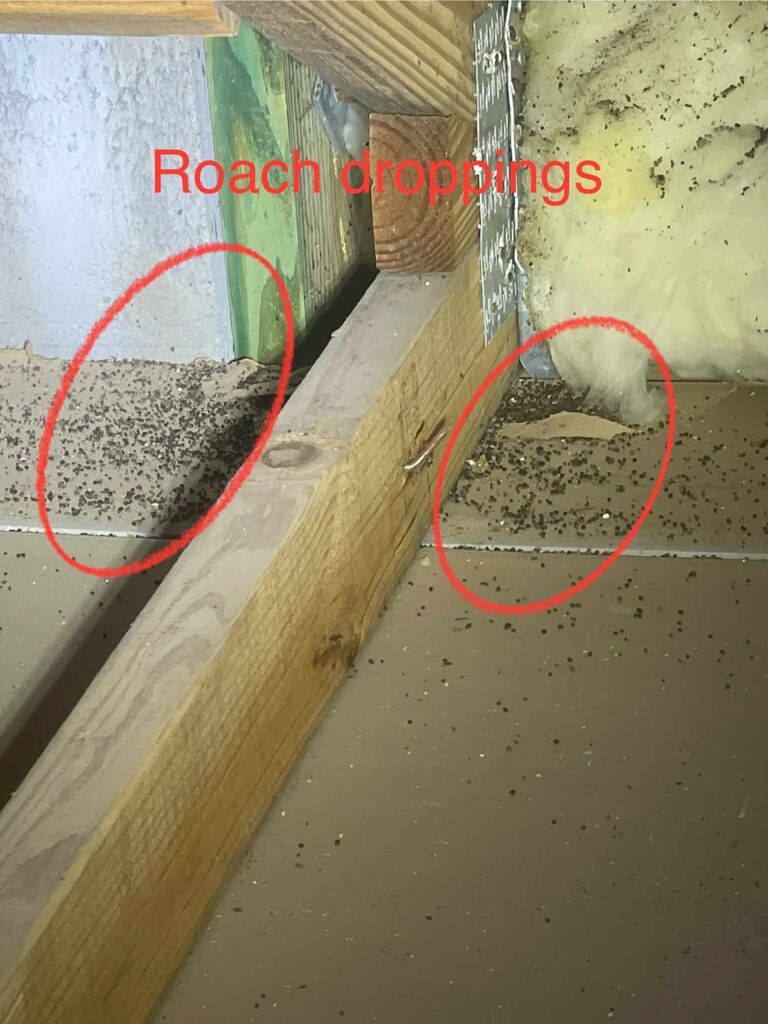
    Cockroach poop can be considered as a proper indicator of infestation. It resembles black pepper or coffee grounds so whenever you see something similar, you should call a professional roach exterminator near you as you must be facing infestation in your home.

    • Egg casings

    Finding oothecae (egg casings) around your home is a major red flag and indicates their presence.

    • Unpleasant odor

    Cockroaches release a very unpleasant odor, especially in large infestations.

    How to Get Rid of Baby Cockroaches

    It is very difficult to deal with their infestation as these baby roaches keep themselves hidden throughout the day and comes out at night only in search of food.

    Here are some effective methods for getting rid of baby cockroaches:

    1. Eliminate Food Sources

    Cockroaches easily grow in environment with easy access to food and water. So, eliminating food sources should be the very first step to get rid of baby roaches. Keep your kitchen clean and store the food in proper airtight containers. Dispose off your dustbins and garbage daily to avoid attracting cockroaches.

    1. Seal Entry Points

    Roaches need a very small gap to enter into the houses. Make sure to seal all the entry points including any cracks, gaps and crevices specially around doors, pipes and windows.

    1. Use Baits and Traps

    Cockroach baits and traps are very effective when it comes to controlling the adult and baby roaches. These baits basically attract the roaches, which then carry the poison back to their nests, killing the colony.

    • Gel baits: Apply gel bait in crevices and areas where baby cockroaches are hiding.
    • Bait stations: Place these around common infestation areas like kitchens and bathrooms.
    1. Apply Insecticides

    Insecticides can be used to kill baby cockroaches on contact. However, it’s important to use products that are safe for indoor use and follow the instructions carefully.

    • Boric acid: This is a natural insecticide that’s toxic to cockroaches. Sprinkle it around entry points and where you’ve seen cockroaches.
    • Diatomaceous earth: This powder dehydrates and kills cockroaches without using harsh chemicals.
    1. Call a Professional Exterminator

    If you see baby roaches, it means you have a severe infestation in your home and it might be impossible to get rid of them at your own so it is the right time to call a professional roach exterminator near you. These pest control companies have proper tools to eliminate roaches and other pests from your home. If you are based in central or south Florida, feel free to reach us. We provide pest exterminator services in Lakeland, Port Orange, Daytona, Davenport, Kissimmee, Longwood, Davie and other areas of Florida.

    Preventing Future Cockroach Infestations

    Once you have completely eliminated the baby cockroaches from your home, it is now time to take preventive steps to make sure they don’t come back.

    Fix gaps and leaks

    Cockroaches enter the homes through smaller gaps, so make sure to seal all the gaps. Also, repair any leaks to remove water sources.

    Vacuum Frequently

    Frequent vacuuming can help remove any food source or cockroach eggs that may be hidden anywhere inside home.

    Declutter

    Cockroaches love hiding in cluttered spaces. Keeping your home organized can reduce potential hiding spots.

    Nymph cockroaches in your home are a clear indicator of an infestation at a larger scale. Always choose a professional pest control service to take early and immediate actions to prevent this infestation and keep your home safe from roaches.

  • What Do Cockroach Droppings Look Like

    What Do Cockroach Droppings Look Like

    Cockroach infestations are a serious problem for the residents and business owners in Florida. Although cockroaches are well-known for spreading bacteria and diseases, one of the clearest indicators of their infestation is their droppings. Let’s see what cockroach poop looks like to make it easy for us to identify the level of infestation.

    Appearance of Cockroach Poop

    Appearance of cockroach droppings can be different depending on their type and size. But it can be identified through some of their characteristics i.e. size, shape, color etc.

    Different Types of Cockroach Droppings

    Every type of cockroach produces droppings but all of them vary in size, shape and appearance. Let’s dig into some common types and understand what their droppings look like:

    1. German Cockroach Droppings

    German cockroaches are the most common roach and are smaller in size. Their droppings are often found near food sources or in kitchen cabinets and drawers. Their droppings are extremely small in size like black pepper and are dark brown or black in color.

    1. American Cockroach Droppings

    American cockroaches are much larger than German cockroaches, and their droppings are easier to identify due to their size and shape. They are larger in size and nearly black in color, moreover the shape of their poop is more of a cylindrical shape with ridges along the sides.

    1. Oriental Cockroach Droppings

    Droppings of Oriental cockroaches can be found in damp, dark areas such as basements or under sinks. The size of their droppings is almost same as the American roaches but the color is black and shiny through which they can be identified.

    1. Brown-Banded Cockroach Droppings

    Brown-banded cockroaches are less common but can be found in warmer climates. Their droppings are often mistaken for other small debris like dust. Their dropping is very small in size similar to German roaches and have same color so they can only be identified through their appearance i.e. almost powder form.

    Where Can We Find Cockroach Poop?

    Roaches usually keep themselves hidden throughout the day which means their poop can often be found in hidden or hard-to-reach areas.

    Common places in home where you might find cockroach dropping:

    • Kitchens
    • Bathrooms
    • Basements or Attics
    • Pantries
    • Closets

    Cockroaches usually leave droppings in areas where they are feeding or nesting, so finding feces in these specific areas could indicate a larger infestation.

    How to Identify Cockroach Poop?

    It’s easy to confuse cockroach poop with droppings of other pests, especially rodents. Here are some factors to help you differentiate:

    Cockroach Poop vs. Mouse Droppings:

    Mouse droppings are larger up to 1/4 inch in size and have a more pointed shape whereas Cockroach droppings are smaller, more cylindrical, and have ridges.

    Cockroach Droppings vs. Termite Droppings:

    Termite droppings, also known as “frass,” are usually light brown or tan in color and have a more pellet-like appearance.

    Cockroach Droppings vs. Bed Bug Droppings:

    Bed bug droppings are small black or dark brown stains, often seen near the mattresses or bed frames. These stains are more like smudges than pellets or specks.

    Health Risks of Cockroach Droppings

    Cockroach droppings are not just an unpleasant sign of infestation; they also pose serious health risks. Cockroaches are known to carry bacteria, allergens, and pathogens that can be harmful to humans.

    • Allergies and Asthma: Cockroach droppings are common triggers for allergies and asthma. Inhaling particles of dried cockroach feces can cause respiratory issues, particularly in children.
    • Bacterial Contamination: Cockroach feces can spread harmful bacteria like Salmonella and E. coli. These bacteria can contaminate food leading to food poisoning.
    • Disease Transmission: Roaches can also carry viruses and parasites in their droppings, which may result in serious health issues.

    What to Do if You Find Cockroach Poop

    If you’ve found cockroach poop in your home, it’s important to take swift action. Here is what you can do:

    1. Clean the Area
      Cockroach poop contains bacteria, so the first step is to clean the affected area with a disinfectant. Wear gloves and a mask while cleaning to avoid exposure.
    1. Inspect for Infestation
      After cleaning, inspect the surrounding areas for more signs of infestation, such as egg casings, shed skins, or live cockroaches. Common places to check include dark corners, behind appliances, and inside cabinets.
    1. Set Traps or Use Bait
      Consider setting cockroach traps or applying cockroach bait in areas where droppings are found. This can help control the population and prevent further infestation.
    1. Call a Professional Pest Control Service
      If the infestation appears to be large or unmanageable, it’s best to call a professional roach exterminator. If you are based in central or south Florida, just reach out to us at Dave’s pest control, we have been providing pest control in Orlando, Port Orange, Lakeland, Pembroke Pines, Davie, Boynton Beach and all other areas of Florida. 

    Preventing a Cockroach Infestation

    The best way to avoid cockroach droppings in your home is to prevent roach infestation. Here are some tips for keeping cockroaches away from homes:

    Keep Your Home Clean:

    Regularly clean floors and kitchen appliances to remove food leftovers and other things that attract cockroaches.

    Seal Entry Points:

    Check for cracks and gaps in doors, windows, and walls. Seal them to prevent cockroaches from entering your home.

    Eliminate Water Sources:

    Fix any leaks in your plumbing and avoid leaving standing water in sinks or tubs, as cockroaches are attracted to moisture.

    Store Food Properly:

    Keep food in airtight containers and avoid leaving food out overnight.

    Remove Clutter:

    Cockroaches love hiding in clutter, so be sure to keep storage areas, basements, and attics tidy.

    Proper identification and prevention strategies are key to keeping your home free of cockroaches and their hazardous droppings. If you get to know what cockroach poop looks like, you can take quick actions and preventions to keep them away.

  • Say Goodbye to Bugs

    Say Goodbye to Bugs

    Living in central and eastern Florida comes with its fair share of natural beauty—sunny weather, scenic landscapes, and a warm climate that attracts tourists and locals alike. However, Florida’s warm and humid environment also provides the perfect conditions for various pests, especially roaches, to thrive.
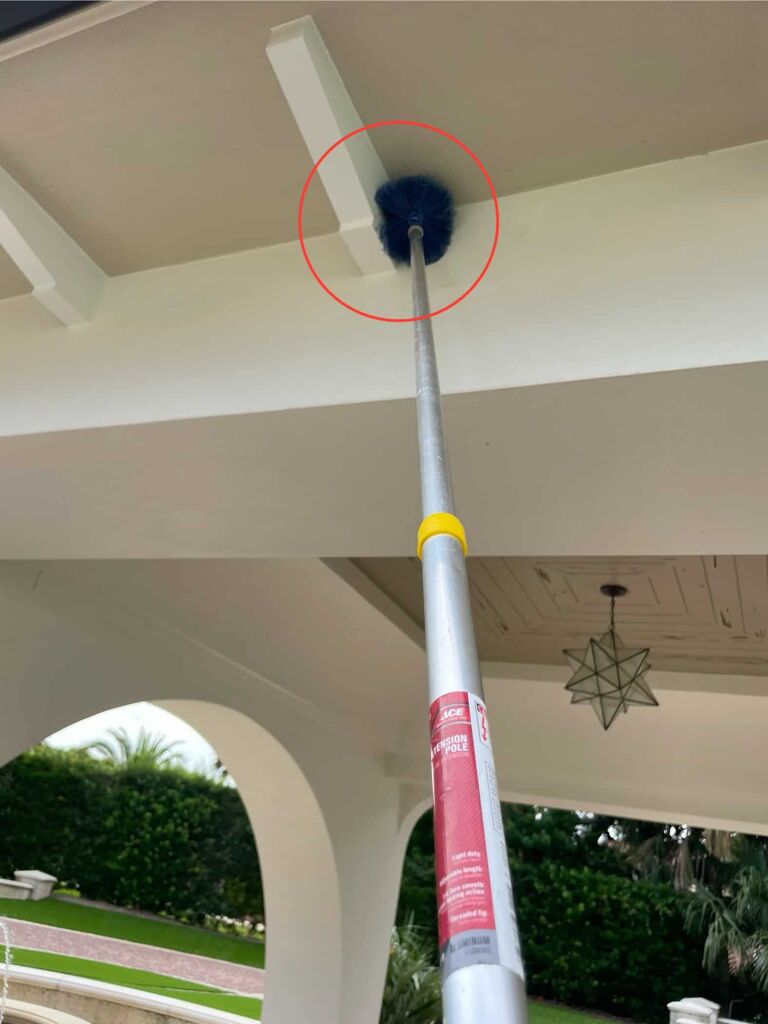
    At Dave’s Pest Control, we understand the unique pest challenges faced by Florida residents and offer expert services to eliminate pests from your home, allowing you to spend less time worrying about bugs and more time enjoying your home. 

    The Number One Pest in Florida: Roaches

    Roaches are considered the number one pest in Florida, with the German cockroach being the most prevalent species. German cockroaches are small, light brown insects with two distinctive dark stripes on their pronotum (the shield-like area behind their head). These roaches are notorious for their ability to infest homes quickly and reproduce at alarming rates.

    A single female German cockroach can produce up to 400 offspring in her lifetime, making an infestation challenging to control without professional help. German cockroaches prefer to nest in warm, humid environments close to food and water sources. Inside homes, they are commonly found in kitchens and bathrooms, hiding in cracks and crevices near sinks, stoves, refrigerators, and cabinets. They are also adept at hiding in electronics, behind wallpaper, and within furniture, making them difficult to detect and eradicate without expert knowledge and tools.

    Ants

    Ants are among the most common pests found in Florida, thriving in the state’s warm, humid climate. These insects can become a significant nuisance when they invade homes and properties in search of food and water. 

    Life Cycle of Ants

    Ants undergo a complete metamorphosis that consists of four stages: egg, larva, pupa, and adult.

    1. Egg: The life cycle begins when the queen lays eggs. Ant eggs are tiny, oval, and white, and are often difficult to see without magnification. The eggs hatch into larvae after a few days.
    2. Larva: The larval stage is a feeding stage, during which the larvae are fed by adult worker ants. The larvae are legless and grub-like, and they rely entirely on the worker ants for nourishment.
    3. Pupa: After the larval stage, ants enter the pupal stage. Pupae appear similar to adult ants but are lighter in color and covered in a protective cocoon. During this stage, the ant undergoes significant development, transforming into its adult form.
    4. Adult: The adult stage is the final stage of an ant’s life cycle. Adult ants can be classified into three types: queens, workers, and males. The queen’s primary role is to reproduce, while worker ants are responsible for foraging, caring for the young, and defending the nest. Male ants typically only exist to mate with the queen and die shortly after mating.

    Control Methods for Ants

    Controlling ants in Florida requires a comprehensive approach that includes both preventative measures and targeted treatments. Here are some effective control methods:

    1. Inspection and Identification: Proper identification of the ant species is crucial for effective control. Different species have different nesting habits and require different treatment methods. Inspect the property thoroughly to locate nests and entry points.
    2. Baiting: Baiting is one of the most effective methods for controlling ants. Baits attract ants, which then carry the poison back to the nest, eliminating the colony. Gel baits and bait stations are commonly used, especially for species like Argentine and Ghost ants.
    3. Chemical Treatments: Liquid insecticides and dust formulations can be used to treat ant nests directly. Perimeter treatments around the home’s foundation and entry points can help prevent ants from entering. It is essential to use products that are labeled for ant control and safe for indoor use.
    4. Sanitation and Exclusion: Keeping a clean home and sealing potential entry points are key preventive measures. Store food in airtight containers, clean up spills promptly, and seal cracks and gaps around windows, doors, and foundations to reduce ant access to food and nesting sites.
    5. Professional Pest Control: Engaging a professional pest control company is often the most effective way to manage ant infestations, especially for more challenging species or larger infestations. Professionals have the expertise to identify the species, locate nests, and apply the most effective treatments safely.

    Mosquitoes

    Mosquitoes are undoubtedly the most notorious and dangerous pest in Florida as it carries deadly diseases with it. With the state’s humid and tropical environment, mosquitoes breed quickly, especially in areas with stagnant water. These blood-sucking insects carry diseases like Dengue, West Nile virus and Zika virus.

    How to keep them away

    • Eliminate standing water in and around your property (birdbaths, clogged gutters, and potted plants are common breeding grounds).
    • Use mosquito repellents containing DEET or picaridin.
    • Install window and door screens to prevent them from getting indoors.
    • Call a professional mosquito exterminator for the service so that your home is protected from these deadly mosquitoes.

    Rodents: Rats & Mice

    Florida’s warm weather offers rodents like rats and mice a year-round environment to thrive in. Rodents are highly adaptable and can squeeze through small gaps in doors and windows, often seeking food and shelter inside homes. They can also carry diseases, including hantavirus and leptospirosis, and can chew through electrical wires, causing potential fire hazards.

    How to keep them away:

    • Seal all entry points, including small holes and cracks in walls or around pipes.
    • Keep food in airtight containers and never leave food out overnight.
    • Keep your home clutter-free, as rodents love to nest in dark, hidden areas.
    • Use traps or contact a professional rodent exterminator if you suspect an infestation.

    While Florida’s climate may be perfect for pests, it’s also ideal for taking steps to protect your home from them. By keeping your property clean, sealing entry points, and using preventative measures, you can say goodbye to bugs and enjoy a more comfortable living space. Stay proactive, and you’ll enjoy all the beauty and sunshine Florida has to offer without the unwanted guests, Say goodbye to pests.

  • The Plight of Roaches in Florida: Metamorphosis, Species, and Control

    The Plight of Roaches in Florida: Metamorphosis, Species, and Control

    Roaches are a common and persistent pest in Florida, thriving in its warm and humid climate. The presence of these insects can be both a nuisance and a health hazard, leading to significant efforts and expenditures to control and eliminate them. This essay explores the various species of roaches found in Florida, their metamorphosis and nesting preferences, the financial and time costs of battling roaches, and the comparative effectiveness of professional pest control versus homeowner efforts.

    Metamorphosis and Nesting Preferences

    Roaches undergo a simple metamorphosis, consisting of three stages: egg, nymph, and adult. Female roaches produce egg cases, known as oothecae, which contain multiple eggs.

    Once hatched, the nymphs emerge as smaller versions of the adults, gradually molting and growing through several stages until they reach maturity.

    Roaches prefer dark, moist environments for nesting. Common nesting sites include kitchens, bathrooms, basements, and any area where food and water are readily available. They are particularly attracted to cluttered spaces where they can hide and breed undisturbed.

    Species of Roaches in Florida

    Florida is home to several species of roaches, each with distinct characteristics:

    1. American Cockroach: Also known as the “palmetto bug,” this large roach is commonly found in sewers, basements, and other damp areas. It can grow up to two inches in length and has a reddish-brown color with a distinctive yellowish figure-eight pattern on the back of its head.
    2. German Cockroach: This smaller species is the most common roach found in homes and businesses. German cockroaches are light brown with two dark parallel stripes on their backs. They prefer warm, humid environments, often infesting kitchens and bathrooms.
    3. Oriental Cockroach: Also known as the “water bug,” this species is dark brown to black and prefers cool, damp areas such as basements and crawl spaces. Oriental cockroaches are slower-moving and less likely to climb walls than other species.
    4. Brown-Banded Cockroach: This small, light brown roach has two lighter bands across its wings and is often found in drier, warmer areas of a home, such as behind picture frames and inside furniture.
    5. Wood Cockroach: Commonly found outdoors, wood cockroaches may enter homes but do not typically establish indoor infestations. They are similar in appearance to the American cockroach but are more tolerant of drier conditions.

    Financial and Time Costs of Battling Roaches

    Each year, significant resources are devoted to battling roaches in Florida. Homeowners and businesses spend millions of dollars on pest control products and services. The average household can spend hundreds of dollars annually on extermination and prevention measures, including sprays, traps, and professional pest control services.

    In addition to the financial cost, considerable time is spent on cleaning, sealing entry points, and maintaining a roach-free environment. The psychological toll of dealing with a roach infestation, including stress and anxiety, further adds to the overall burden.

    Professional Pest Control versus Homeowner Efforts

    Professional roach exterminators offer a range of services to effectively eliminate roaches:

    1. Inspection and Identification: Professionals conduct thorough inspections to identify the species of roach and the extent of the infestation. This step is crucial for developing a targeted treatment plan.
    2. Treatment: Professionals use advanced techniques and products, including baits, insect growth regulators, and residual insecticides, to eliminate roaches. These treatments are often more effective than over-the-counter products because they are specifically formulated for professional use.
    3. Prevention: Pest control companies provide ongoing monitoring and preventive treatments to ensure roaches do not return. They also offer advice on how to reduce attractants and eliminate nesting sites.
    4. Health and Safety: Modern insecticides used by professionals are designed to be effective against roaches while being safe for humans and pets. These products are rigorously tested and regulated to ensure they do not pose significant health risks when used according to label instructions.

    Homeowners, while able to use store-bought products and DIY methods, often find these measures less effective. Common DIY efforts include:

    1. Cleaning: Keeping the home clean and free of food debris is essential but often insufficient on its own.
    2. Sealing Entry Points: Homeowners can seal cracks and gaps to reduce roach entry, though this requires meticulous effort and may still leave vulnerabilities.
    3. Using Traps and Sprays: While these can help control small populations, they rarely address the root of the infestation and often require repeated applications.

    Roaches are a persistent problem in Florida, with several species adapting well to the state’s climate. Their life cycle and nesting preferences make them particularly challenging to control. The financial and time costs of battling roaches are significant, emphasizing the importance of effective pest control measures.

    Here at Dave’s Pest Control, we offer comprehensive solutions that are more effective and safer than DIY efforts, providing homeowners with peace of mind and a roach-free environment. Modern insecticides used by our professionals ensure that treatments are both effective against pests and safe for human inhabitants, making professional pest control the preferred option for managing roach infestations.

    The Truth About Roaches in Florida: Myths vs. Facts

    Roaches are a ubiquitous pest in Florida, thriving in the warm, humid climate. However, there are many myths and misconceptions about these insects. This blog will explore what is true and not true about roaches in Florida, debunk common myths, and explain why palmetto bugs are also roaches and how they got their name.

    Myth 1: Roaches Only Infest Dirty Homes

    • Fact: While it is true that roaches are attracted to food and water sources, they can infest even the cleanest homes. Roaches seek out warmth, moisture, and shelter, which can be found in any home. Crumbs and spills can attract them, but so can leaky pipes and hidden food sources.

    Myth 2: Roaches Only Come Out at Night

    • Fact: Roaches are indeed nocturnal and are most active at night. However, if you see roaches during the day, it often indicates a large infestation. During the day, they hide in dark, moist places like under sinks, inside walls, and behind appliances.

    Myth 3: Roaches Can Survive a Nuclear Explosion

    • Fact: While roaches are incredibly resilient and can survive without food for a month and without water for a week, the idea that they can survive a nuclear explosion is an exaggeration. They are more resistant to radiation than humans, but they are not indestructible.

    Myth 4: All Roaches Fly

    • Fact: Not all roaches have the ability to fly. Some species, like the American cockroach, can fly short distances, while others, like the German cockroach, have wings but are not strong fliers. Flight ability varies significantly between species.

    Myth 5: Roaches Are Harmless

    • Fact: Roaches can carry diseases and trigger allergies and asthma in sensitive individuals. They are known to spread bacteria such as E. coli and Salmonella, which can lead to food poisoning and other health issues.

    Palmetto Bugs: Roaches by Another Name

    In Florida, the term “palmetto bug” is commonly used to refer to large roaches, particularly the American cockroach. The name “palmetto bug” originates from their association with palmetto trees, where they are often found. Here’s why palmetto bugs are indeed roaches and how they earned their name:

    1. Species Identification: The American cockroach (Periplaneta americana) is the primary species referred to as a palmetto bug. It is one of the largest roach species, typically measuring around 1.5 to 2 inches in length.
    2. Habitat: These roaches are often found in warm, moist environments, including palmetto trees, which are common in Florida. The association with these trees led to the colloquial name “palmetto bug.”
    3. Behavior: Like other roaches, palmetto bugs are nocturnal and seek out food, water, and shelter in homes and other buildings. They are capable of flying, which can make their presence even more alarming to homeowners.

    True Facts About Roaches in Florida

    1. Species Diversity: Florida is home to several species of roaches, including the American cockroach, German cockroach, Oriental cockroach, and brown-banded cockroach. Each species has unique behaviors and habitat preferences.
    2. Health Risks: Roaches in Florida can pose significant health risks by spreading bacteria and allergens. Their presence in homes can contaminate food and exacerbate respiratory conditions.
    3. Reproduction and Infestation: Roaches reproduce rapidly, with some species capable of producing hundreds of offspring in a year. This rapid reproduction contributes to the difficulty of controlling infestations once they begin.
    4. Adaptability: Roaches are highly adaptable and can survive in a variety of environments. Their ability to eat almost anything, including glue, soap, and even hair, makes them particularly resilient.

    Roaches in Florida are surrounded by myths and misconceptions, but understanding the facts can help in effectively managing and preventing infestations. While roaches are not indestructible and can infest any home, their presence poses genuine health risks. Palmetto bugs, often mistaken as a separate entity, are actually large roaches commonly found in Florida. By dispelling myths and relying on factual information, homeowners can better protect their homes and health from these persistent pests.

    Call us today for a free estimate for your home, business, or condominium.


  • Roaches: Unwanted Guests in Florida Homes

    Roaches: Unwanted Guests in Florida Homes

    Roaches, or cockroaches, are a common and unwelcome sight in many homes across Florida. These resilient pests are not only a nuisance but also a potential health hazard. Understanding their habits, life cycle, and how to prevent them is crucial for homeowners who want to maintain a roach-free environment.

    Roaches in Florida

    Florida’s warm and humid climate makes it an ideal habitat for roaches. The state is home to several species, including the American cockroach, German cockroach, and the Florida woods cockroach, often referred to as palmetto bugs. These pests are adept at finding shelter and food sources in and around homes.

    Common Areas Where Homeowners Find Roaches

    Roaches are nocturnal creatures, preferring to stay hidden during the day and becoming active at night. Common areas where homeowners might find roaches include:

    • Kitchens: Roaches are often drawn to kitchens due to the abundance of food and moisture. They can be found in cabinets, under sinks, behind appliances, and in pantry areas.
    • Bathrooms: The humidity and availability of water make bathrooms an attractive spot for roaches. They can be found under sinks, behind toilets, and in bathtubs.
    • Basements and Crawl Spaces: These areas provide roaches with the darkness and dampness they thrive in.
    • Garages and Storage Areas: Cardboard boxes, clutter, and stored items can create ideal hiding spots for roaches.

    What Roaches Eat?

    Roaches are omnivores with a diverse diet. They will eat almost anything organic, including:

    • Food crumbs and spills
    • Starches and sugary substances
    • Grease and food residues
    • Paper and cardboard
    • Decaying organic matter

    Their ability to subsist on a wide range of food sources makes them particularly difficult to control once they have established themselves in a home.

    Roach Life Cycle and Metamorphosis

    Roaches undergo a type of metamorphosis known as incomplete metamorphosis, which includes three stages: egg, nymph, and adult.

    1. Egg: Female roaches produce egg cases called oothecae, which contain multiple eggs. These oothecae are often hidden in crevices or other protected areas.
    2. Nymph: Once the eggs hatch, nymphs emerge. Nymphs are smaller versions of adult roaches but lack wings and reproductive capabilities. They molt several times, growing larger with each molt.
    3. Adult: After the final molt, nymphs become adults, capable of reproduction. The entire life cycle from egg to adult can take anywhere from a few months to over a year, depending on the species and environmental conditions.

    Preventing Roaches in Florida Homes

    Preventing a roach infestation requires diligent efforts to eliminate food sources, reduce moisture, and seal entry points. Homeowners in Florida can take the following steps:

    • Keep Kitchens Clean: Regularly clean countertops, sweep floors, and wash dishes promptly. Store food in airtight containers and dispose of garbage regularly.
    • Reduce Moisture: Fix leaky pipes and faucets, use dehumidifiers in damp areas, and ensure proper ventilation in bathrooms and kitchens.
    • Seal Entry Points: Inspect and seal cracks, crevices, and gaps around windows, doors, and utility pipes.
    • Declutter: Reduce clutter in storage areas, basements, and garages to eliminate hiding spots for roaches.
    • Regular Inspections: Conduct regular inspections of common roach hiding spots and consider professional pest control services for ongoing prevention.

    German Roaches vs. American Roaches

    German roaches (Blattella germanica) are smaller than American roaches (Periplaneta americana), measuring about 1/2 to 5/8 inch in length compared to the 1 1/2 to 2 inches of the American variety. German roaches are light brown or tan with two dark parallel stripes on their backs, whereas American roaches are reddish-brown with a yellowish figure-eight pattern on their heads.

    German roaches prefer warm, humid environments and are commonly found indoors, particularly in kitchens and bathrooms. American roaches, on the other hand, are more adaptable to outdoor environments and often enter homes seeking food, water, or shelter.

    Infesting Electronic Equipment

    German roaches are known to infest electronic equipment, a behavior not typically observed in American roaches. The warmth and darkness inside electronics provide an ideal habitat for German roaches. They can hide in small crevices and reproduce rapidly, causing significant damage to the equipment. This attraction to electronics poses a unique challenge, as infestations can lead to equipment malfunctions and even short circuits.

    Behavior and Habitat

    German roaches are notorious for hiding in small cracks and gaps, particularly in kitchens. They seek out areas with easy access to food and water, making kitchens an ideal habitat. The fecal matter left behind by German roaches appears as small black or dark brown specks, often mistaken for dirt or coffee grounds. This fecal matter not only contaminates surfaces but also contains pheromones that attract more roaches.

    Attraction to Water and Grease

    German roaches are highly attracted to water and grease. They can survive for up to a month without food but will die within a week without water. Grease and food residues provide them with the necessary nutrients to thrive. Homeowners can take several steps to prevent German roach infestations:

    • Eliminate Food Sources: Keep kitchens clean by promptly washing dishes, wiping down countertops, and sweeping floors. Store food in sealed containers and regularly empty garbage cans.
    • Reduce Moisture: Fix any leaky pipes or faucets and ensure that sinks and countertops are dry. Use dehumidifiers in damp areas and ensure proper ventilation in kitchens and bathrooms.
    • Seal Entry Points: Inspect and seal cracks, crevices, and gaps around doors, windows, and utility pipes. Use caulk or other sealants to block potential entry points.
    • Remove Clutter: Reduce clutter in storage areas, particularly cardboard boxes, which can serve as hiding places for roaches.

    When to Call for Professional Help

    While prevention is key, German roaches can be incredibly persistent. If a homeowner notices signs of an infestation, such as seeing roaches, finding roach droppings, or smelling a musty odor, it may be time to call a professional pest control company like Dave’s Pest Control. We offer pest control services in Daytona Beach, Lakeland, Winter Haven, Winter Garden, Ocoee, Sunrise, Plant City, Plantation and other areas of Florida.

    Professional Pest Control Solutions

    We have the expertise and tools to effectively eliminate German roaches. We can:

    • Conduct Thorough Inspections: Identify the extent of the infestation and locate hiding spots.
    • Apply Baits and Insecticides: Use targeted baits and insecticides that are more effective than over-the-counter products. These treatments can reach deep into crevices and hidden areas where roaches thrive.
    • Implement Integrated Pest Management (IPM): Use a combination of chemical and non-chemical methods to control roaches, focusing on long-term prevention.
    • Provide Ongoing Monitoring: Regular follow-up visits to ensure that the roach population is under control and to implement additional measures if needed.

    German roaches are a formidable pest that can cause significant problems for homeowners. Their preference for warm, humid environments and small crevices makes kitchens and bathrooms prime targets. By understanding their behavior and taking proactive steps to eliminate food, water, and hiding places, homeowners can reduce the risk of infestation. However, if an infestation occurs, call our roach exterminators to effectively eliminate German roaches and prevent future problems.

    Call us today for a free estimate for your home, business or condominium.

  • Roach Infestations in Florida: A Persistent Challenge and Prime Catalyst for Pest Control Services

    Roach Infestations in Florida: A Persistent Challenge and Prime Catalyst for Pest Control Services

    In the quiet depths of a home, beneath the hum of everyday life, lurks a fear that can send shivers down the spines of even the most stoic homeowners— roaches. These elusive creatures, masters of nocturnal mischief, invoke an unparalleled sense of unease, triggering an instinctive aversion that transforms a serene abode into a battleground of survival. With an uncanny knack for surprise appearances and a talent for thriving in the darkest corners, roaches have become the stuff of homeowner’s nightmares, creating a shared phobia that transcends cultural boundaries. In the hushed moments of the night, the subtle rustle of wings, or the scattering of little, tiny legs can awaken a primal fear that transforms a cozy dwelling into a realm where even the bravest souls contemplating the unsettling prospect of an encounter with these resilient, unwanted houseguests.

    Florida, with its warm, sunny beaches and beautiful climate, provides an ideal habitat for various pests, and among them, roaches stand out as a ubiquitous and persistent challenge. The prevalence of cockroach infestations has made them the primary reason homeowners across the state seek professional help from pest control companies like Dave’s Pest Control. We service Flagler, Seminole, Lake, Volusia, and Orange counties.

    This blog explores the factors contributing to roach infestations in Florida and the critical role they play in prompting individuals to call for pest control assistance.

    1. Favorable Climate:

    Florida’s tropical climate, characterized by high temperatures and humidity, creates an environment conducive to roach proliferation. Cockroaches thrive in warm, damp conditions, making the Sunshine State an ideal breeding ground for these resilient pests.

    2. Abundance of Species:

    Florida is home to various roach species, with the German cockroach and American cockroach being particularly prevalent. The diversity of roach species contributes to the challenges faced by homeowners and amplifies the need for effective pest control measures.

    3. Rapid Reproduction Rates:

    Cockroaches are notorious for their rapid reproduction rates. A single female cockroach can produce numerous offspring, and the short gestation periods contribute to the swift expansion of roach populations in residential and commercial spaces.

    4. Versatile Habitats:

    Roaches are highly adaptable and can thrive in a wide range of environments. They often find shelter in kitchens, bathrooms, basements, and other areas with access to food, water, and hiding places. The versatility of their habitat preferences intensifies the challenge of controlling their presence.

    5. Health Concerns:

    Roaches are not only a nuisance but also pose significant health risks. They can carry and spread pathogens, contributing to the contamination of food and surfaces. Allergens present in roach droppings and saliva can trigger respiratory issues, making their presence a serious concern for homeowners.

    6. Pest Control Necessity:

    Given the challenges associated with roach infestations in Florida, homeowners frequently turn to professional pest control services as the most effective solution. Pest control experts employ integrated strategies, including targeted insecticides, baiting, and preventative measures, to address roach issues comprehensively.

    7. Preventative Measures:

    Pest control services not only respond to existing infestations but also emphasize preventative measures. By implementing strategies to eliminate entry points, reduce moisture, and maintain cleanliness, pest control professionals work towards creating an environment less conducive to roach survival.

    As you can see, roach infestations have become synonymous with pest-related challenges in Florida, prompting homeowners to seek swift and effective solutions from a professional pest control service like Dave’s Pest Control. The combination of the state’s climate, the abundance of roach species, and the pests’ rapid reproductive capabilities necessitates a proactive and comprehensive approach to roach management. By addressing the root causes and implementing preventative measures, Dave’s Pest Control can play a vital role in helping residents maintain roach-free homes in the face of this persistent challenge.

    The Life Cycle of Roaches

    The life cycle of roaches, or cockroaches, typically consists of three main stages: egg, nymph, and adult. The exact duration of each stage can vary among species, but the general process remains consistent.

    1. Egg Stage:

    The life cycle begins with the laying of eggs. Female roaches produce an ootheca, a protective casing that contains multiple eggs. The ootheca is usually attached to a surface near a food source. The number of eggs within the ootheca varies by species but can range from a dozen to over fifty.

    2. Nymph Stage:

    Once the eggs hatch, immature roaches called nymphs emerge. Nymphs resemble adults but are smaller and lack wings. They undergo a series of molts, shedding their exoskeletons to accommodate their growth. The number of molts varies among species, typically ranging from five to fourteen.

    3. Adult Stage:

    After completing the nymphal stages, the roach reaches adulthood. Adult roaches have fully developed wings and reproductive capabilities. They are now capable of reproducing and contributing to the continuation of the life cycle.

    4. Reproduction and Mating:

    Adult roaches engage in mating to produce the next generation. Mating often involves courtship rituals, and female roaches may release pheromones to attract males. After successful mating, the female produces an ootheca to house the eggs. The cycle repeats, with the ootheca being deposited in a suitable location to start the process anew.

    5. Life Span:

    The overall life span of a roach depends on factors such as species, environmental conditions, and availability of resources. Generally, roaches can live anywhere from a few months to a couple of years. Some species are known for their resilience and adaptability, contributing to their ability to thrive in various environments.

    Insect Growth Regulators

    Insect Growth Regulators (IGRs) play a crucial role in pest control, especially in the case of roach infestations. Here’s how IGRs assist in eliminating roaches:

    1. Disruption of Reproduction:

    IGRs interfere with the normal development and reproduction of roaches. They often mimic insect hormones, particularly those involved in growth and molting. This disrupts the normal life cycle of roaches, preventing them from reaching maturity and reproducing successfully.

    2. Inhibition of Molting:

    Roaches undergo a series of molts as they progress from nymphs to adults. IGRs disrupt this process by inhibiting the production of chitin, a crucial component of the exoskeleton. As a result, roach nymphs are unable to molt successfully, leading to deformities and eventual death.

    3. Prevention of Egg Hatching:

    IGRs can prevent the proper development of roach eggs. By affecting the hormonal balance within the eggs, IGRs hinder the hatching process, reducing the number of viable offspring. This is a key strategy in controlling the growth of roach populations.

    4. Long-Term Control:

    Unlike traditional insecticides that provide immediate knockdown effects, IGRs offer a more long-term approach to pest control. By disrupting the reproductive capabilities of roaches, IGRs contribute to sustained population control over time.

    5. Environmental Safety:

    IGRs are often considered environmentally friendly and pose lower risks to non-target organisms, including humans and pets. They target specific biological processes in insects, minimizing the impact on other species and reducing the potential for environmental harm.

    6. Integration with Other Control Methods:

    IGRs are frequently used as part of an integrated pest management (IPM) strategy. Combining IGRs with other control methods, such as insecticides and sanitation measures, enhances the overall effectiveness of roach elimination efforts.

    7. Targeted Application:

    IGRs are typically applied strategically to areas where roaches are likely to breed and harbor. By focusing on key locations, such as nesting sites and harborage areas, the impact of IGRs on roach populations is maximized.

    8. Resistance Management:

    IGRs help in managing resistance issues that can arise with traditional insecticides. Since they target specific biological processes, the likelihood of roaches developing resistance to IGRs is lower compared to broad-spectrum insecticides.

    Insect Growth Regulators are valuable tools used by Dave’s Pest Control, offering a targeted and environmentally conscious approach to eliminating roach infestations. When integrated into a comprehensive pest management plan, IGRs contribute to breaking the reproductive cycle of roaches, providing long-term control and minimizing the risk of resistance development.

    Using Baits

    Using roach bait is an effective method for controlling roach infestations, especially when integrated with other pest control measures. It offers targeted application, a delayed mode of action for colony-wide impact, and is often chosen for its convenience and minimal impact on the surrounding environment compared to traditional liquid sprays.

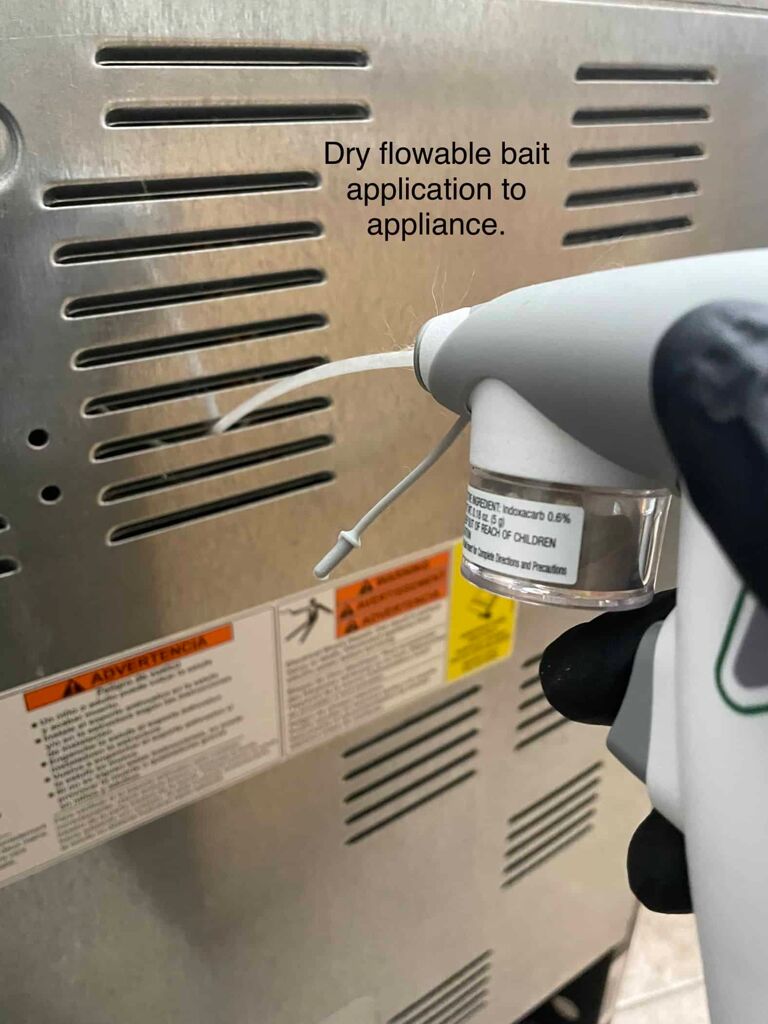
    Dry Roach Bait

    Dry roach bait refers to a form of insecticide that is present in a dry, granular, or powdered format, typically mixed with attractants to entice roaches. This bait is designed to be appealing to roaches, and once ingested, it effectively targets and eliminates the pests.

    Resistance to Pyrethroids

    In certain cases, there has been evidence of roaches developing resistance to pyrethroids, which are a class of synthetic insecticides commonly used in pest control. Pyrethroids target the nervous system of insects, causing paralysis and eventual death. However, over time, repeated exposure to these chemicals can lead to certain roach populations developing resistance.

    The phenomenon of resistance occurs when roaches with genetic variations that make them less susceptible to the effects of pyrethroids survive and pass on these resistant traits to their offspring. This survival advantage can lead to a population of roaches that is less affected by the pyrethroid insecticides.

    To address this issue, integrated pest management strategies are recommended. These strategies involve using a combination of different control methods, including rotating between different classes of insecticides, implementing sanitation measures, and employing non-chemical control techniques. By diversifying the approach to pest control, it is possible to mitigate the risk of resistance development and maintain the effectiveness of insecticides against roach infestations. It’s important for pest control professionals and homeowners alike to stay informed about evolving pest control practices and adjust strategies accordingly.

    Call us today for a free estimate for your home, business, or condominium.

  • The Tenacious Roach: From Cohabitation to Pest Control Evolution

    The Tenacious Roach: From Cohabitation to Pest Control Evolution

    Cockroaches, often regarded as unwelcome tenants, have long coexisted with humans, with a history intertwined in the annals of civilization. This essay explores the dynamics of this peculiar relationship, the repulsion roaches evoke, their affinity for water, and how their presence catalyzed the rise of the pest control industry leading to new innovations.

    Cohabitation with Humans:

    Cockroaches have proven to be remarkably adaptable, making themselves at home in the nooks and crannies of human dwellings. Their ability to thrive in diverse environments, coupled with their nocturnal habits, has established them as persistent inhabitants of households, restaurants, and urban spaces worldwide. From ancient civilizations to modern metropolises, roaches have been silent witnesses to the evolution of human habitats.

    The Disgust Factor:

    The mere mention of cockroaches often invokes a visceral reaction, a deep-seated disgust ingrained in the human psyche. Their rapid, skittering movements, nocturnal ventures, and unsavory associations with filth and decay contribute to the universal repulsion felt by people. This innate aversion has fueled the determination to eliminate these resilient pests from our living spaces.

    Attraction to Water:

    Cockroaches, notorious survivors, exhibit a strong attraction to water. They are often found in areas with high humidity and readily accessible water sources. Kitchens, bathrooms, and basements become prime habitats due to the moisture-rich environments they offer. The combination of water, warmth, and food remnants creates ideal conditions for roach infestations.

    Pest Control Industry Evolution:

    The prevalence of cockroach infestations played a pivotal role in the emergence and evolution of the pest control industry. As populations grew, urbanization intensified, and globalization expanded, the need to control roaches became more urgent. Early methods involved basic hygiene practices, but as infestations persisted, chemical solutions became a focal point. The introduction of insecticides, such as DDT in the mid-20th century, marked a significant milestone in roach control.

    The pest control industry continued to evolve, adapting to the challenges posed by roaches’ growing resistance to chemicals and the need for more sustainable, environmentally friendly solutions. Integrated Pest Management (IPM) strategies, combining chemical and non-chemical methods, emerged as a comprehensive approach to address roach infestations while minimizing environmental impact.

    Cockroaches, with their uncanny ability to cohabit with humans and evoke universal disgust, have played a defining role in the development of the pest control industry. As society continues to grapple with these resilient pests, the ongoing quest for effective, sustainable methods reflects the dynamic nature of the human-roach relationship. From ancient civilizations to the present day, the battle against roaches remains a testament to human ingenuity in the face of persistent challenges posed by these tenacious insects.

    The life cycle of a cockroach consists of three main stages: egg, nymph, and adult. This metamorphic process is known as incomplete metamorphosis.

    1. Egg Stage:

    • The life cycle begins with the female cockroach laying egg cases, called ootheca.
    • The ootheca is a protective capsule containing multiple eggs.
    • The female deposits the ootheca in a sheltered location, often in cracks or crevices.

    2. Nymph Stage:

    • Once the eggs hatch, immature cockroaches known as nymphs emerge.
    • Nymphs look like miniature versions of adult cockroaches but lack wings and are not sexually mature.
    • Nymphs go through several molting stages, shedding their exoskeletons as they grow. Molting is essential for their development.

    3. Adult Stage:

    • After undergoing several molts, the nymph reaches adulthood.
    • Adult cockroaches have fully developed wings and reproductive organs.
    • They are capable of reproducing, continuing the life cycle by laying ootheca, and starting the process anew.

    The duration of the life cycle varies among cockroach species and is influenced by factors such as temperature, humidity, and the availability of food. In favorable conditions, the life cycle from egg to adult can take a few months. Cockroaches are known for their resilience and adaptability, which contribute to their successful reproduction and survival in various environments.

    The German Cockroach

    The Unyielding Resilience of German Cockroaches is a Persistent Challenge faced by everyone at some point in their life. Either directly or indirectly, German roaches have disrupted many households throughout the world.

    In the realm of household pests, the German cockroach (Blattella germanica) stands out as a stubborn pest. Distinguished by its small size and distinctive appearance, this species of cockroach has earned a reputation for being particularly challenging to control.

    These bugs have unique characteristics that set German cockroaches apart from their counterparts, as well as their unparalleled persistence in surviving despite human efforts to eradicate them.

    Distinctive Characteristics:

    German cockroaches are smaller in size compared to many other cockroach species, typically ranging from half an inch to five-eighths of an inch in length. They possess a light brown or tan color with two dark parallel stripes running down their backs, making them easily distinguishable. Their relatively compact size and agile nature allow them to navigate tight spaces with remarkable ease.

    Adaptability and Rapid Reproduction:

    One key factor contributing to the resilience of German cockroaches is their adaptability. They thrive in indoor environments, particularly in areas with warmth, humidity, and access to food. Their rapid reproductive capabilities are a cause for concern, with females capable of producing multiple egg cases throughout their lifespan. Each egg case, or ootheca, can contain up to 40 eggs, contributing to explosive population growth in a short period.

    Resistance to Pesticides:

    German cockroaches have developed resistance to many common insecticides, presenting a significant challenge for pest control efforts. The repeated use of certain chemicals has led to the evolution of resistance in these pests. This resistance, coupled with their ability to hide in inaccessible spaces, makes eradication a complex task.

    Nocturnal Habits and Elusive Behavior:

    German cockroaches are primarily nocturnal, which means they are most active during the night. This behavior, combined with their elusive nature, makes it challenging for homeowners and pest control professionals to detect and eliminate them effectively. They often inhabit areas near food sources and moisture, such as kitchens and bathrooms, remaining hidden during daylight hours.

    Surviving Despite Human Intervention:

    Human efforts to eradicate German cockroaches have ranged from traditional insecticides to more advanced integrated pest management strategies. However, these resilient insects continue to adapt and persist. The use of insecticides must be strategic, considering their resistance, and holistic approaches that address sanitation, harborage reduction, and monitoring are essential for effective control.

    The German cockroach, with its distinctive characteristics and unwavering resilience, poses a significant challenge for homeowners and pest control professionals alike. Its adaptability, rapid reproduction, resistance to pesticides, and elusive behavior make eradicating these pests a persistent endeavor. As society continues to grapple with the tenacity of German cockroaches, the evolution of effective and sustainable pest control strategies becomes paramount in the ongoing battle against these relentless invaders.

    New Technologies

    There have been several innovative trends and technologies emerging in the pest control industry. We at Dave’s Pest Control embrace new technologies to help us stay ahead of the game. We are looking forward to implementing some of the following strategies :

    1. Digital Pest Management:

    • Smart Traps and Sensors: Digital traps equipped with sensors and cameras allow for real-time monitoring. Pest control professionals can receive alerts and data remotely, enabling quicker response times.

    2. Biological Pest Control:

    • Beneficial Microorganisms: The use of beneficial bacteria, viruses, and fungi to control pests is gaining traction. These microorganisms target specific pests while minimizing environmental impact.

    3. Genetic Pest Control:

    • Gene Editing Techniques: Advancements in genetic technologies, like CRISPR, are being explored to create genetically modified insects. These modified insects can potentially reduce pest populations or make them more susceptible to biological controls.

    4. Drones and Robotics:

    • Automated Spraying Systems: Drones equipped with precision spraying systems can cover large areas efficiently, reducing the need for manual intervention.
    • Robotics in Monitoring: Robotic devices are being developed for continuous monitoring, data collection, and targeted pest control in agricultural settings.

    5. Artificial Intelligence (AI) and Data Analytics:

    • Predictive Analytics: AI algorithms analyze data related to weather, environmental conditions, and pest behavior to predict and prevent infestations proactively.
    • Automated Decision-Making: AI is used to interpret data from various sensors, cameras, and traps, helping in making quicker and more informed decisions in pest management.

    6. Heat Treatment Technology:

    • Precision Heat Treatments: Targeted application of heat is becoming more precise, eliminating pests in specific areas without affecting the entire space. This is particularly useful in urban environments.

    7. Essential Oils and Botanicals:

    • Natural Repellents: Essential oils and botanical extracts are being utilized as alternatives to chemical pesticides. These natural repellents can be effective against certain pests and are often considered more environmentally friendly.

    8. Remote Monitoring Apps:

    • Customer-Centric Apps: Pest control companies are developing apps that allow customers to monitor pest activity in real-time, schedule services, and receive recommendations for preventive measures.

    9. Sustainable Pest Control Practices:

    • Integrated Pest Management (IPM): A holistic approach that combines various pest control methods, reducing the reliance on chemical treatments and promoting long-term pest prevention.

    10. Blockchain for Pest Control Records:

    • Secure Data Management: Blockchain technology is being explored to ensure the integrity and security of pest control records, providing transparency in compliance and treatment history.

    The pest control industry continues to evolve, driven by advancements in technology, a focus on sustainability, and a commitment to more effective and eco-friendly solutions. Dave’s Pest Control stays connected to the latest developments and innovations so we may stay current with the rapidly changing landscape of pest control.

    Call us today for a free estimate for your home, business or condominium.