Dave's Pest Control

Category: Pest Control

  • How Can Property Inspection Help You Save Money?

    How Can Property Inspection Help You Save Money?

    You might wonder, what real difference can a property inspection make? Isn’t it just another idea sold to us by capitalists, just another way to take a hefty chunk of our money in the name of pest control? or how can a property inspection help me save money? 

    I used to think the same way until a disaster happened at my own property. I had to check through every crack & corner and ended up spending a huge amount on repairs. That’s when it hit me. I could have avoided all that expense if I hadn’t overlooked the small things and if I had gotten my house inspected by a professional in the first place. You see, it’s like catching a leaky tap before it floods the whole kitchen. Or spotting a few tiny termite wings under a coffee table before they eat through half your pavement’s wooden structure.

    Small problems, if caught early, save you from big wallet-draining disasters later. So, how Can Property Inspection Help You Save Money? Let’s talk about it thoroughly.

    What is a Property Inspection

    A property inspection is performed by a professional or a group of professionals who carefully examine residential places or commercial buildings. Property owners schedule an inspection to get a closer look at areas that are easy to miss: walls, crevices, roofs, faulty wiring, HVAC systems, or any other potential hazards and safety risks that could worsen over time. This is what a property inspection usually covers: 

    • Leaky ceiling
    • In-wall dampness
    • Rotting floorboards
    • Pest infestations

    The best possible outcome of a property inspection is the freedom to make informed decisions. With the knowledge provided in a property inspection report, you can make informed decisions even if it means planning repairs, budgeting wisely or investing your money in the right place before issues turn into costly, inevitable problems.

    Schedule property inspections early, save money and protect your peace of mind!

    How Can A Property Inspection Help Me Save Money? 

    Property inspection is beneficial for you in many short term & long term ways. Let’s see how: 

    Residents Safety

    Who can overlook this factor? If you notice your kitchen tap dripping and fix it in time, you might save yourself from water damage and mold. If your living room ceiling shows signs of damage and you catch it before it collapses that’s a huge win for safety. The same goes for pests. Imagine your home’s foundation being eaten away by termites. A pest control inspection can uncover that before it turns into a disaster. With an exterminator’s help, you get the chance to take early action and protect both your home and your family.

    Prevents Costly Surprises

    If you get to know about a faulty tap in the kitchen or a weak ceiling before it becomes worse and reaches the last stage (kitchen filled with water because the tap gave up, ceiling totally collapsed, hit the pavement and now the whole room is asking for renovation), the repair cost will be huge. But if you see it early, you will save some money and get it repaired at the right amount. The same goes for pests. If termites are eating your home’s foundation and you only notice when the wood is already hollow, you will end up paying thousands. But if you call an exterminator on time, you will save your home and your wallet too.

    Insurance Plans

    If you have gotten an insurance plan from a company, regular home inspections are only more and more beneficial for you. They can help ensure that any issues are documented and covered by your insurance, which can save you a lot of money, a definite win-win! 

    Maximize Home Value

    Now this is a fact, properties that are well managed and properly inspected tend to get the value you want. See, if buyers walk in fully aware that the property won’t surprise them with sudden loopholes or hidden issues, they are more likely to agree on the price you’re asking (or close to it). Landlords who schedule regular property inspections rather than rushing them at the last minute, are far more likely to keep their rentals in excellent condition. The timely inspection makes the property a more desirable choice for future tenants.

    Negotiation Middle Ground

    Definitely! If you are aware of an issue before it becomes an urgent need, you can negotiate the repair cost. When you already know what’s going on, you’re in the position to ask questions, discuss the price or at least bargain a little. That way, you save money instead of being stuck in a do-or-die situation.

    Peace of mind

    Not to mention the peace of mind that comes with all these factors! Who wouldn’t want to sleep in a home that’s been carefully inspected? When you walk around knowing your home isn’t going to make a dent in your wallet with some sudden unavoidable repair, that feeling is priceless. At the end of the day, peace of mind is what we all live for, and a proper inspection gives you that. It’s like coming home after a long day at work & knowing your space is safe & truly yours to rest in.

    Pest Control Property Inspection

    Pests aren’t only bad for structural damage; they’re just as bad for your health. To avoid the hazards that come with living in moisture-prone areas, suburbs or even city homes, it’s smart to have your property inspected by a professional pest control company.

    Here’s how pest control inspection works: a licensed exterminator shows up at your place with tools and gadgets designed to monitor and detect pests. They check the spots you might overlook, like inside cabinets, under walls (for termite activity), hidden corners (for rodent droppings) or even chewed wires that point to rodent problems. Afterward, they’ll walk you through the immediate actions you need to take and provide a documented report of the entire inspection.

    Pest Control Inspection

    A pest control property inspection not only saves your money also adds value to your home. When a property is certified by a pest control company, it not only makes selling easier and faster but it also helps you secure the value you’re aiming for.

    When You Need Pest Control Property Inspection

    Is pest control worth it? Or when do I need pest control inspection? The right answer is: yes it is worth it & you need it when you’ve been seeing pests or even suspecting pest activity! And the fact that pest control inspection is not just necessary for today, its actually your investment for tomorrow. Why do you want to lose your home to termites? Or spend a hefty amount of money on damage that could have been prevented? You don’t want that, exactly!

    Property inspections help you save time, money and hassle before problems get worse.

    Dave’s Pest Control – Free Home Inspection

    At Dave’s Pest Control, we understand how stressful it can be to see or even suspect pests in your home. That’s why we offer free pest inspections for both residential & commercial properties. Our exterminators are friendly, fast and thorough. They go deep into every corner to make sure nothing is overlooked, giving you a complete & detailed inspection you can trust!

    Call us now! 


  • How Much is Pest Control

    How Much is Pest Control

    For a long time people thought of pest control as something extra, a ‘nice to have’ or maybe a ‘call only when you see bugs’ kind of service; until termites caused thousands of dollars in property damage and rodents spread hantavirus. That’s when many realized pest control is no longer a luxury – it’s a necessity. If you live in Florida, you probably already know just how important pest control really is.

    Naturally, the first question that comes to mind is: How much does pest control cost? Is it going to break the bank? Is it worth the money or just another ‘maximal’ approach?

    Let’s discuss this! 

    Free Pest Control

    If you catch an early infestation there’s a good chance you can try the DIY route and save some money. DIY pest control means creating your own treatment plan with home remedies or over-the-counter sprays. For a smallscale issue, this might be enough to keep things under control. A common trick, for example, is soaking a cloth in vinegar and applying it to the affected area. However, the problem with DIY method is that it usually only works in the short run. Homemade remedies  lack the residual power and precision that professional treatments provide. Plus, without regulated products or the right application- pests come back stronger and in some cases even become immune to those same DIY tactics.

    DIY pest control might be the free process but the safer choice is to consult a professional pest control company. Experts have proven methods, effective treatments, and the experience to make sure your pest problem is solved for good not just for a week!

    Professional Pest Control Prices

    Professional pest control means calling in an extermination service and having a trained technician come to your home or business. They arrive in a pest control van equipped with specialized tools and modern products designed to handle the problem effectively.  

    In Florida, there isn’t a single “one-price-fits-all” figure for pest control. Costs depend on several factors, such as the size of your home, the type of pests, and the severity of the infestation. Each company also sets its own rates depending on the services and treatments it provides.

    How Much is Pest Control

    No one can predict a flat cost of pest control services as they vary from service to service and there are multiple factors that contribute to the final cost. For instance, the size of your home or business, the type of pests you’re dealing with, the infestation level, and the regular checkups it requires, all these factors play a role in determining the price. Termite treatment would cost very differently compared to a lawn care service. Another big factor is the type of treatment plan you’re looking for. Do you want a one-time visit or regular follow-ups? A single visit might be best for a small infestation but a long-term or severe infestation calls for regular checkups.

    It’s worth mentioning that a pest control service today will save you thousands of dollars tomorrow. It’s not like you’re spending on some nice-to-have thing; it’s actually an investment in protecting your health and your family’s well-being too.

    What Factors Affect Pest Control Prices

    As we have discussed above, many factors tend to make a price of pest control service. Here are some of them:  

    Inflation (Just like everything else, rising costs in products and labor affect pest control prices.)

    Severity of Infestation (A small ant problem will cost less to treat than a full-blown termite colony eating through your foundation.)

    Type of Pest (Different pests require different treatments. For example, mosquito control is usually less expensive than termite treatment.)

    Size of the Property (Larger homes or commercial spaces need more product, more time, and sometimes more technicians.)

    Location of Infestation (Easily accessible pests are quicker to treat. But if they’re in hard-to-reach areas like attics, crawl spaces, or behind walls, it often increases labor and cost.)

    Type of Treatment Chosen (Eco-friendly or chemical-free treatments may cost more upfront than traditional methods but are safer for your family and pets.)

    Emergency Services (Calling for same-day or urgent pest removal comes with higher fees compared to scheduled treatments.)

    Credibility of the Company (Established companies may charge more, but their expertise saves you money in the long run.)

    Regular Checkups (Scheduling monthly or quarterly visits adds to cost, but helps prevent larger  infestations later.)

    Fumigation Needs (Certain pests, like termites or bed bugs, sometimes require fumigation, which is more costly than standard treatments.)

    Weather Impacts (In areas like Florida, humid weather creates ideal breeding grounds for pests, which can increase service frequency and cost.)

    What to Expect from Professional Pest Extermination Service?

    A professional pest extermination service might not promise to wipe out pests 100% overnight, but what they do bring back is the peace you once lost to infestations. A pest control technician takes the time to understand the level of infestation, study the environment pests have been living and breeding in and then design the treatment best suited for your home. So, you can definitely expect a cleaner, safer, better-than-ever space after your exterminator’s visit. But what you shouldn’t expect is a sudden, magical disappearance of infestation in one day.  

    When Do You Need Pest Control?

    You need pest control when you notice obvious signs like bed bug droppings, signs of termites, nests or strange odors. But you also need it as a preventive measure, especially in Florida where the humid climate makes the perfect home for pests. Termites, for example, can cause thousands of dollars in damage before you even realize they’re there. Regular inspections stop problems before they spiral.

    Many homeowners wait until they see pests but that’s definitely not a very wise approach. You need pest control after moving into a new home or business location. You don’t know what critters might already be settled in and it’s always better to start fresh with a clean environment.

    How to Reach Out to Pest Control Service?

    It’s pretty easy and quick. You can search for a nearby pest control service on Google Maps, Yelp or even just a quick web search. From there, most companies will guide you straight to their website where you’ll usually find options like “Get a Free Quote” or “Schedule a Visit.”

    Once you fill out a quick form or make the call, a technician will schedule an inspection. That’s your first step toward a pestsafe home.

    Dave’s Pest Control

    Dave’s Pest Control is a proud family-owned business that has been serving Floridians for over 45 years. We’ve helped hundreds of families tackle their pest problems and many of them continue to trust us for regular service. Our team responds quickly, targets infestations efficiently and uses methods that are friendly to both your family & pets.

  • What Does Pest Control Do

    What Does Pest Control Do

    There was once a time when “pest control” didn’t exist. People either lived an irritated life, swatting and scratching or risked their health battling insects that carried diseases. Then came the first pest control company, H. Tiffin and Son Ltd., founded in London around 1695. Imagine the curiosity of that time, people asking, “What does a pest control company even do? I mean, we can kill pests ourselves, right? They’re smaller than the palm of our hand. Of course, we can!”

    Centuries passed, calendars changed but we still wonder: what does a pest control company do? So the answer is: A pest control company doesn’t just “kill bugs.” We protect your home, your health & your peace of mind. Something that no matter how small a pest may look in your palm, you shouldn’t have to fight alone.

    What Does Pest Control Company Provide?

    Exterminators and pest control experts are trained to professionally handle pest problems in both homes and businesses. They specialize in eliminating insects, rodents, and bugs that are sometimes in and sometimes out of your home. Depending on the situation, they use safe chemicals, natural solutions or traps to capture and remove pests.

    So you’re probably thinking, “That’s what I can do too, right?” But here’s the key difference: a pest control company doesn’t just show up with a spray can. They come with years of experience, trained hands and a sharp eye. Pros know the exact places that are infested and the spots that will be, if left unchecked. Exterminators handle the worst or long infestations without compromising the home’s safety. That’s why their way is far more effective than a DIY attempt.

    And you know what they say: “It’s not about fighting the pests you see, it’s about preventing the ones you don’t.”

    Pest Control Services

    A pest control company has a wide range of services for pest extermination. But in general they cover:

    • Pest Extermination (Removing existing pests from your home or business quickly and effectively.)
    • Pest Management (Controlling pest populations through safe and targeted treatments to reduce future problems.)
    • Pest Prevention (Taking steps to stop pests from getting in or causing damage in the first place.)

    What Pests are Targeted by Pest Control?

    While offerings vary from company to company, the basic services of a pest control company include rodent control, termite extermination, mosquito control, cockroach extermination, bug treatments, lawn care, raccoon removal, and wildlife removal.

    Common Pest Control Ways

    Pest control does its job with many proven and skilled methods. Some of them are listed below:

    Chemical Sprays

    Chemical is one of the oldest methods for eliminating pests in the home. The process includes the safe application of spray/treatment plans that work against infestation. Some people hesitate to use chemicals because they worry about the safety of their family and pets. But modern pest control products are formulated to be safe when applied correctly; they’re tough on pests but gentle on your household.

    That said, it’s important to ask your exterminator exactly what chemicals they’ll be using, how they apply them, and what precautions you should take afterward. Better to ask questions upfront so you know exactly what’s being used in your home

    Traps

    Traps are another common way to get rid of pests. A professional exterminator places them in the right spots to catch the pest that has been causing problems. They are used for catching rodents, mice and other small animals. The method is quick, effective and give results when performed correctly.

    Barrier

    Barriers are used for long term pest prevention. Exterminators place them under the ground with the right amount of safe chemicals or pesticides to keep pests away. They act like a protective wall around your home or business. Once in place they keep working quietly in the background so you can enjoy a pest free space for months or even years.

    Difference Between Pest Control & Pest Extermination

    There is a minor difference between pest extermination and pest control services. They can be taken as the same thing but there’s a slight difference and it’s worth knowing.

    Let’s learn:

    [table id=14 /]

    Why Do I Need Pest Control Services?

    Because who actually wants pests to take over their home? Every year, termites alone cause thousands of dollars in structural damage to homes. They silently eat foundations, roaches invade the kitchen and mosquitoes buzz in ears; this needs to stop. Also, pests cause various health issues, can be fatal too. All of this adds up to one clear answer: yes, you need pest control services. Even setting up a regular visit once a month or once a quarter can save you from sudden, expensive damage.

    So, if you haven’t already, take the step. Your health, your family’s wellbeing & your home should always come first.

    Do Pest Control Kill Pests All at Once?

    No, it doesn’t.

    Just like any other organic and proven process, pest control takes time. Products need a chance to settle. They disrupt the pest’s environment and then gradually do their job. So if you’ve ever wondered why roaches seem to scatter right after treatment, don’t panic that’s actually a good sign. Once bugs feel targeted, they leave their nests, which is exactly what the treatment is designed to make them do. From there, the pesticides work to eliminate them.

    So always expect a little waiting period with pest control. It’s not about instant wipe-out, it’s about strategic elimination that keeps pests from coming back.

    Some Misconceptions About Pest Control Services

    1. ‘If I put treatment again before the last one is done, it’ll work faster.’ Not true. Doubling up treatments before the first run won’t speed things up. It only wastes product, time and energy.
    2. ‘Pesticides kill pests instantly.’ That used to be the case years ago. But modern, healthier products don’t work that way. They’re designed to be safer for your family and the environment, which means they take their time.
    3. ‘Pest control is harmful to people and the environment.’ When applied by professionals, pest control treatments are safe. Skilled hands know the right products, the right amounts and the right spots.
    4. ‘One treatment is enough to keep pests away forever.’ Sadly, no. Pests are part of nature and they’ll always find ways back if prevention isn’t in place.  
    5. ‘DIY methods are just as effective as hiring professionals.’ Store-bought sprays and traps may handle small problems temporarily but they don’t address the root cause.
    6. ‘Pest control is only needed when there’s an infestation.’ Waiting until you see pests crawling around is like waiting for a leak before checking your roof. Preventive pest control is always easier (and cheaper) than dealing with a full-blown invasion.

    Your Local Pest Control

    Dave’s Pest Control is a proud veteran and family-owned business that has been serving Floridians for over 45 years. With decades of experience and local expertise, we are here to get you rid of these nasty pests. From termites to roaches to every buzzing, scratching pest in between, we’re here to protect your home and your peace of mind.

    Contact us now, we are always here for help!

    A Dave's Pest Control Exterminator

  • Are Landlords Responsible for Pest Control?

    Are Landlords Responsible for Pest Control?

    No one wants to move into a place where pests have already taken over. And no one wants to hand over the keys to the tenants who brought pests with them. So, who’s responsible for the pest control? Are landlords responsible for pest control? Or tenants? Or somewhere in between? Understanding who takes responsibility can save a lot of headaches and a few arguments down the line.

    Let’s discuss this. 

    Rental Property Pest Control & Law

    Before moving in, landlord and tenant sign an agreement contract to avoid future disputes. It is important to make sure the lease agreement clearly states who is responsible if a pest infestation occurs.

    Rental Property Pest Control & Law

    As per Florida’s law, landlords are legally required to provide a safe and livable home which includes handling pest control. But in some rare cases the responsibility also falls on the tenants. For example, if a tenant fails to keep the property clean and sanitary, inviting pests through poor hygiene or neglect, then the tenant may be held responsible for the cost of pest control services.

    It is important to note that pest control rules can vary from state to state.

    The law also requires tenants to notify landlords as soon as they notice pest activity. Landlords in turn may arrange for chemical treatments, but tenants must be assured that the methods used will be safe for occupants and that the property remains habitable.

    Another important clause to consider is what happens if an infestation becomes severe enough that the tenant must move out temporarily. In such cases, landlords may be required to provide or cover temporary housing until the rental unit is safe again.

    Who Is Responsible for Pest Control?

    In general, landlords are responsible for covering the cost of pest control. However, as we discussed earlier, there are situations where tenants may also be responsible.

    For instance, if tenants are the ones who brought pests into the property, the cost of pest control could fall on them. In such cases, landlords must provide sufficient documentation such as photos, exterminator reports, or records of tenant negligence to prove that the infestation was caused by the tenant. If the evidence supports it, the tenant may be required to pay for the pest control services.

    To put it simply: if pests were there before the tenant moved in, the landlord is responsible. If the tenant caused the problem, the responsibility may fall on them.

    Are Landlords Responsible for Pest Control?

    Yes, landlords are responsible for providing pest control services in a rental home

    While the exact responsibility depends on the lease agreement, landlords of apartment buildings or multi-unit properties are typically required to handle pest control.

    Landlords must ensure the property is pestsafe before handing it over to tenants. If pests are present, it’s their duty to arrange treatment right away. Any delay could put a tenant’s health at risk. A smart step for landlords is to inspect the property carefully, identify any potential pest issues and take preventative action before new tenants move in.

    Landlord Pest Control Rights

    When it comes to pest control in rental properties, the law protects both parties: tenants and landlords. If you’ve rented out your place and the tenants bring in a pest problem, you, as the landlord, may have the right to take legal action. For example, if tenants keep the property in poor condition, leaving garbage out, failing to clean, or otherwise creating an environment that attracts pests like roaches, flies, or bed bugs, you can hold them accountable.

    In these situations, it’s important to document tenant behavior.  Another helpful step is to bring in a licensed exterminator. Their professional inspection and report can help determine whether the infestation was caused by tenant negligence. If it were, the financial responsibility for pest control shifts from the landlord to the tenant.

    Tenant Pest Control Rights

    If you’re a tenant living in a rental property and your landlord fails to provide proper pest control services, you still have options.

    Here are a few rights tenants may have:

    a)    Tenant can withhold rent

    In some states, tenants can legally withhold rent if the landlord has been notified of a pest infestation but fails to take care of it.   

    b)    Tenant can shift immediately

    Normally, tenants must give notice before moving out as outlined in the lease. However, if pests make the property unlivable and the landlord doesn’t act after being informed, the tenant may have the right to break the lease and relocate immediately.

    c)    Temporary home

    In certain situations, tenants can move into temporary housing while the landlord resolves the infestation. Depending on state law and the lease terms, the landlord may be required to cover the cost or the tenant may be able to deduct it from their rent.

    Steps To Take If You See Pests in Rental Property

    You are a tenant, and you have just moved into a home and some days after the shift, you are seeing pest activity. Here is what you should do:

    • Make sure the pests didn’t come in with you. Keep the home clean, take out the trash regularly and clear out any hidden spots that could attract bugs.
    • Report the issue as soon as possible and request that they schedule a pest control service. Written notice (like an email or text) is best, so you have a record.
    • Check the lease agreement and look for the section that explains who’s responsible for pest control, it should spell out whether it’s on the landlord or the tenant.
    • If the landlord refuses to arrange pest control, you may have the right to either hire an exterminator yourself or, in some cases, move out.
    • Tenant rights can vary by state, so make sure you understand the specific protections and options available where you live.

    What if a pest infestation has happened before?

    In most cases, landlord insurance doesn’t cover problems caused by pest infestations or the damage they cause. Some policies might only cover the cost of hiring an exterminator or pest control company, but that’s not always guaranteed.

    If you want to avoid the nuisance of who is going to pay for pest infestation damage it is better to check the contract of the home. Even better if you take a written statement from the landlord clearly stating what they will cover and what not if any pest infestation happens.

    Seeing pest activity in your rental home? Let Dave’s Pest Control handle your pest issues with our reliable service and expert skills. Keep your family & loved ones safe!

    Conclusion

    Are landlords responsible for pest control? Yes they are!

    Many regions in Florida hold landlords responsible for pest activity. However, the law can go both ways; tenants may also be considered responsible if they are the ones who let pests in through their actions. The best way to avoid confusion is to clearly outline pest control responsibilities in the lease agreement and make sure both landlord and tenant review it carefully before signing.

  • Is Pest Control Worth It?

    Is Pest Control Worth It?

    We’re all looking for ways to solve problems on our own. I mean who doesn’t want to save a little money if a quick DIY solution does the trick? And let’s be honest, letting someone into your home and trusting an exterminator with the safety of your space takes a lot of trust and most of us aren’t always ready for that. So, the big question is: is pest control worth it?

    Let’s discuss it!

    Professional Pest Control

    Professional pest control is when pests in your home or business are handled by an exterminator or a licensed pest control company. Their job is to eliminate, manage and prevent pests using safe and effective methods. These can include traps, chemical treatments, physical barriers, and even biological solutions. The goal of professional pest control is to keep pests away while minimizing harm to the environment.

    One of the best approaches in professional pest control is Integrated Pest Management (IPM). IPM focuses on long-term prevention by combining multiple strategies such as monitoring pest activity, using physical barriers and applying targeted treatments only when necessary. This method eliminates pests while keeping surroundings, pets, and family safe.


    Is Pest Control Worth It? Why Professional Help Makes the Difference

    What is Monthly Pest Control?

    Monthly pest control means checking, monitoring and regulating pest activity on a monthly basis. When you sign up for a monthly service with an exterminator, they come on a set schedule at a time that works best for you and take proactive measures not just to stop infestations in the moment but also to prevent future pest occurrences.

    A monthly pest control service usually covers:

    • A thorough inspection of your property to spot any new infestations
    • Follow-up on the technician’s previous work (like checking bait stations or traps)
    • Identifying any potential entry points or weak spots around your home
    •  Professional advice on how to stay protected moving forward

    Professional Pest Control in the Kitchen

    Is Monthly Pest Control Worth It?

    Yes, it is. When there has been a full-blown infestation it usually cannot be solved in just one appointment. Regular checkups give you an exterminator’s trained eye on your property. They are not only there to check ongoing pest activity or measure the results of the last visit but also to spot any risks that could turn into future infestations.

    For example, it is nearly impossible to get rid of termites with a one-time service. Exterminators install treatments then return after a month to check if the method has been effective. If it has, they continue the process and if not they adjust and put a new strategy in place.

    DIY Pest Control vs. Professional Pest Control

    Can you do it on your own or is it not worth your time? Let’s break it down:

    [table id=11 /]

    DIY pest control can be a good choice if you’re confident the problem is small enough to handle on your own and doesn’t really need an expert’s hand or advice. But when the infestation is largescale, you should call a professional pest control company. Handling pests on your own might give you short term comfort, but that comfort fades quickly and you’ll likely end up paying again and again.

    So, look beyond today and think about the future too!

    Is Pest Extermination Service Worth it?

    It definitely is.

    When an infestation gets so bad that you can’t handle it on your own and even if you manage to, the results usually only last for the short term period that’s when professional help becomes worth it. A pest control service brings in exterminators who know how to handle infestations on a bigger scale. Professional pest control methods are safe for your family, pets, and environment.

    Think of it as an investment in peace of mind. Imagine you spray a little store-bought product and the roaches disappear for a week, only to come crawling back even stronger. Or you trap a few mice but more keep showing up because the real nest is hidden in the walls. That’s where a professional steps in; they don’t just treat what you can see, they track down the source too.

    Dave’s Pest Control Technician Installing Outdoor Pest Treatment

    What Should be My Choice?

    It depends on your environment.

    If you only deal with the occasional annoyance like a few flies outside or bugs that can be taken care of with store bought sprays, then DIY might work best. But here’s the catch: you never really know if it’s just one bug or the start of something bigger.

    If you live in a suburb or a humid area, pests can become a constant battle. In those cases professional pest control is a smart investment. Professionals use higher-quality products, provide regular treatments, and develop the treatment plan as per the level of infestation.

    In short, when the risk is high, professional pest control is absolutely worth it!

    Friendly Pest Control Consultation, Dave’s Pest Control

  • What is Pest Control?

    What is Pest Control?

    Pest control is the process of eliminating, managing and preventing pests by using safe and effective methods. These can include traps, chemical treatments, physical barriers, and even biological solutions. Some see pest control purely as a science while others view it as a service industry that helps protect our spaces. Either way, it’s all about safely keeping pests away while minimizing harm to the environment.

    If I’ve to sum it up in two lines, I’d say: Pest control is the removal of pests through traps, barriers, and pesticides, plus the ongoing management of pest activity like using the sentricon system for termite control, bait stations for rodents, or ecofriendly insect regulators to keep bugs at bay. Remember that the keyword in ‘pest control’ is ‘control’, which means gaining control of the pest AND control of the situation. You cannot gain control without some level of pest management.

    Defining Pest Control

    We’ve touched on some scientific details of pest control but now let me break it down in simple terms. Imagine you’ve just bought a home, a place you’ve dreamed about and saved for, brick by brick, year after year. It’s cozy, perfect, exactly how you pictured it. But here’s the catch: termites are quietly eating away at the foundation. There’s a bug in the bedroom, a trail of sugar ants in the kitchen and to make matters worse, roaches are scattered around. Suddenly, you’re left wondering, “what do I do now?” You can’t just move out or rent it it’s your home and handling all these pests on your own isn’t realistic.

    That’s where a pest control process comes in. That’s what we’re really talking about; professionals who make your home safe and comfortable by using proven pest control methods.

    Pest control technician setting an outdoor trap to prevent aggressive pests

    Basic Services That Pest Control Company Provides

    A pest control company has wide range of services for pest extermination. But in general, they cover:

    • Pest Extermination (Removing existing pests from your home or business quickly and effectively.)
    • Pest Management (Controlling pest populations through safe and targeted treatments to reduce future problems.)
    • Pest Prevention (Taking steps to stop pests from getting in or causing damage in the first place.)

    Why Do We Need Pest Control?

    Because nobody wants pests to take over their home or business, right?

    But it’s more than just an annoyance. Pests don’t just damage your property; they can seriously affect your health and wellbeing. Even if you never come into direct contact with them, pests can still harm you by spreading viruses and bacteria. For example, hantavirus is a serious illness caused by exposure to the saliva, urine, or droppings of rodents like mice. Back in October 1993, there was a big hantavirus outbreak in the U.S. Many people got very sick some so severe they had to be hospitalized. Tragically, around 45% of those infected didn’t survive.

    I’m not telling you this to scare you, but to make you aware; pest control is about protecting your health and safety too. Especially in the U.S., pest control isn’t just a luxury or convenience – it’s an absolute necessity. Beyond hantavirus, pests can carry other diseases like Salmonella, Lyme disease, and West Nile virus. Plus, they can trigger allergies and asthma, especially in kids. So, pest control means more than just keeping bugs and rodents out, it’s about keeping your family or customers healthy and safe.

    Here are some reasons why we desperately need pest control services:

    • Bed bugs feed on human blood.
    • Many pests carry and spread diseases like mice, rats, cockroaches and fleas.
    • Cockroaches, mice, rats and raccoons can be fatal due to the diseases they carry.
    • Some pests can trigger allergic reactions or asthma attacks, including wasps, bees, cluster flies, and cockroaches.
    • Termites, mice, rats, clothes moths, and ants can cause serious property damage.
    • Pests can also destroy your lawn and outdoor spaces.
    • Pests can contaminate your food like pine seed bugs and boxelder bugs are common offenders.
    • Some pests bite or sting whether the pain is real or just scary like bed bugs, fleas, wasps, house centipedes, and spiders.
    • Certain pests show aggressive behavior such as mud dauber wasps and yellow jackets, which can be dangerous if disturbed.

    What Pests Are Treated by Pest Control Companies?

    Well, this really depends on the company’s services and expertise. Not all pest control companies handle the same pests; it varies based on the skills and specialties of their exterminators. In general, most companies cover common pests like termites, cockroaches, bed bugs, ants, mosquitoes, and sometimes even wildlife like rodents or raccoons. Some specialize further, offering treatment for more specific pests such as spiders, fleas, or birds.

    So, when choosing a pest control service, it’s a good idea to check exactly which pests they handle and what methods they use.

    Are Pest Control and Pest Management the same thing?

    No, they are not the same thing.

    Pest control usually means the immediate action, getting rid of pests right now using treatments, traps or sprays. It’s about solving the problem quickly. Pest management on the other hand, is a long-term strategy. It combines multiple methods like targeted chemicals, sanitation practices, habitat modification, biological controls, and more to keep pest populations low over time.

    In simple terms, pest control is a part of pest management. Pest control focuses on eliminating pests quickly, while pest management aims to minimize pest problems and prevent future outbreaks.

    Integrated Pest Management (IPM)

    Pest control management also includes Integrated Pest Management (IPM) techniques which go beyond just removing pests. IPM focuses on long-term prevention by combining multiple strategies, like monitoring pest activity, using physical barriers, applying targeted treatments only when necessary, and promoting environmental changes that make your home safe from pests.

    Common Methods of Pest Extermination

    There are various methods of pest extermination. Some of them are given below: 

    1.     Chemical Sprays

    Using chemicals is one of the oldest and most common methods for eliminating pests in the home. This involves the safe application of sprays or other treatment plans designed to target pests. Some people hesitate to use chemicals because they worry about the safety of their family or pets. But modern pest control products are formulated to be safe for people and pets when applied correctly, they’re tough on pests but gentle on your household.

    That said, it’s important to ask your exterminator exactly what chemicals they’ll be using, how they apply them, and what precautions you should take afterward. Better to ask questions so you know what’s being used in your home

    2.     Traps

    Traps are another common way to get rid of pests. A professional exterminator places them in the right spots to catch the pest that has been causing problems. They are used for catching rodents mice and other small animals. This method is quick and gives visible results when done correctly.

    3.    Barrier

    Barriers are used for long term pest prevention. Exterminators place them under the ground with the right amount of safe chemicals or pesticides to keep pests away. They act like a protective wall around your home or business. Once in place they keep working quietly in the background so you can enjoy a pest free space for months or even years.

    Dave’s Pest Control – Your Local Pest Control

    Welcome to Dave Pest Control- dedicated to protecting homes and businesses from pest invasion. We have 45 years of experience and a team of certified professionals, who make sure your place is clean from termites, ants, or any other nuisance. You can also check out one of our case studies, where we helped a Florida family reclaim their peace of mind & the safety of their home through effective and reliable pest control services.


    At Dave Pest Control, we specialize in showing pests the door and making sure they don’t come back! If you are facing any pest trouble, just schedule your inspection with us and we will take care of it all!

  • Water Bugs vs Cockroaches: Key Differences

    Water Bugs vs Cockroaches: Key Differences

    If you have come across a creepy pest in your home but don’t know if it’s a cockroach or a water bug, this guide is for you. This guide will help you understand the similarities and differences between these two insects and develop effective strategy to eliminate them.

    Physical Differences between Water Bugs and Cockroaches

    Trait Water Bugs Cockroaches
    Size Larger (up to 4 inches) Smaller (1–2 inches)
    Color Dark brown to black Reddish-brown or black
    Shape Oval body with flat appearance Slim, elongated body
    Legs Paddle-like hind legs Long, spindly legs
    Antennae Shorter Long and prominent

    Water Bugs vs Cockroaches: Behavioral Difference

    Water Bugs:
    Water bugs are mostly found in outdoor aquatic places such as ponds, streams, lakes, and pools. As natural predators, they feed on live species like fish, tadpoles, and smaller insects. They are less likely to be found in groups and avoid human interaction unless frustrated.

    Roaches:
    Cockroaches love indoor environments, favoring dark, warm, and humid areas such as kitchens, basements, and bathrooms. They are omnivorous and can eat everything that includes food scraps to non-food items like glue and cardboard. Roaches are highly social insects that live in large colonies and reproduce rapidly. They are most active at night, seeking food and water.

    Are Roaches and Water Bugs Harmful?

    Aspect

    Water Bugs Cockroaches
    Bites Can bite if threatened or harassed, causing pain but no lasting harm. Do not bite humans but contaminate food and surfaces.
    Disease Spread No major disease risk Carrier to diseases like salmonella, E. coli, and allergens
    Allergy Risks Minimal High, especially for people with asthma or sensitivities

    How to Control Water Bugs

    Water bugs are usually found in ponds or pools outside, they rarely enter the homes but if you see one in home, follow these steps to prevent them from coming in.

    • Eliminate all kinds of water resources around your home and fix leaks if any
    • Seal all entry points such as close gaps or cracks in windows or doors or any other possible entry points to prevent them.
    • Water bugs are attracted to light so try reducing outdoor lighting that can attract them to enter homes.
    • Essential oils like tea tree or peppermint can also discourage water bugs from entering your home.

    How to Control Cockroaches

    Roaches need to be controlled through a proper strategy and approach as they are mostly found inside homes and have the fast reproduction rate causing quick infestations. Let’s have a look on what can de done to prevent them from entering the homes.

    • Sanitation

    Sanitation is extremely important to prevent cockroaches. Keep your kitchen clean and store all the food in sealed containers. Keep the area under furniture, cabinets or appliances clean to avoid roaches.

    • Baiting and Trapping

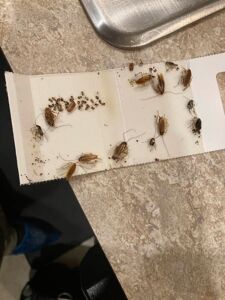
    Use gel baits to attract and kill roaches. Sticky traps can capture roaches and help you monitor infestation levels.

    • Insecticides

    Apply targeted sprays in cracks, crevices, and other hiding spots as roaches usually keep themselves hidden throughout the day and come out at night.

    Water Bugs vs Roaches: Natural Remedies for Prevention

    Remedy Water Bugs Cockroaches
    Essential Oils Peppermint or eucalyptus oil can repel them Tea tree or citrus oil can deter them
    Dish Soap A quick spray of soapy water kills water bugs Not effective for roaches
    Baking Soda Ineffective Deadly to roaches when ingested

    Common Myths

    • Water Bugs and Cockroaches Are the Same: False. They are different insects with different habitats and behaviors.
    • Water Bugs Infest Homes Like Roaches: Rarely true. Water bugs may enter homes occasionally but are not persistent indoor pests.
    • Roaches Only Live in Dirty Homes: False. Roaches can invade even clean homes if they find food, water or a place to infest.

    When to Call Pest Control Professionals

    Calling professional pest control as soon as possible is recommended because if you see one cockroach, there are surely a lot more and your home is most probably infested. But in case of water bugs, you can call an exterminator if you think the infestation is heavy and can’t be controlled by DIY methods.

    In case you can’t identify between water bug or roaches, it is advised to reach out to a professional as they know what to do and how to do. Moreover, they also make sure to protect your home from future infestations.

    Wondering how to find out a reliable pest control company?

    Finding a trusted company is pretty simple! checkout the google reviews and see if they are serving in your city. If you are based in central or south Florida, Dave’s pest control is here to help with your pest control needs in Orlando, Lakeland, Winter Park, Davenport, Winter Haven, Winter Garden, Coral Springs and other surrounding areas. 

    Conclusion

    Understanding the difference between water bugs and cockroaches is necessary to take effective pest control measures as both of them need different techniques to get rid of. Water bugs are typically outdoor pests with minimal health risks whereas cockroaches are usually found within the homes and pose significant threats to health and hygiene.

    By implementing preventive measures, using natural remedies, or seeking professional pest control services, you can protect your homes from these roaches and water bugs.

  • Cockroaches Bites: Appearance, Treatment and Prevention

    Cockroaches Bites: Appearance, Treatment and Prevention

    Cockroaches are among the most common pests found in the USA, specifically in areas of Florida due to the humid temperature. Known for their resilience, cockroaches are often associated with unsanitary conditions and can carry various diseases. This raises a common question for many: Do cockroaches bite?

    The short answer is: yes, cockroaches can bite. However, it’s very rare. Cockroaches are generally more interested in feeding on food sources such as garbage or exposed food items. There are different types of cockroaches which are known to bite, but on rare occasions.

    American Cockroach

    These are large, common cockroaches that can be found in many homes and may bite if extremely hungry.

    German Cockroach

    Though smaller in size, German cockroaches are also known to bite, especially in densely populated infestations.

    Oriental Cockroach

    They only bite if they have a severe infestation and lack food sources.

    Why Do Cockroaches Bite?

    Cockroach bites are rare and typically occur in extreme infestations where their usual food sources are limited. The reasons cockroaches may bite humans include:

    Lack of Food

    When roaches find it difficult to access the required food source, or they have limited food source that is not enough to feed the larger infestation, they may bite humans to satisfy their hunger.

    Moisture

    In some cases, cockroaches may bite to obtain moisture from the skin, especially from areas like fingernails, eyelashes, and lips.

    Natural Reasons

    Cockroaches are not aggressive towards humans, but they may bite them if they feel threatened or cornered.

    What Do Cockroach Bites Look Like?

    Cockroach bites resemble the bites of bed bugs and it may not initially be indicated that what has bitten. Let’s see how can it be differentiated from other insects.

    • Redness and Swelling
    • Itching and Irritation
    • Small Puncture Marks

    A cockroach bite may leave a small puncture mark on the skin, which can help differentiate it from other insect bites and these bites usually occur on exposed areas of the body such as the face, hands or feet.

    Are Cockroach Bites Dangerous?

    Cockroach bites are not dangerous and can cause mild reactions on skins of people. However, cockroaches can pose more significant health risks through indirect means. Here are some of the potential dangers associated with cockroach bites and infestations:

    Allergic Reactions

    Some people may experience allergic reactions to cockroach bite. Symptoms can include sneezing, nasal congestion or skin rashes.

    Bacterial Infections

    Roaches can carry different bacteria as they feed on dirty items so their bite may lead to infection in humans.

    The most common bacteria associated with cockroaches include:

    • Salmonella
    • coli

    Asthma and Respiratory Issues

    Cockroach droppings, saliva, and shed skin can aggravate asthma and other respiratory issues. According to the Asthma and Allergy Foundation of America (AAFA), cockroach allergens are a common asthma trigger, especially in children.

    How to Treat Cockroach Bites

    If you’ve been bitten by a cockroach, here’s what you can do to treat the bite effectively:

    Clean the Bite Area

    At first, clean the affected area with soap and water to prevent infection. This helps remove any bacteria that might have been transferred during the bite of cockroach.

    Apply an Antiseptic

    After cleaning the bite, apply an antiseptic ointment on the affected area to reduce the risk of infection and promote healing. Over-the-counter antiseptic creams are readily available and effective for treating minor insect bites.

    Use Anti-Itch Creams

    Use any anti-itch cream to help your skin reduce itching and reduce inflammation. These creams are used to soothe the skin that improves the infected area rapidly.

    How to Prevent Cockroach Bites

    The best way to avoid cockroach bites is to prevent your home from infestations. Here are some effective methods:

    Maintain a Clean Environment

    Cockroaches are attracted to food sources so make sure to keep your kitchen and home clean to avoid roaches in your homes.

    • Wipe Down Surfaces
    • Store Food Properly
    • Dispose of Garbage Regularly

    Eliminate Water Sources

    Roaches need water for survival so make sure to dry all the wet surfaces and remove the exposed water resources if any.

    • Fix Leaks
    • Dry Wet Surfaces

    Seal Entry Points

    Cockroaches can enter your home through tiny cracks or gaps. Sealing the entry points can keep them out specially the gaps in windows or doors.

    Use Cockroach Traps and Baits

    Cockroach traps and baits are the most effective means to control roach infestations. These products attract cockroaches and contain the elements that are toxic to them. It helps reducing the population gradually.

    Call a Professional Pest Control Service

    It is always preferred to call a professional roach exterminator if you have severe infestations in your home. They are perfectly trained and have all the necessary tools to eliminate roaches effectively.

    Conclusion

    Cockroach bites are rare but possible, especially when there are severe infestations. To prevent infestations, it is preferred to keep your home clean and seal all the entry points. In case, you still get bitten by a roach, treat it as soon as possible to avoid skin reactions. If you see roaches, reach out to Dave’s Pest Control and get your inspection done.

  • Understanding Bed Bugs: Identification, Life Cycle, and Control

    Understanding Bed Bugs: Identification, Life Cycle, and Control

    Bed bugs, Cimex lectularius, are small, parasitic insects that feed on the blood of humans and animals. These pests are a growing concern in homes, hotels, and public spaces, and they have made a significant resurgence over the past 15-20 years. Knowing how to identify bed bugs, understanding their life cycle, and learning how to check for them are essential steps to preventing an infestation and taking timely action.

    How to Spot Bed Bugs

    Bed bugs are notorious for their ability to hide in small crevices, making them difficult to detect until they’ve already established an infestation. Adult bed bugs are reddish-brown, flat, and about the size of an apple seed, usually between 5-7 millimeters long. They swell and turn a darker red after feeding. Nymphs, or juvenile bed bugs, are smaller and lighter in color, while bed bug eggs are white and about the size of a pinhead, making them hard to spot.

    Common signs of a bed bug infestation include:

    signs of bed bug infestation

    • Bite marks: Bed bug bites often appear in clusters or lines and are typically itchy, red welts on exposed skin.
    • Blood stains on sheets: As bed bugs feed, they may leave small blood spots on bedding or mattresses.
    • Dark fecal spots: Bed bugs excrete digested blood, leaving tiny black or dark brown spots on bedding, mattresses, or nearby furniture.
    • Shed skins and eggshells: As bed bugs grow, they shed their exoskeleton, leaving behind these tiny, translucent shells.
    • A musty odor: In large infestations, bed bugs emit a sweet, musty odor.

    How to Check for Bed Bugs in Hotels or Motels

    When staying in a hotel or motel, it’s important to thoroughly inspect the room for bed bugs, especially in the bed and surrounding furniture. Follow these steps:

    bed bug infestation on furniture

    1. Inspect the Mattress and Bed Frame: Pull back the sheets and blankets to examine the mattress, particularly the seams, corners, and edges where bed bugs tend to hide. Check the box spring and bed frame as well.
    2. Look at Nearby Furniture: Bed bugs can hide in other pieces of furniture, especially upholstered chairs and couches. Pay attention to seams, zippers, and creases.
    3. Check Behind the Headboard: In hotel rooms, headboards are common hiding spots for bed bugs. Gently pull the headboard away from the wall and inspect for any signs of infestation.
    4. Examine the Luggage Rack: Bed bugs can hitch a ride on luggage, so inspect the luggage rack before placing your bags there. Be sure to inspect the edges and folds of the fabric.

    Bed Bug Life Cycle

    Bed bugs undergo a simple metamorphosis, consisting of three main stages: egg, nymph, and adult. The time it takes for a bed bug to develop from an egg to a fully mature adult depends on environmental factors such as temperature and access to food (blood).

    1. Egg Stage: A female bed bug can lay 200-500 eggs in her lifetime. The eggs are about 1 millimeter in size, pearly white, and difficult to spot. They hatch in 6-10 days, depending on temperature.
    2. Nymph Stage: After hatching, bed bug nymphs go through five stages of development, molting each time before reaching adulthood. They need a blood meal between each stage. Under favorable conditions, nymphs can mature in about 5-6 weeks.
    3. Adult Stage: Once they reach adulthood, bed bugs can start mating almost immediately after their final molt. An adult bed bug can live for several months, typically between 6-12 months. Adult females can lay eggs throughout their lifetime, contributing to rapid population growth.

    Professional Bed Bug Control by Dave’s Pest Control

    When dealing with bed bugs, professional intervention is often necessary. Here at Dave’s Pest Control, we follow a systematic and thorough approach to eliminate bed bugs. Our process typically includes:

    1. Inspection: A thorough inspection of the infested areas is conducted to identify the extent of the infestation and locate hiding spots.
    2. Chemical Treatments: Professional-grade insecticides are applied to affected areas, including mattresses, furniture, baseboards, and cracks. These treatments target both adult bed bugs and their eggs.
    3. Follow-Up Visits: Bed bug treatments often require multiple visits to ensure complete eradication. Dave’s Pest Control will return to monitor the situation and apply additional treatments if necessary.

    So, if you are based in central or south Florida, feel free to reach us. We have been providing pest control in Orlando, Longwood, Port Orange, Ormond Beach, Lakeland, Winter Haven, Sunrise and other areas of Florida for more than 45 years now.

    The Resurgence of Bed Bugs

    Bed bugs have experienced a resurgence over the last 15-20 years, largely due to several factors:

    1. Increased International Travel: Bed bugs are excellent hitchhikers, and the increase in global travel has allowed them to spread more easily between countries and cities.
    2. Pesticide Resistance: Over time, bed bugs have developed resistance to many common insecticides that were once effective at controlling their populations.
    3. Lack of Awareness: Many people are unaware of the signs of bed bug infestations or how to prevent them, which has allowed infestations to grow and spread before they are detected.

    This resurgence has made it more important than ever for individuals and businesses to stay vigilant in preventing and addressing bed bug infestations. 

    Bed bugs are a challenging pest to deal with, but with knowledge, vigilance, and professional help of our bed bug exterminators, infestations can be effectively managed. Understanding how to spot bed bugs, inspect for signs of an infestation, and know their life cycle can help in early detection and treatment. While rumors about blood type preference are unfounded, bed bugs’ adaptability and resilience continue to make them a persistent issue. Their resurgence is a reminder of the importance of effective pest control in maintaining a healthy and clean environment protected from bed bugs

  • Rats in Florida: Understanding Their Behavior, Habits, and Control

    Rats in Florida: Understanding Their Behavior, Habits, and Control

    Rats are a significant problem in Florida, with their presence often detected in attics and other parts of homes. Understanding their behavior, reproductive habits, and the damage they cause is crucial for effective control and prevention.

    This blog explores why rats are frequently found in attics, their chewing and gnawing capabilities, reasons for reinfestation, reproductive cycles, maternal care, cannibalistic tendencies, differences between Norway rats and roof rats, their diet in nature, survival tactics in extreme conditions, and professional pest control methods.

    Rats in Attic

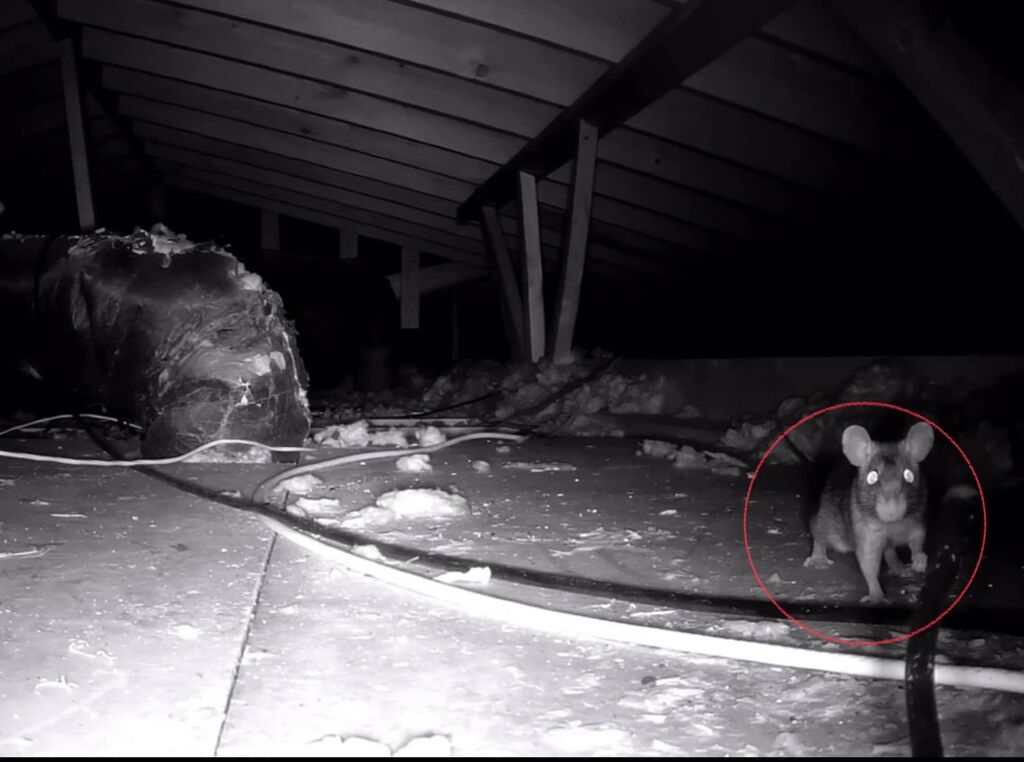
    Rats are often found in attics due to the warm, secluded, and safe environment these spaces provide. Attics offer shelter from predators and harsh weather conditions. Additionally, they are relatively undisturbed, making them ideal nesting sites. Rats can enter attics through small openings, vents, and gaps in the roofline, exploiting any weakness in a home’s exterior.

    Chewing and Gnawing Capabilities

    Rats have strong, continuously growing incisors that require constant gnawing to keep them trimmed. This gnawing behavior allows them to chew through various materials, including wood, plastic, and even soft metals. In homes, this can lead to significant structural damage, including gnawed electrical wires, which pose a fire hazard. Their chewing capabilities enable them to create and enlarge entry points, making it easier for them and other pests to infiltrate homes.

    Reinfestation Patterns

    Rats are known to reinfest the same areas repeatedly due to their strong territorial instincts and the availability of food and shelter. If a rat infestation is not adequately addressed, the scent trails left by previous rats can attract new ones. Additionally, if entry points are not sealed, rats will continue to exploit these access routes.

    Reproductive Cycle and Gestation Period

    Female rats have a short gestation period of about 21 to 23 days. They can give birth to litters ranging from 6 to 12 pups, and they can become pregnant again shortly after giving birth. This high reproductive rate means that a small number of rats can quickly multiply into a large infestation if not controlled.

    Maternal Care

    Rat mothers exhibit strong maternal instincts, caring for their young by nursing them and keeping them warm. The pups are born blind and hairless, relying entirely on their mother for sustenance and protection. The mother rat ensures that the nest is safe and well-hidden, moving the pups if she perceives a threat.

    Cannibalism

    Cannibalism can occur among rats, especially in overcrowded conditions or when food is scarce. It can also happen if a rat perceives a sick or weak member of the colony, as removing them can prevent the spread of disease and conserve resources.

    Norway Rats vs. Roof Rats

    Two common species of rats in Florida are the Norway rat (Rattus norvegicus) and the roof rat (Rattus rattus). Norway rats are larger, with a robust body and shorter tail compared to their body length. They prefer burrowing in the ground and are often found in basements and lower levels of buildings. Roof rats, on the other hand, are smaller and more agile, with a longer tail. They prefer high places, making attics, trees, and upper levels of buildings their preferred habitats.

    Natural Diet

    In nature, rats are opportunistic feeders with a diet that includes grains, fruits, vegetables, seeds, nuts, and small insects. They are highly adaptable and can survive on a wide range of food sources, which contributes to their resilience and persistence.

    Survival in Extreme Conditions

    Rats are highly adaptable creatures capable of surviving in harsh conditions, such as the extreme heat of attics. They are nocturnal, which helps them avoid the hottest parts of the day. They also utilize insulation and other materials to create cooler nests. While attics typically lack direct water sources, rats can find water from condensation on pipes, air conditioning units, and other sources. They can also obtain moisture from their food.

    Professional Pest Control Solutions

    Professional pest control companies, like Dave’s Pest Control, use a combination of methods to eliminate and prevent rat infestations. This includes:

    1. Inspection: A thorough inspection to identify entry points, nesting sites, and signs of infestation.
    2. Exclusion: Sealing entry points to prevent rats from entering the home.
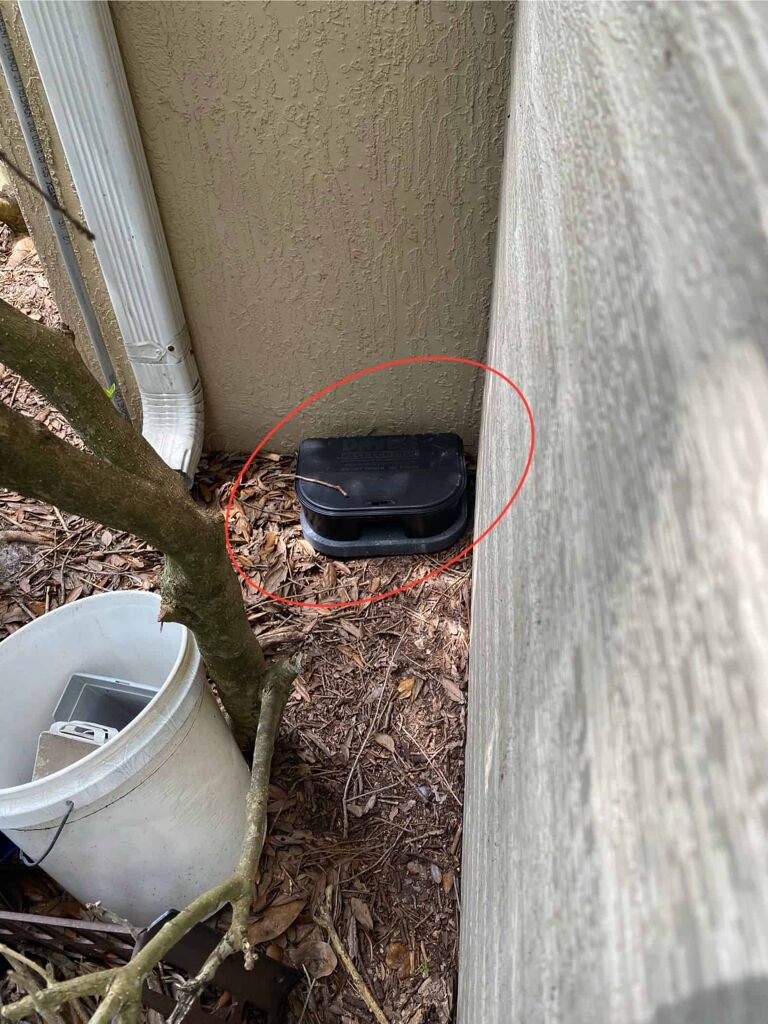
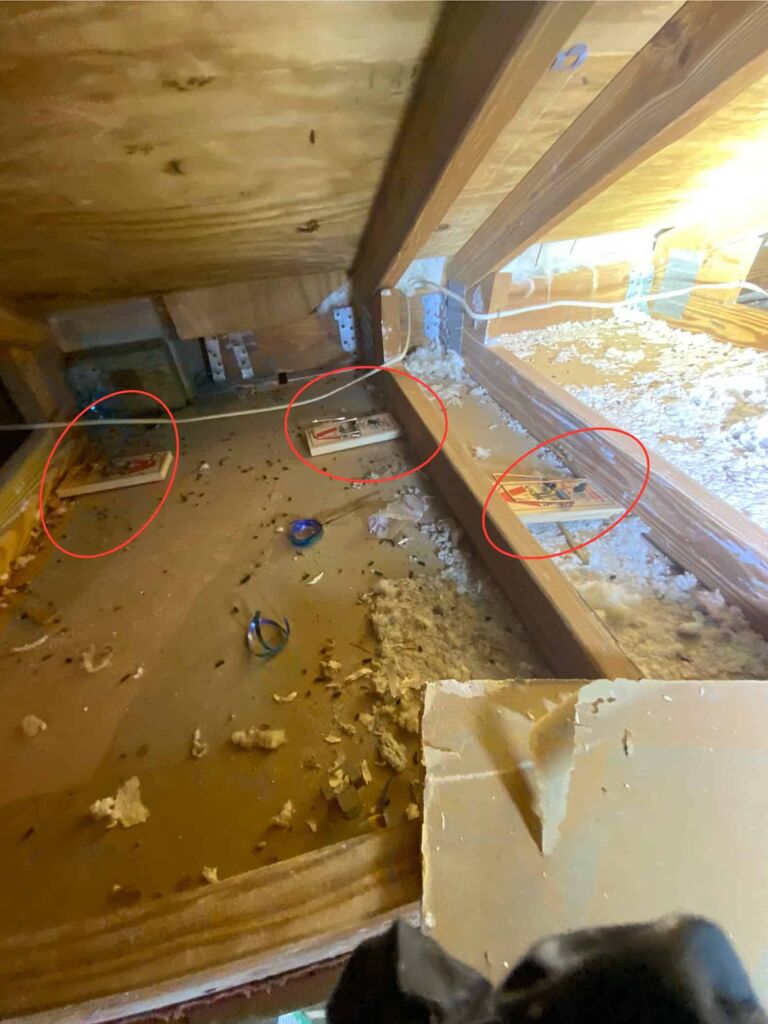
    3. Trapping and Baiting: Using traps and bait stations to capture and eliminate existing rats.
    4. Sanitation: Advising homeowners on proper sanitation to remove food sources that attract rats.
    5. Monitoring: Regular monitoring to ensure that the infestation is under control and to detect any new activity.

    So if you are based in central or south Florida, feel free to contact us. We provide rodent control in Orlando, Port Orange, Deltona, Deland, New Smyrna, Lakeland, Davie and other areas of Florida.

    The Role of Rats in Spreading the Plague

    The plague, one of the most devastating pandemics in human history, is deeply intertwined with the presence of rats. This essay explores the definition of a plague, the historical context of the worst plague years, the role of rats in its transmission, the conditions that exacerbated its spread, and the evolution of modern technology in preventing its recurrence.

    Definition of a Plague

    A plague is defined as a contagious bacterial disease characterized by fever and delirium, typically with the formation of buboes (swollen lymph nodes). Plague can also refer more broadly to any large-scale calamity or epidemic causing significant mortality. Historically, the term “plague” is most often associated with the bubonic plague, caused by the bacterium Yersinia pestis.

    Historical Context

    The most notorious outbreaks of the plague occurred during the 14th century, with the worst years being 1347 to 1351. This pandemic, known as the Black Death, decimated populations across Europe, Asia, and North Africa. It is estimated that the Black Death killed about 25 to 30 million people in Europe alone, roughly one-third of the continent’s population at the time. The plague reappeared in waves over the following centuries, with significant outbreaks occurring into the 18th century.

    Names and Nicknames for the Plague

    The plague has been known by several names throughout history. The most famous is the “Black Death,” a term that evokes the grim and widespread mortality caused by the disease. It was also called the “Great Mortality” and, in some regions, the “Pestilence.” These names reflect the immense fear and devastation wrought by the epidemic.

    Rats and the Transmission of the Plague

    Rats, particularly the black rat (Rattus rattus), played a crucial role in the transmission of the plague. The disease is primarily spread through fleas that infest these rats. When an infected rat dies, the fleas seek new hosts, including humans. The bacteria, Yersinia pestis, is transmitted through flea bites, which then cause the characteristic symptoms of the plague in humans.

    While it is less common, direct contact with infected rats or consuming their contaminated meat could also lead to infection. However, the primary mode of transmission remained the fleas, which could bite humans and transfer the bacteria directly into their bloodstream.

    Conditions Aboard Wooden Ships

    The conditions aboard wooden ships during the plague years were dire and perfect for the spread of disease. Ships were crowded, with limited ventilation, poor sanitation, and ample food supplies that attracted rats. These rats would carry fleas infected with Yersinia pestis. Sailors and passengers lived in close quarters, facilitating the rapid spread of the plague once it was introduced. The lack of medical knowledge and the prevalence of unsanitary conditions only worsened the situation, making ships breeding grounds for the plague.

    Contemporary Understanding and Misconceptions

    During the plague years, doctors and religious leaders had limited understanding of the disease’s true cause. Many attributed the plague to divine punishment, bad air (“miasma”), or astrological events. Terms such as “God’s Wrath” were often used to describe the plague, reflecting the belief that it was a punishment for human sins. Medical practitioners of the time, known as plague doctors, wore beaked masks filled with aromatic substances to protect themselves from the “miasma.” These masks have since become iconic symbols of the plague.

    Modern Technology and Plague Prevention

    Today, modern technology and scientific advancements have significantly reduced the risk of plague outbreaks. Several factors contribute to this prevention:

    1. Improved Sanitation: Modern sanitation practices, waste management, and hygiene have drastically reduced rat populations in urban areas, cutting off a primary vector for the plague.
    2. Medical Advancements: Antibiotics, which can effectively treat Yersinia pestis infections, are widely available. Early diagnosis and prompt treatment can prevent the spread and severity of the disease.
    3. Pest Control: Effective pest control measures, including rodent management and flea eradication, have helped control potential outbreaks.
    4. Public Health Infrastructure: Strong public health systems and surveillance programs monitor and respond to disease outbreaks swiftly, preventing widespread transmission.
    5. Vaccination and Education: Vaccines and public education campaigns about the risks and prevention of zoonotic diseases have increased awareness and preparedness.

    The plague, particularly the Black Death, remains a poignant chapter in human history, illustrating the devastating impact of infectious diseases and the role of vectors such as rats in their transmission. Despite the grim legacy of the plague, modern technology, medical advancements, and improved public health practices have vastly reduced the risk of such pandemics reoccurring. Today, we are better equipped than ever to prevent and manage infectious diseases, ensuring that the lessons of the past continue to inform and protect future generations.

    Rats are a persistent and damaging pest in Florida, capable of causing significant structural damage and health risks. Understanding their behavior, reproductive habits, and the reasons for their frequent presence in attics can help homeowners take proactive measures. Professional rodent control services, like the ones offered by Dave’s Pest Control, play a crucial role in effectively managing and preventing rat infestations, providing peace of mind, and protecting the integrity of homes.