Dave's Pest Control

Category: mosquitoes

  • How to Get Rid of Mosquitoes: A Guide for Florida Residents

    How to Get Rid of Mosquitoes: A Guide for Florida Residents

    Florida has warm and humid climate that makes it a perfect place for mosquitoes to grow and prosper. It is highly recommended for the residents to take proactive measures in controlling these pests. But the question arises “how to get rid of mosquitoes?”. We have the answer! Let’s get deeper into this blog and find out the ways to eliminate mosquitoes and protect ourselves from the diseases they cause.

    Why should you get rid of Mosquitoes?

    Mosquitoes should not be taken lightly as they carry different diseases which are harmful for people.

    • Zika Virus
    • Dengue Fever
    • West Nile Virus

    Other than diseases, mosquito bites can cause rashes and itching on skin so they should be properly treated through professional pest control services.

    How to Get Rid of Mosquitoes?

    Let’s look into the effective strategies to get rid of mosquitoes around our homes in Florida.

    Eliminate Breeding Sites

    The first and most important step to get rid of mosquitoes is to eliminate their breeding sites. Mosquitoes lay their eggs in stagnant water, so removing or treating standing water around your property is essential.

    • Tip and Toss: Regularly inspect your yard for any containers that can hold water, such as flowerpots, buckets, birdbaths, and clogged gutters. Tip these containers over to empty the water or toss them out if they’re not needed.
    • Maintain Pools and Ponds: If you have a swimming pool, ensure its properly chlorinated and the filter is functioning. For ponds, consider adding mosquito-eating fishlike guppies or applying larvicides that are safe for aquatic life.
    • Check for Hidden Water Sources: Mosquitoes can breed in as little as a tablespoon of water. Inspect areas like plant saucers, old tires, and even the crevices of trees for standing water.

    Use Mosquito Repellents and Insecticides

    While eliminating breeding sites is crucial, it’s also important to protect yourself from adult mosquitoes. Repellents and insecticides can help reduce the number of mosquitoes in your home.

    Get rid of mosquitoes

    • Apply Insect Repellents: Use EPA-approved insect repellents containing DEET, picaridin, or oil of lemon eucalyptus on exposed skin when spending time outdoors. These repellents provide long-lasting protection against mosquito bites.
    • Treat Clothing and Gear: For added protection, treat clothing, shoes, and camping gear with permethrin, an insect repellent that remains effective through multiple washes.
    • Use Mosquito Coils and Candles: Burning mosquito coils and citronella candles in outdoor areas can help keep mosquitoes at bay. These products release smoke and fragrances that mosquitoes find repellent.
    • Install Outdoor Bug Zappers: While not the most effective method for large areas, bug zappers can help reduce mosquito populations in smaller, enclosed spaces like patios.

    Create a Mosquito-Free Environment

    Modifying your environment can make it less attractive to mosquitoes, helping to keep them away from your home and yard.

    • Install Screens: Ensure that windows and doors are equipped with tight-fitting screens to prevent mosquitoes from entering your home. Repair any holes or tears in existing screens.
    • Use Fans: Mosquitoes are weak fliers and are less likely to bother you in areas with a strong breeze. Use ceiling fans or portable fans to keep outdoor seating areas mosquito-free.
    • Plant Mosquito-Repellent Vegetation: Certain plants, such as citronella, lemongrass, marigolds, and lavender, have natural mosquito-repellent properties. Planting these around your yard can help deter mosquitoes.
    • Manage Landscaping: Keep your lawn mowed and trim back dense shrubbery, as mosquitoes like to rest in cool, shaded areas. Removing tall grass and overgrown vegetation reduces their resting spots.

    Use Mosquito Traps and Larvicides

    Mosquito traps and larvicides are effective tools to control population of mosquitoes, especially in areas where mosquitoes are particularly troublesome.

    • Set Up Mosquito Traps: Mosquito traps attract and capture mosquitoes by mimicking the smell and warmth of human skin. While they won’t eliminate mosquitoes entirely, they can significantly reduce their numbers in a localized area.
    • Apply Larvicides: Larvicides are chemicals that kill mosquito larvae before they can mature into biting adults. They are especially useful in treating water that cannot be drained, such as ponds, ditches, and rain barrels. Products like BTI are effective and safe for humans, pets, and wildlife.

    Engage in Community Mosquito Control Programs

    In Florida, many communities participate in organized mosquito control programs to reduce the overall mosquito population. These programs often involve large-scale spraying of insecticides, treatment of public water bodies with larvicides, and public education on mosquito prevention.

    • Support Local Mosquito Control Efforts: Stay informed about local mosquito control activities and support them by eliminating breeding sites on your property and following recommended practices.
    • Report Problem Areas: If you notice areas of stagnant water in public places, report them to your local mosquito control agency so they can be treated appropriately.

    When to Call a Mosquito Control Professional

    If you’re dealing with a severe mosquito problem that you can’t control on your own, it may be time to call a professional mosquito control. Mosquito control services like Dave’s Pest Control can provide more intensive treatments, such as barrier sprays, fogging, and targeted larviciding, to significantly reduce mosquitos around your home.

    • Barrier Sprays: These are long-lasting insecticides applied around the perimeter of your yard, on vegetation, and other mosquito resting sites. Barrier sprays can provide weeks of protection, making them ideal for outdoor events or when mosquito activity is particularly high.
    • Fogging: This method involves the use of a fogging machine to disperse insecticide over a large area. Fogging can quickly reduce adult mosquito populations, but the effects are temporary.
    • Ongoing Maintenance: Many pest control companies offer ongoing mosquito management programs that include regular treatments throughout the mosquito season to keep populations under control.

    By eliminating breeding sites, using repellents and insecticides, creating a mosquito-free environment, and utilizing traps and larvicides, you can significantly reduce the number of mosquitoes around your home. Taking further help from a professional mosquito control service can help you get rid of mosquitos completely.

    Remember, mosquitoes are not just a minor problem. They can carry serious diseases that pose a threat to public health. You should get rid of mosquitoes around your home to ensure a safe and comfortable living environment.

  • Maintaining Your Florida Home: A Guide to a Healthy and Happy Home

    Maintaining Your Florida Home: A Guide to a Healthy and Happy Home

    Owning a home in Florida comes with its own set of unique challenges and considerations, from the tropical climate to the risk of hurricanes and termite infestations. To ensure the longevity, safety, and comfort of your Florida home, it’s essential to establish a comprehensive maintenance routine that addresses both seasonal and day-to-day needs. In this blog, we’ll explore the key tasks for yearly, monthly, and daily home maintenance in Florida, empowering homeowners to protect their investment and enjoy their piece of paradise to the fullest.

    Yearly Maintenance

    1. Roof Inspection: Conduct a thorough inspection of your roof annually, checking for damaged or missing shingles, signs of leaks, and debris buildup. Address any issues promptly to prevent water damage and mold growth.
    2. HVAC Maintenance: Schedule professional maintenance for your heating, ventilation, and air conditioning (HVAC) system once a year to ensure optimal performance and energy efficiency. Clean or replace air filters regularly to improve indoor air quality and prevent system breakdowns.
    3. Termite Inspection: Arrange for a termite inspection by a licensed pest control professional annually to detect and prevent termite infestations. Termites are a common problem in Florida, and early detection is key to minimizing damage to your home’s structure.
    4. Exterior Painting: Inspect the exterior of your home for peeling or chipped paint and schedule repainting as needed to protect against moisture damage and wood rot, especially in coastal areas prone to saltwater corrosion.

    Monthly Maintenance

    1. Gutter Cleaning: Clean debris, leaves, and other debris from gutters and downspouts monthly to prevent water backup and potential damage to your roof, siding, and foundation. Ensure that gutters are securely attached and free from leaks.
    2. Pest Control: Implement a proactive pest control plan to deter common Florida pests such as ants, mosquitoes, and rodents. Regularly inspect and seal entry points around windows, doors, and utility penetrations to prevent pest ingress.
    3. Lawn Care: Maintain your lawn by mowing, watering, and fertilizing as needed to promote healthy growth and prevent weed infestations. Trim trees and shrubs away from your home to prevent overhanging branches and debris buildup on the roof.
    4. Hurricane Preparedness: Review and update your hurricane preparedness plan monthly, ensuring that emergency supplies, including food, water, batteries, and first aid supplies, are stocked and accessible. Secure outdoor furniture and trim trees to minimize potential storm damage.

    Daily Maintenance

    1. Moisture Management: Monitor indoor humidity levels and address any signs of excess moisture, such as condensation on windows or musty odors, to prevent mold growth and indoor air quality issues. Use exhaust fans in bathrooms and kitchens to vent moisture outdoors.
    2. Appliance Care: Clean and maintain household appliances regularly, including refrigerators, dishwashers, washing machines, and dryers, to ensure efficient operation and prevent breakdowns. Check for leaks or signs of wear and tear that may indicate the need for repairs.
    3. Safety Checks: Perform daily safety checks, including testing smoke detectors, carbon monoxide detectors, and fire extinguishers, to ensure that they are in working order and ready for use in case of an emergency. Inspect electrical outlets and cords for signs of damage or overheating.

    By incorporating these essential maintenance tasks into your routine, you can effectively protect your Florida home from the challenges of the local climate, pests, and wear and tear. Whether you’re tackling yearly roof inspections, monthly gutter cleaning, or daily safety checks, proactive maintenance is the key to preserving your home’s value, comfort, and longevity in the Sunshine State.

    Why is pest control important for your home in Florida?

    Having pest control services for your home in Florida is essential for several reasons:

    1. Prevention of Infestations: Florida’s warm and humid climate creates ideal conditions for various pests, including insects like ants, cockroaches, termites, and mosquitoes, as well as rodents like rats and mice. Regular pest control treatments help prevent infestations by targeting pests at their source and eliminating them before they become a significant problem.
    2. Protection of Property: Pests can cause significant damage to your home’s structure, furniture, and belongings. Termites, for example, can chew through wood and weaken the integrity of your home’s foundation, while rodents may gnaw on electrical wiring and insulation. Pest control services help safeguard your property against costly damage, saving you money on repairs in the long run.
    3. Health and Safety: Many pests carry harmful pathogens and allergens that can pose health risks to you and your family. Cockroaches, for instance, can spread bacteria and trigger asthma attacks, while mosquitoes can transmit diseases like West Nile virus and Zika virus. Pest control treatments target these pests, reducing the risk of illness and promoting a healthier living environment.
    4. Peace of Mind: Dealing with pests can be stressful and time-consuming. By enlisting the help of professional pest control services, you can have peace of mind knowing that trained technicians are taking care of the problem for you. Regular treatments also provide ongoing protection, allowing you to enjoy your home without worrying about pest-related issues.
    5. Compliance with Regulations: In some cases, homeowners may be required to have pest control services as part of their homeowners’ association (HOA) regulations or local ordinances. Ensuring compliance with these regulations helps maintain the value and appearance of your property and avoids potential fines or penalties.

    Overall, investing in pest control services for your home in Florida is a proactive and practical decision that helps protect your property, health, and peace of mind. Whether you’re preventing infestations, safeguarding against property damage, or promoting a healthier living environment, pest control plays a vital role in maintaining the safety and comfort of your home in the Sunshine State.

    Services Offered by Dave’s Pest Control to Floridians

    Dave’s Pest Control offers a wide range of services tailored to meet the specific needs of homeowners in Florida. Some of our common services include:

    1. Termite Control: Termite inspections, treatments, and prevention services to protect homes from costly termite damage. This may include the installation and monitoring of termite bait stations, liquid termiticide treatments, and structural repairs.
    2. General Pest Control: Comprehensive pest control services targeting common household pests such as ants, cockroaches, spiders, silverfish, earwigs, and beetles. This may involve interior and exterior treatments, crack and crevice treatments, and ongoing pest monitoring.
    3. Rodent Control: Identification, exclusion, and elimination of rodents such as rats and mice using bait stations, traps, and exclusion techniques to prevent reinfestation.
    4. Mosquito Control: Mosquito management programs designed to reduce mosquito populations around homes and yards, including larvicide treatments, adulticide treatments, and source reduction strategies.
    5. Bed Bug Treatment: Identification and treatment of bed bug infestations using a combination of chemical treatments, heat treatments, and mattress encasements to eradicate bed bugs and prevent their spread.
    6. Wildlife Management: Humane removal and exclusion of nuisance wildlife species such as raccoons, squirrels, opossums, and bats from homes and properties. This may involve trapping, relocation, and structural repairs to prevent reentry.
    7. Annual Pest Prevention Plans: Customized pest prevention plans tailored to the specific needs of homeowners, including scheduled inspections, treatments, and ongoing monitoring to keep pests at bay year-round.
    8. Green Pest Control: Environmentally friendly pest control options using low-impact methods and products to minimize environmental impact while effectively managing pest populations.
    9. Emergency Pest Services: 24/7 emergency pest control services to address urgent pest problems such as stinging insects, venomous spiders, or severe infestations requiring immediate attention.
    10. Consultation and Education: Expert advice, consultation, and education on pest prevention, identification, and management strategies to empower homeowners to maintain a pest-free environment.

    We offer licensed and trained technicians who adhere to industry best practices and safety standards to ensure effective and responsible pest management for homeowners here in Florida.

    Overall, the combination of Florida’s climate, abundant water sources, urbanization, invasive species, tourism, wet season, ecosystem diversity, and globalization contribute to the state’s significant challenges with mosquitos. Effective management control efforts require a multifaceted approach that addresses breeding habitats, surveillance, public education and disease prevention strategies. 

  • Bugs and Bites : Exploring Florida’s Mosquito Problem

    Bugs and Bites : Exploring Florida’s Mosquito Problem

    Florida’s picturesque landscapes, sunny beaches, and diverse wildlife attract millions of visitors each year. However, amidst its natural beauty, the state harbors a formidable adversary that can turn a serene day into an itchy nightmare—the mosquito. This essay explores the unique mosquito challenges faced by homeowners living near retention lakes in Florida, where swarms of mosquitoes and midges become an annual phenomenon. Dave’s Pest Control is ready to combat these pesky bugs with our professional pest control services.

    Mosquitoes in Florida

    Florida’s warm and humid climate provides the perfect breeding ground for mosquitoes. With over 80 species of mosquitoes present in the state, their populations thrive due to the abundance of standing water sources like retention lakes, marshes, and swamps. Mosquitoes pose a threat not only to human comfort but also as carriers of diseases such as West Nile virus, Zika virus, and dengue fever.

    A Habitat for Mosquitoes

    Retention lakes are man-made water bodies designed to collect stormwater runoff. They serve a vital purpose in preventing flooding and replenishing groundwater levels. However, the unintended consequence of these lakes is their attractiveness to mosquitoes. The still water in retention lakes becomes an ideal breeding ground for mosquitoes due to its stagnant nature, providing the necessary conditions for egg-laying and larvae development.

    The Annual Mosquito Swarm

    Each year, homeowners living near retention lakes in Florida brace themselves for the arrival of swarms of mosquitoes and midges. As the weather warms up and the rainy season begins, the mosquito populations skyrocket. The simultaneous hatching of thousands of mosquito eggs results in overwhelming numbers of these pests.

    Impact on Homeowners

    Homes built near retention lakes are especially vulnerable to mosquito infestations. The constant presence of these bloodsucking insects can limit outdoor activities, mar the enjoyment of gardens and patios, and diminish the overall quality of life. Mosquito bites can cause itching, swelling, and sometimes even allergic reactions. Additionally, the fear of mosquito-borne diseases adds an extra layer of concern.

    Mosquito Control Efforts

    Given the recurring mosquito problem, Florida has implemented several mosquito control measures. Local authorities and homeowners often collaborate to combat these pests effectively. The control strategies include:

    a) Source Reduction: Clearing and treating standing water sources, including retention lakes, to eliminate potential mosquito breeding sites.

    b) Larviciding: Applying targeted larvicides to the water bodies to kill mosquito larvae before they mature into adults.

    c) Adulticiding: Employing insecticides through fogging or spraying to reduce adult mosquito populations.

    d) Public Education: Raising awareness about mosquito-borne diseases, promoting preventive measures such as wearing protective clothing and using insect repellents.

    Long-term Solutions

    While these control efforts provide temporary relief, long-term solutions are essential for sustainable mosquito management. Such solutions may include the implementation of improved water management practices in retention lakes, utilizing biological control agents like mosquito-eating fish, and exploring novel mosquito control technologies.

    Living near retention lakes in Florida comes with its share of challenges, one of the most prominent being the annual onslaught of mosquitoes and midges. Homeowners face persistent buzzing and biting from these pests, disrupting their daily lives and posing health risks. However, through collaborative efforts, mosquito control measures can mitigate the impact of these invaders. By continuing to prioritize research and innovation, Florida can strive to strike a balance between retaining stormwater and minimizing the mosquito populations, ensuring a more enjoyable outdoor experience for residents and visitors alike.

    Life Cycle of Mosquitoes

    The life cycle of mosquitoes in Florida, like in any other region, consists of four distinct stages: egg, larva, pupa, and adult. Understanding this life cycle is crucial for effective mosquito control and prevention measures. Let’s explore each stage in detail:

    Egg Stage

    The life cycle begins when a female mosquito lays her eggs in stagnant water, which is abundant in Florida due to its wetlands and retention lakes. Mosquitoes lay their eggs either individually or in clusters called rafts, depending on the species. These eggs are typically attached to the surface of the water or placed in areas that are prone to flooding. The eggs of most mosquito species require water to hatch, but some species can survive for months or even years until suitable conditions arise.

    Larva Stage

    Once the eggs are exposed to water, they hatch, giving rise to mosquito larvae, also known as wrigglers. The larvae are small, worm-like creatures with distinct heads and segmented bodies. They have mouthparts designed for feeding on organic matter and microorganisms in the water. The larvae spend their time near the water’s surface, breathing air through specialized tubes called siphons. They molt several times, shedding their exoskeletons as they grow.

    Pupa Stage

    After the final molt, the mosquito larvae transform into pupae, which are also called tumblers. Pupae do not feed; instead, they focus on developing into adult mosquitoes. Pupae are comma-shaped and have distinct respiratory trumpets on their thoraxes, which they use to breathe. During this stage, the pupae are relatively active and move in a tumbling motion when disturbed.

    Adult Stage

    Following the pupal stage, adult mosquitoes emerge from the water. The adult mosquitoes break through the water’s surface using air pressure to split open the pupal skin. After emerging, their bodies need time to harden and their wings to dry before they can fly. Once fully developed, the adult mosquitoes take flight, searching for mates and sources of nourishment. Female mosquitoes require a blood meal to obtain the necessary proteins for egg development, while male mosquitoes primarily feed on plant nectar.

    The lifespan of adult mosquitoes can vary depending on various factors such as species, environmental conditions, and availability of food sources. Some species live for a few weeks, while others can survive for several months. During this time, females lay their eggs in water sources, continuing the cycle.

    Understanding the life cycle of mosquitoes is crucial for implementing effective control measures. By targeting the aquatic stages (egg, larva, pupa), such as through larviciding or source reduction, it is possible to interrupt the life cycle and reduce the overall mosquito population in Florida.

    The likelihood of getting bitten by mosquitoes can vary from person to person due to a combination of factors, including:

    Odor and Chemicals: Mosquitoes are attracted to certain scents and chemicals that are present on the skin. People who produce more of these chemicals or have a higher concentration of certain compounds, such as lactic acid, uric acid, or ammonia, may be more attractive to mosquitoes and therefore more prone to getting bitten.

    Carbon Dioxide: Mosquitoes are also attracted to carbon dioxide, which is emitted when we exhale. Individuals who exhale more carbon dioxide or have a larger breath may be more attractive to mosquitoes.

    Heat and Sweat: Mosquitoes are attracted to heat and moisture. When we exercise or sweat, our body temperature rises and we release more moisture, making us more appealing to mosquitoes. People who generate more heat or sweat heavily may be more prone to mosquito bites.

    Blood Type: Some studies suggest that certain blood types, particularly type O, may attract mosquitoes more than others. Mosquitoes may be more attracted to specific chemicals present in the blood of certain blood types, although more research is needed to fully understand this relationship.

    Genetics: There is evidence to suggest that genetics play a role in determining a person’s attractiveness to mosquitoes. Some people may have inherited traits that make them more or less attractive to mosquitoes, such as the composition of their skin microbiota or the production of certain chemicals in their sweat.

    Clothing and Colors: Mosquitoes are attracted to dark colors and can be more likely to land on and bite individuals wearing dark clothing. Additionally, certain fabrics can make it easier for mosquitoes to bite through and reach the skin.

    It’s important to note that these factors may contribute to a person’s attractiveness to mosquitoes, but they do not guarantee that someone will or will not get bitten. Ultimately, mosquito biting behavior can vary depending on the species of mosquito, environmental factors, and other local conditions.

    Blind Mosquitoes

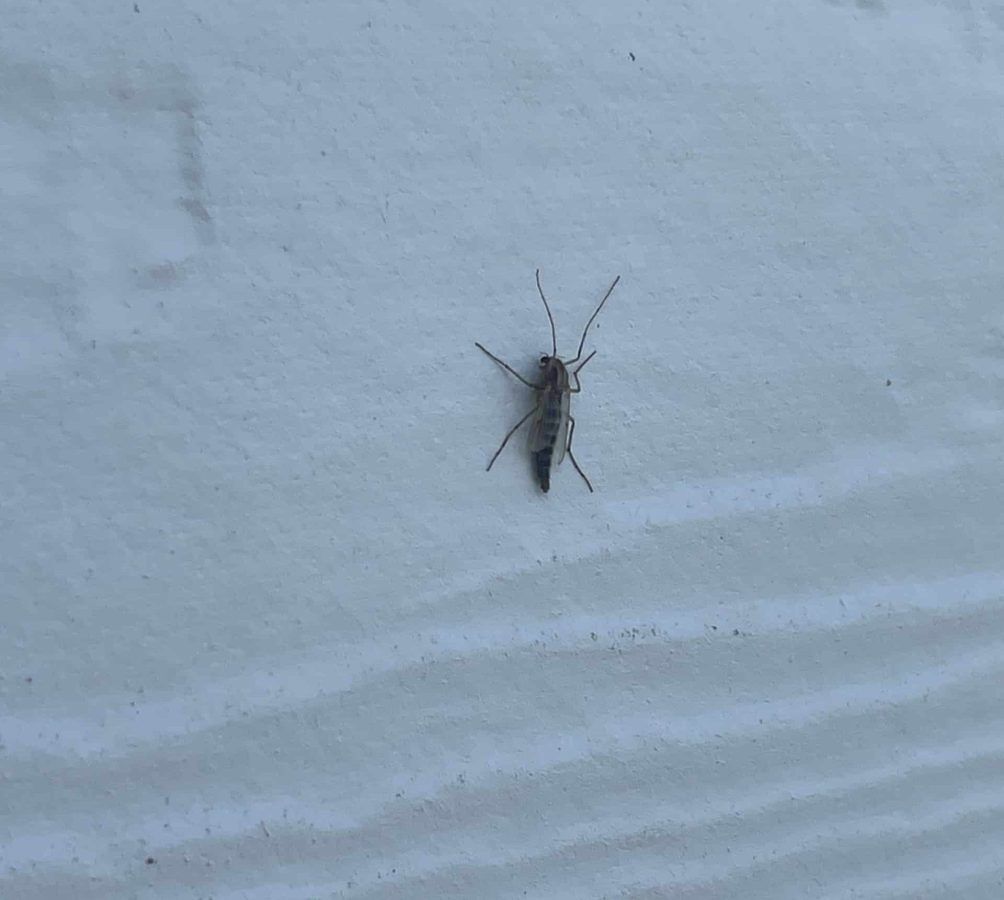
    In Florida, the term “midges” typically refers to a group of small flies belonging to the family Chironomidae. These flies are commonly known as non-biting midges or simply “blind mosquitoes.” Despite their name, midges are not actually mosquitoes and do not bite or transmit diseases like mosquitoes do.

    Midges are very small insects, usually measuring less than 1/4 inch (6 mm) in length. They have slender bodies, long legs, and prominent antennae. They are often seen in large swarms near bodies of water, such as lakes, ponds, marshes, and slow-moving streams.

    Female midges lay their eggs in water or in moist soil near water sources. The larvae develop in aquatic or semi aquatic environments, feeding on organic matter and microorganisms. Once they complete their development, adult midges emerge from the water and form swarms, where they mate and disperse.

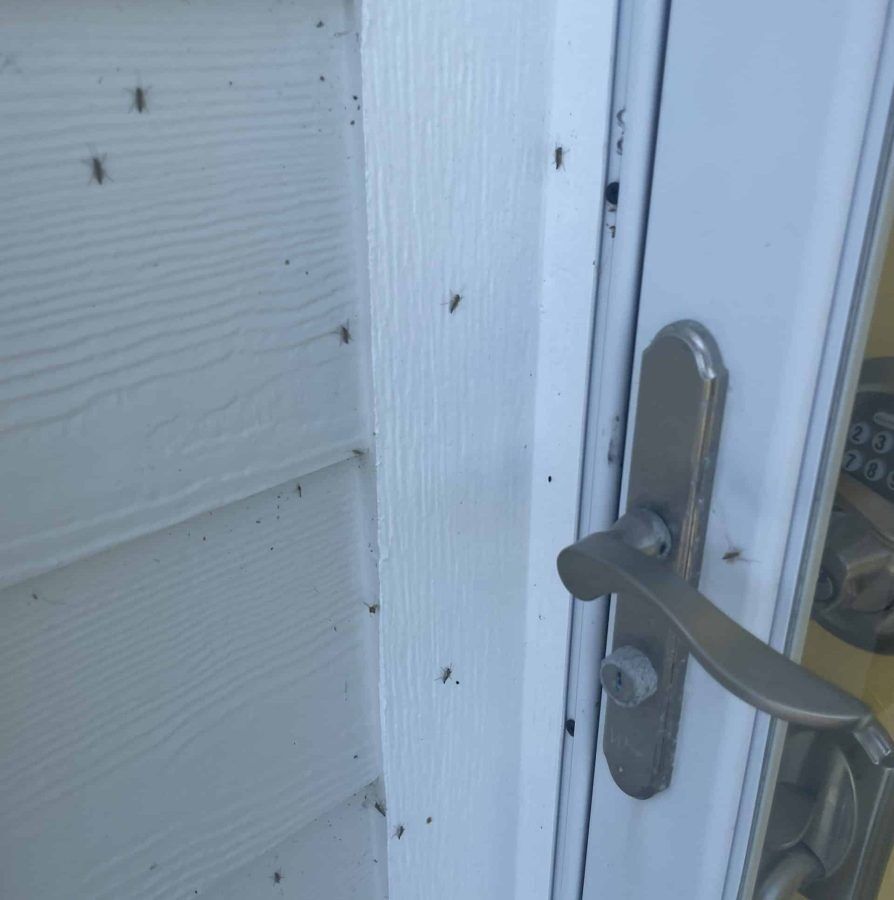
    The presence of midges in Florida can be more noticeable during certain times of the year, particularly during the warmer months and after heavy rainfall. While midges are generally harmless and do not pose a direct threat to humans or animals, their swarming behavior can be a nuisance, especially when they occur in large numbers. The swarms of midges can be bothersome when they fly around outdoor areas and may even create a nuisance by accumulating in large numbers on surfaces, such as windows or walls.

    It’s worth noting that the term “midge” can be used to refer to various small flies in different regions, so the specific species of midges found in Florida may vary.

    Call us today for a free estimate for your home, business, or condominium.

  • What’s Biting Me? A deeper look into understanding Mosquitoes and No-See-Ums in Florida.

    What’s Biting Me? A deeper look into understanding Mosquitoes and No-See-Ums in Florida.

    In sunny Florida, while enjoying the great outdoors this Memorial Day weekend, sometimes our outdoor fun can be accompanied by pesky biting insects. This blog explores the key differences between two common offenders: mosquitoes and no-see-ums. Furthermore, we delve into the invaluable assistance a professional pest control company can provide in helping homeowners battle these nuisance insects in the Sunshine State.

    Summertime in Florida is a paradise for outdoor enthusiasts, but it often comes with an unwelcome side effect: biting insects. The incessant buzzing and irritating bites can quickly put a damper on any outdoor activity. Understanding the differences between mosquitoes and no-see-ums and knowing how to combat them can make all the difference. Let’s explore these tiny tormentors and discover how professional pest control services can come to the rescue.

    Mosquitoes: The Familiar Foes

    When it comes to biting insects, mosquitoes are undoubtedly the most notorious creatures. Found worldwide, these pesky insects thrive in warm and humid environments. Female mosquitoes are the culprits behind those itchy bites, as they require blood for their reproductive cycle. Their presence is most prevalent during dawn and dusk, as they are primarily nocturnal feeders.

    Mosquitoes are known carriers of various diseases, including malaria, dengue fever, West Nile virus, and Zika virus. To combat mosquito infestations, homeowners can take preventative measures such as removing standing water, using mosquito repellents and installing window screens.

    No-See-Ums: The Stealthy Menace

    While mosquitoes are a common nuisance, another tiny foe often goes unnoticed until it’s too late: the no-see-ums. These minuscule insects, also known as sandflies or biting midges, belong to the Ceratopogonidae family. Measuring a mere 1/16 to 1/8 of an inch in length, they are smaller than mosquitoes, hence their name.

    No-see-ums are prevalent in coastal areas, marshes, and regions with abundant vegetation. Unlike mosquitoes, they are active during the daytime and early evening. These persistent biters can squeeze through window screens and are capable of delivering painful, itchy bites. While their bites are less likely to transmit diseases, their incessant attacks can make outdoor activities unbearable.

    How Pest Control Companies Can Help Homeowners

    While DIY methods may provide temporary relief, enlisting the expertise of a professional pest control company like Dave’s Pest Control is crucial for long-term solutions. Pest control experts possess the knowledge, experience, and tools to effectively combat mosquito and no-see-um infestations in Florida. Here’s how they can assist homeowners in battling these biting insects:

    Inspection and Identification: Pest control professionals will conduct a thorough inspection to identify the source of the infestation and determine the extent of the problem. They will differentiate between mosquito breeding sites, such as stagnant water sources, and areas favored by no-see-ums, like damp vegetation.

    Customized Treatment Plans: Based on the inspection findings, pest control companies will develop tailored treatment plans to target the specific insect species plaguing your property. These plans may include larvicides to eliminate mosquito larvae, adulticides to control mosquito populations, and barrier treatments to repel no-see-ums.

    Source Elimination: Pest control experts will identify and eliminate breeding sites to prevent mosquito larvae from hatching. They may also recommend strategies to minimize standing water and reduce the attractiveness of the property to these pests.

    Protective Measures: Professional pest control companies can provide guidance on installing and maintaining effective window screens, netting, and outdoor barriers to keep both mosquitoes and no-see-ums at bay.

    Ongoing Maintenance: Regular inspections and treatments by pest control professionals.

    How can I tell the difference between the two?

    Appearance and Behavior:

    Mosquitoes: Mosquitoes are slender insects with long legs and wings. They are usually larger than no-see-ums and can be easily identified by their elongated mouthparts, known as proboscis, which they use to pierce the skin and feed on blood. Female mosquitoes require blood for egg production, while males primarily feed on nectar. Mosquitoes are most active during dawn and dusk.

    No-See-Ums: No-see-ums, also known as sandflies or biting midges, are much smaller than mosquitoes. They have a humpbacked appearance and are barely visible to the naked eye. No-see-ums have short mouthparts and feed on both nectar and blood. They are primarily active during the daytime and early evening, often swarming in coastal areas, wet marshes, and places with a lot of vegetation.

    Habitats:

    Mosquitoes: Mosquitoes breed in stagnant or slow-moving water sources, such as ponds, puddles, and containers holding water. Female mosquitoes lay their eggs in or near water, and the larvae develop in aquatic environments. Common breeding sites include birdbaths, flowerpots, clogged gutters, and discarded tires.

    No-See-Ums: No-see-ums also require aquatic environments for breeding, but they prefer damp soil, decaying vegetation, and moist coastal areas. Their larvae develop in areas with high moisture content, such as muddy patches, marshes, and shoreline areas.

    Bites and Itch Response:

    Mosquito Bites: Mosquito bites can be itchy, painful, and leave raised red bumps on the skin. The female mosquito injects saliva into the skin during the feeding process, which contains anticoagulants and proteins that help prevent blood clotting. It is the body’s immune response to these proteins that causes the characteristic itching, swelling, and inflammation.

    No-See-Um Bites: No-see-um bites are often more painful and intensely itchy compared to mosquito bites. This is because no-see-ums have mouthparts designed to tear the skin and feed on blood vessels. Their saliva contains enzymes that break down tissues and prevent clotting, leading to a stronger immune response and heightened itching.

    Histamine in our bodies and why do we itch?

    Histamine is a natural compound produced by the body in response to various stimuli, including insect bites. It plays a significant role in the immune response and causes blood vessels to dilate, leading to increased blood flow to the affected area.

    When mosquitoes or no-see-ums bite, they introduce foreign proteins into the skin, triggering an immune response that releases histamine. Histamine binds to specific receptors in the skin, causing blood vessels to leak fluid and white blood cells to migrate to the bite site. This immune reaction leads to redness, swelling, and itching.

    Scratching the bite provides temporary relief but can worsen the itchiness and potentially break the skin, increasing the risk of infection. Anti-itch creams, topical corticosteroids, and antihistamines can help alleviate the itch and reduce inflammation caused by mosquito and no-see-um bites.

    Understanding the differences between mosquitoes and no-see-ums, their habitats, and the immune response they elicit can help individuals take appropriate preventive measures and find effective relief from the itch and discomfort caused by these biting insects.

    Dave’s Pest Control will customize our treatment plans based on the specific needs of each property. We take into account factors such as the size of the area, the severity of the infestation, the local environment, and any specific concerns or preferences of the homeowner.

    By employing these effective methods, Dave’s Pest Control can significantly reduce mosquito and no-see-um populations around homes, providing homeowners with a more comfortable outdoor environment free from biting insects.

    Can my blood type have anything to do with getting bit?

    Yes, there is some truth to the fact that individuals can have different reactions to insect bites, and certain factors, including blood type, may play a role.

    When an insect bites, it injects saliva into the skin, which contains various substances that help them feed or prevent blood clotting. In response to these substances, the immune system of the bitten person releases histamine and other chemicals, leading to the characteristic symptoms of itching, redness, swelling, and inflammation.

    There are several factors that can influence an individual’s reaction to insect bites:

    Allergic Reactions: Some individuals are more prone to allergic reactions to insect bites. These allergic reactions can range from mild to severe, depending on the person. People who have a history of allergies, such as hay fever or asthma, may be more susceptible to stronger reactions.

    Sensitivity: People can have different levels of sensitivity to insect bites. Some individuals may have a heightened immune response, leading to more pronounced reactions.

    Previous Exposure: The immune system can develop a stronger response to insect bites with repeated exposure. If a person has been bitten by insects in the past, their immune system may react more strongly to subsequent bites.

    As for blood type, there is limited scientific evidence suggesting a possible association between blood type and insect bite reactions. Some studies have indicated that individuals with blood type O may be more attractive to certain mosquitoes, such as those that transmit malaria or dengue fever. However, the relationship between blood type and insect bites is still not well-understood, and more research is needed to establish a definitive link.

    It’s important to note that the severity of insect bite reactions can vary widely among individuals, and factors such as the type of insect, location of the bite, and overall health of the person can also influence the reaction. If you have concerns about your reactions to insect bites, it’s best to consult with a healthcare professional for personalized advice and appropriate treatment.

    Call us today for a free consultation.

  • Happy New Year & Big Headed Ants

    Happy New Year & Big Headed Ants

    As we prepare for 2021 and say goodbye to 2020, we are reminded of how much of our lives were changed last year. We rang in the New Year eagerly, as we usually do, with massive crowds in Times Square. Men and women of all ages, freezing in the New York winter weather, waited in excited anticipation for the ball to drop.

    Most people can recall a special memory from past New Year’s Eve celebrations, and last year was another one relegated to the memory scrapbook. The new year has begun, and we’ve settled into familiar, if somewhat altered, routines of January.

    Those memories include the days when we first heard stories of a deadly respiratory virus spreading rapidly on the other side of the planet; we paid little attention. Major news stories were of Kobe Bryant’s untimely demise – a victim of a horrific helicopter crash. Minor news stories of sick people in China were of little consequence to most Americans.

    By late February, though, the United States began to experience confirmed cases of this new virus named COVID-19. This acronym is the abbreviated form of corona, CO, VI for virus, and D for disease; the 19 is for the year the virus was discovered.

    Dave’s Pest Control has been implementing best safety and prevention practices guided by the CDC (Center for Disease Control), the U.S. government, and state government. We are adhering to social distancing, issuing masks to all employees, distributing hand sanitizer to all employees, and allowing remote work and meetings for office employees where possible.

    Pest control is an essential business, designated as such by the Department of Homeland Security and The State of Florida. We have changed all our operational routines to keep the safety of each customer, employee, and our community at the forefront of all action.
    As our neighborhood businesses in Volusia and Flagler counties were ordered to shut down, we sheltered ourselves and stayed in our homes for the most part. But in a state of panic, people went out only to spend large amounts of money buying up everything deemed essential: hand sanitizer and wipes, toilet paper, toothpaste, medical care supplies, and many other items which were quickly depleted in stores everywhere.

    The pandemic that started in 2019 and tore through 2020 was not the first time the U.S. faced an invisible enemy. Earlier viruses have shaped our history in several different ways.

    The influenza outbreak in 1918 was unprecedented in both its rapid transmission and the extremely high mortality rate. The outbreak occurred when, for the first time period in the U.S. history, large groups of people were living closely together. Population was rising fast, and many people lived in small apartments in the cities.

    The deadly virus strain spread rapidly, sparing no one in its wake of misery and death. Not before, nor after this time period, would so many people die so quickly. This influenza epidemic killed over 50 million people, far exceeding the number of deaths caused by WWI.

    Today, there is a much better understanding of what causes sickness, thus bringing about improved living and sanitation conditions, clean drinking water, adequate sanitation facilities in our homes, and access to medical care when needed. These improvements have greatly reduced sickness and death in in the U.S., but as ever, we always have more to learn.

    While it’s commonly known that viruses can bring sickness, disease, and death to people, it is not so commonly known that we can use viruses to control invasive pests. This method is called biological control and there are many examples.

    New biological insecticides have been developed using viruses to control insects. These viruses are called baculoviridae viruses and are known to infect invertebrates like roaches and spiders in both the larvae stage and adult stage.

    Their use is often extended to food crops for the control of caterpillars and worms. Once applied, the virus causes a lethal infection inside the pest. The corpse liquifies, spilling virus particles for other caterpillars to pick up. The application is not harmful to the plants that are treated, nor to beneficial insects. As such, the crops are not harmful to humans and are safe to consume.

    Our Battle with Mosquitos

    Unfortunately for us, mosquitoes are a nuisance all year round. We would need a very cold, hard winter freeze to kill mosquitoes and their larvae. A hard freeze is defined as two hours below 28 degrees Fahrenheit, and this rarely happens in our part of Florida.

    Mosquitoes lay eggs in low lying areas, and they remain dormant until rainfall causes them to hatch. They grow into blood-sucking adults that seek out blood. While feeding on our blood, mosquitoes can transmit diseases.

    Zika is a virus transmitted by mosquitoes. Although cases are rare, some people can develop high fever and paralysis. Pregnant women can give birth to children with extreme birth defects. In addition to Zika, other diseases can wreak havoc on our immune system. Dengue fever, Malaria, West Nile and Encephalitis are a few of them. All have similar symptoms: fever, headaches, and rashes.

    Fortunately, there are very few cases of Zika and other mosquito borne illnesses in Volusia and Flagler counties.

    Dave’s Pest Control uses biological methods to control mosquitoes. The products are non-toxic to humans and effectively attract and kill all mosquito larvae and adults. The effectiveness of the trap is not limited to the trap; it also extends to the surrounding areas.

    The traps lure mosquitoes in as they are ready to lay their eggs. When the female mosquito deposits her eggs, she gets the mosquito killing powder on her body. When this female flies to another location to lay eggs, she contaminates the new breeding site with the powder from her body, which kills the new larvae at the new breeding site.

    We have had great success using these mosquito traps in the swampy coastal towns of New Smyrna Beach, Daytona Beach, and Flagler Beach, and inland cities of Deltona and Orange city.

    Our expert pest control technicians can help you choose the right amount and type of mosquito buckets needed for your property. We will work with you on choosing the right location for each bucket to achieve the best results.

    The new year holds many possibilities. Our future is not predetermined and is dependent on the day-to-day choices we make.

    Dave’s Pest Control is dedicated to providing excellent customer service. We can safely eliminate nuisance pests and give you peace of mind, knowing that your home or business is protected from pests.