Dave's Pest Control

Category: Lawn Spraying

  • The Evolution and Future Trends of Lawn Care in Florida

    The Evolution and Future Trends of Lawn Care in Florida

    Lawn care has a deep-rooted history in the United States, evolving from simple turf maintenance to a multi-billion dollar industry that encompasses landscaping, gardening, and environmental stewardship. Understanding the trajectory of lawn care provides insights into current practices, expenditure trends, and future predictions for this dynamic industry.

    Historical Perspective

    The concept of lawns in America traces back to European influences during the colonial era, where expansive green spaces were symbols of wealth and status. By the 19th century, lawns became more accessible to the middle class with the development of suburban neighborhoods. The invention of the lawnmower in the late 19th century further popularized home lawn maintenance, leading to the establishment of lawn care practices as a cultural norm.

    Current Landscape and Expenditure:

    Today, lawn care is a thriving industry in the United States, reflecting the nation’s affinity for well-maintained outdoor spaces. According to industry reports, Americans spend billions of dollars annually on lawn care products and services. This expenditure includes lawn mowers, fertilizers, pesticides, irrigation systems, professional landscaping services, and more.

    The Environmental Protection Agency (EPA) estimates that approximately 80 million pounds of pesticides are used on lawns each year in the United States. While maintaining green and healthy lawns is a priority for many homeowners, there is growing awareness of the environmental impact of traditional lawn care practices, prompting a shift towards more sustainable approaches.

    Future Predictions and Industry Trends:

    Looking ahead, the lawn care industry is poised for significant transformations driven by technological advancements, environmental concerns, and changing consumer preferences. Here are key predictions for the future of lawn care:

    Sustainable Practices: There is a rising demand for eco-friendly lawn care solutions that minimize chemical usage and promote biodiversity. This trend is likely to drive innovation in organic lawn care products, robotic mowers, and water-efficient irrigation systems.

    Smart Technology Integration: The integration of smart technology, such as IoT-enabled irrigation systems and robotic mowers, will revolutionize lawn maintenance by optimizing water usage and reducing labor-intensive tasks.

    Native Landscaping: As awareness of environmental conservation grows, homeowners are expected to embrace native plants and xeriscaping (low-water landscaping) to create sustainable and wildlife-friendly yards.

    DIY Trends:

    With the accessibility of information online, homeowners are increasingly adopting DIY approaches to lawn care, including composting, natural pest control, and manual lawn mowing, which could reshape the market for traditional lawn care services.

    Regulatory Changes: Government regulations aimed at reducing pesticide usage and promoting sustainable landscaping practices may impact the lawn care industry, influencing product formulations and service offerings.

    Lawn care in the United States has evolved significantly over the years, driven by cultural influences, technological innovations, and environmental considerations. As we move forward, the industry is poised to embrace sustainable practices, smart technologies, and consumer-driven trends, shaping the future of lawn maintenance into a more efficient, eco-conscious, and vibrant landscape management sector.

    To fertilize a large piece of land containing various southern grass types and weeds, a technician would typically follow a systematic approach to determine the square footage of the area and calculate the appropriate fertilizer application rate. Here’s a step-by-step guide on how to proceed:

    1. Determine the Square Footage of the Land:

    First, measure and calculate the total square footage of the land that needs to be fertilized. This can be done by measuring the length and width of the area in feet and then multiplying these measurements together.

    For example, if the land is rectangular:

    Length = 100 feet

    Width = 50 feet

    Total Square Footage = Length (feet) × Width (feet) = 100 feet × 50 feet = 5,000 square feet

    If the land has irregular shapes, divide it into smaller sections (like rectangles or triangles), calculate the square footage for each section, and then sum them up to get the total area.

    2. Determine the Fertilizer Application Rate:

    The fertilizer application rate depends on the type of grass, soil conditions, and desired nutrient levels. The technician may perform soil tests to assess nutrient deficiencies and determine the appropriate fertilizer blend and application rate.

    Fertilizer application rates are typically expressed in pounds of actual nitrogen (N), phosphorus (P), and potassium (K) per 1,000 square feet. For example, a common application rate for a lawn might be 1 pound of nitrogen per 1,000 square feet.

    3. Calculate the Amount of Dry Fertilizer Needed:

    To calculate the amount of dry fertilizer needed for the entire area, use the following steps:

    a) Convert the desired nutrient application rate to the specific fertilizer product’s application rate. For instance, if you want to apply 1 pound of nitrogen per 1,000 square feet and using a 10-10-10 fertilizer (which means it contains 10% nitrogen, 10% phosphorus, and 10% potassium), you would need to apply:

    – Amount of fertilizer (lbs) = (Desired nutrient rate in lbs per 1,000 sq ft) / (Percentage of nitrogen in fertilizer)

    Example:

    – Desired nitrogen rate = 1 lb per 1,000 sq ft

    – Percentage of nitrogen in fertilizer (10-10-10) = 10% or 0.10

    – Amount of fertilizer needed = (1 lb / 0.10) = 10 lbs of 10-10-10 fertilizer per 1,000 sq ft

    b) Multiply the amount of fertilizer needed per 1,000 square feet by the total square footage of the land to determine the total amount of fertilizer required for the entire area.

    Example:

    – Total square footage of land = 5,000 sq ft

    – Amount of fertilizer needed per 1,000 sq ft = 10 lbs (from previous calculation)

    – Total amount of fertilizer needed = (10 lbs per 1,000 sq ft) × (5,000 sq ft / 1,000 sq ft) = 50 lbs of 10-10-10 fertilizer for the entire 5,000 sq ft area

    4. Application of Fertilizer:

    Finally, apply the calculated amount of dry fertilizer evenly across the entire area using a calibrated spreader. Follow safety guidelines and environmental regulations when handling and applying fertilizers to minimize risks to human health and the environment.

    By following these steps, a technician can effectively calculate and apply dry fertilizer to a large piece of land containing various grass types and weeds, promoting healthy growth and minimizing nutrient deficiencies.

    Navigating Common Weeds in Eastern Florida: A Guide for Homeowners

    Maintaining a lush, green lawn in eastern Florida can be a rewarding endeavor, but it often comes with the challenge of dealing with persistent weeds that can detract from the overall beauty of your landscape. Understanding the most common weeds found in this region and learning effective management strategies is key to achieving a weed-free lawn. Here’s a comprehensive overview of some prevalent weeds homeowners may encounter in eastern Florida:

    1. Dollarweed (Hydrocotyle spp.):

    Dollarweed, also known as pennywort, is a perennial weed with rounded leaves that resemble small lily pads. It thrives in moist, shady areas and can quickly spread across lawns, especially during the humid months. Controlling dollarweed often requires improving drainage, reducing shade, and using selective herbicides specifically targeting broadleaf weeds.

    2. Crabgrass (Digitaria spp.):

    Crabgrass is an annual grassy weed that germinates in warm weather and quickly spreads across bare or thin areas of turf. It is characterized by its low-growing, spreading habit and can be challenging to eradicate once established. Pre-emergent herbicides applied in early spring can help prevent crabgrass seeds from germinating, while post-emergent herbicides can be used for existing infestations.

    3. Dandelion (Taraxacum officinale):

    Dandelions are broadleaf perennial weeds with bright yellow flowers and deeply toothed leaves. They thrive in a variety of soil conditions and can quickly spread through airborne seeds. Regularly pulling out dandelions by hand or applying broadleaf herbicides containing 2,4-D can effectively control their growth.

    4. Brazilian Pepper (Schinus terebinthifolius):

    Brazilian Pepper, also known as Florida holly, is an invasive woody shrub that can rapidly invade landscapes and natural areas. It produces dense thickets of red berries and can outcompete native vegetation. Mechanical removal combined with herbicide applications is typically recommended to manage Brazilian Pepper infestations.

    5. Chamberbitter (Phyllanthus urinaria):

    Chamberbitter, also called gripeweed, is an annual weed that grows low to the ground and produces small, inconspicuous flowers. It spreads rapidly and is often found in bare spots or disturbed areas. Post-emergent herbicides containing glyphosate or atrazine can be effective in controlling chamberbitter.

    6. Spurge (Euphorbia spp.):

    Spurge is a low-growing summer annual weed with oval-shaped leaves and small white or pink flowers. It thrives in dry, sandy soils and can quickly colonize open areas. Pre-emergent herbicides applied in early spring can prevent spurge seeds from germinating, while post-emergent herbicides can be used for existing plants.

    Effective Weed Management Strategies:

    1. Achieving a weed-free lawn in eastern Florida requires a combination of preventive measures and targeted treatments
    2. Maintain a thick, healthy turf through proper watering, mowing, and fertilization to minimize weed establishment.
    3. Use pre-emergent herbicides at the appropriate times to prevent weed seeds from germinating.
    4. Implement selective herbicide applications to target specific weed species while minimizing impact on desirable plants.
    5. Regularly inspect and hand-pull weeds before they have a chance to spread and reproduce.

    By familiarizing yourself with the most common weeds in eastern Florida and adopting proactive weed management strategies, you can effectively maintain a green, healthy lawn that enhances the beauty and value of your property.

  • Nurturing Vibrant Lawns in the Sunshine State: A Comprehensive Approach to Spring Fertilization, Weed Control, and Disease Management in Florida

    Nurturing Vibrant Lawns in the Sunshine State: A Comprehensive Approach to Spring Fertilization, Weed Control, and Disease Management in Florida

    Florida’s lush landscapes and subtropical climate create an ideal canvas for cultivating vibrant and healthy lawns. Maintaining an aesthetically pleasing and resilient lawn in the Sunshine State involves strategic practices such as spring fertilization, weed control, and disease management. In this essay, we explore the essential elements of fostering flourishing lawns in Florida, emphasizing the significance of a well-rounded approach to achieve optimal results.

    At Dave’s pest control, we are committed to maintaining the lush vibrancy of your lawn through our bi-monthly service, ensuring it stays green, healthy, and free from weeds. Our industry-leading custom-tailored fertilization programs set the standard, matched by the expertise of our skilled and highly trained technicians. Proudly, serving Volusia, Seminole, lake, Orange, and Flagler counties, we bring unparalleled care to your lawn, making it the epitome of health and beauty.

    Spring Fertilization:

    Spring marks a crucial period for nurturing Florida lawns, and strategic fertilization plays a pivotal role. As temperatures rise and daylight hours extend, grasses reawaken from winter dormancy, demanding a nutrient boost to support robust growth. Fertilization during this season aims to replenish soil nutrients, enhance grass color, promote root development, and fortify the turf against potential stressors.

    The selection of a balanced fertilizer with appropriate nitrogen, phosphorus, and potassium ratios is fundamental. Nitrogen, in particular, fuels vibrant greenery, while phosphorus supports root development, and potassium aids in stress resistance. Timely application and adherence to recommended rates ensure optimal nutrient absorption without causing harm to the environment.

    Lawn fertilizer is a specially formulated product designed to provide essential nutrients to grass and plants, promoting healthy growth and vibrant greenery. The production of lawn fertilizer involves a careful combination of key components, and the numbers on the fertilizer bag, commonly referred to as the N-P-K ratio, represent the percentage by weight of three primary nutrients: nitrogen (N), phosphorus (P), and potassium (K).

    Nitrogen (N):

    • Nitrogen is a crucial component for promoting lush, green foliage and robust growth. It plays a vital role in photosynthesis, protein synthesis, and overall plant development. Nitrogen is
    • typically derived from various sources, including urea, ammonium sulfate, or organic materials like composted manure.

    Phosphorus (P):

    • Phosphorus supports root development, flower and fruit formation, and overall energy transfer within the plant. It is a key component of DNA, RNA, and ATP (adenosine triphosphate).
    • Phosphorus sources in fertilizers include phosphate rock, superphosphate, and bone meal.

    Potassium (K):

    • Potassium contributes to the overall health and resilience of plants. It aids in water absorption, enzyme activation, and disease resistance. Common potassium sources in fertilizers
    • include potassium chloride and potassium sulfate.

    The process of making lawn fertilizer involves blending these nutrient-rich components in precise ratios to create a well-balanced product that meets the specific needs of different plants and soil conditions. Manufacturers carefully calculate the N-P-K ratios to suit various stages of plant growth and specific requirements, such as promoting flowering or supporting root development.

    The N-P-K ratio is represented on the fertilizer bag as three numbers separated by hyphens, indicating the percentage by weight of nitrogen, phosphorus, and potassium in the product. For example, a fertilizer with a ratio of 10-20-10 means it contains 10% nitrogen, 20% phosphorus, and 10% potassium.

    Understanding these numbers allows homeowners and landscapers to select the appropriate fertilizer for their specific needs, whether it be promoting overall lawn health, encouraging flowering, or establishing new plantings. Additionally, specialty fertilizers may include micronutrients like iron, magnesium, and sulfur, providing a comprehensive solution for optimal plant nutrition.

    Weed Control:

    Weeds pose a persistent challenge to maintaining the pristine beauty of Florida lawns. Spring, with its favorable growing conditions, demands vigilant weed control strategies. Pre-emergent herbicides, applied before weed seeds germinate, serve as a preventive measure to thwart weed growth. Selective herbicides target specific weed types without harming desirable grass varieties.

    Proactive lawn management practices, such as proper mowing heights and consistent irrigation, further contribute to weed prevention. By creating conditions favorable for turf grasses, homeowners can create an inhospitable environment for weeds, minimizing the need for chemical intervention.

    Liquid weed control is a method of applying herbicides in liquid form to target and eliminate unwanted weeds while minimizing harm to desirable grasses, such as St. Augustine grass. The effectiveness of liquid weed control and its selectivity lie in the formulation of herbicides and their mode of action.

    Here’s how liquid weed control generally works:

    Herbicide Formulation:

    • Liquid weed control products contain herbicides designed to target specific types of weeds. Selective herbicides are formulated to affect certain weed species while sparing other plants, like grasses, that are commonly found in lawns.

    Selective Herbicides:

    • Many liquid weed control solutions use selective herbicides that exploit the physiological differences between broadleaf weeds and grasses. St. Augustine grass is a monocot, and most broadleaf weeds are dicots. Selective herbicides are designed to target dicots, leaving monocots unharmed.

    Mode of Action:

    • Herbicides in liquid weed control typically work by disrupting essential metabolic processes specific to dicot plants. Commonly, they interfere with processes like photosynthesis, cell division, or hormone regulation in a way that affects broadleaf weeds more than grasses.

    Application Method:

    • Liquid weed control is often applied through sprayers or spreaders, allowing for targeted and controlled application. The liquid adheres to the foliage of the targeted weeds, and the herbicide is absorbed by the plant, translocating throughout its system.

    Post-Emergent and Pre-Emergent:

    • Liquid weed control may be categorized as post-emergent or pre-emergent. Post-emergent products target existing weeds, while pre-emergent products prevent weed seeds from germinating. Both types can be selective, allowing them to address specific weed types without harming established grass.

    Why it doesn’t harm St. Augustine grass?

    Physiological Differences:

    • St. Augustine grass and broadleaf weeds have physiological differences that make selective herbicides effective. The selectivity is often based on factors like leaf structure, growth patterns, and metabolic processes unique to each plant type.

    Formulation Expertise:

    • Manufacturers carefully formulate liquid weed control products to ensure they effectively target broadleaf weeds without causing harm to desirable grasses. These formulations are the result of extensive research and testing.

    Application Timing:

    • Applying liquid weed control at the appropriate timing, when weeds are actively growing, enhances its effectiveness while minimizing impact on desirable grasses. Proper application practices contribute to the selectivity of the herbicide.

    Follow Label Instructions:

    • Adhering to the product’s label instructions is crucial. These instructions provide guidelines on application rates, timing, and specific details about the herbicide’s selectivity. Following these instructions minimizes the risk of unintended harm.

    It’s important for users to choose the right liquid weed control product for their specific lawn and follow application guidelines diligently. Consulting with lawn care professionals can provide further guidance on effective and selective weed control tailored to the specific grass type and local conditions.

    Disease Management:

    Florida’s warm and humid climate creates an environment conducive to various lawn diseases. Effective disease management in the spring involves a combination of preventative measures and targeted treatments. Proper lawn care practices, including adequate aeration, regular dethatching, and well-timed irrigation, contribute to disease prevention by reducing favorable conditions for pathogens.

    Fungicides may be employed when disease risks are heightened, targeting specific pathogens while preserving the overall health of the lawn. Early detection and swift intervention are critical in mitigating the impact of diseases such as brown patch, dollar spot, and rust, which are prevalent in Florida’s climatic conditions.

    Fungicides are chemical substances designed to control or prevent the growth of fungi that cause diseases in plants. These diseases can negatively impact crop yields, plant health, and overall agricultural productivity. Fungicides play a crucial role in protecting plants from fungal infections, ensuring the sustainability of agriculture.

    How Fungicides Work?

    Fungicides work through various mechanisms to combat fungal infections:

    Disruption of Cell Membranes:

    • Many fungicides target the cell membranes of fungi, disrupting their structure and function. This interference compromises the integrity of fungal cells, leading to cell death.

    Inhibition of Enzymes:

    • Certain fungicides interfere with key enzymes essential for the fungi’s metabolic processes. By inhibiting these enzymes, the fungicides disrupt critical biochemical pathways, hindering fungal growth and reproduction.

    Disruption of Cell Division:

    • Fungicides may target processes involved in fungal cell division. By disrupting mitosis or cell division, they prevent the fungi from proliferating and spreading.

    Inhibition of Spore Germination:

    • Some fungicides work by preventing the germination of fungal spores. This inhibits the initial stages of infection and helps contain the spread of the disease.

    How Fungicides Are Applied?

    The application of fungicides involves several considerations to ensure effective control of fungal diseases:

    Timing:

    • Fungicides should be applied at the right timing, considering the specific stage of the plant and the life cycle of the targeted fungus. Preventative applications are often recommended to protect plants before disease onset.

    Application Methods:

    • Fungicides are applied using various methods, including foliar sprays, soil drenches, seed treatments, and trunk injections. The choice of application method depends on the type of fungus, the affected plant part, and the desired mode of action.

    Coverage:

    • Adequate coverage of plant surfaces is crucial for fungicide effectiveness. This ensures that the fungicide reaches and protects susceptible parts of the plant, such as leaves, stems, and fruit.

    Rate and Concentration:

    • Following recommended application rates and concentrations is essential. Applying too little may result in insufficient disease control, while excessive application can lead to environmental concerns, resistance issues, or phytotoxicity.

    Rotation and Mixing:

    • To prevent resistance development in fungi, it’s advisable to rotate fungicides with different modes of action. Additionally, some fungicides can be tank-mixed to enhance their spectrum of control and reduce the risk of resistance.

    Weather Conditions:

    • Fungicide application is influenced by weather conditions. Rainfall or irrigation shortly after application can impact efficacy, so proper timing in relation to weather events is crucial.

    Safety Precautions:

    • Users must follow safety precautions outlined on the fungicide label. This includes wearing appropriate protective gear and adhering to recommended application practices to minimize risks to humans, animals, and the environment.

    In summary, fungicides are vital tools in plant disease management, providing a targeted approach to control fungal infections. Proper application, considering factors such as timing, coverage, and safety precautions, is essential for maximizing their efficacy and minimizing potential adverse effects.

    As you can see, cultivating and maintaining a vibrant lawn in Florida requires a comprehensive approach that encompasses spring fertilization, weed control, and disease management. By understanding the unique challenges posed by the state’s climate, homeowners can implement proactive measures to enhance the health and aesthetics of their lawns. The synergy of proper fertilization, vigilant weed control, and targeted disease management ensures that Florida lawns thrive under the radiant sun, contributing to the allure of the Sunshine State’s landscapes.

    At Dave’s Pest Control, our exceptionally trained technicians utilize top-tier products to provide exceptional service, ensuring unparalleled results. Contact us today to receive a complimentary estimate for your home, business, or condominium.


  • Fall Lawn Care and Disease Management


    As we welcome the autumn season, it brings forth unique challenges, both environmental and biological, that demand our attention. At Dave’s Pest Control, we are committed to sharing our expertise on maintaining the health and vitality of your lawn, even as the fall season unfolds.

    Types of Grass we find in Florida

    In Florida, several grass types thrive due to the state’s warm and humid climate. The most common grass types include:

    1. St. Augustinegrass (Stenotaphrum secundatum): Widely used in Florida, St. Augustinegrass is known for its tolerance to heat and shade. It has broad, coarse blades and establishes a dense turf.
    2. Bahiagrass (Paspalum notatum): Bahiagrass is known for its adaptability to various soil types and its resistance to pests and diseases. It’s often used in lawns, pastures, and roadside plantings.
    3. Centipedegrass (Eremochloa ophiuroides): Preferred for its low maintenance requirements, centipedegrass has a fine to medium texture and a light green color. It is suitable for lawns with low to moderate foot traffic.
    4. Bermudagrass (Cynodon dactylon): Commonly used in athletic fields and golf courses, Bermudagrass is known for its durability and ability to withstand heavy traffic. It thrives in full sunlight.
    5. Zoysiagrass (Zoysia spp.): Zoysiagrass is appreciated for its dense, lush growth and tolerance to both heat and cold. It forms a thick carpet-like turf and is often chosen for lawns and golf courses.
    6. Seashore Paspalum (Paspalum vaginatum): As the name suggests, seashore paspalum is well-suited for coastal areas due to its salt tolerance. It is often used in golf courses near the coast.

    Transition to Fall:

    With the advent of fall, there is a gradual transformation in our surroundings. The days are becoming shorter, and a noticeable drop in temperature is underway. These seasonal shifts exert a significant influence on the circadian rhythms of numerous organisms, including us, resulting in the emergence of new behavioral patterns.

    Seasonal Insects:

    As nature transitions from summer to fall, various insect species, such as ants and termites, embark on their annual flights in response to these climatic changes. Following heavy rains and shifting weather patterns, many insects take to the skies, forming new colonies.

    Insect Reproduction:

    Each passing season witnesses the reproduction of numerous insect species, replacing aging generations. The cycle of life continues, adapting to the evolving conditions.

    Daylight Saving Time:

    The cooling of weather and shorter days signify the need for resetting our clocks, an act commonly known as Daylight Saving Time. While we adjust the hands of our clocks backward by an hour, our internal circadian rhythms face a more challenging realignment. It can take up to a week to adapt to this one-hour difference, reminiscent of jet lag when crossing time zones.

    Biological Clocks:

    Insects, like humans, are influenced by circadian rhythms, although not to the same extent. Biological clocks are pivotal in enabling organisms to adapt to the cyclic changes in their environment. This intrinsic timekeeping system is a fundamental component of survival for all living creatures, playing multifaceted roles.

    Navigation and Biological Clocks:

    Studies reveal that insects rely on their internal clocks, closely tied to light and temperature, for various behaviors. Some insects, like European honey bee workers, employ specialized dances, known as “waggle dances,” to communicate information about food sources. This navigational trait, akin to a “solar compass,” guides them accurately. Monarch butterflies and other creatures utilize celestial navigation techniques, relying on the earth’s magnetic field, moon, and stars, thanks to their biological clocks.

    Origins of Circadian Clocks:

    Circadian clocks are believed to originate from an organism’s central nervous system, specifically in the optic lobes of the brain. Removal of parts of this brain tissue in invertebrates like crickets results in severe disruptions to their behavior and survival. This mechanism for measuring daylight likely evolved early in the history of life on Earth.

    Bed Bugs and Circadian Rhythms:

    Even bed bugs adhere to an internal biological clock, determining when they feed. While they can detect carbon dioxide from our breath, they prefer to feed between 2 am and 5 am, a behavior adapted to target humans during their deepest sleep. This strategy minimizes their chances of detection and immediate eradication.

    Diapause and Dormancy:

    Certain insects enter diapause, a period of suspended development triggered by changes in daylight, temperature, and environmental conditions. Comparable to hibernation, diapause is characterized by metabolic changes in insects. In cold temperatures, dormant states, similar to hibernation, are entered by insects like paper wasps, yellow jackets, and mosquitoes, waiting for warmer conditions.

    Lawn Dormancy and Rejuvenation:

    In northern states, grass types such as Kentucky bluegrass, ryegrass, and fescue undergo dormancy during winter. Lawns take on a frozen, pale brown hue, marked by the scattering of red, orange, and yellow leaves, followed by the cover of snow and ice. Biological processes pause, and no external nutrients are required as grass lies in a suspended state.

    With the return of warmth and sunlight after months of dormancy under snow and ice, lawns reawaken, transforming brown, lifeless grass into vibrant green growth.

    Dormant Bugs:

    Similar to dormant lawns, fleas and bedbugs can remain inactive until conditions become favorable for feeding. Adult bed bugs can survive for up to a year without a blood meal, while bed bug nymphs can endure for three months without feeding.

    Implications for Space Travel:

    The ability of certain organisms to suspend their metabolic activity for extended periods may hold implications for human survival during prolonged space travel beyond our galaxy.

    Disease Management in Lawn Care:

    At Dave’s Pest Control, our proficient lawn technicians possess substantial expertise in managing lawn diseases. In the fall weather of Volusia and Flagler Counties, characterized by cool nights and daytime humidity, turf diseases can become a concern. Fungicides are essential tools for disease control, although their effectiveness may vary based on the specific disease affecting your lawn.

    Common Lawn Diseases:

    • Large Patch Disease: Primarily affecting warm-season grasses like St. Augustine, centipedegrass, seashore paspalum, and zoysiagrass, this fungus causes dark brown patches at the grass’s base, which can be easily detached.
    • Take all Root Rot: An underground disease that affects root health, resulting in darkened roots. Grass leaves turn yellow and die off irregularly.
    • Dollar Spot: This disease, caused by soil-dwelling fungi, forms small circular patches and leads to visible yellowing on grass leaves.
    • Fairy Ring Disease: This condition presents varied symptoms, including dead ring-shaped spots and circular patches of stimulated growth.

    Understanding Fungus Spread:

    Fungi require three essential ingredients for growth: food, water, and oxygen. Removing one of these elements can disrupt spore reproduction, forming the basis of disease management.

    Fungicides and Their Mode of Action:

    Fungicides target specific areas within fungal genomes, disrupting cell membranes of spores. Controlling fungi damaging turf grasses requires an understanding of grass type, local weather conditions, the presence of surrounding trees, and lawn care practices.

    Disease Spore Prevention:

    Disease spores can inadvertently spread from one lawn to another through mowing services. Cleanliness and maintenance of lawn mowers and tools are crucial in mitigating this risk.

    Identifying Lawn Diseases:

    Recognizing the signs of different turf diseases is pivotal, as each may require specific treatment approaches.

    Benefits of Fungicides:

    In the agricultural context, more than 85% of American crops receive fungicide treatment each growing season. The benefits outweigh the risks, safeguarding billions of dollars in crop production.

    Thatch Layer and Disease:

    Fungi often target the thatch layer of turf grass, composed of decaying organic matter. Management includes soil aeration to facilitate organic matter breakdown. Specialized dethatching rakes are also available but are labor-intensive.

    Lawn Care Tips:

    To minimize the risk of lawn diseases, it is advisable to water lawns in the morning, allowing time for grass to dry before evening. Frequent fertilization encourages healthy turf growth, making it more resilient against fungi.

    If you suspect any issues with your lawn this fall, please do not hesitate to contact us at Dave’s Pest Control. We are here to offer expert guidance and support for your lawn care needs.

  • Palmetto Bugs – Do You Have an Infestation?

    Palmetto Bugs – Do You Have an Infestation?

    Palmetto bugs are common pests in Florida. They like warm and damp environments that are common throughout Florida, including Daytona Beach, Holly Hill, Ormond Beach and other parts of Flagler and Volusia Counties. They look like cockroaches because they technically are cockroaches, the American Cockroach. They’re reddish brown and get as big as 1.5 inches if not a little larger. Both male and female palmetto bugs have wings although they’re used mostly for gliding.

    Palmetto bugs are almost always in groups. If you see one palmetto bug, that means there are usually more–often many more; palmetto bugs usually show up in large groups, as in hundreds or thousands. Palmetto bugs are rarely seen during the day; they hide from humans and other predators, so the ones you see are usually just the tip of the iceberg and an indicator of a bigger infestation. Even seeing just a single palmetto bug is often an indicator of a common problem.

    Since they hide from humans, you probably won’t notice them until after they have become a problem. Any sign of palmetto bugs is a warning, and homeowners should do everything to stop a palmetto bug “gathering” from turning into a full blown palmetto bug infestation.

    Often you might even see palmetto bug eggs and not the palmetto bugs themselves. They can go 2-3 months without eating, so they’re not going to rush to expose themselves. They lay an egg sack weekly. The thin brown sack is almost half and inch long. While palmetto bugs move, their eggs don’t.

    Given their efforts to stay hidden, homeowners in Florida should look for signs of a broader palmetto bug problem, especially if you see one or two of them. Palmetto bugs give off a musty smell, but they leave lots of visible evidence of their presence–chew marks on papers, curtains, book bindings, and even some clothes. You can also looked for shedded skin from when they molt along with their droppings, which will most likely be found in cracks and crevices around your home.

    Palmetto bugs do pose health risks from contaminating plates, utensils, toothbrushes and other parts of the home in the process of crawling over hidden areas like drawers and drains. If you see any sign of palmetto bugs, do not hesitate to call Dave’s Pest Control if you live in central or south Florida, we offer expert pest extermination in Port Orange, Daytona, Orlando, Sanford, Lakeland, Coral Springs and other areas of Florida.

  • You Should be Treating Your Lawn for Grey Leaf Spot Fungus

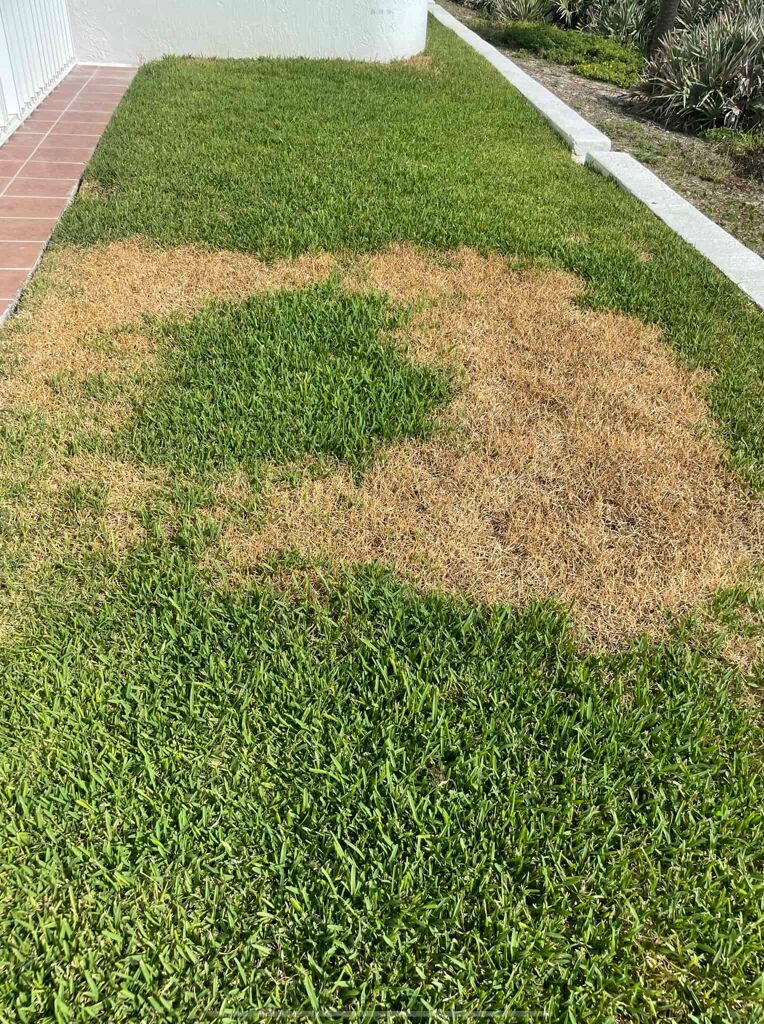
    Throughout each season in Florida, environmental factors play a huge role in retaining a lush, green lawn year-round. In the month we are in now, August, with humidity at its height and rainfall expected on a daily basis, Grey Leaf Spot Fungus is naturally flaring up all over lawns we treat in Daytona, Ormond Beach, New Smyrna, Deland, Palm Coast, Edgewater, and the rest of our customer’s lawns in other areas of Volusia, Flagler, and part of Brevard. Grey Leaf Spot Fungus can devastate a lawn, killing the entire blade of grass, and if left untreated, it can make its way all the to the runner, killing off sections of grass.

    Grey Leaf Spot in Florida LawnsGrey Leaf Spot thrives in conditions of high humidity above 95%, extended wet periods, including rainfall, and temperatures exceeding 80-90 degrees consistently. This fungus is one of the most aesthetically unpleasing fungi that appear on a lawn because it makes the lawn dingy and brown. The reason Grey Leaf Spot is so devastating to a lawn is that lesions start from the bottom of the grass blade and work up, making it incredibly difficult for the average technician to identify.

    After identification, it is not possible to save affected blades. All that can be done is a fungicide application and then wait for new growth. As Dollar Spot Fungus is corrected with a nitrogen application, the opposite is true for Grey Leaf Spot fungus. Applying nitrogen to active leaf spot fungus will literally melt a lawn down to the runner. Most lawn fungi react poorly to nitrogen. Melting out the fungus, in some cases, can be beneficial because new healthy blades will be promoted as long as a fungicide is included in the treatment mix. This method is obviously not the best way to go about treating Grey Leaf Spot fungus because the lawn will take a couple of weeks to recover and will look brown until it does so. The best way to keep Leaf Spot Fungus to a minimum is through early identification and following the instructions on the label of the chosen fungicide.

    Lawn Treatment for Grey Leaf Spot Fungus Understanding label rates of fungicides for application, proper follow-up time, and communicating with customers is the best way to keep these nuisance funguses from causing severe damage to St Augustine lawns. The technicians at Dave’s Pest Control are highly skilled and are able to identify and treat problems to keep your grass green.

  • How to Identify & Treat Dollar Spot Fungus

    With summer in full swing, there are many concerns with managing a healthy and vibrant St. Augustine lawn. Even though temperatures are soaring above the 90-degree mark in Florida, the wetness from rain showers is not drying because humidity is staying at high levels, 85% and above on a consistent basis all day and through the night. This process ensures that lawns will stay wet for extended periods of time. Because of this, fungus can wreak havoc on a lawn.

    How to treat dollar spot fungus

    Identification of Dollar Spot Fungus

    Dollar Spot Fungus is still present from the spring time because it has become resistant to many fungicides. Dollar Spot Fungus is predominantly present in lawns from fall through spring, but can still linger into early summer. It is identified by its circular dead spot pattern. Affected areas of damage can range from 1 inch in diameter to 6 inches in diameter, but connected spots can often make damage patterns larger.

    Treatment of Dollar Spot Fungi

    The main cause is primarily related to two issues: (1) nitrogen deficient grass, and (2) consecutive days of infrequent rain combined with heavy morning dew.  The most effective way to treat Dollar Spot Fungus is through applying nitrogen. However, the nitrogen blackout in Volusia county, which is from June 1st through September 30th each year, prevents lawn spraying companies from applying nitrogen to treat this fungus.

    Therefore, technicians must rotate fungicides with each application to lessen the resistance of one particular fungicide, follow proper label rates, and schedule follow ups with customers to inspect progress. In addition to lawn spraying companies like Dave’s Pest Control correcting fungus issues, the customer plays an important role in their yard as well.

    For example, customers should implement proper watering habits. This is necessary to combat many nuisance fungi. Water only when needed (e.g. ¾- 1 inch of water per each watering cycle). Also, only watering in the mornings before first daylight (i.e. not at night) will allow the grass and soil to not stay too wet for extended periods of time, which prevents the fungus from spreading and further damaging the lawn.

    Improper watering habits and overwatering will only aggravate the fungus issue; thereby, promoting more fungus and stress to the lawn.

    Reach our Professional Lawn Care Experts:  

    The technicians at Dave’s Pest Control inspect for potential problems that can arise from these conditions that are favorable to fungus, and are experts at lessening the impact of fungus and preventing it from devastating a lawn.