Dave's Pest Control

Category: Exterminator Advice

  • Preventing Home Damage: Keeping Water at Bay

    Preventing Home Damage: Keeping Water at Bay

    Water is both a life-giver and a formidable adversary, especially when it comes to our homes. Water damage, in the form of wood decay, fungi, and insect infestations, can wreak havoc on a home’s structural integrity and aesthetic appeal. However, with the right strategies, homeowners can safeguard their abodes from these threats. This essay delves into the importance of keeping water away from your home to prevent such damage and explores effective prevention methods.

    I. Wood Decay

    Wood decay, often caused by prolonged exposure to moisture, is one of the most significant threats to a home’s structural integrity. Over time, wood absorbs moisture, leading to rot, which weakens beams, frames, and other wooden components of a house. To prevent wood decay, homeowners should consider the following measures:

    1. Proper drainage systems: Well-maintained gutters and downspouts can direct rainwater away from the house, reducing the risk of wood exposure to excess moisture.
    2. Routine inspections: Regularly inspect wooden components for signs of decay or damage. Promptly replace or repair any affected areas.
    3. Sealants and paint: Applying sealants and paint to wooden surfaces creates a protective barrier against moisture, prolonging their lifespan.

    II. Fungi Growth
    Fungi, such as mold and mildew, thrive in damp conditions and are known to cause health problems in addition to damaging a home’s aesthetics. Preventing fungi growth is crucial for maintaining a healthy and attractive living space. Here are some strategies to consider:

    1. Proper ventilation: Ensure good airflow in damp areas like bathrooms and basements to reduce moisture levels, discouraging fungi growth.
    2. Humidity control: Use dehumidifiers and air conditioners to maintain indoor humidity at appropriate levels, generally between 30-50%.
    3. Regular cleaning: Keep surfaces dry and clean, especially in moisture-prone areas, to prevent fungi from taking hold.

    III. Insect Infestations
    Insects, particularly termites and carpenter ants, are drawn to damp, decaying wood, which serves as a fertile breeding ground for infestations. These pests can cause extensive damage, leading to costly repairs. Preventing insect infestations can be achieved through the following steps:

    1. Moisture control: Eliminate moisture sources and fix leaks promptly to make the environment less inviting for insects.
    2. Regular inspections: Regularly inspect your home for signs of insect activity and address any infestations promptly.
    3. Protective barriers: Consider the installation of physical barriers, like termite shields and treated wood, to deter insects from entering your home.

    Termites

    Termites are attracted to water-damaged wood or leaking spigots near a home’s foundation due to their preference for moist environments and the cellulose content of wood. Here’s how it works:

    1. Moisture: Termites require a source of moisture to survive and thrive. Water-damaged wood or leaking spigots create a damp environment that termites find ideal for their colonies.
    2. Cellulose in Wood: Termites primarily feed on cellulose, a structural component in wood and plant material. Water-damaged wood tends to be softer and easier for termites to consume, making it an attractive food source.
    3. Chemical Attraction: Termites release chemical signals, known as pheromones, to communicate with each other and locate food sources. Moist, decaying wood emits these chemical signals more strongly, drawing termites to the area.
    4. Access Points: Leaking spigots along a home’s foundation can provide a water source that keeps the surrounding soil moist. Termites may tunnel into the moist soil and gain easy access to the house, where they can find the water-damaged wood.

    To prevent termite infestations, it’s essential to address moisture issues promptly, repair water damage, and fix any leaks near your home’s foundation. Regular inspections and maintenance can help minimize the risk of attracting termites to your property.

    Ants

    Ants, while not the same as termites, can also be attracted to homes with water-damaged wood, leaking water sources, or pooled water near the foundation. Here’s how these factors can attract ants:

    1. Water Source: Ants, like all living creatures, need water to survive. Leaking spigots and pooled water from air conditioning runoff can provide a consistent water source for ants.
    2. Moist Environment: Just as with termites, ants are attracted to moisture. Water-damaged wood and pooled water create a damp environment that can be appealing to various ant species.
    3. Food Source: Ants are omnivorous, and some species are attracted to decaying or water-damaged wood, as they can find other insects, fungi, or microorganisms in such environments. The wood itself may not be their primary food source, but the presence of other insects can attract them.
    4. Easy Access: If the water-damaged wood is structurally compromised, it can create entry points for ants to infiltrate your home. They may exploit these weaknesses to gain access to the interior.

    To prevent ant infestations, it’s crucial to address these issues:

    • Fix Leaks: Repair any leaking spigots or air conditioning runoff to eliminate standing water around your home.
    • Repair Wood Damage: Fix or replace water-damaged wood promptly, as this removes both the moisture source and potential shelter for ants.
    • Seal Entry Points: Seal cracks, gaps, and entry points that ants could use to access your home.
    • Keep the Area Clean: Regularly clean and maintain the areas around your home’s foundation to remove debris and potential ant food sources.

    While ants and termites have distinct dietary preferences and behaviors, both can be attracted to water and moisture, making it essential to manage these factors to reduce the risk of infestations.

    Roaches


    Roaches can enter a home due to plumbing leaks or excessive water near the home through the following mechanisms:

    1. Entry Through Cracks and Gaps: Roaches are known for their ability to squeeze through tiny openings. Excessive water near the home can soften the soil and the structure’s foundation, which may lead to cracks or gaps forming. Roaches can exploit these openings to gain access to the interior.
    2. Drain and Sewer Lines: Roaches can enter a home through sewer and drain lines connected to plumbing systems. These insects are attracted to the damp and dark environments of these pipes, and they may follow the plumbing lines into your home if there are leaks or open access points.
    3. Seeking Moisture: Roaches are attracted to moisture and water sources. Plumbing leaks, whether in pipes or fixtures, create areas of dampness that can attract roaches in search of water. They can follow the moisture to its source, which may lead them indoors.
    4. Pooled Water Near the Home: Excessive water pooling near the home’s foundation can soften the soil and create pathways for roaches to navigate. They might use these softened areas to infiltrate the house.

    To prevent roaches from entering your home due to plumbing leaks or water-related issues:

    1. Fix Leaks: Promptly repair any plumbing leaks or issues in your home to eliminate moisture that attracts roaches.
    2. Seal Entry Points: Seal cracks, gaps, and openings around your home’s foundation to prevent roach entry.
    3. Maintain Drainage: Ensure proper drainage around your home to prevent water from pooling near the foundation.
    4. Regular Cleaning: Keep your home clean, especially in areas with plumbing access points, to eliminate food sources and make the environment less appealing to roaches.

    Taking these preventive measures can significantly reduce the risk of roach infestations associated with plumbing leaks or excessive water near your home.

    To ensure that water doesn’t accumulate along the foundation of your home and potentially cause damage or attract pests, consider the following steps:

    1. Proper Grading: Ensure that the ground around your home slopes away from the foundation. This encourages water to flow away from the house rather than pooling next to it. Regrading may be necessary to achieve the proper slope.
    2. Gutters and Downspouts: Install or maintain gutters and downspouts to direct rainwater away from the foundation. Ensure they are clean and free of debris to allow for proper water flow.
    3. Extensions for Downspouts: Use downspout extensions to carry water even further away from the house. These can discharge rainwater into drainage systems or areas where it won’t affect the foundation.
    4. French Drains: Consider installing French drains or other drainage systems to redirect water away from your home’s foundation. These can be especially useful in areas with poor natural drainage.
    5. Seal Foundation Cracks: Regularly inspect your foundation for cracks and seal them with appropriate materials to prevent water infiltration.
    6. Sump Pump: Install a sump pump in the basement or crawl space if your home is prone to flooding or water accumulation. This can help manage excess water and prevent it from reaching the foundation.
    7. Landscaping: Use landscaping elements like gravel beds or swales to divert water away from the foundation. Properly designed landscaping can enhance drainage.
    8. Routine Maintenance: Regularly inspect your home for leaks or water damage and address any issues promptly. This includes checking for plumbing leaks, roof leaks, or any other potential sources of water accumulation.
    9. Waterproofing: In areas with a high water table or frequent flooding, consider professional waterproofing measures for your basement or foundation.
    10. Drainage Solutions: Consult with a professional to assess your specific situation and determine if more advanced drainage solutions, such as a French drain system or dry well, are necessary.

    By implementing these steps, you can significantly reduce the risk of water accumulating along the foundation of your home, which can help protect your property from potential damage and pest infestations.

    Call us today for a free estimate for your home, business, or condominium.


  • Sunshine and Bugs: Exploring the Dynamic Tropical Climate of Florida

    Sunshine and Bugs: Exploring the Dynamic Tropical Climate of Florida

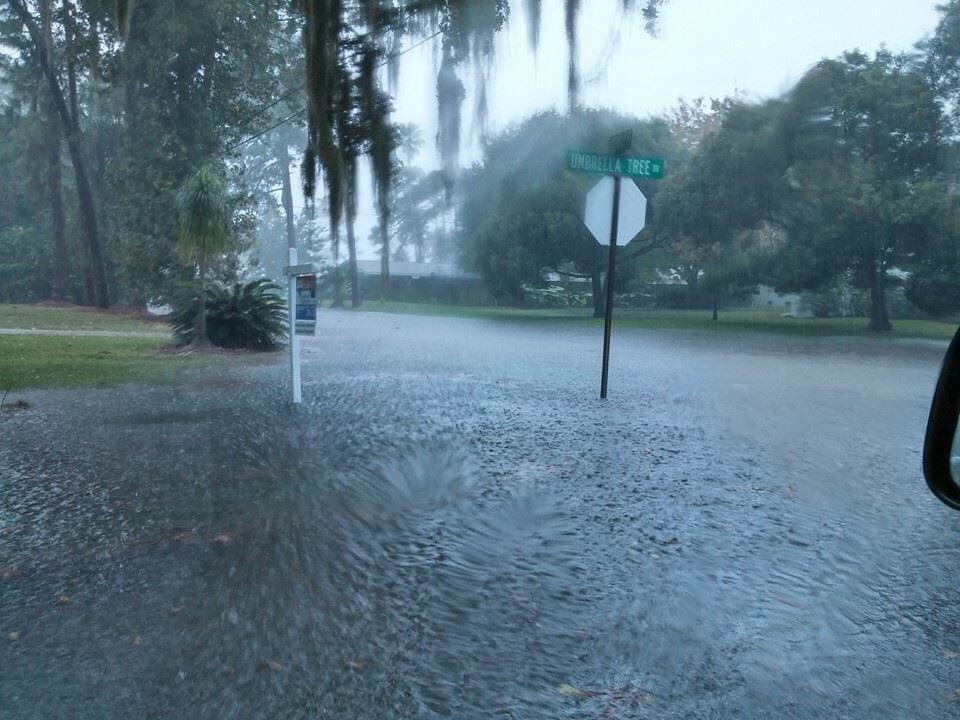
    Everyone knows Florida is known for our distinctive tropical climate, characterized by warm temperatures, high humidity, and distinct wet and dry seasons. This climate greatly influences various aspects of the region, from vegetation and wildlife to human activities and daily life. One of the key features of this climate is its rainfall patterns, which play a crucial role in shaping the environment and affecting insect populations, such as roaches.

    The tropical climate of Central and Eastern Florida is primarily influenced by its proximity to warm ocean currents and the Gulf of Mexico. This proximity results in consistently warm temperatures throughout the year, with average highs ranging from the mid-70s to mid-90s Fahrenheit (24-35°C). This warm and humid climate is characterized by distinct wet and dry seasons, each with its own unique impact on the region.

    The wet season typically spans from May to October, during which the area experiences an abundance of rainfall. On average, Central and Eastern Florida receive between 50 to 60 inches (127 to 152 centimeters) of rainfall annually. The majority of this precipitation occurs during the wet season, with heavy afternoon thunderstorms being a common occurrence. These downpours are often intense but short-lived, replenishing water sources and nourishing vegetation. The ample rainfall supports lush plant growth and contributes to the region’s diverse and vibrant ecosystems, including marshes, swamps, and subtropical forests.

    Damage to Homes

    Florida’s unique climate, characterized by abundant rainfall and warm, moist weather conditions, poses significant challenges for wood siding on residential and commercial structures. The combination of frequent rainfall and high humidity levels creates an environment that is conducive to the deterioration and damage of wood siding. This essay delves into the causes and consequences of the damage to wood siding in Florida, highlighting the importance of proper maintenance and preventive measures.

    The incessant rainfall in Florida, particularly during the wet season, exposes wood siding to prolonged periods of moisture. This moisture infiltration can lead to a series of issues, the most notable being wood rot. Wood is a porous material, and excessive moisture allows fungi to thrive, accelerating the decay process. The warm temperatures and high humidity levels create an ideal habitat for fungi, such as mold and mildew, to proliferate. Over time, these organisms break down the cellular structure of the wood, causing it to weaken, lose its structural integrity, and ultimately compromise the building’s stability.

    Furthermore, the constant moisture exposure can result in the expansion and contraction of wood siding, causing it to warp, crack, and split. These physical deformations not only diminish the aesthetic appeal of the building but also create gaps and openings that allow more moisture to penetrate, exacerbating the damage. The accumulation of moisture also promotes the growth of insects, such as termites, which are notorious for feeding on and weakening wood. The synergy between moisture-related decay and insect infestations can lead to substantial and often irreparable harm to wood siding.

    In addition to direct moisture-related issues, the intense sunlight in Florida can contribute to the deterioration of wood siding. Ultraviolet (UV) radiation from the sun can cause the wood to fade, discolor, and become brittle over time. The combination of UV exposure and moisture can accelerate the breakdown of lignin, a natural polymer that gives wood its strength and rigidity. As lignin degrades, the wood becomes more susceptible to structural damage and decay, further compromising its longevity.

    To mitigate the damage caused by rainfall and warm, moist weather conditions, proactive measures are essential. Regular inspection and maintenance of wood siding are paramount. Homeowners and property managers should be vigilant in identifying signs of decay, discoloration, warping, or insect infestations. Prompt repair and treatment can help prevent further deterioration and save on costly replacement expenses.

    Applying protective finishes, such as paints, stains, and sealants, can create a barrier against moisture and UV radiation. These finishes not only enhance the visual appeal of the wood but also contribute to its durability by reducing the risk of moisture infiltration and sun-induced degradation. Proper ventilation and drainage systems can also help channel moisture away from the wood siding, preventing the accumulation of water and reducing the likelihood of decay.

    Roaches

    Florida’s wet season’s consistent rainfall also creates conditions conducive to the proliferation of insects, including roaches. These pests thrive in humid environments and are drawn to areas with moisture and organic matter. The warm and damp conditions of Central and Eastern Florida provide an ideal habitat for roaches to breed and multiply. While various species of roaches exist, some, like the American and German cockroach, are particularly common in the region.

    Roaches are known for their ability to adapt and survive in diverse environments, and the tropical climate of Central and Eastern Florida offers them ample opportunities to thrive. They often seek shelter in homes, buildings, and other structures, especially during periods of heavy rain. While efforts are made to control roach populations through proper sanitation and pest management, the humid conditions of the region can make eradication a continuous challenge.

    The life cycle of American cockroaches (Periplaneta americana) in Florida, as in other regions, consists of several distinct stages: egg, nymph, and adult. The warm and humid climate of Florida is conducive to the development and proliferation of these cockroaches, allowing them to thrive and complete their life cycle relatively quickly.

    Egg Stage: Female American cockroaches produce ootheca, which are protective cases containing multiple eggs. Each ootheca is typically brown or dark in color and measures around 0.9 to 1.6 cm in length. The female carries the ootheca until it is ready to hatch, at which point she deposits it in a sheltered location. The eggs incubate within the ootheca for about 6 to 8 weeks before hatching.

    Nymph Stage: Once the eggs hatch, nymphs emerge from the ootheca. Nymphs are smaller and resemble miniature versions of adult cockroaches, but they lack fully developed wings. They go through several molting stages as they grow, shedding their exoskeletons each time. During these molts, nymphs become larger and develop more distinct features. The nymph stage lasts for several months, and the exact duration depends on factors such as temperature, humidity, and food availability.

    Adult Stage: After undergoing several molts, nymphs eventually reach the adult stage. At this point, they have fully developed wings and reproductive capabilities.

    Adult American cockroaches are large insects, typically measuring between 3 to 4 cm in length. They have a reddish-brown color and a distinctive “figure-eight” pattern on the pronotum (the shield-like plate covering the thorax). Adult cockroaches can live for up to a year or more, depending on environmental conditions and available resources.

    Throughout their life cycle, American cockroaches are opportunistic scavengers, feeding on a variety of organic materials, including decaying matter, food scraps, and even non-food items. They are well-adapted to Florida’s warm and humid climate, which allows them to reproduce and thrive year-round.

    To effectively manage American cockroach populations in Florida, it is crucial to focus on prevention, sanitation, and pest control measures. By minimizing potential food and water sources, sealing entry points, and employing appropriate pest control methods, like the ones offered by Dave’s Pest Control, property owners can reduce the risk of infestations and help maintain a cockroach-free environment.

    Other common bugs homeowners often see

    Florida’s hot and humid climate, combined with abundant rainfall, creates an environment that is favorable for various types of insects to thrive. Some of the most common bugs that people may find in their homes in Florida due to excessive heat, humidity, and rainfall include:

    Cockroaches: As we mentioned, American cockroaches and German cockroaches are prevalent in Florida. They are attracted to warmth, moisture, and food sources, making homes susceptible to infestations.

    Ants: Several ant species, such as the ghost ant, Argentine ant, and carpenter ant, are commonly found in Florida homes. These ants are drawn indoors in search of water and food.

    Mosquitoes: Florida’s humid environment is ideal for mosquitoes to breed. They can easily find standing water around homes to lay their eggs and become a nuisance to residents.

    Termites: Subterranean termites thrive in Florida’s warm and damp conditions. They can cause significant structural damage to homes if left unchecked.

    Silverfish: These moisture-loving insects are often found in humid areas like bathrooms and kitchens.

    Spiders: While not all spiders in Florida are dangerous, some, like the brown recluse and black widow, can pose risks. The humidity provides suitable conditions for spider populations to grow.

    Palmetto Bugs (Giant Cockroaches): These large cockroach species are well-adapted to Florida’s climate and can make their way indoors seeking shelter.

    Flies: Various fly species, including house flies and fruit flies, are attracted to the warmth and moisture found in homes.

    Earwigs: These insects are drawn to moisture and can often be found in damp areas like basements and bathrooms.

    Moths: Humidity can lead to an increase in moth populations, and some species may find their way into homes.

    Fleas and Ticks: Pets can introduce fleas and ticks into homes, which can be particularly problematic in warm and humid conditions.

    Palmetto Weevils: These insects are known for infesting and damaging palm trees, which are common in Florida. They can sometimes find their way indoors.

    Preventive measures such as proper sanitation, sealing entry points, reducing standing water, and regular pest control can help minimize the presence of these bugs in Florida homes. If infestations occur, it’s advisable to seek professional pest control services, like Dave’s Pest Control, to effectively manage and eliminate the problem.

    If you suspect you have a problem with pests, Call us today for a free estimate!

  • Drywood Termites in Florida: How to Protect Your Home

    Drywood Termites in Florida: How to Protect Your Home

    Drywood termites are a common problem in Florida, causing significant damage to homes and structures. Unlike subterranean termites, drywood termites do not require contact with soil and can infest any wooden structure, including ceiling trusses.

    In this blog post, we will discuss how drywood termites can invade your home, the signs to look out for, and how pest control companies can help you protect your property.

    Drywood Termites Get Into Ceiling Trusses

    Drywood termites can enter your home through small cracks, gaps, or openings in the exterior of your house. They can also be brought in through infested furniture or wood. Once inside, they can easily make their way to the wooden ceiling trusses, where they can establish colonies and cause significant damage over time.

    Signs Homeowners Should Look Out For

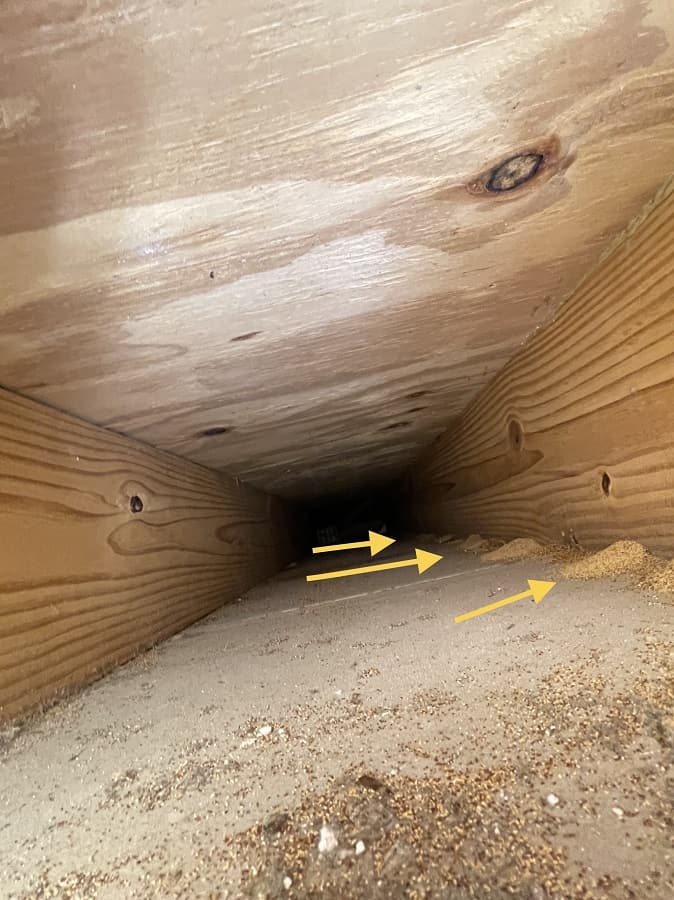
    Frass (termite droppings): Drywood termites produce small, pellet-like droppings called frass. If you notice piles of frass near your walls or in your attic, it could be a sign of a drywood termite infestation.

    Hollow-sounding wood: As drywood termites consume wood from the inside out, the wood may sound hollow when tapped. If you notice this in your ceiling trusses or other wooden structures, it could indicate termite damage.

    Swarming termites: Drywood termites swarm to establish new colonies. If you see swarming termites around your home, it could be a sign of an infestation.

    Discarded wings: After swarming, drywood termites shed their wings. If you find piles of discarded wings near your home, it could indicate a nearby termite colony.

    Pest Control Solutions for Drywood Termites

    A professional pest control company can help you identify and treat drywood termite infestations. They may use a combination of methods, including:

    Spot treatments: Pest control technicians can apply localized treatments to specific areas of your home where termites are present. This can include injecting termiticides directly into the wood or applying surface treatments to kill the termites.

    Fumigation: In severe cases, a pest control company may recommend fumigating your entire home. This involves sealing your home and filling it with a gas that kills the termites. While this method is highly effective, it can be costly and requires you to vacate your home for several days.

    Heat treatments: Another option for treating drywood termites is heat treatment. Pest control technicians can raise the temperature in your home to a level that is lethal to termites, effectively killing them without the use of chemicals.

    By being vigilant and looking out for signs of infestation, you can catch the problem early and prevent further damage. If you suspect you have a drywood termite infestation, contact the professionals at Dave’s Pest Control to assess the situation and recommend the best course of action to protect your home.

    It’s difficult to provide an exact number of homes in Florida that have damage from drywood termites as this number can vary greatly depending on factors such as location, climate, and the age of the homes. However, it’s important to note that Florida is a high-risk area for termite infestations due to its warm and humid climate, which is conducive to termite activity.

    Drywood termites swarm to reproduce and establish new colonies. Swarming typically occurs during the warmer months, usually between May and September, although the exact timing can vary depending on the local climate and weather conditions. Swarms often happen on warm, sunny days with high humidity, usually in the late morning or early afternoon when temperatures are at their peak.

    The life cycle of a drywood termite colony in Florida typically begins with a mating flight, during which winged reproductive termites, also known as alates, leave the colony to mate and establish new colonies. After mating, the alates shed their wings and the females begin to lay eggs.

    The eggs hatch into larvae, which are fed by the worker termites. The larvae molt several times and eventually develop into adult workers, soldiers, or reproductive, depending on their role in the colony.

    The worker termites are responsible for feeding the colony and maintaining the nest, while the soldiers defend the colony against predators. The reproductive, also known as swarmer, are responsible for establishing new colonies.

    Drywood termite colonies can take several years to mature, and the size of the colony can vary depending on factors such as the availability of food and the size of the nest. A mature colony can contain several thousand termites.

    Drywood termites do not require contact with soil and can live entirely within the wood they infest. They create small holes in the wood to expel their fecal pellets, which can be a sign of infestation.

    Overall, the life cycle of a drywood termite colony in Florida can take several years and involves the development of different castes of termites with specialized roles in the colony. It’s important to work with a professional termite company to detect and treat any infestations before they cause significant damage to your home.

    There are several areas of a home that are most susceptible to damage from drywood termites:

    Wooden structures: Drywood termites feed on wood, so any wooden structures in a home, such as framing, flooring, and furniture, are at risk of damage.

    Attics and crawl spaces: These areas often have exposed wooden beams and limited human activity, making them ideal locations for drywood termites to establish colonies.

    Exterior wood: Wooden siding, eaves, and trim are also susceptible to drywood termite damage, especially if they are not properly maintained or treated with termite-resistant materials.

    Window and door frames: Termites can enter homes through small gaps in window and door frames, and these areas can also provide a food source for the insects.

    To protect your home from drywood termites, it’s essential to regularly inspect for signs of infestation, maintain proper ventilation and moisture control, and treat any exposed wood with termite-resistant materials or coatings.

    What’s the difference between drywood termites and subterranean termites?

    Subterranean termites and drywood termites are two different types of termites found in Florida, and they differ in their behavior, habitat, and the damage they cause.

    Subterranean termites:

    These termites live in large colonies underground and require contact with soil to maintain their moisture levels.

    They build mud tubes to travel between their colony and their food source, which is typically wood in contact with the ground.

    Subterranean termites are more widespread and are considered more destructive than drywood termites due to their larger colony sizes and their ability to cause extensive damage in a shorter period.

    They primarily feed on cellulose found in wood, but they can also damage other materials such as insulation and plastic pipes.

    Drywood termites:

    These termites do not require contact with soil and can live entirely within the wood they infest. They do not build mud tubes and instead create small holes in the wood to expel their fecal pellets, which can be a sign of infestation.

    Drywood termites are less widespread than subterranean termites, but they can still cause significant damage to wooden structures.

    They primarily feed on wood and can infest furniture, wooden beams, and other wooden structures within a home.

    While it’s difficult to provide an exact figure for the millions of dollars in damage caused by termites in Florida each year, it’s estimated that termites cause over $5 billion in damage annually across the United States. Subterranean termites are responsible for the majority of this damage due to their more aggressive nature and larger colony sizes.

    As for homeowners insurance, termite damage is typically not covered under standard policies. This is because termite infestations are considered preventable through proper home maintenance and regular inspections. Homeowners are encouraged to invest in termite prevention measures and work with professional pest control companies to protect their homes from these destructive pests.

    Dave’s Pest Control uses a variety of methods to inspect for termites, even when they are not visible behind the walls of a home. Here are some of the most common methods:

    Visual inspection: A trained termite inspector will conduct a thorough visual inspection of the interior and exterior of the home, looking for signs of termite activity such as mud tubes, termite wings, and fecal pellets. They will also inspect areas where termites are known to be active, such as crawl spaces and attics.

    Moisture meters: Termites are attracted to moisture, so a moisture meter can be used to detect areas of high moisture content in the wood, which can indicate the presence of termites.

    Infrared cameras: Infrared cameras can detect changes in temperature, which can indicate the presence of termites. For example, termite activity can cause a slight increase in temperature in the wood they are infesting.

    Acoustic detectors: Some termite companies use acoustic detectors to listen for the sounds of termites chewing on wood. This method is most effective in areas where termite activity is suspected but not yet visible.

    Bait stations: Termite bait stations can be placed around the perimeter of the home to attract termites and monitor their activity. This method can help detect termites before they cause significant damage.

    Overall, Dave’s Pest Control uses a combination of these methods to inspect for termites and determine the extent of any infestation. It’s important to work with a professional termite company like Dave’s to ensure that your home is properly inspected and treated for termites. We offer pest control in Lakeland, Port Orange, Boca Raton, Fort Lauderdale, Orlando and other areas of Florida so if you reside in any of the areas of South or Central Florida, Call us today for a free estimate.


  • Sentricon Bait Stations: Best in business

    Sentricon Bait Stations: Best in business

    “Protect Your Home from Termites with Sentricon: The Proven, Non-Invasive Solution”

    Protecting your investment is crucial, and one of the most significant threats to your property is termites. These small but destructive pests can cause extensive damage to your home, resulting in costly repairs and headaches. However, with Sentricon, you can rest assured that you’re getting the best in the business for termite solutions. Sentricon’s innovative technology is specifically designed to eliminate termites quickly and efficiently, providing you with the peace of mind you deserve. These tiny pests can cause major damage to your home, costing you thousands of dollars in repairs.

    Termites destroy homes by eating away at the wood that makes up the structure of the building. They are particularly drawn to moist, soft, or rotting wood, which they can easily chew through. They also tunnel through the wood, creating galleries and weakening the structure. They can damage the walls, floors, and foundations of a home, making it unsafe to live in. Additionally, termites can also damage other materials in the home such as insulation and drywall. The damage caused by termites can be costly to repair if left untreated.

    There are several methods to get rid of these pests:

    • Chemical Treatment: This involves using a liquid pesticide, such as a termiticide, to kill termites. This method is often used to treat the soil around the foundation of a building and create a barrier to prevent termites from entering.
    • Bait Systems: This method uses bait stations placed in the ground around the perimeter of a building to attract and kill termites. The Sentricon Termite Bait System is a well-known and widely used bait system.
    • Physical Removal: This method involves physically removing the termites from the building. This can be done by cutting out and replacing infested wood.
    • Fumigation: This method involves sealing the building in a tent and filling it with a gas to kill termites. This method is often used for severe infestations and for the treatment of drywood termites.
    • Heat Treatment: This method involves raising the temperature inside the infested structure to a level that will kill the termites.

    When it comes to termite infestations, it’s important to note that different termite species may require different treatments, and some methods may be more appropriate for certain types of infestations. Before deciding on a treatment plan, it’s crucial to have a professional inspection done to determine the extent of the infestation and the type of termites involved. Here at Dave’s Pest Control, we offer free inspections for termite infestations.

    One of the most efficient ways of dealing with termites is by using the Sentricon Termite Bait System, which is considered one of the best products on the market. With its innovative technology, Sentricon can quickly and efficiently eliminate termites from your property, giving you the peace of mind you need. So if you want a reliable solution to protect your home from termites, look no further than Sentricon. The Sentricon Termite Bait System is considered one of the best products on the market for several reasons:

    • Proven Effectiveness: Sentricon has been scientifically tested and proven to effectively eliminate entire termite colonies, including the queen.
    • Non-Invasive: Sentricon is a non-invasive option, as it does not require drilling or digging into the structure of the building.
    • Continuous Protection: Sentricon provides continuous protection by constantly monitoring for termite activity and automatically adjusting the bait to target the specific species of termites present.
    • Environmentally Friendly: Sentricon is an environmentally friendly option, as it uses a low-toxicity bait that poses minimal risk to non-target organisms.
    • Easy to use: Sentricon is an easy system to use and maintain, it does not require any special tools or equipment.
    • Long-lasting: Sentricon provides long-lasting protection, as it targets the entire colony and not just individual termites.

    Overall, the Sentricon Termite Bait System is an effective, non-invasive, environmentally friendly, and long-lasting solution for termite control, which is why it is considered one of the best products on the market. Sentricon works by using a unique baiting system that targets the termite colony at its source. First, small bait stations are installed in strategic locations around your property, which are then monitored for termite activity. When termites are detected in the bait stations, the termites will carry the bait back to the colony where it is shared with the rest of the colony, including the queen. This innovative system not only eliminates the current infestation but also helps prevent future infestations by constantly monitoring for termite activity. Sentricon is a reliable and effective solution for protecting your home from the damaging effects of termites.

    At Dave’s Pest Control, we understand the importance of detecting and treating termite infestations early on.. We use the latest technology and products to ensure that your home is safe from pests. But our service doesn’t stop there. We also provide ongoing prevention and maintenance to keep pests away for good. Our team will work with you to implement measures such as sealing entry points, removing food sources, and providing regular inspections to ensure that your home remains protected from pests.

    If you’re concerned about termite infestations, don’t hesitate to contact Dave’s Pest Control. We offer a complimentary inspection service to our customers to help identify entry points, eliminate existing infestations, and implement preventative measures to keep your home and family safe. We operate in Volusia, Orange, Lake, and Seminole counties. Our team of skilled professionals is dedicated to providing effective pest solutions and protecting your property from future termite damage. Take the first step in safeguarding your home and health by scheduling a free estimate with Dave’s Pest Control today.

  • Clean and Sanitary Living: Protect Your Home from Pantry Pests

    Clean and Sanitary Living: Protect Your Home from Pantry Pests

    Imagine going about your day-to-day activities, unaware that tiny creatures are lurking around, spreading germs and diseases that can harm you and your loved ones. From food contamination to airborne illnesses, these creepy crawlies can create a breeding ground for microorganisms that put your family at risk. Bugs are a common problem in many homes, but did you know that they can also make your home unsanitary? That’s right, pests such as cockroaches, ants, and even rodents can carry diseases and bacteria.

    Think about it: These pests are crawling around in your kitchen, in your pantry, and even in your bedrooms. It’s easy to underestimate the impact of bugs on your home’s overall cleanliness. These tiny creatures may seem insignificant, but their presence can lead to a host of unsanitary conditions. From tiny droplets of saliva and excrement to disease-ridden body parts, pests can contaminate every corner of your living space. And with the ability to reproduce quickly, a few pests can quickly turn into a full-blown infestation, making your home an even more unsanitary environment.

    Some of the bigger problems are created by Pantry Bugs. Pantry bugs, also known as stored product pests or pantry pests, are insects that infest and feed on stored food items such as grains, flour, cereal, spices, and dried fruits. Some common types of pantry bugs include:

    Types of Pantry Bugs

    • Indian meal moths: These moths lay eggs in food products, and their larvae can cause damage to stored grains, nuts, and dried fruits.
    • Flour beetles: Flour beetles feed on flour, cereal, and other grain products.
    • Weevils: Weevils are small beetles that infest grains, beans, and nuts.
    • Drugstore beetles: Drugstore beetles feed on a wide range of stored foods, including spices, grains, and dried fruits.

    These pests can be a nuisance in households, grocery stores, and food processing facilities. They can contaminate your food, spread germs, and cause allergic reactions. And once they’ve infested your home, it can be difficult to get rid of them. Bugs can make your home unsanitary in several ways:

    Why Should Pantry Bugs be Eliminated

    • Contamination of food: The thought of bugs infiltrating your pantry is enough to make anyone shudder. However, this is not just an unpleasant thought but a real risk. Pests such as cockroaches, ants, and rodents can easily access your food storage areas, leaving behind a trail of droppings, saliva, and even dead bodies. This can cause food poisoning and other health issues.
    • Spread of germs: With their six spiny legs and sticky pads, bugs like cockroaches can scuttle across contaminated surfaces and then deposit germs onto other objects and surfaces that they come in contact with. Similarly, house flies carry bacteria and pathogens on their hairy bodies and legs and transfer them to food and other surfaces as they land on them.
    • Allergic reactions: The microscopic particles and proteins that bugs leave behind as they move through your living space can trigger a range of unpleasant reactions, from sneezing and coughing to itchy eyes and runny noses. This is particularly true when it comes to dust mites, which are commonly found in bedding, carpeting, and other soft surfaces. These tiny creatures feed on dead skin cells shed by humans and pets, and their waste can contain potent allergens that can cause significant discomfort.
    • Unpleasant odors: Bugs like cockroaches and some beetles can produce unpleasant odors that can affect the air quality in your home.

    Fortunately, there are many ways to combat the unsanitary conditions that pests can bring into your home. And with our professional pest control services, we can help you take action to protect your living space and your health. Alongside our expert assistance, there are also several simple steps that homeowners can take to rid their homes of bugs.

    Steps to Get Rid of Bugs

    • Keep a clean home: Regularly cleaning and vacuuming can help reduce the number of bugs in your home. Be sure to focus on areas where bugs are commonly found, such as the kitchen and bathrooms.
    • Seal entry points: Bugs can enter your home through small cracks and crevices. Seal any gaps or holes around windows, doors, and pipes to prevent bugs from entering.
    • Eliminate food sources: Bugs are attracted to food, so be sure to keep your kitchen clean and store food in sealed containers. Also, take out the trash regularly and keep the garbage area clean.
    • Maintain your garden: Keep your garden and lawn clean, trim the bushes, and remove any standing water. This will help to reduce the number of bugs in your yard.
    • Use natural remedies: There are a variety of natural remedies that can help repel or kill bugs, such as essential oils, diatomaceous earth, and boric acid.
    • Professional pest control: If you have a significant bug infestation, it may be best to call Dave’s Pest Control. We can identify the specific type of bugs and develop a treatment plan to eliminate them.
    • Regular Inspection: Get your house regularly inspected, and if you find any signs of bugs, don’t wait, act promptly.

    Here at Dave’s Pest Control, our treatments are safe for your family and pets, and are effective in eliminating pests. We use the latest technology and products to ensure that your home is safe from pests. But our service doesn’t stop there. We also provide ongoing prevention and maintenance to keep pests away for good. Our team will work with you to implement measures such as sealing entry points, removing food sources, and providing regular inspections to ensure that your home remains pest-free.

    Call Dave’s Pest Control today to schedule an inspection and learn more about our pest solutions. Our trained professionals will help you identify entry points, remove existing infestations, and implement preventative measures to protect your home and your family. Protect your home and your health by taking action today.

  • Exterminator Advice: Spraying For Spiders

    Exterminator Advice: Spraying For Spiders

    We spray. That’s what exterminators do. We spray all the time to exterminate all sorts of pests–ranging from spiders to bed bugs to termites, roaches and other unwelcome pests.

    Watch Mike, one of our certified pest control experts, explain how to most effectively spraying to exterminate pests–in this case spiders in Ormond Beach, Florida. While he’s spraying for spiders, he also explains how to treat for other pests, like roaches.