Dave's Pest Control

Category: Exterminator Advice

  • How Can Property Inspection Help You Save Money?

    How Can Property Inspection Help You Save Money?

    You might wonder, what real difference can a property inspection make? Isn’t it just another idea sold to us by capitalists, just another way to take a hefty chunk of our money in the name of pest control? or how can a property inspection help me save money? 

    I used to think the same way until a disaster happened at my own property. I had to check through every crack & corner and ended up spending a huge amount on repairs. That’s when it hit me. I could have avoided all that expense if I hadn’t overlooked the small things and if I had gotten my house inspected by a professional in the first place. You see, it’s like catching a leaky tap before it floods the whole kitchen. Or spotting a few tiny termite wings under a coffee table before they eat through half your pavement’s wooden structure.

    Small problems, if caught early, save you from big wallet-draining disasters later. So, how Can Property Inspection Help You Save Money? Let’s talk about it thoroughly.

    What is a Property Inspection

    A property inspection is performed by a professional or a group of professionals who carefully examine residential places or commercial buildings. Property owners schedule an inspection to get a closer look at areas that are easy to miss: walls, crevices, roofs, faulty wiring, HVAC systems, or any other potential hazards and safety risks that could worsen over time. This is what a property inspection usually covers: 

    • Leaky ceiling
    • In-wall dampness
    • Rotting floorboards
    • Pest infestations

    The best possible outcome of a property inspection is the freedom to make informed decisions. With the knowledge provided in a property inspection report, you can make informed decisions even if it means planning repairs, budgeting wisely or investing your money in the right place before issues turn into costly, inevitable problems.

    Schedule property inspections early, save money and protect your peace of mind!

    How Can A Property Inspection Help Me Save Money? 

    Property inspection is beneficial for you in many short term & long term ways. Let’s see how: 

    Residents Safety

    Who can overlook this factor? If you notice your kitchen tap dripping and fix it in time, you might save yourself from water damage and mold. If your living room ceiling shows signs of damage and you catch it before it collapses that’s a huge win for safety. The same goes for pests. Imagine your home’s foundation being eaten away by termites. A pest control inspection can uncover that before it turns into a disaster. With an exterminator’s help, you get the chance to take early action and protect both your home and your family.

    Prevents Costly Surprises

    If you get to know about a faulty tap in the kitchen or a weak ceiling before it becomes worse and reaches the last stage (kitchen filled with water because the tap gave up, ceiling totally collapsed, hit the pavement and now the whole room is asking for renovation), the repair cost will be huge. But if you see it early, you will save some money and get it repaired at the right amount. The same goes for pests. If termites are eating your home’s foundation and you only notice when the wood is already hollow, you will end up paying thousands. But if you call an exterminator on time, you will save your home and your wallet too.

    Insurance Plans

    If you have gotten an insurance plan from a company, regular home inspections are only more and more beneficial for you. They can help ensure that any issues are documented and covered by your insurance, which can save you a lot of money, a definite win-win! 

    Maximize Home Value

    Now this is a fact, properties that are well managed and properly inspected tend to get the value you want. See, if buyers walk in fully aware that the property won’t surprise them with sudden loopholes or hidden issues, they are more likely to agree on the price you’re asking (or close to it). Landlords who schedule regular property inspections rather than rushing them at the last minute, are far more likely to keep their rentals in excellent condition. The timely inspection makes the property a more desirable choice for future tenants.

    Negotiation Middle Ground

    Definitely! If you are aware of an issue before it becomes an urgent need, you can negotiate the repair cost. When you already know what’s going on, you’re in the position to ask questions, discuss the price or at least bargain a little. That way, you save money instead of being stuck in a do-or-die situation.

    Peace of mind

    Not to mention the peace of mind that comes with all these factors! Who wouldn’t want to sleep in a home that’s been carefully inspected? When you walk around knowing your home isn’t going to make a dent in your wallet with some sudden unavoidable repair, that feeling is priceless. At the end of the day, peace of mind is what we all live for, and a proper inspection gives you that. It’s like coming home after a long day at work & knowing your space is safe & truly yours to rest in.

    Pest Control Property Inspection

    Pests aren’t only bad for structural damage; they’re just as bad for your health. To avoid the hazards that come with living in moisture-prone areas, suburbs or even city homes, it’s smart to have your property inspected by a professional pest control company.

    Here’s how pest control inspection works: a licensed exterminator shows up at your place with tools and gadgets designed to monitor and detect pests. They check the spots you might overlook, like inside cabinets, under walls (for termite activity), hidden corners (for rodent droppings) or even chewed wires that point to rodent problems. Afterward, they’ll walk you through the immediate actions you need to take and provide a documented report of the entire inspection.

    Pest Control Inspection

    A pest control property inspection not only saves your money also adds value to your home. When a property is certified by a pest control company, it not only makes selling easier and faster but it also helps you secure the value you’re aiming for.

    When You Need Pest Control Property Inspection

    Is pest control worth it? Or when do I need pest control inspection? The right answer is: yes it is worth it & you need it when you’ve been seeing pests or even suspecting pest activity! And the fact that pest control inspection is not just necessary for today, its actually your investment for tomorrow. Why do you want to lose your home to termites? Or spend a hefty amount of money on damage that could have been prevented? You don’t want that, exactly!

    Property inspections help you save time, money and hassle before problems get worse.

    Dave’s Pest Control – Free Home Inspection

    At Dave’s Pest Control, we understand how stressful it can be to see or even suspect pests in your home. That’s why we offer free pest inspections for both residential & commercial properties. Our exterminators are friendly, fast and thorough. They go deep into every corner to make sure nothing is overlooked, giving you a complete & detailed inspection you can trust!

    Call us now! 


  • Are Landlords Responsible for Pest Control?

    Are Landlords Responsible for Pest Control?

    No one wants to move into a place where pests have already taken over. And no one wants to hand over the keys to the tenants who brought pests with them. So, who’s responsible for the pest control? Are landlords responsible for pest control? Or tenants? Or somewhere in between? Understanding who takes responsibility can save a lot of headaches and a few arguments down the line.

    Let’s discuss this. 

    Rental Property Pest Control & Law

    Before moving in, landlord and tenant sign an agreement contract to avoid future disputes. It is important to make sure the lease agreement clearly states who is responsible if a pest infestation occurs.

    Rental Property Pest Control & Law

    As per Florida’s law, landlords are legally required to provide a safe and livable home which includes handling pest control. But in some rare cases the responsibility also falls on the tenants. For example, if a tenant fails to keep the property clean and sanitary, inviting pests through poor hygiene or neglect, then the tenant may be held responsible for the cost of pest control services.

    It is important to note that pest control rules can vary from state to state.

    The law also requires tenants to notify landlords as soon as they notice pest activity. Landlords in turn may arrange for chemical treatments, but tenants must be assured that the methods used will be safe for occupants and that the property remains habitable.

    Another important clause to consider is what happens if an infestation becomes severe enough that the tenant must move out temporarily. In such cases, landlords may be required to provide or cover temporary housing until the rental unit is safe again.

    Who Is Responsible for Pest Control?

    In general, landlords are responsible for covering the cost of pest control. However, as we discussed earlier, there are situations where tenants may also be responsible.

    For instance, if tenants are the ones who brought pests into the property, the cost of pest control could fall on them. In such cases, landlords must provide sufficient documentation such as photos, exterminator reports, or records of tenant negligence to prove that the infestation was caused by the tenant. If the evidence supports it, the tenant may be required to pay for the pest control services.

    To put it simply: if pests were there before the tenant moved in, the landlord is responsible. If the tenant caused the problem, the responsibility may fall on them.

    Are Landlords Responsible for Pest Control?

    Yes, landlords are responsible for providing pest control services in a rental home

    While the exact responsibility depends on the lease agreement, landlords of apartment buildings or multi-unit properties are typically required to handle pest control.

    Landlords must ensure the property is pestsafe before handing it over to tenants. If pests are present, it’s their duty to arrange treatment right away. Any delay could put a tenant’s health at risk. A smart step for landlords is to inspect the property carefully, identify any potential pest issues and take preventative action before new tenants move in.

    Landlord Pest Control Rights

    When it comes to pest control in rental properties, the law protects both parties: tenants and landlords. If you’ve rented out your place and the tenants bring in a pest problem, you, as the landlord, may have the right to take legal action. For example, if tenants keep the property in poor condition, leaving garbage out, failing to clean, or otherwise creating an environment that attracts pests like roaches, flies, or bed bugs, you can hold them accountable.

    In these situations, it’s important to document tenant behavior.  Another helpful step is to bring in a licensed exterminator. Their professional inspection and report can help determine whether the infestation was caused by tenant negligence. If it were, the financial responsibility for pest control shifts from the landlord to the tenant.

    Tenant Pest Control Rights

    If you’re a tenant living in a rental property and your landlord fails to provide proper pest control services, you still have options.

    Here are a few rights tenants may have:

    a)    Tenant can withhold rent

    In some states, tenants can legally withhold rent if the landlord has been notified of a pest infestation but fails to take care of it.   

    b)    Tenant can shift immediately

    Normally, tenants must give notice before moving out as outlined in the lease. However, if pests make the property unlivable and the landlord doesn’t act after being informed, the tenant may have the right to break the lease and relocate immediately.

    c)    Temporary home

    In certain situations, tenants can move into temporary housing while the landlord resolves the infestation. Depending on state law and the lease terms, the landlord may be required to cover the cost or the tenant may be able to deduct it from their rent.

    Steps To Take If You See Pests in Rental Property

    You are a tenant, and you have just moved into a home and some days after the shift, you are seeing pest activity. Here is what you should do:

    • Make sure the pests didn’t come in with you. Keep the home clean, take out the trash regularly and clear out any hidden spots that could attract bugs.
    • Report the issue as soon as possible and request that they schedule a pest control service. Written notice (like an email or text) is best, so you have a record.
    • Check the lease agreement and look for the section that explains who’s responsible for pest control, it should spell out whether it’s on the landlord or the tenant.
    • If the landlord refuses to arrange pest control, you may have the right to either hire an exterminator yourself or, in some cases, move out.
    • Tenant rights can vary by state, so make sure you understand the specific protections and options available where you live.

    What if a pest infestation has happened before?

    In most cases, landlord insurance doesn’t cover problems caused by pest infestations or the damage they cause. Some policies might only cover the cost of hiring an exterminator or pest control company, but that’s not always guaranteed.

    If you want to avoid the nuisance of who is going to pay for pest infestation damage it is better to check the contract of the home. Even better if you take a written statement from the landlord clearly stating what they will cover and what not if any pest infestation happens.

    Seeing pest activity in your rental home? Let Dave’s Pest Control handle your pest issues with our reliable service and expert skills. Keep your family & loved ones safe!

    Conclusion

    Are landlords responsible for pest control? Yes they are!

    Many regions in Florida hold landlords responsible for pest activity. However, the law can go both ways; tenants may also be considered responsible if they are the ones who let pests in through their actions. The best way to avoid confusion is to clearly outline pest control responsibilities in the lease agreement and make sure both landlord and tenant review it carefully before signing.

  • Say Goodbye to Bugs

    Say Goodbye to Bugs

    Living in central and eastern Florida comes with its fair share of natural beauty—sunny weather, scenic landscapes, and a warm climate that attracts tourists and locals alike. However, Florida’s warm and humid environment also provides the perfect conditions for various pests, especially roaches, to thrive.
    At Dave’s Pest Control, we understand the unique pest challenges faced by Florida residents and offer expert services to eliminate pests from your home, allowing you to spend less time worrying about bugs and more time enjoying your home. 

    The Number One Pest in Florida: Roaches

    Roaches are considered the number one pest in Florida, with the German cockroach being the most prevalent species. German cockroaches are small, light brown insects with two distinctive dark stripes on their pronotum (the shield-like area behind their head). These roaches are notorious for their ability to infest homes quickly and reproduce at alarming rates.

    A single female German cockroach can produce up to 400 offspring in her lifetime, making an infestation challenging to control without professional help. German cockroaches prefer to nest in warm, humid environments close to food and water sources. Inside homes, they are commonly found in kitchens and bathrooms, hiding in cracks and crevices near sinks, stoves, refrigerators, and cabinets. They are also adept at hiding in electronics, behind wallpaper, and within furniture, making them difficult to detect and eradicate without expert knowledge and tools.

    Ants

    Ants are among the most common pests found in Florida, thriving in the state’s warm, humid climate. These insects can become a significant nuisance when they invade homes and properties in search of food and water. 

    Life Cycle of Ants

    Ants undergo a complete metamorphosis that consists of four stages: egg, larva, pupa, and adult.

    1. Egg: The life cycle begins when the queen lays eggs. Ant eggs are tiny, oval, and white, and are often difficult to see without magnification. The eggs hatch into larvae after a few days.
    2. Larva: The larval stage is a feeding stage, during which the larvae are fed by adult worker ants. The larvae are legless and grub-like, and they rely entirely on the worker ants for nourishment.
    3. Pupa: After the larval stage, ants enter the pupal stage. Pupae appear similar to adult ants but are lighter in color and covered in a protective cocoon. During this stage, the ant undergoes significant development, transforming into its adult form.
    4. Adult: The adult stage is the final stage of an ant’s life cycle. Adult ants can be classified into three types: queens, workers, and males. The queen’s primary role is to reproduce, while worker ants are responsible for foraging, caring for the young, and defending the nest. Male ants typically only exist to mate with the queen and die shortly after mating.

    Control Methods for Ants

    Controlling ants in Florida requires a comprehensive approach that includes both preventative measures and targeted treatments. Here are some effective control methods:

    1. Inspection and Identification: Proper identification of the ant species is crucial for effective control. Different species have different nesting habits and require different treatment methods. Inspect the property thoroughly to locate nests and entry points.
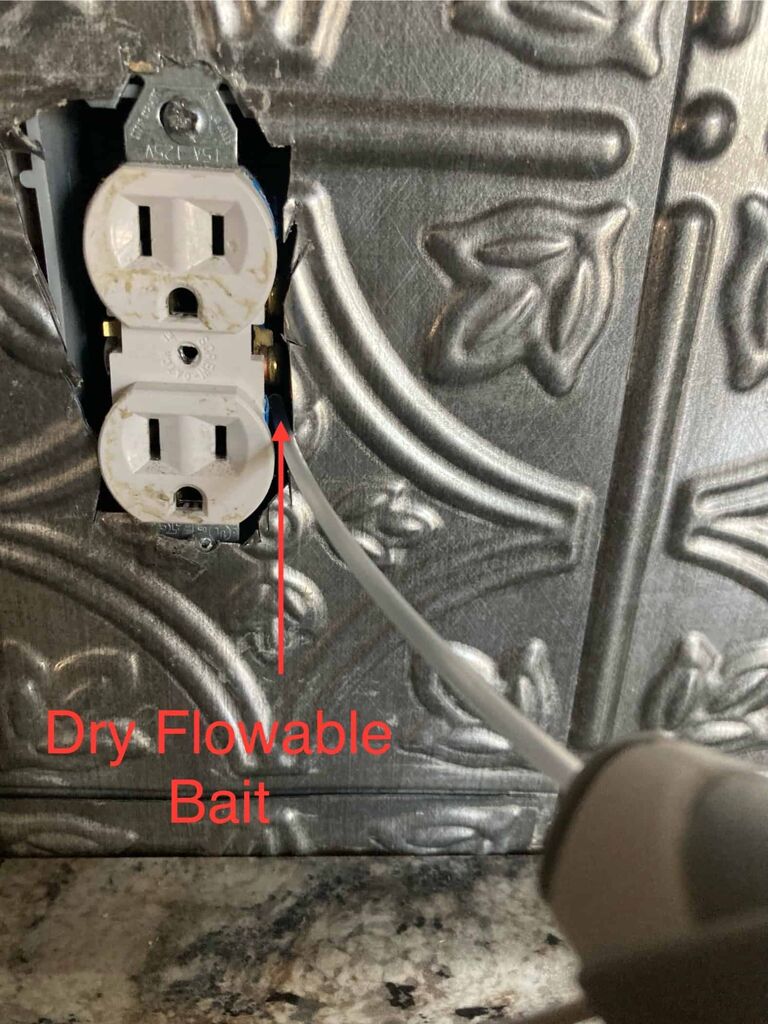
    2. Baiting: Baiting is one of the most effective methods for controlling ants. Baits attract ants, which then carry the poison back to the nest, eliminating the colony. Gel baits and bait stations are commonly used, especially for species like Argentine and Ghost ants.
    3. Chemical Treatments: Liquid insecticides and dust formulations can be used to treat ant nests directly. Perimeter treatments around the home’s foundation and entry points can help prevent ants from entering. It is essential to use products that are labeled for ant control and safe for indoor use.
    4. Sanitation and Exclusion: Keeping a clean home and sealing potential entry points are key preventive measures. Store food in airtight containers, clean up spills promptly, and seal cracks and gaps around windows, doors, and foundations to reduce ant access to food and nesting sites.
    5. Professional Pest Control: Engaging a professional pest control company is often the most effective way to manage ant infestations, especially for more challenging species or larger infestations. Professionals have the expertise to identify the species, locate nests, and apply the most effective treatments safely.

    Mosquitoes

    Mosquitoes are undoubtedly the most notorious and dangerous pest in Florida as it carries deadly diseases with it. With the state’s humid and tropical environment, mosquitoes breed quickly, especially in areas with stagnant water. These blood-sucking insects carry diseases like Dengue, West Nile virus and Zika virus.

    How to keep them away

    • Eliminate standing water in and around your property (birdbaths, clogged gutters, and potted plants are common breeding grounds).
    • Use mosquito repellents containing DEET or picaridin.
    • Install window and door screens to prevent them from getting indoors.
    • Call a professional mosquito exterminator for the service so that your home is protected from these deadly mosquitoes.

    Rodents: Rats & Mice

    Florida’s warm weather offers rodents like rats and mice a year-round environment to thrive in. Rodents are highly adaptable and can squeeze through small gaps in doors and windows, often seeking food and shelter inside homes. They can also carry diseases, including hantavirus and leptospirosis, and can chew through electrical wires, causing potential fire hazards.

    How to keep them away:

    • Seal all entry points, including small holes and cracks in walls or around pipes.
    • Keep food in airtight containers and never leave food out overnight.
    • Keep your home clutter-free, as rodents love to nest in dark, hidden areas.
    • Use traps or contact a professional rodent exterminator if you suspect an infestation.

    While Florida’s climate may be perfect for pests, it’s also ideal for taking steps to protect your home from them. By keeping your property clean, sealing entry points, and using preventative measures, you can say goodbye to bugs and enjoy a more comfortable living space. Stay proactive, and you’ll enjoy all the beauty and sunshine Florida has to offer without the unwanted guests, Say goodbye to pests.

  • Safety in the Pest Control Industry

    Safety in the Pest Control Industry

    The pest control industry in the United States has a rich history dating back centuries, evolving from rudimentary methods of pest management to sophisticated techniques and technologies. Florida, with its unique climate and diverse ecosystems, has played a significant role in shaping the development of the pest control industry.

    Early Pest Control Practices

    The history of pest control in the United States traces back to the early colonial period when settlers employed basic techniques such as trapping, hunting, and crop rotation to mitigate pest infestations. Native American tribes also utilized natural substances like tobacco and plants with insect-repelling properties for pest management.

    Industrialization and Technological Advances:

    The Industrial Revolution brought about significant advancements in pest control practices. In the late 19th century, the introduction of chemical pesticides, such as arsenic and cyanide compounds, revolutionized pest management. These early pesticides were used extensively in agriculture and public health efforts to combat pests like mosquitoes and rodents.

    Formation of Pest Control Companies:

    The early 20th century witnessed the emergence of professional pest control companies, spurred by the increasing demand for pest management services. In 1927, A.W. Cray founded the first pest control company in the United States, the Exterminating Company of America (now known as Terminix), marking the beginning of the modern pest control industry. Other companies soon followed suit, offering specialized services for residential, commercial, and industrial clients.

    Pioneering Research and Regulation:

    In response to growing concerns about the environmental and health impacts of chemical pesticides, the United States government established regulatory agencies like the Environmental Protection Agency (EPA) and the Department of Agriculture (USDA) to oversee pesticide use and registration. Land-grant universities, including the University of Florida’s Institute of Food and Agricultural Sciences (UF/IFAS), conducted pioneering research on integrated pest management (IPM) strategies, emphasizing the use of biological, cultural, and mechanical controls alongside chemical pesticides.

    Shift Towards Focus on Environmental Sustainability

    In recent decades, there has been a growing emphasis on environmentally sustainable pest control practices. Integrated pest management (IPM) has gained prominence as a holistic approach to pest management, focusing on prevention, monitoring, and targeted treatment to minimize pesticide use and environmental impact. In Florida, where the subtropical climate provides favorable conditions for pests like mosquitoes, termites, and cockroaches, the adoption of IPM principles has become increasingly important for both residential and commercial pest control services.

    How are products developed?

    Title: The Journey of Pesticides: From Research and Development to Consumer Use

    Introduction:

    The development and deployment of pesticides involve a complex process that spans multiple stages, from initial research and formulation to regulatory approval and consumer use. Ensuring the safety and efficacy of pesticides is paramount throughout this journey, requiring rigorous testing, evaluation, and regulatory oversight. This essay explores the journey of pesticides, focusing on the steps involved and the importance of safety in every stage of the process.

    Research and Development:

    The journey of a pesticide begins with research and development (R&D) conducted by agricultural scientists, chemists, and biologists. In this phase, potential active ingredients are identified, synthesized, and screened for their effectiveness in controlling target pests while minimizing harm to non-target organisms and the environment. Researchers conduct laboratory and field trials to assess the efficacy, selectivity, and safety profile of candidate pesticides.

    Formulation and Testing:

    Once promising active ingredients are identified, they are formulated into pesticide products suitable for commercial use. Formulation scientists work to develop formulations that optimize the stability, solubility, and dispersibility of the active ingredient while ensuring ease of application and compatibility with existing agricultural practices. Extensive testing is conducted to evaluate the performance and safety of the formulated pesticide under various environmental conditions and application scenarios.

    Regulatory Approval:

    Before a pesticide can be marketed and sold to consumers, it must undergo regulatory review and approval by government agencies responsible for pesticide regulation, such as the Environmental Protection Agency (EPA) in the United States. Regulatory agencies evaluate the safety, efficacy, and environmental impact of pesticides based on data submitted by pesticide manufacturers. This includes toxicity studies, environmental fate assessments, and field trials to assess potential risks to human health, non-target organisms, and ecosystems.

    Safety Considerations:

    Safety is a paramount consideration at every stage of the pesticide journey, from research and development to consumer use. Pesticide manufacturers adhere to strict safety protocols to minimize risks to human health and the environment. This includes conducting comprehensive toxicity testing to assess acute and chronic effects on humans and non-target organisms, as well as environmental fate studies to evaluate the persistence and potential for bioaccumulation of pesticides in the environment.

    Consumer Use:

    Once a pesticide receives regulatory approval, it can be marketed and sold to consumers for use in agricultural, residential, and commercial settings. Pesticide labels provide detailed instructions for proper handling, application, and disposal to ensure safety and minimize risks. Consumers are encouraged to follow label directions carefully, including using personal protective equipment, observing application rates and intervals, and adhering to pre-harvest intervals to minimize residues in food crops.

    Title: Prioritizing Safety: A Commitment from Our Pest Control Company to Our Customers
    Introduction:

    At Dave’s Pest Control,  safety is our top priority. We understand the importance of protecting not only your home and property from pests but also the health and well-being of your family and pets. In this essay, we will explore how our pest control company distinguishes itself from competitors by prioritizing safety and ensuring that our technicians are extensively trained to deliver effective and responsible pest management solutions.

    Safety Protocols and Practices:

    At Dave’s Pest Control, we adhere to strict safety protocols and practices to minimize risks to our customers, their families, and the environment. Our technicians are trained to assess each situation carefully and select the most appropriate and least invasive treatment methods. We prioritize the use of integrated pest management (IPM) strategies, which emphasize prevention, monitoring, and targeted treatments to minimize pesticide use and environmental impact.

    Unlike some competitors who may rely solely on chemical pesticides, we offer a range of treatment options, including biological controls, mechanical controls, and habitat modifications, to address pest issues effectively while minimizing risks to non-target organisms and ecosystems. Additionally, we utilize the latest advancements in pest control technology, such as baiting systems and eco-friendly formulations, to deliver targeted and precise treatments with minimal disruption to your home or business.

    Training and Certification:

    One of the key factors that set us apart from our competitors is the rigorous training and certification program that all our technicians undergo. Our technicians are required to complete comprehensive training courses covering pest biology, identification, behavior, and control methods. They receive hands-on instruction in the proper use of equipment, application techniques, and safety procedures.

    Furthermore, our technicians are certified by recognized industry organizations, such as the National Pest Management Association (NPMA) and state regulatory agencies, ensuring that they meet the highest standards of professionalism and competence. We also provide ongoing training and continuing education opportunities to keep our technicians abreast of the latest developments in pest control technology, safety protocols, and regulatory requirements.

    Customer Education and Communication:

    At Dave’s Pest Control , we believe that informed customers are empowered customers. That’s why we prioritize customer education and communication throughout the pest control process. Our technicians take the time to explain our treatment methods, answer any questions or concerns you may have, and provide recommendations for long-term pest prevention and management.

    We also offer educational resources, such as essays and videos to help our customers better understand common pests, their habits, and effective prevention strategies. By arming our customers with knowledge and information, we empower them to make informed decisions about pest control and contribute to a safer and healthier environment for themselves and their communities.

    Why hire a professional pest control company like Dave’s Pest Control?

    There are several reasons to hire Dave’s for your pest management needs !

    • Expertise and Experience: Dave’s Pest Control technicians undergo extensive training and have the knowledge and experience to identify pest infestations accurately, assess the extent of the problem, and implement effective treatment strategies. They understand the behavior, biology, and habits of various pests, allowing them to develop tailored solutions to address specific infestations.
    • Customized Treatment Plans: We have customized treatment plans based on the unique needs and circumstances of each client. They take into account factors such as the type of pest, the severity of the infestation, the size and layout of the property, and any specific concerns or preferences of the homeowner. This personalized approach ensures that the treatment is targeted, efficient, and minimally invasive.
    • Safe and Effective Solutions: Dave’s Pest Control uses state-of-the-art equipment, tools, and products to deliver safe and effective pest management solutions. They have access to a wide range of environmentally friendly and low-toxicity treatments that are approved for use in residential and commercial settings. Additionally, they follow strict safety protocols to protect the health and well-being of their clients, their families, and the environment.
    • Long-Term Prevention: Our technicians not only address existing pest infestations but also focus on long-term prevention to minimize the risk of future problems. They identify and address underlying factors that contribute to pest activity, such as entry points, food sources, and harborage areas. By implementing proactive measures and regular maintenance, they help homeowners maintain a pest-free environment year-round.
    • Time and Cost Savings: Hiring Dave’s Pest Control can save homeowners time, effort, and money in the long run. Professional technicians have the expertise and resources to tackle pest problems efficiently, minimizing the need for trial-and-error approaches or DIY remedies that may be ineffective or even exacerbate the problem. By addressing pest infestations promptly and effectively, homeowners can avoid costly property damage and potential health risks associated with pests.
    • Peace of Mind: Perhaps most importantly, hiring Dave’s Pest Control can provide homeowners with peace of mind knowing that their pest management needs are being handled by trained and qualified professionals. Professional technicians take responsibility for ensuring that the job is done right the first time, allowing homeowners to focus on other priorities without the stress and worry of dealing with pest infestations on their own.

    If you are based in central or south Florida, Call Dave’s pest control for a free estimate. We offer pest services in Coral Springs, Boynton Beach, Weston, Lakeland, Winter Garden, Ocoee, Ormond Beach and other areas of Florida. 

  • The Intersection of Daylight Saving Time and Termite Swarming: Implications for Homeowners

    The Intersection of Daylight Saving Time and Termite Swarming: Implications for Homeowners

    Daylight Saving Time (DST) and termite swarming share a common occurrence in the spring season, presenting unique challenges for homeowners. While DST brings longer daylight hours and signals the arrival of spring, it also coincides with the emergence of swarming termites. This essay explores the relationship between DST and termite swarming, delving into why termites swarm and the rapid damage they can cause to homeowners.

    Why Termites Swarm?

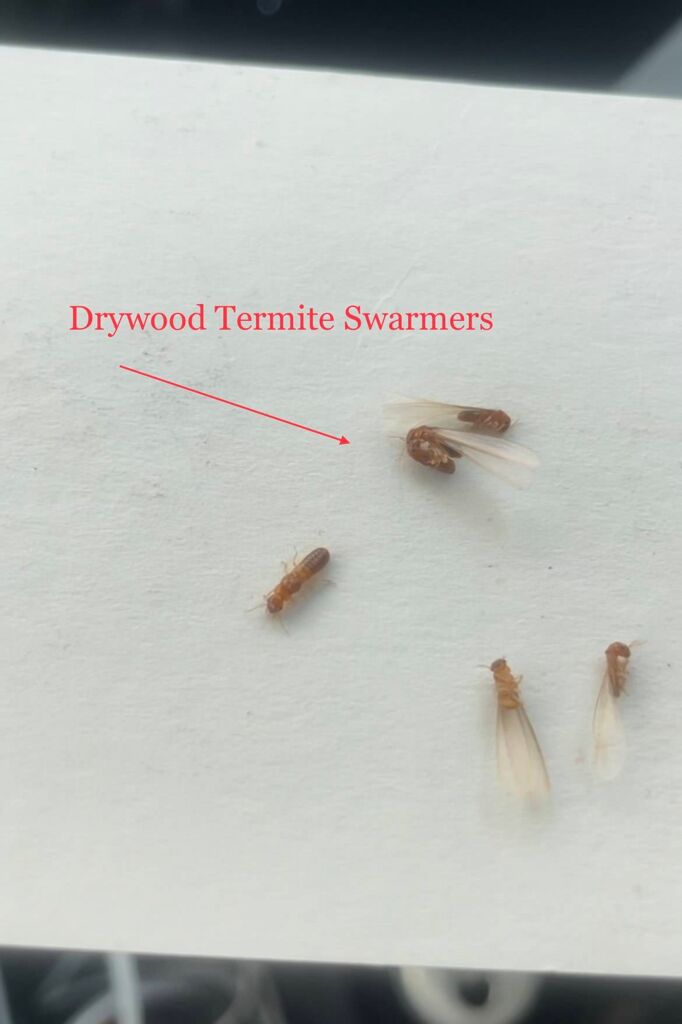
    Termite swarming, also known as termite mating flights, typically occurs in the spring when temperatures rise and humidity levels increase. Swarmers, which are reproductive termites with wings, emerge from established colonies in search of mates and new locations to establish colonies. Swarmers are attracted to sources of light, warmth, and moisture, making spring evenings, especially during DST, ideal conditions for their emergence.

    Additionally, termite swarming is triggered by environmental cues, such as rainfall or changes in temperature, signaling the optimal time for reproduction and expansion of termite colonies.

    The Role of Daylight Saving Time

    Daylight Saving Time, which begins in March in many regions, marks the transition to longer daylight hours and warmer weather. This shift in environmental conditions aligns almost perfectly with the onset of termite swarming season. Here’s how DST and termite swarming are connected:

    1. Warmer Temperatures: DST coincides with the arrival of spring, when temperatures begin to rise. Termites are highly sensitive to temperature changes, and warmer weather triggers swarming behavior.

    2. Increased Daylight: The extended daylight hours during DST provide more opportunities for termites to swarm, as they are attracted to light sources. Homeowners may notice swarms near windows or outdoor lights during the evening.

    3. Homeowner Awareness: The time change serves as a natural reminder for homeowners to perform seasonal maintenance, including pest inspections. This makes DST an ideal time to check for signs of termite activity.

    Intersection with Daylight Saving Time:

    The coincidence of termite swarming with DST presents additional challenges for homeowners. Longer daylight hours during DST provide more opportunities for homeowners to discover termite swarms around their property, particularly in the evenings when swarmers are most active. However, the extended daylight can also lead to a false sense of security, as homeowners may overlook the signs of termite infestation or mistake them for other flying insects attracted to light. Moreover, the disruption of sleep patterns and daily routines associated with the transition to DST can distract homeowners from addressing termite-related issues promptly, allowing for further damage to occur unnoticed.

    If a homeowner discovers a termite swarm in their home, it’s crucial to take immediate action to address the situation and minimize potential damage. Here’s what they can do:

    • Avoid Disturbing the Swarm: While it may be tempting to try and eliminate the swarm independently, disturbing the swarm can cause the termites to scatter and potentially establish multiple colonies within the home. Instead, maintain a safe distance from the swarm and wait for the pest control professional to arrive.
    • Assess the Extent of Infestation: The pest control professional will conduct a thorough inspection of the property to determine the extent of the termite infestation. They will identify areas of damage and potential entry points for the termites, such as cracks in the foundation, gaps in walls, or moisture-prone areas.
    • Implement Treatment Plan: Based on their assessment, the pest control professional will recommend an appropriate treatment plan tailored to the specific type of termites and severity of infestation. Treatment options may include liquid termiticides, bait systems, or fumigation, depending on the circumstances.
    • Address Moisture Issues: Termites are attracted to moisture, so it’s essential to address any moisture problems in the home, such as leaking pipes, clogged gutters, or inadequate ventilation. By eliminating sources of moisture, homeowners can help prevent future termite infestations.
    • Monitor for Signs of Reinfestation: Even after treatment, it’s important to monitor the property regularly for signs of termite activity, such as mud tubes, damaged wood, or discarded wings. Routine inspections by a pest control professional can help detect early signs of reinfestation and prevent further damage.
    • Consider Preventative Measures: To minimize the risk of future termite infestations, homeowners can implement preventative measures such as installing termite barriers, using treated wood for construction, and maintaining a dry and well-ventilated environment.

    Damage to Homeowners

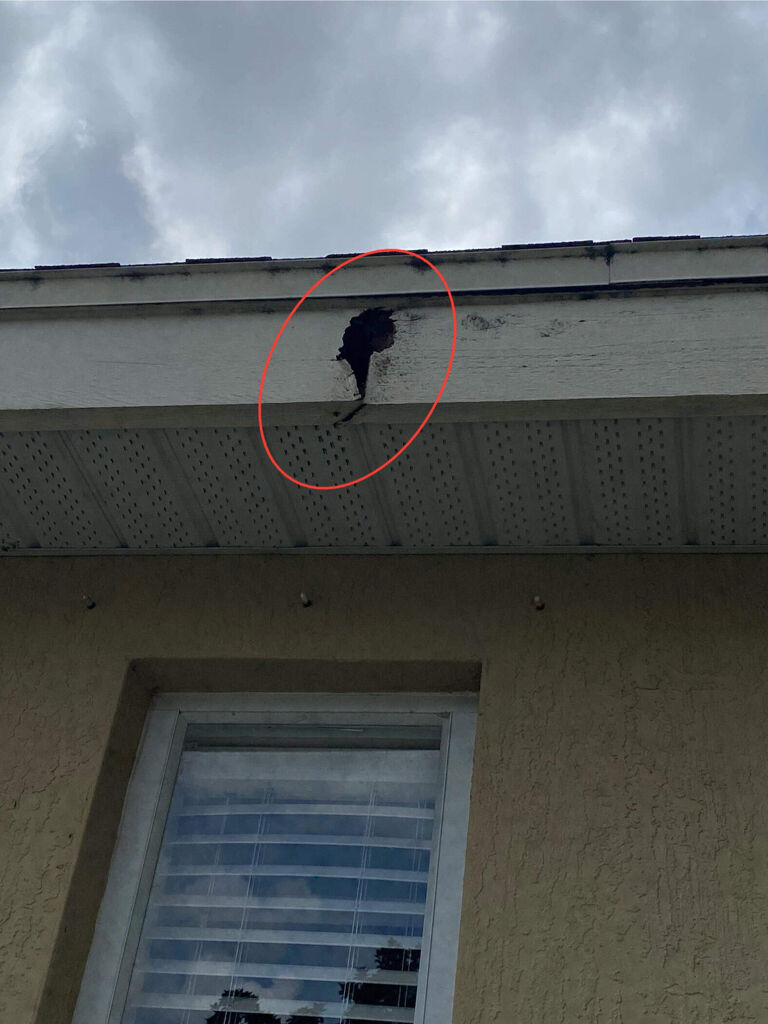
    The emergence of swarming termites poses significant threats to homeowners due to the rapid and extensive damage they can inflict on structures. Upon finding a suitable mate, termite swarmers shed their wings and begin the process of establishing a new colony. They can enter homes through small cracks, crevices, or openings in foundations, walls, or roofs, often going unnoticed until significant damage has occurred. Once inside, termites feed on cellulose-based materials such as wood, paper, and fabric, causing structural weakening and compromising the integrity of the building. The damage caused by termites can be extensive and costly to repair, posing a threat to the safety and value of the property.

    By taking prompt action and enlisting the help of a qualified termite exterminator, homeowners can effectively address termite swarms and protect their homes from further damage.

  • Understanding Subterranean Termites in Florida: Risks, Prevention, and Management

    Understanding Subterranean Termites in Florida: Risks, Prevention, and Management

    Subterranean termites pose a significant threat to homeowners in Florida, where the warm and humid climate provides ideal conditions for their proliferation. Understanding the behavior, risks, prevention, and management strategies associated with subterranean termites is crucial for protecting homes and structures from costly damage.

    Behavior and Habitat:

    Subterranean termites, particularly the invasive species known as the Formosan subterranean termite (Coptotermes formosanus), are prevalent in Florida. These termites live in underground colonies that can contain millions of individuals. They construct mud tubes to travel between their underground nests and food sources, which often include wood and cellulose-based materials found in residential structures.

    The life cycle of subterranean termites in Florida, as with other regions, typically consists of several stages:

    • Egg Stage: The life cycle begins when the queen termite lays eggs within the colony. Fertilized eggs develop into nymphs, which are the early stage of termites.
    • Nymph Stage: Nymphs hatch from the eggs and undergo several molts as they grow and develop. During this stage, nymphs are responsible for caring for the queen, tending to the eggs, and maintaining the colony.
    • Worker Stage: As nymphs mature, they molt into worker termites. Worker termites are responsible for foraging for food, constructing and repairing the nest and tunnels, and caring for the queen and young termites. They are typically blind and sterile.
    • Soldier Stage: Some nymphs develop into soldiers, which have enlarged mandibles or other specialized structures for defense against predators, such as ants. Soldiers protect the colony from threats and may also assist with foraging and nest maintenance.
    • Reproductive Stage: Under certain conditions, usually in response to environmental cues such as temperature and humidity changes, some termites develop into alates, or winged reproductive termites. Alates leave the colony in swarms to mate and establish new colonies. After mating, the alates shed their wings and become the king and queen of a new colony.

    • Establishment of New Colony: Once the queen termite has mated and found a suitable location, she begins laying eggs to establish a new colony. The cycle then repeats as the new colony grows and matures.

    The life cycle of subterranean termites in Florida can vary depending on environmental factors, such as temperature, humidity, and food availability. Colonies can persist for many years and continue to grow in size and complexity as new individuals are born and new colonies are established. Understanding the life cycle of subterranean termites is essential for effective pest control and management strategies

    Risks to Homeowners:

    Subterranean termites are notorious for their ability to cause extensive damage to wooden structures, including homes, decks, fences, and furniture. They feed on cellulose materials found in wood, causing structural weakening and potentially compromising the integrity of the building. Infestations often go unnoticed until significant damage has already occurred, leading to costly repairs and structural issues.

    What does subterranean termite damage look like?

    Understanding Subterranean Termite Damage: Signs and Characteristics

    Subterranean termites are notorious for their ability to cause extensive damage to wooden structures, posing a significant threat to homeowners in regions like Florida where they are prevalent. Recognizing the signs and characteristics of subterranean termite damage is crucial for early detection and effective mitigation of infestations.

    Signs of Subterranean Termite Damage:

    • Wood Damage: Subterranean termites primarily feed on cellulose materials found in wood, causing structural weakening and damage over time. Common signs of termite-infested wood include hollowed-out or damaged areas, blistering or darkening of the surface, and the presence of mud tubes on the exterior.

    • Mud Tubes: Subterranean termites construct mud tubes to travel between their underground nests and food sources. These tubes, which are typically made of soil, wood particles, and termite saliva, are often found along the exterior foundation of the home, in crawl spaces, or on wooden structures. Mud tubes serve as protective pathways for termites and are a clear indicator of termite activity.
    • Discarded Wings: After swarming, reproductive alates (winged termites) shed their wings and mate to establish new colonies. Discarded termite wings near windowsills, doorways, or light fixtures are a sign of a termite swarm and may indicate the presence of an active colony nearby.
    • Bubbling or Peeling Paint: Subterranean termites may tunnel beneath the surface of painted wood, causing the paint to bubble, blister, or peel. This damage is often a result of moisture buildup within the wood caused by termite activity.
    • Sagging Floors or Ceilings: In severe cases of termite infestation, structural wood components, such as floor joists or ceiling beams, may become weakened and begin to sag or bow under the weight of the structure. Sagging floors or ceilings can indicate extensive termite damage and may require immediate attention from a professional.

    Characteristics of Subterranean Termite Damage:

    • Subtle and Hidden: Subterranean termite damage is often subtle and hidden from view, making it difficult to detect until significant damage has already occurred. Termites typically feed within the interior of wood, leaving the outer surface intact, which can mask the extent of the damage.
    • Moisture-Related: Subterranean termites require moisture to survive, so termite damage often occurs in areas with high humidity or moisture levels, such as basements, crawl spaces, and areas with water leaks or drainage issues.
    • Systematic and Progressive: Termite damage tends to be systematic and progressive, with termites feeding continuously on wood until it becomes structurally unsound. If left unchecked, termite infestations can lead to extensive damage and compromise the integrity of the building.

    Recognizing the signs and characteristics of subterranean termite damage is essential for homeowners in regions like Florida, where these destructive pests are prevalent. By understanding the subtle indicators of termite activity and conducting regular inspections of the home, homeowners can detect infestations early and take proactive measures to mitigate damage and protect their investment. Prompt intervention by a professional pest control provider is crucial for effectively treating termite infestations and preserving the structural integrity of the home.

    Prevention Strategies:

    Preventing subterranean termite infestations requires a proactive approach that includes both physical barriers and chemical treatments. Some key prevention strategies for homeowners in Florida include:

    • Soil Treatment: Applying liquid termiticides to the soil around the perimeter of the home can create a barrier that repels or kills termites before they can infest the structure.
    • Termite Baits: Installing termite bait stations around the property can attract and eliminate termites before they reach the home. Baits are an effective long-term solution for controlling termite populations.
    • Moisture Control: Since subterranean termites thrive in moist environments, reducing moisture around the home by fixing leaks, improving drainage, and ensuring proper ventilation can help deter termite activity.
    • Regular Inspections: Conducting regular inspections of the home for signs of termite activity, such as mud tubes, damaged wood, or discarded termite wings, can help detect infestations early and prevent extensive damage.

    Management and Treatment:

    If a subterranean termite infestation is detected, prompt action is essential to minimize damage and protect the structure. Professional termite control companies in Florida offer a range of treatment options, including:

    • Soil Treatment: Liquid termiticides can be injected into the soil around the perimeter of the home to create a protective barrier that prevents termites from entering.
    • Baiting Systems: Termite bait stations can be strategically placed around the property to attract and eliminate termite colonies.
    • Fumigation: In severe infestations, fumigation may be necessary to eradicate termites from the structure. This involves tenting the home and using fumigants to penetrate deep into the wood and soil to kill termites. This is most often utilized when a home has drywood termites.

    If you need termite treatment in central or south Florida, feel free to contact us. We provide termite extermination in Winter Haven, Port Orange, Orlando, Davie, Plantation and other areas of Florida

    What are Sentricon Termite Bait Stations?

    Sentricon® is a widely used termite baiting system designed to protect homes and structures from subterranean termites. It consists of bait stations strategically placed around the perimeter of the property, forming a protective barrier against termite infestations. Here’s how Sentricon termite bait stations work and how they protect a home from subterranean termites:

    • Bait Station Placement: Certified pest control professionals strategically place Sentricon bait stations around the exterior of the home, typically spaced at regular intervals along the foundation or around known termite entry points. The stations are inserted into the soil, flush with the ground surface, making them inconspicuous to homeowners and pets.
    • Monitoring Phase: During the initial installation, the bait stations are equipped with monitoring devices that contain untreated wood or cellulose material. These monitoring devices are checked periodically by the pest control technician to detect termite activity. If termites are found feeding on the monitoring device, it indicates the presence of an active termite colony in the vicinity.
    • Baiting Phase: Once termite activity is detected, the monitoring devices are replaced with bait cartridges containing a highly palatable cellulose material laced with a slow-acting insect growth regulator (IGR) called noviflumuron. Termites feed on the bait and carry it back to the colony, where it is shared with other termites, including the queen.
    • Colony Elimination: The active ingredient in the Sentricon bait, noviflumuron, disrupts the molting process of termites, preventing them from maturing and ultimately leading to the collapse of the colony. As termites continue to feed on the bait, the population declines until the colony is eliminated entirely.
    • Continuous Protection: After the colony is eliminated, Sentricon bait stations remain in place around the property to provide ongoing protection against future termite infestations. The stations are routinely monitored and maintained by the pest control provider to ensure their effectiveness over time.

    Sentricon termite bait stations offer several advantages over traditional liquid soil treatments, including reduced environmental impact, targeted termite control, and minimal disruption to the homeowner. By using a proactive approach to termite management, Sentricon helps homeowners safeguard their properties against the destructive effects of subterranean termites while providing long-lasting protection and peace of mind.

    Subterranean termites pose a significant threat to homeowners in Florida, where the warm and humid climate creates favorable conditions for their proliferation. Understanding the behavior, risks, prevention, and management strategies associated with subterranean termites is essential for protecting homes and structures from costly damage. By implementing proactive prevention measures and seeking professional assistance when needed, homeowners can effectively mitigate the risk of termite infestations and preserve the integrity of their properties.

  • Understanding and Managing Pantry Pests: A Comprehensive Overview

    Understanding and Managing Pantry Pests: A Comprehensive Overview

    Pantry pests, also known as stored-product pests, pose significant challenges in households, food storage facilities, and agricultural settings worldwide. These insects have adapted to thrive in the environment of stored food products, causing economic losses, food contamination, and health risks. Understanding the characteristics, behavior, prevention, and control measures of pantry pests is crucial for effectively managing their impact.

    What are pantry pests?

    Pantry pests are insects that infest stored food, products kitchens, pantries, and food storage areas. Common pantry pests include beetles, weevils, moths, and ants. They can contaminate food, causing spoilage and health risks, and are often found in items, like flour, grains, cereals, dried fruits, and spices. Proper storage and sanitation practices are essential for preventing pantry pest infestations.

    Characteristics of Pantry Pests

    Pantry pests encompass a diverse group of insects, including beetles, weevils, moths, and ants, among others. They often target a wide range of stored food items such as flour, grains, cereals, dried fruits, nuts, spices, and pet food. These pests are typically small in size, making them difficult to detect until infestations become severe. Common pantry pests include the Indian meal moth, rice weevil, flour beetle, and cigarette beetle, each with specific feeding habits and preferences.

    Lifecycle and Behavior of Pantry Pests

    Understanding the lifecycle and behavior of pantry pests is essential for effective pest management. Most pantry pests undergo complete metamorphosis, including egg, larva, pupa, and adult stages. The lifecycle duration varies depending on factors such as temperature, humidity, and food availability. Larvae are the primary feeding stage and can cause extensive damage to stored food products by tunneling through packaging and contaminating items with feces and silk webbing.

    Prevention Strategies:

    Preventing pantry pest infestations begins with implementing proactive measures to minimize favorable conditions for their development and survival. Key prevention strategies include proper storage practices, such as using airtight containers to seal food items, regularly inspecting stored products for signs of infestation, maintaining cleanliness in storage areas, and promptly disposing of expired or infested foods. Additionally, sealing cracks and crevices in walls, floors, and packaging materials can help prevent pests from entering storage areas.

    Control Measures:

    Despite preventive efforts, pantry pest infestations may still occur, necessitating prompt and effective control measures. Non-chemical control methods include sanitation, removal of infested items, and vacuuming to eliminate larvae, pupae, and adults. Insecticidal sprays, dusts, and traps can be used as part of an integrated pest management (IPM) approach to target pantry pests while minimizing environmental impact and human exposure to pesticides. However, it is essential to follow label instructions and safety precautions when using chemical control methods.

    What is the life cycle of pantry pests?

    The life cycle of pantry pests typically consists of four stages: egg, larva, pupa, and adult. However, the exact duration and specific characteristics of each stage can vary depending on factors such as the species of the pest, temperature, humidity, and food availability.

    1. Egg: The life cycle begins when adult pantry pests lay eggs on or near suitable food sources. Eggs are often small, and oval-shaped, and may be deposited singly or in clusters, depending on the species. The duration of the egg stage varies among different pantry pests but generally lasts from a few days to several weeks.
    2. Larva: Once the eggs hatch, larvae emerge and begin feeding on stored food items. Larvae are the most destructive stage of pantry pests, as they tunnel through packaging and consume the food product. Larvae vary in appearance depending on the species but are typically small, legless, and creamy-white in color. The larval stage can last anywhere from a few weeks to several months, depending on environmental conditions and food availability.
    3. Pupa: After completing the larval stage, pantry pests enter the pupal stage, during which they undergo metamorphosis into adults. Pupae are often found in protected locations within the storage area or packaging, where they undergo physical changes and develop into adult insects. The duration of the pupal stage varies but generally ranges from a few days to several weeks.
    4. Adult: Once development is complete, adult pantry pests emerge from the pupal stage and become sexually mature. Adults are capable of mating and laying eggs, thus initiating a new generation of pantry pests. Adult pantry pests vary in appearance depending on the species but are typically small, ranging from a few millimeters to a few centimeters in size. They may have wings or be wingless, and their coloration can vary from light brown to dark brown or black.

    Throughout their life cycle, pantry pests may undergo multiple generations in a single year, with environmental conditions and food availability influencing the timing and frequency of reproduction. Understanding the life cycle of pantry pests is crucial for effective pest management and control strategies.


    What can homeowners do?

    Managing and controlling pantry pests in Florida, like in any other region, requires a combination of preventive measures, sanitation practices, and targeted control strategies. Here are some effective methods:

    1. Proper Storage: Store all pantry items in airtight containers made of glass, metal, or heavy-duty plastic to prevent pests from accessing food sources. This helps to reduce the risk of infestation by denying pests easy access to stored products.
    2. Regular Inspection: Routinely inspect stored food items for signs of pantry pests, including larvae, webbing, fecal matter, and damaged packaging. Pay close attention to dark, secluded areas where pests may hide, such as corners, cracks, and crevices.
    3. Maintain Cleanliness: Keep storage areas, cabinets, shelves, and countertops clean and free of crumbs, spills, and food debris. Regularly vacuum and wipe down surfaces to eliminate potential food sources and discourage pest activity.
    4. Dispose of Infested Items: Promptly discard any food items that show signs of infestation, including those with visible pests or damage. Seal infested items in plastic bags before disposing of them to prevent further spread of pests.
    5. Seal Entry Points: Seal cracks, gaps, and entry points around windows, doors, pipes, and vents to prevent pantry pests from entering the home or storage areas. Use caulk, weather stripping, or screens to seal gaps and exclude pests.
    6. Temperature and Humidity Control: Maintain proper temperature and humidity levels in storage areas to discourage pantry pests. Consider using dehumidifiers or air conditioners to reduce moisture levels, as high humidity can attract and support pest infestations.
    7. Natural Predators: Introduce natural predators of pantry pests, such as certain species of parasitic wasps and predatory beetles, to help control pest populations. These biological control agents can help reduce pest numbers without the need for chemical pesticides.
    8. Pesticide Application: If infestations persist despite preventive measures, consider using insecticidal sprays, dusts, or baits labeled for pantry pest control. Follow label instructions carefully and use pesticides safely and responsibly, taking precautions to minimize exposure to humans, pets, and the environment.
    9. Call Professional Pest Control: In severe or persistent infestations, consider consulting with a licensed pest control company, like Dave’s Pest Control, who can assess the situation and implement targeted control measures tailored to your specific needs and circumstances. We offer pest control in Port Orange, Deltona, Orlando, Lakeland, Windermere, Delray Beach and other areas of Florida.

    By implementing these integrated pest management (IPM) practices, homeowners and businesses in Florida can effectively manage and control pantry pests, ensuring the safety and integrity of their stored food supplies.

    How long does it take for pantry pests to become a large infestation?

    The timeframe for pantry pests to become a serious infestation can vary depending on several factors, including the species of pest, environmental conditions, food availability, and initial infestation size. In general, pantry pests can multiply rapidly under favorable conditions, potentially leading to a significant infestation in a relatively short period.

    For some pantry pests, such as certain species of beetles, weevils, and moths, a single female can lay hundreds of eggs over her lifetime. These eggs can hatch into larvae, which are the most destructive stage and can quickly consume and contaminate stored food items. Under ideal conditions, larvae can develop into adults within a matter of weeks, allowing for multiple generations to emerge within a short timeframe.

    Additionally, factors such as temperature, humidity, and food availability can influence the rate of pest reproduction and development. Warm temperatures and high humidity levels can accelerate the growth and development of pantry pests, while ample food sources can sustain populations and facilitate rapid reproduction.

    Therefore, it is essential to be vigilant and proactive in implementing preventive measures and monitoring for signs of pantry pests. Regular inspection of stored food items, proper storage practices, cleanliness, and prompt disposal of infested items can help prevent minor pest issues from escalating into serious infestations. Early detection and intervention are key to effectively managing pantry pests and minimizing their impact on stored food supplies.

    Conclusion

    Pantry pests pose significant challenges in both residential and commercial settings, threatening food safety, economic stability, and public health. By understanding the characteristics, behavior, prevention, and control measures of pantry pests, individuals and organizations can effectively manage infestations and mitigate their impact. Through proactive measures, vigilant monitoring, and integrated pest management strategies, we can minimize the risk of pantry pests and safeguard our stored food supplies.

  • Nurturing Vibrant Lawns in the Sunshine State: A Comprehensive Approach to Spring Fertilization, Weed Control, and Disease Management in Florida

    Nurturing Vibrant Lawns in the Sunshine State: A Comprehensive Approach to Spring Fertilization, Weed Control, and Disease Management in Florida

    Florida’s lush landscapes and subtropical climate create an ideal canvas for cultivating vibrant and healthy lawns. Maintaining an aesthetically pleasing and resilient lawn in the Sunshine State involves strategic practices such as spring fertilization, weed control, and disease management. In this essay, we explore the essential elements of fostering flourishing lawns in Florida, emphasizing the significance of a well-rounded approach to achieve optimal results.

    At Dave’s pest control, we are committed to maintaining the lush vibrancy of your lawn through our bi-monthly service, ensuring it stays green, healthy, and free from weeds. Our industry-leading custom-tailored fertilization programs set the standard, matched by the expertise of our skilled and highly trained technicians. Proudly, serving Volusia, Seminole, lake, Orange, and Flagler counties, we bring unparalleled care to your lawn, making it the epitome of health and beauty.

    Spring Fertilization:

    Spring marks a crucial period for nurturing Florida lawns, and strategic fertilization plays a pivotal role. As temperatures rise and daylight hours extend, grasses reawaken from winter dormancy, demanding a nutrient boost to support robust growth. Fertilization during this season aims to replenish soil nutrients, enhance grass color, promote root development, and fortify the turf against potential stressors.

    The selection of a balanced fertilizer with appropriate nitrogen, phosphorus, and potassium ratios is fundamental. Nitrogen, in particular, fuels vibrant greenery, while phosphorus supports root development, and potassium aids in stress resistance. Timely application and adherence to recommended rates ensure optimal nutrient absorption without causing harm to the environment.

    Lawn fertilizer is a specially formulated product designed to provide essential nutrients to grass and plants, promoting healthy growth and vibrant greenery. The production of lawn fertilizer involves a careful combination of key components, and the numbers on the fertilizer bag, commonly referred to as the N-P-K ratio, represent the percentage by weight of three primary nutrients: nitrogen (N), phosphorus (P), and potassium (K).

    Nitrogen (N):

    • Nitrogen is a crucial component for promoting lush, green foliage and robust growth. It plays a vital role in photosynthesis, protein synthesis, and overall plant development. Nitrogen is
    • typically derived from various sources, including urea, ammonium sulfate, or organic materials like composted manure.

    Phosphorus (P):

    • Phosphorus supports root development, flower and fruit formation, and overall energy transfer within the plant. It is a key component of DNA, RNA, and ATP (adenosine triphosphate).
    • Phosphorus sources in fertilizers include phosphate rock, superphosphate, and bone meal.

    Potassium (K):

    • Potassium contributes to the overall health and resilience of plants. It aids in water absorption, enzyme activation, and disease resistance. Common potassium sources in fertilizers
    • include potassium chloride and potassium sulfate.

    The process of making lawn fertilizer involves blending these nutrient-rich components in precise ratios to create a well-balanced product that meets the specific needs of different plants and soil conditions. Manufacturers carefully calculate the N-P-K ratios to suit various stages of plant growth and specific requirements, such as promoting flowering or supporting root development.

    The N-P-K ratio is represented on the fertilizer bag as three numbers separated by hyphens, indicating the percentage by weight of nitrogen, phosphorus, and potassium in the product. For example, a fertilizer with a ratio of 10-20-10 means it contains 10% nitrogen, 20% phosphorus, and 10% potassium.

    Understanding these numbers allows homeowners and landscapers to select the appropriate fertilizer for their specific needs, whether it be promoting overall lawn health, encouraging flowering, or establishing new plantings. Additionally, specialty fertilizers may include micronutrients like iron, magnesium, and sulfur, providing a comprehensive solution for optimal plant nutrition.

    Weed Control:

    Weeds pose a persistent challenge to maintaining the pristine beauty of Florida lawns. Spring, with its favorable growing conditions, demands vigilant weed control strategies. Pre-emergent herbicides, applied before weed seeds germinate, serve as a preventive measure to thwart weed growth. Selective herbicides target specific weed types without harming desirable grass varieties.

    Proactive lawn management practices, such as proper mowing heights and consistent irrigation, further contribute to weed prevention. By creating conditions favorable for turf grasses, homeowners can create an inhospitable environment for weeds, minimizing the need for chemical intervention.

    Liquid weed control is a method of applying herbicides in liquid form to target and eliminate unwanted weeds while minimizing harm to desirable grasses, such as St. Augustine grass. The effectiveness of liquid weed control and its selectivity lie in the formulation of herbicides and their mode of action.

    Here’s how liquid weed control generally works:

    Herbicide Formulation:

    • Liquid weed control products contain herbicides designed to target specific types of weeds. Selective herbicides are formulated to affect certain weed species while sparing other plants, like grasses, that are commonly found in lawns.

    Selective Herbicides:

    • Many liquid weed control solutions use selective herbicides that exploit the physiological differences between broadleaf weeds and grasses. St. Augustine grass is a monocot, and most broadleaf weeds are dicots. Selective herbicides are designed to target dicots, leaving monocots unharmed.

    Mode of Action:

    • Herbicides in liquid weed control typically work by disrupting essential metabolic processes specific to dicot plants. Commonly, they interfere with processes like photosynthesis, cell division, or hormone regulation in a way that affects broadleaf weeds more than grasses.

    Application Method:

    • Liquid weed control is often applied through sprayers or spreaders, allowing for targeted and controlled application. The liquid adheres to the foliage of the targeted weeds, and the herbicide is absorbed by the plant, translocating throughout its system.

    Post-Emergent and Pre-Emergent:

    • Liquid weed control may be categorized as post-emergent or pre-emergent. Post-emergent products target existing weeds, while pre-emergent products prevent weed seeds from germinating. Both types can be selective, allowing them to address specific weed types without harming established grass.

    Why it doesn’t harm St. Augustine grass?

    Physiological Differences:

    • St. Augustine grass and broadleaf weeds have physiological differences that make selective herbicides effective. The selectivity is often based on factors like leaf structure, growth patterns, and metabolic processes unique to each plant type.

    Formulation Expertise:

    • Manufacturers carefully formulate liquid weed control products to ensure they effectively target broadleaf weeds without causing harm to desirable grasses. These formulations are the result of extensive research and testing.

    Application Timing:

    • Applying liquid weed control at the appropriate timing, when weeds are actively growing, enhances its effectiveness while minimizing impact on desirable grasses. Proper application practices contribute to the selectivity of the herbicide.

    Follow Label Instructions:

    • Adhering to the product’s label instructions is crucial. These instructions provide guidelines on application rates, timing, and specific details about the herbicide’s selectivity. Following these instructions minimizes the risk of unintended harm.

    It’s important for users to choose the right liquid weed control product for their specific lawn and follow application guidelines diligently. Consulting with lawn care professionals can provide further guidance on effective and selective weed control tailored to the specific grass type and local conditions.

    Disease Management:

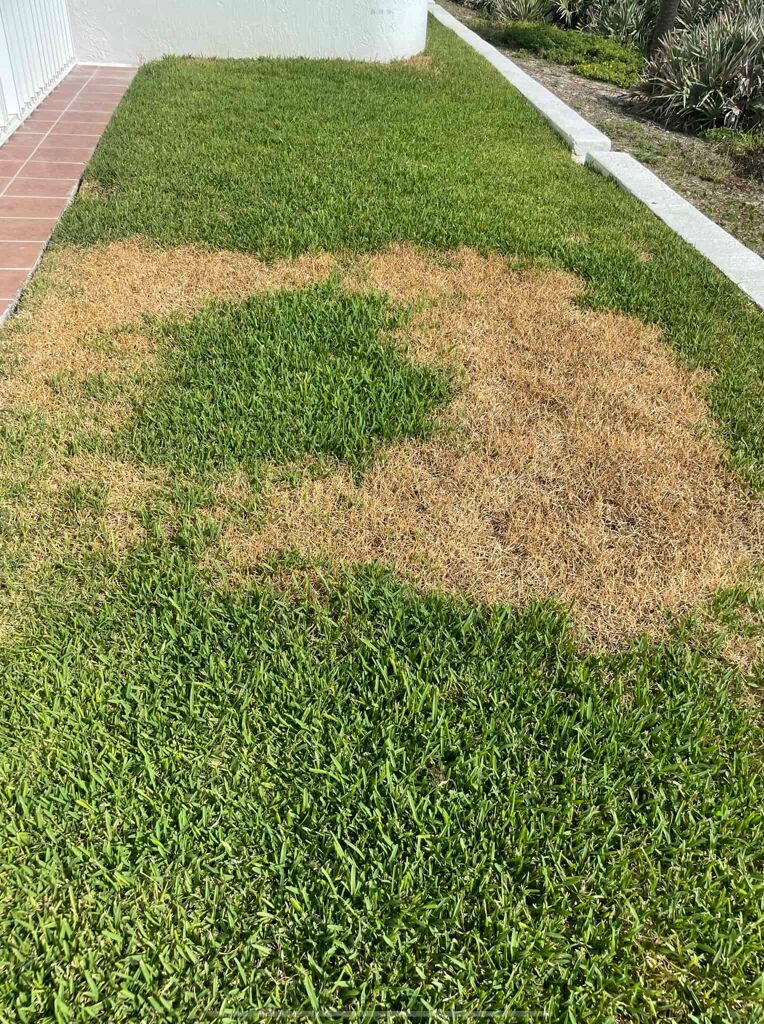
    Florida’s warm and humid climate creates an environment conducive to various lawn diseases. Effective disease management in the spring involves a combination of preventative measures and targeted treatments. Proper lawn care practices, including adequate aeration, regular dethatching, and well-timed irrigation, contribute to disease prevention by reducing favorable conditions for pathogens.

    Fungicides may be employed when disease risks are heightened, targeting specific pathogens while preserving the overall health of the lawn. Early detection and swift intervention are critical in mitigating the impact of diseases such as brown patch, dollar spot, and rust, which are prevalent in Florida’s climatic conditions.

    Fungicides are chemical substances designed to control or prevent the growth of fungi that cause diseases in plants. These diseases can negatively impact crop yields, plant health, and overall agricultural productivity. Fungicides play a crucial role in protecting plants from fungal infections, ensuring the sustainability of agriculture.

    How Fungicides Work?

    Fungicides work through various mechanisms to combat fungal infections:

    Disruption of Cell Membranes:

    • Many fungicides target the cell membranes of fungi, disrupting their structure and function. This interference compromises the integrity of fungal cells, leading to cell death.

    Inhibition of Enzymes:

    • Certain fungicides interfere with key enzymes essential for the fungi’s metabolic processes. By inhibiting these enzymes, the fungicides disrupt critical biochemical pathways, hindering fungal growth and reproduction.

    Disruption of Cell Division:

    • Fungicides may target processes involved in fungal cell division. By disrupting mitosis or cell division, they prevent the fungi from proliferating and spreading.

    Inhibition of Spore Germination:

    • Some fungicides work by preventing the germination of fungal spores. This inhibits the initial stages of infection and helps contain the spread of the disease.

    How Fungicides Are Applied?

    The application of fungicides involves several considerations to ensure effective control of fungal diseases:

    Timing:

    • Fungicides should be applied at the right timing, considering the specific stage of the plant and the life cycle of the targeted fungus. Preventative applications are often recommended to protect plants before disease onset.

    Application Methods:

    • Fungicides are applied using various methods, including foliar sprays, soil drenches, seed treatments, and trunk injections. The choice of application method depends on the type of fungus, the affected plant part, and the desired mode of action.

    Coverage:

    • Adequate coverage of plant surfaces is crucial for fungicide effectiveness. This ensures that the fungicide reaches and protects susceptible parts of the plant, such as leaves, stems, and fruit.

    Rate and Concentration:

    • Following recommended application rates and concentrations is essential. Applying too little may result in insufficient disease control, while excessive application can lead to environmental concerns, resistance issues, or phytotoxicity.

    Rotation and Mixing:

    • To prevent resistance development in fungi, it’s advisable to rotate fungicides with different modes of action. Additionally, some fungicides can be tank-mixed to enhance their spectrum of control and reduce the risk of resistance.

    Weather Conditions:

    • Fungicide application is influenced by weather conditions. Rainfall or irrigation shortly after application can impact efficacy, so proper timing in relation to weather events is crucial.

    Safety Precautions:

    • Users must follow safety precautions outlined on the fungicide label. This includes wearing appropriate protective gear and adhering to recommended application practices to minimize risks to humans, animals, and the environment.

    In summary, fungicides are vital tools in plant disease management, providing a targeted approach to control fungal infections. Proper application, considering factors such as timing, coverage, and safety precautions, is essential for maximizing their efficacy and minimizing potential adverse effects.

    As you can see, cultivating and maintaining a vibrant lawn in Florida requires a comprehensive approach that encompasses spring fertilization, weed control, and disease management. By understanding the unique challenges posed by the state’s climate, homeowners can implement proactive measures to enhance the health and aesthetics of their lawns. The synergy of proper fertilization, vigilant weed control, and targeted disease management ensures that Florida lawns thrive under the radiant sun, contributing to the allure of the Sunshine State’s landscapes.

    At Dave’s Pest Control, our exceptionally trained technicians utilize top-tier products to provide exceptional service, ensuring unparalleled results. Contact us today to receive a complimentary estimate for your home, business, or condominium.


  • Keeping your family and loved ones safe – and maintain a bug free home

    Keeping your family and loved ones safe – and maintain a bug free home

    In the delicate dance between Florida homeowners and the ever persistent world of insects, maintaining a bug free sanctuary often feels like an ongoing challenge. Yet, armed with knowledge and a strategic approach, homeowners can establish an environment that discourages unwanted insect visitors. From the meticulous sealing of entry points to the art of proper waste management, a multitude of practices exist to fortify the defenses of your dwelling against nature’s miniature intruders. In this guide, we delve into a compendium of practical tips designed to empower homeowners in their quest to keep bugs at bay, transforming houses into resilient fortresses against the tiny infiltrators that seek to share our living spaces.

    Most homeowners can keep bugs away with some simple tips :

    1. Seal Entry Points:

    • Conduct a thorough inspection of your home’s exterior and seal any cracks, gaps, or openings where insects can enter. Pay attention to areas around windows, doors, utility pipes, and foundation.

    2. Install Screens

    • Use fine mesh screens on windows and doors to prevent insects from entering while still allowing fresh air to circulate. Ensure that screens are in good condition without any tears.

    3. Properly Store Food:

    • Keep food stored in airtight containers to prevent attracting pests. Regularly clean crumbs and spills, and avoid leaving food out overnight.

    4. Dispose of Garbage Properly:

    • Seal garbage bags tightly, and use covered bins both indoors and outdoors. Regularly empty and clean trash cans to eliminate odors that attract bugs.

    5. Maintain a Clean Environment:

    • Regularly clean and vacuum your home to remove crumbs, spills, and potential hiding spots for insects. Pay attention to kitchens, dining areas, and places where pets eat.

    6. Fix Moisture Issues:

    • Repair any leaks in plumbing or fixtures, as standing water attracts certain pests. Use dehumidifiers in damp areas like basements to reduce moisture levels.

    7. Trim Vegetation:

    • Trim bushes, trees, and vegetation away from the exterior of your home. Overhanging branches can serve as bridges for insects to access your house.

    8. Secure Pet Food:

    • Store pet food in sealed containers and avoid leaving pet food bowls out for extended periods. Clean up spills promptly to avoid attracting pests.

    9. Regularly Inspect and Clean Appliances:

    • Check and clean household appliances, such as stoves, ovens, and refrigerators, regularly. Crumbs and food residue can accumulate in and around these appliances.

    10. Use Natural Repellents:

    • Consider using natural repellents like citrus peels, vinegar, or essential oils with insect-repelling properties. Place these around entry points to deter bugs.

    11. Regularly Inspect and Maintain Outdoor Spaces:

    • Keep outdoor areas tidy by removing debris, mulch, or standing water. Ensure that firewood, compost bins, and outdoor trash containers are placed away from the house.

    12. Use Pest-Resistant Plants:

    • Choose plants for your garden that are known to be less attractive to pests. Research and select varieties that naturally repel insects.

    13. Professional Pest Control:

    • Schedule regular inspections and treatments by the professionals at Dave’s Pest Control to identify and address potential issues before they become major infestations.

    By implementing these tips, homeowners can create an inhospitable environment for bugs, reducing the likelihood of infestations and maintaining a pest-free home.

    Keeping your pets safe is of utmost importance to our team members. 

    Here are some tips for homeowners to keep their pets safe:

    1. Read and Follow Label Instructions:

    • Carefully read and follow the instructions on pesticide labels. Adhering to recommended application rates and safety guidelines helps minimize the risk to pets.

    2. Choose Pet-Friendly Products:

    • Opt for pet-friendly pesticides whenever possible. Look for products labeled as safe for pets or specifically designed for use in homes with animals.

    3. Restrict Access to Treated Areas:

    • Keep pets away from areas treated with pesticides for the specified duration mentioned on the product label. Create physical barriers or use pet gates to limit access.

    4. Use Outdoor Products with Caution:

    • If using pesticides in outdoor areas, ensure they are designed for exterior use and safe for pets. Keep pets indoors or away from treated areas until it is safe for them to return.

    5. Apply Products Strategically:

    • Apply pesticides in targeted areas, avoiding spaces where pets frequently roam or play. Focus on areas with pest activity rather than treating the entire home.

    6. Ventilate Treated Areas:

    • Ensure proper ventilation after pesticide application. Open windows and doors to allow fresh air circulation, helping to reduce exposure levels for both pets and humans.

    7. Keep Pets Indoors During Application:

    • When applying pesticides indoors, keep pets in a separate, well-ventilated area or temporarily relocate them to a safe place until the treated surfaces are dry.

    8. Follow Integrated Pest Management (IPM) Practices:

    • Embrace integrated pest management practices that prioritize preventive measures and minimize reliance on chemical treatments. This approach can reduce the need for frequent pesticide applications.

    Dave’s Pest Control is committed to safety. At Dave’s Pest Control, our dedicated mission is to ensure the protection of your home from pests, while prioritizing the safety of you and your pets.

    How does a pest control spray kill bugs, but not be harmful to people and pets?

    Pest control sprays are formulated with careful consideration to minimize risks to humans and pets while effectively targeting pests. Here’s how they typically achieve this balance:

    1. Targeted Formulations:

    • Pest control sprays are often designed with specific active ingredients that target the nervous systems or physiological processes of pests. These ingredients are selected for their effectiveness against pests while having minimal impact on mammals.

    2. Low Concentrations:

    • The concentrations of active ingredients in pest control sprays are typically kept low to reduce the risk of harm to humans and pets. This ensures that exposure, even in the event of contact, is within safe limits.

    3. Rapid Breakdown:

    • Many modern pest control formulations are designed to break down quickly after application. This rapid breakdown minimizes the persistence of active ingredients in the environment, reducing the potential for prolonged exposure.

    4. Mode of Application:

    • Pest control professionals use specific application methods to minimize exposure to humans and pets. Targeted spraying, strategic placement of baits, and the use of enclosed bait stations help limit contact with active ingredients.

    5. Follow Safety Guidelines:

    • Following the manufacturer’s safety guidelines and usage instructions is crucial. This includes proper application techniques, recommended waiting periods before re-entering treated areas, and guidelines for storing the product safely.

    6. Pet-Friendly Formulations:

    • Some pest control products are explicitly labeled as pet-friendly or safe for use in homes with pets. These formulations undergo testing to ensure that, when used according to instructions, they pose minimal risk to animals.

    7. Integrated Pest Management (IPM):

    • Pest control professionals often employ Integrated Pest Management (IPM) strategies that focus on a combination of methods. This can include improving sanitation, sealing entry points, and using targeted chemical treatments only when necessary, reducing reliance on pesticides.

    8. Residue Management:

    • Effective cleaning practices can help manage any residues left by pest control treatments. Promptly wiping down surfaces and properly disposing of treated materials minimize the risk of unintentional exposure.

    9. Professional Expertise:

    • Hiring a licensed pest control professional ensures that the right products are used in appropriate concentrations. Professionals are trained to assess the situation, select the most effective and safe treatments, and apply them with precision.

    While pest control sprays are formulated to be safe for humans and pets when used as directed, it’s essential to exercise caution during application. Following safety guidelines, minimizing direct contact, and considering alternative methods, when appropriate, contribute to a balanced approach that effectively addresses pest issues while prioritizing the well-being of residents and their pets.

    Why do bugs like my home?

    Several factors can attract bugs to your home, making it a desirable environment for them to thrive. Here are some common reasons why bugs might be drawn to your home:

    1. Food Sources:

    • Leftover food, crumbs, and improperly stored food items can attract a variety of pests. Bugs are particularly attracted to the scent of accessible food in kitchens and dining areas.

    2. Standing Water:

    • Pests are attracted to water sources, both for drinking and reproduction. Leaky faucets, condensation, and standing water in trays under potted plants can create an environment that appeals to bugs.

    3. Warmth and Shelter:

    • Many bugs seek warmth and shelter, especially during cooler seasons. Gaps in windows, doors, or cracks in walls provide entry points, while attics and basements offer shelter.

    4. Clutter:

    • Piles of clutter, whether indoors or outdoors, can provide hiding places and nesting spots for bugs. Eliminating clutter reduces potential habitats for pests.

    5. Pet Food and Waste:

    • Leftover pet food and open garbage containers are attractive to pests. Bugs like ants, flies, and roaches can be drawn to these food sources.

    6. Unsealed Entry Points:

    • Gaps around windows, doors, and other entry points serve as easy access for bugs. They can exploit these openings to enter your home in search of food and shelter.

    7. Dirty Dishes:

    • Dirty dishes and stagnant water in sinks can attract pests, particularly flies and cockroaches. Regularly washing and putting away dishes helps eliminate this attraction.

    8. Fruits and Vegetables:

    • Overripe fruits and vegetables emit odors that attract fruit flies and other bugs. Properly storing and disposing of produce helps mitigate this attraction.

    9. Moisture Issues:

    • Excessive moisture, whether from leaks or poor ventilation, creates an environment that is conducive to certain pests. Fixing leaks and improving ventilation can help reduce this attraction.

    10. Exterior Lighting:

    • Insects are naturally drawn to light. Exterior lights, especially if left on for extended periods, can attract bugs. Consider using insect-resistant bulbs or adjusting lighting practices.

    11. Plants and Gardens:

    • Outdoor plants and gardens can attract bugs, which may then find their way indoors. Proper care and maintenance of outdoor spaces can help manage this attraction.

    Understanding these factors allows homeowners to take proactive measures to make their homes less appealing to bugs. Regular cleaning, proper food storage, sealing entry points, and addressing moisture issues are effective strategies for bug prevention. If infestations persist, seeking professional pest control assistance can help identify and address the root causes.


  • Thanksgiving

    Thanksgiving

    Thanksgiving, a cherished American holiday, traces its origins to the autumn of 1621 when Pilgrims and Wampanoag Native Americans came together for a harvest feast, marking a moment of unity and gratitude. This event is considered the first Thanksgiving, a symbol of cooperation and shared abundance in the face of adversity.

    The first Thanksgiving took place in Plymouth, Massachusetts, after the Pilgrims survived a harsh winter with the help of the Native Americans who taught them essential agricultural techniques. Grateful for the successful harvest, the Pilgrims and Wampanoag celebrated their newfound friendship and the bountiful yield with a three-day feast.

    Today, Thanksgiving endures as a time for families and friends to gather, express gratitude, and indulge in a feast of traditional foods. Roast turkey, stuffing, mashed potatoes, cranberry sauce, and pumpkin pie are staples on the Thanksgiving table, each dish symbolizing a blend of cultural influences and seasonal harvests.

    Beyond the culinary delights, Thanksgiving has become synonymous with the tradition of watching football. The National Football League (NFL) hosts games on Thanksgiving Day, providing a shared activity for families and friends. This tradition, dating back to the 19th century, adds a lively and competitive element to the holiday, contributing to the festive atmosphere.

    Autumn Bugs

    During the fall months in Florida, a diverse array of bugs emerges, drawn by the subtropical climate and changing environmental conditions. One of the most prevalent insects is the lovebug (Plecia nearctica), known for its distinctive black body and red thorax. These mating insects can be found in swarms during the fall, creating a temporary but notable presence.

    Another common sight is the Eastern Lubber Grasshopper (Romalea microptera), characterized by its large size and vibrant coloration. These grasshoppers are often seen in grassy areas and can be both fascinating and slightly menacing due to their size.

    Mosquitoes persist throughout the fall, though their activity tends to decrease as temperatures cool. Despite this decline, their presence is still notable, making insect repellent a valuable companion during outdoor activities.

    In addition to these, various species of ants, such as the invasive red imported fire ant (Solenopsis invicta), remain active during the fall. These aggressive ants are known for their painful stings and can create sizable colonies, often disrupting local ecosystems.

    Florida’s fall months also see an increase in orb-weaving spiders, including the large and conspicuous golden silk orb-weaver (Nephila clavipes). These arachnids contribute to the region’s intricate web of biodiversity.

    It’s essential to mention the seasonal influx of stink bugs, like the brown marmorated stink bug (Halyomorpha halys). These insects seek shelter as temperate

    Termite Swarmers

    In the fall months in Florida, the emergence of swarming termites becomes a notable natural phenomenon, drawing attention due to both its visual impact and potential implications for homeowners. Termites are social insects that play a crucial role in breaking down cellulose, but when they swarm, it often signals the presence of a mature colony and the potential for structural damage.

    One of the primary species involved in swarming events is the Eastern Subterranean Termite (Reticulitermes flavipes), commonly found throughout Florida including Volusia, Seminole, Lake, Orange, Flagler and Brevard counties. These termites typically swarm during the warmer months, often in the fall, as they are triggered by environmental cues like temperature and humidity. The swarming phase is when winged reproductive termites, known as alates, leave the nest in search of a mate to establish a new colony.

    The sight of swarming termites can be unsettling for homeowners, as it raises concerns about potential structural damage to homes and other wooden structures. These insects are particularly destructive as they feed on cellulose-containing materials, such as wood, paper, and plant fibers. Their presence highlights the importance of proactive termite prevention and management measures.

    Homeowners in Florida are advised to be vigilant during the fall months, especially if they observe swarming termites around their property. This may indicate an existing termite colony nearby, and professional inspection becomes crucial to assess the extent of the infestation and implement effective control measures.

    To mitigate the risk of termite infestations, homeowners can take preventive actions such as maintaining proper drainage around the home, promptly repairing leaks, and ensuring adequate ventilation in crawl spaces. Regular inspections of wooden structures and early detection of termite activity are essential in preventing significant damage.

    While the sight of swarming termites may instill concern, it’s essential to recognize that termites play a role in the ecosystem by aiding in the decomposition of dead and decaying wood. However, when their activities pose a threat to human structures, it becomes imperative to manage and control their populations effectively.

    Swarming Ants

    While termites take the spotlight in discussions about swarming insects, swarming ants also make a notable appearance in Florida during the fall months, adding a distinctive element to the state’s ecological tapestry. The phenomenon of swarming ants is a fascinating display of nature’s intricate processes, but it can also pose challenges for residents as certain ant species engage in this behavior, leading to the formation of new colonies.

    One of the prominent ant species that partakes in swarming events in Florida is the Florida Carpenter Ant (Camponotus floridanus). Recognized by their large size and dark coloration, these ants are known for establishing nests in decaying wood. During the fall, reproductive individuals, including winged males and females, embark on swarming flights, marking the beginning of the colony’s reproductive phase.

    Swarming is a crucial component of the ant life cycle, serving as a means for the colony to expand and ensure genetic diversity. The synchronized release of winged ants from multiple colonies enhances the likelihood of successful mating and the establishment of new colonies.

    The sight of swarming ants can be captivating, as large numbers of winged individuals fill the air in search of mates and suitable nesting sites. However, for homeowners, this spectacle may raise concerns about potential infestations and the impact on their properties.

    Unlike termites, whose primary diet includes cellulose-rich materials like wood, ants are more diverse in their feeding habits. Florida Carpenter Ants, for instance, feed on a variety of sources, including insects, honeydew produced by aphids, and occasionally household food. While they don’t pose the same structural threat as termites, their presence in and around homes can be disruptive.

    To address the challenges associated with swarming ants in Florida, homeowners can implement various preventive measures. These may include sealing entry points, maintaining cleanliness to reduce food attractants, and addressing moisture issues that may attract ants seeking water sources.

    Professional pest control services can assist in managing ant infestations, providing tailored solutions based on the specific ant species and the extent of the issue. Understanding the biology and behavior of swarming ants empowers homeowners to take proactive steps in protecting their homes while appreciating the natural phenomenon that is an integral part of Florida’s fall ecology.

    Spiders

    Spiders, with their intricate webs and eight-legged grace, are a diverse and fascinating group of arachnids that play a crucial role in ecosystems around the world. As the colder months descend, it’s not uncommon to find spiders making their way indoors, seeking shelter from the chill. Understanding the reasons behind this behavior involves delving into the biology and instincts of these arachnids.

    One of the primary drivers for spiders seeking refuge indoors during colder months is the quest for warmth. As temperatures drop outside, spiders, like many cold-blooded creatures, become sluggish and less active. Seeking shelter indoors allows them to maintain a more favorable temperature and continue their essential bodily functions, albeit at a slower pace. Additionally, many common house spiders have adapted to live in human environments, where temperatures are more stable than the fluctuating conditions outdoors.

    The notion of spiders being more prevalent indoors during colder months is not universal; it varies by species. Some spiders are more adapted to indoor environments and may be active year-round, while others are more influenced by seasonal changes. The presence of spiders indoors can also be influenced by factors such as food availability and mating opportunities, which might be more abundant in the sheltered environment of a home.

    Spiders are opportunistic predators, and the presence of other indoor insects, attracted by the warmth of heated homes during the colder months, provides a ready source of food. This creates a favorable environment for spiders, as they can find sustenance without expending excess energy hunting for prey in the less hospitable outdoors.

    The architecture of buildings, with its numerous cracks, gaps, and entry points, provides ample opportunities for spiders to enter homes. Common house spiders, like the cellar spider (Pholcidae) and cobweb spiders (Theridiidae), are particularly adept at finding their way indoors and creating webs in corners, attics, or basements.

    For those who find the presence of spiders indoors disconcerting, it’s essential to recognize the benefits they offer. Spiders are natural pest controllers, preying on a variety of insects that may otherwise become household nuisances. Embracing a coexistence with spiders involves simple preventive measures like sealing cracks, reducing clutter, and practicing good sanitation to minimize other insect attractants.

    Call us today for a free consultation.