Dave's Pest Control

Category: Ants

  • Carpenter Ants vs Termites

    Carpenter Ants vs Termites

    You step down and feel it.

    A crunch. But not like stepping on a dried leaf. This is softer. More… bug-like. You’re looking at the floor. There’s something under your shoe. Dark. A little shiny. It could be black, maybe with a hint of brown. It’s so little that you can’t look closer. But wait… It’s got legs. The body is split into sections. Ant? Termite? Hard to say. One builds tunnels. The other quietly eats wood from the inside out. But which one did you just squish?

    Carpenter Ants vs Termites.  Both are small. Both are sneaky. And both can do serious damage if left alone. But if you know how to spot the difference, you can stop the incoming damage.

    Let’s break down the difference in the simplest way possible.

    Carpenter Ants vs Termites – Are they the same thing?

    No! they’re not the same at all. Carpenter ants and termites might look a little alike at first glance, but they come from completely different insect families. Totally different background, signs, and damage style.

    Termites are all about eating wood. That’s their food. They live in it, chew through it, and never stop. Carpenter ants don’t eat wood; they just use it to build their nests. Think of it like termites eating the house, the carpenter ants just moving in. Also, ants are usually a little less destructive. They take their time. Termites bring chaos. Fast, hidden, and nonstop.

    So, these two pests, they’re really not the same. Not even close.

    Major Differences Between Carpenter Ants and Termites

    Carpenter ants and termites might look alike, but there are some major differences that draw the line between these two pests. It’s all about the signs they leave behind during an infestation and the kind of damage they cause after. Let’s get into details:

    Signs of Carpenter Ants and Termites

    If we consider their biological bodies, they are both segmented, but termites only have two segments: a head and a long body. Carpenter ants have three segments, with a pinched waist. They look like big black ants, whereas termites vary in color on a spectrum from light or creamy white to dark brown or black.
    Here is a table for you to understand the difference more clearly:
    [table id=7 /]

    Carpenter ants and termites both mess with wood. They live in it. They can cause serious damage. But here’s the thing, they don’t leave the same signs. If you’ve got termites, look for mud tubes. They build these little tunnels near walls or around your foundation. They’re made of mud, wood bits, and even their own spit. It helps them stay hidden and keeps things moist. They need that moisture to survive.

    Now, coming to carpenter ants, they don’t do mud. They carve out tunnels inside the wood. But they don’t eat it, they just make room to live. And when they do, they push out the scraps. That scrap is called frass. It looks like tiny piles of sawdust. You might see it near windows, doors, or along baseboards. So, remember:

    Mud Tubes = Termites

    Sawdust Piles = Carpenter Ants

    Carpenter Ants vs Termites: Damage Explained

    Both carpenter ants and termites can mess up wood. They damage walls and even floors. But if we compare the damage between the two, termites are on a whole other level. Termites work fast. Really fast. They eat the wood from the inside out and even chew water pipes near the structure.  Once they hollow out one area, they move to the next. Serious damage can start in just a few days. It’s quick and hard to notice until it’s too late. It can feel like everything’s fine, then suddenly, parts of your home look weak. Termites are steady and silent. That’s what makes them dangerous.

    Carpenter ants are different. They don’t eat the wood; they chew through it to build their nests. That still causes damage, but it happens slower. You’ll often spot sawdust or hear light rustling sounds before anything breaks down. You usually get a bit more warning with carpenter ants.

    So, if your home feels like it’s falling apart all of a sudden, there’s a good chance termites are to blame. Carpenter ants take their time. Termites don’t.

    Conclusion

    Carpenter ants and termites look similar, and both are after your wood. But when it comes to damage, termites win the ‘vs’ battle in the worst way. They’re the real culprits behind serious, fast-moving destruction. Carpenter ants don’t eat the wood, but they tunnel into it to build their nests. It’s a different kind of damage, but still damage!

    Carpenter ants are usually easier to spot. They leave behind frass (wood shavings), which is a clear sign they’re around. Termites are sneakier. They stay hidden, work fast, and can be far more dangerous before you even realize they’re there.

    If you’ve already noticed signs of structural damage or if you’re spotting sawdust, mud tubes, or mystery bugs, it’s time to call our professionals. At Dave’s Pest Control, we handle both carpenter ants and termites using safe, proven methods that protect your home and your peace of mind. Give us a call, we’re happy to help!

  • Tiny Black Ants in House

    Tiny Black Ants in House

    Tiny black ants making way into your homes or business is very common, especially in Florida where the humid climate creates a perfect breeding ground for them. If you’ve noticed them moving in lines in your homes, you’re not alone. Tiny black ants have been a common problem for almost everyone in Florida. But, not to worry! There are effective ways to get rid of them and prevent them from coming back.

    Appearance of Black Ants

    Size

    1/8 to 1/4 inch long

    Body Structure

    Segmented body with a distinct head, thorax, and abdomen

    Antennae

    Long and slender

    Common Types

    Includes carpenter ants and pavement ants, each with slight variations

    What do Tiny Black Ants Eat?

    Proteins:

    They consume protein sources like insects and seeds etc.

    Fats:

    Some species will eat fatty substances, which provide them with essential energy.

    Plant Material:

    They may also feed on plants such as nectar, fruits, and seeds.

    Sugar:

    They are attracted to sweet eatables, such as honeydew or other sugary foods.


    tiny black ants on sugar

    Why Are There Tiny Black Ants in My House?

    If you are noticing a few ants, it is not a problem. But if you have started seeing a huge number of tiny ants daily, there is surely something in your home that is attracting them.

    Some of the reasons why you might find tiny black ants in your house include:

      1. Food Sources:
      2. Ants mostly enter homes to feed themselves. Make sure to keep food stored in tight containers and empty your dustbins daily to avoid ants.
      3. Cracks and Gaps:
      4. Ants use tiny cracks in walls, windows, and foundations to enter your home. Any small gap can be the cause of ants’ infestation.
      5. Nesting Habits:
      6. Many types of ant nest in walls behind baseboards, or other hidden spots within your home.

    How to Identify Tiny Black Ants?

    There are different types of ants in Florida, Let’s see how we can identify them depending on their characteristics or appearance.

    Common Types of Tiny Black Ants in Florida

      1. Odorous House Ants
        These ants are dark brown to black and about 1/8 inch in length. They release unpleasant odor when crushed. They are mostly found in kitchens searching for food.
      2. Ghost Ants
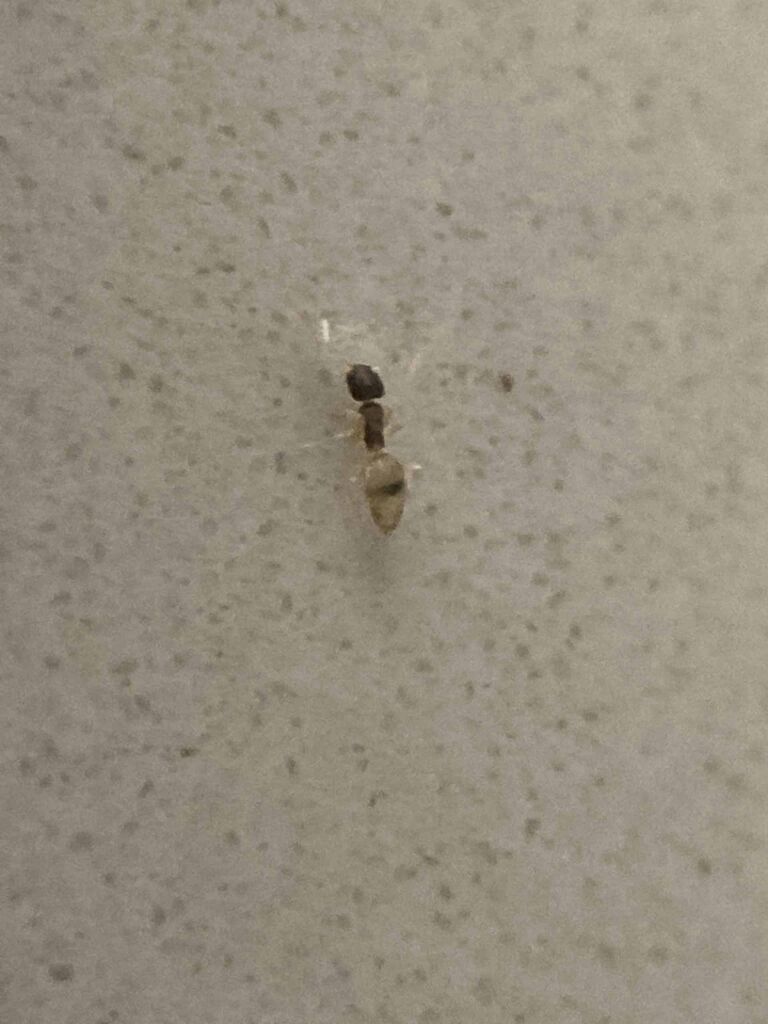
        Ghost ants are very small in size and have a pale or translucent abdomen, making them look like tiny black ants. They are usually found in moist areas like bathrooms, kitchens, water pipes, and around plumbing fixtures.
      3. Argentine Ants
        Argentine ants are dark brown to black and a bit larger than odorous house ants. They are highly aggressive and can quickly establish large colonies inside your home.
      4. Carpenter Ants
        They are bigger than other ants in size and often appear black. These ants can cause structural damage as they build nests in wood.

    How to Get Rid of Tiny Black Ants in Your House?

    There are several methods to eliminate ants from homes, both natural remedies and chemical solutions. However, combination of treatment and prevention is important to get rid of ants for a longer term.

    Identify Entry Points

    Ants usually enter through cracks, gaps, or crevices in doors or windows. Conduct a thorough inspection, sealing any potential entry points with caulking or weather stripping.

    Remove Food and Water Sources

    To discourage ants from entering your home, remove what attracts them, i.e. food. Ensure your kitchen is clean and food is stored in airtight containers. Focus on areas near sinks and plumbing, as ants are attracted to moisture.

    Use Natural Remedies

    Let’s look at some natural methods to deter ants:

    • Vinegar and Water: A Solution with equal quantity of white vinegar and water can be used to clean surfaces where ants have been spotted. Vinegar breaks their scent trails, making it harder for them to navigate.
    • Lemon Juice: Like vinegar, lemon juice can also break scent trails. Spray it along door frames, and baseboards.
    • Cinnamon and Peppermint: Both cinnamon and peppermint oil act as natural repellents. Sprinkle cinnamon near entry points or use cotton balls soaked in peppermint oil to create a barrier.

    Apply Ant Bait

    Ant bait is one of the most effective ways to eliminate ants because they target the whole colony. Baits work by attracting worker ants, who carry the poison back to the nest, eventually killing the queen and other ants. Let’s explore the effective way to get the best results:

    • Place bait stations in areas where ants are commonly seen.
    • Avoid using sprays or repellents near bait stations, as this may deter ants from taking the bait.
    • Be patient! Baits take a few days to work but can lead to complete eradication.

    Call a Professional Ant Exterminator

    Still facing an ant problem? It is probably the time to call a professional ant exterminator as they know how to get rid of ants completely and protect your homes from future infestations. If you live in central or south Florida, Dave’s pest control is the best option. We offer ant control service in Orlando, Port Orange, Daytona, Lakeland, Winter Garden, Delray Beach, Pompano Beach and other areas of Florida.

    How to Prevent Tiny Black Ants from Coming Back?

    Once you have treated the infestation, it is important to take preventive measures to stop them from coming back.

    Here are some tips to follow:

    1. Seal all the entry points
    2. Store food in airtight containers
    3. Maintain cleanliness
    4. Remove moisture sources
    5. Regular inspection and pest control

    Conclusion

    If you understand the basics of ant nature and follow prevention methods and removal strategies, you can keep them away for good. Dealing with tiny black ants in your house can be challenging, but addressing this issue in a timely manner will help you maintain a clean and safe living environment.

    Related Articles

    1. Fire Ants in Florida
    2. Types of Ants Which Kill Grass
    3. How to Get Rid of Sugar Ants
  • How To Get Rid Of Sugar Ants

    How To Get Rid Of Sugar Ants

    Sugar ants are the common pests, mostly found in kitchens and pantries. These tiny insects are attracted to sweet foods, which is why they are often seen moving in lines toward your sugar bowl, honey jar, or any sweet thing you forgot to clean up. While they may seem harmless, sugar ants’ infestation can quickly become a problem. The good news is that with the right approach, you can get rid of sugar ants and prevent them from coming back.

    Let’s dig into this article and go through everything you need to know to handle these pesky insects.

    What are sugar ants?

    Sugar ants are known as odorous house ants. They are small, dark brown or black ants that love sugary foods. They get their name from their strong attraction to sweets like sugar, syrup, and honey. These ants are often found in kitchens, bathrooms, and other areas where food and moisture are present.

    While sugar ants are not a direct threat to humans, they can contaminate food and become a persistent problem if not treated timely. To get rid of sugar ants, understanding their behavior and habits is necessary.

    Why do sugar ants invade your home?

    Sugar ants enter homes in search of two things: food and water. They’re particularly attracted to:

    • Sweet foods: Sugar, honey, syrup, and sugary drinks.
    • Greasy or protein-rich foods: Crumbs, spills, and leftovers.
    • Moisture: Leaky pipes, damp areas, and standing water.

    Once sugar ants find a reliable food source, they leave a scent trail for other ants to follow, this is why you often see them moving in a straight line.

    Signs of a Sugar Ant Infestation

    Before you start tackling the problem, it’s important to confirm that you’re dealing with sugar ants. Here are some common signs of an infestation:

    1. Trails of ants: A line of ants moving to and from a food source.
    2. Nests: Small piles of dirt or debris near walls, under sinks, or in cracks.
    3. Food contamination: Ants crawling on food containers or surfaces.
    4. Swarms: Large groups of ants, especially during warmer months.

    If you see any of these signs, it is surely the presence of sugar ants, and you definitely need to call a professional ant exterminator in your area.

    Steps to Get Rid of Sugar Ants Effectively

    1. Identify and Eliminate the Food Source

    The first step in getting rid of sugar ants is to cut off their food supply.

    • Clean thoroughly: Wipe down countertops, sweep floors, and clean up spills immediately.
    • Store food properly: Keep sugary foods in airtight containers.
    • Take out the trash: Dispose of garbage regularly and use trash cans with tight-fitting lids.
    • Fix leaks: Repair any leaky pipes or faucets to eliminate water sources.
    1. Locate and Destroy the Nest

    Finding the ant nest is crucial for long-term control. Look for nests in:

    • Cracks and crevices: Check walls, baseboards, and under appliances.
    • Outdoor areas: Inspect gardens, mulch beds, and near foundations.

    Once you locate the nest, you can use different methods to destroy it.

    1. Use Natural Remedies

    If you prefer eco-friendly solutions, try natural remedies to get rid of these sugar ants:

    • Vinegar solution: Mix equal quantity of vinegar and water in a spray bottle. Spray it along ant trails and entry points to disrupt their scent trails.
    • Lemon juice: The acidity of lemon juice repels ants. Squeeze lemon juice near the entry points or wipe surfaces with it.
    • Cinnamon: Sprinkle ground cinnamon or place cinnamon sticks near ant trails. The strong scent deters ants.
    • Diatomaceous earth: This natural powder dehydrates and kills ants. Shower it around nests and entry points.
    1. Set Up Ant Baits

    Ant bait is an effective way to eliminate the full colony. The worker ants carry the bait back to the nest, where it kills the queen and other ants.

    • Choose the right bait: Sugar ants prefer sweet bait. Look for products containing borax or boric acid.
    • Place baits strategically: Put them near ant trails, nests, and entry points.
    • Be patient: It may take a few days to see results as the bait works its way through the colony.
    1. Seal Entry Points

    Prevent ants from entering your home by sealing the potential entry points:

    • Caulk cracks: Use caulk to seal cracks in walls, windows, and doors.
    • Install door sweeps: Add sweeps to exterior doors to block gaps.
    • Repair screens: Fix torn window and door screens.
    1. Use Chemical Treatments

    For severe infestations, chemical treatments may be necessary.

    • Ant sprays: Use sprays labeled for indoor use to kill ants on contact.
    • Granular insecticides: Apply these insecticides outdoor around the perimeter of your home to create a barrier.
    1. Call a Professional Pest Control

    If the infestations are huge, you would probably have to contact a professional ant exterminator. Dave’s pest control has been providing pest control services in Winter Haven, Lakeland, Port Orange, Sanford, Orlando, Longwood, Davie and all other surrounding areas of Central and South Florida for more than 45 years.

    Preventing Future Sugar Ant Infestations

    Once you’ve eliminated the ants, take steps to prevent them from returning:

    1. Maintain cleanliness: Regularly clean your home, especially the kitchen and dining areas.
    2. Store food properly: Keep food in sealed containers and avoid leaving leftovers out.
    3. Fix moisture issues: Address leaks and reduce humidity in your home.
    4. Trim vegetation: Keep plants and trees trimmed away from your home to reduce ant access.
    5. Monitor regularly: Check for signs of ants and address any issues promptly.

    Conclusion

    Following the steps outlined in this guide, you can effectively eliminate these sugar ants from your home and prevent them from coming back. Regular cleaning, proper food storage, and preventive measures will go a long way in keeping your home protected from ants. 

    Related Articles

    1. Fire Ants in Florida
    2. Types of Ants Which Kill Grass
    3. How to Treat Ghost Ants
  • Fire Ants: An Intrusive Pest in Florida

    Fire Ants: An Intrusive Pest in Florida

    Fire ants are a notorious pest in Florida and other parts of the southern United States, known for their painful stings and ability to quickly establish colonies. Originating from South America, fire ants have become a significant problem in the U.S. over the past century, affecting wildlife, agriculture, and human activities.

    This blog explores the history of how fire ants arrived in Florida, their life cycle and metamorphosis, nest-building habits, the mechanics behind their stings, the size of their colonies, how to spot a fire ant mound, pest control measures, and first aid for bites and stings.

    How Fire Ants Arrived in Florida

    Fire ants were unintentionally introduced to the United States in the 1930s through cargo ships that arrived in Mobile, Alabama, from South America. From there, they spread across the southeastern U.S., thriving in Florida’s warm, humid climate. Florida provides ideal conditions for fire ants, including abundant food sources, loose soil, and mild winters. Their rapid reproduction and aggressive behavior allowed them to outcompete native ant species and spread quickly.

    The Life Cycle and Metamorphosis of Fire Ants

    Fire ants undergo complete metamorphosis, which includes four stages: egg, larva, pupa, and adult. The queen, the primary reproductive member of the colony, can lay hundreds of eggs daily. The eggs hatch into larvae after about 7-10 days. Worker ants, which are sterile females, feed the larvae and care for them until they reach the pupal stage, where they begin to develop adult features.

    The life cycle of a fire ant from egg to adult typically takes about 30-60 days, depending on environmental conditions such as temperature and food availability. The colony is structured in a way that ensures continuous growth, with the queen constantly producing eggs and new workers replacing older ones.

    Fire Ant Nests: Location and Structure

    Fire ants prefer to build their nests in sunny, open areas like lawns, pastures, and fields. They avoid shaded, densely vegetated areas. The mounds they construct can be easily identified as dome-shaped piles of soil, ranging from a few inches to several feet high. These nests often lack a central opening, as the ants prefer to enter and exit their nests through underground tunnels, making them harder to spot.

    Fire ants may also nest in rotting logs, under pavement, or in electrical equipment. They are highly adaptable and will establish colonies anywhere they can find suitable conditions for survival.

    The Mechanics Behind Fire Ant Bites and Stings

    Fire ants are infamous for their aggressive behavior when their nest is disturbed. They use their mandibles to bite and latch onto their target, which allows them to inject venom multiple times with their stingers. The venom contains alkaloids that cause a burning sensation, pain, swelling, and, in some cases, severe allergic reactions. Fire ants will attack in large numbers, making their stings particularly dangerous for individuals with allergies or those who are stung multiple times.

    The primary reason fire ants sting is to defend their colony from perceived threats. They are highly territorial and will aggressively swarm anything that disturbs their nest, whether it be a human, animal, or inanimate object.

    Colony Size: How Many Fire Ants Live in a Typical Colony?

    A typical fire ant colony can contain anywhere from 100,000 to 500,000 ants, though larger colonies may reach up to a million individuals. The colony is organized into a hierarchy, with a single queen responsible for reproduction, worker ants tasked with gathering food and defending the nest, and male ants that mate with the queen during the reproductive phase. Fire ant colonies can expand rapidly due to the high reproductive capacity of the queen and the colony’s ability to divide into satellite nests.

    Spotting a Fire Ant Nest

    Fire ant nests are easier to spot in open areas where the soil is loose and dry. Look for dome-shaped mounds that appear suddenly, often after rain. The soil used to build these mounds is typically fine and granular, and there may be no obvious opening on the mound’s surface, as fire ants use underground tunnels for access. The mounds can reach several feet in diameter and height, depending on the age of the colony.

    Pest Control: Eliminating Fire Ant Mounds in Florida

    A lot of Professional pest control companies provide services in Florida and you can contact any reliable company to get your home clean from ants. These companies use a variety of methods to eliminate fire ant infestations. These methods include targeted treatments with insecticides, baiting systems, and colony disruption techniques. If you are based in central or south Florida, call us. We provide pest control in Port Orange, New Smryna, Lakeland, Longwood, Sunrise, Davie and other areas of Florida. 

    Insecticides: The Best Options for Fire Ant Control

    The most effective insecticides against fire ants include baits and chemical treatments. Bait insecticides, which consist of food laced with slow-acting poison, are particularly effective because worker ants carry the bait back to the colony, where it is consumed by the queen and other ants. This eventually leads to the collapse of the entire colony.

    There are two types of insecticides: systemic and repellent. Systemic insecticides work by being absorbed into plants, poisoning ants when they feed on the plant. However, they are generally less effective against fire ants, as fire ants don’t primarily feed on plant matter. Repellent insecticides, such as those containing bifenthrin or permethrin, are more effective, as they kill ants on contact and can be applied directly to mounds or around areas where nests are likely to be established.

    First Aid for Fire Ant Bites and Stings

    If bitten or stung by fire ants, it is important to act quickly to minimize the reaction. Wash the affected area with soap and water to prevent infection. Applying a cold compress can help reduce swelling and pain. Over-the-counter antihistamines or hydrocortisone creams can alleviate itching and discomfort. In cases of severe allergic reactions, such as difficulty breathing or swelling in the throat, seek emergency medical attention immediately.

    Here are more interesting facts about fire ants:

    1. Fire ants came from South America: Fire ants were accidentally introduced to the U.S. in the 1930s, arriving in cargo ships from South America. They have since spread across the southern states, particularly thriving in warm, humid climates like Florida.
    2. They sting and bite: Fire ants first bite to grip their target, then inject venom with a sting. Their venom causes a burning sensation (hence the name “fire” ants) and can lead to itchy welts or allergic reactions.
    3. Massive colonies: A typical fire ant colony can contain 100,000 to 500,000 ants, but some super colonies may house over a million ants! Each colony has one or more queens, who lay thousands of eggs.
    4. Mounds with no visible entrance: Fire ant nests appear as dome-shaped mounds, sometimes as large as 18 inches high, but they have no central opening. The ants use underground tunnels to enter and exit their nests, making them tricky to spot until disturbed.
    5. They are aggressive defenders: Fire ants are highly territorial and will swarm anything that threatens their nest. If disturbed, they can attack en masse within seconds.
    6. Queens can live for years: A fire ant queen can live up to 7 years and lay as many as 1,500 eggs per day! Workers, however, only live a few weeks to months.
    7. Fire ants float in floods: Fire ants can survive floods by linking their bodies together, forming a living raft to float on the water’s surface. These rafts can last for weeks, and the ants will wait until they reach dry land to establish a new colony.
    8. Beneficial and harmful: While they are a nuisance to humans, fire ants also help the environment by preying on crop-damaging pests. However, their aggressive behavior and stings often outweigh their benefits.

    Fire ants are a significant problem in Florida due to their aggressive nature, rapid reproduction, and painful stings. Spotting and eliminating fire ant colonies can be challenging, but professional ant extermination companies like Dave’s Pest Control offer effective solutions through targeted insecticides and prevention strategies. Understanding the life cycle, nesting habits, and defensive behavior of fire ants can help homeowners better manage and protect their properties from these invasive pests.

  • Say Goodbye to Bugs

    Say Goodbye to Bugs

    Living in central and eastern Florida comes with its fair share of natural beauty—sunny weather, scenic landscapes, and a warm climate that attracts tourists and locals alike. However, Florida’s warm and humid environment also provides the perfect conditions for various pests, especially roaches, to thrive.

    At Dave’s Pest Control, we understand the unique pest challenges faced by Florida residents and offer expert services to eliminate pests from your home, allowing you to spend less time worrying about bugs and more time enjoying your home. 

    The Number One Pest in Florida: Roaches

    Roaches are considered the number one pest in Florida, with the German cockroach being the most prevalent species. German cockroaches are small, light brown insects with two distinctive dark stripes on their pronotum (the shield-like area behind their head). These roaches are notorious for their ability to infest homes quickly and reproduce at alarming rates.

    A single female German cockroach can produce up to 400 offspring in her lifetime, making an infestation challenging to control without professional help. German cockroaches prefer to nest in warm, humid environments close to food and water sources. Inside homes, they are commonly found in kitchens and bathrooms, hiding in cracks and crevices near sinks, stoves, refrigerators, and cabinets. They are also adept at hiding in electronics, behind wallpaper, and within furniture, making them difficult to detect and eradicate without expert knowledge and tools.

    Ants

    Ants are among the most common pests found in Florida, thriving in the state’s warm, humid climate. These insects can become a significant nuisance when they invade homes and properties in search of food and water. 

    Life Cycle of Ants

    Ants undergo a complete metamorphosis that consists of four stages: egg, larva, pupa, and adult.

    1. Egg: The life cycle begins when the queen lays eggs. Ant eggs are tiny, oval, and white, and are often difficult to see without magnification. The eggs hatch into larvae after a few days.
    2. Larva: The larval stage is a feeding stage, during which the larvae are fed by adult worker ants. The larvae are legless and grub-like, and they rely entirely on the worker ants for nourishment.
    3. Pupa: After the larval stage, ants enter the pupal stage. Pupae appear similar to adult ants but are lighter in color and covered in a protective cocoon. During this stage, the ant undergoes significant development, transforming into its adult form.
    4. Adult: The adult stage is the final stage of an ant’s life cycle. Adult ants can be classified into three types: queens, workers, and males. The queen’s primary role is to reproduce, while worker ants are responsible for foraging, caring for the young, and defending the nest. Male ants typically only exist to mate with the queen and die shortly after mating.

    Control Methods for Ants

    Controlling ants in Florida requires a comprehensive approach that includes both preventative measures and targeted treatments. Here are some effective control methods:

    1. Inspection and Identification: Proper identification of the ant species is crucial for effective control. Different species have different nesting habits and require different treatment methods. Inspect the property thoroughly to locate nests and entry points.
    2. Baiting: Baiting is one of the most effective methods for controlling ants. Baits attract ants, which then carry the poison back to the nest, eliminating the colony. Gel baits and bait stations are commonly used, especially for species like Argentine and Ghost ants.
    3. Chemical Treatments: Liquid insecticides and dust formulations can be used to treat ant nests directly. Perimeter treatments around the home’s foundation and entry points can help prevent ants from entering. It is essential to use products that are labeled for ant control and safe for indoor use.
    4. Sanitation and Exclusion: Keeping a clean home and sealing potential entry points are key preventive measures. Store food in airtight containers, clean up spills promptly, and seal cracks and gaps around windows, doors, and foundations to reduce ant access to food and nesting sites.
    5. Professional Pest Control: Engaging a professional pest control company is often the most effective way to manage ant infestations, especially for more challenging species or larger infestations. Professionals have the expertise to identify the species, locate nests, and apply the most effective treatments safely.

    Mosquitoes

    Mosquitoes are undoubtedly the most notorious and dangerous pest in Florida as it carries deadly diseases with it. With the state’s humid and tropical environment, mosquitoes breed quickly, especially in areas with stagnant water. These blood-sucking insects carry diseases like Dengue, West Nile virus and Zika virus.

    How to keep them away

    • Eliminate standing water in and around your property (birdbaths, clogged gutters, and potted plants are common breeding grounds).
    • Use mosquito repellents containing DEET or picaridin.
    • Install window and door screens to prevent them from getting indoors.
    • Call a professional mosquito exterminator for the service so that your home is protected from these deadly mosquitoes.

    Rodents: Rats & Mice

    Florida’s warm weather offers rodents like rats and mice a year-round environment to thrive in. Rodents are highly adaptable and can squeeze through small gaps in doors and windows, often seeking food and shelter inside homes. They can also carry diseases, including hantavirus and leptospirosis, and can chew through electrical wires, causing potential fire hazards.

    How to keep them away:

    • Seal all entry points, including small holes and cracks in walls or around pipes.
    • Keep food in airtight containers and never leave food out overnight.
    • Keep your home clutter-free, as rodents love to nest in dark, hidden areas.
    • Use traps or contact a professional rodent exterminator if you suspect an infestation.

    While Florida’s climate may be perfect for pests, it’s also ideal for taking steps to protect your home from them. By keeping your property clean, sealing entry points, and using preventative measures, you can say goodbye to bugs and enjoy a more comfortable living space. Stay proactive, and you’ll enjoy all the beauty and sunshine Florida has to offer without the unwanted guests, Say goodbye to pests.

  • The Invasion of Fire Ants in Florida: A Historical Perspective and Impact on the Sunshine State

    The Invasion of Fire Ants in Florida: A Historical Perspective and Impact on the Sunshine State

    Florida’s vibrant ecosystems have long been shaped by various species, but one particular insect has left an indelible mark on the landscape – the notorious fire ant. Originating from South America, fire ants have become a pervasive and sometimes problematic presence in Florida, impacting both the environment and residents. This essay delves into the history of fire ants, their introduction to Florida, and the reasons behind their ominous name.

    Historical Background:

    Fire ants, scientifically known as Solenopsis invicta, have a rich history rooted in their native regions of South America. These aggressive ants are believed to have evolved intricate social structures and behaviors as a defense mechanism against predators, contributing to their resilience and adaptability.

    Introduction to Florida:

    The introduction of fire ants to Florida traces back to the early 20th century. It is believed that these invasive ants arrived in the United States through the port of Mobile, Alabama, in the 1930s. The accidental introduction likely occurred via cargo ships transporting goods from South America. Once established on the Gulf Coast, fire ants steadily expanded their territory, reaching Florida and beyond.

    Why They Are Called Fire Ants:

    Fire ants earned their name due to the intense burning sensation caused by their stings. When provoked or threatened, fire ants deliver painful bites and inject venom into their victims, leading to a distinctive fiery sensation. The venom contains toxic alkaloids that trigger a stinging, burning sensation, often resulting in painful red welts. The aggressive nature of fire ants and the discomfort caused by their stings have led to widespread concern and management efforts.

    Impact on Florida:

    The presence of fire ants in Florida has had multifaceted effects on both the environment and human activities. Ecologically, fire ants are known to displace native ant species, disrupt local ecosystems, and impact small wildlife. Their extensive underground colonies can alter soil structure and negatively affect plant roots.

    In urban and suburban areas, fire ants pose challenges for residents and businesses alike. Their nesting mounds can damage lawns, gardens, and agricultural crops. The risk of stings is a constant concern, especially for outdoor activities such as gardening, recreational sports, and children’s play.

    Control and Management:

    Efforts to control and manage fire ants in Florida involve various strategies. Pesticides, bait treatments, and biological control methods have been employed to mitigate their impact. Community awareness programs aim to educate residents about effective prevention measures and early detection of infestations.

    The invasion of fire ants in Florida serves as a reminder of the ecological and societal challenges posed by invasive species. Understanding their history, introduction to new territories, and the reasons behind their evocative name is crucial for developing effective management strategies. As Florida continues to grapple with the presence of fire ants, ongoing research and community engagement remain essential in mitigating their impact on the Sunshine State’s unique ecosystems and human residents.

    How can homeowners eliminate fire ants?

    Treating fire ants effectively involves a combination of strategies aimed at eliminating existing colonies and implementing preventive measures to deter their return. Here are steps you can take to treat fire ants and reduce the likelihood of their recurrence:

    Identify and Locate Colonies:

    • Conduct a thorough inspection to identify fire ant colonies and locate their nests. Mounds are typically visible, and ants may be active around them.

    Use Bait Treatments:

    • Bait treatments are often an effective way to control fire ant colonies. These baits contain slow-acting insecticides that ants take back to the colony, effectively targeting the entire nest.

    Apply Contact Insecticides:

    • Contact insecticides, such as dusts or liquid formulations, can be used for direct treatment of fire ant mounds. Follow product instructions carefully for safe and effective application.

    Reapply Treatments as Needed:

    • Fire ant control may require repeated treatments over time. Monitor the treated areas and reapply treatments if new colonies appear or if the initial treatment does not provide complete control.

    Broadcast Granular Insecticides:

    • Granular insecticides can be broadcast over larger areas to control fire ants. These products are spread across lawns or affected regions and watered in for activation.

    Use Insect Growth Regulators (IGRs):

    • IGRs disrupt the development of immature fire ants, preventing them from reaching maturity. Incorporating IGRs into your treatment plan can help control colony growth.

    Implement Biological Controls:

    • Some natural enemies of fire ants, such as certain nematodes and pathogens, can be used as biological controls. These are environmentally friendly options that target fire ant colonies.

    Maintain Good Lawn Practices:

    • Healthy lawns with well-maintained grass can discourage fire ants. Regular mowing, proper irrigation, and reducing thatch can create conditions less favorable for ants.

    Remove Attractive Food Sources:

    • Fire ants are attracted to sugary and protein-based foods. Keep outdoor areas clean, and secure trash bins to minimize food sources that may attract ants.

    Create Physical Barriers:

    • For specific areas, physical barriers such as diatomaceous earth or cinnamon can deter fire ants. However, these methods may need frequent reapplication.

    Stay Informed:

    • Stay informed about new developments in fire ant control methods. Research and technology continually provide more effective and environmentally friendly options.

    Remember that fire ant management may require ongoing efforts due to their resilience and ability to reestablish colonies. It’s advisable to consult with local pest control professionals for tailored advice and assistance in developing a comprehensive fire ant control strategy.

    Our team of skilled technicians are proficient in maintaining fire ants and keeping their mounds at a minimal intensity. We possess the expertise to eliminate established fire ant mounds and work towards ensuring infestations remain at a low level so reach out to us if you reside in central or south Florida, we offer pest control in Fort Lauderdale, Boca Raton, Lake Wales, Orlando, Davenport, New Smyrna and other areas of Florida.

    The Life Cycle of Fire Ants

    The life cycle of fire ants consists of four stages: egg, larva, pupa, and adult. Here’s an overview of each stage:

    Egg Stage:

    • The life cycle begins when the queen lays eggs within the colony. These eggs are typically oval-shaped and are tended to by worker ants. The time it takes for the eggs to hatch depends on factors such as temperature and species.

    Larva Stage:

    • Once the eggs hatch, they become larvae. Larvae are legless and grub-like, requiring care and feeding from worker ants. During this stage, the larvae grow rapidly by consuming liquid food provided by the workers. This stage is crucial for the development of the ant.

    Pupa Stage:

    • After the larval stage, the ant enters the pupa stage. Pupae are non-feeding and resemble adult ants but with their appendages folded against their bodies. The pupal stage is a transitional period during which the ant undergoes metamorphosis, transforming into its adult form.

    Adult Stage:

    • The final stage is the emergence of the adult ant from the pupa. Newly emerged adult ants have a pale coloration, which gradually darkens. At this point, they take on the responsibilities of workers within the colony, such as foraging, caring for the brood, and defending the nest.

    Fire ant colonies are organized into a caste system, with different types of ants fulfilling specific roles. The queen is responsible for laying eggs, while worker ants tend to the eggs, larvae, and pupae. Worker ants also forage for food, expand the nest, and defend the colony. Male ants are produced during specific times for mating purposes.

    Fire ant colonies can persist for several years, and the colony’s survival relies on the cooperation and organization of its members. Understanding the life cycle of fire ants is crucial for effective pest control and management strategies.

    At Dave’s pest control, we bring decades of expertise in handling fire ants. We excel at identifying and effectively treating fire ant infestations, ensuring your property remains free from these pests.

    Stepping into a fire ant mound can be very dangerous. If you accidentally step into a fire ant mound and get stung, here are some steps you can take to minimize the discomfort and potential reaction:

    Move Away Quickly:

    • Step away from the fire ant mound to avoid additional stings. Fire ants are aggressive, and disturbing their nest can lead to multiple stings.

    Remain Calm:

    • Try to stay calm, as increased movement and agitation can prompt more fire ants to attack.

    Brush Off Ants:

    • Quickly brush off any ants on your skin. Avoid using your hands; instead, use a tool or cloth to prevent further stings.

    Avoid Scratching:

    • Refrain from scratching the sting sites to minimize the risk of infection.

    Wash the Affected Area:

    • Wash the stung areas with soap and water to reduce the chance of infection. Pat the area dry with a clean cloth.

    Apply a Cold Compress:

    • Place a cold compress or ice pack wrapped in a cloth on the stung areas to reduce swelling and alleviate pain.

    Take Antihistamines:

    • Over-the-counter antihistamines can help relieve itching and reduce potential allergic reactions. Follow the recommended dosage.

    Use Topical Steroids:

    • If itching persists, consider applying over-the-counter hydrocortisone cream to the affected areas.

    Elevate the Affected Limb:

    • If stings occur on a limb, elevate it to help reduce swelling.

    Monitor for Severe Reactions:

    • Keep an eye out for signs of a severe allergic reaction, such as difficulty breathing, swelling of the face or throat, and dizziness. Seek emergency medical attention if these symptoms occur.

    Seek Medical Attention if Needed:

    • If you experience a large number of stings, have a history of severe reactions, or if symptoms persist or worsen, seek medical attention promptly.

    Remember that reactions to fire ant stings can vary from person to person. While most stings cause localized pain, redness, and swelling, some individuals may be allergic and can experience more severe reactions. Taking prompt action to minimize the impact of fire ant stings is crucial for your well-being. If you have known allergies to insect stings, carry an epinephrine auto-injector (such as an EpiPen) as prescribed by your doctor.

  • Thanksgiving

    Thanksgiving

    Thanksgiving, a cherished American holiday, traces its origins to the autumn of 1621 when Pilgrims and Wampanoag Native Americans came together for a harvest feast, marking a moment of unity and gratitude. This event is considered the first Thanksgiving, a symbol of cooperation and shared abundance in the face of adversity.

    The first Thanksgiving took place in Plymouth, Massachusetts, after the Pilgrims survived a harsh winter with the help of the Native Americans who taught them essential agricultural techniques. Grateful for the successful harvest, the Pilgrims and Wampanoag celebrated their newfound friendship and the bountiful yield with a three-day feast.

    Today, Thanksgiving endures as a time for families and friends to gather, express gratitude, and indulge in a feast of traditional foods. Roast turkey, stuffing, mashed potatoes, cranberry sauce, and pumpkin pie are staples on the Thanksgiving table, each dish symbolizing a blend of cultural influences and seasonal harvests.

    Beyond the culinary delights, Thanksgiving has become synonymous with the tradition of watching football. The National Football League (NFL) hosts games on Thanksgiving Day, providing a shared activity for families and friends. This tradition, dating back to the 19th century, adds a lively and competitive element to the holiday, contributing to the festive atmosphere.

    Autumn Bugs

    During the fall months in Florida, a diverse array of bugs emerges, drawn by the subtropical climate and changing environmental conditions. One of the most prevalent insects is the lovebug (Plecia nearctica), known for its distinctive black body and red thorax. These mating insects can be found in swarms during the fall, creating a temporary but notable presence.

    Another common sight is the Eastern Lubber Grasshopper (Romalea microptera), characterized by its large size and vibrant coloration. These grasshoppers are often seen in grassy areas and can be both fascinating and slightly menacing due to their size.

    Mosquitoes persist throughout the fall, though their activity tends to decrease as temperatures cool. Despite this decline, their presence is still notable, making insect repellent a valuable companion during outdoor activities.

    In addition to these, various species of ants, such as the invasive red imported fire ant (Solenopsis invicta), remain active during the fall. These aggressive ants are known for their painful stings and can create sizable colonies, often disrupting local ecosystems.

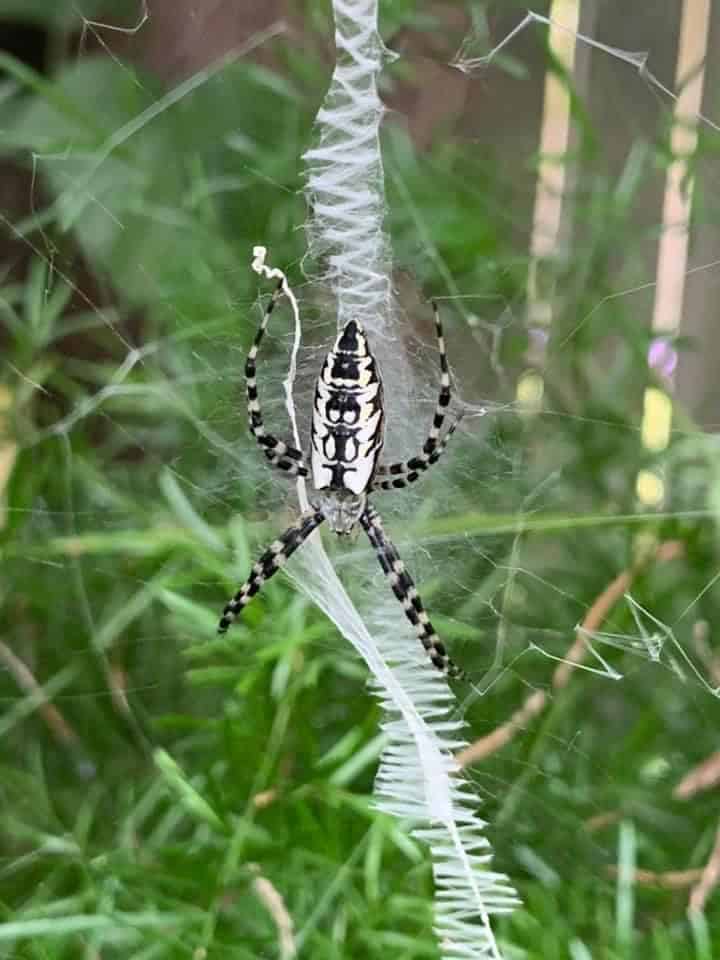
    Florida’s fall months also see an increase in orb-weaving spiders, including the large and conspicuous golden silk orb-weaver (Nephila clavipes). These arachnids contribute to the region’s intricate web of biodiversity.

    It’s essential to mention the seasonal influx of stink bugs, like the brown marmorated stink bug (Halyomorpha halys). These insects seek shelter as temperate

    Termite Swarmers

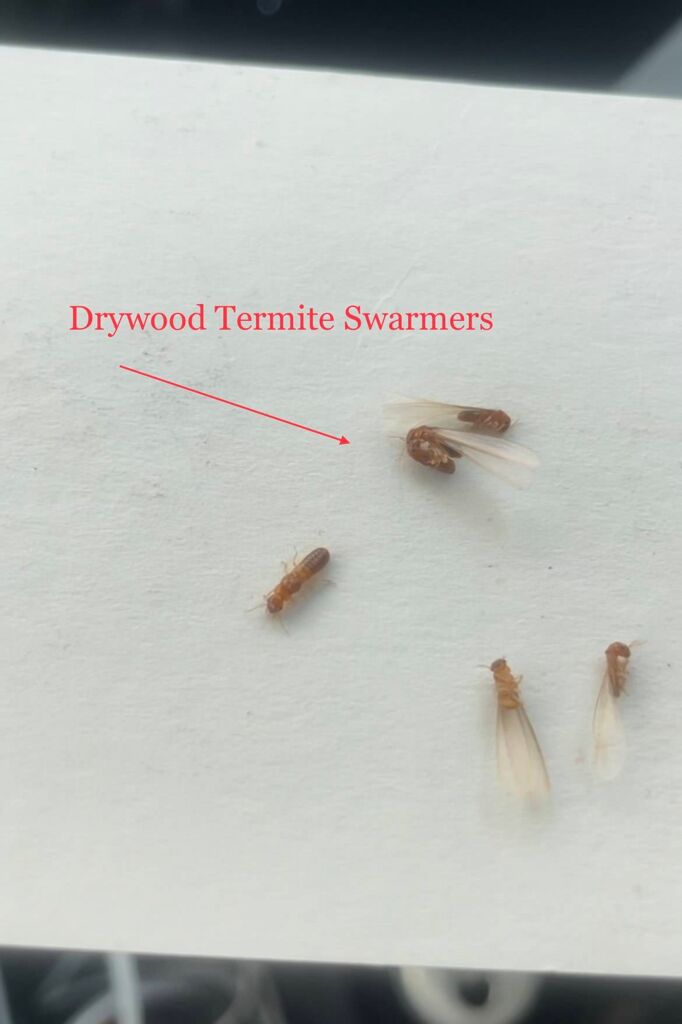
    In the fall months in Florida, the emergence of swarming termites becomes a notable natural phenomenon, drawing attention due to both its visual impact and potential implications for homeowners. Termites are social insects that play a crucial role in breaking down cellulose, but when they swarm, it often signals the presence of a mature colony and the potential for structural damage.

    One of the primary species involved in swarming events is the Eastern Subterranean Termite (Reticulitermes flavipes), commonly found throughout Florida including Volusia, Seminole, Lake, Orange, Flagler and Brevard counties. These termites typically swarm during the warmer months, often in the fall, as they are triggered by environmental cues like temperature and humidity. The swarming phase is when winged reproductive termites, known as alates, leave the nest in search of a mate to establish a new colony.

    The sight of swarming termites can be unsettling for homeowners, as it raises concerns about potential structural damage to homes and other wooden structures. These insects are particularly destructive as they feed on cellulose-containing materials, such as wood, paper, and plant fibers. Their presence highlights the importance of proactive termite prevention and management measures.

    Homeowners in Florida are advised to be vigilant during the fall months, especially if they observe swarming termites around their property. This may indicate an existing termite colony nearby, and professional inspection becomes crucial to assess the extent of the infestation and implement effective control measures.

    To mitigate the risk of termite infestations, homeowners can take preventive actions such as maintaining proper drainage around the home, promptly repairing leaks, and ensuring adequate ventilation in crawl spaces. Regular inspections of wooden structures and early detection of termite activity are essential in preventing significant damage.

    While the sight of swarming termites may instill concern, it’s essential to recognize that termites play a role in the ecosystem by aiding in the decomposition of dead and decaying wood. However, when their activities pose a threat to human structures, it becomes imperative to manage and control their populations effectively.

    Swarming Ants

    While termites take the spotlight in discussions about swarming insects, swarming ants also make a notable appearance in Florida during the fall months, adding a distinctive element to the state’s ecological tapestry. The phenomenon of swarming ants is a fascinating display of nature’s intricate processes, but it can also pose challenges for residents as certain ant species engage in this behavior, leading to the formation of new colonies.

    One of the prominent ant species that partakes in swarming events in Florida is the Florida Carpenter Ant (Camponotus floridanus). Recognized by their large size and dark coloration, these ants are known for establishing nests in decaying wood. During the fall, reproductive individuals, including winged males and females, embark on swarming flights, marking the beginning of the colony’s reproductive phase.

    Swarming is a crucial component of the ant life cycle, serving as a means for the colony to expand and ensure genetic diversity. The synchronized release of winged ants from multiple colonies enhances the likelihood of successful mating and the establishment of new colonies.

    The sight of swarming ants can be captivating, as large numbers of winged individuals fill the air in search of mates and suitable nesting sites. However, for homeowners, this spectacle may raise concerns about potential infestations and the impact on their properties.

    Unlike termites, whose primary diet includes cellulose-rich materials like wood, ants are more diverse in their feeding habits. Florida Carpenter Ants, for instance, feed on a variety of sources, including insects, honeydew produced by aphids, and occasionally household food. While they don’t pose the same structural threat as termites, their presence in and around homes can be disruptive.

    To address the challenges associated with swarming ants in Florida, homeowners can implement various preventive measures. These may include sealing entry points, maintaining cleanliness to reduce food attractants, and addressing moisture issues that may attract ants seeking water sources.

    Professional pest control services can assist in managing ant infestations, providing tailored solutions based on the specific ant species and the extent of the issue. Understanding the biology and behavior of swarming ants empowers homeowners to take proactive steps in protecting their homes while appreciating the natural phenomenon that is an integral part of Florida’s fall ecology.

    Spiders

    Spiders, with their intricate webs and eight-legged grace, are a diverse and fascinating group of arachnids that play a crucial role in ecosystems around the world. As the colder months descend, it’s not uncommon to find spiders making their way indoors, seeking shelter from the chill. Understanding the reasons behind this behavior involves delving into the biology and instincts of these arachnids.

    One of the primary drivers for spiders seeking refuge indoors during colder months is the quest for warmth. As temperatures drop outside, spiders, like many cold-blooded creatures, become sluggish and less active. Seeking shelter indoors allows them to maintain a more favorable temperature and continue their essential bodily functions, albeit at a slower pace. Additionally, many common house spiders have adapted to live in human environments, where temperatures are more stable than the fluctuating conditions outdoors.

    The notion of spiders being more prevalent indoors during colder months is not universal; it varies by species. Some spiders are more adapted to indoor environments and may be active year-round, while others are more influenced by seasonal changes. The presence of spiders indoors can also be influenced by factors such as food availability and mating opportunities, which might be more abundant in the sheltered environment of a home.

    Spiders are opportunistic predators, and the presence of other indoor insects, attracted by the warmth of heated homes during the colder months, provides a ready source of food. This creates a favorable environment for spiders, as they can find sustenance without expending excess energy hunting for prey in the less hospitable outdoors.

    The architecture of buildings, with its numerous cracks, gaps, and entry points, provides ample opportunities for spiders to enter homes. Common house spiders, like the cellar spider (Pholcidae) and cobweb spiders (Theridiidae), are particularly adept at finding their way indoors and creating webs in corners, attics, or basements.

    For those who find the presence of spiders indoors disconcerting, it’s essential to recognize the benefits they offer. Spiders are natural pest controllers, preying on a variety of insects that may otherwise become household nuisances. Embracing a coexistence with spiders involves simple preventive measures like sealing cracks, reducing clutter, and practicing good sanitation to minimize other insect attractants.

    Call us today for a free consultation.


  • Ants in Florida: A Diverse and Persistent Presence

    Ants in Florida: A Diverse and Persistent Presence

    Florida, known for its tropical climate and diverse ecosystems, is also home to a remarkable diversity of ant species. These industrious insects are found in various habitats throughout the state and play significant roles in both the natural environment and, at times, in the lives of Floridians. This essay explores the world of ants in Florida, highlighting their ecological importance and some common species residents might encounter.

    Ecological Significance

    Ants are integral components of Florida’s ecosystems, contributing to soil health, seed dispersal, and pest control. These tiny insects aerate the soil as they build their intricate underground tunnels, enhancing water absorption and nutrient cycling. They also serve as important seed dispersers, helping to regenerate native plants. Furthermore, some ant species are natural predators of pests, assisting in the control of agricultural and garden insect populations.


    Odorous House Ants

    Odorous house ants (Tapinoma sessile), often referred to as “sugar ants,” are a common household pest in many parts of the United States, including Florida. Despite their diminutive size, these ants can become a persistent annoyance for homeowners. This essay explores the characteristics, behavior, ecological significance, and management of odorous house ants to shed light on their role in our lives and environments.

    Characteristics of Odorous House Ants

    Odorous house ants are small ants, typically measuring between 1/16 to 1/8 inch (2 to 3.25 mm) in length. They have a shiny black to dark brown coloration. One distinctive feature that sets them apart from other ant species is the pungent, unpleasant odor they emit when crushed or threatened, often described as resembling the scent of rotten coconuts. This odor, which is the source of their name, serves as a key identification factor.

    Behavior and Habits

    1. Foraging: Odorous house ants are primarily scavengers and are often attracted to sugary foods, but they are known to consume a wide range of items, including proteins and fats. They leave behind visible trails as they forage for food, enabling other colony members to follow their path.
    2. Colonies: These ants establish colonies both indoors and outdoors, with colony sizes ranging from a few hundred to several thousand individuals. Their nests are typically found in soil, wall voids, and beneath stones or other debris.
    3. Reproduction: Colonies can have multiple queens, which can produce hundreds of eggs daily. This prolific reproduction allows them to quickly establish and expand their colonies.

    Odorous house ants play a role in nutrient cycling by breaking down organic matter. Their scavenging behavior helps to decompose dead insects and other organic materials, contributing to the overall health of ecosystems. While they can be pests in homes, they serve as prey for many other organisms, from spiders to birds.

    Challenges and Management

    For homeowners, odorous house ants can be a persistent nuisance. They often enter homes in search of food and shelter, creating trails along kitchen counters and other surfaces. Effective management strategies include:

    1. Sanitation: Keep food stored in airtight containers, clean up spills promptly, and maintain a clean living environment to reduce attractants.
    2. Sealing Entry Points: Seal cracks, crevices, and entry points that ants use to access your home.
    3. Ant Baits: Baits containing insecticides can be used to target the ant colonies. Workers carry the bait back to the nest, which can lead to colony elimination.
    4. Professional Pest Control: In cases of severe infestations or recurring problems, it may be necessary to seek the assistance of a pest control professional.

    Odorous house ants are a common problem found throughout Florida. They can be found in Flagler, Seminole, Orange, Lake and Volusia counties.

    While they can be a source of frustration for homeowners, they serve a valuable role in the ecosystem by aiding in the decomposition of organic matter. Understanding their behavior, ecology, and effective management strategies can help homeowners coexist with these odorous intruders while minimizing their presence in our living spaces.

    Other Common Ant Species in Florida

    1. Red Imported Fire Ants: Perhaps the most infamous ant species in Florida, the red imported fire ant is known for its painful stings and aggressive behavior. It has become an invasive species and a significant pest in urban and agricultural areas.
    2. Carpenter Ants: Florida is home to several species of carpenter ants. While they don’t sting like fire ants, they can be a nuisance when they establish nests in wooden structures.
    3. Pharaoh Ants: These small, light-yellow ants are common household pests in Florida. They are known for their ability to establish colonies inside buildings.
    4. White-footed Ants: These tiny ants have light-colored legs and are often found invading homes. They are recognized as one of the most troublesome ant species in Florida.

    Big Headed Ants

    Bigheaded ants are a group of ants that are distinctive for the disproportionately large size of the heads of some worker ants in the colony. These ants are known for their polymorphic nature, meaning that a single colony can have different types of workers with varying head sizes, ranging from small to significantly larger.

    Characteristics of Big Headed Ants:

    Head Size: The major workers in a big headed ant colony have heads that are noticeably larger than their bodies. In contrast, the minor workers have more proportionate head-to-body ratios.
    Color: Bigheaded ants are typically light to dark brown in color.
    Size: The size of big headed ants varies depending on their role within the colony, with the major workers being significantly larger than the minor workers.
    Habitat: These ants nest in a variety of environments, including soil, wood, or leaf litter, and they can be found in both natural and urban settings.

    Why They Are Called Bigheaded Ants:

    Bigheaded ants are named for the striking size difference between the major and minor workers within their colonies. This unique characteristic makes them easily recognizable, as the majors have conspicuously large heads compared to their body size.

    Nuisance for Homeowners in Florida:

    Bigheaded ants can be a nuisance for homeowners in Florida for several reasons:

    1. Invasion of Indoor Spaces: These ants are opportunistic foragers, and when they enter homes in search of food, they can quickly become a household nuisance. They are known to infest kitchens and pantries, attracted by sugary or protein-rich foods.
    2. Difficult to Control: Big-headed ants can be challenging to manage because they establish multiple nesting sites, making it difficult to locate and eliminate the entire colony. Colonies can be extensive, and simply treating the visible ants may not be effective.
    3. Contamination of Food: When big-headed ants invade kitchens and food storage areas, they can contaminate food products. This can lead to food waste and potential health concerns.
    4. Disruption of Garden Spaces: In outdoor environments, big-headed ants can disrupt garden spaces and affect the growth of plants by tending to honeydew-producing insects like aphids and mealybugs. Their presence can also deter beneficial insects that help control garden pests.

    Challenges Posed by Ants

    Despite their ecological importance, ants can also pose challenges to Florida residents. Invasive species like the red imported fire ant can cause property damage and pose health risks due to their painful stings. Some species, like pharaoh ants, become household pests, requiring pest control measures.

    Control and Management

    For residents dealing with ant infestations, integrated pest management practices are often recommended. These methods prioritize environmentally friendly approaches, such as sanitation and the use of baits, over chemical pesticides. Additionally, for invasive species like the red imported fire ant, ongoing efforts are made by government agencies and researchers to develop control strategies and limit their spread.

    Life Cycle of Ants

    The life cycle of ants consists of several distinct stages, from the egg to adulthood. The development process of ants is known as metamorphosis and can be divided into four main stages:

    1. Egg Stage:
    ○ The ant life cycle begins when the queen ant lays eggs.
    ○ These eggs are tiny, oval-shaped, and typically white.
    ○ The number of eggs laid can vary depending on the ant species and the colony’s needs.

    2. Larva Stage:
    ○ After a period of incubation, the eggs hatch into larvae.
    ○ Ant larvae are worm-like and legless, resembling small grubs.
    ○ During this stage, the larvae are entirely dependent on the adult worker ants for feeding and care.

    3. Pupa Stage:
    ○ The larvae then undergo metamorphosis, transforming into pupae.
    ○ Pupae are immobile and enclosed in a protective cocoon-like structure.
    ○ Inside the pupal casing, the transformation from a larva into an adult ant occurs. This stage is similar to the chrysalis stage in butterflies.

    4. Adult Stage:
    ○ Once the transformation is complete, the pupa emerges as an adult ant.
    ○ Adult ants have well-defined body segments, including a head, thorax, and abdomen, along with six legs and, in many species, a pair of wings.
    ○ The ant becomes fully functional, taking on various roles within the colony, such as workers, soldiers, or reproductive ants.

    It’s important to note that the length of time each stage takes can vary greatly among ant species and is influenced by factors like temperature, humidity, and food availability. For instance, in some species, the entire life cycle from egg to adult can be completed in just a few weeks, while in others, it may take several months. In the colony, the queen ant is responsible for laying eggs, while worker ants, which are females, take care of the young, forage for food, and perform various tasks to support the colony. Male ants, known as drones, are produced for the purpose of mating with queens, after which they die. The cycle of life continues as new ants are born and the colony grows and thrives.

    Ants in Florida are a diverse and ecologically significant group of insects. While some species contribute positively to ecosystems, others can be a nuisance or even a threat to residents. Understanding the various ant species and their behaviors is key to both appreciating their ecological roles and effectively managing any potential challenges they may pose in Florida’s unique environment. Ultimately, harmonious coexistence with ants in the Sunshine State depends on knowledge, respect, and careful management.

    Call us today for a free estimate for your home, business, and condominium.

  • The Invasion of Crazy Ants in Florida: Ecological Impact and Management Challenges

    The Invasion of Crazy Ants in Florida: Ecological Impact and Management Challenges

    In recent years, Florida has witnessed the relentless invasion of tawny crazy ants (Nylanderia fulva), a formidable and ecologically disruptive species. Originally from South America, these invasive ants have established themselves in various parts of the state and other southern regions of the United States.

    We find crazy ants everywhere in Florida including, Volusia, Seminole, Lake, Orange and Flagler counties.

    This essay delves into the characteristics of tawny crazy ants, their ecological impact on Florida’s ecosystems, and the challenges faced in managing their proliferation.

    Characteristics of Tawny Crazy Ants

    Tawny crazy ants, also known as rasberry crazy ants or hairy crazy ants, are small ants measuring approximately 1/8 inch in length. Their reddish-brown coloration distinguishes them, and their erratic, rapid movements earn them the fitting moniker “crazy ants.” Unlike other ant species, which follow pheromone trails in an organized manner, these ants display chaotic movements that make them challenging to predict or control. Additionally, they possess specialized hairs, called trichomes, that give them a “velvety” appearance and likely aid in water repellency.

    Ecological Impact

    The invasion of tawny crazy ants poses several ecological threats to Florida’s delicate ecosystems. Their adaptability and ability to establish large colonies enable them to outcompete native ant species for resources, leading to disruptions in the natural balance. The dense and massive colonies of these ants can decimate populations of insects, small invertebrates, and even impact certain vertebrates.

    One of the most concerning aspects of their invasion is their attraction to electrical equipment. Tawny crazy ants infest electrical boxes, transformers, and other devices, leading to short circuits, malfunctions, and damages. As a result, electrical engineers and maintenance workers face enormous challenges in managing and repairing electrical systems infested with these ants.

    Furthermore, these ants have shown a preference for plant nectar and honeydew-producing insects. By interacting with plants and insects, they can interfere with pollination processes and disrupt mutualistic relationships, affecting the broader ecosystem’s biodiversity.

    Challenges in Management

    Managing the invasion of tawny crazy ants presents a host of difficulties. Traditional ant control methods that work against other species often prove less effective with these invasive ants. Chemical treatments may not yield desired results due to their erratic movement patterns, which can prevent them from taking the bait or coming into contact with insecticides.

    Additionally, the vast and dense colonies of tawny crazy ants make eradication challenging. Localized treatments might prove insufficient to halt their proliferation entirely, necessitating broader-scale strategies and continuous efforts.

    Furthermore, the rapid expansion of tawny crazy ant colonies in urban areas, agricultural lands, and natural ecosystems poses a significant financial burden and safety risk. Electrical damage, agricultural losses, and ecological disruptions can result in substantial economic losses and adverse consequences for human well-being.

    The invasion of tawny crazy ants in Florida represents a grave ecological concern. Their adaptability, aggressive foraging behavior, and attraction to electrical equipment make them a formidable force in disrupting ecosystems and human infrastructures alike. As the state continues to face the challenge of managing their proliferation, collaborative efforts among researchers, pest control professionals, and the public are essential.

    To mitigate their impact, ongoing research is crucial to developing effective management strategies tailored to the unique characteristics of these ants. Raising public awareness about the threat posed by invasive species like tawny crazy ants can foster a sense of responsibility among residents and industries in reporting and addressing infestations. By working together, Floridians can protect their state’s delicate ecosystems and ensure a sustainable future for both human and non-human inhabitants.

    Ghost Ants in Florida: Tiny Terrors Invading Our Kitchens

    Florida, a state known for its diverse wildlife and natural beauty, faces a growing menace in the form of ghost ants (Tapinoma melanocephalum). These tiny insects, native to the Caribbean region, have made their way into the Sunshine State, infesting homes and causing headaches for residents, particularly in kitchens. This essay explores the characteristics of ghost ants, their tendency to infest kitchens, and the challenges they pose to homeowners and pest control efforts.

    Characteristics of Ghost Ants

    Ghost ants are aptly named due to their appearance. Measuring only about 1.3 to 1.5 millimeters in length, these pale-colored ants have transparent abdomens and legs, making them almost invisible on light-colored surfaces. The workers and queen ants differ significantly in size, with the queen being slightly larger.

    These ants prefer warm, tropical climates and thrive in humid environments, making Florida’s climate ideal for their survival and proliferation. They are known for their prolific reproduction, with queen ants laying several eggs each day.

    Tendency to Infest Kitchens

    Ghost ants are opportunistic foragers and are often drawn to kitchens due to the abundance of food and water sources. Their small size allows them to enter homes through tiny cracks and crevices, making it challenging to keep them out.

    In kitchens, ghost ants are attracted to a wide range of food items, including sugary substances, crumbs, fruits, and even pet food. They can infest pantries, cabinets, countertops, and garbage areas, quickly becoming a nuisance to homeowners. Their keen ability to find food sources and form trails allows them to establish extensive colonies within kitchens in a short period.

    Challenges Posed by Ghost Ants

    The invasion of ghost ants in kitchens poses several challenges and frustrations for homeowners:

    Food Contamination: Ghost ants can contaminate food items, rendering them unsafe for consumption. Their presence can lead to financial losses as homeowners need to dispose of infested food.

    Difficulty in Eradication: Due to their small size and ability to hide in cracks and crevices, ghost ants can be challenging to eliminate completely. Ineffective DIY pest control methods may result in temporary relief but fail to address the root of the infestation.

    Chemical Resistance: Some ghost ant colonies have shown resistance to certain types of insecticides, making eradication efforts even more difficult.

    Stress and Anxiety: The presence of ants in the kitchen can cause stress and anxiety for homeowners, as they feel their personal space invaded and the comfort of their home compromised.

    Impact on Food Businesses: For restaurants and food-related businesses, ghost ant infestations can lead to health code violations and reputational damage, potentially impacting their livelihood.

    Management and Prevention

    Effective management and prevention strategies are essential to controlling ghost ant infestations in kitchens:

    Sanitation: Maintaining a clean and tidy kitchen is crucial in reducing food sources that attract ghost ants. Regularly clean countertops, sweep floors, and promptly clean up spills and crumbs.

    Seal Entry Points: Seal cracks and crevices around doors, windows, and walls to prevent ghost ants from gaining access to the kitchen.

    Professional Pest Control: For severe infestations, seeking the help of a licensed pest control professional, like Dave’s Pest Control, is recommended. We can identify the extent of the infestation and implement targeted treatments.

    Baits: Ant baits can be effective in eliminating ghost ant colonies, as the workers carry the bait back to the nest, ultimately affecting the queen.

    Ghost ants are tiny terrors that have invaded Florida, with a particular affinity for infesting kitchens due to the abundance of food and water sources. Their small size and prolific reproduction make them difficult to eradicate completely, posing challenges to homeowners and businesses alike. Effective management strategies, regular sanitation, and professional pest control are essential in preventing and controlling ghost ant infestations in Florida’s kitchens. By taking proactive measures, Floridians can protect their homes, businesses, and food supplies from these persistent pests.

    Fire Ants in Florida

    Florida, a state renowned for its lush landscapes and warm climate, is, unfortunately, home to one of its most formidable invasive species: the fire ant (Solenopsis invicta). These aggressive ants have established themselves in countless yards across the state, causing significant concern for homeowners and posing a threat to both human and animal safety. This essay delves into the characteristics of fire ants, their impact on Florida yards, and the challenges faced in managing their presence.

    Characteristics of Fire Ants

    Fire ants are small reddish-brown ants, with workers measuring between 1/8 to 1/4 inch in length. They build large colonies that consist of intricate networks of underground tunnels and mounds on the surface. Fire ant colonies are highly organized, with specialized castes, including workers, soldiers, and a reproductive queen.

    The name “fire ant” stems from their aggressive nature and painful sting. When disturbed, fire ants will swarm their attacker and deliver painful, burning stings using their venomous stingers. These stings can cause painful welts, itching, and allergic reactions in some individuals, making them a serious health concern.

    Impact on Florida Yards

    Fire ants have a significant impact on Florida yards, affecting both humans and local ecosystems:

    Human Safety: Fire ant stings can be extremely painful and, in some cases, life-threatening, particularly to individuals allergic to their venom. Their presence in yards increases the risk of accidental encounters and stings for homeowners and their pets.

    Agricultural Damage: Fire ants are voracious feeders, attacking and damaging crops, fruits, and even small animals. Their presence in yards can hinder gardening efforts and disrupt local agricultural practices.

    Ecological Disruption: As an invasive species, fire ants can outcompete native ant species, leading to disruptions in the local ecosystem. They also prey on other insects and small invertebrates, potentially impacting natural food chains.

    Aesthetic Concerns: Fire ant mounds can spoil the appearance of well-maintained yards and landscapes. Their presence can make outdoor activities uncomfortable and challenging.

    Challenges in Management

    Managing fire ants in Florida yards presents numerous challenges:

    Rapid Reproduction: Fire ant queens can lay hundreds of eggs each day, leading to rapid colony growth and infestations that quickly get out of control.

    Resistance to Control Methods: Some fire ant populations have developed resistance to certain chemical insecticides, making traditional control methods less effective.

    Extensive Colonies: Fire ant colonies can extend deep into the ground, making it difficult to reach the queen and eradicate the entire colony.

    Recurring Infestations: Even after successful treatments, fire ants can return due to neighboring colonies or new queens establishing colonies nearby.

    Management Strategies

    Despite the challenges, effective management strategies can help homeowners control fire ants in their yards:

    Bait Treatments: Use ant baits containing slow-acting insecticides that workers bring back to the colony, targeting the queen and reducing the entire population.

    Broadcast Treatments: Applying granular insecticides to the entire yard can help reduce fire ant populations.

    Individual Mound Treatments: For isolated mounds, direct treatments with liquid insecticides can be effective.

    Regular Monitoring: Continuously monitor yards for new mounds or signs of ant activity, addressing infestations promptly.

    Professional Assistance: Seek help from licensed pest control professionals like Dave’s Pest Control for severe infestations or when traditional methods prove ineffective.


  • Unraveling the Ant Kingdoms of Florida: Dealing with Common Nuisance Ants in Homes

    Unraveling the Ant Kingdoms of Florida: Dealing with Common Nuisance Ants in Homes

    Florida, a state known for its vibrant wildlife and diverse ecosystems, is home to numerous ant species. While these tiny creatures play an important role in the ecosystem, some species can become a nuisance when they invade homes in search of food and shelter.

    Types of Ants

    In this blog, we’ll delve into the types of Florida ants, focusing on the ones that commonly infiltrate our homes and the best methods to manage these unwelcome guests.

    Argentine Ants

    Argentine ants are small, light-brown ants that form large colonies with multiple queens. These ants are notorious for their relentless search for food and their ability to establish extensive networks of interconnected nests. They commonly invade homes and can quickly become a nuisance, especially in warmer months. Effective management strategies include sealing entry points, eliminating food sources, and employing ant baits.

    Ghost Ants

    Ghost ants, aptly named for their pale coloration and translucent appearance, are among the most common ants found in Florida homes. They are tiny, measuring only about 1.5 mm in length, and have a keen attraction to sugary substances. Ghost ants often nest in wall voids, cabinets, and other hidden spaces. Preventing their intrusion involves sealing cracks and crevices, cleaning up spills promptly, and using ant baits tailored to their feeding preferences.

    Fire Ants

    Fire ants are an infamous nuisance in Florida due to their aggressive behavior and painful stings. Several species of fire ants, including the invasive red imported fire ant (Solenopsis invicta), have established large populations in the state. These ants construct large mounds outdoors but can also venture into homes in search of food.

    Fire ant management requires a combination of baiting, mound treatments, and regular inspections to ensure their eradication and prevent future infestations.

    Carpenter Ants

    Carpenter ants are among the largest ant species in Florida, ranging in size from 6 to 12 mm. Unlike termites, carpenter ants do not eat wood but excavate it to create their nests. These ants often seek out moist or decaying wood in homes, which can lead to structural damage over time. Professional intervention is recommended for effective carpenter ant control, as it involves locating and treating their nesting sites.

    Pharaoh Ants

    Pharaoh ants are small, yellowish-brown ants that pose a significant nuisance in homes and healthcare facilities. These ants are adept at finding their way into kitchens, bathrooms, and other areas where food and moisture are plentiful. Pharaoh ants are challenging to control due to their tendency to split their colonies when disturbed. Integrated pest management techniques, including baiting and maintaining strict sanitation practices, are essential for managing these persistent pests.

    Ants 101

    Ants are a diverse and abundant group of insects, and Florida’s warm climate provides a suitable habitat for many species. While ants play a vital role in the ecosystem, some can become unwelcome visitors when they invade homes. Understanding the habits and characteristics of common nuisance ants in Florida is crucial for effective management. By employing a combination of preventive measures, proper sanitation, and targeted treatments, homeowners can keep these tiny intruders at bay and enjoy a pest-free living environment.

    Remember, if you find yourself struggling to control ant infestations in your home, it’s always advisable to seek professional assistance from a licensed pest control company, like Dave’s Pest Control, who can provide tailored solutions and ensure a long-term ant-free environment.

    Ants are fascinating social insects that exhibit remarkable teamwork and cooperation within their colonies. Their social structure and division of labor bear some similarities to termites, highlighting their efficient organization and adaptability in various environments. Additionally, ants undergo a complete metamorphosis, progressing through distinct stages from egg to adult, which contributes to the overall success and resilience of their colonies.

    Social Structure and Cooperation:

    Ants live in organized colonies consisting of various castes, including the queen, male ants, and female worker ants. The queen’s primary role is reproduction, laying eggs to perpetuate the colony. Male ants exist solely for mating with the queen, after which they generally perish. However, the worker ants form the backbone of the colony, undertaking a wide range of tasks essential for its survival.

    Division of Labor:

    Worker ants assume different roles within the colony, demonstrating a division of labor that maximizes efficiency and productivity. Some workers are tasked with foraging for food, while others focus on nest maintenance, care for the queen and her offspring, or defense against potential threats. This specialization allows the colony to allocate resources effectively and adapt to changing environmental conditions.

    Cooperative Behavior:

    Cooperation is fundamental to the success of ant colonies. Worker ants communicate through pheromones, touch, and intricate antennal interactions, forming complex communication networks. They use these signals to share information about food sources, danger, or the location of new nesting sites. This collaboration enables efficient resource exploitation and facilitates collective decision-making within the colony.

    Metamorphosis:

    Like many insects, ants undergo complete metamorphosis, a process consisting of four distinct stages: egg, larva, pupa, and adult.

    Egg Stage:

    The queen ant lays tiny, oval-shaped eggs. These eggs are cared for by the workers and are often stored within the safety of the nest. The eggs are typically white and initially require a warm and humid environment to develop properly.

    Larva Stage:

    Upon hatching, the ant eggs give rise to legless, grub-like larvae. The larvae are helpless and depend on the workers for nourishment and care. During this stage, the larvae undergo rapid growth, periodically shedding their skin as they molt.

    Pupa Stage:

    Once the larvae reach a certain size, they enter the pupa stage. During this transformative phase, the larvae encase themselves in a protective cocoon-like structure. Inside the pupa, the insect undergoes significant internal and external changes, including the development of wings, legs, and other adult structures.

    Adult Stage:

    After completing the pupal development, the ant emerges as an adult. At this stage, the ant’s exoskeleton hardens and takes on its characteristic colors and features. The newly emerged adult joins the workforce, taking on specific roles within the colony based on its caste and physical attributes.

    Their ability to communicate and coordinate tasks allows them to exploit resources efficiently and adapt to their environment. The process of metamorphosis, from egg to adult, is a critical component of their life cycle, ensuring the perpetuation and survival of ant colonies generation after generation.

    Strength in Numbers:

    Ants are known for their impressive strength relative to their size, and there are several reasons why they are considered to be strong compared to other insects:

    Collective strength: Ants are social insects that live in large colonies comprising thousands or even millions of individuals. They work together in a highly organized manner, exhibiting remarkable coordination and cooperation. When faced with a task requiring strength, such as moving large objects or defending their colony, ants work collectively, leveraging the combined strength of many individuals to achieve their goals.

    Muscle power: Ants have relatively larger muscles compared to their body size. Their muscles are designed for strength and endurance, allowing them to exert significant force. This adaptation enables ants to carry objects many times their own body weight. They can lift and transport heavy loads by using their powerful mandibles or jaws.

    Scaling laws: Ants benefit from what is known as “scaling laws” or “allometric scaling.” These laws describe how certain characteristics change with size. In the case of ants, as their body size decreases, their cross-sectional area and muscle strength decrease at a slower rate. This means that smaller ants have proportionally stronger muscles compared to larger insects. The scaling laws allow ants to maintain their strength even at a small size.

    Adaptations: Ants possess various adaptations that contribute to their strength. For example, many ant species have specialized structures like strong jaws or spines on their bodies that aid in tasks like digging, carrying, or defending. Some ants also have sticky pads on their feet, which enable them to grip and carry objects effectively.

    Pheromone communication: Ants communicate using chemical signals called pheromones. They leave scent trails that guide other ants to food sources or help them navigate back to the colony. This communication system allows ants to work together efficiently, reducing the need for individual ants to expend unnecessary energy in searching or scouting tasks.

    It’s important to note that while ants are strong relative to their size, there are other insects and arthropods that possess impressive strength and adaptations as well, each suited to their respective ecological niches and lifestyles.

    Call us today for a free estimate for your home or business.