Dave's Pest Control

Author: TolleWebDesign

  • The Invasion of Crazy Ants in Florida: Ecological Impact and Management Challenges

    The Invasion of Crazy Ants in Florida: Ecological Impact and Management Challenges

    In recent years, Florida has witnessed the relentless invasion of tawny crazy ants (Nylanderia fulva), a formidable and ecologically disruptive species. Originally from South America, these invasive ants have established themselves in various parts of the state and other southern regions of the United States.

    We find crazy ants everywhere in Florida including, Volusia, Seminole, Lake, Orange and Flagler counties.

    This essay delves into the characteristics of tawny crazy ants, their ecological impact on Florida’s ecosystems, and the challenges faced in managing their proliferation.

    Characteristics of Tawny Crazy Ants

    Tawny crazy ants, also known as rasberry crazy ants or hairy crazy ants, are small ants measuring approximately 1/8 inch in length. Their reddish-brown coloration distinguishes them, and their erratic, rapid movements earn them the fitting moniker “crazy ants.” Unlike other ant species, which follow pheromone trails in an organized manner, these ants display chaotic movements that make them challenging to predict or control. Additionally, they possess specialized hairs, called trichomes, that give them a “velvety” appearance and likely aid in water repellency.

    Ecological Impact

    The invasion of tawny crazy ants poses several ecological threats to Florida’s delicate ecosystems. Their adaptability and ability to establish large colonies enable them to outcompete native ant species for resources, leading to disruptions in the natural balance. The dense and massive colonies of these ants can decimate populations of insects, small invertebrates, and even impact certain vertebrates.

    One of the most concerning aspects of their invasion is their attraction to electrical equipment. Tawny crazy ants infest electrical boxes, transformers, and other devices, leading to short circuits, malfunctions, and damages. As a result, electrical engineers and maintenance workers face enormous challenges in managing and repairing electrical systems infested with these ants.

    Furthermore, these ants have shown a preference for plant nectar and honeydew-producing insects. By interacting with plants and insects, they can interfere with pollination processes and disrupt mutualistic relationships, affecting the broader ecosystem’s biodiversity.

    Challenges in Management

    Managing the invasion of tawny crazy ants presents a host of difficulties. Traditional ant control methods that work against other species often prove less effective with these invasive ants. Chemical treatments may not yield desired results due to their erratic movement patterns, which can prevent them from taking the bait or coming into contact with insecticides.

    Additionally, the vast and dense colonies of tawny crazy ants make eradication challenging. Localized treatments might prove insufficient to halt their proliferation entirely, necessitating broader-scale strategies and continuous efforts.

    Furthermore, the rapid expansion of tawny crazy ant colonies in urban areas, agricultural lands, and natural ecosystems poses a significant financial burden and safety risk. Electrical damage, agricultural losses, and ecological disruptions can result in substantial economic losses and adverse consequences for human well-being.

    The invasion of tawny crazy ants in Florida represents a grave ecological concern. Their adaptability, aggressive foraging behavior, and attraction to electrical equipment make them a formidable force in disrupting ecosystems and human infrastructures alike. As the state continues to face the challenge of managing their proliferation, collaborative efforts among researchers, pest control professionals, and the public are essential.

    To mitigate their impact, ongoing research is crucial to developing effective management strategies tailored to the unique characteristics of these ants. Raising public awareness about the threat posed by invasive species like tawny crazy ants can foster a sense of responsibility among residents and industries in reporting and addressing infestations. By working together, Floridians can protect their state’s delicate ecosystems and ensure a sustainable future for both human and non-human inhabitants.

    Ghost Ants in Florida: Tiny Terrors Invading Our Kitchens

    Florida, a state known for its diverse wildlife and natural beauty, faces a growing menace in the form of ghost ants (Tapinoma melanocephalum). These tiny insects, native to the Caribbean region, have made their way into the Sunshine State, infesting homes and causing headaches for residents, particularly in kitchens. This essay explores the characteristics of ghost ants, their tendency to infest kitchens, and the challenges they pose to homeowners and pest control efforts.

    Characteristics of Ghost Ants

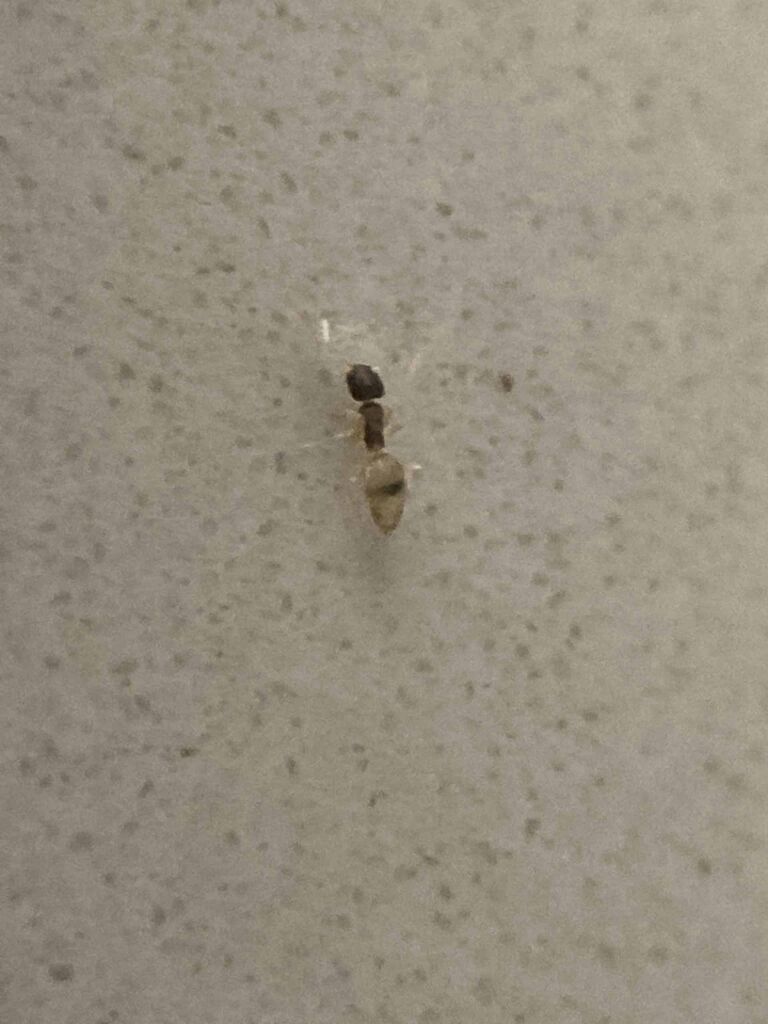
    Ghost ants are aptly named due to their appearance. Measuring only about 1.3 to 1.5 millimeters in length, these pale-colored ants have transparent abdomens and legs, making them almost invisible on light-colored surfaces. The workers and queen ants differ significantly in size, with the queen being slightly larger.

    These ants prefer warm, tropical climates and thrive in humid environments, making Florida’s climate ideal for their survival and proliferation. They are known for their prolific reproduction, with queen ants laying several eggs each day.

    Tendency to Infest Kitchens

    Ghost ants are opportunistic foragers and are often drawn to kitchens due to the abundance of food and water sources. Their small size allows them to enter homes through tiny cracks and crevices, making it challenging to keep them out.

    In kitchens, ghost ants are attracted to a wide range of food items, including sugary substances, crumbs, fruits, and even pet food. They can infest pantries, cabinets, countertops, and garbage areas, quickly becoming a nuisance to homeowners. Their keen ability to find food sources and form trails allows them to establish extensive colonies within kitchens in a short period.

    Challenges Posed by Ghost Ants

    The invasion of ghost ants in kitchens poses several challenges and frustrations for homeowners:

    Food Contamination: Ghost ants can contaminate food items, rendering them unsafe for consumption. Their presence can lead to financial losses as homeowners need to dispose of infested food.

    Difficulty in Eradication: Due to their small size and ability to hide in cracks and crevices, ghost ants can be challenging to eliminate completely. Ineffective DIY pest control methods may result in temporary relief but fail to address the root of the infestation.

    Chemical Resistance: Some ghost ant colonies have shown resistance to certain types of insecticides, making eradication efforts even more difficult.

    Stress and Anxiety: The presence of ants in the kitchen can cause stress and anxiety for homeowners, as they feel their personal space invaded and the comfort of their home compromised.

    Impact on Food Businesses: For restaurants and food-related businesses, ghost ant infestations can lead to health code violations and reputational damage, potentially impacting their livelihood.

    Management and Prevention

    Effective management and prevention strategies are essential to controlling ghost ant infestations in kitchens:

    Sanitation: Maintaining a clean and tidy kitchen is crucial in reducing food sources that attract ghost ants. Regularly clean countertops, sweep floors, and promptly clean up spills and crumbs.

    Seal Entry Points: Seal cracks and crevices around doors, windows, and walls to prevent ghost ants from gaining access to the kitchen.

    Professional Pest Control: For severe infestations, seeking the help of a licensed pest control professional, like Dave’s Pest Control, is recommended. We can identify the extent of the infestation and implement targeted treatments.

    Baits: Ant baits can be effective in eliminating ghost ant colonies, as the workers carry the bait back to the nest, ultimately affecting the queen.

    Ghost ants are tiny terrors that have invaded Florida, with a particular affinity for infesting kitchens due to the abundance of food and water sources. Their small size and prolific reproduction make them difficult to eradicate completely, posing challenges to homeowners and businesses alike. Effective management strategies, regular sanitation, and professional pest control are essential in preventing and controlling ghost ant infestations in Florida’s kitchens. By taking proactive measures, Floridians can protect their homes, businesses, and food supplies from these persistent pests.

    Fire Ants in Florida

    Florida, a state renowned for its lush landscapes and warm climate, is, unfortunately, home to one of its most formidable invasive species: the fire ant (Solenopsis invicta). These aggressive ants have established themselves in countless yards across the state, causing significant concern for homeowners and posing a threat to both human and animal safety. This essay delves into the characteristics of fire ants, their impact on Florida yards, and the challenges faced in managing their presence.

    Characteristics of Fire Ants

    Fire ants are small reddish-brown ants, with workers measuring between 1/8 to 1/4 inch in length. They build large colonies that consist of intricate networks of underground tunnels and mounds on the surface. Fire ant colonies are highly organized, with specialized castes, including workers, soldiers, and a reproductive queen.

    The name “fire ant” stems from their aggressive nature and painful sting. When disturbed, fire ants will swarm their attacker and deliver painful, burning stings using their venomous stingers. These stings can cause painful welts, itching, and allergic reactions in some individuals, making them a serious health concern.

    Impact on Florida Yards

    Fire ants have a significant impact on Florida yards, affecting both humans and local ecosystems:

    Human Safety: Fire ant stings can be extremely painful and, in some cases, life-threatening, particularly to individuals allergic to their venom. Their presence in yards increases the risk of accidental encounters and stings for homeowners and their pets.

    Agricultural Damage: Fire ants are voracious feeders, attacking and damaging crops, fruits, and even small animals. Their presence in yards can hinder gardening efforts and disrupt local agricultural practices.

    Ecological Disruption: As an invasive species, fire ants can outcompete native ant species, leading to disruptions in the local ecosystem. They also prey on other insects and small invertebrates, potentially impacting natural food chains.

    Aesthetic Concerns: Fire ant mounds can spoil the appearance of well-maintained yards and landscapes. Their presence can make outdoor activities uncomfortable and challenging.

    Challenges in Management

    Managing fire ants in Florida yards presents numerous challenges:

    Rapid Reproduction: Fire ant queens can lay hundreds of eggs each day, leading to rapid colony growth and infestations that quickly get out of control.

    Resistance to Control Methods: Some fire ant populations have developed resistance to certain chemical insecticides, making traditional control methods less effective.

    Extensive Colonies: Fire ant colonies can extend deep into the ground, making it difficult to reach the queen and eradicate the entire colony.

    Recurring Infestations: Even after successful treatments, fire ants can return due to neighboring colonies or new queens establishing colonies nearby.

    Management Strategies

    Despite the challenges, effective management strategies can help homeowners control fire ants in their yards:

    Bait Treatments: Use ant baits containing slow-acting insecticides that workers bring back to the colony, targeting the queen and reducing the entire population.

    Broadcast Treatments: Applying granular insecticides to the entire yard can help reduce fire ant populations.

    Individual Mound Treatments: For isolated mounds, direct treatments with liquid insecticides can be effective.

    Regular Monitoring: Continuously monitor yards for new mounds or signs of ant activity, addressing infestations promptly.

    Professional Assistance: Seek help from licensed pest control professionals like Dave’s Pest Control for severe infestations or when traditional methods prove ineffective.


  • Understanding the fascinating Snakes of Florida: Rat Snakes, Black Racers, and Banded Water Snakes

    Understanding the fascinating Snakes of Florida: Rat Snakes, Black Racers, and Banded Water Snakes

    Florida is home to a remarkable variety of snake species. Among the many fascinating reptiles that inhabit the Sunshine State, rat snakes, black racers, and banded water snakes stand out for their distinct characteristics and widespread presence. In this essay, we will delve into the identification features of each species, discuss their habitats, feeding habits, and explain why these snakes pose no significant threat to humans. These snakes are the most common snakes we find in Volusia, Seminole, Lake, Orange and Flagler counties. Our technicians at Dave’s Pest Control can safely remove snakes from your home or business should you find one.

    Rat Snakes:

    Rat snakes, also known as corn snakes, are non-venomous constrictors that exhibit remarkable color variations. They can be identified by their slender bodies, keeled scales, and large, round eyes. Their colors range from vibrant yellows and oranges to browns, blacks, and even gray.

    Rat snakes are commonly found in both rural and urban areas throughout Florida. Homeowners are most likely to encounter these snakes near overgrown vegetation, in barns or sheds, or near human settlements where rodents are prevalent. Rat snakes are excellent climbers and may be observed in trees, fences, or even attics.

    As opportunistic hunters, rat snakes primarily feed on small mammals such as rats, mice, and occasionally birds. This diet makes them valuable allies to homeowners by helping to control rodent populations naturally.

    Rat snakes play an essential role in controlling rodent populations, which helps maintain ecological balance. By preying on rats and mice, they can help reduce damage to crops and prevent the spread of diseases carried by rodents.

    Rat snakes are constrictors, meaning they capture and kill their prey by coiling their bodies around them to suffocate them. Their diet primarily consists of small mammals, such as rats, mice, and squirrels. They are also known to consume birds, eggs, and occasionally reptiles.  Rat snakes are adaptable and can thrive in a variety of habitats. In Florida, they can be found in forests, woodlands, marshes, swamps, and even residential areas. They often seek out areas near a water source, as they are excellent swimmers.

    Black Racer Snakes:

    Black racer snakes, also referred to as eastern racers, are sleek and fast-moving snakes known for their jet-black coloration. However, it’s important to note that juvenile black racers often have gray or brown hues, which gradually darken as they mature. They have smooth scales and a slender, elongated body.

    These snakes are widespread throughout Florida, making them a common sight in various habitats such as forests, grasslands, swamps, and even suburban areas. Homeowners are likely to encounter black racers in yards, gardens, or open fields, where they actively hunt for prey.

    Black racers are diurnal hunters and primarily consume small vertebrates like lizards, frogs, birds, and rodents. Their speed and agility aid them in catching their quarry, contributing to a healthy balance in the ecosystem.

    Black racers are known for their remarkable speed and agility. They are excellent climbers and swimmers, but they are most famous for their quickness on land. They can swiftly reach speeds of 4 to 8 miles per hour (6.4 to 12.9 kilometers per hour) when fleeing from potential threats.

    Black racer snakes are known to be alert and highly aware of their surroundings. When approached or threatened, they often exhibit aggressive behavior, including rapid tail vibrations and striking with their mouth closed.

    While black racers are skilled predators, they also face predation themselves. Several animals, including birds of prey, larger snakes like kingsnakes or indigo snakes, raccoons, and even domestic cats and dogs, can prey upon them.

    When threatened, black racer snakes have a few defense mechanisms. Besides their speed and agility, they can also flatten their bodies, hiss loudly, and release a foul-smelling musk to deter potential predators.

    Juvenile black racers have a different color pattern compared to adults. While adult black racers are typically solid black, juveniles have a pattern of dark blotches or spots on a gray or brown background. The blotches may be more prominent towards the head and neck and become less distinct towards the tail.

    Like adult black racers, juveniles have smooth scales. These scales give them a sleek appearance and allow for easy movement through various habitats.

    Juvenile black racers are smaller than adults. They typically measure between 6 to 12 inches in length when they hatch and continue to grow as they age.

    Juvenile black racers have a slender and elongated body shape, which enables them to move quickly. Their bodies are designed for agile movements and effective navigation through vegetation.

    Similar to adult black racers, juveniles are known for their speed and agility. They are active during the day, quick to flee when threatened, and can move swiftly on the ground or even climb low vegetation or trees.

    As the juvenile black racers mature, their coloration gradually changes to a solid black as they lose their juvenile patterning. This transformation usually occurs within the first year or two of their lives.

    Banded Water Snakes:

    Banded water snakes, sometimes mistaken for venomous water moccasins, are non-venomous snakes that inhabit aquatic environments. They can be identified by their dark-colored bodies with distinct bands on their jaws, which venomous cotton-mouths do not have.

    While banded water snakes are generally non-aggressive and harmless to humans, they may bite if they feel threatened or cornered. However, their bite is non-venomous and typically harmless, causing only minor injuries. When disturbed, they may release a pungent musk as a defensive mechanism.

    Banded water snakes often mimic the appearance of venomous water moccasins (Agkistrodon piscivorus), which helps protect them from potential predators. This mimicry involves displaying similar coloration and patterns, as well as adopting similar defensive postures when threatened.

    These snakes are commonly found near bodies of water, such as lakes, ponds, marshes, and slow-moving streams, making Florida’s wetlands their preferred habitats. Homeowners living near these environments may encounter banded water snakes when engaging in outdoor activities like gardening or fishing.

    Feeding predominantly on fish, amphibians, and small aquatic creatures, banded water snakes play a crucial role in maintaining the ecological balance of Florida’s aquatic ecosystems. By keeping populations of fish and amphibians in check, they contribute to the health and stability of the wetland ecosystems they call home.

    Non-harmful Nature of Florida Snakes:

    While encountering snakes can often evoke fear or concern, it’s important to note that rat snakes, black racers, and banded water snakes pose little to no threat to humans. These species are non-venomous and generally shy in nature, preferring to retreat from potential threats rather than confront them.

    Their diets, as mentioned earlier, mainly consist of small vertebrates such as rodents, amphibians, and fish. Snakes play a crucial role in maintaining balanced ecosystems by controlling the populations of these animals, reducing the spread of diseases they may carry, and preventing ecological imbalances.

    Snakes in Florida, like snakes in other parts of the world, reproduce sexually. They exhibit a variety of reproductive strategies, but the most common method among snakes is internal fertilization. Let me explain the general process of snake reproduction.

    Courtship: During the breeding season, male snakes actively search for receptive females. They use a combination of chemical signals (pheromones), visual cues, and behavioral displays to attract females and establish courtship. These displays can involve body movements, rubbing against the female’s body, or even combat with other males to win the opportunity to mate.

    Mating: Once a male successfully courts a female, mating takes place. Snakes have a pair of reproductive organs called hemipenes, which are located inside the base of the tail. During mating, the male inserts one of his hemipenes into the female’s cloaca, a common opening used for reproduction and waste elimination.

    Fertilization: After mating, internal fertilization occurs within the female snake’s body. The male’s sperm is transferred to the female and travels to the oviducts, where fertilization of the eggs takes place. Fertilized eggs develop into embryos.

    Egg Development: Most snake species are oviparous, meaning they lay eggs. The female snake carries the fertilized eggs within her body for a certain period, allowing the embryos to develop. The duration of gestation can vary depending on the species.

    Egg Laying: When the embryos have fully developed, the female snake lays the eggs. The number of eggs laid can vary significantly between snake species, ranging from a few to several dozen. Some snake species may deposit their eggs in protected locations, such as underground burrows or decaying vegetation, while others may lay them in open areas.

    Incubation: Once the eggs are laid, the environmental conditions, particularly temperature and humidity, play a crucial role in the development of the embryos. The eggs are typically left unattended by the female. The time it takes for the eggs to hatch can vary depending on the species and environmental conditions.

    Hatching: When the conditions are suitable, the snake embryos inside the eggs undergo development, eventually leading to hatching. The hatchlings emerge from the eggs, and they are usually self-sufficient from the moment they hatch.

    Florida’s snake population is rich and diverse, with rat snakes, black racers, and banded water snakes standing out as notable examples. By understanding their identification features, preferred habitats, and diets, homeowners can coexist peacefully with these non-venomous snakes. Appreciating the role these reptiles play in controlling pest populations and maintaining ecological balance is essential for fostering a harmonious relationship with Florida’s captivating wildlife.

  • The Dog Days of Summer: A Historical Perspective on Summer Heat.

    The Dog Days of Summer: A Historical Perspective on Summer Heat.

    As the scorching sun casts its relentless rays upon the earth during the peak of summer, a familiar phrase emerges: “The dog days of summer.” It evokes images of lazy afternoons, sultry evenings, and a pervasive sense of heat and humidity. But what exactly are the dog days of summer, and how did people cope with the sweltering temperatures before the invention of air conditioning? Let us delve into the historical origins of this phrase and explore the innovative ways in which our ancestors sought relief from the oppressive summer heat.

    The phrase “dog days of summer” refers to a period of hot and sultry weather that occurs during the summer months. It originated from the ancient Greeks and Romans, who associated this time of year with the rising of Sirius, the brightest star in the constellation Canis Major (often referred to as the “Dog Star”). Sirius’s appearance on the horizon coincided with the hottest and most uncomfortable days of summer, typically occurring in late July and early August.

    Before the advent of air conditioning, people relied on various strategies to stay cool and endure the dog days. One of the primary techniques was architectural design that maximized natural ventilation and shade. For example, ancient civilizations in Greece and Rome designed their homes with central courtyards, allowing air to circulate and providing relief from the heat. They also utilized high ceilings, thick walls, and small windows to minimize the entry of direct sunlight.

    In addition to architectural considerations, people employed ingenious methods to keep themselves cool. The use of shade, whether through trees, canopies, or awnings, was commonplace. This simple yet effective approach shielded individuals from the sun’s rays and reduced the heat absorbed by buildings. Water played a significant role as well. People would often take advantage of natural water sources, such as rivers, lakes, and fountains, to cool off. They would swim, bathe, or simply immerse their feet in water to lower their body temperature.

    Evaporative cooling was another technique employed before air conditioning. Wet cloths or towels were draped over windows and doorways to create a cooling effect as the air passed through. Similarly, people used handheld fans made of palm leaves or feathers to create a breeze and aid in perspiration evaporation. These methods were effective in providing temporary relief from the oppressive heat, though they could not match the comfort and convenience of modern air conditioning.

    Furthermore, people adjusted their daily routines to avoid the peak heat of the day. They would rise early to accomplish tasks before the sun’s intensity became overwhelming. Afternoons were often dedicated to rest and relaxation, with many retreating to shaded areas or taking siestas. Evenings, when the temperature dropped, became a time for socializing and outdoor activities, providing respite from the daytime heat.

    While we now have the luxury of air conditioning to keep us cool, it is fascinating to reflect on the resourcefulness and resilience of our ancestors as they navigated the sweltering summers of summer. Especially our ancestors who populated Florida in the early part of the last century.

    The Buzzing Invasion: Exploring the Link Between Summer Heat and Increased Bug Activity

    As the summer sun blazes across the sky, bringing warmth and joy to the season, it also ushers in a less welcome phenomenon: the proliferation of bugs and insects around our homes. The connection between the heat of summer and the surge in bug activity is an intriguing topic worthy of exploration. This essay delves into the factors that contribute to this increase in bug populations during the summer months and the ways in which we can mitigate their presence.

    The rise in bug activity during summer can be attributed to a combination of environmental and biological factors. First and foremost, the heat itself plays a significant role. Insects are ectothermic creatures, meaning they rely on external sources to regulate their body temperature. The warm summer temperatures accelerate their metabolic rates, increasing their activity levels and reproductive capabilities. This leads to higher breeding rates and faster growth cycles, resulting in larger insect populations.

    Moreover, the availability of food and water during the summer months contributes to bug proliferation. Insects thrive on various food sources, including plant matter, decaying organic material, and even other insects. With the summer season comes abundant vegetation, providing ample nourishment for plant-eating bugs. Additionally, the humid conditions of summer foster the decomposition of organic matter, creating a fertile environment for decomposer insects, such as flies and beetles. These conditions, combined with an abundance of stagnant water from summer showers or inadequate drainage, create ideal breeding grounds for mosquitoes and other water-dependent insects.

    The increased bug activity during summer poses various challenges for homeowners. Insects can infiltrate our living spaces, disturb our outdoor activities, and pose health risks. However, there are several effective strategies to minimize their presence and impact. Firstly, it is essential to maintain a clean and tidy home environment. Regular cleaning helps eliminate potential food sources for insects, such as crumbs and spills, reducing their attraction to your living spaces. Proper waste management, including the use of sealed bins and prompt disposal of trash, prevents insects from finding sustenance and breeding grounds.

    Furthermore, implementing preventive measures, such as sealing cracks and crevices in doors, windows, and walls, can significantly reduce the entry points for insects. Installing window screens and door sweeps also serves as a physical barrier, preventing bugs from infiltrating your home while allowing for proper ventilation. Additionally, reducing standing water sources, such as unclogging gutters and eliminating water accumulation in flower pots or birdbaths, curtails the breeding opportunities for mosquitoes and other water-loving insects.

    In outdoor areas, creating a less enticing environment for bugs can help mitigate their presence. This can be achieved by regularly trimming vegetation, clearing away debris, and properly maintaining lawns and gardens. Consider utilizing natural deterrents, such as citronella candles or essential oils, to repel insects during outdoor gatherings. Furthermore, using mesh or netting over outdoor dining areas or investing in bug zappers can provide an additional layer of protection from bothersome bugs.

    The summer heat serves as a catalyst for the increased activity and presence of bugs and insects around our homes. The combination of elevated temperatures, ample food sources, and water availability creates a favorable environment for bug proliferation. However, through proper sanitation, preventive measures, and proactive outdoor maintenance, we can mitigate their intrusion and enjoy the summer season with minimal disruption. By understanding the factors influencing bug populations and adopting effective strategies, we can create a more pleasant and bug-free environment for ourselves and our families.

    Unveiling the Fascinating World of Summer Paper Wasps in Florida

    As the summer sun casts its warm glow over the picturesque state of Florida, a bustling ecosystem comes to life, featuring an array of captivating creatures. Among them, the summer paper wasps stand out as remarkable inhabitants, with their intricate nests and distinctive behavior. In this blog, we delve into the enchanting world of summer paper wasps, exploring their fascinating characteristics, nesting habits, and the role they play in Florida’s ecosystem.

    The Basics of Summer Paper Wasps:

    Summer paper wasps, scientifically known as Polistes spp., are a common species of wasps found in Florida. They belong to the family Vespidae and are known for their slender bodies, narrow waists, and striking black and yellow coloration. While their appearance may evoke fear in some, these wasps play an essential role in maintaining ecological balance.

    Nest Construction and Architecture:

    One of the most intriguing aspects of summer paper wasps is their remarkable nest construction. Unlike other wasp species that build enclosed nests, paper wasps construct open, umbrella-shaped nests. These nests are typically attached to protected areas such as tree branches, eaves, or even man-made structures like buildings or fences.

    Paper wasps construct their nests using plant fibers mixed with saliva, which creates a papery material. Each nest consists of a series of hexagonal cells arranged in a circular pattern, with a central stalk connecting it to the attachment surface. The wasps meticulously build and expand their nests throughout the summer, with the size varying depending on the colony’s population.

    Social Structure and Behavior:

    Summer paper wasps are social insects, and their colonies typically comprise a queen, workers, and males. The queen is responsible for starting the colony, laying eggs, and producing pheromones to maintain order within the group. The workers, mostly sterile females, handle nest construction, foraging for food, and taking care of the developing larvae.

    Paper wasps are generally non-aggressive unless they feel threatened or their nest is disturbed. When disturbed, they may sting in self-defense, so it’s important to maintain a safe distance and avoid sudden movements around their nests.

    Ecological Importance:

    Despite their reputation as pests, summer paper wasps are beneficial to the ecosystem. They are efficient pollinators, visiting flowers in search of nectar, and inadvertently transferring pollen from plant to plant. Their foraging behavior helps facilitate the reproduction and genetic diversity of many plant species.

    Additionally, paper wasps are valuable biological pest controllers. They actively hunt and feed on a variety of garden pests such as caterpillars, aphids, and spiders, helping to regulate their populations naturally. This makes them a valuable ally in maintaining a balanced ecosystem without the need for excessive pesticide use.

    Encouraging Coexistence:

    Living alongside summer paper wasps can be achieved through respectful coexistence. If you discover a paper wasp nest on your property, it is generally recommended to leave it undisturbed unless it poses a direct threat to human safety.

    These insects contribute positively to the environment and can help control other pest populations around your home.

    However, if a paper wasp nest needs to be removed due to safety concerns, it is advisable to contact a professional pest control like Dave’s Pest Control who are familiar with wasps.

    Call us today for a free estimate for your home, business, or condominium.

  • Eight-Legged Floridians: “Unveiling the Secretive Marvels of Arachnids in the Sunshine State”

    Eight-Legged Floridians: “Unveiling the Secretive Marvels of Arachnids in the Sunshine State”

    Florida is renowned for its diverse wildlife, and among its inhabitants are numerous spider species. These eight-legged creatures play an important ecological role and contribute to the intricate web of life in the state. This blog will delve into the fascinating world of spiders in Florida, focusing on four notable species: Wolf Spiders, Garden Spiders, Orb Weavers, and Black Widows.

    Wolf Spiders: Masters of Hunting and Adaptation

    Florida’s diverse ecosystem is home to a remarkable array of creatures, and among them are the formidable wolf spiders. These arachnids, belonging to the family Lycosidae, are known for their impressive hunting skills, unique behaviors, and adaptability to various habitats. Let us delve into the fascinating world of wolf spiders in the Sunshine State.

    Wolf spiders are robust and agile hunters, earning their name from their characteristic wolf-like habit of actively pursuing their prey rather than relying on webs. In Florida, they can be found in a range of habitats, including forests, grasslands, marshes, and even urban areas. With a body length ranging from 0.4 to 1.2 inches (1 to 3 centimeters) and a stout build, these spiders have excellent vision, thanks to their large, prominent eyes.

    One of the distinctive features of wolf spiders is their exceptional hunting strategy. Instead of building webs to trap their prey, they rely on stealth and speed. They patiently stalk their victims, using their keen eyesight and vibratory sensors on their legs to detect movement. Once they spot their target, they pounce upon it, immobilizing it with their venomous bite. This hunting method allows them to capture a wide range of prey, including insects, small spiders, and even small vertebrates like lizards.

    Wolf spiders exhibit remarkable maternal instincts. The female spider carries her eggs in a silken sac attached to her abdomen. When the eggs are about to hatch, she attaches the sac to her spinnerets, allowing the spiderlings to emerge and ride on her back. This behavior is unique among spiders and ensures the young spiders’ protection and easy transportation. The spiderlings remain with their mother until they are ready to venture out on their own.

    In Florida, several species of wolf spiders can be encountered, including Hogna carolinensis and Rabidosa rabida. These spiders have adapted to various habitats and are found in a wide range of colors and patterns. Some species even possess special adaptations to thrive in aquatic environments, enabling them to hunt underwater and live near bodies of water such as swamps and ponds.

    While wolf spiders are generally harmless to humans, their presence can be a source of fear or unease for some individuals. It is essential to remember that they play a crucial role in controlling insect populations, helping maintain the delicate balance of Florida’s ecosystems. Their presence should be appreciated as a testament to the remarkable diversity and adaptability of nature.

    Wolf spiders are prevalent throughout Florida and are known for their hunting prowess. They are large, robust spiders with excellent eyesight and agility. These solitary hunters do not spin webs to catch their prey but instead rely on their speed and camouflage to capture insects and other small creatures. Wolf spiders are generally non-aggressive toward humans and can be found in diverse habitats, including forests, grasslands, and even residential areas.

    Huntsman Spiders – A Predator in Hunting

    Huntsman spiders hold a notable place in Florida. With their intimidating size and unique characteristics, these arachnids capture the attention of both arachnophiles and the curious alike.

    Physical Attributes:

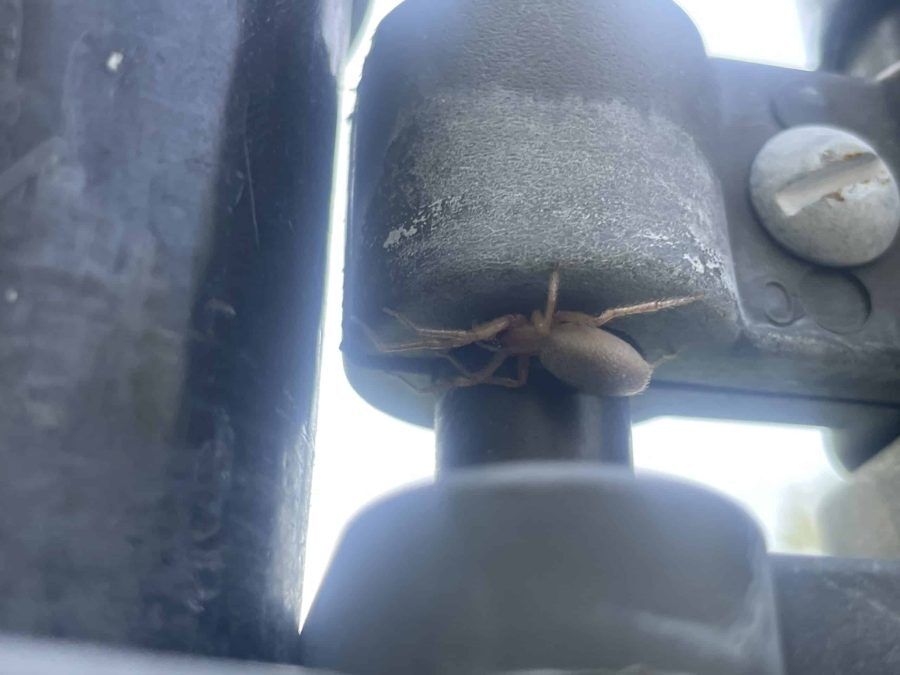
    Huntsman spiders are renowned for their impressive size and distinct appearance. In Florida, the most commonly encountered huntsman species is the giant crab spider (Heteropoda venatoria). Adults of this species can reach a leg span of up to 5 inches, making them one of the largest spider species in the region. Their bodies are flattened, allowing them to navigate through narrow spaces, and their legs are elongated, aiding in their swift movements.

    Habitat and Distribution:

    Huntsman spiders are predominantly found in tropical and subtropical regions around the world, including Florida. They thrive in a variety of habitats, including forests, gardens, homes, and even inside cars. These adaptable arachnids can tolerate diverse environmental conditions, making them a common sight in the Sunshine State. Huntsman spiders are usually nocturnal hunters, seeking shelter during the day and emerging at night to search for prey.

    Behavior and Diet:

    Despite their fearsome appearance, huntsman spiders are generally harmless to humans. They do not build webs to catch prey, relying instead on their excellent vision and agility to chase and capture insects and other small creatures. With lightning-fast reflexes, they pounce on their prey, inject venom to immobilize it, and then consume their meal. Common prey items include cockroaches, crickets, moths, and other arthropods found in their vicinity.

    Huntsman spiders are skilled climbers, utilizing their long legs and specialized foot pads to move easily on various surfaces, including walls and ceilings. Their ability to navigate vertically contributes to their presence in residential areas, where they may seek refuge in corners and crevices.

    Ecosystem Significance:

    Huntsman spiders play a crucial role in maintaining the balance of Florida’s ecosystems. By preying on numerous insects, they help control populations of potential pests, reducing the need for chemical pesticides. Their presence can be particularly beneficial in agricultural areas, where they help manage pest populations that may damage crops.

    Conservation and Coexistence:

    Despite their importance in maintaining ecological balance, huntsman spiders often face irrational fear and unnecessary persecution from humans. It is crucial to promote coexistence with these creatures, as they pose minimal threat to people and provide valuable pest control services. Educating the public about the benefits of huntsman spiders and dispelling common misconceptions can foster a more harmonious relationship with these remarkable arachnids.

    Huntsman spiders in Florida are remarkable arachnids that contribute to the biodiversity and ecological equilibrium of the region. Their imposing size, unique characteristics, and beneficial predatory behavior make them both captivating and valuable. By understanding and appreciating the role they play in the ecosystem, we can foster a greater respect for these creatures and promote their conservation. Embracing coexistence with huntsman spiders will enable us to fully appreciate the wonders of Florida’s diverse wildlife.

    Garden Spiders – Nature’s Intricate Weavers

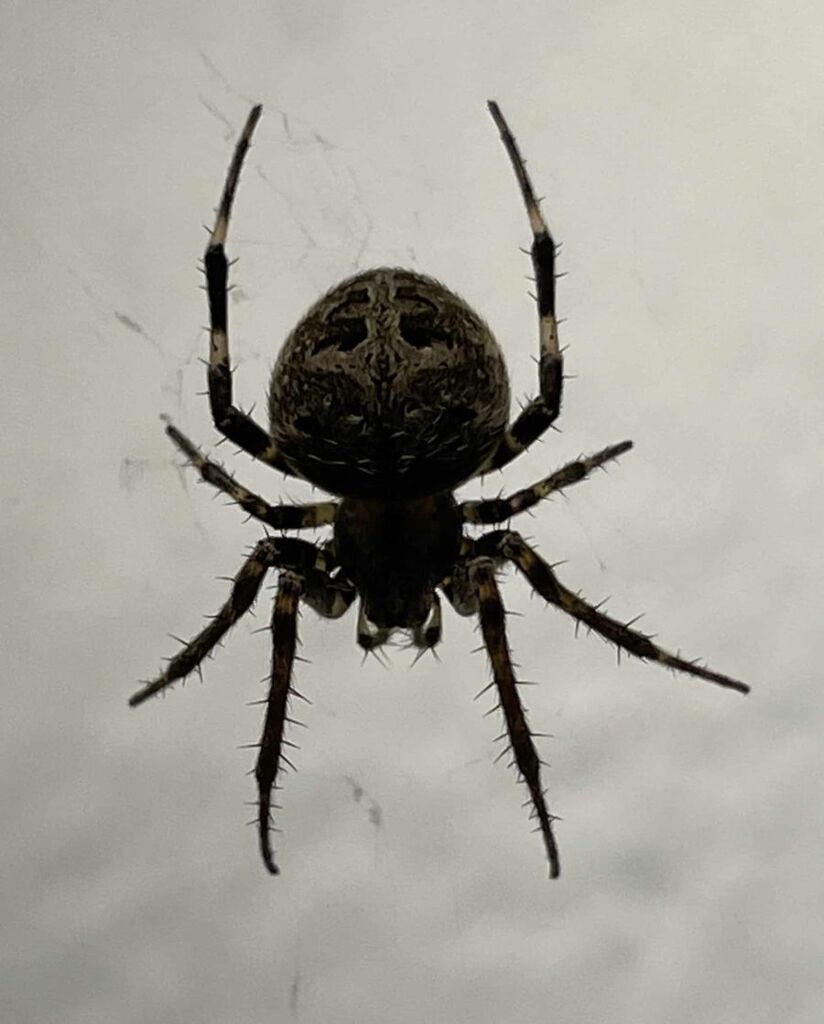
    Garden spiders, also known as “writing spiders” or “orb weavers,” are commonly found in Florida gardens, meadows, and fields. These spiders create intricate, circular orb-shaped webs, which they use to catch flying insects. Garden spiders are characterized by their vibrant colors, including yellow, black, and silver. They play an essential role in controlling insect populations and are generally harmless to humans. Their beautiful and symmetrical webs make them a remarkable sight in Florida’s natural landscapes.

    Florida’s diverse ecosystem is home to a remarkable array of flora and fauna, including numerous fascinating spider species. Among them, the garden spider (Argiope aurantia) stands out for its striking appearance and intricate web designs. Let us explore the characteristics, behaviors, and ecological significance of garden spiders in Florida, shedding light on the marvels of these arachnids.

    Species Description:

    Garden spiders, also known as black and yellow garden spiders, are members of the orb-weaver family (Araneidae) and are prevalent throughout Florida. They are medium-sized spiders with females measuring about 1-1.5 inches in body length, while males are significantly smaller. These spiders exhibit distinct coloration, featuring a black body with vibrant yellow markings that vary in pattern and intensity.

    Web Construction:

    One of the most remarkable aspects of garden spiders is their ability to construct intricate, circular orb webs. These webs are typically positioned in open spaces, such as gardens, meadows, and forest edges. The silk threads that make up the web are incredibly strong and sticky, designed to capture flying insects, which serve as the spider’s primary food source.

    Feeding Behavior:

    Garden spiders are opportunistic predators, capturing a wide range of insects that become ensnared in their webs. When an insect becomes trapped, the garden spider quickly immobilizes it by biting it and injecting venom. The venom breaks down the prey’s internal tissues, allowing the spider to consume its liquefied remains. Notably, garden spiders tend to rebuild their webs each day, usually during the late afternoon or early evening.

    Life Cycle:

    Garden spiders follow a typical spider life cycle. After mating, the female garden spider produces an egg sac, which can contain hundreds of eggs. She diligently protects this sac, attaching it to a secure location within her web. The eggs hatch into spiderlings, and the young spiders disperse, either by ballooning (using silk threads to be carried by the wind) or crawling away. The spiderlings undergo several molts as they grow into adulthood, with females eventually reaching sexual maturity.

    Ecological Importance:

    Garden spiders play a crucial role in maintaining ecological balance in Florida’s ecosystems. By preying on a variety of insects, they help control populations of potential pests. Their webs also serve as an ecological trap, capturing mosquitoes, flies, and other bothersome insects. Furthermore, garden spiders contribute to the overall biodiversity of Florida and are an integral part of the food web.

    Human Interactions:

    While garden spiders are not aggressive and generally avoid human contact, they may bite if mishandled or threatened. It’s important to note that their venom is not considered dangerous to humans, causing only mild local reactions similar to a bee sting in most cases. Therefore, it is advisable to observe and appreciate garden spiders from a safe distance, respecting their role in the environment.

    Garden spiders in Florida are fascinating creatures that blend artistry and biology in their web-building abilities. Their vibrant appearance and intricate webs make them a captivating sight in gardens and natural spaces. By preying on insects and contributing to the balance of ecosystems, garden spiders play a valuable role in Florida’s biodiversity. Understanding and appreciating these remarkable arachnids can enhance our appreciation for the intricate web of life in which we are all interconnected.

    More Orb Weaver Spiders

    Florida is home to a large variety of orb weaver species, each with its unique characteristics and web-building techniques. These spiders construct large, symmetrical webs with sticky silk threads that ensnare unsuspecting prey. Orb weavers are typically nocturnal, repairing or rebuilding their webs daily. Their venom is generally harmless to humans, but caution should be exercised when encountering them to avoid accidental bites. The golden silk orb weaver (Nephila clavipes) is one of the most remarkable and easily recognizable species found in Florida.

    The Black Widow Spider: Fear and Loathing

    Black widows are notorious spiders with a reputation for their venomous bite. In Florida, the most commonly encountered species is the Southern black widow (Latrodectus mactans). Female black widows are characterized by their shiny black bodies with distinctive red hourglass-shaped markings on their abdomens. They typically prefer dark and sheltered locations such as woodpiles, garages, and outbuildings. While black widows are venomous, their bites are rarely fatal if promptly treated. However, caution should be exercised to avoid potential encounters.

    As you can see, spiders in Florida represent a diverse and fascinating array of arachnids. From the agile hunters like wolf spiders to the web-weaving artisans such as garden spiders and orb weavers, these creatures contribute to the delicate balance of ecosystems in the state. While some species, like the black widows, demand caution, most spiders in Florida are harmless and play a crucial role in controlling insect populations. Understanding and appreciating the importance of spiders in the natural world enhances our appreciation for the rich biodiversity found in Florida.

    Call us for a free estimate for your home, business, or condominium.

  • Bugs and Bites : Exploring Florida’s Mosquito Problem

    Bugs and Bites : Exploring Florida’s Mosquito Problem

    Florida’s picturesque landscapes, sunny beaches, and diverse wildlife attract millions of visitors each year. However, amidst its natural beauty, the state harbors a formidable adversary that can turn a serene day into an itchy nightmare—the mosquito. This essay explores the unique mosquito challenges faced by homeowners living near retention lakes in Florida, where swarms of mosquitoes and midges become an annual phenomenon. Dave’s Pest Control is ready to combat these pesky bugs with our professional pest control services.

    Mosquitoes in Florida

    Florida’s warm and humid climate provides the perfect breeding ground for mosquitoes. With over 80 species of mosquitoes present in the state, their populations thrive due to the abundance of standing water sources like retention lakes, marshes, and swamps. Mosquitoes pose a threat not only to human comfort but also as carriers of diseases such as West Nile virus, Zika virus, and dengue fever.

    A Habitat for Mosquitoes

    Retention lakes are man-made water bodies designed to collect stormwater runoff. They serve a vital purpose in preventing flooding and replenishing groundwater levels. However, the unintended consequence of these lakes is their attractiveness to mosquitoes. The still water in retention lakes becomes an ideal breeding ground for mosquitoes due to its stagnant nature, providing the necessary conditions for egg-laying and larvae development.

    The Annual Mosquito Swarm

    Each year, homeowners living near retention lakes in Florida brace themselves for the arrival of swarms of mosquitoes and midges. As the weather warms up and the rainy season begins, the mosquito populations skyrocket. The simultaneous hatching of thousands of mosquito eggs results in overwhelming numbers of these pests.

    Impact on Homeowners

    Homes built near retention lakes are especially vulnerable to mosquito infestations. The constant presence of these bloodsucking insects can limit outdoor activities, mar the enjoyment of gardens and patios, and diminish the overall quality of life. Mosquito bites can cause itching, swelling, and sometimes even allergic reactions. Additionally, the fear of mosquito-borne diseases adds an extra layer of concern.

    Mosquito Control Efforts

    Given the recurring mosquito problem, Florida has implemented several mosquito control measures. Local authorities and homeowners often collaborate to combat these pests effectively. The control strategies include:

    a) Source Reduction: Clearing and treating standing water sources, including retention lakes, to eliminate potential mosquito breeding sites.

    b) Larviciding: Applying targeted larvicides to the water bodies to kill mosquito larvae before they mature into adults.

    c) Adulticiding: Employing insecticides through fogging or spraying to reduce adult mosquito populations.

    d) Public Education: Raising awareness about mosquito-borne diseases, promoting preventive measures such as wearing protective clothing and using insect repellents.

    Long-term Solutions

    While these control efforts provide temporary relief, long-term solutions are essential for sustainable mosquito management. Such solutions may include the implementation of improved water management practices in retention lakes, utilizing biological control agents like mosquito-eating fish, and exploring novel mosquito control technologies.

    Living near retention lakes in Florida comes with its share of challenges, one of the most prominent being the annual onslaught of mosquitoes and midges. Homeowners face persistent buzzing and biting from these pests, disrupting their daily lives and posing health risks. However, through collaborative efforts, mosquito control measures can mitigate the impact of these invaders. By continuing to prioritize research and innovation, Florida can strive to strike a balance between retaining stormwater and minimizing the mosquito populations, ensuring a more enjoyable outdoor experience for residents and visitors alike.

    Life Cycle of Mosquitoes

    The life cycle of mosquitoes in Florida, like in any other region, consists of four distinct stages: egg, larva, pupa, and adult. Understanding this life cycle is crucial for effective mosquito control and prevention measures. Let’s explore each stage in detail:

    Egg Stage

    The life cycle begins when a female mosquito lays her eggs in stagnant water, which is abundant in Florida due to its wetlands and retention lakes. Mosquitoes lay their eggs either individually or in clusters called rafts, depending on the species. These eggs are typically attached to the surface of the water or placed in areas that are prone to flooding. The eggs of most mosquito species require water to hatch, but some species can survive for months or even years until suitable conditions arise.

    Larva Stage

    Once the eggs are exposed to water, they hatch, giving rise to mosquito larvae, also known as wrigglers. The larvae are small, worm-like creatures with distinct heads and segmented bodies. They have mouthparts designed for feeding on organic matter and microorganisms in the water. The larvae spend their time near the water’s surface, breathing air through specialized tubes called siphons. They molt several times, shedding their exoskeletons as they grow.

    Pupa Stage

    After the final molt, the mosquito larvae transform into pupae, which are also called tumblers. Pupae do not feed; instead, they focus on developing into adult mosquitoes. Pupae are comma-shaped and have distinct respiratory trumpets on their thoraxes, which they use to breathe. During this stage, the pupae are relatively active and move in a tumbling motion when disturbed.

    Adult Stage

    Following the pupal stage, adult mosquitoes emerge from the water. The adult mosquitoes break through the water’s surface using air pressure to split open the pupal skin. After emerging, their bodies need time to harden and their wings to dry before they can fly. Once fully developed, the adult mosquitoes take flight, searching for mates and sources of nourishment. Female mosquitoes require a blood meal to obtain the necessary proteins for egg development, while male mosquitoes primarily feed on plant nectar.

    The lifespan of adult mosquitoes can vary depending on various factors such as species, environmental conditions, and availability of food sources. Some species live for a few weeks, while others can survive for several months. During this time, females lay their eggs in water sources, continuing the cycle.

    Understanding the life cycle of mosquitoes is crucial for implementing effective control measures. By targeting the aquatic stages (egg, larva, pupa), such as through larviciding or source reduction, it is possible to interrupt the life cycle and reduce the overall mosquito population in Florida.

    The likelihood of getting bitten by mosquitoes can vary from person to person due to a combination of factors, including:

    Odor and Chemicals: Mosquitoes are attracted to certain scents and chemicals that are present on the skin. People who produce more of these chemicals or have a higher concentration of certain compounds, such as lactic acid, uric acid, or ammonia, may be more attractive to mosquitoes and therefore more prone to getting bitten.

    Carbon Dioxide: Mosquitoes are also attracted to carbon dioxide, which is emitted when we exhale. Individuals who exhale more carbon dioxide or have a larger breath may be more attractive to mosquitoes.

    Heat and Sweat: Mosquitoes are attracted to heat and moisture. When we exercise or sweat, our body temperature rises and we release more moisture, making us more appealing to mosquitoes. People who generate more heat or sweat heavily may be more prone to mosquito bites.

    Blood Type: Some studies suggest that certain blood types, particularly type O, may attract mosquitoes more than others. Mosquitoes may be more attracted to specific chemicals present in the blood of certain blood types, although more research is needed to fully understand this relationship.

    Genetics: There is evidence to suggest that genetics play a role in determining a person’s attractiveness to mosquitoes. Some people may have inherited traits that make them more or less attractive to mosquitoes, such as the composition of their skin microbiota or the production of certain chemicals in their sweat.

    Clothing and Colors: Mosquitoes are attracted to dark colors and can be more likely to land on and bite individuals wearing dark clothing. Additionally, certain fabrics can make it easier for mosquitoes to bite through and reach the skin.

    It’s important to note that these factors may contribute to a person’s attractiveness to mosquitoes, but they do not guarantee that someone will or will not get bitten. Ultimately, mosquito biting behavior can vary depending on the species of mosquito, environmental factors, and other local conditions.

    Blind Mosquitoes

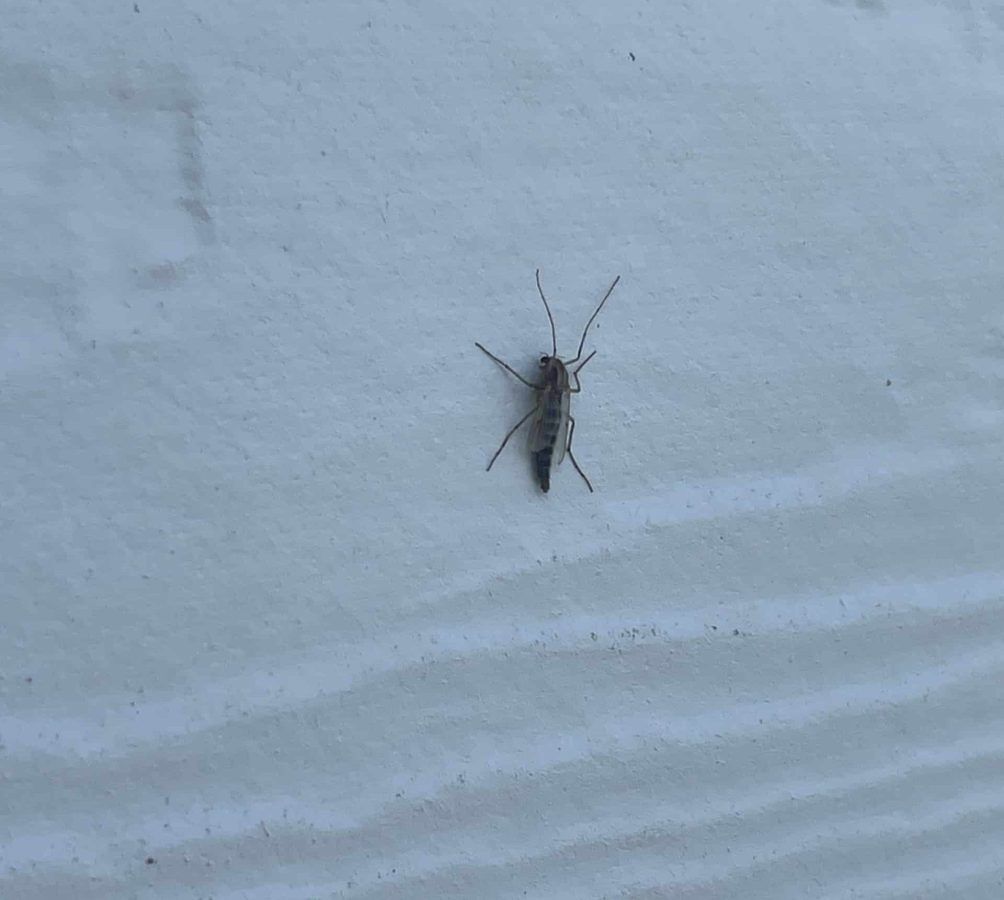
    In Florida, the term “midges” typically refers to a group of small flies belonging to the family Chironomidae. These flies are commonly known as non-biting midges or simply “blind mosquitoes.” Despite their name, midges are not actually mosquitoes and do not bite or transmit diseases like mosquitoes do.

    Midges are very small insects, usually measuring less than 1/4 inch (6 mm) in length. They have slender bodies, long legs, and prominent antennae. They are often seen in large swarms near bodies of water, such as lakes, ponds, marshes, and slow-moving streams.

    Female midges lay their eggs in water or in moist soil near water sources. The larvae develop in aquatic or semi aquatic environments, feeding on organic matter and microorganisms. Once they complete their development, adult midges emerge from the water and form swarms, where they mate and disperse.

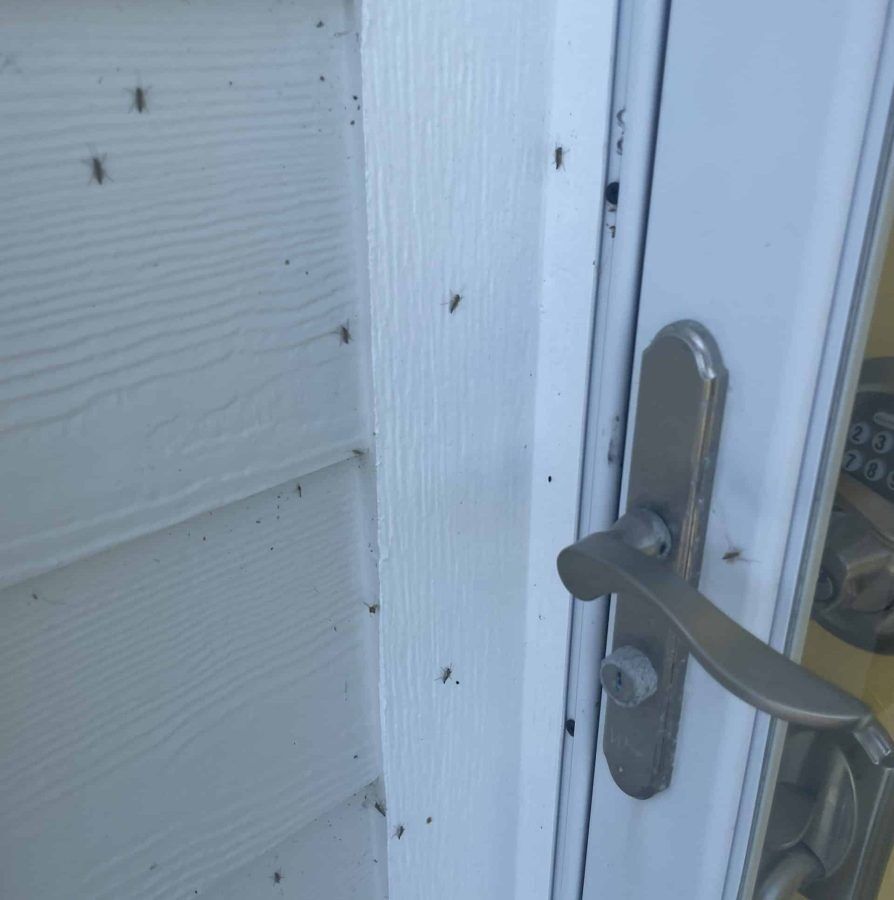
    The presence of midges in Florida can be more noticeable during certain times of the year, particularly during the warmer months and after heavy rainfall. While midges are generally harmless and do not pose a direct threat to humans or animals, their swarming behavior can be a nuisance, especially when they occur in large numbers. The swarms of midges can be bothersome when they fly around outdoor areas and may even create a nuisance by accumulating in large numbers on surfaces, such as windows or walls.

    It’s worth noting that the term “midge” can be used to refer to various small flies in different regions, so the specific species of midges found in Florida may vary.

    Call us today for a free estimate for your home, business, or condominium.

  • Flies in Florida: A Pesky Predicament and Homeowner Prevention

    Flies in Florida: A Pesky Predicament and Homeowner Prevention

    Florida, known for its abundant sunshine, pristine beaches, and diverse wildlife, is also home to a notorious insect: the fly. While flies are commonly found worldwide, the warm and humid climate of Florida creates a breeding ground that fosters the proliferation of various fly species, including the biting horse fly. In this essay, we will explore the prevalence of flies in Florida, with a focus on the biting horse fly, and discuss effective measures homeowners can take to prevent these bothersome insects from invading their living spaces.

    The Prevalence of Flies in Florida

    Florida’s unique geographical location and favorable climate provide an ideal environment for flies to thrive. The state’s wetlands, marshes, and numerous bodies of water act as breeding grounds for various fly species. Flies are attracted to moist and decaying organic matter, making Florida’s humid conditions particularly inviting. While numerous fly species can be found in the region, one that frequently troubles both humans and animals is the biting horse fly.
    The Biting Horse Fly:

    The biting horse fly (Tabanidae) is a prevalent species in Florida and is known for its painful bite. These flies are attracted to warm-blooded animals, including humans, and feed on their blood. Horse flies are most active during the day and are prevalent in rural areas, near bodies of water, and areas with lush vegetation. Their bites can be painful and can cause localized skin reactions, leading to itchiness, redness, and swelling.

    Prevention Strategies for Homeowners:

    While complete eradication of flies in Florida is virtually impossible, homeowners can adopt several proactive measures to minimize their presence and mitigate the risk of fly-related nuisances. Here are some effective prevention strategies:

    Eliminate Breeding Sites: Flies reproduce in moist and decaying matter. Homeowners should regularly inspect their properties for standing water, wet organic debris, and garbage that could serve as breeding grounds. Promptly remove any such materials and ensure proper drainage to discourage fly reproduction.

    Screen Windows and Doors: Installing fine mesh screens on windows, doors, and other openings helps create a barrier, preventing flies from entering the living spaces. Ensure that the screens are free from holes or tears and are properly fitted to provide maximum protection.

    Maintain Cleanliness: Regular cleaning and sanitation practices play a crucial role in fly prevention. Clear away food scraps, crumbs, and spills promptly, keeping countertops, floors, and dining areas clean. Dispose of trash in tightly sealed containers and clean pet waste regularly to discourage fly attraction.

    Employ Fly Traps: Utilize non-toxic fly traps in outdoor areas, particularly near patios, decks, and recreational spaces. These traps effectively attract and capture flies, reducing their population and minimizing their presence around the home.

    Natural Repellents: Consider using natural fly repellents, such as essential oils like eucalyptus, lavender, or citronella, to deter flies from entering your living spaces. Apply these repellents to exposed skin or use diffusers or candles infused with these oils for indoor and outdoor spaces.

    Professional Pest Control: In severe infestation cases, homeowners may opt to seek professional pest control services. These experts can assess the situation, implement targeted treatments, and provide guidance on long-term prevention strategies.

    Common Myths and Facts Regarding Flies in Florida

    Flies are a common occurrence in many regions around the world, and Florida is no exception. Due to its warm and humid climate, the Sunshine State is home to a variety of fly species. Unfortunately, misinformation and myths often surround these pests, leading to misconceptions and unnecessary concerns. This essay aims to debunk some common myths and provide accurate information about flies in Florida.

    Myth 1: All flies bite.

    Fact: While it is true that some fly species have mouthparts designed for biting, not all flies in Florida are biters. The most notorious biting fly in the region is the sand fly or “no-see-um.” However, the majority of flies found in Florida, such as house flies and fruit flies, do not bite humans. They are more interested in scavenging for food and are attracted to decaying organic matter.

    Myth 2: Flies are carriers of diseases.

    Fact: Flies have earned a reputation as disease vectors, and it is true that they can transmit certain pathogens. However, not all flies carry diseases, and the risk of contracting an illness from a fly in Florida is relatively low. The main concern arises when flies come into contact with unsanitary conditions or fecal matter and then land on food or surfaces. By practicing good hygiene, such as proper food handling and waste management, the risk of disease transmission can be minimized.

    Myth 3: Flies are only a problem in rural areas.

    Fact: Flies can be found in both rural and urban areas. While rural regions with livestock or agriculture may have higher fly populations, urban areas in Florida are not immune to these pests. Flies are opportunistic and can thrive in urban environments due to factors such as improperly maintained garbage bins, open dumpsters, and uncleaned pet waste. Regular sanitation practices and proper waste management are essential in urban settings to control fly populations.

    Myth 4: All flies are attracted to light.

    Fact: Many people assume that all flies are attracted to light sources like moths. However, this is not true for most fly species. While some flies are attracted to light, others are not. House flies, for example, are not particularly attracted to light sources and tend to prefer food-related scents. It is important to remember that each fly species may have different behavioral patterns and preferences.

    Myth 5: Flies cannot be controlled effectively.

    Fact: Although flies are a persistent nuisance, effective control measures can significantly reduce their populations. Integrated Pest Management (IPM) techniques are commonly employed to manage flies in Florida. These techniques involve a combination of preventive measures, such as proper waste management, maintaining clean environments, and sealing entry points, along with targeted treatments like traps and insecticides when necessary. By implementing these strategies consistently, fly populations can be controlled effectively.

    Understanding the realities and dispelling the myths surrounding flies in Florida is crucial for proper management and prevention. While flies can be a nuisance and, in some cases, a health concern, it is important to distinguish between fact and fiction. By following appropriate hygiene practices, implementing preventive measures, and seeking professional assistance if needed, Floridians can minimize the impact of flies and create a more comfortable living environment for themselves and their communities.

    What are Fruit flies?

    Fruit flies, scientifically known as Drosophila melanogaster, are small insects belonging to the family Drosophilidae. They are a common species of flies found worldwide and are often associated with ripe and decaying fruits, hence their name. Here are some key features and characteristics of fruit flies:

    Appearance: Adult fruit flies are small, measuring around 2-4 millimeters in length. They have a tan or brownish-yellow body with red eyes. The body is segmented, and they have transparent wings that allow them to fly.

    Habitat: Fruit flies are primarily found in areas where there is decaying organic matter, such as overripe fruits, vegetables, and fermenting substances. They are commonly encountered in kitchens, grocery stores, and fruit markets.

    Life Cycle: The life cycle of a fruit fly consists of four stages: egg, larva, pupa, and adult. Female fruit flies lay their eggs on the surface of moist fruits or other suitable food sources. The eggs hatch into small larvae or maggots, which feed on the decaying material. The larvae then enter the pupal stage, where they undergo metamorphosis inside a pupal case. Finally, adult fruit flies emerge from the pupal case and become sexually mature.

    Reproduction: Fruit flies have a rapid reproductive cycle. A single female fruit fly can lay hundreds of eggs during her lifetime, and the entire life cycle from egg to adult can be completed in as little as 8-10 days, depending on environmental conditions.

    Behavior and Diet: Fruit flies are attracted to sweet and fermenting substances. They feed on overripe or decaying fruits, vegetables, and other organic matter. They are also drawn to sugary liquids, such as juices, soft drinks, and alcoholic beverages.

    Research Significance: Fruit flies have been extensively studied and are considered important model organisms in scientific research. Their short lifespan, rapid reproduction, and genetic similarities to humans make them valuable for studying genetics, developmental biology, and various aspects of human health and disease.

    While fruit flies can be considered pests when they infest homes or food establishments, they play ecological roles in nature by assisting in the decomposition of organic matter. Controlling their populations can be achieved through proper sanitation, sealing food containers, and removing potential breeding sites.

    Flies, like other insects, undergo a process called metamorphosis, which involves distinct stages of development. The metamorphosis of flies can be divided into four main stages: egg, larva (maggot), pupa, and adult.

    Egg: The life cycle of a fly begins when an adult female fly lays eggs. Flies typically lay their eggs on organic materials such as decaying matter, garbage, or fruits. The eggs are tiny and often laid in clusters or batches. The exact number of eggs and the time it takes for them to hatch depend on the fly species and environmental conditions.

    Larva (Maggot): After a certain period, the eggs hatch, and small, legless larvae called maggots emerge. Maggots have a soft, cylindrical body and are usually creamy white or pale in color. They have a voracious appetite and primarily feed on organic matter, including decomposing substances. The larval stage is the period of rapid growth for flies, and they molt several times to accommodate their increasing size. Maggots actively feed and move during this stage to acquire nutrients and energy for their development.

    Pupa: Once the maggots reach a certain size, they enter the pupal stage. The larva undergoes a dramatic transformation inside a protective casing called the puparium. During this stage, the maggot’s body undergoes extensive changes, and its tissues reorganize to form the adult fly’s body. Inside the puparium, the larval structures break down, and new adult structures, such as wings, legs, and compound eyes, develop. This process is facilitated by various physiological and hormonal changes occurring within the pupa. The duration of the pupal stage can vary depending on the species and environmental conditions.

    Adult: After the completion of metamorphosis, an adult fly emerges from the puparium. The newly emerged adult, commonly known as an imago, is now fully developed and sexually mature. It has wings for flight, compound eyes for vision, and mouthparts for feeding. The adult fly seeks out food sources, mates with other flies, and continues the life cycle by laying eggs to start the process anew.

    It’s important to note that the duration of each stage in the fly’s metamorphosis can vary significantly depending on factors like temperature, humidity, and species. Flies are known for their rapid life cycles, and under favorable conditions, they can complete their entire metamorphosis within a matter of weeks or even days.

    Dave’s Pest Control can help control pesky bugs like flies. Our expert pest management specialist will devise a plan suitable for your home and your needs.

    Call us today for a free estimate.

  • Unraveling the Ant Kingdoms of Florida: Dealing with Common Nuisance Ants in Homes

    Unraveling the Ant Kingdoms of Florida: Dealing with Common Nuisance Ants in Homes

    Florida, a state known for its vibrant wildlife and diverse ecosystems, is home to numerous ant species. While these tiny creatures play an important role in the ecosystem, some species can become a nuisance when they invade homes in search of food and shelter.

    Types of Ants

    In this blog, we’ll delve into the types of Florida ants, focusing on the ones that commonly infiltrate our homes and the best methods to manage these unwelcome guests.

    Argentine Ants

    Argentine ants are small, light-brown ants that form large colonies with multiple queens. These ants are notorious for their relentless search for food and their ability to establish extensive networks of interconnected nests. They commonly invade homes and can quickly become a nuisance, especially in warmer months. Effective management strategies include sealing entry points, eliminating food sources, and employing ant baits.

    Ghost Ants

    Ghost ants, aptly named for their pale coloration and translucent appearance, are among the most common ants found in Florida homes. They are tiny, measuring only about 1.5 mm in length, and have a keen attraction to sugary substances. Ghost ants often nest in wall voids, cabinets, and other hidden spaces. Preventing their intrusion involves sealing cracks and crevices, cleaning up spills promptly, and using ant baits tailored to their feeding preferences.

    Fire Ants

    Fire ants are an infamous nuisance in Florida due to their aggressive behavior and painful stings. Several species of fire ants, including the invasive red imported fire ant (Solenopsis invicta), have established large populations in the state. These ants construct large mounds outdoors but can also venture into homes in search of food.

    Fire ant management requires a combination of baiting, mound treatments, and regular inspections to ensure their eradication and prevent future infestations.

    Carpenter Ants

    Carpenter ants are among the largest ant species in Florida, ranging in size from 6 to 12 mm. Unlike termites, carpenter ants do not eat wood but excavate it to create their nests. These ants often seek out moist or decaying wood in homes, which can lead to structural damage over time. Professional intervention is recommended for effective carpenter ant control, as it involves locating and treating their nesting sites.

    Pharaoh Ants

    Pharaoh ants are small, yellowish-brown ants that pose a significant nuisance in homes and healthcare facilities. These ants are adept at finding their way into kitchens, bathrooms, and other areas where food and moisture are plentiful. Pharaoh ants are challenging to control due to their tendency to split their colonies when disturbed. Integrated pest management techniques, including baiting and maintaining strict sanitation practices, are essential for managing these persistent pests.

    Ants 101

    Ants are a diverse and abundant group of insects, and Florida’s warm climate provides a suitable habitat for many species. While ants play a vital role in the ecosystem, some can become unwelcome visitors when they invade homes. Understanding the habits and characteristics of common nuisance ants in Florida is crucial for effective management. By employing a combination of preventive measures, proper sanitation, and targeted treatments, homeowners can keep these tiny intruders at bay and enjoy a pest-free living environment.

    Remember, if you find yourself struggling to control ant infestations in your home, it’s always advisable to seek professional assistance from a licensed pest control company, like Dave’s Pest Control, who can provide tailored solutions and ensure a long-term ant-free environment.

    Ants are fascinating social insects that exhibit remarkable teamwork and cooperation within their colonies. Their social structure and division of labor bear some similarities to termites, highlighting their efficient organization and adaptability in various environments. Additionally, ants undergo a complete metamorphosis, progressing through distinct stages from egg to adult, which contributes to the overall success and resilience of their colonies.

    Social Structure and Cooperation:

    Ants live in organized colonies consisting of various castes, including the queen, male ants, and female worker ants. The queen’s primary role is reproduction, laying eggs to perpetuate the colony. Male ants exist solely for mating with the queen, after which they generally perish. However, the worker ants form the backbone of the colony, undertaking a wide range of tasks essential for its survival.

    Division of Labor:

    Worker ants assume different roles within the colony, demonstrating a division of labor that maximizes efficiency and productivity. Some workers are tasked with foraging for food, while others focus on nest maintenance, care for the queen and her offspring, or defense against potential threats. This specialization allows the colony to allocate resources effectively and adapt to changing environmental conditions.

    Cooperative Behavior:

    Cooperation is fundamental to the success of ant colonies. Worker ants communicate through pheromones, touch, and intricate antennal interactions, forming complex communication networks. They use these signals to share information about food sources, danger, or the location of new nesting sites. This collaboration enables efficient resource exploitation and facilitates collective decision-making within the colony.

    Metamorphosis:

    Like many insects, ants undergo complete metamorphosis, a process consisting of four distinct stages: egg, larva, pupa, and adult.

    Egg Stage:

    The queen ant lays tiny, oval-shaped eggs. These eggs are cared for by the workers and are often stored within the safety of the nest. The eggs are typically white and initially require a warm and humid environment to develop properly.

    Larva Stage:

    Upon hatching, the ant eggs give rise to legless, grub-like larvae. The larvae are helpless and depend on the workers for nourishment and care. During this stage, the larvae undergo rapid growth, periodically shedding their skin as they molt.

    Pupa Stage:

    Once the larvae reach a certain size, they enter the pupa stage. During this transformative phase, the larvae encase themselves in a protective cocoon-like structure. Inside the pupa, the insect undergoes significant internal and external changes, including the development of wings, legs, and other adult structures.

    Adult Stage:

    After completing the pupal development, the ant emerges as an adult. At this stage, the ant’s exoskeleton hardens and takes on its characteristic colors and features. The newly emerged adult joins the workforce, taking on specific roles within the colony based on its caste and physical attributes.

    Their ability to communicate and coordinate tasks allows them to exploit resources efficiently and adapt to their environment. The process of metamorphosis, from egg to adult, is a critical component of their life cycle, ensuring the perpetuation and survival of ant colonies generation after generation.

    Strength in Numbers:

    Ants are known for their impressive strength relative to their size, and there are several reasons why they are considered to be strong compared to other insects:

    Collective strength: Ants are social insects that live in large colonies comprising thousands or even millions of individuals. They work together in a highly organized manner, exhibiting remarkable coordination and cooperation. When faced with a task requiring strength, such as moving large objects or defending their colony, ants work collectively, leveraging the combined strength of many individuals to achieve their goals.

    Muscle power: Ants have relatively larger muscles compared to their body size. Their muscles are designed for strength and endurance, allowing them to exert significant force. This adaptation enables ants to carry objects many times their own body weight. They can lift and transport heavy loads by using their powerful mandibles or jaws.

    Scaling laws: Ants benefit from what is known as “scaling laws” or “allometric scaling.” These laws describe how certain characteristics change with size. In the case of ants, as their body size decreases, their cross-sectional area and muscle strength decrease at a slower rate. This means that smaller ants have proportionally stronger muscles compared to larger insects. The scaling laws allow ants to maintain their strength even at a small size.

    Adaptations: Ants possess various adaptations that contribute to their strength. For example, many ant species have specialized structures like strong jaws or spines on their bodies that aid in tasks like digging, carrying, or defending. Some ants also have sticky pads on their feet, which enable them to grip and carry objects effectively.

    Pheromone communication: Ants communicate using chemical signals called pheromones. They leave scent trails that guide other ants to food sources or help them navigate back to the colony. This communication system allows ants to work together efficiently, reducing the need for individual ants to expend unnecessary energy in searching or scouting tasks.

    It’s important to note that while ants are strong relative to their size, there are other insects and arthropods that possess impressive strength and adaptations as well, each suited to their respective ecological niches and lifestyles.

    Call us today for a free estimate for your home or business.

  • Drywood Termites in Florida: How to Protect Your Home

    Drywood Termites in Florida: How to Protect Your Home

    Drywood termites are a common problem in Florida, causing significant damage to homes and structures. Unlike subterranean termites, drywood termites do not require contact with soil and can infest any wooden structure, including ceiling trusses.

    In this blog post, we will discuss how drywood termites can invade your home, the signs to look out for, and how pest control companies can help you protect your property.

    Drywood Termites Get Into Ceiling Trusses

    Drywood termites can enter your home through small cracks, gaps, or openings in the exterior of your house. They can also be brought in through infested furniture or wood. Once inside, they can easily make their way to the wooden ceiling trusses, where they can establish colonies and cause significant damage over time.

    Signs Homeowners Should Look Out For

    Frass (termite droppings): Drywood termites produce small, pellet-like droppings called frass. If you notice piles of frass near your walls or in your attic, it could be a sign of a drywood termite infestation.

    Hollow-sounding wood: As drywood termites consume wood from the inside out, the wood may sound hollow when tapped. If you notice this in your ceiling trusses or other wooden structures, it could indicate termite damage.

    Swarming termites: Drywood termites swarm to establish new colonies. If you see swarming termites around your home, it could be a sign of an infestation.

    Discarded wings: After swarming, drywood termites shed their wings. If you find piles of discarded wings near your home, it could indicate a nearby termite colony.

    Pest Control Solutions for Drywood Termites

    A professional pest control company can help you identify and treat drywood termite infestations. They may use a combination of methods, including:

    Spot treatments: Pest control technicians can apply localized treatments to specific areas of your home where termites are present. This can include injecting termiticides directly into the wood or applying surface treatments to kill the termites.

    Fumigation: In severe cases, a pest control company may recommend fumigating your entire home. This involves sealing your home and filling it with a gas that kills the termites. While this method is highly effective, it can be costly and requires you to vacate your home for several days.

    Heat treatments: Another option for treating drywood termites is heat treatment. Pest control technicians can raise the temperature in your home to a level that is lethal to termites, effectively killing them without the use of chemicals.

    By being vigilant and looking out for signs of infestation, you can catch the problem early and prevent further damage. If you suspect you have a drywood termite infestation, contact the professionals at Dave’s Pest Control to assess the situation and recommend the best course of action to protect your home.

    It’s difficult to provide an exact number of homes in Florida that have damage from drywood termites as this number can vary greatly depending on factors such as location, climate, and the age of the homes. However, it’s important to note that Florida is a high-risk area for termite infestations due to its warm and humid climate, which is conducive to termite activity.

    Drywood termites swarm to reproduce and establish new colonies. Swarming typically occurs during the warmer months, usually between May and September, although the exact timing can vary depending on the local climate and weather conditions. Swarms often happen on warm, sunny days with high humidity, usually in the late morning or early afternoon when temperatures are at their peak.

    The life cycle of a drywood termite colony in Florida typically begins with a mating flight, during which winged reproductive termites, also known as alates, leave the colony to mate and establish new colonies. After mating, the alates shed their wings and the females begin to lay eggs.

    The eggs hatch into larvae, which are fed by the worker termites. The larvae molt several times and eventually develop into adult workers, soldiers, or reproductive, depending on their role in the colony.

    The worker termites are responsible for feeding the colony and maintaining the nest, while the soldiers defend the colony against predators. The reproductive, also known as swarmer, are responsible for establishing new colonies.

    Drywood termite colonies can take several years to mature, and the size of the colony can vary depending on factors such as the availability of food and the size of the nest. A mature colony can contain several thousand termites.

    Drywood termites do not require contact with soil and can live entirely within the wood they infest. They create small holes in the wood to expel their fecal pellets, which can be a sign of infestation.

    Overall, the life cycle of a drywood termite colony in Florida can take several years and involves the development of different castes of termites with specialized roles in the colony. It’s important to work with a professional termite company to detect and treat any infestations before they cause significant damage to your home.

    There are several areas of a home that are most susceptible to damage from drywood termites:

    Wooden structures: Drywood termites feed on wood, so any wooden structures in a home, such as framing, flooring, and furniture, are at risk of damage.

    Attics and crawl spaces: These areas often have exposed wooden beams and limited human activity, making them ideal locations for drywood termites to establish colonies.

    Exterior wood: Wooden siding, eaves, and trim are also susceptible to drywood termite damage, especially if they are not properly maintained or treated with termite-resistant materials.

    Window and door frames: Termites can enter homes through small gaps in window and door frames, and these areas can also provide a food source for the insects.

    To protect your home from drywood termites, it’s essential to regularly inspect for signs of infestation, maintain proper ventilation and moisture control, and treat any exposed wood with termite-resistant materials or coatings.

    What’s the difference between drywood termites and subterranean termites?

    Subterranean termites and drywood termites are two different types of termites found in Florida, and they differ in their behavior, habitat, and the damage they cause.

    Subterranean termites:

    These termites live in large colonies underground and require contact with soil to maintain their moisture levels.

    They build mud tubes to travel between their colony and their food source, which is typically wood in contact with the ground.

    Subterranean termites are more widespread and are considered more destructive than drywood termites due to their larger colony sizes and their ability to cause extensive damage in a shorter period.

    They primarily feed on cellulose found in wood, but they can also damage other materials such as insulation and plastic pipes.

    Drywood termites:

    These termites do not require contact with soil and can live entirely within the wood they infest. They do not build mud tubes and instead create small holes in the wood to expel their fecal pellets, which can be a sign of infestation.

    Drywood termites are less widespread than subterranean termites, but they can still cause significant damage to wooden structures.

    They primarily feed on wood and can infest furniture, wooden beams, and other wooden structures within a home.

    While it’s difficult to provide an exact figure for the millions of dollars in damage caused by termites in Florida each year, it’s estimated that termites cause over $5 billion in damage annually across the United States. Subterranean termites are responsible for the majority of this damage due to their more aggressive nature and larger colony sizes.

    As for homeowners insurance, termite damage is typically not covered under standard policies. This is because termite infestations are considered preventable through proper home maintenance and regular inspections. Homeowners are encouraged to invest in termite prevention measures and work with professional pest control companies to protect their homes from these destructive pests.

    Dave’s Pest Control uses a variety of methods to inspect for termites, even when they are not visible behind the walls of a home. Here are some of the most common methods:

    Visual inspection: A trained termite inspector will conduct a thorough visual inspection of the interior and exterior of the home, looking for signs of termite activity such as mud tubes, termite wings, and fecal pellets. They will also inspect areas where termites are known to be active, such as crawl spaces and attics.

    Moisture meters: Termites are attracted to moisture, so a moisture meter can be used to detect areas of high moisture content in the wood, which can indicate the presence of termites.

    Infrared cameras: Infrared cameras can detect changes in temperature, which can indicate the presence of termites. For example, termite activity can cause a slight increase in temperature in the wood they are infesting.

    Acoustic detectors: Some termite companies use acoustic detectors to listen for the sounds of termites chewing on wood. This method is most effective in areas where termite activity is suspected but not yet visible.

    Bait stations: Termite bait stations can be placed around the perimeter of the home to attract termites and monitor their activity. This method can help detect termites before they cause significant damage.

    Overall, Dave’s Pest Control uses a combination of these methods to inspect for termites and determine the extent of any infestation. It’s important to work with a professional termite company like Dave’s to ensure that your home is properly inspected and treated for termites. We offer pest control in Lakeland, Port Orange, Boca Raton, Fort Lauderdale, Orlando and other areas of Florida so if you reside in any of the areas of South or Central Florida, Call us today for a free estimate.


  • What’s Biting Me? A deeper look into understanding Mosquitoes and No-See-Ums in Florida.

    What’s Biting Me? A deeper look into understanding Mosquitoes and No-See-Ums in Florida.

    In sunny Florida, while enjoying the great outdoors this Memorial Day weekend, sometimes our outdoor fun can be accompanied by pesky biting insects. This blog explores the key differences between two common offenders: mosquitoes and no-see-ums. Furthermore, we delve into the invaluable assistance a professional pest control company can provide in helping homeowners battle these nuisance insects in the Sunshine State.

    Summertime in Florida is a paradise for outdoor enthusiasts, but it often comes with an unwelcome side effect: biting insects. The incessant buzzing and irritating bites can quickly put a damper on any outdoor activity. Understanding the differences between mosquitoes and no-see-ums and knowing how to combat them can make all the difference. Let’s explore these tiny tormentors and discover how professional pest control services can come to the rescue.

    Mosquitoes: The Familiar Foes

    When it comes to biting insects, mosquitoes are undoubtedly the most notorious creatures. Found worldwide, these pesky insects thrive in warm and humid environments. Female mosquitoes are the culprits behind those itchy bites, as they require blood for their reproductive cycle. Their presence is most prevalent during dawn and dusk, as they are primarily nocturnal feeders.

    Mosquitoes are known carriers of various diseases, including malaria, dengue fever, West Nile virus, and Zika virus. To combat mosquito infestations, homeowners can take preventative measures such as removing standing water, using mosquito repellents and installing window screens.

    No-See-Ums: The Stealthy Menace

    While mosquitoes are a common nuisance, another tiny foe often goes unnoticed until it’s too late: the no-see-ums. These minuscule insects, also known as sandflies or biting midges, belong to the Ceratopogonidae family. Measuring a mere 1/16 to 1/8 of an inch in length, they are smaller than mosquitoes, hence their name.

    No-see-ums are prevalent in coastal areas, marshes, and regions with abundant vegetation. Unlike mosquitoes, they are active during the daytime and early evening. These persistent biters can squeeze through window screens and are capable of delivering painful, itchy bites. While their bites are less likely to transmit diseases, their incessant attacks can make outdoor activities unbearable.

    How Pest Control Companies Can Help Homeowners

    While DIY methods may provide temporary relief, enlisting the expertise of a professional pest control company like Dave’s Pest Control is crucial for long-term solutions. Pest control experts possess the knowledge, experience, and tools to effectively combat mosquito and no-see-um infestations in Florida. Here’s how they can assist homeowners in battling these biting insects:

    Inspection and Identification: Pest control professionals will conduct a thorough inspection to identify the source of the infestation and determine the extent of the problem. They will differentiate between mosquito breeding sites, such as stagnant water sources, and areas favored by no-see-ums, like damp vegetation.

    Customized Treatment Plans: Based on the inspection findings, pest control companies will develop tailored treatment plans to target the specific insect species plaguing your property. These plans may include larvicides to eliminate mosquito larvae, adulticides to control mosquito populations, and barrier treatments to repel no-see-ums.

    Source Elimination: Pest control experts will identify and eliminate breeding sites to prevent mosquito larvae from hatching. They may also recommend strategies to minimize standing water and reduce the attractiveness of the property to these pests.

    Protective Measures: Professional pest control companies can provide guidance on installing and maintaining effective window screens, netting, and outdoor barriers to keep both mosquitoes and no-see-ums at bay.

    Ongoing Maintenance: Regular inspections and treatments by pest control professionals.

    How can I tell the difference between the two?

    Appearance and Behavior:

    Mosquitoes: Mosquitoes are slender insects with long legs and wings. They are usually larger than no-see-ums and can be easily identified by their elongated mouthparts, known as proboscis, which they use to pierce the skin and feed on blood. Female mosquitoes require blood for egg production, while males primarily feed on nectar. Mosquitoes are most active during dawn and dusk.

    No-See-Ums: No-see-ums, also known as sandflies or biting midges, are much smaller than mosquitoes. They have a humpbacked appearance and are barely visible to the naked eye. No-see-ums have short mouthparts and feed on both nectar and blood. They are primarily active during the daytime and early evening, often swarming in coastal areas, wet marshes, and places with a lot of vegetation.

    Habitats:

    Mosquitoes: Mosquitoes breed in stagnant or slow-moving water sources, such as ponds, puddles, and containers holding water. Female mosquitoes lay their eggs in or near water, and the larvae develop in aquatic environments. Common breeding sites include birdbaths, flowerpots, clogged gutters, and discarded tires.

    No-See-Ums: No-see-ums also require aquatic environments for breeding, but they prefer damp soil, decaying vegetation, and moist coastal areas. Their larvae develop in areas with high moisture content, such as muddy patches, marshes, and shoreline areas.

    Bites and Itch Response:

    Mosquito Bites: Mosquito bites can be itchy, painful, and leave raised red bumps on the skin. The female mosquito injects saliva into the skin during the feeding process, which contains anticoagulants and proteins that help prevent blood clotting. It is the body’s immune response to these proteins that causes the characteristic itching, swelling, and inflammation.

    No-See-Um Bites: No-see-um bites are often more painful and intensely itchy compared to mosquito bites. This is because no-see-ums have mouthparts designed to tear the skin and feed on blood vessels. Their saliva contains enzymes that break down tissues and prevent clotting, leading to a stronger immune response and heightened itching.

    Histamine in our bodies and why do we itch?

    Histamine is a natural compound produced by the body in response to various stimuli, including insect bites. It plays a significant role in the immune response and causes blood vessels to dilate, leading to increased blood flow to the affected area.

    When mosquitoes or no-see-ums bite, they introduce foreign proteins into the skin, triggering an immune response that releases histamine. Histamine binds to specific receptors in the skin, causing blood vessels to leak fluid and white blood cells to migrate to the bite site. This immune reaction leads to redness, swelling, and itching.

    Scratching the bite provides temporary relief but can worsen the itchiness and potentially break the skin, increasing the risk of infection. Anti-itch creams, topical corticosteroids, and antihistamines can help alleviate the itch and reduce inflammation caused by mosquito and no-see-um bites.

    Understanding the differences between mosquitoes and no-see-ums, their habitats, and the immune response they elicit can help individuals take appropriate preventive measures and find effective relief from the itch and discomfort caused by these biting insects.

    Dave’s Pest Control will customize our treatment plans based on the specific needs of each property. We take into account factors such as the size of the area, the severity of the infestation, the local environment, and any specific concerns or preferences of the homeowner.

    By employing these effective methods, Dave’s Pest Control can significantly reduce mosquito and no-see-um populations around homes, providing homeowners with a more comfortable outdoor environment free from biting insects.

    Can my blood type have anything to do with getting bit?

    Yes, there is some truth to the fact that individuals can have different reactions to insect bites, and certain factors, including blood type, may play a role.

    When an insect bites, it injects saliva into the skin, which contains various substances that help them feed or prevent blood clotting. In response to these substances, the immune system of the bitten person releases histamine and other chemicals, leading to the characteristic symptoms of itching, redness, swelling, and inflammation.

    There are several factors that can influence an individual’s reaction to insect bites:

    Allergic Reactions: Some individuals are more prone to allergic reactions to insect bites. These allergic reactions can range from mild to severe, depending on the person. People who have a history of allergies, such as hay fever or asthma, may be more susceptible to stronger reactions.

    Sensitivity: People can have different levels of sensitivity to insect bites. Some individuals may have a heightened immune response, leading to more pronounced reactions.

    Previous Exposure: The immune system can develop a stronger response to insect bites with repeated exposure. If a person has been bitten by insects in the past, their immune system may react more strongly to subsequent bites.

    As for blood type, there is limited scientific evidence suggesting a possible association between blood type and insect bite reactions. Some studies have indicated that individuals with blood type O may be more attractive to certain mosquitoes, such as those that transmit malaria or dengue fever. However, the relationship between blood type and insect bites is still not well-understood, and more research is needed to establish a definitive link.

    It’s important to note that the severity of insect bite reactions can vary widely among individuals, and factors such as the type of insect, location of the bite, and overall health of the person can also influence the reaction. If you have concerns about your reactions to insect bites, it’s best to consult with a healthcare professional for personalized advice and appropriate treatment.

    Call us today for a free consultation.

  • Comparison of Carpenter Bees, Honey Bees, and Wasps

    Comparison of Carpenter Bees, Honey Bees, and Wasps

    In the vast world of insects, bees and wasps hold a significant place due to their ecological importance and fascinating behavior. This blog aims to explore and compare three distinct species: carpenter bees, honey bees, and wasps. These buzzing creatures play critical roles in pollination, hive construction, and predator control. While all three belong to the order Hymenoptera, they differ in their physical characteristics, nesting habits, social behavior, and ecological significance.

    By understanding their unique attributes, we can gain insight into the intricate and interconnected web of the insect world.

    Honey Bee vs Carpenter Bee vs Wasps

    Lets compare all three insects and see the difference in their sizes, body and coloration.

    Honey Bee

    The honey bee (Apis mellifera) exhibits distinct physical characteristics that are characteristic of its species. Here is a description of the physical attributes of a typical honey bee:

    Size:

    Honey bees are relatively small insects, with workers measuring about 10-15 millimeters (0.4-0.6 inches) in length. Queens are larger, ranging from 15-20 millimeters (0.6-0.8 inches), while drones are even larger, reaching around 15-17 millimeters (0.6-0.7 inches).

    Body Structure:

    Honey bees have a segmented body consisting of three main parts: the head, thorax, and abdomen.

    1. Head: The head is the anterior part of the honey bee’s body. It houses the compound eyes, which provide excellent vision, and three simple eyes known as ocelli, which detect light intensity and direction. In the center of the head are the antennae, which serve as sensory organs, detecting touch, smell, and temperature.
    2. Thorax: The thorax is the middle part of the honey bee’s body and is responsible for housing the bee’s three pairs of legs and two pairs of wings. The legs are equipped with specialized structures, such as pollen baskets (corbiculae) on the hind legs, which aid in collecting and transporting pollen. The wings are transparent and hook together during flight to form a larger wing surface area.
    3. Abdomen: The abdomen is the posterior part of the honey bee’s body. It is elongated and contains the bee’s digestive, reproductive, and respiratory systems. The abdomen is covered in tiny, branching hairs that help in collecting and distributing pollen.

    Coloration:

    Honey bees have distinctive coloration patterns. The exact colors may vary depending on the subspecies, but the most common honey bee has a body covered in alternating bands of yellow and black or dark brown. The abdomen is usually striped, with yellow or orange bands.

    Stinger:

    Female honey bees (both workers and queens) possess a stinger, which is a modified ovipositor. The stinger is located at the posterior end of the abdomen and is used for defense. When a honey bee stings, the barbed stinger becomes embedded in the target, and upon withdrawal, it tears away from the bee, resulting in the bee’s eventual death.

    While these characteristics are typical of honey bees, it’s important to note that there can be some variations in coloration and size between different subspecies. Nonetheless, these features collectively contribute to the recognizable appearance of the honey bee.

    Carpenter bees

    Carpenter bees (Xylocopa genus) possess distinctive physical characteristics that set them apart from other bee species. Here is a description of the physical attributes commonly associated with carpenter bees:

    Size:

    Carpenter bees are relatively large bees, with females being larger than males. Female carpenter bees typically measure around 12-25 millimeters (0.5-1 inch) in length, while males are slightly smaller, ranging from 10-15 millimeters (0.4-0.6 inches) in length.

    Body Structure:

    Carpenter bees have a robust and cylindrical body structure, consisting of three main body segments: the head, thorax, and abdomen.

    1. Head: The head of a carpenter bee is large and usually black, with large compound eyes that provide excellent vision. Like other bees, they have three simple eyes, or ocelli, on the top of the head. The antennae are prominent and can be quite long, often exceeding the length of the body. These antennae are important sensory organs, helping the bees detect various environmental cues.
    2. Thorax: The thorax is the middle section of a carpenter bee’s body, and it is where the three pairs of legs and two pairs of wings are attached. The legs are sturdy and adapted for gripping and digging into wood. They are equipped with small spines and bristles that aid in their wood-boring behavior. The wings are transparent and can be folded over the abdomen when at rest.
    3. Abdomen: The abdomen of a carpenter bee is typically shiny and black, although some species may have a metallic sheen. It is elongated and segmented. Unlike honey bees, carpenter bees lack the densely branched hairs on their abdomen. Males have a yellow or white face, while females have a black face with dense hairs on their hind legs, which they use for collecting and transporting pollen.

    Coloration:

    The coloration of carpenter bees can vary depending on the species and location. Males are often covered in yellow or white hair, while females have darker bodies, ranging from black to shades of blue or metallic green.

    Wings:

    Carpenter bees have two pairs of wings that are transparent and iridescent. The wingspan is typically larger than their body length, enabling them to fly with agility and precision.

    Wood-Boring Adaptations:

    One of the notable physical characteristics of carpenter bees is their ability to bore into wood. They have strong jaws that they use to excavate tunnels in dead or decaying wood, such as wooden structures, tree trunks, or branches. The upper surface of the abdomen has a bare and shiny appearance due to the abrasions caused by their wood-boring activities.

    Paper Wasps

    Paper wasps, also known as Polistes wasps, possess distinct physical characteristics that set them apart from other wasp species. Here is a description of the physical attributes commonly associated with paper wasps:

    Size:

    Paper wasps vary in size, but most species typically range from 1.5 to 2.5 centimeters (0.6 to 1 inch) in length. The exact size may vary depending on the species and individual.

    Body Structure:

    Paper wasps have a slender and elongated body structure, consisting of three main segments: the head, thorax, and abdomen.

    1. Head: The head of a paper wasp is relatively small compared to the thorax and abdomen. It is typically black or dark brown in color, featuring large compound eyes that provide excellent vision. Like other wasps, they have three simple eyes, or ocelli, on the top of the head. The antennae are long and thin, often with a distinctive “elbowed” appearance.
    2. Thorax: The thorax is the middle section of a paper wasp’s body, and it is where the three pairs of legs and two pairs of wings are attached. The legs are thin and relatively long, equipped with small claws for gripping surfaces. Paper wasps have four wings that are transparent and veined. When at rest, the wings fold lengthwise along the body.
    3. Abdomen: The abdomen of a paper wasp is elongated and slender, tapering towards the posterior end. It is often marked with patterns of black, yellow, or brown. The coloration and patterns can vary depending on the species. Unlike honey bees, paper wasps lack dense hairs on their abdomen.

    Coloration:

    Paper wasps exhibit a range of coloration, including combinations of black, brown, yellow, and red. The specific color patterns can vary depending on the species and individual. Some species have distinct yellow or orange bands on their abdomen, while others have more intricate markings or patterns.

    Paper Nest Construction:

    Paper wasps are known for constructing paper-like nests. They create these nests by collecting and chewing plant fibers, mixing them with saliva, and then shaping them into hexagonal cells. The paper nests are typically suspended from a structure, such as tree branches, eaves, or other protected areas.

    Stinger:

    Like other wasp species, paper wasps possess a stinger located at the posterior end of the abdomen. The stinger is used for defense and injecting venom into potential threats. Paper wasps are generally not aggressive but may sting if they perceive a threat to their nest or themselves.

    Carpenter bees, honey bees, and wasps, despite sharing similarities as members of the Hymenoptera order, exhibit distinct characteristics and ecological significance. Carpenter bees, with their wood-boring behavior, impact wooden structures while serving as essential pollinators. Honey bees, with their complex social structure, play a crucial role in pollination and honey production, providing economic benefits. Wasps, with their diverse nesting habits and defensive features, contribute to pest control and ecological balance. Understanding the unique attributes of these species helps us appreciate their importance in maintaining ecosystem health and inspires us to adopt conservation measures to protect them.

    By recognizing the contributions of carpenter bees, honey bees, and wasps, we can foster a deeper appreciation for the intricate workings of the insect world. The diversity and complexity of these buzzing creatures, their nesting habits, social behavior, and ecological roles, offer a glimpse into the remarkable adaptations found in nature.

    Embracing the coexistence and preservation of these insects ensures the continued pollination of plants, maintenance of biodiversity, and sustenance of ecosystems. As we delve further into the world of bees and wasps, we uncover a realm of beauty, functionality, and interconnectedness that warrants our admiration and protection.

    Call us today for more information on how we can help protect your home, business or condominium from unwanted bugs or get a free estimate for the pest control service.