Dave's Pest Control

Author: TolleWebDesign

  • Traveling Safely: Tips to Prevent Bed Bug Infestations

    Traveling Safely: Tips to Prevent Bed Bug Infestations

    Traveling is a wonderful experience that allows us to explore new places, meet diverse people, and create lasting memories. However, one unwelcome souvenir you definitely do not want to bring back from your travels is a bed bug infestation. These tiny pests can hitch a ride on your luggage or clothing and infest your home, causing discomfort and inconvenience.

    To ensure you don’t pick up bed bugs while traveling, it’s crucial to be vigilant and take preventive measures. In this blog, we will discuss some valuable tips to help you avoid bed bugs during your journeys.

    Tips to Avoid Bed Bugs

    • Research Accommodations

    Before booking your accommodation, conduct thorough research. Read reviews and check for any reports of bed bug incidents at the hotel or rental property. Websites like TripAdvisor or BedBugRegistry can be valuable resources for this purpose. Choose lodging options with a reputation for cleanliness and responsive management.

    • Use Luggage Protectors

    Invest in luggage protectors, which are specially designed encasements for your suitcases. These protectors are made of bed bug-proof material and provide an extra layer of defense against bed bugs. Keep your luggage closed and zipped whenever you’re not accessing it.

    • Inspect Your Room

    Once you arrive at your accommodation, take a few minutes to inspect your room. Start with the bed, as this is the most common hiding place for bed bugs. Pull back the sheets, check the seams and crevices of the mattress, and examine the headboard. Look for tiny reddish-brown bugs, small white eggs, or dark brown fecal spots.

    • Store Luggage Wisely

    Rather than placing your luggage on the bed or the floor, use luggage racks or a hard surface for storage. Bed bugs are less likely to crawl onto your luggage if it’s elevated and away from potential hiding spots.

    • Keep Clothing Sealed

    To prevent bed bugs from infiltrating your clothing, consider using sealable plastic bags or packing cubes. This keeps your clothes isolated and minimizes the chances of bugs finding their way into your garments.

    • Be Cautious When Returning Home

    When you return from your trip, avoid bringing your luggage directly into your bedroom. Instead, place it in an isolated area, such as a garage or hallway, and unpack your belongings carefully. Wash and dry your clothes on high heat, as this will kill any potential bed bugs.

    • Regularly Inspect Your Home

    Even after your trip, it’s a good practice to periodically inspect your home for signs of bed bugs. Keep an eye out for any unexplained bites, tiny bugs, or fecal spots on your bedding or furniture. Early detection is key to preventing a full-blown infestation.

    What do bed bug bites look like?

    Bed bug bites can vary in appearance from person to person, but they often share some common characteristics. Here’s what bed bug bites typically look like:

    bed bugs bites

    1. Red, Itchy Bumps: Bed bug bites usually appear as small, red, raised bumps on the skin. They often have a slightly swollen, flat, or oval shape.
    2. Clustered Pattern: Bed bug bites often occur in clusters or a line on the skin, which is a result of the bug’s feeding behavior. They tend to feed in one location for a few minutes, which results in a series of bites close together.
    3. Itchiness: Bed bug bites are typically itchy. The itching can be quite intense and is one of the key symptoms that people notice.
    4. Lack of a Central Puncture: Unlike some insect bites (such as mosquito bites), bed bug bites usually do not have a central puncture point in the middle of the bump. They appear more as flat or slightly raised welts.
    5. Delayed Reactions: It’s important to note that not everyone reacts to bed bug bites in the same way. Some people may have immediate reactions, while others may not notice any symptoms until hours or even days after being bitten.
    6. Nocturnal Biting: Bed bugs are nocturnal pests, so their bites often occur during the night while the person is sleeping. This can make it challenging to identify the culprit.

    It’s worth mentioning that some individuals may not show any noticeable reaction to bed bug bites, which can make it even more difficult to identify an infestation solely based on bite marks. Additionally, the appearance of the bites can be influenced by factors such as the individual’s skin sensitivity and the number of bites received.

    If you suspect you have bed bug bites or notice any unusual skin reactions, it’s essential to consult with a healthcare professional and a pest control expert to confirm the presence of bed bugs and take appropriate action to address the infestation.

    Our experts at Dave’s Pest Control can quickly identify the presence of bed bugs and offer solutions that fit your schedule.

  • Florida’s Hidden Invaders: Unearthing the Secret World of Subterranean Termites.

    Florida’s Hidden Invaders: Unearthing the Secret World of Subterranean Termites.

    Picture this: a Florida paradise, with a slush, palm trees, and the sunshine and serene beaches, offering homeowners a dreamy haven. But amidst this breathtaking beauty lies a hidden menace that can quietly wreak havoc on your most significant investment.- your home. Enter the world of subterranean termites, the stealthy destroyers lurking beneath the surface. In this tropical haven, these tiny terrors thrive, posing a silent threat to your properties structural integrity. Join us as we delve into the enchanting allure of Florida and the imperative need to protect your slice of paradise from the unseen perils of termites.

    What attracts termites to homes?

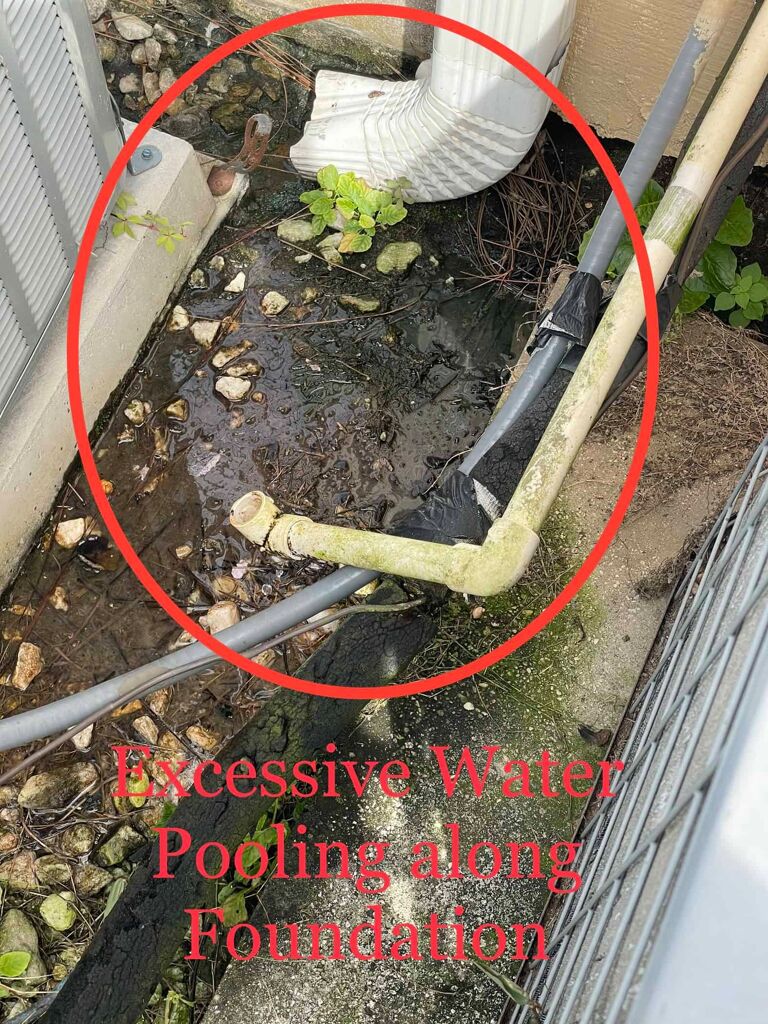
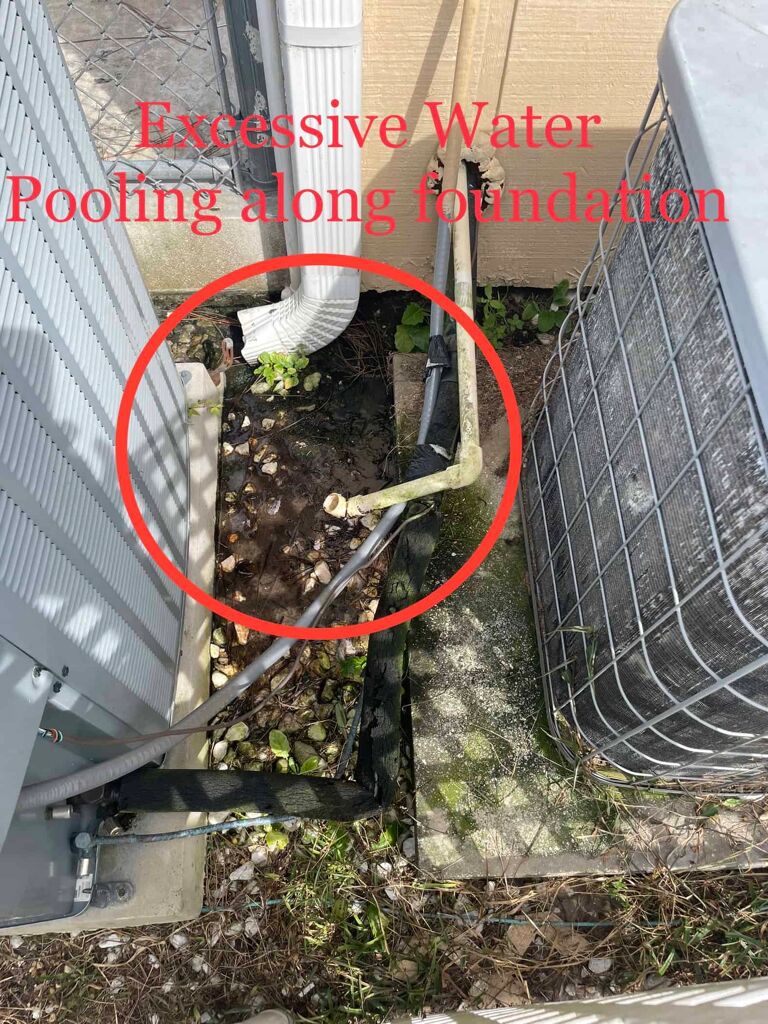
    Excessive rainwater runoff, leaky spigots, and air conditioning water runoff can create conducive conditions for subterranean termites in Florida due to the following factors:

    1. Moisture Accumulation: Subterranean termites in Florida are highly dependent on moisture for their survival. Excessive rainwater runoff, leaky spigots, and air conditioning runoff can lead to the accumulation of moisture in and around a property. This provides termites with the necessary conditions for foraging, nesting, and thriving.
    2. Soil Accessibility: Subterranean termites live in the soil and build mud tunnels or galleries to access their food sources and nesting sites. Excess moisture in the soil near a structure makes it easier for termites to create and maintain these tunnels. When water runoff saturates the soil, termites can more readily establish pathways into buildings.
    3. Weakened Wood: Moisture can cause wood to soften and weaken. When excessive water runoff or leaks occur, it can lead to the deterioration of wooden structural elements in and around homes. Weakened wood is more attractive to termites as a food source, making infestations more likely.
    4. Concealment: Moisture often leads to the formation of mud tubes or shelter tubes, which subterranean termites use for protection and to maintain their preferred humid environment. These tubes can conceal termite activity, making it challenging to detect an infestation until it has become significant.
    5. Availability of Water Sources: Termites not only require moisture for their survival but also seek out water sources. Leaky spigots and air conditioning runoff provide readily available water for termites, reducing their need to forage long distances to find water.
    6. Year-Round Activity: In Florida’s warm and humid climate, subterranean termites remain active year-round. The combination of abundant moisture and a conducive climate creates ideal conditions for termites to thrive and reproduce.

    To prevent subterranean termite infestations in Florida, it is crucial to manage moisture issues around your property. This includes addressing water runoff problems, repairing leaks, ensuring proper drainage, and keeping wood and soil dry. Regular termite inspections by professionals can also help detect infestations in their early stages when they are easier to manage.

    Sentricon Subterranean Termite Bait Stations

    Termite bait stations are a key tool in subterranean termite control, especially in places like Florida where these pests are common. Here’s how they work:

    1. Installation: Termite bait stations are placed strategically around the perimeter of a home, typically spaced about 10 to 20 feet apart. They are buried in the ground so that termites can access them easily.
    2. Bait: Inside each station, there is a cellulose-based bait that termites find attractive. This bait is usually made from wood or paper and serves as a food source for the termites.
    3. Monitoring: The termite bait stations are monitored yearly by one of our licensed pest control professionals. During these inspections, the technician checks for signs of termite activity as well as conducive conditions that can bring about a termite colony.
    4. Baiting: When termite activity is detected in one or more bait stations, the technician will replace the bait if it has been eaten. The specialized bait contains a slow-acting growth regulator that stops termites from molting. Molting is a vital process, and without it, the termite colony cannot survive. Termites feed on this bait and carry it back to the colony.
    5. Colony Elimination: As the termites consume the bait and share it with other members of the colony, it begins to affect the termite population. Over time, the colony is weakened, and ultimately, it can be eliminated.
    6. Regular Maintenance: Even after the colony is eliminated, the bait stations are monitored  yearly to ensure there are no signs of new termite activity. Regular maintenance helps prevent future infestations.
    7. Environmental Considerations: Termite bait stations are considered more environmentally friendly than traditional liquid termiticides because they use less pesticide and specifically target termites.

    It’s important to note that the effectiveness of termite bait stations can vary depending on factors like the type of termites, the specific bait used, and the skill of the pest control professional. Regular inspections and maintenance are crucial to ensure long-term protection against subterranean termites in Florida or any other region prone to termite infestations.

    Why my house?

    Subterranean termites in Florida and elsewhere typically find wood in homes through a combination of foraging behavior and moisture detection. Here’s how they do it:

    1. Foraging: Subterranean termites have worker termites that constantly search for new sources of wood. They create mud tunnels or tubes on the ground or along walls, which they use to navigate to potential food sources, including the wood in homes.
    2. Moisture Detection: Termites are highly attracted to moisture. They can sense moisture levels in soil and wood. In Florida, where humidity is often high, these pests are particularly drawn to areas where there’s excess moisture, such as leaky pipes, clogged gutters, or areas with poor drainage. They may enter homes through these points.
    3. Cracks and Crevices: Termites can squeeze through tiny cracks and crevices in the foundation or walls of a home. They may find entry points near areas with moisture issues or where wood is in contact with soil.
    4. Wood-to-Soil Contact: Termites thrive in soil, so if there is direct contact between wood and soil around the foundation of a home, they can easily access the structural wood.

    Once termites find a suitable entry point and a source of wood, they establish colonies within the wood, feeding on it and potentially causing significant damage over time. Regular inspections and preventive measures are crucial in Florida and other termite-prone areas to detect and deter these destructive pests.

    Eastern Subterranean Termite Life Cycle

    The life cycle of Eastern subterranean termites, like most termite species, consists of several distinct stages:

    1. Egg Stage: It begins when the queen termite lays eggs. Termite eggs are tiny and typically white. The eggs are cared for by worker termites and kept in specially constructed chambers within the colony.
    2. Nymph Stage: Once the eggs hatch, they develop into nymphs. Nymphs are young termites that resemble smaller versions of adult termites. They go through several molts as they grow.
    3. Worker Stage: Nymphs eventually mature into worker termites. Worker termites are responsible for tasks such as foraging for food, caring for the eggs and nymphs, and building and maintaining tunnels and galleries within the colony.
    4. Soldier Stage: Some nymphs develop into soldier termites. These termites have larger heads and powerful jaws, which they use to defend the colony against predators like ants.
    5. Reproductive Stage: Some mature nymphs and workers develop into alates, also known as swarmers or reproductives. These are the termites responsible for starting new colonies. They have wings and are equipped for flight.
    6. Swarming: When conditions are right, typically during the spring, alates leave the colony in a swarm. They fly, mate, and eventually shed their wings. The mated pairs then find a suitable location to start a new colony.
    7. King and Queen: After shedding their wings, the mated pair becomes the king and queen of a new termite colony. They dig a chamber and produce the first batch of eggs, starting the cycle anew.

    The Eastern subterranean termite colony consists of the king, queen, workers, soldiers, and nymphs. The workers and soldiers are responsible for maintaining and protecting the colony, while the king and queen are the primary reproducers.

    It’s important to note that termite colonies can be long-lived, with queens capable of laying thousands of eggs per day, allowing the colony to grow and persist for many years if not treated or controlled.

    How can you identify Eastern Subterranean termites?

    Identifying subterranean termites in a Florida home requires careful observation of specific signs. Here are some telltale signs to look for:

    1. Mud Tubes: Subterranean termites build mud tubes to travel between their underground nests and food sources. These tubes, typically about the width of a pencil, can be found along foundation walls, wooden structures, or in crawl spaces.
    2. Damaged Wood: Subterranean termites feed on cellulose, which is found in wood. Look for wood that appears hollowed out or has a honeycomb-like texture. Tap the wood to see if it sounds hollow.
    3. Swarmers: During the spring, subterranean termites may release swarms of winged reproductive individuals. These winged termites are often mistaken for flying ants. Termites have straight antennae, a thick waist, and wings of equal length, while ants have bent antennae, a narrow waist, and wings of different lengths.
    4. Discarded Wings: After a termite swarm, you may find discarded wings near window sills, doors, or other light sources. These wings are often a sign of an active infestation.
    5. Sagging or Buckling Floors: Subterranean termites can weaken wooden flooring, causing it to sag or buckle.
    6. Hollow-Sounding Walls: Gently tap walls, window frames, and other wooden structures. If they sound hollow, it could indicate termite damage.
    7. Cracked or Bubbling Paint: Termites can cause paint to bubble or crack as they tunnel underneath the surface.
    8. Visible Termite Workers: While less common, you may occasionally spot worker termites foraging for food. They are pale, soft-bodied, and about 1/8 inch long.
    9. Fecal Pellets: Drywood Termites often push fecal pellets out of small exit holes near their nests. These pellets resemble tiny, elongated grains of rice and can accumulate in piles.

    If you suspect a termite infestation in your home, it’s crucial to contact a licensed pest control professional, like Dave’s Pest Control for a thorough inspection and appropriate treatment. Termite damage can be extensive and costly, so early detection is key to minimizing potential structural damage.

    Call us today for a free estimate for your home, business or condominium.


  • Bugs in Florida: A Comprehensive Overview

    Bugs in Florida: A Comprehensive Overview

    Florida, known for our beautiful beaches and warm climate, is also home to a variety of wildlife, including several species of spiders. In this essay, we will explore the presence of different spiders in Florida, the distinctions between poisonous and venomous, the differences between black widow and brown widow spiders, the notorious brown recluse spider, common locations for homeowners to encounter venomous spiders, and the intriguing reproductive characteristics and life cycles of these arachnids.

    1. Venomous vs. Poisonous:

    Before delving into the world of venomous spiders, it is essential to differentiate between “venomous” and “poisonous.” While these terms are often used interchangeably, they carry distinct meanings. Venomous organisms, such as spiders, deliver toxic substances actively, usually through a bite or sting. In contrast, poisonous organisms are harmful when consumed, touched, or ingested. For example, some plants are poisonous, and ingesting them can cause harm.

    2. Black Widow vs. Brown Widow Spiders:

    Florida is home to two notable widow spiders: the black widow (Latrodectus mactans) and the brown widow (Latrodectus geometricus). Both belong to the Latrodectus genus and are venomous, but they exhibit some key differences.

    The Black Widow Spider:

    • The female black widow is known for its shiny black coloration and a distinctive red hourglass-shaped mark on its abdomen.
    • Their venom contains potent neurotoxins that can cause severe symptoms in humans, although fatalities are rare.
    • Black widows often construct messy, irregular webs in undisturbed areas like woodpiles and outdoor structures.

    The Brown Widow Spider:

    • Brown widows, on the other hand, are light to medium brown with orange or yellowish markings on their abdomens.
    • While their venom is also potent, brown widow bites are typically less severe than black widow bites.
    • Brown widows tend to build more organized, tangle-type webs in both outdoor and indoor locations.

    3. The Brown Recluse Spider:

    Although the brown recluse spider (Loxosceles reclusa) is not as common in Florida as in some other regions of the United States, it is still worth noting. These spiders are identified by their distinctive violin-shaped mark on their cephalothorax. Brown recluse bites can lead to necrotic skin lesions and may require medical attention.

    Spider Reproduction, Offspring, and Life Cycle:

    Spiders reproduce through a process known as sexual reproduction, involving the transfer of sperm from male to female. Female spiders typically lay eggs in silk sacs. The number of offspring varies by species, but it can range from a few dozen to several hundred. Spider life cycles consist of several stages:

    • Egg Stage: The eggs are contained within silk sacs, which the female spider guards or attaches to a secure location.
    • Spiderling Stage: After hatching, spiderlings emerge from the sac and undergo a series of molts to grow and develop.
    • Juvenile Stage: As spiderlings grow, they molt several times, transitioning from small, translucent individuals to larger, fully colored spiders.
    • Adult Stage: Once spiders reach maturity, they engage in mating, and the cycle begins again

    Common Locations for Venomous Spiders

    Homeowners in Florida are most likely to encounter venomous spiders in various locations, including:

    • Outdoor spaces: Woodpiles, garden sheds, and debris-filled corners are prime spots for black widows and brown widows.
    • Indoor spaces: Venomous spiders can also find their way inside homes, especially in cluttered and undisturbed areas like basements, garages, and attics.
    • Garden areas: Spiders may hide in plants, bushes, or within outdoor furniture cushions.

    Why Are Wolf Spiders So Common in Florida?

    Meet the Wolf Spider

    When it comes to spiders in Florida, one species stands out as both a common and fascinating arachnid: the wolf spider (Family: Lycosidae). While the Sunshine State boasts a diverse array of spider species, wolf spiders hold a special place as one of the most frequently encountered.

    Wolf spiders are a diverse group of arachnids, and they are often recognized by their robust, hairy bodies and distinctive eye arrangement. These spiders have eight eyes arranged in three rows, with two large, forward-facing eyes in the center row, giving them excellent vision, particularly during hunting.

    1. Appearance: Wolf spiders come in various shapes and sizes, but most are brown or gray, which helps them blend into their natural surroundings. Their furry appearance sets them apart from many other spider species.
    2. Behavior: Unlike some spiders that construct intricate webs to capture prey, wolf spiders are active hunters. They rely on their speed and agility to stalk, chase, and pounce on their prey, which typically includes insects and small arthropods.
    3. Habitat: Wolf spiders are highly adaptable and can be found in a wide range of habitats, from gardens and forests to urban areas. They are often spotted in leaf litter, under rocks, or burrowed into the ground.

    Several factors contribute to the prevalence of wolf spiders in Florida:

    1. Climate: Florida’s warm and humid climate provides an ideal environment for wolf spiders. They thrive in these conditions and are active year-round.
    2. Diverse Ecosystems: Florida’s diverse ecosystems, including wetlands, forests, and urban areas, offer a variety of habitats that suit wolf spiders’ preferences.
    3. Hunting Strategy: Wolf spiders’ hunting strategy, which involves actively chasing down prey, makes them well-suited to Florida’s rich insect population.
    4. Abundance of Prey: The state’s lush vegetation and abundant insect life provide a consistent food source for wolf spiders.
    5. Residential Areas: Wolf spiders are often found in and around homes, where they help control pest populations. Homeowners frequently encounter them indoors and in gardens.

    Despite their frequent presence, wolf spiders are generally harmless to humans. While they might appear intimidating due to their size and speed, their venom is not dangerous to people, and they rarely bite unless provoked.

    As you can see, Florida’s rich biodiversity includes a wide array of fascinating creatures, and the wolf spider is undoubtedly one of them. As the most common spider species in the state, they play an essential role in maintaining the balance of local ecosystems by controlling insect populations. So, the next time you come across a wolf spider scurrying across your path, remember that it’s just another part of the intricate web of life in the Sunshine State.

    The Enigmatic Cellar Spiders of Florida

    Cellar spiders, also known as daddy-long-legs spiders, are a fascinating group of arachnids commonly found in Florida. Renowned for their distinctive long, delicate legs, they have earned their nickname due to this characteristic resemblance to the legs of the daddy-long-legs, or crane fly.

    Nicknames and Appearance:

    Cellar spiders belong to the family Pholcidae and are colloquially referred to as “daddy-long-legs” due to their leggy appearance. This nickname stems from the striking resemblance between their slender legs and those of the true daddy-long-legs, which are actually insects known as crane flies. The elongated legs of cellar spiders serve several purposes, including sensing vibrations, capturing prey, and even aiding in their distinctive web-building.

    Habitats:

    Cellar spiders are commonly found indoors, particularly in homes and buildings throughout Florida. They are well adapted to human-made structures and are often encountered in basements, crawl spaces, attics, and dark corners of rooms. Their preference for these environments is due to the abundance of insects, which provide a readily available source of food.

    Life Cycle:

    The life cycle of cellar spiders, like many other spiders, consists of several stages: egg, spiderling, juvenile, and adult. Female cellar spiders typically lay their eggs in silk sacs, which they guard diligently. After hatching, the spiderlings go through multiple molts to reach maturity. The process of maturation can take several months, depending on factors such as temperature and food availability. Once they reach adulthood, cellar spiders are capable of reproducing, and the cycle continues.

    Feeding Habits:

    Cellar spiders are renowned for their remarkable feeding habits. They are skilled hunters that employ a unique method to capture prey. Unlike some spiders that build intricate webs, cellar spiders construct irregular, messy-looking webs that are often mistaken for abandoned cobwebs. These webs are used as a type of sensory trap. When an unsuspecting insect or spider comes into contact with the web, the cellar spider quickly detects the vibrations and rushes to immobilize its prey with silk threads. Once secured, the spider injects venom to immobilize and digest the prey, eventually feeding on the liquefied tissues.

    Cellar spiders are opportunistic feeders, consuming a variety of insects and other arachnids. Their diet may include flies, mosquitoes, ants, and other small pests commonly found in and around homes.

    Cellar spiders, or daddy-long-legs spiders, are intriguing arachnids that thrive in the indoor environments of Florida’s homes and buildings. Their long legs, distinctive web-building techniques, and beneficial role in pest control make them a unique and valuable addition to the state’s ecosystem. As we coexist with these spiders, it’s essential to appreciate their role in maintaining a balance in our indoor environments while dispelling any unwarranted fears of their harmless presence.

    The presence of these spiders is prevalent within our designated region in Florida, which encompasses, Volusia, Seminole, Flagler, Orange, Lake, North, Brevard, and North Osceola counties. Our services are geared towards safeguarding your living space from a wide array of pests, including spiders, effectively preventing their intrusion.

    Call us today for a free estimate for your home business or condominium.

  • Unwanted Guests: The German Cockroach

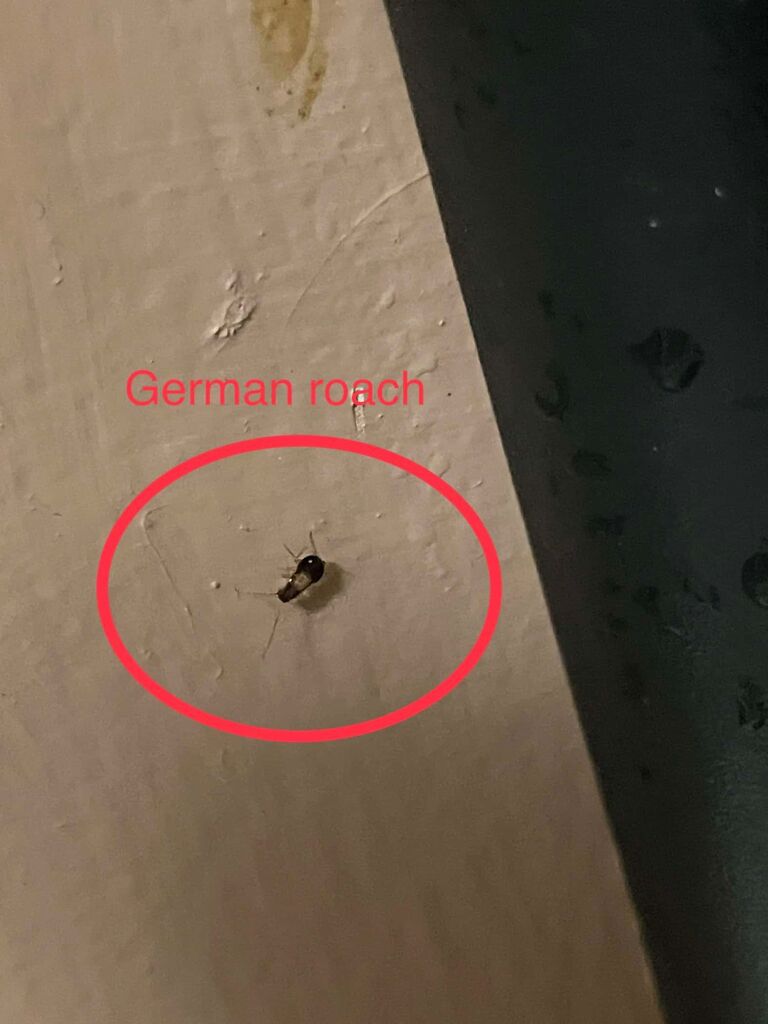
    The German cockroach (Blattella germanica) is a resilient and unwelcome guest in many homes and businesses worldwide. Known for its rapid reproduction and tenacity, this cockroach species has a long history of invading human habitats.

    This blog delves into the history, nomenclature, life cycle, common infestation locations, and the peculiar attraction of German cockroaches to electrical appliances.

    Common Myths about German Cockroach

    There are several common myths surrounding cockroaches. Here are a few:

    Myth: Cockroaches can survive a nuclear explosion.

    1. Fact: While cockroaches are hardy insects, they cannot survive extreme radiation levels from a nuclear explosion. This myth likely stems from their resilience in other conditions.

    Myth: Cockroaches are indestructible.

    2. Fact: Cockroaches are adaptable, but they are not invincible. They can be killed with pesticides and proper pest control measures.

    Myth: Cockroaches only infest dirty environments.

    3. Fact: Cockroaches can be found in clean environments too. They are attracted to food, water, and shelter, so even well-maintained spaces can be infested.

    Myth: Cockroaches can live without their heads.

    4. Fact: Cockroaches can survive for a short time without their heads, but they eventually die due to a lack of mouthparts to eat and drink.

    Myth: All cockroaches can fly.

    5. Fact: Not all cockroach species can fly. Some have wings but are not proficient fliers, while others are wingless.

    It’s important to separate fact from fiction when it comes to cockroaches to effectively manage and prevent infestations.

    A Historical Intrusion

    The German cockroach, despite its name, likely originated in Southeast Asia. It hitched a ride with early European explorers and settlers to reach other parts of the world, establishing itself as a global pest over centuries. The name “German cockroach” is believed to have been coined by English speakers in the 19th century, possibly because of the preponderance of European scientific work on cockroaches at the time.

    Cockroaches have intrigued and repelled humans for centuries. While they are often associated with filth and pestilence, they also hold a unique place in the realm of entomology due to their remarkable diversity. There are thousands of species of cockroaches distributed across the world.

    The history of Florida, as a part of the United States, is a tale of exploration, conflict, and cultural exchange. This southeastern peninsula was initially explored and reported upon by European adventurers in the early 16th century, with their accounts shedding light on the importance of this landmass to the emerging American nation. In this essay, we will delve into the first written reports about Florida, the Native American peoples who inhabited the region, and why it became a coveted possession for the United States.

    Exploration of Florida

    Florida’s recorded history begins with the arrival of Spanish explorer Juan Ponce de León in 1513. Ponce de León, in his quest for the legendary Fountain of Youth, became the first European to set foot on Florida’s soil. His arrival marked the beginning of European exploration and settlement in the region.

    The First Written Reports

    One of the earliest written reports about Florida came from Juan Ponce de León himself, who documented his explorations in a letter to King Ferdinand of Spain. His descriptions of Florida’s lush landscapes and abundant wildlife, along with its potential for colonization, piqued European interest in the area.

    Another significant account was written by Álvar Núñez Cabeza de Vaca, who was part of the ill-fated Narváez expedition in 1528. Cabeza de Vaca’s account, “Naufragios,” chronicled his harrowing journey across Florida and the southeastern United States. His observations of the Native American peoples he encountered added to the growing body of knowledge about the region.

    Native American Peoples of Florida

    Florida was home to several Native American tribes, each with its unique culture and history. The most prominent groups included the Timucua in the north and the Calusa in the southwest. The Timucua were skilled agriculturalists, cultivating maize, beans, and squash, while the Calusa were known for their maritime culture, relying heavily on fishing and trading.

    Florida’s strategic value became evident during the early 19th century when it was still under Spanish control. The United States viewed it as a potential threat due to the Seminole Wars, a series of conflicts with Seminole Native Americans who sought refuge in Florida. These wars highlighted the need to acquire Florida for national security.

    Diversity of Cockroach Species

    Cockroaches belong to the order Blattodea, and within this order, there are several families and numerous species. Currently, over 4,600 species of cockroaches have been identified and documented by scientists. However, it is estimated that there may be many more undiscovered species, particularly in remote and unexplored regions.

    The most well-known family of cockroaches is the Blattidae family, which includes the infamous German cockroach (Blattella germanica) and American cockroach (Periplaneta americana). These species are commonly found in urban environments and are often associated with human dwellings. However, they represent just a fraction of the diverse cockroach family tree.

    Cockroaches can be found on every continent, except Antarctica, showcasing their adaptability to various environments. They thrive in tropical rainforests, arid deserts, and even high mountain ranges. Each species has evolved unique characteristics to survive in their specific habitats.

    Adaptations and Ecological Roles

    Cockroaches are renowned for their adaptability and resilience. They are among the oldest insects on Earth, with fossil evidence dating back over 300 million years. This remarkable longevity is a testament to their ability to adapt to changing environments. These insects play vital ecological roles in their ecosystems. They are decomposers, feeding on decaying organic matter, and help recycle nutrients. Some species are important prey items for birds, amphibians, and reptiles, contributing to the food web.

    Notable Species

    While it is impossible to cover all 4,600+ cockroach species in this essay, a few noteworthy examples illustrate the diversity within this insect order:

    1. Madagascar Hissing Cockroach (Gromphadorhina portentosa): Native to Madagascar, these large cockroaches are known for their distinctive hissing sound, produced by expelling air through openings in their abdomen.
    2. Giant Burrowing Cockroach (Macropanesthia rhinoceros): Found in Australia, these massive cockroaches are among the heaviest insects in the world and live underground in burrows.
    3. Death’s Head Cockroach (Blaberus craniifer): Named for the skull-like pattern on its thorax, this striking cockroach species inhabits Central and South America.

    Cockroaches are much more than the pests that occasionally invade our homes. They are a diverse and ancient group of insects that have adapted to a wide range of environments. Their ability to thrive in diverse ecosystems, from the rainforests of Madagascar to the deserts of Australia, showcases their resilience and evolutionary success. Understanding and appreciating the incredible diversity of cockroach species can provide valuable insights into the natural world and the importance of these insects in ecological systems.

    Apart from Termites, Roaches are the number one cause for homeowners to call a professional pest control company for help.

    Life Cycle of German Cockroaches

    Understanding the life cycle of German cockroaches is crucial for effective control:

    1. Egg Stage: The life cycle begins with the egg, which is encased in a protective casing called an ootheca. Each ootheca contains around 30 to 40 eggs.
    2. Nymph Stage: After about a month, the nymphs emerge from the ootheca. Nymphs are smaller versions of adult cockroaches, lacking wings.
    3. Molt and Growth: Nymphs undergo multiple molts, shedding their exoskeletons as they grow. The number of molts varies, but it’s typically 5 to 7 before they reach adulthood.
    4. Adult Stage: Once they’ve molted enough times, the nymphs become adults. Adult German cockroaches have wings and are capable of reproducing.
    5. Reproduction: Adult females can produce several oothecae throughout their lifetime, each containing dozens of eggs. This rapid reproduction is one reason why German cockroach infestations can quickly escalate.

    Common Infestation Locations

    German cockroaches are highly adaptable and can thrive in various environments. They are commonly found in:

    Kitchens and Bathrooms: These areas provide ample food sources and moisture.
    Electrical Appliances: German cockroaches often infest electrical appliances like microwaves, toasters, and refrigerators. They are attracted to the warmth and electrical currents produced by these devices.
    Cracks and Crevices: They prefer hiding in small, dark, and secluded spaces, making them difficult to detect.

    Attraction to Electrical Appliances

    The specific attraction of German cockroaches to electrical appliances can be attributed to two main factors:

    1. Warmth: Cockroaches are ectothermic, meaning they rely on external sources for warmth. Electrical appliances emit heat, making them an enticing hiding place, especially in cooler environments.
    2. Electrical Currents: German cockroaches are known to be attracted to electrical fields. This behavior, called electroreception, is not fully understood but is believed to be related to their search for mates or shelter.

    German cockroaches, despite their name, have infiltrated homes and businesses across the world. Understanding their life cycle, preferred habitats, and the peculiar attraction to electrical appliances is crucial for effective control and prevention. For homeowners and business owners, regular cleaning, sealing entry points, and having a professional pest control company, like Dave’s Pest Control, are key to keeping these unwelcome guests at bay.

    Call us today for a free estimate for your home, business or condominium.

  • Drywood Termite Frass: Signs of Drywood Termite Infestations

    Drywood Termite Frass: Signs of Drywood Termite Infestations

    In the sunny and subtropical state of Florida, where warmth and humidity create an ideal environment for a variety of pests, one of the most notorious and damaging invaders is the drywood termite (Cryptotermes spp.). These silent destroyers are a common cause of concern for homeowners, as they thrive within the very structures we call home. In this essay, we will delve into the intricacies of drywood termites in Florida, focusing on their distinctive frass, its composition, and its significance when found around windows and doors.

    The Intricacies of Drywood Termites:

    Drywood termites are a unique species of termites that differ from their subterranean counterparts in terms of habitat and behavior. Unlike subterranean termites, which nest underground and require moist environments, drywood termites establish their colonies within the wood they consume, thriving in the relatively drier conditions of Florida’s homes and structures. These insects are often referred to as “silent destroyers” due to their secretive nature and the gradual, unnoticed damage they inflict on wooden structures over time.

    Drywood Termites Frass: Sign of Infestation

    Frass is a key indicator of drywood termite activity. Frass refers to the debris or excrement left behind by termites as they feed on wood. Unlike subterranean termites, which create mud tubes and tunnels, drywood termites do not construct such elaborate structures. Instead, they expel their fecal matter through small kick-out holes in the wood they infest. This expelled frass accumulates below these holes, often indicating the presence of an infestation.

    Composition of Drywood Termite Droppings

    The frass produced by drywood termites is comprised of partially digested wood fibers, termite excrement, and other waste materials. The appearance of frass can vary depending on factors such as the type of wood being consumed and the specific termite species. It is often described as granular, pellet-like, or sand-like in texture. The color of frass can range from light to dark, depending on the color of the ingested wood. The accumulation of frass around infested areas is a clear sign that termites are actively feeding and nesting within the wood.

    Termite Dropping around Windows and Doors

    Discovering frass around windows and doors can be particularly concerning for homeowners. These areas are common entry points for drywood termites, as they are attracted to sources of light and the warmth that seeps through these openings. If frass is found near windows and doors, it suggests that termites are likely infesting the surrounding wood, potentially compromising the structural integrity of the home. Furthermore, frass accumulation around these entry points indicates that the infestation is mature and has been ongoing for a significant period.

    Color of Termite Frass

    Drywood termite frass, the pellet-like debris left behind by these insects, can vary in color due to several factors, including the type of wood they are consuming, the age of the colony, and the diet of the termites. Here’s why drywood termite frass can exhibit different colors:

    Wood Source:

    Drywood termites feed on the wood they infest, and the color of the frass can be influenced by the type of wood they are consuming. Different types of wood have distinct colors and grain patterns, which can impact the appearance of the frass. For example, frass from termites feeding on lighter-colored wood might be paler in color, while frass from darker wood could have a darker hue.

    Age of the Colony:

    As a termite colony ages and matures, the color of the frass it produces can change. Young colonies might produce frass that is lighter in color, while older colonies might generate frass that is darker due to the accumulation of waste materials over time.

    Diet and Nutrients:

    The termites’ diet can also influence the color of their frass. Termites require certain nutrients to digest cellulose in wood, and variations in their diet can impact the composition and color of their waste. For instance, termites that have been feeding on wood treated with chemicals might produce frass with a different color.

    Moisture Content:

    The moisture content of the wood being consumed can affect the color of the frass. Drywood termites prefer relatively dry wood, but if the wood they are infesting has varying levels of moisture, it can influence the appearance of the frass.

    Fecal Pellet Formation:

    Drywood termites form frass into small pellets before expelling them from their galleries. The formation process can compact the frass, affecting its color. The composition of the pellets and the manner in which they are formed can contribute to color variations.

    As we can see, drywood termites pose a significant threat to homeowners in Florida, where their presence can lead to hidden destruction within the very structures we rely on for shelter. The frass they leave behind, a distinctive mixture of digested wood and waste materials, serves as an unmistakable sign of their presence.

    Finding frass around windows and doors is particularly alarming, as it implies that termites are actively infesting and damaging these vulnerable entry points. To mitigate the risks associated with drywood termite infestations, homeowners should remain vigilant, seek professional inspection and treatment, and take preventive measures to safeguard their homes against these silent destroyers.


    Drywood Swarming Termites

    Homeowners in Florida are most likely to witness drywood termite swarming during warm and humid months, typically in the spring or summer. Swarming is a critical phase in the reproductive cycle of termites, during which winged reproductive individuals, known as “alates” or “swarmers,” emerge from established colonies in search of new nesting sites to establish new colonies.

    What is Swarming?

    Swarming is a phenomenon where a large number of winged termites, the alates, leave their existing colony in a synchronized effort to find mates and establish new colonies. This event usually takes place during daylight hours, often in the morning or late afternoon, and is triggered by specific environmental conditions such as temperature, humidity, and light.

    Why Do Drywood Termites Swarm?

    Swarming serves several important purposes for the drywood termite population. It allows for genetic diversity among colonies, which can improve the overall fitness and resilience of the termite population. Swarming also ensures the spread of the species to new areas, as the alates are carried by wind currents to different locations where they can establish colonies and continue the termite life cycle.

    Alates: What are they?

    Drywood termites that participate in swarming are called “swarmers” or “alates.” These individuals are reproductive forms, distinct from the worker and soldier termites responsible for feeding and defending the colony. Swarmers have wings and are equipped to fly short distances to find suitable sites for establishing new colonies.

    Number of Swarmers:

    The number of drywood termite swarmers that emerge at once can vary widely based on the size and health of the existing colony, as well as environmental factors. In some cases, a colony may produce only a few dozen swarmers, while larger and more established colonies can release hundreds or even thousands of swarmers during a single swarming event.

    During swarming, the air can become filled with flying termites, creating an unsettling sight for homeowners. After a brief period of flight, the swarmers will shed their wings and seek out crevices, cracks, or other openings to establish new colonies within wooden structures.

    If a homeowner in Florida sees drywood termite frass or a drywood termite swarm, it’s important to take prompt and appropriate action to address the potential termite infestation. Here’s what they should do:

    Drywood Termite Droppings

    If you notice frass, which is the distinctive pellet-like debris left behind by drywood termites, it could be an indication of termite activity. Here’s what to do:

    Do Not Disturb:

    Avoid disturbing or cleaning up the frass, as it can provide important clues for pest professionals during inspections.

    Inspect Further:

    Carefully inspect the area around the frass for other signs of termite activity, such as tiny holes in wood surfaces or hollow-sounding wood.

    Consult a Professional:

    Contact a reputable pest control company or termite inspector near you to assess the situation. They can determine the extent of the infestation and recommend appropriate treatment options.

    Avoid DIY Solutions:

    Attempting to address a termite infestation on your own may not effectively eliminate the problem. Professional expertise is crucial for proper identification and treatment.

    Drywood Termite Swarm

    If you observe a swarm of winged termites, it’s a clear sign of a reproductive event. Here’s what you should do:

    Identify the Source:

    Try to locate the source of the swarm, which could be a nearby structure or a tree. Pay attention to where the swarmers are emerging from.

    Avoid Disturbance:

    Do not disturb the swarmers or try to eliminate them yourself. This can make it harder for pest professionals to assess the situation later.

    Seek Professional Help:

    Contact a qualified pest control company in your area that specializes in termite control. They do complete inspection, identify the extent of the infestation, and recommend appropriate treatment. If you are based in central or south Florida, you are lucky! we offer reliable pest control in Lakeland, Port Orange, Orlando, Pembroke Pines, Sunrise and other areas of Florida. Call us and get a free quote today!

    Collect Sample if Possible:

    If you can safely do so, collect a few swarmers in a container for identification by the pest control professional. This can help confirm the termite species and guide treatment decisions.

    Remember:

    In both cases, it’s essential to avoid panicking and to rely on professional expertise. Drywood termites can cause significant damage to structures if left unchecked. Professional termite inspectors and pest control experts have the knowledge, tools, and treatments needed to effectively address termite infestations and prevent further damage.

    Regular termite inspections and preventive measures can also help reduce the risk of infestations. Working with a reputable pest control company is a crucial step in ensuring your home’s protection against the threat of drywood termites.

  • Subterranean Termites in Florida

    Subterranean Termites in Florida

    Florida, with its warm and humid climate, is home to a variety of pests, and among them, subterranean termites stand out as a particularly insidious threat to both residential and commercial structures. These tiny but destructive insects have perfected the art of infiltrating and weakening buildings, causing damage that often goes unnoticed until it becomes a significant problem.

    One of the defining features of subterranean termites is their reliance on moisture for survival. To protect themselves from the dry environment above ground, these termites construct intricate pathways known as “mud tubes.” These tubes, made from a mixture of soil, saliva, and feces, serve as bridges between their underground nests and their food sources, often connecting the moist soil to the wooden structures above. Mud tubes are a key indicator of termite activity and provide experts with a means of detection during property inspections.

    The need for moisture is a critical aspect of subterranean termite biology. Termites themselves are delicate creatures, vulnerable to dehydration in arid conditions. Additionally, they require moisture to help digest the cellulose present in wood, their primary source of sustenance. As a result, they seek out environments that provide both wood and moisture, making Florida’s warm and damp climate a paradise for their proliferation.

    The life Cycle of Subterranean Termites

    The life cycle of subterranean termites follows a complex process that involves different castes and stages of development.

    Here is an overview of their life cycle:

    1. Egg Stage: The termite life cycle begins with the egg stage. A termite queen, the primary reproductive in the colony, lays eggs in specially constructed chambers within the nest. These eggs are tended to by worker termites and eventually hatch into nymphs.
    2. Nymph Stage: The nymphs that hatch from the eggs resemble miniature versions of adult termites. They go through several molts, shedding their exoskeletons as they grow. Nymphs are responsible for performing various tasks within the colony, such as caring for eggs, foraging for food, and maintaining the nest.
    3. Worker Stage: Nymphs that have matured become workers. Workers are responsible for tasks such as gathering food (often wood and cellulose materials), building and maintaining the nest, and taking care of the other members of the colony. They are the most numerous caste and are typically pale and soft-bodied, as they do not need to venture outside of the nest.
    4. Soldier Stage: Some nymphs develop into soldiers. Soldiers have larger heads and powerful jaws that they use to defend the colony from predators, primarily ants. Their role is to protect the colony by guarding the entrances and exits of the nest and attacking any threats that may breach their defenses.
    5. Reproductive Stage: In mature colonies, certain nymphs develop into supplementary reproductive and alates (winged termites) as they continue to mature. These are future kings and queens that will leave the nest to start new colonies. They have wings and are often seen swarming in large numbers during specific times of the year, usually after a rainstorm.
    6. Swarming: The swarming phase is a crucial part of the termite life cycle. During swarming, alates from different colonies fly in search of mates from other colonies. Once paired, they shed their wings and find a suitable nesting site together. This stage marks the beginning of a new colony’s life cycle.
    7. Nuptial Flight: The process of alates leaving their original colonies to establish new ones is known as nuptial flight. This usually occurs in warm, humid conditions after a rainstorm. The swarming termites are highly vulnerable during this phase, as they are exposed to predators and environmental factors.
    8. Colony Establishment: Once the mated pair lands, they work together to excavate a chamber in the soil and seal themselves inside. The female becomes the queen, and the male becomes the king. The queen begins laying eggs, and the king helps tend to them. As the colony grows, it develops various castes, including workers, soldiers, and supplementary reproductive.

    This complex life cycle ensures the survival and propagation of subterranean termites in Florida. Understanding these stages can help homeowners and pest control professionals in effectively managing and mitigating termite infestations

    History of Termites

    The oldest recorded writings specifically about subterranean termites are difficult to pinpoint due to the scarcity of historical records and the fact that early civilizations may not have focused on such insects in their writings. However, termites and their behavior have been observed and documented in various cultures over time.

    Here are a few examples:

    1. Ancient Egyptian Hieroglyphs: Some experts suggest that ancient Egyptians were familiar with termites, as they depicted insects in their hieroglyphs and artwork. While the specific species might not be mentioned, these depictions could include termites.
    2. Ancient Indian and Chinese Texts: Traditional Indian and Chinese literature sometimes includes references to insects and wood-damaging organisms. While the exact species might not be identified, there could be descriptions of behaviors and damages that could relate to subterranean termites.
    3. Greek and Roman References: Ancient Greek and Roman texts occasionally mention insects that could potentially be termites. For instance, the Greek philosopher Aristotle wrote about “woodworms” that damaged wood, which could have included termites.
    4. Medieval Manuscripts: Some medieval manuscripts, especially those related to natural history and agriculture, might contain observations about insects that could be interpreted as termites. These references might not be specific to subterranean termites but could still offer insights into wood-damaging insects.

    It’s important to note that the ancient and medieval observations might not always accurately refer to subterranean termites as we understand them today. The understanding and identification of insects were not as precise in the past as they are now. Additionally, records from ancient times are often fragmentary, and the terminology used might not align perfectly with modern entomological classifications.

    Overall, while there might not be direct and specific references to subterranean termites in the earliest recorded writings, there are scattered mentions of wood-damaging insects in various cultures throughout history. These references provide glimpses into the historical interactions between humans and these pests.

    What we do to Prevent Subterranean Termite Infestations?

    As a professional pest control company, we can employ various strategies for preventing, detecting, and treating subterranean termite infestations.

    Here are some common approaches we might take:

    Preventive Measures:

    1. Soil Treatment: Professionals can apply liquid termiticides to the soil around a building’s foundation. This creates a barrier that termites cannot pass through, preventing them from accessing the structure.
    2. Wood Treatment: Wood treatments involve applying termiticides directly to wooden elements of a building during construction or renovation. This helps protect the wood from termite infestation.
    3. Sentricon Bait Systems: Sentricon Termite bait stations are strategically placed in the ground around a structure. These stations contain cellulose material treated with slow-acting termiticide. When termites feed on the bait, they carry the termiticide back to the colony, gradually eliminating it.

    Detection and Monitoring:

    1. Regular Inspections: Dave’s Pest control professionals perform routine inspections to detect early signs of termite activity. These inspections help identify infestations before they cause significant damage.
    2. Termite Detection Tools: Our professionals may use specialized tools such as moisture meters, infrared cameras, and acoustic devices to detect hidden termite activity.

    Treatment Methods:

    1. Liquid Termiticides: These are applied to the soil around a structure’s perimeter to create a barrier that termites cannot cross. They can also be used for localized treatments in areas of active termite infestation.
    2. Sentricon Bait Systems: In addition to preventive use, bait systems can be used to target active termite colonies. Once termites feed on the bait, it disrupts the colony’s growth and eventually eliminates it.
    3. Foam and Dust Treatments: Foam or dust formulations of termiticides can be injected directly into galleries and voids where termites are active.
    4. Wood Replacement: Severely damaged wood may need to be replaced. Pest control professionals can recommend suitable materials and treatments to prevent future infestations

    Education and Recommendations:

    1. Moisture Control: Professionals often provide recommendations for moisture control around the property, as termites are attracted to damp environments.
    2. Structural Modifications: Suggestions for structural modifications, such as fixing leaky roofs and improving ventilation, can reduce termite-friendly conditions.
    3. Landscaping Adjustments: Professionals may recommend changes to landscaping that can deter termites from approaching the building.

    It’s important to note that the specific methods used can vary based on factors such as the severity of the infestation, the type of property, and local regulations. Working with a licensed and experienced pest control company is essential to ensure effective and safe termite prevention and treatment.

    Call us today for a free estimate for your home, business or condominium.

  • Sunshine and Bugs: Exploring the Dynamic Tropical Climate of Florida

    Sunshine and Bugs: Exploring the Dynamic Tropical Climate of Florida

    Everyone knows Florida is known for our distinctive tropical climate, characterized by warm temperatures, high humidity, and distinct wet and dry seasons. This climate greatly influences various aspects of the region, from vegetation and wildlife to human activities and daily life. One of the key features of this climate is its rainfall patterns, which play a crucial role in shaping the environment and affecting insect populations, such as roaches.

    The tropical climate of Central and Eastern Florida is primarily influenced by its proximity to warm ocean currents and the Gulf of Mexico. This proximity results in consistently warm temperatures throughout the year, with average highs ranging from the mid-70s to mid-90s Fahrenheit (24-35°C). This warm and humid climate is characterized by distinct wet and dry seasons, each with its own unique impact on the region.

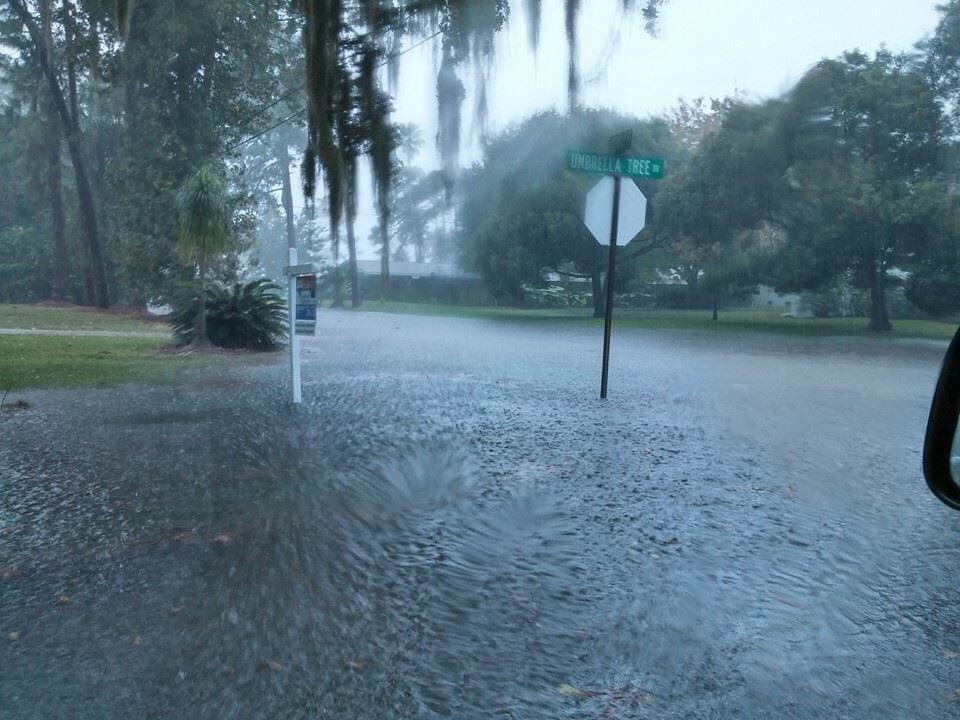
    The wet season typically spans from May to October, during which the area experiences an abundance of rainfall. On average, Central and Eastern Florida receive between 50 to 60 inches (127 to 152 centimeters) of rainfall annually. The majority of this precipitation occurs during the wet season, with heavy afternoon thunderstorms being a common occurrence. These downpours are often intense but short-lived, replenishing water sources and nourishing vegetation. The ample rainfall supports lush plant growth and contributes to the region’s diverse and vibrant ecosystems, including marshes, swamps, and subtropical forests.

    Damage to Homes

    Florida’s unique climate, characterized by abundant rainfall and warm, moist weather conditions, poses significant challenges for wood siding on residential and commercial structures. The combination of frequent rainfall and high humidity levels creates an environment that is conducive to the deterioration and damage of wood siding. This essay delves into the causes and consequences of the damage to wood siding in Florida, highlighting the importance of proper maintenance and preventive measures.

    The incessant rainfall in Florida, particularly during the wet season, exposes wood siding to prolonged periods of moisture. This moisture infiltration can lead to a series of issues, the most notable being wood rot. Wood is a porous material, and excessive moisture allows fungi to thrive, accelerating the decay process. The warm temperatures and high humidity levels create an ideal habitat for fungi, such as mold and mildew, to proliferate. Over time, these organisms break down the cellular structure of the wood, causing it to weaken, lose its structural integrity, and ultimately compromise the building’s stability.

    Furthermore, the constant moisture exposure can result in the expansion and contraction of wood siding, causing it to warp, crack, and split. These physical deformations not only diminish the aesthetic appeal of the building but also create gaps and openings that allow more moisture to penetrate, exacerbating the damage. The accumulation of moisture also promotes the growth of insects, such as termites, which are notorious for feeding on and weakening wood. The synergy between moisture-related decay and insect infestations can lead to substantial and often irreparable harm to wood siding.

    In addition to direct moisture-related issues, the intense sunlight in Florida can contribute to the deterioration of wood siding. Ultraviolet (UV) radiation from the sun can cause the wood to fade, discolor, and become brittle over time. The combination of UV exposure and moisture can accelerate the breakdown of lignin, a natural polymer that gives wood its strength and rigidity. As lignin degrades, the wood becomes more susceptible to structural damage and decay, further compromising its longevity.

    To mitigate the damage caused by rainfall and warm, moist weather conditions, proactive measures are essential. Regular inspection and maintenance of wood siding are paramount. Homeowners and property managers should be vigilant in identifying signs of decay, discoloration, warping, or insect infestations. Prompt repair and treatment can help prevent further deterioration and save on costly replacement expenses.

    Applying protective finishes, such as paints, stains, and sealants, can create a barrier against moisture and UV radiation. These finishes not only enhance the visual appeal of the wood but also contribute to its durability by reducing the risk of moisture infiltration and sun-induced degradation. Proper ventilation and drainage systems can also help channel moisture away from the wood siding, preventing the accumulation of water and reducing the likelihood of decay.

    Roaches

    Florida’s wet season’s consistent rainfall also creates conditions conducive to the proliferation of insects, including roaches. These pests thrive in humid environments and are drawn to areas with moisture and organic matter. The warm and damp conditions of Central and Eastern Florida provide an ideal habitat for roaches to breed and multiply. While various species of roaches exist, some, like the American and German cockroach, are particularly common in the region.

    Roaches are known for their ability to adapt and survive in diverse environments, and the tropical climate of Central and Eastern Florida offers them ample opportunities to thrive. They often seek shelter in homes, buildings, and other structures, especially during periods of heavy rain. While efforts are made to control roach populations through proper sanitation and pest management, the humid conditions of the region can make eradication a continuous challenge.

    The life cycle of American cockroaches (Periplaneta americana) in Florida, as in other regions, consists of several distinct stages: egg, nymph, and adult. The warm and humid climate of Florida is conducive to the development and proliferation of these cockroaches, allowing them to thrive and complete their life cycle relatively quickly.

    Egg Stage: Female American cockroaches produce ootheca, which are protective cases containing multiple eggs. Each ootheca is typically brown or dark in color and measures around 0.9 to 1.6 cm in length. The female carries the ootheca until it is ready to hatch, at which point she deposits it in a sheltered location. The eggs incubate within the ootheca for about 6 to 8 weeks before hatching.

    Nymph Stage: Once the eggs hatch, nymphs emerge from the ootheca. Nymphs are smaller and resemble miniature versions of adult cockroaches, but they lack fully developed wings. They go through several molting stages as they grow, shedding their exoskeletons each time. During these molts, nymphs become larger and develop more distinct features. The nymph stage lasts for several months, and the exact duration depends on factors such as temperature, humidity, and food availability.

    Adult Stage: After undergoing several molts, nymphs eventually reach the adult stage. At this point, they have fully developed wings and reproductive capabilities.

    Adult American cockroaches are large insects, typically measuring between 3 to 4 cm in length. They have a reddish-brown color and a distinctive “figure-eight” pattern on the pronotum (the shield-like plate covering the thorax). Adult cockroaches can live for up to a year or more, depending on environmental conditions and available resources.

    Throughout their life cycle, American cockroaches are opportunistic scavengers, feeding on a variety of organic materials, including decaying matter, food scraps, and even non-food items. They are well-adapted to Florida’s warm and humid climate, which allows them to reproduce and thrive year-round.

    To effectively manage American cockroach populations in Florida, it is crucial to focus on prevention, sanitation, and pest control measures. By minimizing potential food and water sources, sealing entry points, and employing appropriate pest control methods, like the ones offered by Dave’s Pest Control, property owners can reduce the risk of infestations and help maintain a cockroach-free environment.

    Other common bugs homeowners often see

    Florida’s hot and humid climate, combined with abundant rainfall, creates an environment that is favorable for various types of insects to thrive. Some of the most common bugs that people may find in their homes in Florida due to excessive heat, humidity, and rainfall include:

    Cockroaches: As we mentioned, American cockroaches and German cockroaches are prevalent in Florida. They are attracted to warmth, moisture, and food sources, making homes susceptible to infestations.

    Ants: Several ant species, such as the ghost ant, Argentine ant, and carpenter ant, are commonly found in Florida homes. These ants are drawn indoors in search of water and food.

    Mosquitoes: Florida’s humid environment is ideal for mosquitoes to breed. They can easily find standing water around homes to lay their eggs and become a nuisance to residents.

    Termites: Subterranean termites thrive in Florida’s warm and damp conditions. They can cause significant structural damage to homes if left unchecked.

    Silverfish: These moisture-loving insects are often found in humid areas like bathrooms and kitchens.

    Spiders: While not all spiders in Florida are dangerous, some, like the brown recluse and black widow, can pose risks. The humidity provides suitable conditions for spider populations to grow.

    Palmetto Bugs (Giant Cockroaches): These large cockroach species are well-adapted to Florida’s climate and can make their way indoors seeking shelter.

    Flies: Various fly species, including house flies and fruit flies, are attracted to the warmth and moisture found in homes.

    Earwigs: These insects are drawn to moisture and can often be found in damp areas like basements and bathrooms.

    Moths: Humidity can lead to an increase in moth populations, and some species may find their way into homes.

    Fleas and Ticks: Pets can introduce fleas and ticks into homes, which can be particularly problematic in warm and humid conditions.

    Palmetto Weevils: These insects are known for infesting and damaging palm trees, which are common in Florida. They can sometimes find their way indoors.

    Preventive measures such as proper sanitation, sealing entry points, reducing standing water, and regular pest control can help minimize the presence of these bugs in Florida homes. If infestations occur, it’s advisable to seek professional pest control services, like Dave’s Pest Control, to effectively manage and eliminate the problem.

    If you suspect you have a problem with pests, Call us today for a free estimate!

  • Drywood Termites in Florida: A History of Destruction and a Glimpse into Their Mysterious World

    Drywood Termites in Florida: A History of Destruction and a Glimpse into Their Mysterious World

    Nestled between the Atlantic Ocean and the Gulf of Mexico, Florida boasts a subtropical climate that has lured generations of people seeking warm temperatures and picturesque landscapes. However, this paradise comes with a price – an ongoing battle against pests that threaten to consume one of the state’s most abundant resources: wood. Among these relentless wood-devouring insects, none is as notorious as the drywood termite. In this blog, we delve into the history of drywood termites in Florida, exploring their intricate life cycle and shedding light on the annual spectacle of alate swarming.

    A History of Termites and Wood

    Humans have been building with wood for centuries, harnessing its natural beauty and versatility to create structures that stand the test of time. However, this affinity for wood has not gone unnoticed by certain insects, such as termites, which have evolved to exploit this abundant resource. The history of termites’ interactions with human structures in Florida traces back to the state’s early days.

    Native Americans were the first to experience the destructive power of drywood termites. Building their homes from locally sourced materials, they often came into contact with these stealthy invaders. As European settlers arrived, their use of wood in constructing homes and businesses created a feast for termites. Over time, termites adapted to these new opportunities, establishing their colonies within the very structures humans had created.

    The Life Cycle of Drywood Termites

    Understanding the life cycle of drywood termites is crucial in comprehending their impact on the ecosystem and human infrastructure. Unlike subterranean termites that thrive in moist environments, drywood termites have evolved to survive in wood with low moisture content. Their life cycle can be divided into three main stages: the swarming phase, the establishment of a colony, and the ongoing growth and reproduction phase.

    • Swarming Phase and Alates

    One of the most intriguing aspects of drywood termites is their annual swarming behavior, where reproductive individuals known as alates emerge from established colonies to mate and establish new colonies. Alates are equipped with wings and venture outside their nests to embark on a nuptial flight. This phenomenon typically occurs during warm, humid evenings, often following rainfall.

    • Establishing a Colony

    Once the alates find suitable mates, they shed their wings and form pairs, beginning the process of establishing a new colony. They bore into wood, where the female termite becomes the primary egg-layer. These initial stages are critical, as they determine the success of the colony’s growth and survival.

    • Growth and Reproduction Phase

    As the colony grows, workers, soldiers, and reproductives are produced. Workers are responsible for foraging for food and maintaining the nest, while soldiers defend the colony against predators. Reproductive individuals, or primary reproductives, produce eggs that sustain the colony’s growth. Over time, supplementary reproductives may also develop to further bolster the population.

    • Damage to Homes and Businesses

    The rate at which drywood termites can cause damage to homes and businesses in Florida varies depending on factors such as the size of the termite colony, the condition of the wood, and environmental conditions. In some cases, significant damage can occur over the course of a few months to a few years. Regular inspections and prompt treatment are essential to prevent extensive destruction. If you suspect a termite infestation, it’s recommended to consult with a pest control professional, like Dave’s Pest Control for accurate assessment and appropriate action.

    The Mystery of Alate Swarming

    The annual phenomenon of alate swarming is a spectacle that captures the attention of Floridians and researchers alike. But why do these insects engage in this synchronized behavior? Alate swarming serves two main purposes: dispersion and reproduction.

    • Dispersion

    The act of swarming enables young reproductive termites to disperse and establish new colonies. Since drywood termites prefer isolated environments with limited competition, swarming provides the opportunity for these young termites to find unoccupied wood structures where they can establish their nests.

    • Reproduction

    Alates from different colonies come together to mate, promoting genetic diversity within the termite population. This diversity can be advantageous for the survival of the species, as it enhances the colony’s ability to adapt to changing environmental conditions and resist potential threats.

    Drywood Termite Frass

    Drywood frass is a term commonly used to describe the excrement or waste produced by drywood termites as they feed on wood. This distinctive termite byproduct plays a crucial role in identifying the presence of these destructive insects within wooden structures. The appearance of drywood frass can vary in color, shape, and size, providing important clues about the activity of the termite colony.

    Characteristics of Drywood Frass:

    1. Colors: Drywood frass can exhibit a wide range of colors, including light brown, reddish-brown, beige, and even darker shades. The color variation is primarily influenced by the type of wood the termites are consuming and their digestive processes. For instance, frass from termites feeding on lighter-colored wood might appear lighter in color, while frass from termites consuming darker wood could be darker.
    2. Shape and Size: Drywood frass typically resembles tiny, elongated pellets or granules. These pellets can vary in size but are generally quite small, with lengths usually ranging from 1/25 to 1/50 of an inch. The shape is elongated and can resemble rice grains or small strips.

    Kick-Out Holes and Drywood Frass:

    The formation of kick-out holes is closely associated with the presence of drywood termites and their frass. Kick-out holes are small openings that termites create on the surface of the infested wood to expel their frass from the galleries or tunnels they have excavated. These holes are strategically positioned to allow termites to discard their waste material, preventing it from accumulating within their nest and obstructing their activities.

    As termites consume wood, they digest cellulose and extract nutrients from it. The remaining waste material, including undigested wood fibers and fecal matter, is then compacted into pellet-like frass. Termites will push these frass pellets out of the galleries through the kick-out holes, effectively clearing space within their nest and reducing the risk of detection by predators or other threats.

    The presence of kick-out holes and drywood frass near or on wooden surfaces is a telltale sign of an active termite infestation. Observing these indicators should prompt homeowners or property owners to take immediate action, as untreated infestations can lead to significant damage to the structural integrity of the wood.

    What can we do?

    Dave’s Pest Control has the expertise and resources to effectively address the issue of drywood termites, ensuring the protection of homes and structures from their destructive behavior. Here’s an overview of what a licensed pest control company can do to manage and mitigate drywood termite infestations:

    1. Inspection:

    The first step is a thorough inspection of the property to identify the extent of the infestation and locate termite activity. Pest control professionals use their knowledge to pinpoint the locations of termite colonies, nests, and entry points.

    1. Treatment Options:

    Licensed pest control companies offer a range of treatment options tailored to the specific situation. These may include:

    Localized Treatment: For smaller infestations, spot treatments with termiticides or foams may be applied directly to infested areas.

    Tenting and Fumigation: For more extensive infestations, a process called tenting or fumigation may be necessary. The structure is covered with a tent-like enclosure, and a fumigant gas is introduced to eliminate termites throughout the entire building.

    1. Preventive Measures:

    A licensed pest control company, like Dave’s Pest Control, doesn’t just eliminate existing infestations; we also provide preventive measures to minimize the risk of future termite problems. This may include:

    Wood Treatment: Treating wood with termiticides or other protective coatings can create a barrier that discourages termite infestations.

    Bait Stations: Strategically placed bait stations can monitor termite activity and provide an ongoing solution by attracting termites to consume bait laced with slow-acting toxins that are carried back to the colony.

    1. Ongoing Monitoring:

    Effective termite management involves ongoing monitoring to ensure that new infestations do not occur. Licensed pest control companies offer routine inspections and maintenance to detect any signs of reinfestation early on.

    1. Professional Expertise:

    Dave’s Pest Control professionals have the training and knowledge to identify different termite species, understand their behavior, and choose the most appropriate treatment methods. We are up-to-date with the latest technologies and strategies for effective termite control.

    1. Legal Compliance:

    We are regulated by state authorities and must follow specific guidelines and regulations. This ensures that the treatments used are safe for occupants and the environment.

    1. Warranty:

    We provide warranties for our services. This means that if termites reappear within a specified period after treatment, Dave’s Pest Control will return to address the issue at no additional cost.

    Choose Dave’s!

    By enlisting the help of a licensed pest control company like Dave’s Pest Control, property owners can effectively safeguard their structures from the destructive impact of drywood termites.

    Call us today for a free estimate for your home, business or condominium.

  • Mud Daubers in Florida: Nature’s Artisans of Clay

    Mud Daubers in Florida: Nature’s Artisans of Clay

    Florida, a state known for its diverse ecosystems and abundant wildlife, is home to various fascinating creatures, and among them are mud daubers, a group of solitary wasps. Mud daubers, scientifically known as Sphecidae, are intriguing insects renowned for their remarkable nest-building skills and critical ecological roles. This blog explores the unique characteristics, behaviors, and ecological significance of mud daubers in Florida.

    Mud daubers are solitary wasps belonging to the family Sphecidae, which comprises numerous species found throughout Florida’s varied habitats, from forests and wetlands to urban areas. These wasps are characterized by their slender bodies, elongated antennae, and narrow waist. Unlike social wasps, such as yellowjackets and hornets, mud daubers are non-aggressive and rarely sting humans, making them relatively harmless and less feared.

    One of the most remarkable features of mud daubers is their nest-building prowess. The females construct nests using mud, giving them their common name. These nests are typically small, tubular structures, often resembling tiny clay pots, attached to walls, eaves, tree branches, or other available surfaces. The wasps gather mud in their mouths, fly back to the nest site, and carefully construct the nest layer by layer, creating a durable and waterproof structure.

    Each mud dauber species displays unique architectural preferences and techniques. Some construct single-cell nests, while others build multi-cell nests in clusters. Additionally, some species seal their nests with mud or plant material, while others leave them open. This diversity in nest design reflects the resourcefulness and adaptability of these skilled artisans. Mud daubers are solitary insects, meaning that they do not form colonies like social wasps or bees. After building a nest, the female mud dauber captures and paralyzes insects, such as spiders or caterpillars, to serve as food for her offspring. She stings the prey to immobilize it and then places it inside a cell within the mud nest. Once the cell is provisioned with sufficient food, the female lays an egg and seals the cell. The larva hatches, feeds on the paralyzed prey, and undergoes metamorphosis, emerging as an adult wasp.

    Beyond their impressive craftsmanship, mud daubers play a crucial ecological role in Florida’s ecosystems. They are valuable predators that help control insect populations, particularly spiders, which are often abundant in the state’s varied habitats. By preying on spiders, mud daubers help maintain a natural balance in the ecosystem, reducing potential pest outbreaks and supporting the overall health of the environment.

    The life cycle of a mud dauber wasp typically consists of four stages: egg, larva, pupa, and adult. Female mud dauber wasps construct mud nests, each containing several chambers. In each chamber, she lays an egg and provisions it with paralyzed spiders as food for the developing larva. The larva hatches from the egg, consumes the provided spiders, and undergoes several molts as it grows. Once fully developed, the larva pupates inside a cocoon.

    After the pupal stage, an adult wasp emerges from the cocoon, ready to continue the cycle by building nests and laying eggs of its own. The exact timing of each stage can vary based on environmental conditions and species.

    In addition to their ecological significance, mud daubers also serve as indicators of environmental health. Their presence indicates suitable nesting locations, availability of mud resources, and prey abundance. Monitoring mud dauber populations can provide insights into changes in habitat quality and help researchers assess the impact of human activities on local ecosystems.

    Removing Mud Daubers

    To remove mud daubers from a home’s exterior in Florida, a homeowner can follow these steps:

    Identify the nests: First, locate the mud dauber nests on the exterior of the home. These nests are often small, cylindrical structures made of mud, usually found in sheltered areas like eaves, window frames, and doorways.

    Wait for inactivity: Mud daubers are less active at night and during cooler temperatures. Choose a time when they are least active to avoid any confrontations.

    Wear protective clothing: To avoid getting stung, wear protective clothing like long sleeves, pants, and gloves while removing the nests.

    Use a broom or brush: Carefully use a broom or brush to knock down the mud dauber nests. Gently sweep them away from the exterior walls.

    Clean the area: After removing the nests, clean the area with soap and water to get rid of any remaining residue.

    Prevent future nests: To discourage mud daubers from returning, consider using preventive measures like sealing potential entry points, installing screens over vents and openings, or hanging fake wasp nests, as they may deter them from nesting nearby.

    Consult a professional: If the mud dauber infestation is extensive or the nests are located in hard-to-reach areas, give us a call!

    Mud daubers caused an air disaster

    Birgenair Flight 301, a chartered flight managed by Turkish-partnered Alas Nacionales, took off from Puerto Plata in the Dominican Republic en route to Frankfurt, Germany. Tragically, on February 6, 1996, the Boeing 757-200 operating the route crashed shortly after departure from Puerto Plata’s Gregorio Luperón International Airport. Regrettably, all 189 passengers and crew on board lost their lives.

    The investigation revealed that the cause of the crash was pilot error, triggered by incorrect airspeed information received from one of the pitot tubes. Investigators believed that a wasp nest had been built inside the tube, leading to the faulty data. The aircraft had remained unused for 20 days and lacked pitot tube covers for the two days preceding the accident.

    Ancient Wasps

    Around 65 million years ago, during the Late Cretaceous period, wasps were already well-established and had been evolving for millions of years. They belonged to the order Hymenoptera, which includes ants, bees, and sawflies. While specific details about ancient wasp species from that time are scarce due to the limitations of fossil records, we can make some general assumptions based on what we know about their evolutionary history.

    During this period, wasps would have exhibited some similarities to their modern counterparts in terms of their basic morphology and behavior. They likely had the characteristic two pairs of wings, a slender abdomen, and a stinger. However, they might have appeared somewhat different from today’s wasps due to evolutionary changes over such a vast timescale.

    65 million years ago, wasps played crucial roles in various ecosystems as pollinators, predators, and parasitoids. They likely preyed on other insects, provided pollination services for plants, and participated in complex ecological interactions that contributed to the balance of the ecosystem.

    The environment during the Late Cretaceous period was vastly different from what we see today. Earth was a warmer and more tropical place, with different plant and animal species compared to the present day. Wasps, along with many other organisms, would have adapted to these changing environmental conditions, leading to diverse species and specialized behaviors.

    It’s important to note that while we can make educated guesses about the general characteristics and roles of ancient wasps, the details of their appearance and behavior are still a subject of ongoing research and discovery within the scientific community.

    What are cicada killer wasps?

    Cicada killers, also known as cicada killer wasps, are a type of solitary wasp species. They are large and often intimidating-looking insects. Despite their name, they do not kill cicadas to consume them; rather, they are called “cicada killers” because they hunt cicadas to provide food for their larvae.

    Female cicada killers construct burrows in the ground, where they lay their eggs and provision the nests with paralyzed cicadas. They sting and paralyze cicadas, bringing them back to the burrow, and lay an egg on the paralyzed cicada. The paralyzed cicada serves as a live food source for the developing larva.

    While cicada killers are large and may appear threatening, they are generally not aggressive toward humans and rarely sting unless provoked or handled. They play a vital role in controlling cicada populations and are beneficial to the ecosystem. Cicada killers are typically active during the summer months when cicadas are abundant.


    Why do Wasps Sting?

    Wasps sting as a defense mechanism when they feel threatened. The stinger is a modified egg-laying organ called an ovipositor, and it contains venom that they inject into their victims.

    The pain from a wasp sting is caused by the venom, which contains chemicals that trigger a pain response in our bodies. Additionally, wasp venom may cause inflammation and irritation around the sting area, contributing to the discomfort.

    What’s the difference between a wasp sting and a bee sting?

    Wasps can sting repeatedly because their stingers are smooth and not barbed. When they sting, the stinger remains intact, allowing them to withdraw it easily and sting again. On the other hand, bees have barbed stingers. When a bee stings, the barbs get stuck in the victim’s skin, causing the stinger to be torn from the bee’s body when it tries to fly away. This results in the bee’s death. The difference in stinger structure is what allows wasps to sting multiple times, while bees can only sting once.

    Does wearing reflective jewelry increase the risk of getting stung by a bee or wasp?

    Yes, it is true. Reflective jewelry, such as metal or shiny objects, can increase the chance of getting stung by a wasp or bee. The reason behind this is that these insects are attracted to bright and reflective surfaces, as they may mistake them for flowers or other food sources. When you wear reflective jewelry, it can catch their attention and make them more likely to approach you, increasing the risk of a sting. To reduce the chance of attracting them, it’s best to avoid wearing such jewelry when spending time outdoors in areas where wasps or bees are present.

    Call us today for a free estimate for your home, business or condominium.

  • Dealing with Bed Bugs in Florida: Identification, Prevention, and Eradication

    Dealing with Bed Bugs in Florida: Identification, Prevention, and Eradication

    Bed bugs are notorious pests that can cause distress and discomfort when they infest our living spaces. Florida, with its warm and humid climate, provides an ideal environment for these tiny insects to thrive. Despite their name, bed bugs are not limited to beds or mattresses; they can be found in various locations, making them a persistent challenge for both residents and travelers. This blog explores the identification of bed bugs, precautions to take while traveling in Florida, and the most effective methods to eradicate these bed bugs from mattresses or anywhere else in your home.

    Identifying Bed Bugs

    Spotting bed bugs early is crucial to prevent a full-blown infestation. These tiny insects are about the size of an apple seed and are reddish-brown in color. Some common signs of their presence include:

    Bite marks: Bed bug bites typically appear as small, red, and itchy welts on the skin, often in a linear or clustered pattern.

    Rusty or dark stains on sheets and mattresses: After feeding, bed bugs can leave behind excrement stains on bedding.

    Tiny white eggs and shed exoskeletons: Look for these signs in crevices, seams, and folds of mattresses and furniture.

    Musty odor: Bed bugs emit a distinct odor that can be noticeable in heavily infested areas.

    Precautions while Traveling

    Inspect accommodations: Before settling into a hotel room or rental property, thoroughly inspect the mattress, headboard, furniture, and other hiding spots for signs of bed bugs.

    Keep luggage elevated: Utilize luggage racks or keep your suitcase elevated on a hard surface rather than on the bed or floor.

    Launder clothing: Upon returning from a trip, immediately wash all clothing, even those unworn, in hot water and dry them on high heat to kill any potential hitchhiking bed bugs.

    Use bed bug-proof encasements: Consider using encasements designed to keep bed bugs out on your mattress and box spring.

    Where can bed bugs be found?

    Bed bugs can be found in various areas inside a home, as they are excellent at hiding and can infest multiple places. Here is a list of common areas where bed bugs may be found:

    Bed Bugs on Mattress: Bed bugs are often found in or around the seams, folds, and tufts of mattresses and box springs.

    Bed Frames and Headboards: They can hide in cracks, crevices, and joints of bed frames and headboards.

    Bedding and Linens: Bed bugs may also be present in pillowcases, sheets, blankets, and duvet covers.

    Furniture: Infestations can extend to other furniture items such as couches, sofas, chairs, and upholstered furniture.

    Carpets and Rugs: Bed bugs may burrow into the fibers of carpets and rugs, especially in areas near the bed.

    Curtains and Drapes: They can hide along curtain folds or in the pleats of drapes.

    Cracks and Crevices: Bed bugs can squeeze into small spaces, including cracks in walls, baseboards, and flooring.

    Electrical Outlets and Switch Plates: These pests can sometimes take shelter in electrical outlets and switch plates.

    Clothing and Personal Items: Bed bugs might be found in clothing, bags, and personal items kept near the bed or infested furniture.

    Nightstands and Dressers: Bed bugs can inhabit drawers and crevices in bedside tables and dressers.

    Picture Frames and Wall Decor: They may also hide behind picture frames and wall-mounted decorations.

    Electronics: In some cases, bed bugs can find their way into electronic devices and appliances.

    Ceiling and Wall Junctions: They may be found in the corners and junctions where ceilings and walls meet.

    Baseboards and Moldings: Bed bugs can hide in the gaps and crevices along baseboards and moldings.

    Luggage and Backpacks: If you’ve traveled recently and encountered bed bugs, they might have hitchhiked on your luggage or backpack.

    Laundry Area: Bed bugs can infest laundry areas, especially if clothing or bedding with bed bugs is stored there.

    It’s essential to remember that while these are common areas, bed bugs are resourceful pests and can spread throughout a home. Vigilance and proper extermination methods are crucial to effectively eliminate an infestation. If you suspect a bed bug infestation in your home, it’s advisable to contact a licensed pest control company, like Dave’s Pest Control for assistance.

    Best Ways to Get Rid of Bed Bugs

    Professional extermination: Engaging a licensed pest control professional, like Dave’s Pest Control, who are experienced in bed bug eradication is often the most effective and efficient method.

    Heat treatment: Bed bugs are highly susceptible to heat. Thermal remediation, using specialized equipment to raise the temperature of the infested area, can effectively eliminate them. It’s important to note that only a few companies offer this method due to the risk involved with using high heat inside a home.

    Pesticides: Chemical treatment, while effective, should only be carried out by professionals, as improper use can be hazardous. Dave’s Pest Control technicians are licensed.

    Vacuuming and cleaning: Regularly vacuuming and cleaning infested areas can help reduce the number of bed bugs but may not eliminate them entirely.

    Avoid DIY remedies: Homemade or over-the-counter solutions may not effectively eradicate bed bugs and can even exacerbate the infestation.

    Bed bugs in Florida pose a persistent challenge for both residents and visitors. Identifying these pests early on is crucial for prompt action. When traveling, taking precautionary measures can prevent bringing bed bugs back home. However, if an infestation does occur, seeking professional assistance is the best course of action. Combining effective eradication methods with preventive measures can help ensure a bed bug-free environment and provide peace of mind in the Sunshine State.

    Life Cycle of Bed Bugs

    The life cycle of bed bugs (Cimex lectularius) consists of several stages, and understanding this cycle is crucial in effectively managing and eradicating infestations. Bed bugs undergo a gradual metamorphosis with three main life stages: egg, nymph, and adult. The entire life cycle typically takes around 4 to 5 weeks, but it can vary depending on environmental conditions such as temperature and availability of food (blood).

    Egg Stage:

    The life cycle begins when an adult female bed bug lays eggs. After a blood meal, the female bed bug can lay 1 to 5 eggs per day and up to 200 to 500 eggs throughout her lifetime. These eggs are small, about 1 mm in length, and are usually white in color, making them hard to spot without magnification.

    Bed bug eggs are typically laid in cracks and crevices near their hiding places, such as in mattress seams, furniture joints, baseboards, or behind wallpaper. The female uses a special adhesive to attach the eggs to these surfaces, ensuring they remain in place.

    Nymph Stage:

    Once the eggs hatch, nymphs emerge. Nymphs are immature bed bugs that resemble adult bed bugs but are much smaller and lighter in color. They go through five instars or developmental stages, during which they must feed on blood to molt and grow to the next stage.

    After hatching, the nymphs search for a blood meal, and they need to feed at least once before each molt. The time it takes for each nymph to molt varies depending on environmental factors and the availability of food. Generally, it can take anywhere from 1 to 2 weeks to reach adulthood.

    Adult Stage:

    After the fifth and final molt, the nymphs mature into adult bed bugs. Adult bed bugs are approximately 4 to 5 mm in length and have a reddish-brown color. They have a flat, oval-shaped body with well-developed antennae and are visible to the naked eye.

    Adult bed bugs are now capable of reproducing and seeking blood meals for their sustenance. They can live for several months to a year or more, depending on environmental conditions and access to blood.

    Bed bugs are “obligate” blood-feeders, meaning they require a blood meal to progress through each life stage and reproduce. They are primarily nocturnal and prefer to feed on human or animal hosts while they sleep, attracted by the carbon dioxide and body heat emitted by their hosts.

    Understanding the life cycle of bed bugs is essential for effective pest management and control. Their ability to reproduce quickly and the resilience of their eggs make it crucial to address infestations promptly and thoroughly. By interrupting their life cycle through professional pest control methods and preventive measures, it is possible to successfully manage and eliminate bed bug infestations.

    In conclusion, dealing with bed bugs in Florida requires a comprehensive approach that includes identification, prevention, and eradication strategies. Due to the warm and humid climate, Florida provides an ideal breeding ground for these persistent pests. Early identification of bed bug infestations is crucial to prevent them from spreading and causing further distress to residents and travelers.

    While traveling in Florida, it is essential to exercise caution and inspect accommodations thoroughly before settling in. Taking simple precautions, such as keeping luggage elevated and laundering clothing immediately after returning from a trip, can help avoid unintentionally transporting bed bugs back home.

    Bed bugs can infest various areas inside a home, not just limited to beds, making eradication a challenging task. They can hide in mattresses, furniture, carpets, curtains, and even electronics. Therefore, a vigilant and meticulous approach is necessary to effectively eliminate them.

    Professional pest control, such as that provided by licensed companies like Dave’s Pest Control, is often the most effective method to eradicate bed bug infestations. Options like heat treatment and chemical treatment, when administered by trained technicians, can significantly reduce the bed bug population and help prevent reinfestation.

    Understanding the life cycle of bed bugs is also vital in managing infestations. Their ability to reproduce rapidly and their resilience to various conditions make prompt and thorough action essential in preventing further spread.

    Dealing with bed bugs in Florida requires a comprehensive approach that includes identification, prevention, and eradication strategies. Due to the warm and humid climate, Florida provides an ideal breeding ground for these persistent pests. Early identification of bed bug infestations is crucial to prevent them from spreading and causing further distress to residents and travelers.

    Vacation Destination: The Sunshine State

    While traveling in Florida, it is essential to exercise caution and inspect accommodations thoroughly before settling in. Taking simple precautions, such as keeping luggage elevated and laundering clothing immediately after returning from a trip, can help avoid unintentionally transporting bed bugs back home.

    Bed bugs can infest various areas inside a home, not just limited to beds, making eradication a challenging task. They can hide in mattresses, furniture, carpets, curtains, and even electronics. Therefore, a vigilant and meticulous approach is necessary to effectively eliminate them.

    Professional pest control, such as that provided by licensed companies like Dave’s Pest Control, is often the most effective method to eradicate bed bug infestations. Options like heat treatment and chemical treatment, when administered by trained technicians, can significantly reduce the bed bug population and help prevent reinfestation.

    Understanding the life cycle of bed bugs is also vital in managing infestations. Their ability to reproduce rapidly and their resilience to various conditions make prompt and thorough action essential in preventing further spread.

    Dealing with bed bugs in Florida requires a proactive approach that involves awareness, prevention, and professional assistance. By following precautionary measures and seeking the expertise of pest control professionals, residents and visitors can effectively combat bed bug infestations and enjoy a bed bug-free environment in the Sunshine State.

    Call us today for a free estimate for you home, business or condominium.