Dave's Pest Control

Author: TolleWebDesign

  • What Do Cockroach Droppings Look Like

    What Do Cockroach Droppings Look Like

    Cockroach infestations are a serious problem for the residents and business owners in Florida. Although cockroaches are well-known for spreading bacteria and diseases, one of the clearest indicators of their infestation is their droppings. Let’s see what cockroach poop looks like to make it easy for us to identify the level of infestation.

    Appearance of Cockroach Poop

    Appearance of cockroach droppings can be different depending on their type and size. But it can be identified through some of their characteristics i.e. size, shape, color etc.

    Different Types of Cockroach Droppings

    Every type of cockroach produces droppings but all of them vary in size, shape and appearance. Let’s dig into some common types and understand what their droppings look like:

    1. German Cockroach Droppings

    German cockroaches are the most common roach and are smaller in size. Their droppings are often found near food sources or in kitchen cabinets and drawers. Their droppings are extremely small in size like black pepper and are dark brown or black in color.

    1. American Cockroach Droppings

    American cockroaches are much larger than German cockroaches, and their droppings are easier to identify due to their size and shape. They are larger in size and nearly black in color, moreover the shape of their poop is more of a cylindrical shape with ridges along the sides.

    1. Oriental Cockroach Droppings

    Droppings of Oriental cockroaches can be found in damp, dark areas such as basements or under sinks. The size of their droppings is almost same as the American roaches but the color is black and shiny through which they can be identified.

    1. Brown-Banded Cockroach Droppings

    Brown-banded cockroaches are less common but can be found in warmer climates. Their droppings are often mistaken for other small debris like dust. Their dropping is very small in size similar to German roaches and have same color so they can only be identified through their appearance i.e. almost powder form.

    Where Can We Find Cockroach Poop?

    Roaches usually keep themselves hidden throughout the day which means their poop can often be found in hidden or hard-to-reach areas.

    Common places in home where you might find cockroach dropping:

    • Kitchens
    • Bathrooms
    • Basements or Attics
    • Pantries
    • Closets

    Cockroaches usually leave droppings in areas where they are feeding or nesting, so finding feces in these specific areas could indicate a larger infestation.

    How to Identify Cockroach Poop?

    It’s easy to confuse cockroach poop with droppings of other pests, especially rodents. Here are some factors to help you differentiate:

    Cockroach Poop vs. Mouse Droppings:

    Mouse droppings are larger up to 1/4 inch in size and have a more pointed shape whereas Cockroach droppings are smaller, more cylindrical, and have ridges.

    Cockroach Droppings vs. Termite Droppings:

    Termite droppings, also known as “frass,” are usually light brown or tan in color and have a more pellet-like appearance.

    Cockroach Droppings vs. Bed Bug Droppings:

    Bed bug droppings are small black or dark brown stains, often seen near the mattresses or bed frames. These stains are more like smudges than pellets or specks.

    Health Risks of Cockroach Droppings

    Cockroach droppings are not just an unpleasant sign of infestation; they also pose serious health risks. Cockroaches are known to carry bacteria, allergens, and pathogens that can be harmful to humans.

    • Allergies and Asthma: Cockroach droppings are common triggers for allergies and asthma. Inhaling particles of dried cockroach feces can cause respiratory issues, particularly in children.
    • Bacterial Contamination: Cockroach feces can spread harmful bacteria like Salmonella and E. coli. These bacteria can contaminate food leading to food poisoning.
    • Disease Transmission: Roaches can also carry viruses and parasites in their droppings, which may result in serious health issues.

    What to Do if You Find Cockroach Poop

    If you’ve found cockroach poop in your home, it’s important to take swift action. Here is what you can do:

    1. Clean the Area
      Cockroach poop contains bacteria, so the first step is to clean the affected area with a disinfectant. Wear gloves and a mask while cleaning to avoid exposure.
    1. Inspect for Infestation
      After cleaning, inspect the surrounding areas for more signs of infestation, such as egg casings, shed skins, or live cockroaches. Common places to check include dark corners, behind appliances, and inside cabinets.
    1. Set Traps or Use Bait
      Consider setting cockroach traps or applying cockroach bait in areas where droppings are found. This can help control the population and prevent further infestation.
    1. Call a Professional Pest Control Service
      If the infestation appears to be large or unmanageable, it’s best to call a professional roach exterminator. If you are based in central or south Florida, just reach out to us at Dave’s pest control, we have been providing pest control in Orlando, Port Orange, Lakeland, Pembroke Pines, Davie, Boynton Beach and all other areas of Florida. 

    Preventing a Cockroach Infestation

    The best way to avoid cockroach droppings in your home is to prevent roach infestation. Here are some tips for keeping cockroaches away from homes:

    Keep Your Home Clean:

    Regularly clean floors and kitchen appliances to remove food leftovers and other things that attract cockroaches.

    Seal Entry Points:

    Check for cracks and gaps in doors, windows, and walls. Seal them to prevent cockroaches from entering your home.

    Eliminate Water Sources:

    Fix any leaks in your plumbing and avoid leaving standing water in sinks or tubs, as cockroaches are attracted to moisture.

    Store Food Properly:

    Keep food in airtight containers and avoid leaving food out overnight.

    Remove Clutter:

    Cockroaches love hiding in clutter, so be sure to keep storage areas, basements, and attics tidy.

    Proper identification and prevention strategies are key to keeping your home free of cockroaches and their hazardous droppings. If you get to know what cockroach poop looks like, you can take quick actions and preventions to keep them away.

  • Protecting Homes from Subterranean Termites

    Protecting Homes from Subterranean Termites

    Subterranean termites are one of the most destructive pests in Florida, capable of causing significant damage to homes over time. Often called “silent destroyers,” they can go unnoticed for years while they eat away at the structural integrity of a property.

    At Dave’s Pest Control, we understand the severity of this threat, and our team is dedicated to protecting your home from these hidden invaders. Through our professional services, including the use of Sentricon termite bait stations and annual inspections, we help ensure that your home stays termite-free and secure.

    The Threat of Subterranean Termites in Florida

    Florida’s warm, humid climate provides ideal conditions for subterranean termites to thrive. These termites are a major threat to homes throughout the state, and because they live underground, their presence is often hard to detect until significant damage has occurred. Each year, homeowners in Florida discover termite damage totaling millions of dollars—estimates place the figure at over $500 million annually. The damage caused by subterranean termites can affect the foundation, walls, and wooden structures in a home, compromising its stability and safety.

    Subterranean termites feed on cellulose, a primary component of wood, which is why homes built with any wood framing, beams, or flooring are especially vulnerable. Unfortunately, the damage they cause may not be visible for years. Homeowners might first notice signs of termite damage when floors start sagging, walls buckle, or doors become difficult to open. The wood they infest is often hollowed out, with a honeycomb-like structure inside, and you may find mud tubes—thin, dirt-filled tunnels that termites build to move from the soil to your home.

    The Different Types of Termites in Florida and Their Destructive Impact

    Florida’s warm, humid climate makes it the perfect environment for termites to thrive, making the Sunshine State one of the most termite-prone areas in the United States.

    These silent invaders are responsible for causing significant structural damage to homes and buildings, with an estimated $500 million in damages each year across the state. Florida is home to several types of termites, each with unique behaviors and nesting habits.

    In this blog, we will explore the main types of termites found in Florida—subterranean, drywood, and dampwood termites—and the threat they pose to properties.


    1. Subterranean Termites: The Most Destructive

    Of all the termite species in Florida, subterranean termites are the most common and the most destructive. These termites live underground in large colonies that can number in the hundreds of thousands. Subterranean termites build intricate tunnels, called mud tubes, to travel between their underground nests and food sources, which are often wooden structures in homes. Their preference for moist environments makes them particularly dangerous to homes in Florida, where humidity is high year-round.

    There are two major types of subterranean termites in Florida:

    • Eastern subterranean termites are found throughout the state and are responsible for the majority of termite damage. These termites are known for their ability to rapidly consume large amounts of wood, hollowing out support beams and flooring, which can lead to structural collapse if left unchecked.
    • Formosan subterranean termites are considered even more aggressive and destructive than their eastern counterparts. Originally from Asia, Formosan termites have established themselves in Florida and can cause extensive damage in a shorter period due to the sheer size of their colonies, which can reach over a million members. These termites are known to eat not only wood but also other materials like insulation and plastic.

    Subterranean termites account for the majority of the $500 million in annual termite damage in Florida, often going undetected for years as they tunnel beneath homes and slowly consume wood from the inside out.

    1. Drywood Termites: Small, Silent Destroyers

    Drywood termites are another major threat to Florida homes. Unlike subterranean termites, drywood termites do not need contact with soil to survive. Instead, they live directly inside the wood they are feeding on, making them especially difficult to detect. Drywood termites can infest a wide variety of wooden structures, including furniture, walls, and even attic beams.

    Drywood termites typically enter homes through small cracks and crevices, swarming during the warmer months to establish new colonies. They leave behind tiny pellets, known as frass, which is one of the telltale signs of their presence. These termites cause significant damage over time as they burrow into wooden structures, weakening them from the inside. The most common drywood termite species in Florida are the West Indian drywood termite and the Southeastern drywood termite.

    Although drywood termites cause less damage than subterranean termites, they still represent a serious risk to homes, especially in coastal areas where they are more prevalent.

    1. Dampwood Termites: Preferring Moisture

    Dampwood termites, as their name suggests, prefer wood with a high moisture content. These termites are less common in residential settings than subterranean and drywood termites but are often found in decaying wood near water sources, such as tree stumps, rotting logs, and even in homes with persistent moisture issues.

    Dampwood termites are larger than other termite species and are less likely to cause widespread structural damage because they require high humidity levels. However, if they infest homes with plumbing leaks or water damage, they can still cause significant destruction. The Florida dampwood termite is the primary species found in the state, usually confined to areas with heavy rainfall or near bodies of water.

    The Financial Toll of Termite Damage in Florida

    Termites are responsible for immense financial losses in Florida, with homeowners and businesses spending hundreds of millions of dollars each year on termite control and repairs. The estimated $500 million in annual damage is a staggering figure that underscores the importance of preventative measures and timely intervention. Termite damage often goes unnoticed until it has progressed to an advanced stage, leading to costly repairs that could have been avoided with early detection.

    Subterranean termites are by far the most destructive, responsible for the majority of this financial burden. Their ability to tunnel underground and reach wood hidden within the structure of homes makes them particularly dangerous. Drywood termites, though less aggressive, also contribute significantly to the total damage, especially in older homes with untreated or exposed wood. Dampwood termites cause localized damage, particularly in areas with moisture problems.

    Preventing and Managing Termite Infestations

    Due to the widespread threat posed by termites, especially in Florida, it is crucial for homeowners to take preventative measures to protect their properties. Professional pest control services, like those offered by Dave’s Pest Control, provide effective termite management through annual inspections and termite baiting systems such as Sentricon. These systems are designed to eliminate termite colonies by using bait that workers carry back to the colony, eventually killing off the queen and preventing future infestations.

    In addition to professional treatments, homeowners can reduce the risk of termites by addressing moisture problems, sealing cracks and openings in their homes, and avoiding storing wood near the foundation.

    Termites are a persistent and costly problem for Florida homeowners, with subterranean, dampwood, and drywood termites posing different levels of risk. Subterranean termites, especially the Formosan species, are the most destructive, causing the bulk of the estimated $500 million in damage each year. Drywood and dampwood termites, while less aggressive, still present a significant threat to homes, particularly those in humid or coastal areas.

    Through professional pest control services, regular inspections, and preventative measures, homeowners can safeguard their properties from the devastating effects of termites. In a state like Florida, where termites thrive, staying proactive is the key to preventing costly damage and ensuring the long-term protection of your home.

    The Termite Life Cycle: A Hidden Menace

    Subterranean termites live in large colonies that can contain hundreds of thousands of individuals, all working together in a caste system. The termite life cycle consists of three main stages: egg, nymph, and adult. After mating, termite queens lay eggs that hatch into nymphs. These nymphs can grow into one of three different castes—workers, soldiers, or reproductives—each with a specific role in the colony.

    • Workers are responsible for foraging for food, feeding the colony, and maintaining the nest.
    • Soldiers defend the colony from threats such as ants.
    • Reproductives, including the queen and king, ensure the colony’s growth and survival. Once a year, winged termites called alates leave the colony to establish new nests, a process known as swarming.

    These swarms are a common sign that termites are present nearby, but they often go unnoticed because they are brief and sometimes occur during the night.

    Dave’s Pest Control and Sentricon: Defending Your Home

    At Dave’s Pest Control, we take termite protection seriously. One of our most effective methods for defending homes against subterranean termites is the use of Sentricon termite bait stations.

    Sentricon is a scientifically advanced system that targets the entire termite colony. The bait stations are strategically placed around your home, where worker termites discover the bait and bring it back to the colony. The active ingredient in the bait disrupts the termites’ ability to grow and reproduce, eventually leading to the death of the entire colony, including the queen.

    Unlike traditional liquid barrier treatments, Sentricon offers a long-term solution that doesn’t require drilling or trenching around your home. The system is safe for families and pets while being highly effective at eliminating termites. Dave’s Pest Control professionals monitor these bait stations regularly to ensure they remain effective in protecting your home from new termite infestations.

    Annual Inspections: Proactive Protection

    As part of our comprehensive termite control services, we also conduct annual inspections of your property to check for any signs of subterranean termites. Our trained technicians look for telltale signs such as mud tubes, damaged wood, and evidence of swarming. Early detection is key to preventing extensive damage, and our inspections give homeowners peace of mind that their home is being thoroughly checked for potential termite activity.

    What Termite Damage Looks Like

    Termite damage can be subtle in the beginning, but over time, it becomes more pronounced. Inside the wood, termites leave behind hollow tunnels that can weaken support beams, floors, and walls. Externally, you might see blistering in wood, small holes, or buckling paint. In advanced cases, structures can start to sag or lean, which is a sign of severe infestation. If you notice these symptoms, it’s important to act quickly and have a professional assessment to prevent further deterioration.

    The Financial Impact of Termite Damage

    Subterranean termite damage is not just a nuisance—it can be a financial disaster for homeowners. In Florida alone, the cost of repairing termite damage and controlling infestations exceeds $500 million annually. Because homeowners’ insurance policies often don’t cover termite damage, it’s essential to invest in termite prevention and protection services.

    At Dave’s Pest Control, we understand the importance of safeguarding your home from termites, which is why we offer a range of services tailored to meet your needs.

    Our termite protection plans, combined with our lawn and shrub services, ensure that your entire property is well-maintained and free of damaging pests.

    Convenient Access with Our Online Portal

    To make your experience with us even more convenient, we offer an online customer portal. Through this portal, you can easily manage your account, view your service history, access payment options, and schedule appointments—all from the comfort of your home.

    Why wait?

    Subterranean termites are a serious threat to homes in Florida, but with the help of Dave’s Pest Control and the Sentricon termite bait system, you can protect your home from costly damage. Our annual inspections, professional services, and customer portal make it easier than ever to keep your home safe. Thank you for trusting us with your pest control needs—we’re committed to providing you with the best exterminator service in Port Orange, Lakeland, Orlando, Winter Park, Pembroke Pines, Weston and other areas of central and south Florida.

  • Fire Ants: An Intrusive Pest in Florida

    Fire Ants: An Intrusive Pest in Florida

    Fire ants are a notorious pest in Florida and other parts of the southern United States, known for their painful stings and ability to quickly establish colonies. Originating from South America, fire ants have become a significant problem in the U.S. over the past century, affecting wildlife, agriculture, and human activities.

    This blog explores the history of how fire ants arrived in Florida, their life cycle and metamorphosis, nest-building habits, the mechanics behind their stings, the size of their colonies, how to spot a fire ant mound, pest control measures, and first aid for bites and stings.

    How Fire Ants Arrived in Florida

    Fire ants were unintentionally introduced to the United States in the 1930s through cargo ships that arrived in Mobile, Alabama, from South America. From there, they spread across the southeastern U.S., thriving in Florida’s warm, humid climate. Florida provides ideal conditions for fire ants, including abundant food sources, loose soil, and mild winters. Their rapid reproduction and aggressive behavior allowed them to outcompete native ant species and spread quickly.

    The Life Cycle and Metamorphosis of Fire Ants

    Fire ants undergo complete metamorphosis, which includes four stages: egg, larva, pupa, and adult. The queen, the primary reproductive member of the colony, can lay hundreds of eggs daily. The eggs hatch into larvae after about 7-10 days. Worker ants, which are sterile females, feed the larvae and care for them until they reach the pupal stage, where they begin to develop adult features.

    The life cycle of a fire ant from egg to adult typically takes about 30-60 days, depending on environmental conditions such as temperature and food availability. The colony is structured in a way that ensures continuous growth, with the queen constantly producing eggs and new workers replacing older ones.

    Fire Ant Nests: Location and Structure

    Fire ants prefer to build their nests in sunny, open areas like lawns, pastures, and fields. They avoid shaded, densely vegetated areas. The mounds they construct can be easily identified as dome-shaped piles of soil, ranging from a few inches to several feet high. These nests often lack a central opening, as the ants prefer to enter and exit their nests through underground tunnels, making them harder to spot.

    Fire ants may also nest in rotting logs, under pavement, or in electrical equipment. They are highly adaptable and will establish colonies anywhere they can find suitable conditions for survival.

    The Mechanics Behind Fire Ant Bites and Stings

    Fire ants are infamous for their aggressive behavior when their nest is disturbed. They use their mandibles to bite and latch onto their target, which allows them to inject venom multiple times with their stingers. The venom contains alkaloids that cause a burning sensation, pain, swelling, and, in some cases, severe allergic reactions. Fire ants will attack in large numbers, making their stings particularly dangerous for individuals with allergies or those who are stung multiple times.

    The primary reason fire ants sting is to defend their colony from perceived threats. They are highly territorial and will aggressively swarm anything that disturbs their nest, whether it be a human, animal, or inanimate object.

    Colony Size: How Many Fire Ants Live in a Typical Colony?

    A typical fire ant colony can contain anywhere from 100,000 to 500,000 ants, though larger colonies may reach up to a million individuals. The colony is organized into a hierarchy, with a single queen responsible for reproduction, worker ants tasked with gathering food and defending the nest, and male ants that mate with the queen during the reproductive phase. Fire ant colonies can expand rapidly due to the high reproductive capacity of the queen and the colony’s ability to divide into satellite nests.

    Spotting a Fire Ant Nest

    Fire ant nests are easier to spot in open areas where the soil is loose and dry. Look for dome-shaped mounds that appear suddenly, often after rain. The soil used to build these mounds is typically fine and granular, and there may be no obvious opening on the mound’s surface, as fire ants use underground tunnels for access. The mounds can reach several feet in diameter and height, depending on the age of the colony.

    Pest Control: Eliminating Fire Ant Mounds in Florida

    A lot of Professional pest control companies provide services in Florida and you can contact any reliable company to get your home clean from ants. These companies use a variety of methods to eliminate fire ant infestations. These methods include targeted treatments with insecticides, baiting systems, and colony disruption techniques. If you are based in central or south Florida, call us. We provide pest control in Port Orange, New Smryna, Lakeland, Longwood, Sunrise, Davie and other areas of Florida. 

    Insecticides: The Best Options for Fire Ant Control

    The most effective insecticides against fire ants include baits and chemical treatments. Bait insecticides, which consist of food laced with slow-acting poison, are particularly effective because worker ants carry the bait back to the colony, where it is consumed by the queen and other ants. This eventually leads to the collapse of the entire colony.

    There are two types of insecticides: systemic and repellent. Systemic insecticides work by being absorbed into plants, poisoning ants when they feed on the plant. However, they are generally less effective against fire ants, as fire ants don’t primarily feed on plant matter. Repellent insecticides, such as those containing bifenthrin or permethrin, are more effective, as they kill ants on contact and can be applied directly to mounds or around areas where nests are likely to be established.

    First Aid for Fire Ant Bites and Stings

    If bitten or stung by fire ants, it is important to act quickly to minimize the reaction. Wash the affected area with soap and water to prevent infection. Applying a cold compress can help reduce swelling and pain. Over-the-counter antihistamines or hydrocortisone creams can alleviate itching and discomfort. In cases of severe allergic reactions, such as difficulty breathing or swelling in the throat, seek emergency medical attention immediately.

    Here are more interesting facts about fire ants:

    1. Fire ants came from South America: Fire ants were accidentally introduced to the U.S. in the 1930s, arriving in cargo ships from South America. They have since spread across the southern states, particularly thriving in warm, humid climates like Florida.
    2. They sting and bite: Fire ants first bite to grip their target, then inject venom with a sting. Their venom causes a burning sensation (hence the name “fire” ants) and can lead to itchy welts or allergic reactions.
    3. Massive colonies: A typical fire ant colony can contain 100,000 to 500,000 ants, but some super colonies may house over a million ants! Each colony has one or more queens, who lay thousands of eggs.
    4. Mounds with no visible entrance: Fire ant nests appear as dome-shaped mounds, sometimes as large as 18 inches high, but they have no central opening. The ants use underground tunnels to enter and exit their nests, making them tricky to spot until disturbed.
    5. They are aggressive defenders: Fire ants are highly territorial and will swarm anything that threatens their nest. If disturbed, they can attack en masse within seconds.
    6. Queens can live for years: A fire ant queen can live up to 7 years and lay as many as 1,500 eggs per day! Workers, however, only live a few weeks to months.
    7. Fire ants float in floods: Fire ants can survive floods by linking their bodies together, forming a living raft to float on the water’s surface. These rafts can last for weeks, and the ants will wait until they reach dry land to establish a new colony.
    8. Beneficial and harmful: While they are a nuisance to humans, fire ants also help the environment by preying on crop-damaging pests. However, their aggressive behavior and stings often outweigh their benefits.

    Fire ants are a significant problem in Florida due to their aggressive nature, rapid reproduction, and painful stings. Spotting and eliminating fire ant colonies can be challenging, but professional ant extermination companies like Dave’s Pest Control offer effective solutions through targeted insecticides and prevention strategies. Understanding the life cycle, nesting habits, and defensive behavior of fire ants can help homeowners better manage and protect their properties from these invasive pests.

  • Understanding Bed Bugs: Identification, Life Cycle, and Control

    Understanding Bed Bugs: Identification, Life Cycle, and Control

    Bed bugs, Cimex lectularius, are small, parasitic insects that feed on the blood of humans and animals. These pests are a growing concern in homes, hotels, and public spaces, and they have made a significant resurgence over the past 15-20 years. Knowing how to identify bed bugs, understanding their life cycle, and learning how to check for them are essential steps to preventing an infestation and taking timely action.

    How to Spot Bed Bugs

    Bed bugs are notorious for their ability to hide in small crevices, making them difficult to detect until they’ve already established an infestation. Adult bed bugs are reddish-brown, flat, and about the size of an apple seed, usually between 5-7 millimeters long. They swell and turn a darker red after feeding. Nymphs, or juvenile bed bugs, are smaller and lighter in color, while bed bug eggs are white and about the size of a pinhead, making them hard to spot.

    Common signs of a bed bug infestation include:

    signs of bed bug infestation

    • Bite marks: Bed bug bites often appear in clusters or lines and are typically itchy, red welts on exposed skin.
    • Blood stains on sheets: As bed bugs feed, they may leave small blood spots on bedding or mattresses.
    • Dark fecal spots: Bed bugs excrete digested blood, leaving tiny black or dark brown spots on bedding, mattresses, or nearby furniture.
    • Shed skins and eggshells: As bed bugs grow, they shed their exoskeleton, leaving behind these tiny, translucent shells.
    • A musty odor: In large infestations, bed bugs emit a sweet, musty odor.

    How to Check for Bed Bugs in Hotels or Motels

    When staying in a hotel or motel, it’s important to thoroughly inspect the room for bed bugs, especially in the bed and surrounding furniture. Follow these steps:

    bed bug infestation on furniture

    1. Inspect the Mattress and Bed Frame: Pull back the sheets and blankets to examine the mattress, particularly the seams, corners, and edges where bed bugs tend to hide. Check the box spring and bed frame as well.
    2. Look at Nearby Furniture: Bed bugs can hide in other pieces of furniture, especially upholstered chairs and couches. Pay attention to seams, zippers, and creases.
    3. Check Behind the Headboard: In hotel rooms, headboards are common hiding spots for bed bugs. Gently pull the headboard away from the wall and inspect for any signs of infestation.
    4. Examine the Luggage Rack: Bed bugs can hitch a ride on luggage, so inspect the luggage rack before placing your bags there. Be sure to inspect the edges and folds of the fabric.

    Bed Bug Life Cycle

    Bed bugs undergo a simple metamorphosis, consisting of three main stages: egg, nymph, and adult. The time it takes for a bed bug to develop from an egg to a fully mature adult depends on environmental factors such as temperature and access to food (blood).

    1. Egg Stage: A female bed bug can lay 200-500 eggs in her lifetime. The eggs are about 1 millimeter in size, pearly white, and difficult to spot. They hatch in 6-10 days, depending on temperature.
    2. Nymph Stage: After hatching, bed bug nymphs go through five stages of development, molting each time before reaching adulthood. They need a blood meal between each stage. Under favorable conditions, nymphs can mature in about 5-6 weeks.
    3. Adult Stage: Once they reach adulthood, bed bugs can start mating almost immediately after their final molt. An adult bed bug can live for several months, typically between 6-12 months. Adult females can lay eggs throughout their lifetime, contributing to rapid population growth.

    Professional Bed Bug Control by Dave’s Pest Control

    When dealing with bed bugs, professional intervention is often necessary. Here at Dave’s Pest Control, we follow a systematic and thorough approach to eliminate bed bugs. Our process typically includes:

    1. Inspection: A thorough inspection of the infested areas is conducted to identify the extent of the infestation and locate hiding spots.
    2. Chemical Treatments: Professional-grade insecticides are applied to affected areas, including mattresses, furniture, baseboards, and cracks. These treatments target both adult bed bugs and their eggs.
    3. Follow-Up Visits: Bed bug treatments often require multiple visits to ensure complete eradication. Dave’s Pest Control will return to monitor the situation and apply additional treatments if necessary.

    So, if you are based in central or south Florida, feel free to reach us. We have been providing pest control in Orlando, Longwood, Port Orange, Ormond Beach, Lakeland, Winter Haven, Sunrise and other areas of Florida for more than 45 years now.

    The Resurgence of Bed Bugs

    Bed bugs have experienced a resurgence over the last 15-20 years, largely due to several factors:

    1. Increased International Travel: Bed bugs are excellent hitchhikers, and the increase in global travel has allowed them to spread more easily between countries and cities.
    2. Pesticide Resistance: Over time, bed bugs have developed resistance to many common insecticides that were once effective at controlling their populations.
    3. Lack of Awareness: Many people are unaware of the signs of bed bug infestations or how to prevent them, which has allowed infestations to grow and spread before they are detected.

    This resurgence has made it more important than ever for individuals and businesses to stay vigilant in preventing and addressing bed bug infestations. 

    Bed bugs are a challenging pest to deal with, but with knowledge, vigilance, and professional help of our bed bug exterminators, infestations can be effectively managed. Understanding how to spot bed bugs, inspect for signs of an infestation, and know their life cycle can help in early detection and treatment. While rumors about blood type preference are unfounded, bed bugs’ adaptability and resilience continue to make them a persistent issue. Their resurgence is a reminder of the importance of effective pest control in maintaining a healthy and clean environment protected from bed bugs

  • Baby Termites: All You Need to Know

    Baby Termites: All You Need to Know

    Termites are the pests that causes billion dollars of damage to the properties of homeowners in Florida. Baby termites, also known as larvae or “nymphs” are the backbone of a healthy colony. Learning about how they develop and what they do in a termite colony can help you understand how infestations begin and spread. 

    In this article, we’ll explore the lifecycle, behavior, and signs of baby termites to have you a better idea about how termites grow and infest.

    Understanding the Lifecycle of Termites

    Lifecycle of termites begin with the eggs through which baby termites are born. They have a highly organized social order like that of ants.

    The termite lifecycle includes three stages:

    1. Egg: The queen termite lays thousands of eggs, which then hatch into larvae.
    2. Nymph: After hatching, baby termites undergo several molts before maturing into various roles.
    3. Workers, Soldiers, or Reproductive: As termites mature, they are assigned different roles in the colony based on the needs of the colony.

    Baby termites are vital to this process because they eventually grow into one of these three distinct castes; workers, soldiers, or reproductive termites, each with its own function.

    What Do Baby Termites Look Like?

    The most common question asked about these termites is, “What do baby termites look like?” They are small, and pale in color, often translucent white or creamy and have a soft-bodied shape.

    Characteristics of baby termites:

    • Size: Very small, about 1–2 mm in length.
    • Color: White to pale cream, with a translucent body.
    • Shape: Soft-bodied with a somewhat segmented appearance.

    The appearance of baby termites can easily be confused with other larvae, like those of ants or other wood-destroying insects, so proper identification is necessary when diagnosing a potential termite infestation.


    The Role of Larvae in a Colony

    Larvae play an important role as they classified into three main groups when they grow. Each group has their own responsibilities:

    1. Workers:
      Most baby termites grow into worker termites and are responsible for food, feeding of other termites and building the complex tunnel systems termites are known for. They also care for the queen, soldiers, and other baby termites, making sure the colony stays well-fed and healthy.
    2. Soldiers:
      A smaller number of baby termites become soldiers. As the name predicts, their job is to defend the colony, especially from predators like ants. With their large, strong jaws, soldiers are equipped to protect the colony from threats.
    3. Reproductive:
      Some baby termites develop into reproductive termites. They are responsible for the growth of termites and their life cycle. These termites leave the colony during a “swarming” event to pair up and start new colonies as future kings and queens.

    How to Identify Baby Termites

    Baby termites can be difficult to identify due to their small size and similarity to other insects like ants. But, lets figure out how can we try to identify them:

    • Size: Baby termites are incredibly small, often less than 1/8 inch in length.
    • Color: They are pale, often translucent white or creamy-colored, making them blend into their environment, especially in wood or soil.
    • Shape: Baby termites have a soft, segmented body with six legs and straight antennae. They lack the pigmentation and hardened exoskeleton that is present in adults.
    • Habitat: You are most likely to spot baby termites near moist wood or soil, as these areas provide them with both food and shelter.

    If you see tiny white insects crawling near wood or in dark, humid areas of your home, you may be dealing with larvae or nymph, and you need to call a professional termite inspection team to get rid of these termites before they damage.

    What Do Baby Termites Eat?

    Baby termites have a diet consisting of cellulose, an organic compound found in wood, paper, and other plant-based materials. However, they are not capable of digesting cellulose on their own. Instead, they rely on older termites, usually workers, to feed them. Workers pass partially digested cellulose to baby termites through a process called trophallaxis.

    This mutual feeding system ensures that even the youngest members of the termite colony receive the nutrients they need to grow and eventually contribute to the colony.

    Common Foods Larvae Feed On:

    • Wood from structures, trees, or fallen logs
    • Paper products like books, cardboard, and wallpaper
    • Cotton and other plant fibers
    • Dead plant materials in the soil

    Signs of Baby Termites in Your Home

    Termite infestations are often hard to detect, especially when it comes to larvae or nymph. However, there are several signs to look out for that could indicate the presence of an active termite colony:

    1. Mud Tubes: Termites build mud tubes as a means of travel and protection from predators. These can often be found along walls, floors, or foundation areas.
    2. Damaged Wood: If you notice hollow-sounding wood, it could be a sign of termites feeding from the inside out.
    3. Droppings: Termite droppings, also known as frass, are small, pellet-shaped excrement that termites leave behind after eating wood.
    4. Swarming Termites: If you see winged termites, it’s a sign that a mature colony is present. These termites often swarm in spring or early summer, after heavy rainfall.

    Preventing a Termite Infestation

    How can we prevent termite infestation in our home? It is the common question, that residents of Florida search for. Let’s look into some of the steps we can take to prevent these infestations.

    • Remove Wood Debris: Ensure that there is no decaying wood, fallen trees, or excess firewood near your home.
    • Seal Cracks in Foundation: Termites can enter through even the smallest cracks in your home’s foundation, so seal any gaps or openings.
    • Maintain Proper Drainage: Keep your gutters clean and direct water away from the foundation of your home to avoid moisture buildup.
    • Keep Wood Away from Soil: Try to keep any wooden structures, like fences or decks, elevated from the soil to prevent termites from accessing them.

    Pest Control for Baby Termites

    If you suspect you have larvae or a termite infestation, it’s recommended to contact a professional termite control service immediately. Dave’s pest control has been offering pest control service in Lakeland, Orlando, Daytona, Davenport, KissimmeeDelray Beach and other areas of Florida so if you are based in central or south Florida, get a free estimate from us today.

  • How to Get Rid of Mosquitoes: A Guide for Florida Residents

    How to Get Rid of Mosquitoes: A Guide for Florida Residents

    Florida has warm and humid climate that makes it a perfect place for mosquitoes to grow and prosper. It is highly recommended for the residents to take proactive measures in controlling these pests. But the question arises “how to get rid of mosquitoes?”. We have the answer! Let’s get deeper into this blog and find out the ways to eliminate mosquitoes and protect ourselves from the diseases they cause.

    Why should you get rid of Mosquitoes?

    Mosquitoes should not be taken lightly as they carry different diseases which are harmful for people.

    • Zika Virus
    • Dengue Fever
    • West Nile Virus

    Other than diseases, mosquito bites can cause rashes and itching on skin so they should be properly treated through professional pest control services.

    How to Get Rid of Mosquitoes?

    Let’s look into the effective strategies to get rid of mosquitoes around our homes in Florida.

    Eliminate Breeding Sites

    The first and most important step to get rid of mosquitoes is to eliminate their breeding sites. Mosquitoes lay their eggs in stagnant water, so removing or treating standing water around your property is essential.

    • Tip and Toss: Regularly inspect your yard for any containers that can hold water, such as flowerpots, buckets, birdbaths, and clogged gutters. Tip these containers over to empty the water or toss them out if they’re not needed.
    • Maintain Pools and Ponds: If you have a swimming pool, ensure its properly chlorinated and the filter is functioning. For ponds, consider adding mosquito-eating fishlike guppies or applying larvicides that are safe for aquatic life.
    • Check for Hidden Water Sources: Mosquitoes can breed in as little as a tablespoon of water. Inspect areas like plant saucers, old tires, and even the crevices of trees for standing water.

    Use Mosquito Repellents and Insecticides

    While eliminating breeding sites is crucial, it’s also important to protect yourself from adult mosquitoes. Repellents and insecticides can help reduce the number of mosquitoes in your home.

    Get rid of mosquitoes

    • Apply Insect Repellents: Use EPA-approved insect repellents containing DEET, picaridin, or oil of lemon eucalyptus on exposed skin when spending time outdoors. These repellents provide long-lasting protection against mosquito bites.
    • Treat Clothing and Gear: For added protection, treat clothing, shoes, and camping gear with permethrin, an insect repellent that remains effective through multiple washes.
    • Use Mosquito Coils and Candles: Burning mosquito coils and citronella candles in outdoor areas can help keep mosquitoes at bay. These products release smoke and fragrances that mosquitoes find repellent.
    • Install Outdoor Bug Zappers: While not the most effective method for large areas, bug zappers can help reduce mosquito populations in smaller, enclosed spaces like patios.

    Create a Mosquito-Free Environment

    Modifying your environment can make it less attractive to mosquitoes, helping to keep them away from your home and yard.

    • Install Screens: Ensure that windows and doors are equipped with tight-fitting screens to prevent mosquitoes from entering your home. Repair any holes or tears in existing screens.
    • Use Fans: Mosquitoes are weak fliers and are less likely to bother you in areas with a strong breeze. Use ceiling fans or portable fans to keep outdoor seating areas mosquito-free.
    • Plant Mosquito-Repellent Vegetation: Certain plants, such as citronella, lemongrass, marigolds, and lavender, have natural mosquito-repellent properties. Planting these around your yard can help deter mosquitoes.
    • Manage Landscaping: Keep your lawn mowed and trim back dense shrubbery, as mosquitoes like to rest in cool, shaded areas. Removing tall grass and overgrown vegetation reduces their resting spots.

    Use Mosquito Traps and Larvicides

    Mosquito traps and larvicides are effective tools to control population of mosquitoes, especially in areas where mosquitoes are particularly troublesome.

    • Set Up Mosquito Traps: Mosquito traps attract and capture mosquitoes by mimicking the smell and warmth of human skin. While they won’t eliminate mosquitoes entirely, they can significantly reduce their numbers in a localized area.
    • Apply Larvicides: Larvicides are chemicals that kill mosquito larvae before they can mature into biting adults. They are especially useful in treating water that cannot be drained, such as ponds, ditches, and rain barrels. Products like BTI are effective and safe for humans, pets, and wildlife.

    Engage in Community Mosquito Control Programs

    In Florida, many communities participate in organized mosquito control programs to reduce the overall mosquito population. These programs often involve large-scale spraying of insecticides, treatment of public water bodies with larvicides, and public education on mosquito prevention.

    • Support Local Mosquito Control Efforts: Stay informed about local mosquito control activities and support them by eliminating breeding sites on your property and following recommended practices.
    • Report Problem Areas: If you notice areas of stagnant water in public places, report them to your local mosquito control agency so they can be treated appropriately.

    When to Call a Mosquito Control Professional

    If you’re dealing with a severe mosquito problem that you can’t control on your own, it may be time to call a professional mosquito control. Mosquito control services like Dave’s Pest Control can provide more intensive treatments, such as barrier sprays, fogging, and targeted larviciding, to significantly reduce mosquitos around your home.

    • Barrier Sprays: These are long-lasting insecticides applied around the perimeter of your yard, on vegetation, and other mosquito resting sites. Barrier sprays can provide weeks of protection, making them ideal for outdoor events or when mosquito activity is particularly high.
    • Fogging: This method involves the use of a fogging machine to disperse insecticide over a large area. Fogging can quickly reduce adult mosquito populations, but the effects are temporary.
    • Ongoing Maintenance: Many pest control companies offer ongoing mosquito management programs that include regular treatments throughout the mosquito season to keep populations under control.

    By eliminating breeding sites, using repellents and insecticides, creating a mosquito-free environment, and utilizing traps and larvicides, you can significantly reduce the number of mosquitoes around your home. Taking further help from a professional mosquito control service can help you get rid of mosquitos completely.

    Remember, mosquitoes are not just a minor problem. They can carry serious diseases that pose a threat to public health. You should get rid of mosquitoes around your home to ensure a safe and comfortable living environment.

  • Say Goodbye to Bugs

    Say Goodbye to Bugs

    Living in central and eastern Florida comes with its fair share of natural beauty—sunny weather, scenic landscapes, and a warm climate that attracts tourists and locals alike. However, Florida’s warm and humid environment also provides the perfect conditions for various pests, especially roaches, to thrive.
    At Dave’s Pest Control, we understand the unique pest challenges faced by Florida residents and offer expert services to eliminate pests from your home, allowing you to spend less time worrying about bugs and more time enjoying your home. 

    The Number One Pest in Florida: Roaches

    Roaches are considered the number one pest in Florida, with the German cockroach being the most prevalent species. German cockroaches are small, light brown insects with two distinctive dark stripes on their pronotum (the shield-like area behind their head). These roaches are notorious for their ability to infest homes quickly and reproduce at alarming rates.

    A single female German cockroach can produce up to 400 offspring in her lifetime, making an infestation challenging to control without professional help. German cockroaches prefer to nest in warm, humid environments close to food and water sources. Inside homes, they are commonly found in kitchens and bathrooms, hiding in cracks and crevices near sinks, stoves, refrigerators, and cabinets. They are also adept at hiding in electronics, behind wallpaper, and within furniture, making them difficult to detect and eradicate without expert knowledge and tools.

    Ants

    Ants are among the most common pests found in Florida, thriving in the state’s warm, humid climate. These insects can become a significant nuisance when they invade homes and properties in search of food and water. 

    Life Cycle of Ants

    Ants undergo a complete metamorphosis that consists of four stages: egg, larva, pupa, and adult.

    1. Egg: The life cycle begins when the queen lays eggs. Ant eggs are tiny, oval, and white, and are often difficult to see without magnification. The eggs hatch into larvae after a few days.
    2. Larva: The larval stage is a feeding stage, during which the larvae are fed by adult worker ants. The larvae are legless and grub-like, and they rely entirely on the worker ants for nourishment.
    3. Pupa: After the larval stage, ants enter the pupal stage. Pupae appear similar to adult ants but are lighter in color and covered in a protective cocoon. During this stage, the ant undergoes significant development, transforming into its adult form.
    4. Adult: The adult stage is the final stage of an ant’s life cycle. Adult ants can be classified into three types: queens, workers, and males. The queen’s primary role is to reproduce, while worker ants are responsible for foraging, caring for the young, and defending the nest. Male ants typically only exist to mate with the queen and die shortly after mating.

    Control Methods for Ants

    Controlling ants in Florida requires a comprehensive approach that includes both preventative measures and targeted treatments. Here are some effective control methods:

    1. Inspection and Identification: Proper identification of the ant species is crucial for effective control. Different species have different nesting habits and require different treatment methods. Inspect the property thoroughly to locate nests and entry points.
    2. Baiting: Baiting is one of the most effective methods for controlling ants. Baits attract ants, which then carry the poison back to the nest, eliminating the colony. Gel baits and bait stations are commonly used, especially for species like Argentine and Ghost ants.
    3. Chemical Treatments: Liquid insecticides and dust formulations can be used to treat ant nests directly. Perimeter treatments around the home’s foundation and entry points can help prevent ants from entering. It is essential to use products that are labeled for ant control and safe for indoor use.
    4. Sanitation and Exclusion: Keeping a clean home and sealing potential entry points are key preventive measures. Store food in airtight containers, clean up spills promptly, and seal cracks and gaps around windows, doors, and foundations to reduce ant access to food and nesting sites.
    5. Professional Pest Control: Engaging a professional pest control company is often the most effective way to manage ant infestations, especially for more challenging species or larger infestations. Professionals have the expertise to identify the species, locate nests, and apply the most effective treatments safely.

    Mosquitoes

    Mosquitoes are undoubtedly the most notorious and dangerous pest in Florida as it carries deadly diseases with it. With the state’s humid and tropical environment, mosquitoes breed quickly, especially in areas with stagnant water. These blood-sucking insects carry diseases like Dengue, West Nile virus and Zika virus.

    How to keep them away

    • Eliminate standing water in and around your property (birdbaths, clogged gutters, and potted plants are common breeding grounds).
    • Use mosquito repellents containing DEET or picaridin.
    • Install window and door screens to prevent them from getting indoors.
    • Call a professional mosquito exterminator for the service so that your home is protected from these deadly mosquitoes.

    Rodents: Rats & Mice

    Florida’s warm weather offers rodents like rats and mice a year-round environment to thrive in. Rodents are highly adaptable and can squeeze through small gaps in doors and windows, often seeking food and shelter inside homes. They can also carry diseases, including hantavirus and leptospirosis, and can chew through electrical wires, causing potential fire hazards.

    How to keep them away:

    • Seal all entry points, including small holes and cracks in walls or around pipes.
    • Keep food in airtight containers and never leave food out overnight.
    • Keep your home clutter-free, as rodents love to nest in dark, hidden areas.
    • Use traps or contact a professional rodent exterminator if you suspect an infestation.

    While Florida’s climate may be perfect for pests, it’s also ideal for taking steps to protect your home from them. By keeping your property clean, sealing entry points, and using preventative measures, you can say goodbye to bugs and enjoy a more comfortable living space. Stay proactive, and you’ll enjoy all the beauty and sunshine Florida has to offer without the unwanted guests, Say goodbye to pests.

  • Rats in Florida: Understanding Their Behavior, Habits, and Control

    Rats in Florida: Understanding Their Behavior, Habits, and Control

    Rats are a significant problem in Florida, with their presence often detected in attics and other parts of homes. Understanding their behavior, reproductive habits, and the damage they cause is crucial for effective control and prevention.

    This blog explores why rats are frequently found in attics, their chewing and gnawing capabilities, reasons for reinfestation, reproductive cycles, maternal care, cannibalistic tendencies, differences between Norway rats and roof rats, their diet in nature, survival tactics in extreme conditions, and professional pest control methods.

    Rats in Attic

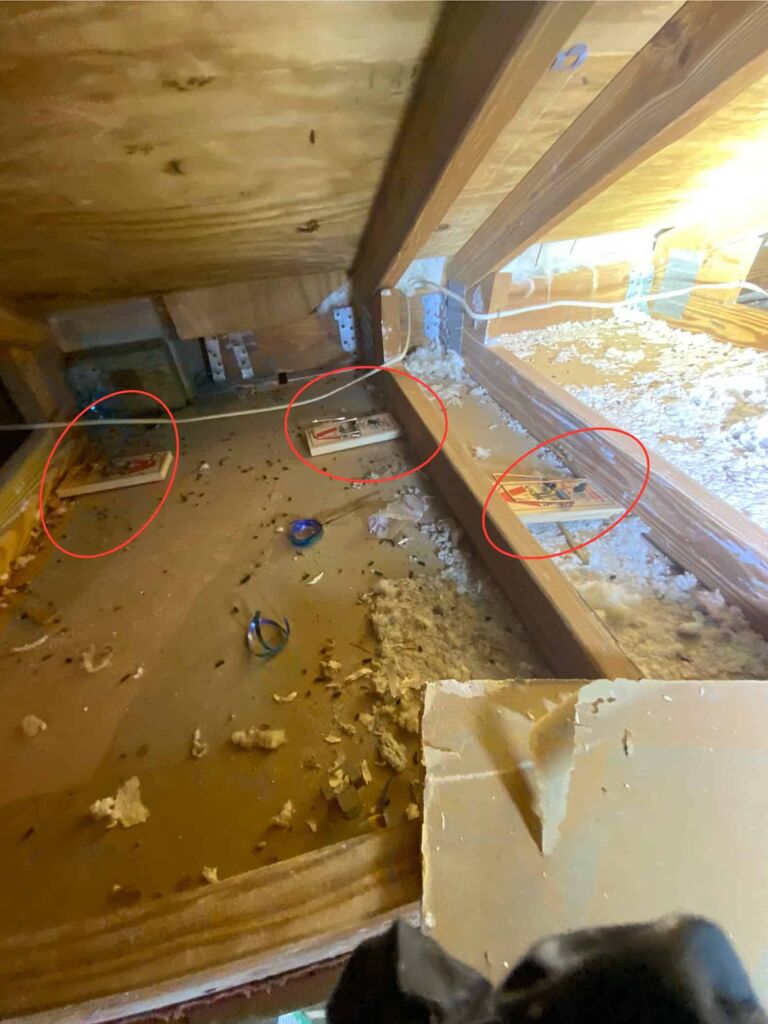
    Rats are often found in attics due to the warm, secluded, and safe environment these spaces provide. Attics offer shelter from predators and harsh weather conditions. Additionally, they are relatively undisturbed, making them ideal nesting sites. Rats can enter attics through small openings, vents, and gaps in the roofline, exploiting any weakness in a home’s exterior.

    Chewing and Gnawing Capabilities

    Rats have strong, continuously growing incisors that require constant gnawing to keep them trimmed. This gnawing behavior allows them to chew through various materials, including wood, plastic, and even soft metals. In homes, this can lead to significant structural damage, including gnawed electrical wires, which pose a fire hazard. Their chewing capabilities enable them to create and enlarge entry points, making it easier for them and other pests to infiltrate homes.

    Reinfestation Patterns

    Rats are known to reinfest the same areas repeatedly due to their strong territorial instincts and the availability of food and shelter. If a rat infestation is not adequately addressed, the scent trails left by previous rats can attract new ones. Additionally, if entry points are not sealed, rats will continue to exploit these access routes.

    Reproductive Cycle and Gestation Period

    Female rats have a short gestation period of about 21 to 23 days. They can give birth to litters ranging from 6 to 12 pups, and they can become pregnant again shortly after giving birth. This high reproductive rate means that a small number of rats can quickly multiply into a large infestation if not controlled.

    Maternal Care

    Rat mothers exhibit strong maternal instincts, caring for their young by nursing them and keeping them warm. The pups are born blind and hairless, relying entirely on their mother for sustenance and protection. The mother rat ensures that the nest is safe and well-hidden, moving the pups if she perceives a threat.

    Cannibalism

    Cannibalism can occur among rats, especially in overcrowded conditions or when food is scarce. It can also happen if a rat perceives a sick or weak member of the colony, as removing them can prevent the spread of disease and conserve resources.

    Norway Rats vs. Roof Rats

    Two common species of rats in Florida are the Norway rat (Rattus norvegicus) and the roof rat (Rattus rattus). Norway rats are larger, with a robust body and shorter tail compared to their body length. They prefer burrowing in the ground and are often found in basements and lower levels of buildings. Roof rats, on the other hand, are smaller and more agile, with a longer tail. They prefer high places, making attics, trees, and upper levels of buildings their preferred habitats.

    Natural Diet

    In nature, rats are opportunistic feeders with a diet that includes grains, fruits, vegetables, seeds, nuts, and small insects. They are highly adaptable and can survive on a wide range of food sources, which contributes to their resilience and persistence.

    Survival in Extreme Conditions

    Rats are highly adaptable creatures capable of surviving in harsh conditions, such as the extreme heat of attics. They are nocturnal, which helps them avoid the hottest parts of the day. They also utilize insulation and other materials to create cooler nests. While attics typically lack direct water sources, rats can find water from condensation on pipes, air conditioning units, and other sources. They can also obtain moisture from their food.

    Professional Pest Control Solutions

    Professional pest control companies, like Dave’s Pest Control, use a combination of methods to eliminate and prevent rat infestations. This includes:

    1. Inspection: A thorough inspection to identify entry points, nesting sites, and signs of infestation.
    2. Exclusion: Sealing entry points to prevent rats from entering the home.
    3. Trapping and Baiting: Using traps and bait stations to capture and eliminate existing rats.
    4. Sanitation: Advising homeowners on proper sanitation to remove food sources that attract rats.
    5. Monitoring: Regular monitoring to ensure that the infestation is under control and to detect any new activity.

    So if you are based in central or south Florida, feel free to contact us. We provide rodent control in Orlando, Port Orange, Deltona, Deland, New Smyrna, Lakeland, Davie and other areas of Florida.

    The Role of Rats in Spreading the Plague

    The plague, one of the most devastating pandemics in human history, is deeply intertwined with the presence of rats. This essay explores the definition of a plague, the historical context of the worst plague years, the role of rats in its transmission, the conditions that exacerbated its spread, and the evolution of modern technology in preventing its recurrence.

    Definition of a Plague

    A plague is defined as a contagious bacterial disease characterized by fever and delirium, typically with the formation of buboes (swollen lymph nodes). Plague can also refer more broadly to any large-scale calamity or epidemic causing significant mortality. Historically, the term “plague” is most often associated with the bubonic plague, caused by the bacterium Yersinia pestis.

    Historical Context

    The most notorious outbreaks of the plague occurred during the 14th century, with the worst years being 1347 to 1351. This pandemic, known as the Black Death, decimated populations across Europe, Asia, and North Africa. It is estimated that the Black Death killed about 25 to 30 million people in Europe alone, roughly one-third of the continent’s population at the time. The plague reappeared in waves over the following centuries, with significant outbreaks occurring into the 18th century.

    Names and Nicknames for the Plague

    The plague has been known by several names throughout history. The most famous is the “Black Death,” a term that evokes the grim and widespread mortality caused by the disease. It was also called the “Great Mortality” and, in some regions, the “Pestilence.” These names reflect the immense fear and devastation wrought by the epidemic.

    Rats and the Transmission of the Plague

    Rats, particularly the black rat (Rattus rattus), played a crucial role in the transmission of the plague. The disease is primarily spread through fleas that infest these rats. When an infected rat dies, the fleas seek new hosts, including humans. The bacteria, Yersinia pestis, is transmitted through flea bites, which then cause the characteristic symptoms of the plague in humans.

    While it is less common, direct contact with infected rats or consuming their contaminated meat could also lead to infection. However, the primary mode of transmission remained the fleas, which could bite humans and transfer the bacteria directly into their bloodstream.

    Conditions Aboard Wooden Ships

    The conditions aboard wooden ships during the plague years were dire and perfect for the spread of disease. Ships were crowded, with limited ventilation, poor sanitation, and ample food supplies that attracted rats. These rats would carry fleas infected with Yersinia pestis. Sailors and passengers lived in close quarters, facilitating the rapid spread of the plague once it was introduced. The lack of medical knowledge and the prevalence of unsanitary conditions only worsened the situation, making ships breeding grounds for the plague.

    Contemporary Understanding and Misconceptions

    During the plague years, doctors and religious leaders had limited understanding of the disease’s true cause. Many attributed the plague to divine punishment, bad air (“miasma”), or astrological events. Terms such as “God’s Wrath” were often used to describe the plague, reflecting the belief that it was a punishment for human sins. Medical practitioners of the time, known as plague doctors, wore beaked masks filled with aromatic substances to protect themselves from the “miasma.” These masks have since become iconic symbols of the plague.

    Modern Technology and Plague Prevention

    Today, modern technology and scientific advancements have significantly reduced the risk of plague outbreaks. Several factors contribute to this prevention:

    1. Improved Sanitation: Modern sanitation practices, waste management, and hygiene have drastically reduced rat populations in urban areas, cutting off a primary vector for the plague.
    2. Medical Advancements: Antibiotics, which can effectively treat Yersinia pestis infections, are widely available. Early diagnosis and prompt treatment can prevent the spread and severity of the disease.
    3. Pest Control: Effective pest control measures, including rodent management and flea eradication, have helped control potential outbreaks.
    4. Public Health Infrastructure: Strong public health systems and surveillance programs monitor and respond to disease outbreaks swiftly, preventing widespread transmission.
    5. Vaccination and Education: Vaccines and public education campaigns about the risks and prevention of zoonotic diseases have increased awareness and preparedness.

    The plague, particularly the Black Death, remains a poignant chapter in human history, illustrating the devastating impact of infectious diseases and the role of vectors such as rats in their transmission. Despite the grim legacy of the plague, modern technology, medical advancements, and improved public health practices have vastly reduced the risk of such pandemics reoccurring. Today, we are better equipped than ever to prevent and manage infectious diseases, ensuring that the lessons of the past continue to inform and protect future generations.

    Rats are a persistent and damaging pest in Florida, capable of causing significant structural damage and health risks. Understanding their behavior, reproductive habits, and the reasons for their frequent presence in attics can help homeowners take proactive measures. Professional rodent control services, like the ones offered by Dave’s Pest Control, play a crucial role in effectively managing and preventing rat infestations, providing peace of mind, and protecting the integrity of homes.

  • The Plight of Roaches in Florida: Metamorphosis, Species, and Control

    The Plight of Roaches in Florida: Metamorphosis, Species, and Control

    Roaches are a common and persistent pest in Florida, thriving in its warm and humid climate. The presence of these insects can be both a nuisance and a health hazard, leading to significant efforts and expenditures to control and eliminate them. This essay explores the various species of roaches found in Florida, their metamorphosis and nesting preferences, the financial and time costs of battling roaches, and the comparative effectiveness of professional pest control versus homeowner efforts.

    Metamorphosis and Nesting Preferences

    Roaches undergo a simple metamorphosis, consisting of three stages: egg, nymph, and adult. Female roaches produce egg cases, known as oothecae, which contain multiple eggs.

    Once hatched, the nymphs emerge as smaller versions of the adults, gradually molting and growing through several stages until they reach maturity.

    Roaches prefer dark, moist environments for nesting. Common nesting sites include kitchens, bathrooms, basements, and any area where food and water are readily available. They are particularly attracted to cluttered spaces where they can hide and breed undisturbed.

    Species of Roaches in Florida

    Florida is home to several species of roaches, each with distinct characteristics:

    1. American Cockroach: Also known as the “palmetto bug,” this large roach is commonly found in sewers, basements, and other damp areas. It can grow up to two inches in length and has a reddish-brown color with a distinctive yellowish figure-eight pattern on the back of its head.
    2. German Cockroach: This smaller species is the most common roach found in homes and businesses. German cockroaches are light brown with two dark parallel stripes on their backs. They prefer warm, humid environments, often infesting kitchens and bathrooms.
    3. Oriental Cockroach: Also known as the “water bug,” this species is dark brown to black and prefers cool, damp areas such as basements and crawl spaces. Oriental cockroaches are slower-moving and less likely to climb walls than other species.
    4. Brown-Banded Cockroach: This small, light brown roach has two lighter bands across its wings and is often found in drier, warmer areas of a home, such as behind picture frames and inside furniture.
    5. Wood Cockroach: Commonly found outdoors, wood cockroaches may enter homes but do not typically establish indoor infestations. They are similar in appearance to the American cockroach but are more tolerant of drier conditions.

    Financial and Time Costs of Battling Roaches

    Each year, significant resources are devoted to battling roaches in Florida. Homeowners and businesses spend millions of dollars on pest control products and services. The average household can spend hundreds of dollars annually on extermination and prevention measures, including sprays, traps, and professional pest control services.

    In addition to the financial cost, considerable time is spent on cleaning, sealing entry points, and maintaining a roach-free environment. The psychological toll of dealing with a roach infestation, including stress and anxiety, further adds to the overall burden.

    Professional Pest Control versus Homeowner Efforts

    Professional roach exterminators offer a range of services to effectively eliminate roaches:

    1. Inspection and Identification: Professionals conduct thorough inspections to identify the species of roach and the extent of the infestation. This step is crucial for developing a targeted treatment plan.
    2. Treatment: Professionals use advanced techniques and products, including baits, insect growth regulators, and residual insecticides, to eliminate roaches. These treatments are often more effective than over-the-counter products because they are specifically formulated for professional use.
    3. Prevention: Pest control companies provide ongoing monitoring and preventive treatments to ensure roaches do not return. They also offer advice on how to reduce attractants and eliminate nesting sites.
    4. Health and Safety: Modern insecticides used by professionals are designed to be effective against roaches while being safe for humans and pets. These products are rigorously tested and regulated to ensure they do not pose significant health risks when used according to label instructions.

    Homeowners, while able to use store-bought products and DIY methods, often find these measures less effective. Common DIY efforts include:

    1. Cleaning: Keeping the home clean and free of food debris is essential but often insufficient on its own.
    2. Sealing Entry Points: Homeowners can seal cracks and gaps to reduce roach entry, though this requires meticulous effort and may still leave vulnerabilities.
    3. Using Traps and Sprays: While these can help control small populations, they rarely address the root of the infestation and often require repeated applications.

    Roaches are a persistent problem in Florida, with several species adapting well to the state’s climate. Their life cycle and nesting preferences make them particularly challenging to control. The financial and time costs of battling roaches are significant, emphasizing the importance of effective pest control measures.

    Here at Dave’s Pest Control, we offer comprehensive solutions that are more effective and safer than DIY efforts, providing homeowners with peace of mind and a roach-free environment. Modern insecticides used by our professionals ensure that treatments are both effective against pests and safe for human inhabitants, making professional pest control the preferred option for managing roach infestations.

    The Truth About Roaches in Florida: Myths vs. Facts

    Roaches are a ubiquitous pest in Florida, thriving in the warm, humid climate. However, there are many myths and misconceptions about these insects. This blog will explore what is true and not true about roaches in Florida, debunk common myths, and explain why palmetto bugs are also roaches and how they got their name.

    Myth 1: Roaches Only Infest Dirty Homes

    • Fact: While it is true that roaches are attracted to food and water sources, they can infest even the cleanest homes. Roaches seek out warmth, moisture, and shelter, which can be found in any home. Crumbs and spills can attract them, but so can leaky pipes and hidden food sources.

    Myth 2: Roaches Only Come Out at Night

    • Fact: Roaches are indeed nocturnal and are most active at night. However, if you see roaches during the day, it often indicates a large infestation. During the day, they hide in dark, moist places like under sinks, inside walls, and behind appliances.

    Myth 3: Roaches Can Survive a Nuclear Explosion

    • Fact: While roaches are incredibly resilient and can survive without food for a month and without water for a week, the idea that they can survive a nuclear explosion is an exaggeration. They are more resistant to radiation than humans, but they are not indestructible.

    Myth 4: All Roaches Fly

    • Fact: Not all roaches have the ability to fly. Some species, like the American cockroach, can fly short distances, while others, like the German cockroach, have wings but are not strong fliers. Flight ability varies significantly between species.

    Myth 5: Roaches Are Harmless

    • Fact: Roaches can carry diseases and trigger allergies and asthma in sensitive individuals. They are known to spread bacteria such as E. coli and Salmonella, which can lead to food poisoning and other health issues.

    Palmetto Bugs: Roaches by Another Name

    In Florida, the term “palmetto bug” is commonly used to refer to large roaches, particularly the American cockroach. The name “palmetto bug” originates from their association with palmetto trees, where they are often found. Here’s why palmetto bugs are indeed roaches and how they earned their name:

    1. Species Identification: The American cockroach (Periplaneta americana) is the primary species referred to as a palmetto bug. It is one of the largest roach species, typically measuring around 1.5 to 2 inches in length.
    2. Habitat: These roaches are often found in warm, moist environments, including palmetto trees, which are common in Florida. The association with these trees led to the colloquial name “palmetto bug.”
    3. Behavior: Like other roaches, palmetto bugs are nocturnal and seek out food, water, and shelter in homes and other buildings. They are capable of flying, which can make their presence even more alarming to homeowners.

    True Facts About Roaches in Florida

    1. Species Diversity: Florida is home to several species of roaches, including the American cockroach, German cockroach, Oriental cockroach, and brown-banded cockroach. Each species has unique behaviors and habitat preferences.
    2. Health Risks: Roaches in Florida can pose significant health risks by spreading bacteria and allergens. Their presence in homes can contaminate food and exacerbate respiratory conditions.
    3. Reproduction and Infestation: Roaches reproduce rapidly, with some species capable of producing hundreds of offspring in a year. This rapid reproduction contributes to the difficulty of controlling infestations once they begin.
    4. Adaptability: Roaches are highly adaptable and can survive in a variety of environments. Their ability to eat almost anything, including glue, soap, and even hair, makes them particularly resilient.

    Roaches in Florida are surrounded by myths and misconceptions, but understanding the facts can help in effectively managing and preventing infestations. While roaches are not indestructible and can infest any home, their presence poses genuine health risks. Palmetto bugs, often mistaken as a separate entity, are actually large roaches commonly found in Florida. By dispelling myths and relying on factual information, homeowners can better protect their homes and health from these persistent pests.

    Call us today for a free estimate for your home, business, or condominium.


  • Drywood Termites: Destroyers of Wooden Structures

    Drywood Termites: Destroyers of Wooden Structures

    Drywood termites are a formidable pest that can cause extensive damage to wooden structures, furniture, and other cellulose-based materials. Unlike their subterranean counterparts, drywood termites do not require contact with soil and can thrive in dry, sound wood.

    Let’s take a deep dive into the biology, behavior, and lifecycle of drywood termites, their swarming characteristics, the damage they inflict, and strategies for prevention and control.

    Swarming Characteristics and Timing

    Drywood termites exhibit swarming behavior, which is a key part of their reproductive cycle. Swarming typically occurs during warm months, often in late spring through early fall, with peak activity in late summer. Swarmer, also known as alates, are winged reproductive termites that leave their colony to mate and establish new colonies. This dispersal flight usually happens during the day, particularly after a rainstorm when the air is humid and temperatures are favorable.

    Appearance

    Drywood termite alates are distinguishable by their appearance:

    • Color: They range from light brown to dark brown.
    • Size: Alates are about 1/2 inch long, including their wings.
    • Wings: They have two pairs of long, equal-length wings with a distinctive vein pattern, which they shed shortly after swarming.

    Workers and soldiers, which remain within the colony, are smaller and less conspicuous:

    • Workers: Creamy white to light brown and wingless, about 1/4 inch long.
    • Soldiers: Similar in size to workers but have large, dark mandibles and elongated, darker heads.

    Lifecycle and Metamorphosis of Drywood Termites

    Drywood termites undergo incomplete metamorphosis, consisting of three stages: egg, nymph, and adult.

    1. Egg: Laid by the queen within the wood, these hatch into nymphs.
    2. Nymph: These immature termites molt multiple times, gradually increasing in size. Nymphs can develop into workers, soldiers, or reproductives (alates) depending on the colony’s needs.
    3. Adult: Mature nymphs transform into either winged alates or specialized soldiers and workers. Alates eventually leave the colony to swarm, mate, and establish new colonies.

    Habitat and Distribution in Florida

    Drywood termites are prevalent in warm, coastal regions where the climate is conducive to their survival. In Florida, they are most commonly found in:

    • Coastal Areas: Particularly in South Florida, where the warm, humid climate provides ideal conditions.
    • Urban Areas: Infestations are frequently reported in older, wooden buildings that offer ample food sources and shelter.

    Damage Characteristics

    Damage caused by drywood termites can be severe, often going unnoticed until it becomes extensive. Signs of damage include:

    • Hollowed Wood: Termites consume wood from the inside out, leaving a thin veneer on the surface. Affected wood sounds hollow when tapped.
    • Frass: This is the term for termite droppings, which resemble small, hard pellets and are often found in piles beneath infested wood. Frass can vary in color, ranging from light beige to dark brown, depending on the type of wood consumed.
    • Galleries: Internal tunnels within the wood, which are smooth and clean, indicating termite activity.

    Preventing and Controlling Drywood Termites

    Preventing drywood termite infestations involves several proactive measures:

    • Regular Inspections: Conduct routine inspections of wooden structures, particularly in attics, eaves, and other vulnerable areas.
    • Sealing Cracks: Seal cracks and crevices in wooden structures to prevent termites from gaining entry.
    • Reducing Wood Contact: Ensure that wood is not in direct contact with soil or exposed to moisture.

    If an infestation is suspected or confirmed, professional pest control is essential. Treatment options include:

    • Fumigation: This involves enclosing the structure and releasing a gas that penetrates wood to kill termites.
    • Localized Treatments: Spot treatments with insecticides can target specific infested areas.
    • Wood Treatments: Applying borate-based products to wood can help prevent termite infestations.

    As you can see, Drywood termites are a significant pest that poses a serious threat to wooden structures in Florida. Their ability to live within and consume dry wood, coupled with their elusive nature, makes them a challenging adversary. Understanding their biology, behavior, and signs of infestation is crucial for effective prevention and control. Regular inspections, proactive measures, and professional pest control services are essential to protect homes and properties from the destructive impact of drywood termites.

    Spot Treatments: A Targeted Approach

    Spot treatments are a localized method of termite control that targets specific areas of infestation. Professional pest control companies use a variety of techniques to effectively treat drywood termite infestations:

    Identification and Inspection:

      • Visual Inspection: Trained professionals conduct thorough visual inspections to identify signs of termite activity, such as frass, kick-out holes, and damaged wood.
      • Detection Tools: Advanced tools like moisture meters, infrared cameras, and acoustic devices help locate termite colonies within the wood.

    Treatment Methods:

      • Localized Injections: This involves injecting liquid termiticides directly into the infested wood. The pesticide permeates the wood, killing termites on contact. Professionals drill small holes into the wood to inject the termiticide, ensuring it reaches the colony.
      • Foam Treatments: Foam termiticides expand within the wood, providing thorough coverage and penetration into hard-to-reach areas. This method is effective for treating large infestations within walls and voids.
      • Dust Applications: Insecticidal dusts are applied into the termite galleries. As termites move through the dust, they carry it back to the colony, leading to widespread eradication.
      • Wood Treatments: Borate-based treatments can be applied to wood surfaces. Borates penetrate the wood and act as a long-term deterrent against termites, preventing future infestations.

    Benefits of Professional Spot Treatments

    Engaging professional pest control services for spot treatments offers several advantages:

    Expertise and Experience:

      • Accurate Identification: Professionals have the expertise to accurately identify the extent and severity of termite infestations.
      • Targeted Application: Skilled technicians can effectively target specific infested areas, ensuring thorough treatment without unnecessary damage to the structure.

    Safety and Efficacy:

      • Proper Handling of Chemicals: Professionals are trained in the safe handling and application of termiticides, minimizing risks to occupants and pets.
      • Effective Results: Professional treatments are more likely to achieve complete eradication, preventing reinfestation and further damage.

    Preventive Measures:

      • Comprehensive Solutions: In addition to spot treatments, professionals can offer preventive measures such as wood treatments, moisture control, and regular inspections to protect against future infestations.

    How are drywood termites different from subterranean termites?

    Subterranean termites and drywood termites vary in several key aspects:

    Color and Appearance:

      • Subterranean Termites: Typically, subterranean termites are creamy white to dark brown or black, depending on their caste (worker, soldier, or reproductive). The workers are lighter in color, while the alates (swarmer) are darker with wings.
      • Drywood Termites: Drywood termites are generally light brown to dark brown. The soldiers have a distinctive large, dark head with strong mandibles, and the alates are dark brown with wings.

    Nesting Behavior:

      • Subterranean Termites: These termites build their nests underground, requiring contact with soil for moisture. They construct intricate tunnel systems to reach wood sources above ground. Mud tubes, which provide protection and moisture as they travel, are a hallmark of subterranean termite activity.
      • Drywood Termites: In contrast, drywood termites do not need soil contact and can live directly in the wood they consume. They create colonies inside the wood and expel their frass (droppings) through small holes, leaving behind piles of pellets.

    Metamorphosis and Lifecycle: Both subterranean and drywood termites undergo incomplete metamorphosis, consisting of three stages: egg, nymph, and adult. However, their lifecycles exhibit unique characteristics:

      • Subterranean Termites:
        • Egg: The queen lays eggs in the nest, which hatch into nymphs.
        • Nymph: These immature termites molt several times, developing into workers, soldiers, or reproductive.
        • Adult: Reproductives (alates) leave the colony to swarm, mate, and establish new colonies. Workers and soldiers remain to maintain and defend the nest.

      • Drywood Termites:
        • Egg: Laid within the wood, these hatch into nymphs.
        • Nymph: Nymphs molt multiple times, eventually becoming workers, soldiers, or alates.
        • Adult: Alates swarm to establish new colonies, while soldiers and workers sustain the existing colony.
        • Swarming: Swarming is a critical reproductive event for both types of termites. During swarming, winged alates leave their colonies to mate and form new colonies. This usually occurs during warm months, often after rain. Subterranean termites typically swarm in the spring, while drywood termites can swarm throughout the year, depending on environmental conditions.

    Professional Pest Control Solutions

    Dealing with termite infestations requires professional expertise and intervention. Pest control companies offer comprehensive services to protect homes from termite damage:

    • Inspection and Identification: Expert termite exterminators conduct thorough inspections to identify the type of termite and the extent of the infestation. They look for signs such as mud tubes, frass, damaged wood, and swarmer.
    • Treatment Options:
      • Chemical Treatments: Liquid termiticides can be applied to the soil around a structure, creating a barrier that kills termites upon contact. Non-repellent termiticides allow termites to transfer the poison to the colony, ensuring more effective elimination.
      • Bait Systems: Bait stations are strategically placed around the property. Termites consume the bait and share it with the colony, eventually leading to its collapse.
      • Fumigation: For severe drywood termite infestations, whole-structure fumigation may be necessary. This involves sealing the building and introducing a gas that penetrates wood to eliminate termites.
    • Preventive Measures: Professionals provide recommendations to prevent future infestations, such as:
      • Moisture Control: Fixing leaks, ensuring proper drainage, and reducing humidity levels to make the environment less conducive to termites.
      • Wood Treatments: Applying borate solutions to wood to deter termites.
      • Regular Inspections: Scheduling periodic inspections to catch infestations early and address them promptly.

    Subterranean termites are a formidable threat to homeowners, distinguished from drywood termites by their nesting behavior, physical characteristics, and reliance on soil contact. Understanding their lifecycle and swarming habits is essential for effective control and prevention.

    We here at Dave’s Pest Control offer termite inspections, treatments, and preventive measures, to protect your home from these destructive pests. So, if you are based in central or south Florida, feel free to call us. We offer pest control in Winter Haven, Winter Park, Pembroke Pines, Boynton Beach, Weston and other areas of Florida.