Dave's Pest Control

Author: TolleWebDesign

  • Tiny Black Ants in House

    Tiny Black Ants in House

    Tiny black ants making way into your homes or business is very common, especially in Florida where the humid climate creates a perfect breeding ground for them. If you’ve noticed them moving in lines in your homes, you’re not alone. Tiny black ants have been a common problem for almost everyone in Florida. But, not to worry! There are effective ways to get rid of them and prevent them from coming back.

    Appearance of Black Ants

    Size

    1/8 to 1/4 inch long

    Body Structure

    Segmented body with a distinct head, thorax, and abdomen

    Antennae

    Long and slender

    Common Types

    Includes carpenter ants and pavement ants, each with slight variations

    What do Tiny Black Ants Eat?

    Proteins:

    They consume protein sources like insects and seeds etc.

    Fats:

    Some species will eat fatty substances, which provide them with essential energy.

    Plant Material:

    They may also feed on plants such as nectar, fruits, and seeds.

    Sugar:

    They are attracted to sweet eatables, such as honeydew or other sugary foods.


    tiny black ants on sugar

    Why Are There Tiny Black Ants in My House?

    If you are noticing a few ants, it is not a problem. But if you have started seeing a huge number of tiny ants daily, there is surely something in your home that is attracting them.

    Some of the reasons why you might find tiny black ants in your house include:

      1. Food Sources:
      2. Ants mostly enter homes to feed themselves. Make sure to keep food stored in tight containers and empty your dustbins daily to avoid ants.
      3. Cracks and Gaps:
      4. Ants use tiny cracks in walls, windows, and foundations to enter your home. Any small gap can be the cause of ants’ infestation.
      5. Nesting Habits:
      6. Many types of ant nest in walls behind baseboards, or other hidden spots within your home.

    How to Identify Tiny Black Ants?

    There are different types of ants in Florida, Let’s see how we can identify them depending on their characteristics or appearance.

    Common Types of Tiny Black Ants in Florida

      1. Odorous House Ants
        These ants are dark brown to black and about 1/8 inch in length. They release unpleasant odor when crushed. They are mostly found in kitchens searching for food.
      2. Ghost Ants
        Ghost ants are very small in size and have a pale or translucent abdomen, making them look like tiny black ants. They are usually found in moist areas like bathrooms, kitchens, water pipes, and around plumbing fixtures.
      3. Argentine Ants
        Argentine ants are dark brown to black and a bit larger than odorous house ants. They are highly aggressive and can quickly establish large colonies inside your home.
      4. Carpenter Ants
        They are bigger than other ants in size and often appear black. These ants can cause structural damage as they build nests in wood.

    How to Get Rid of Tiny Black Ants in Your House?

    There are several methods to eliminate ants from homes, both natural remedies and chemical solutions. However, combination of treatment and prevention is important to get rid of ants for a longer term.

    Identify Entry Points

    Ants usually enter through cracks, gaps, or crevices in doors or windows. Conduct a thorough inspection, sealing any potential entry points with caulking or weather stripping.

    Remove Food and Water Sources

    To discourage ants from entering your home, remove what attracts them, i.e. food. Ensure your kitchen is clean and food is stored in airtight containers. Focus on areas near sinks and plumbing, as ants are attracted to moisture.

    Use Natural Remedies

    Let’s look at some natural methods to deter ants:

    • Vinegar and Water: A Solution with equal quantity of white vinegar and water can be used to clean surfaces where ants have been spotted. Vinegar breaks their scent trails, making it harder for them to navigate.
    • Lemon Juice: Like vinegar, lemon juice can also break scent trails. Spray it along door frames, and baseboards.
    • Cinnamon and Peppermint: Both cinnamon and peppermint oil act as natural repellents. Sprinkle cinnamon near entry points or use cotton balls soaked in peppermint oil to create a barrier.

    Apply Ant Bait

    Ant bait is one of the most effective ways to eliminate ants because they target the whole colony. Baits work by attracting worker ants, who carry the poison back to the nest, eventually killing the queen and other ants. Let’s explore the effective way to get the best results:

    • Place bait stations in areas where ants are commonly seen.
    • Avoid using sprays or repellents near bait stations, as this may deter ants from taking the bait.
    • Be patient! Baits take a few days to work but can lead to complete eradication.

    Call a Professional Ant Exterminator

    Still facing an ant problem? It is probably the time to call a professional ant exterminator as they know how to get rid of ants completely and protect your homes from future infestations. If you live in central or south Florida, Dave’s pest control is the best option. We offer ant control service in Orlando, Port Orange, Daytona, Lakeland, Winter Garden, Delray Beach, Pompano Beach and other areas of Florida.

    How to Prevent Tiny Black Ants from Coming Back?

    Once you have treated the infestation, it is important to take preventive measures to stop them from coming back.

    Here are some tips to follow:

    1. Seal all the entry points
    2. Store food in airtight containers
    3. Maintain cleanliness
    4. Remove moisture sources
    5. Regular inspection and pest control

    Conclusion

    If you understand the basics of ant nature and follow prevention methods and removal strategies, you can keep them away for good. Dealing with tiny black ants in your house can be challenging, but addressing this issue in a timely manner will help you maintain a clean and safe living environment.

    Related Articles

    1. Fire Ants in Florida
    2. Types of Ants Which Kill Grass
    3. How to Get Rid of Sugar Ants
  • How To Get Rid Of Sugar Ants

    How To Get Rid Of Sugar Ants

    Sugar ants are the common pests, mostly found in kitchens and pantries. These tiny insects are attracted to sweet foods, which is why they are often seen moving in lines toward your sugar bowl, honey jar, or any sweet thing you forgot to clean up. While they may seem harmless, sugar ants’ infestation can quickly become a problem. The good news is that with the right approach, you can get rid of sugar ants and prevent them from coming back.

    Let’s dig into this article and go through everything you need to know to handle these pesky insects.

    What are sugar ants?

    Sugar ants are known as odorous house ants. They are small, dark brown or black ants that love sugary foods. They get their name from their strong attraction to sweets like sugar, syrup, and honey. These ants are often found in kitchens, bathrooms, and other areas where food and moisture are present.

    While sugar ants are not a direct threat to humans, they can contaminate food and become a persistent problem if not treated timely. To get rid of sugar ants, understanding their behavior and habits is necessary.

    Why do sugar ants invade your home?

    Sugar ants enter homes in search of two things: food and water. They’re particularly attracted to:

    • Sweet foods: Sugar, honey, syrup, and sugary drinks.
    • Greasy or protein-rich foods: Crumbs, spills, and leftovers.
    • Moisture: Leaky pipes, damp areas, and standing water.

    Once sugar ants find a reliable food source, they leave a scent trail for other ants to follow, this is why you often see them moving in a straight line.

    Signs of a Sugar Ant Infestation

    Before you start tackling the problem, it’s important to confirm that you’re dealing with sugar ants. Here are some common signs of an infestation:

    1. Trails of ants: A line of ants moving to and from a food source.
    2. Nests: Small piles of dirt or debris near walls, under sinks, or in cracks.
    3. Food contamination: Ants crawling on food containers or surfaces.
    4. Swarms: Large groups of ants, especially during warmer months.

    If you see any of these signs, it is surely the presence of sugar ants, and you definitely need to call a professional ant exterminator in your area.

    Steps to Get Rid of Sugar Ants Effectively

    1. Identify and Eliminate the Food Source

    The first step in getting rid of sugar ants is to cut off their food supply.

    • Clean thoroughly: Wipe down countertops, sweep floors, and clean up spills immediately.
    • Store food properly: Keep sugary foods in airtight containers.
    • Take out the trash: Dispose of garbage regularly and use trash cans with tight-fitting lids.
    • Fix leaks: Repair any leaky pipes or faucets to eliminate water sources.
    1. Locate and Destroy the Nest

    Finding the ant nest is crucial for long-term control. Look for nests in:

    • Cracks and crevices: Check walls, baseboards, and under appliances.
    • Outdoor areas: Inspect gardens, mulch beds, and near foundations.

    Once you locate the nest, you can use different methods to destroy it.

    1. Use Natural Remedies

    If you prefer eco-friendly solutions, try natural remedies to get rid of these sugar ants:

    • Vinegar solution: Mix equal quantity of vinegar and water in a spray bottle. Spray it along ant trails and entry points to disrupt their scent trails.
    • Lemon juice: The acidity of lemon juice repels ants. Squeeze lemon juice near the entry points or wipe surfaces with it.
    • Cinnamon: Sprinkle ground cinnamon or place cinnamon sticks near ant trails. The strong scent deters ants.
    • Diatomaceous earth: This natural powder dehydrates and kills ants. Shower it around nests and entry points.
    1. Set Up Ant Baits

    Ant bait is an effective way to eliminate the full colony. The worker ants carry the bait back to the nest, where it kills the queen and other ants.

    • Choose the right bait: Sugar ants prefer sweet bait. Look for products containing borax or boric acid.
    • Place baits strategically: Put them near ant trails, nests, and entry points.
    • Be patient: It may take a few days to see results as the bait works its way through the colony.
    1. Seal Entry Points

    Prevent ants from entering your home by sealing the potential entry points:

    • Caulk cracks: Use caulk to seal cracks in walls, windows, and doors.
    • Install door sweeps: Add sweeps to exterior doors to block gaps.
    • Repair screens: Fix torn window and door screens.
    1. Use Chemical Treatments

    For severe infestations, chemical treatments may be necessary.

    • Ant sprays: Use sprays labeled for indoor use to kill ants on contact.
    • Granular insecticides: Apply these insecticides outdoor around the perimeter of your home to create a barrier.
    1. Call a Professional Pest Control

    If the infestations are huge, you would probably have to contact a professional ant exterminator. Dave’s pest control has been providing pest control services in Winter Haven, Lakeland, Port Orange, Sanford, Orlando, Longwood, Davie and all other surrounding areas of Central and South Florida for more than 45 years.

    Preventing Future Sugar Ant Infestations

    Once you’ve eliminated the ants, take steps to prevent them from returning:

    1. Maintain cleanliness: Regularly clean your home, especially the kitchen and dining areas.
    2. Store food properly: Keep food in sealed containers and avoid leaving leftovers out.
    3. Fix moisture issues: Address leaks and reduce humidity in your home.
    4. Trim vegetation: Keep plants and trees trimmed away from your home to reduce ant access.
    5. Monitor regularly: Check for signs of ants and address any issues promptly.

    Conclusion

    Following the steps outlined in this guide, you can effectively eliminate these sugar ants from your home and prevent them from coming back. Regular cleaning, proper food storage, and preventive measures will go a long way in keeping your home protected from ants. 

    Related Articles

    1. Fire Ants in Florida
    2. Types of Ants Which Kill Grass
    3. How to Treat Ghost Ants
  • Bed Bug Droppings

    Bed Bug Droppings

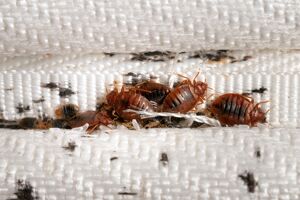
    Bed bugs can hide but their dropping cannot! Have you ever noticed tiny dark stains on your mattress or furniture and are confused about where they have come from? These marks could be a sign of bed bugs. Specifically, they could be bed bug droppings, one of the most common signs of a bed bug infestation.

    What Are Bed Bug Droppings?

    Bed bug droppings are basically the waste material excreted by bed bugs after they consume blood. These droppings consist mainly of digested blood, which gives them their dark color. Unlike solid waste from larger pests, bed bug poop is semi-liquid and can stain surfaces such as mattresses, sheets, walls, and furniture.

    What Do Bed Bug Droppings Look Like?

    Lets see how bed bug poop looks like in shape, color and size so that we can have a better idea to identify their infestation.

    Color

    Typically, dark brown or black

    Shape

    Small dots or smudges, often compared to ink spots from a marker

    Consistency

    Semi-liquid; they soak into fabrics or leave crusty residues on hard surfaces

    Size

    Tiny, about 1 mm in diameter

    How to find and Identify Bed Bug Droppings

    Let’s find out where the bed bugs mostly hide themselves and how we can identify if they are the bed bugs or not.

    1. Look in Common Hiding Spots

    Bed bugs prefer to hide in cracks, crevices, and near their feeding grounds. It can be any of the spots below:

    • Mattresses and Box Springs
    • Sheets and Pillowcases
    • Furniture
    • Walls and Baseboards

    bed bug infestation that needs to be removed by professional pest control service

    1. Perform the Smudge Test

    Rub the stain gently with a wet cloth. If it spreads and makes a dark mark, it is most probably the bed bug droppings.

    Health Risks of Bed Bug Feces

    Bed bug feces don’t carry diseases, but they can still pose some health concerns:

    1. Allergic Reactions

    Bed bug droppings may trigger some allergic reactions such as:

    • Skin rashes
    • Eye irritation
    1. Psychological Stress

    The presence of bed bug poop can cause insomnia and stress.

    1. Bacterial Exposure

    Although rare, bed bug droppings can harbor bacteria, which may pose a risk if inhaled or encounter the open wound.

    bites of bed bugs

    How to Clean Bed Bug Droppings

    Once you’ve identified bed bug feces, it is very important to clean the infected area. Let’s explore how you can sanitize the area perfectly.

    Materials Needed

    • Vacuum cleaner with a HEPA filter
    • Mild detergent or cleaner
    • Warm water and soft cloths
    • Gloves

    Cleaning Process

    1. Vacuum the Area

    Use a vacuum cleaner to remove droppings, eggs, and other materials. Focus on gaps, crevices, mattress seams, and furniture joints. Dispose of the vacuum bag immediately to prevent spreading.

    1. Pre-Treat Stains

    For surfaces like sheets or mattresses, apply a light detergent or stain remover and leave it for 15 – 20 mins so that it can sit and adjust properly.

    1. Wipe or Scrub

    For hard surfaces, dampen a cloth with warm water and detergent, then wipe the droppings gently.

    1. Wash Fabric Items

    Wash the sheets or pillowcases that have been infested, in hot water and then dry them on high heat.

    1. Sanitize

    After cleaning, use a disinfectant spray to kill lingering bacteria.

    1. Inspect Again

    Double check the infected area to see if there are any signs of bed bugs or droppings still left or not.

    Conclusion

    Bed bug poop is an early warning sign of an infestation. By knowing how to identify, clean, and prevent them, you can take proactive steps to keep your homes protected from bed bugs.

    Calling a professional bed bug exterminator should always be considered as soon as you see the bed bug droppings in a large quantity as it is the sign of infestation. They come up with the advanced tools and techniques to cater the bed bug infestations and apply the preventive measures to stop them from coming back.

    Dave’s pest control is one of the best companies in Florida, providing pest control service in Port Orange, Daytona, Sanford, Lakeland, Orlando, Fort Lauderdale, Boca Raton and other areas of central and south Florida so you can reach out anytime to protect your homes from bed bugs.

    Related Articles

    1. Dealing with Bed Bugs! How to Eliminate Them
    2. Baby Bed bugs
    3. Signs of Bed Bug Infestation
  • Water Bugs vs Cockroaches: Key Differences

    Water Bugs vs Cockroaches: Key Differences

    If you have come across a creepy pest in your home but don’t know if it’s a cockroach or a water bug, this guide is for you. This guide will help you understand the similarities and differences between these two insects and develop effective strategy to eliminate them.

    Physical Differences between Water Bugs and Cockroaches

    Trait Water Bugs Cockroaches
    Size Larger (up to 4 inches) Smaller (1–2 inches)
    Color Dark brown to black Reddish-brown or black
    Shape Oval body with flat appearance Slim, elongated body
    Legs Paddle-like hind legs Long, spindly legs
    Antennae Shorter Long and prominent

    Water Bugs vs Cockroaches: Behavioral Difference

    Water Bugs:
    Water bugs are mostly found in outdoor aquatic places such as ponds, streams, lakes, and pools. As natural predators, they feed on live species like fish, tadpoles, and smaller insects. They are less likely to be found in groups and avoid human interaction unless frustrated.

    Roaches:
    Cockroaches love indoor environments, favoring dark, warm, and humid areas such as kitchens, basements, and bathrooms. They are omnivorous and can eat everything that includes food scraps to non-food items like glue and cardboard. Roaches are highly social insects that live in large colonies and reproduce rapidly. They are most active at night, seeking food and water.

    Are Roaches and Water Bugs Harmful?

    Aspect

    Water Bugs Cockroaches
    Bites Can bite if threatened or harassed, causing pain but no lasting harm. Do not bite humans but contaminate food and surfaces.
    Disease Spread No major disease risk Carrier to diseases like salmonella, E. coli, and allergens
    Allergy Risks Minimal High, especially for people with asthma or sensitivities

    How to Control Water Bugs

    Water bugs are usually found in ponds or pools outside, they rarely enter the homes but if you see one in home, follow these steps to prevent them from coming in.

    • Eliminate all kinds of water resources around your home and fix leaks if any
    • Seal all entry points such as close gaps or cracks in windows or doors or any other possible entry points to prevent them.
    • Water bugs are attracted to light so try reducing outdoor lighting that can attract them to enter homes.
    • Essential oils like tea tree or peppermint can also discourage water bugs from entering your home.

    How to Control Cockroaches

    Roaches need to be controlled through a proper strategy and approach as they are mostly found inside homes and have the fast reproduction rate causing quick infestations. Let’s have a look on what can de done to prevent them from entering the homes.

    • Sanitation

    Sanitation is extremely important to prevent cockroaches. Keep your kitchen clean and store all the food in sealed containers. Keep the area under furniture, cabinets or appliances clean to avoid roaches.

    • Baiting and Trapping

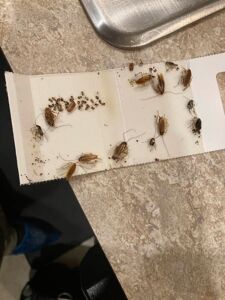
    Use gel baits to attract and kill roaches. Sticky traps can capture roaches and help you monitor infestation levels.

    • Insecticides

    Apply targeted sprays in cracks, crevices, and other hiding spots as roaches usually keep themselves hidden throughout the day and come out at night.

    Water Bugs vs Roaches: Natural Remedies for Prevention

    Remedy Water Bugs Cockroaches
    Essential Oils Peppermint or eucalyptus oil can repel them Tea tree or citrus oil can deter them
    Dish Soap A quick spray of soapy water kills water bugs Not effective for roaches
    Baking Soda Ineffective Deadly to roaches when ingested

    Common Myths

    • Water Bugs and Cockroaches Are the Same: False. They are different insects with different habitats and behaviors.
    • Water Bugs Infest Homes Like Roaches: Rarely true. Water bugs may enter homes occasionally but are not persistent indoor pests.
    • Roaches Only Live in Dirty Homes: False. Roaches can invade even clean homes if they find food, water or a place to infest.

    When to Call Pest Control Professionals

    Calling professional pest control as soon as possible is recommended because if you see one cockroach, there are surely a lot more and your home is most probably infested. But in case of water bugs, you can call an exterminator if you think the infestation is heavy and can’t be controlled by DIY methods.

    In case you can’t identify between water bug or roaches, it is advised to reach out to a professional as they know what to do and how to do. Moreover, they also make sure to protect your home from future infestations.

    Wondering how to find out a reliable pest control company?

    Finding a trusted company is pretty simple! checkout the google reviews and see if they are serving in your city. If you are based in central or south Florida, Dave’s pest control is here to help with your pest control needs in Orlando, Lakeland, Winter Park, Davenport, Winter Haven, Winter Garden, Coral Springs and other surrounding areas. 

    Conclusion

    Understanding the difference between water bugs and cockroaches is necessary to take effective pest control measures as both of them need different techniques to get rid of. Water bugs are typically outdoor pests with minimal health risks whereas cockroaches are usually found within the homes and pose significant threats to health and hygiene.

    By implementing preventive measures, using natural remedies, or seeking professional pest control services, you can protect your homes from these roaches and water bugs.

  • What Attracts Bed Bugs? A Guide For Florida Homeowners

    What Attracts Bed Bugs? A Guide For Florida Homeowners

    No one wants to encounter bed bugs, but unfortunately, they are a very common problem in homes across Florida. They are not just annoying; they don’t even let you sleep, and their bites cannot be ignored. Once they settle in, they can be hardest to get rid of.

    But what attracts bed bugs? Let’s explore the factors and find out what it is that draws bed bugs into your home and what protection measures you should take to safeguard yourself and your family.

    What Are Bed Bugs Attracted To?

    Let’s look into the factors that bring bed bugs to your homes and how you can protect your homes from them.

    Carbon Dioxide and Body Heat

    Bed bugs are attracted to the carbon dioxide we breathe out and the heat our bodies emit. These are the strong signals to let them know a human is nearby, so they come over to get the blood they need to survive.

    Warm, Humid Environments

    Florida has the ideal weather for beg bugs to grow and thrive, and they reproduce more quickly in humid conditions.

    Human Activity and Habitation

    Bed bugs don’t fly or jump; they depend on human activity. Places like hotels, airports, and rental homes where there is high foot traffic are considered perfect places for bedbugs to take a ride and find their new homes.

    Used Furniture

    Used furniture is one of the most common ways for bed bugs to enter homes. Florida’s yard sale culture and thrift stores make it easy for infested furniture to make its way into unsuspecting homes.

    Clutters

    Bed bugs love hiding in dark, cramped spaces, and clutter gives them plenty of hiding spots. While clutter itself doesn’t attract bed bugs, it makes it harder to detect and eliminate them.

    Soft Surfaces

    Bed bugs love soft materials such as mattresses, bedding, or sofas. These things provide them a safe place to hide and wait for their favorite food source, i.e., humans.

    Signs of a Bed Bug Infestation

    Bed bug infestations can only be controlled if we are able to identify their presence in homes. Let’s look into some common signs that hint towards the infestation.

    Bed bugs infestation

    • Bites: small, itchy red welts, often in a line or cluster, on your skin after sleeping.
    • Stains: Tiny blood stains or black spots on sheets, mattresses, or furniture.
    • Odor: A musty, sweet smell in heavily infested areas.
    • Shed Skins: Transparent exoskeletons left behind as bed bugs grow.

    How to Protect Your Florida Home

    Everyone wants to protect their homes from bed bugs but doesn’t know how it can be done! Let’s see what attracts bed bugs and figure out some tips to avoid bed bug infestations and keep your homes protected.

    Inspect Regularly

    You should do a thorough inspection of mattresses, bed frames, and furniture on a daily basis, specifically when you go to sleep.

    Be Vigilant When Traveling

    Always inspect your hotel rooms for bed bugs, as they can reach out in your room through the luggage you carry.

    Declutter Your Space

    By reducing clutter, you eliminate potential hiding spots for bed bugs, making it easier to detect and remove them.

    Use Bed Bug Traps

    Place traps near bed legs and furniture to monitor for bed bugs. These traps help you detect their presence early.

    Contact a Professional Pest Control

    If you are sure that your home is infested by the bed bugs, reach out to us. We have been providing extermination services in Port Orange, New Smyrna, Lakeland, Orlando, Boca Raton and surrounding areas

    Why Are Bed Bugs a Consistent Issue in Florida?

    The humid and warm weather of Florida makes it a perfect place for pests like bed bugs to grow. Unlike colder climates where bed bug activity slows during winter, Florida’s mild winters allow them to thrive year-round.

    Conclusion

    Other than carbon dioxide, body heat, and soft surfaces, bed bugs can also get into your home through the luggage you bring in. As you now know what attracts bed bugs to your home, taking proper preventive measures, such as regular inspections, can protect your homes from these bugs.

    If you suspect an infestation, it’s always the best option to call a professional bed bug control service to eliminate those bugs, as they have expertise, and their treatment would be effective in making your home completely protected from bugs.


  • Rats in Attic

    Rats in Attic

    Having rats in the attic is one of the worst experiences one can face. They are destructive, posing serious risks to both property and health. Therefore, it’s essential to understand why they get into the attic and how we can get rid of them.

    Why Do Rats Enter Attics?

    Attics offer everything a rat ideally needs to thrive, be it shelter, food, or warmth. Rats also consider attics as a safe place to protect themselves from predators.

    Warmth

    Attics provide insulation and warmth, especially in colder months.

    Food Sources

    If you have bird feeders, pet food, or garbage bins close to your home, rats have easy access to food.

    Safety from Predators

    Attics are typically free from predators like cats or larger animals, making them a safe nesting place.

    Once rats find a suitable nesting location, they breed quickly, leading to large infestations. Understanding what attracts them to your attic can help you take preventative measures.

    How Do Rats Get Inside the Attic

    Rats are extremely flexible and can squeeze themselves to enter the tiniest gaps. Let’s look at some common entry points through which they get inside the attic.

    Roof Vents

    Roof vents are the most common entry points for rats to enter the attic if they are not protected with proper covers. They provide direct access to your attic.

    Gaps in Roof Edges

    Rats are proficient in finding out the gaps in your roof edges to enter the attic. These gaps can be considered one of the most common entry points and should be sealed to avoid rats.

    Chimney

    Chimneys are another entry point for the rats to enter the attic, specifically when the chimney cap is broken or missing. Rats use trees, gutters, or walls to reach the top of the chimney and enter the attic.

    Holes in Exterior Walls

    It doesn’t matter how small a hole is; rats can enter even the tiniest holes or gaps. All holes, including pipes and cables, should be covered properly to avoid rats in the attic.

    Signs of a Rat Infestation in the Attic

    There are a few common signs that you should know to identify and avoid rat infestations in the attic.

    • Noises at Night
    • Droppings
    • Nests
    • Gnaw Marks
    • Odor

    The Risks of Having Rats in the Attic

    Rats carry different diseases, such as hantavirus and salmonella, that can be transmitted to humans through their droppings or bites. If you have rats in your attic, it is advised to reach out to professional rodent exterminators and get them removed. Let’s look into other risks associated with rat infestations in attics.

    • Rats chew on electrical wires, which can cause short circuits and may lead to fires.
    • Rats gnaw on wooden beams, insulation, and other materials, compromising the structural integrity of your attic over time.
    • The presence of rats can attract other pests like fleas, ticks, and mites, compounding the infestation issue.

    Preventing Rats from Entering the Attic

    Rats are mostly attracted to attics, and almost everyone is concerned about how to prevent it. Here are some tips to keep your attics protected from rats.

    Seal Entry Points

    Inspect all the entry points, such as holes, gaps, or cracks, that may provide rats with access to the attic. Use hardware cloth or steel wool-type material to seal those entry points, as it is not easy for rats to chew these materials.

    Trim Trees and Shrubs

    Trim the trees to avoid rats reaching the potential entry points as rats climb the trees to reach the attic.

    Maintain Cleanliness

    Keeping the surroundings of your home clean can prevent rats. Secure trash cans with tight lids, remove pet food after feeding, and avoid food waste outside.

    Use Rat Repellents

    Rat repellents such as peppermint oil can be used to get rid of them. You can place it in the attic if you suspect any rat activity.

    Set Traps in the Attic

    Traps are the most effective option when it comes to controlling rat infestations. Use these traps in your attic, but make sure they are inaccessible to children and pets.

    Contact a Local Pest Control Service

    Applying all these tips, if you still find rats or rodents in your home, you might have to call a trusted rodent control service to get them out. Call Dave’s pest control if you are based in central or south Florida. We provide pest control services in Port Orange, Lakeland, Orlando, Windermere, Coral Springs and other neighboring areas in Florida. 

    What to Do If You Already Have Rats in the Attic

    If you are sure of having rats in your attic, take immediate actions to prevent further damage. Let’s see what you can do:

    Identify and Seal Entry Points

    To avoid further infestation, identify and seal all entry points from where the rats are probably getting into the attic.

    Call a Pest Control Professional

    If you have rats in your attic, calling professional mice pest control is the best option, as they have the expertise and tools to eliminate rats and prevent them from coming back.

    Clean the Attic

    Once the rats have been eliminated, clean and disinfect the attic to remove the remaining droppings, urine, and nests to avoid possible health risks.

    Conclusion

    We now know how rats get inside the attics and how we can protect our homes. By keeping an eye on early signs of infestation, identifying common entry points, and taking preventive measures, you can significantly reduce the risk of getting rats into your attic.

    In case of an existing infestation, consider contacting a professional rodent control service to eliminate the rats, as they have the expertise and tools to get them removed efficiently. Keeping your attic protected from rats ensures both the safety and health of your household.

  • Baby Bed Bugs

    Baby Bed Bugs

    Bed bugs are a common problem many homeowners come across in Florida. No matter, how clean your home is, these creepy, tiny bed bugs can live anywhere which makes them a common worry. Most of the people know what adult bed bugs look like but not as many are familiar with their young ones: baby bed bugs, or nymphs.

    In this guide, we’ll cover everything you need to know about baby bed bugs; from what they look like and how they behave to the signs that they’re hiding somewhere in your home.

    What Do Baby Bed Bugs Look Like?

    Baby bed bugs are also known as nymphs, and they look exactly same as their adult bed bugs but are smaller in size and their color is light as compared. Let’s look at some of their characteristics to have a better idea of their appearance.

    Size

    As soon as they are hatched, they are almost 1mm in length. But as they start growing through different stages, they reach up to 4-5 mm.

    Color

    When they first emerge, nymphs are almost translucent or whitish-yellow in color. However, after their first blood meal, they turn a reddish-brown color.

    Shape

    Baby bed bugs have a flat oval shaped body, six legs and two antennae like their adult counter parts.

    Once you get to know how baby bed bugs look like, you would be able to find out the infestation in your home before it becomes worse.

    Bed Bug Life Cycle: How baby bed bugs grow!

    The bed bug life cycle consists of three main stages: egg, nymph (baby bed bug), and adult. Unlike many other insects, bed bugs do not go through a larval stage, skipping directly from egg to nymph.

    Eggs

    Bed bug eggs are tiny and white in color. They’re sticky, so they easily stick to hidden spots like mattress seams and bed frames, making them hard to find.

    Nymph (Baby Bed Bug)

    Once the eggs hatch, the baby bed bugs also known as Nymphs, emerge. These nymphs go through five molts, or growth stages, shedding their exoskeleton after each blood meal. This process is necessary for them to reach adulthood.

    Adults

    After their final molt, bed bugs have now become fully mature adults. Now, they are 5-7 mm in length and have a dark reddish-brown color.

    It’s important to note that because bed bugs do not have a true larval stage, nymphs and adults share similar appearances, with size and coloration being the primary differences.

    Do Baby Bed Bugs Bite?

    Yes, they do! In fact, each stage of their life cycle requires a blood meal to progress. Here’s what you should know about baby bed bug bites:

    Feeding Habits

    Baby bed bugs mostly come out at night to feed while you’re asleep. They inject a mild numbing agent, so you don’t feel the bite right away. But once it wears off, the bites can start to itch. Your skin gets red and starts to irritate.

    Appearance of Bites

    Bed bug bites are reddish in color and can cause itching and swelling on infected area. The impact of these bites varies by individual, some people experience more intense symptoms than others.

    Frequency of Bites

    Since baby bed bugs require blood meals more frequently than adults to continue growing, you may notice an increase in bite occurrences during an infestation.

    If you are noticing frequent bites, especially at night, it could be a sign that you have a developing bed bug infestation involving both nymphs and adults.

    Signs of Baby Bed Bugs in Home

    Spotting baby bed bugs early can help you prevent larger infestations. Here are some clear signs to help you identify them.

    Shed Skins

    As baby bed bugs grow, they shed their outer skins, leaving behind small and see-through shells. You’ll often find these skins on mattress seams, around headboards, and other hidden spots in your bed area.

    Bed Bug Droppings

    Bed bug droppings look like tiny black or dark brown spots and are usually found on sheets, mattresses, or furniture. These spots are actually dried blood left behind after they feed so they can be a clear sign of infestation in your home.

    Bed Bug Eggs

    Female bed bugs lay clusters of eggs in hidden places. They are small, white, and sticky, often found along mattress seams, bed frames, and cracks.

    Bites on the Skin

    If you’re waking up with new bites, particularly on exposed areas of skin, it can be a sign of bed bugs.

    These are some signs that can help you identify bed bugs presence in your home. You should call a professional bed bug exterminator as soon as you notice these signs.

    Baby Roaches vs. Baby Bed Bugs: How to Differentiate?

    It’s easy to confuse bed bugs with other pests, particularly baby cockroaches, due to their similar size and shape. Let’s look how can we differentiate baby bed bugs from baby roaches:

    [table id=2 /]

    Before treatment, it is mandatory to identify the type of bug as roaches and bed bugs both are treated differently.

    How to Handle a Baby Bed Bug Infestation

    There are some preventive measures that everyone should take, to prevent baby bugs infestation or to control it.

    Inspect Your Home

    Inspect your home especially the rooms; bed bugs are mostly found on the mattresses, furniture or bedding. Also, checkout out hiding spots where they can be infesting i.e. cracks, windows etc.

    Vacuum Regularly

    Use a vacuum to clean all the areas where bed bugs might hide i.e. floors, bed frames, furniture etc., and make sure to dispose it after cleaning.

    Use Mattress Encasements

    Encase your mattress and box spring in bed bug-proof covers. This step helps to trap bed bugs inside, preventing them from spreading further.

    Contact a Professional Pest Control

    For larger infestations that can’t be handled at your own, it is recommended to contact Dave’s Pest Control. We provide pest control in Lakeland, Lake Wales, Port Orange, Daytona, Sunrise, Davie, Winter Park, Ocoee, Apopka and other areas of Florida. We use advanced techniques and environment friendly products to effectively eliminate bed bugs and prevent them from coming back.

  • Cockroaches Bites: Appearance, Treatment and Prevention

    Cockroaches Bites: Appearance, Treatment and Prevention

    Cockroaches are among the most common pests found in the USA, specifically in areas of Florida due to the humid temperature. Known for their resilience, cockroaches are often associated with unsanitary conditions and can carry various diseases. This raises a common question for many: Do cockroaches bite?

    The short answer is: yes, cockroaches can bite. However, it’s very rare. Cockroaches are generally more interested in feeding on food sources such as garbage or exposed food items. There are different types of cockroaches which are known to bite, but on rare occasions.

    American Cockroach

    These are large, common cockroaches that can be found in many homes and may bite if extremely hungry.

    German Cockroach

    Though smaller in size, German cockroaches are also known to bite, especially in densely populated infestations.

    Oriental Cockroach

    They only bite if they have a severe infestation and lack food sources.

    Why Do Cockroaches Bite?

    Cockroach bites are rare and typically occur in extreme infestations where their usual food sources are limited. The reasons cockroaches may bite humans include:

    Lack of Food

    When roaches find it difficult to access the required food source, or they have limited food source that is not enough to feed the larger infestation, they may bite humans to satisfy their hunger.

    Moisture

    In some cases, cockroaches may bite to obtain moisture from the skin, especially from areas like fingernails, eyelashes, and lips.

    Natural Reasons

    Cockroaches are not aggressive towards humans, but they may bite them if they feel threatened or cornered.

    What Do Cockroach Bites Look Like?

    Cockroach bites resemble the bites of bed bugs and it may not initially be indicated that what has bitten. Let’s see how can it be differentiated from other insects.

    • Redness and Swelling
    • Itching and Irritation
    • Small Puncture Marks

    A cockroach bite may leave a small puncture mark on the skin, which can help differentiate it from other insect bites and these bites usually occur on exposed areas of the body such as the face, hands or feet.

    Are Cockroach Bites Dangerous?

    Cockroach bites are not dangerous and can cause mild reactions on skins of people. However, cockroaches can pose more significant health risks through indirect means. Here are some of the potential dangers associated with cockroach bites and infestations:

    Allergic Reactions

    Some people may experience allergic reactions to cockroach bite. Symptoms can include sneezing, nasal congestion or skin rashes.

    Bacterial Infections

    Roaches can carry different bacteria as they feed on dirty items so their bite may lead to infection in humans.

    The most common bacteria associated with cockroaches include:

    • Salmonella
    • coli

    Asthma and Respiratory Issues

    Cockroach droppings, saliva, and shed skin can aggravate asthma and other respiratory issues. According to the Asthma and Allergy Foundation of America (AAFA), cockroach allergens are a common asthma trigger, especially in children.

    How to Treat Cockroach Bites

    If you’ve been bitten by a cockroach, here’s what you can do to treat the bite effectively:

    Clean the Bite Area

    At first, clean the affected area with soap and water to prevent infection. This helps remove any bacteria that might have been transferred during the bite of cockroach.

    Apply an Antiseptic

    After cleaning the bite, apply an antiseptic ointment on the affected area to reduce the risk of infection and promote healing. Over-the-counter antiseptic creams are readily available and effective for treating minor insect bites.

    Use Anti-Itch Creams

    Use any anti-itch cream to help your skin reduce itching and reduce inflammation. These creams are used to soothe the skin that improves the infected area rapidly.

    How to Prevent Cockroach Bites

    The best way to avoid cockroach bites is to prevent your home from infestations. Here are some effective methods:

    Maintain a Clean Environment

    Cockroaches are attracted to food sources so make sure to keep your kitchen and home clean to avoid roaches in your homes.

    • Wipe Down Surfaces
    • Store Food Properly
    • Dispose of Garbage Regularly

    Eliminate Water Sources

    Roaches need water for survival so make sure to dry all the wet surfaces and remove the exposed water resources if any.

    • Fix Leaks
    • Dry Wet Surfaces

    Seal Entry Points

    Cockroaches can enter your home through tiny cracks or gaps. Sealing the entry points can keep them out specially the gaps in windows or doors.

    Use Cockroach Traps and Baits

    Cockroach traps and baits are the most effective means to control roach infestations. These products attract cockroaches and contain the elements that are toxic to them. It helps reducing the population gradually.

    Call a Professional Pest Control Service

    It is always preferred to call a professional roach exterminator if you have severe infestations in your home. They are perfectly trained and have all the necessary tools to eliminate roaches effectively.

    Conclusion

    Cockroach bites are rare but possible, especially when there are severe infestations. To prevent infestations, it is preferred to keep your home clean and seal all the entry points. In case, you still get bitten by a roach, treat it as soon as possible to avoid skin reactions. If you see roaches, reach out to Dave’s Pest Control and get your inspection done.

  • Baby Cockroaches: All You Need to Know

    Baby Cockroaches: All You Need to Know

    Cockroaches are very common pests usually found in every second home in Florida, but what happens when you spot a baby cockroach? These small insects are a sign that a larger infestation could be lurking in your home or has already taken place.

    Let’s get deeper into this article and see what actually a baby cockroach is, how to identify them, their behavior and habits, and tips to get rid of them before they infest in homes.

    What Is a Baby Cockroach?

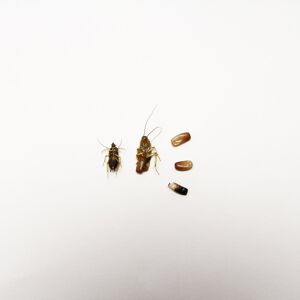
    A baby roach is also known as a nymph and it is a first stage of cockroach life cycle after being hatched. Baby cockroaches look like smaller versions of adult cockroaches but without wings.

    What Do Baby Cockroaches Look Like?

    Baby cockroaches can be considered as smaller versions of adult cockroaches but without wings and often have a lighter color.

    • Size: They are between 1/16 to 1/8 inch long in size.
    • Color: When we talk about their color, baby cockroaches are often white or pale as soon as they are being hatched but turn a reddish-brown or darker shade rapidly.
    • Shape: Their shape is almost similar to adult roaches but they lack developed wings.

    Life Cycle of a Cockroach

    Life cycle of roaches has three main stages: Egg, Nymph and Adult. It is very important to understand the lifecycle of roaches as it helps controlling an infestation in our homes.

    1. Egg Stage

    Female cockroaches lay eggs in protective casings called oothecae. Each ootheca contains 10 to 50 eggs depending on the type of cockroach.

    Life Cycle of Roaches

    1.  Nymph Stage (Baby Cockroach)

    After being hatched, baby cockroaches emerge as nymphs, the second stage of their life cycle. They lack wings and move very fast at this stage.

    1. Adult Stage

    This is the final stage where a roach being an adult, has wings and reproductive abilities, and is responsible for reproduction which makes the life cycle keep going.

    Where Do Baby Cockroaches Hide?

    There are some common spots in homes that baby roaches consider the safest places to hide. Common hiding spots include:

    • Kitchens
    • Bathrooms
    • Cracks and Crevices
    • Cluttered Areas

    Roaches mostly keep themselves hidden throughout the day and become active at night.

    What Do Baby Cockroaches Eat?

    Their diet is similar to adult cockroaches but less in quantity. They consume:

    • Food leftovers
    • Paper
    • Cardboard
    • Hair and skin flakes
    • Starch and sugar
    • Organic materials
    • Other insects

    Are Baby Cockroaches Dangerous?

    Baby cockroaches are not too dangerous when it comes to spreading diseases but they can be the carrier to several issues like:

    Health risks:

    Cockroaches can easily spread bacteria like Salmonella leading to food contamination and illness.

    Allergies and Asthma:

    Cockroach droppings and shed skins can cause allergies and exacerbate asthma symptoms.

    Rapid Reproduction:

    Baby cockroaches have a speedy growth and they turn into adults quickly. Their fast reproduction process makes it difficult to control the infestations.

    Key Indicators of a Cockroach Infestation

    Let’s look at some common signs which indicate the roach infestation in homes.

    • Multiple nymph sightings

    If you see one baby cockroach, there are surely a lot more hidden and you could be dealing with an extensive colony.

    • Droppings

    Cockroach poop can be considered as a proper indicator of infestation. It resembles black pepper or coffee grounds so whenever you see something similar, you should call a professional roach exterminator near you as you must be facing infestation in your home.

    • Egg casings

    Finding oothecae (egg casings) around your home is a major red flag and indicates their presence.

    • Unpleasant odor

    Cockroaches release a very unpleasant odor, especially in large infestations.

    How to Get Rid of Baby Cockroaches

    It is very difficult to deal with their infestation as these baby roaches keep themselves hidden throughout the day and comes out at night only in search of food.

    Here are some effective methods for getting rid of baby cockroaches:

    1. Eliminate Food Sources

    Cockroaches easily grow in environment with easy access to food and water. So, eliminating food sources should be the very first step to get rid of baby roaches. Keep your kitchen clean and store the food in proper airtight containers. Dispose off your dustbins and garbage daily to avoid attracting cockroaches.

    1. Seal Entry Points

    Roaches need a very small gap to enter into the houses. Make sure to seal all the entry points including any cracks, gaps and crevices specially around doors, pipes and windows.

    1. Use Baits and Traps

    Cockroach baits and traps are very effective when it comes to controlling the adult and baby roaches. These baits basically attract the roaches, which then carry the poison back to their nests, killing the colony.

    • Gel baits: Apply gel bait in crevices and areas where baby cockroaches are hiding.
    • Bait stations: Place these around common infestation areas like kitchens and bathrooms.
    1. Apply Insecticides

    Insecticides can be used to kill baby cockroaches on contact. However, it’s important to use products that are safe for indoor use and follow the instructions carefully.

    • Boric acid: This is a natural insecticide that’s toxic to cockroaches. Sprinkle it around entry points and where you’ve seen cockroaches.
    • Diatomaceous earth: This powder dehydrates and kills cockroaches without using harsh chemicals.
    1. Call a Professional Exterminator

    If you see baby roaches, it means you have a severe infestation in your home and it might be impossible to get rid of them at your own so it is the right time to call a professional roach exterminator near you. These pest control companies have proper tools to eliminate roaches and other pests from your home. If you are based in central or south Florida, feel free to reach us. We provide pest exterminator services in Lakeland, Port Orange, Daytona, Davenport, Kissimmee, Longwood, Davie and other areas of Florida.

    Preventing Future Cockroach Infestations

    Once you have completely eliminated the baby cockroaches from your home, it is now time to take preventive steps to make sure they don’t come back.

    Fix gaps and leaks

    Cockroaches enter the homes through smaller gaps, so make sure to seal all the gaps. Also, repair any leaks to remove water sources.

    Vacuum Frequently

    Frequent vacuuming can help remove any food source or cockroach eggs that may be hidden anywhere inside home.

    Declutter

    Cockroaches love hiding in cluttered spaces. Keeping your home organized can reduce potential hiding spots.

    Nymph cockroaches in your home are a clear indicator of an infestation at a larger scale. Always choose a professional pest control service to take early and immediate actions to prevent this infestation and keep your home safe from roaches.

  • Understanding Subterranean Termites and Their Impact

    Understanding Subterranean Termites and Their Impact

    Subterranean termites are a significant pest problem in Central and Eastern Florida, causing extensive damage to homes and businesses. Each year, termites are responsible for more than $500 million in damage in Florida alone. These pests feed on the cellulose found in wood and other organic materials, making them a constant threat to any structure with wood framing or support.

    Unfortunately, their presence often goes unnoticed for years, allowing the damage to accumulate without any visible signs. Homeowners may not realize the extent of the destruction until it becomes serious, such as when walls buckle, doors stick, or wooden floors sag.

    How Subterranean Termites Go Unnoticed

    Subterranean termites live underground, making it easy for them to infiltrate homes through cracks in foundations, gaps in utility conduits, or other small openings. They build extensive tunnel systems to travel from their nests to food sources. These tunnels, known as mud tubes, allow termites to move between the soil and the structure without being exposed to light or predators. Because they live and operate out of sight, the damage they cause can go unnoticed for years. By the time termites are spotted or signs of their activity become visible, such as blistered wood or hollowed-out beams, significant damage may already have occurred.
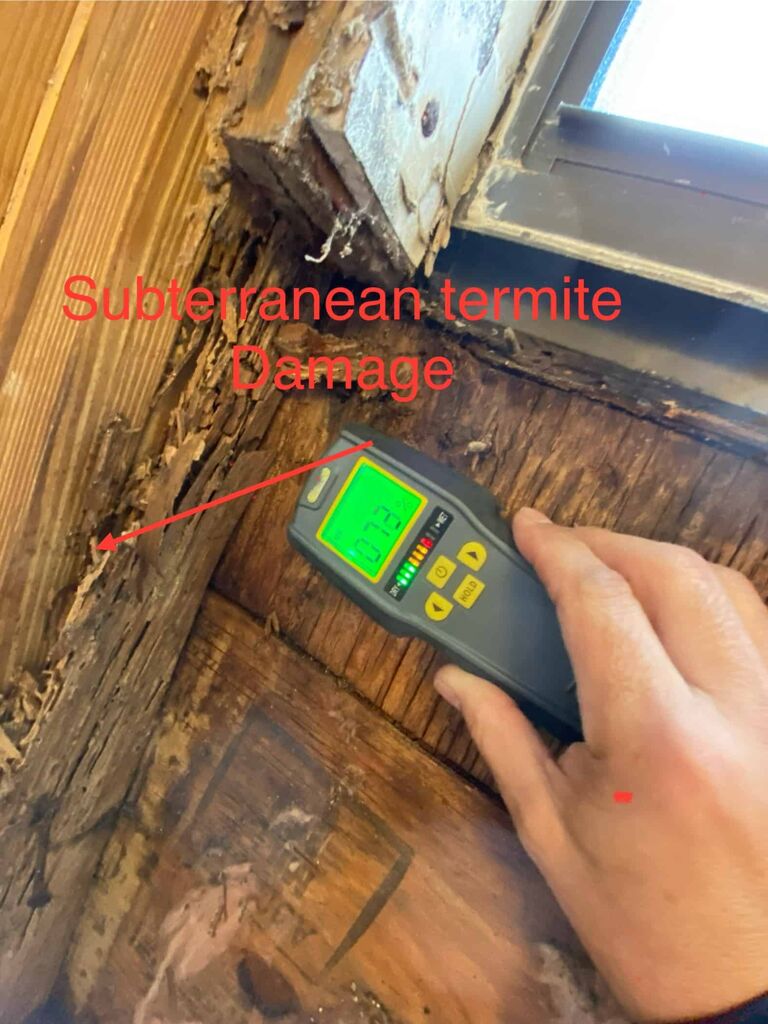
    Damage caused by subterranean termites

    Subterranean termites play a crucial role in nature, acting as one of the primary decomposers of dead and decaying wood. While these insects are notorious for causing significant damage to homes and buildings, their ecological role in forests and other natural habitats is essential.

    Termites contribute to the breakdown of cellulose, the main component of wood, returning nutrients to the soil and aiding in the recycling of organic matter. In this way, subterranean termites help maintain the balance of ecosystems by facilitating the decomposition process and contributing to the nutrient cycle.

    Subterranean Termites as Nature’s Decomposers

    In their natural environments, subterranean termites primarily feed on dead or dying trees, logs, and other plant material that contains cellulose. Without termites and other decomposers, forests and ecosystems would become overwhelmed with dead plant material, inhibiting new growth. Termites break down this plant matter into smaller particles, which are then consumed by other microorganisms, further contributing to the nutrient cycle. This process enriches the soil, promoting healthier vegetation and supporting plant life.

    Termites are particularly efficient at breaking down tough cellulose, which many other organisms cannot digest. Their ability to digest wood is due to a symbiotic relationship with microorganisms in their gut. These bacteria and protozoa produce enzymes that break down cellulose into simpler compounds, which the termites can then absorb as nutrients. By decomposing dead trees and other plant material, termites help prevent the accumulation of detritus, making room for new growth and maintaining the health of ecosystems.

    Historical Evidence

    Termites have been around for millions of years, with evidence of their existence dating back to the Cretaceous period, more than 100 million years ago. Fossilized termite nests and wood with termite damage have been found, showing that termites have long played their role as decomposers in ancient ecosystems. In ancient cultures, termites were often observed but not well understood. Some early texts from Egypt and Mesopotamia reference termites, noting their destructive potential when they infested stored wood or building materials.

    The damage caused by termites also influenced the design of ancient buildings. In some regions, architects would raise structures on stone foundations to deter termites, as the insects typically avoid stone or other non-cellulose materials. Even the Greeks and Romans took note of termite infestations, and some ancient writings warned against storing wood near the ground, where termites might find it.

    Consumption of Wood in Natural Habitats

    While termites can cause extensive damage to man-made structures, the amount of wood they consume in nature is impressive. Estimates suggest that a single subterranean termite colony can consume about one pound of wood per day. Over the course of a year, this can total hundreds of pounds, depending on the size of the colony. Given that subterranean termite colonies can contain hundreds of thousands, or even millions, of termites, the collective amount of wood consumed by termites in forests each year is substantial. This consumption, while harmful in urban settings, is vital for the decomposition and renewal of forests.

    The Life Cycle of Subterranean Termites

    A subterranean termite colony consists of a caste system with distinct roles: workers, soldiers, and reproductives.

    • Workers are responsible for feeding the colony, tending to the eggs, and building and maintaining tunnels.
    • Soldiers protect the colony from threats, particularly ants.
    • Reproductives include the king, queen, and alates (winged termites). The queen’s primary role is to lay eggs, ensuring the colony’s growth and survival.

    A termite queen is created during the swarming process, when alates leave the colony to establish new ones. Once a male and female alate find each other, they shed their wings and burrow into the ground to start a new colony. The female becomes the queen and begins laying eggs, initially in small numbers, but as the colony matures, her egg production increases dramatically. The queen can live for several decades, producing millions of eggs over her lifetime.

    If the queen dies, the colony may begin to collapse. However, some colonies are capable of producing secondary reproductives to continue reproduction and sustain the colony. Without a queen, the colony’s growth and stability are threatened, making it easier to control or eradicate.

    Sentricon Termite Bait Stations: An Effective Solution

    One of the most effective treatments against subterranean termites is the Sentricon Termite Bait Station, which uses an innovative approach to termite control. Sentricon relies on an insect growth regulator (IGR) called Recruit HD, which interferes with the termites’ molting process—a critical stage in their development. Molting is necessary for termites to grow and continue their life cycle, but when they consume the bait from a Sentricon station, the IGR stops them from molting, causing them to die. Without molting, the entire colony, including the queen, will eventually perish.

    After termites consume the bait, it typically takes a few weeks for the effects to spread throughout the colony. Since termites share food through a process called trophallaxis, the bait is passed to other members of the colony, ensuring that the insect growth regulator affects the majority of the population.

    How Sentricon Is Installed and Maintained

    Sentricon is installed by placing bait stations in the soil around the perimeter of a home or building. These stations are placed strategically to intercept termites as they forage for food. Once installed, the stations are monitored regularly by pest control professionals, who check for termite activity and replenish the bait as needed. The process is non-invasive, and there is no need for drilling or trenching, unlike traditional liquid treatments.

    Environmentally Friendly Approach

    Sentricon is considered environmentally friendly compared to liquid insecticides, which can leach into the soil and potentially affect non-target organisms. The Sentricon system is designed to target only termites, and because it uses a growth regulator rather than a broad-spectrum insecticide, it minimizes the environmental impact. The bait stations are contained and monitored, reducing the risk of harmful chemicals spreading into the surrounding ecosystem.

    The Process for Using Liquid Termiticide

    A liquid termiticide treatment is a common method for protecting homes from subterranean termites. This process involves creating a chemical barrier around the foundation of the home to prevent termites from entering. Here’s how it works:

    Inspection

    The pest control technician begins with a thorough inspection to identify termite activity and determine the best treatment areas. This includes locating points of entry, such as cracks in the foundation or around plumbing lines.

    Trenching and Drilling

    • Trenching

    The technician digs a shallow trench around the perimeter of the home, typically about 6 inches deep. The trench allows the liquid termiticide to reach the soil where termites travel.

    • Drilling

    In areas where there are concrete slabs, driveways, or patios adjacent to the house, the technician must drill small holes (about 1/2 inch in diameter) through the concrete to apply the liquid termiticide beneath the surface. These holes are typically spaced about 12-18 inches apart.

    Application of the Termiticide

    Once the trench is dug and the necessary holes are drilled, the liquid termiticide is applied. The technician injects the chemical deep into the soil to create a continuous barrier. In the drilled areas, the termiticide is pumped into the ground beneath the concrete.

    Filling Trenches and Sealing Holes

    After the application, the trenches are filled back in with soil, and the drilled holes in the concrete are sealed. This restores the landscape or flooring to its original condition.

    Monitoring

    Liquid treatments often come with a warranty, so technicians may periodically inspect the property to ensure termites are not breaching the barrier.

    Sentricon Bait Stations vs. Liquid Termiticide
    Sentricon Bait Stations

    Sentricon Bait Stations

    • Environmentally Friendly: Sentricon uses targeted termite bait rather than spreading chemicals in the soil. The bait system only affects termites, reducing the risk of harming other wildlife or plants.
    • Non-invasive: There is no need to drill through concrete or dig trenches around the home, which means less disruption to the property.
    • Long-lasting Protection: Sentricon bait stations are regularly monitored and can continue to protect the home for years without degrading.
    • Kills the Entire Colony: Sentricon targets the entire termite colony, including the queen, by disrupting the molting process, which eventually leads to the colony’s collapse.

    Liquid Termiticide

    • Invasive Installation: Drilling through concrete and trenching around the home can be disruptive to landscaping and patios.
    • Degrades Over Time: Liquid termiticides can break down in the soil due to moisture, heat, and microbial activity, meaning the protection may degrade over time and require reapplication.
    • Environmental Concerns: Chemicals may leach into the soil and potentially affect non-target organisms, including beneficial insects and plants.

    Both Sentricon bait stations and liquid termiticide treatments have their advantages and disadvantages. Sentricon offers a long-term, eco-friendly solution with less disruption, but it works more slowly and requires monitoring. Liquid treatments, while fast-acting and highly effective, can degrade over time and involve more invasive installation procedures. The best choice often depends on the homeowner’s specific needs, the severity of the termite problem, and environmental considerations.

    Sentricon Bait Station

    Subterranean termites are a major threat to homes in Central and Eastern Florida, causing hundreds of millions of dollars in damage each year. Due to their ability to remain hidden, they can cause severe damage long before homeowners notice their presence. However, with professional pest control methods such as the Sentricon Termite Bait Station, it is possible to protect homes and businesses from these destructive pests.

    Sentricon offers an environmentally friendly, long-term solution that targets the entire termite colony, ensuring the safety of both the structure and the environment. By investing in proactive termite protection, homeowners can avoid the costly repairs associated with termite damage and preserve the integrity of their property.

    Call us today for a free estimate for your home, business or condominium.